Your search Hispania gave 87 results.
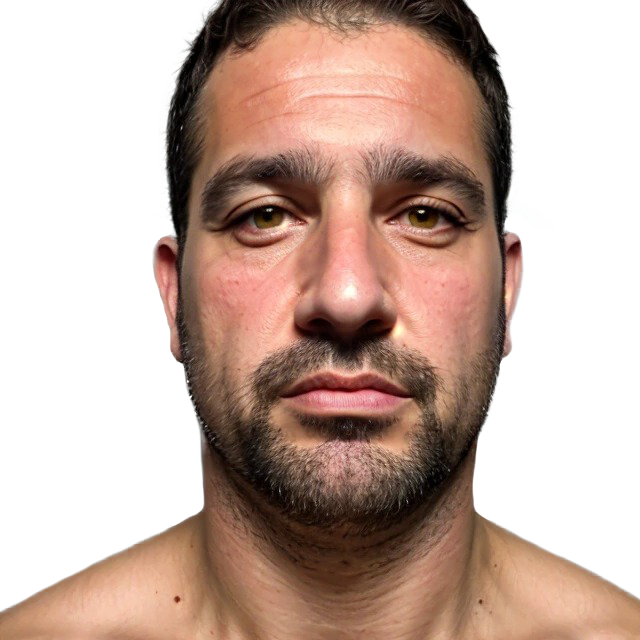
Procurator of Tarraconensis, he dedicated a monument to the Invincible God, Isis and Serapis in Asturica Augusta.

Hector erected an altar to Mithras in Emerita Augusta by means of a ‘divine vision’.


Centurio frumentarius probably from Tarraco, who served in the Legio VII Gemina located in Emerita Agusta.

Aphrodisius, probably of Greek origin, must have been a slave of the Cornelii.

Garlic merchant, probably from Lusitania, who dedicated an altar to Cautes in Tarraconensis.

Tribune of the first cohort of Vardulli, he erected a mithraeum with his fellows in Brementium.


Centurion of the Legio VII Gemina Antoniana Pia Felix who erected the only known mithraeum at Lucus Augusti to date.


For the health of this man, a small altar was dedicated to the god Invictus in the Emerita Augusta.
La localización de una comunidad mitraísta en San Juan de la Isla posee un notable interés, debido a la débil popularidad de este culto oriental entre las poblaciones de Hispania.
The capital of Hispania Tarraconensis, Tarraco is the oldest Roman settlement on the Iberian Peninsula.
Italica was an ancient Roman city in Hispania; its site is close to the town of Santiponce in the province of Seville, Spain.
Exploring religion, rituals, archaeological insights, and historical impact of the Cult of Mithras in the Danubian provinces.
Exploring religion, rituals, archaeological insights, and historical impact of the Cult of Mithras in the Danubian provinces.
This monument to the invincible god Mithras was inscribed on the façade of the church of Aiello deil Friuli, Aquileia.
This scene of a feast from Mérida shows three persons at a table with other people standing beside them, one holding a bull’s head on a plate.
The Mithraeum at Espronceda Street, in Merida, was discovered in 2000. It is a semi-subterranean temple.
