Your search Ines Siemers-Klenner gave 221 results.

Preliminary readings of the painted Mithraic texts later revised after additional research and restoration.
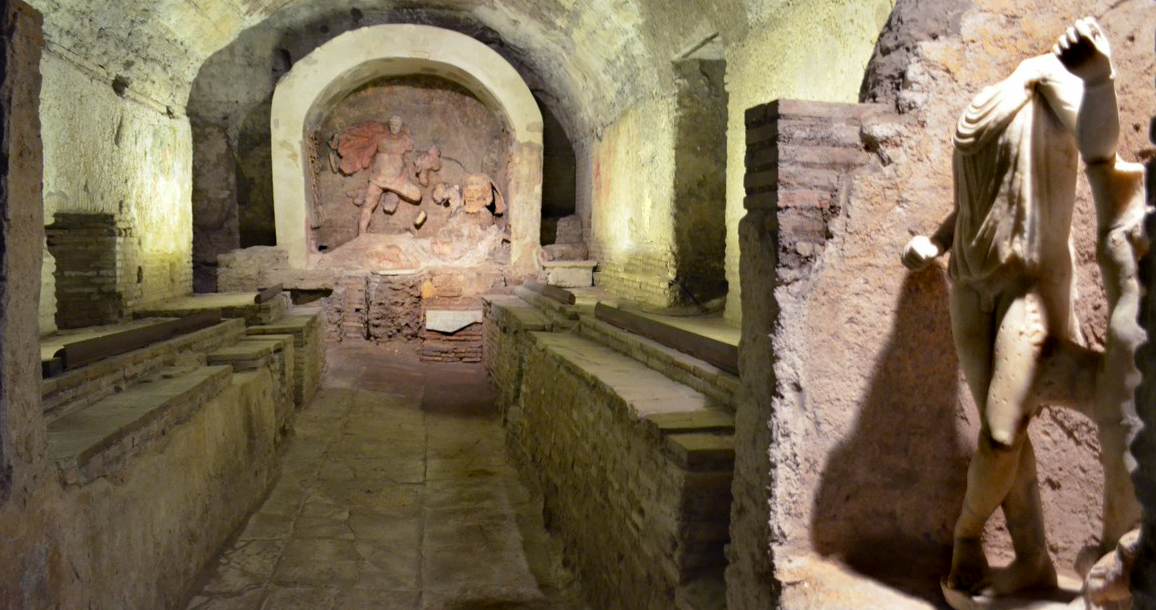
The Mithraeum of Santa Prisca houses remarkable frescoes showing the initiates in procession.
This small cippus to Zeus, Helios and Serapis includes Mithras as one of the main gods, although some authors argue that it could be the name of the donor.
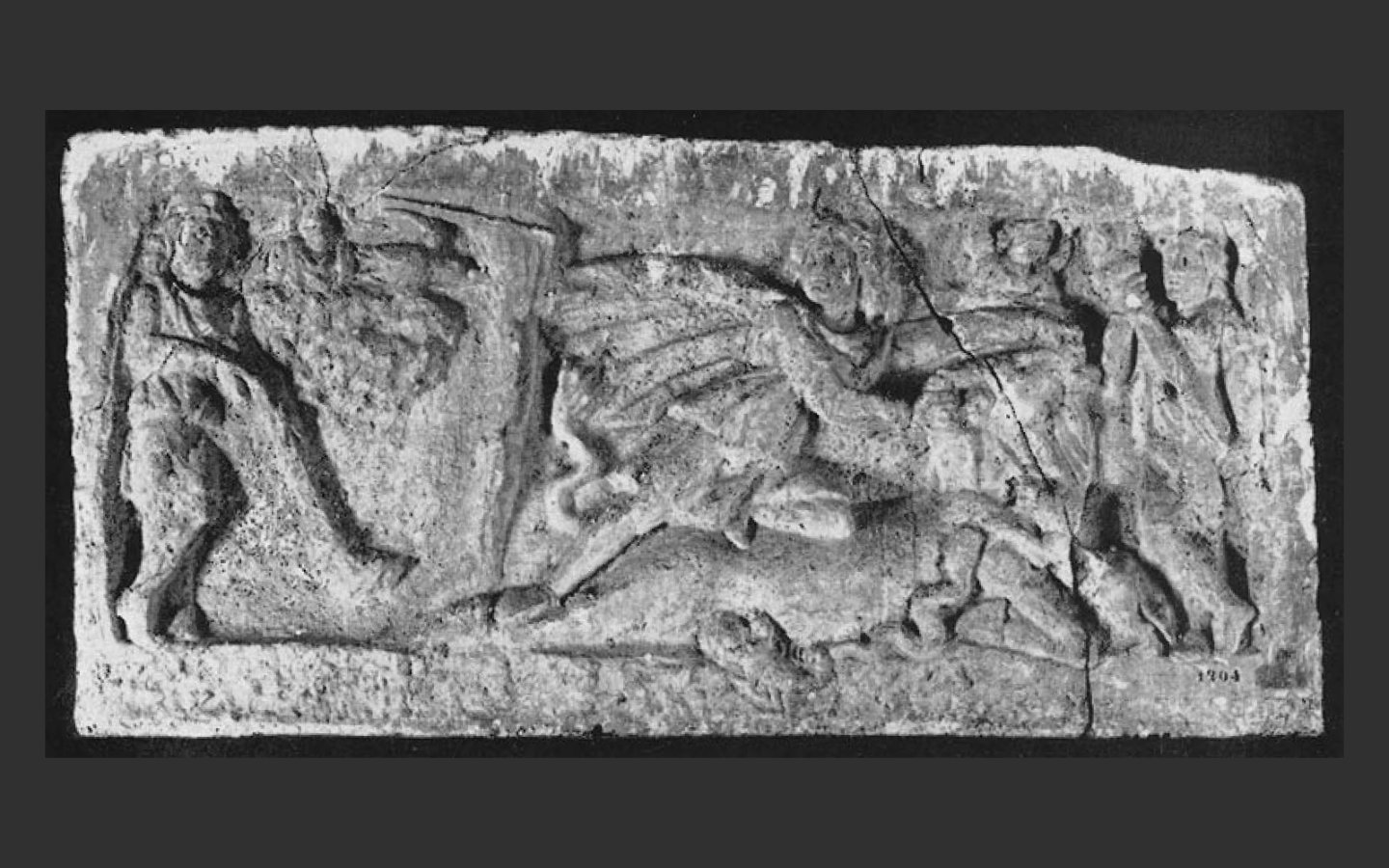
This relief of Mithras Tauroctonos from Rome bears the inscription of three brothers, two of them lions.
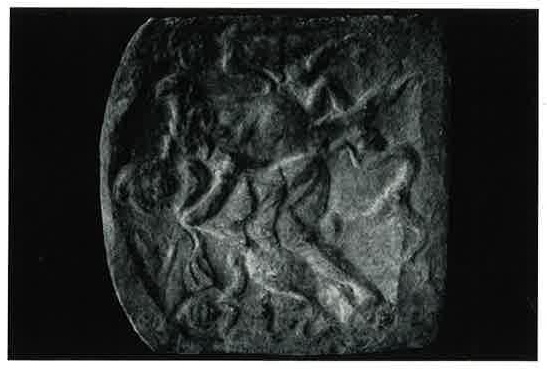
Reddish-white marble tauroctony relief from Slăveni-Romanați, Dacia, depicting the standard bull-slaying with the full iconographic programme.
Left portion of a large limestone tauroctony relief from Mintia, ancient Micia in Dacia, depicting Mithras killing the bull with a belt, the bull's tail ending in corn-ears, together with subsidiary Mithraic scenes.
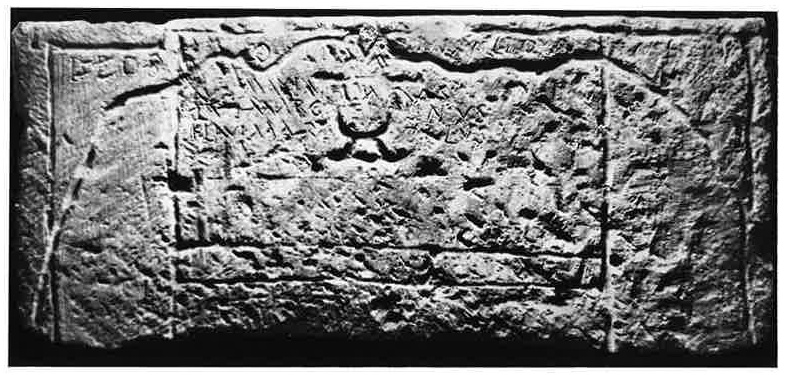
Limestone slab from a Roman settlement at Bijelo Polje north-east of Mostar, ancient area of Han Potoci in Dalmatia, found in 1902 and probably dating to the fourth century AD, depicting a Mithraic scene.
Tauroctony relief carved directly into the rock of the Mithraeum on the Colle S. Giorgio near Cavtat, ancient Epidaurum in Dalmatia; the composition includes Sol, Luna, Cautes, and Cautopates flanking the central scene.
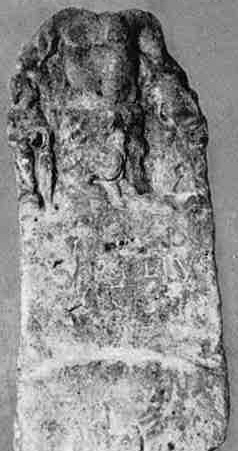
Limestone relief from Schwadorf, ancient Aequinoctium in Pannonia Superior, depicting the naked Mithras being born from the rock with a serpent encircling it, flanked by torchbearers; one of the finest examples of this iconographic type from the Danubian region…
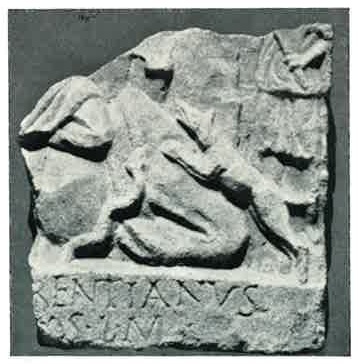
Right portion of a marble tauroctony relief from near Pregrade, Pannonia Superior, preserving Mithras killing the bull with dog, serpent, and scorpion; the greater part of the god and the bull's head are lost.
Small Mithraic sanctuary found in the slope of a ravine called Zlodjer (Devil's Ditch) at Ober-Pohanica near Zdole, Noricum; the finds are among the finest marble Mithraic sculpture from the eastern Alpine provinces.
Carbonised plant remains (4,210 g) from the third room of the Mithraeum at Linz, ancient Lentia, comprising vine, prunes, hedge- and cornelberries, apple pips, walnuts, and millet; interpreted as a ritual food offering to the god.
Unusual sculptural representation of stylised flames mounted on a pedestal.
Miscellaneous small finds from the Mithraeum at the Palazzo dei Musei, Rome, including animal bones, tusks of boars, marble pieces, bronze objects, glass fragments, and a tile with a Domitianic inscription.
Inscription dedicated to Sol Invictus at Lambaesis, of uncertain Mithraic attribution.
Group of Mithraic and other cult remains possibly originating from several neighbouring sanctuaries destroyed or abandoned in Late Antiquity.
Marble relief fragment from Romula, Dacia, bought in Resca in 1933, preserving the feet and forepart of a horse — possibly from a scene of Mithras ascending Sol's chariot.
Marble relief fragment from Romula, Dacia, showing traces of two bulls; the Mithraic attribution is uncertain.
Marble altar fragment from Romula, Dacia, with only the letters DE carved out, tentatively supplemented as De[o Soli invicto]; the attribution is questionable.
Minor finds from Mithraeum IV at Aquincum, Pannonia Inferior, comprising a stamped terra-sigillata bowl (CINNAMI), serpent-vase fragments, pine-apples, altars, balls, and lamps.
