Your search for Kadin Most gave 65 results.

Kadine-Most lies within the central Balkan region historically connected with Roman Moesia.
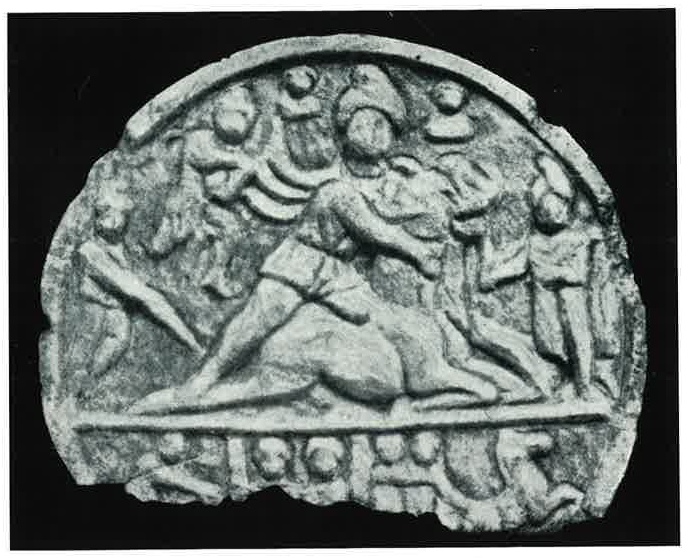
Small circular marble tauroctony relief from Kadine-Most in the Küstendil district, Moesia Superior, divided into two parts by a horizontal rim, with the bull-slaying in the upper and a figure or inscription in the lower.
Mendes was a famous city that attracted the notice of most ancient geographers and historians, including Herodotus, Diodorus, Strabo, Mela, Pliny the Elder, Ptolemy, and Stephanus of Byzantium. The city was the capital of the Mendesian nome.
Londinium was the capital of Roman Britain for most of the period of Roman rule. It was originally a settlement founded around 47-50 AD in an uninhabited area.
Germania inferior preserves a strongly militarised body of Mithraic evidence from the lower Rhine frontier of the Roman empire.
Achaea preserves some of the earliest and most culturally complex evidence for Mithraic activity in the Greek-speaking eastern Mediterranean.
Campania preserved a vibrant urban and maritime environment closely connected to the commercial life of Roman Italy.
Asia formed one of the most urbanised and interconnected provinces of the eastern Roman world where Mithraic cults circulated widely.
Lusitania preserves one of the most important bodies of Mithraic evidence in Roman Hispania, centred above all on Augusta Emerita and its urban religious landscape.
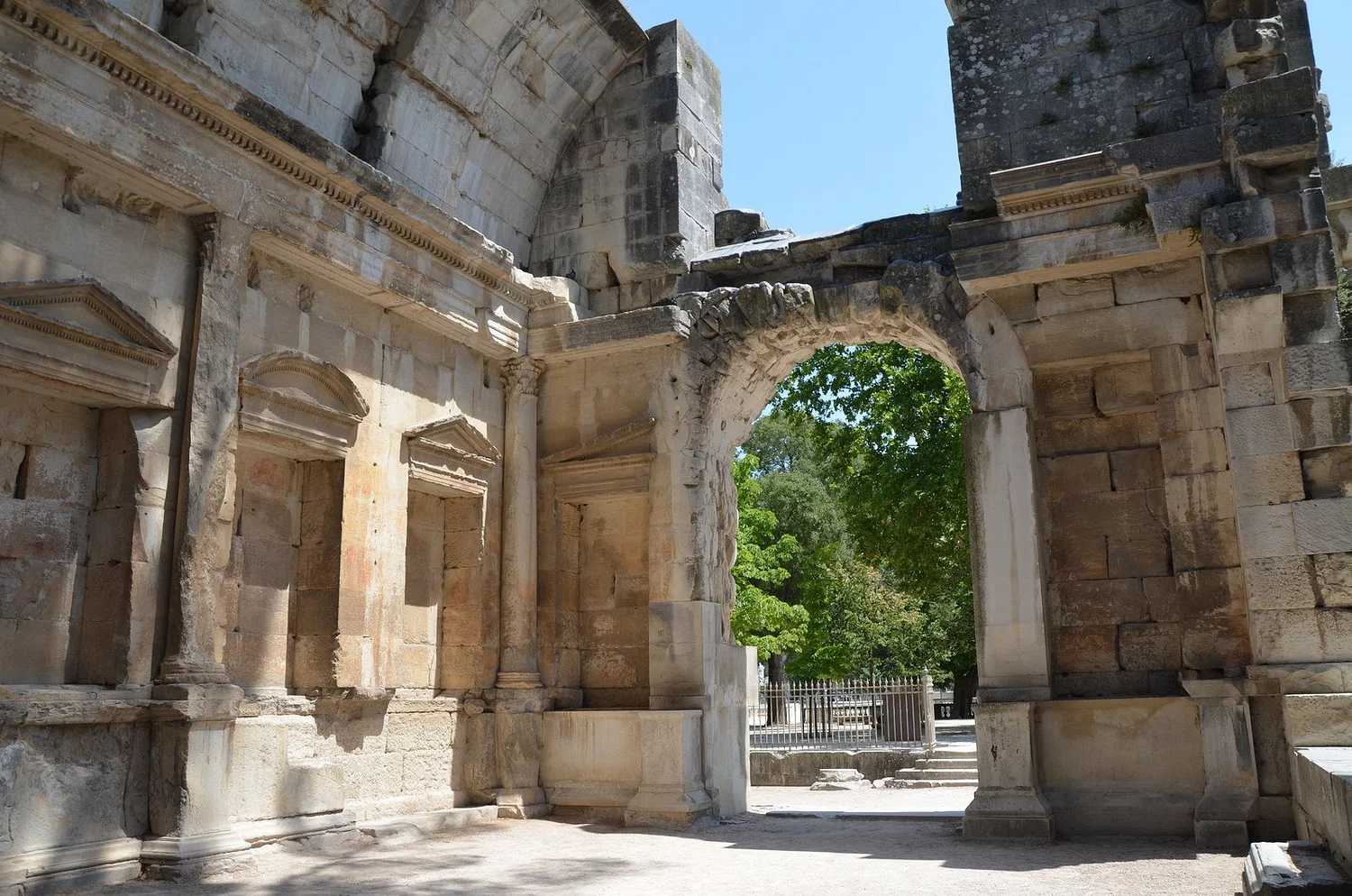
Roman Gallia preserves one of the largest and most geographically diverse corpora of Mithraic evidence in the western empire.
Dacia superior formed part of one of the most intensely Mithraic frontier regions of the Roman empire after the conquest of Trajan.
The Pontiae islands, including modern Ponza, formed part of the Roman maritime landscape of Latium and preserve one of the most remarkable Mithraic sanctuaries of Roman Italy, renowned for its rare stucco zodiac and astral symbolism.
Emerita Augusta was founded in 25 BC by order of the Emperor Augustus to protect a pass and a bridge over the Guadiana River. The city became the capital of the province of Lusitania and one of the most important cities in the Roman Empire.
Syria-Palestina occupied a complex religious landscape shaped by imperial administration, pilgrimage and eastern Mediterranean mobility.
Geneva is the second-most populous city in Switzerland and the most populous city of Romandy, the French-speaking part of Switzerland.
Roman Dacia preserves one of the densest and most frontier-oriented bodies of Mithraic evidence in the empire.
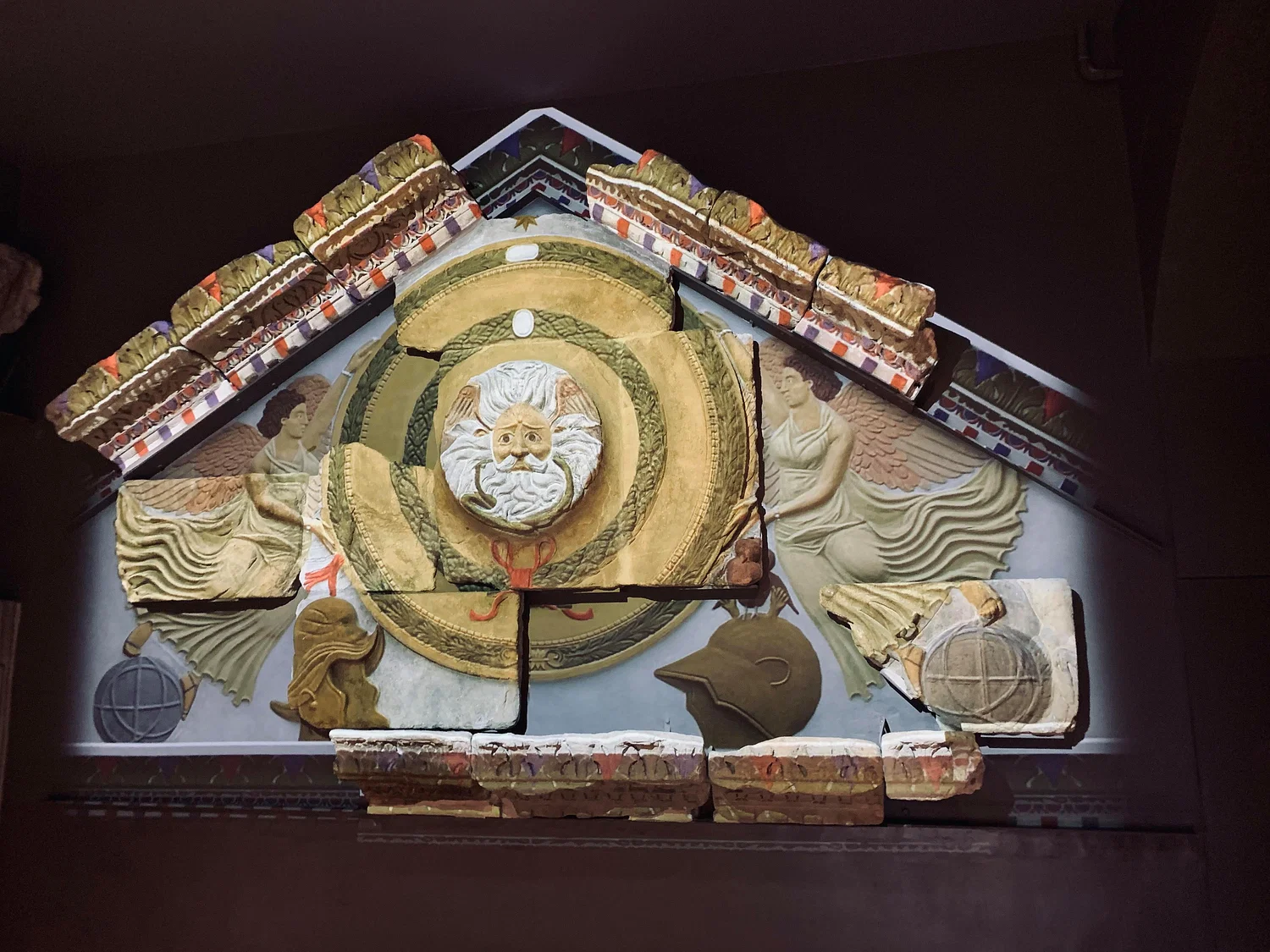
Roman Britannia preserves one of the most strongly militarised corpora of Mithraic evidence in the western empire.
Roman Asia preserves a rich and diverse body of Mithraic evidence connected to the major cities of western Anatolia.
Pannonia preserves one of the most important frontier corpora of Mithraic evidence in the Roman world.
Latium formed the political and religious centre of the Roman world where some of the most important Mithraic communities developed.
