Your search Latium gave 467 results.
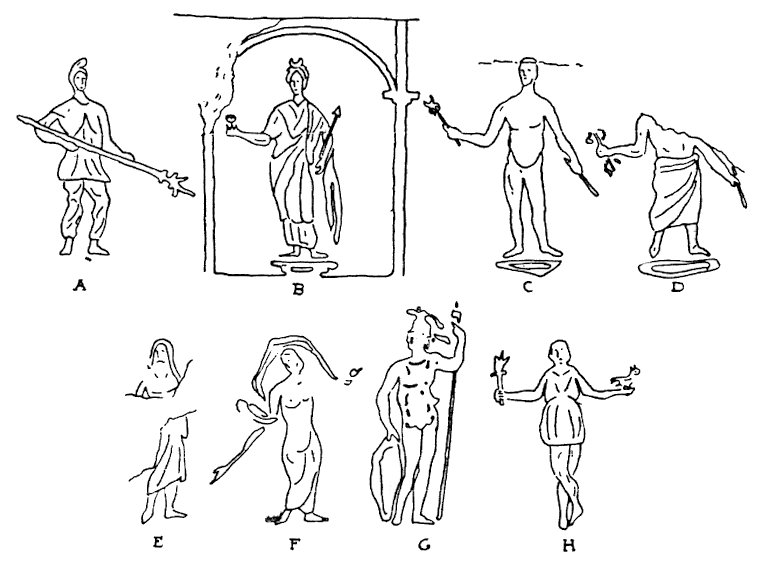
Diana-Luna, Mercurius, Jupiter, Saturn, Venus and Mars are depicted in the mosaics on the benches of this mithraeuma.
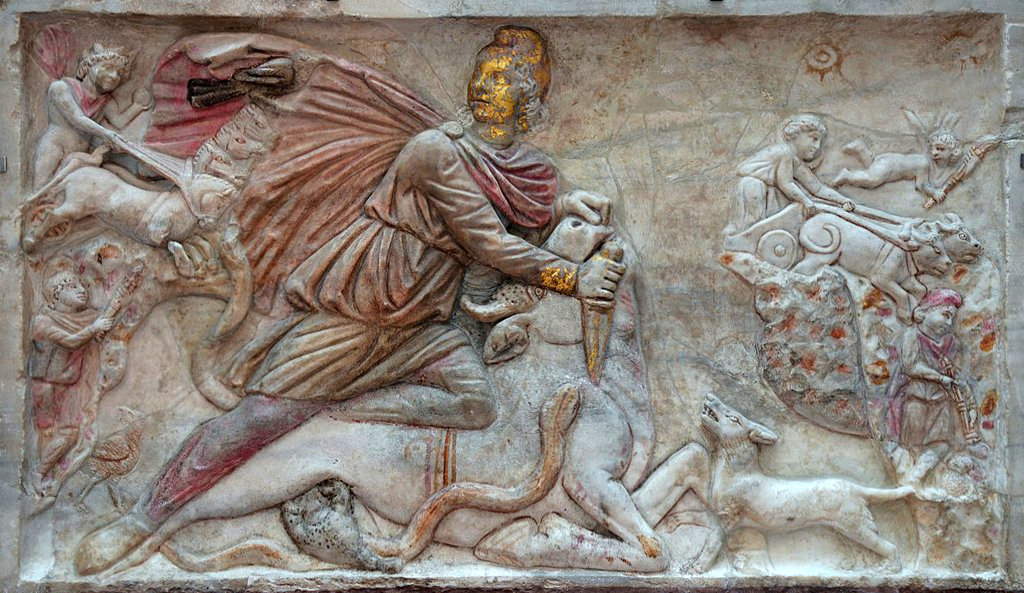
The relief of Mithras killing the bull of Stefano Rotodon preserves part of his polycromy and depicts two unusual figures: Hesperus and an owl.
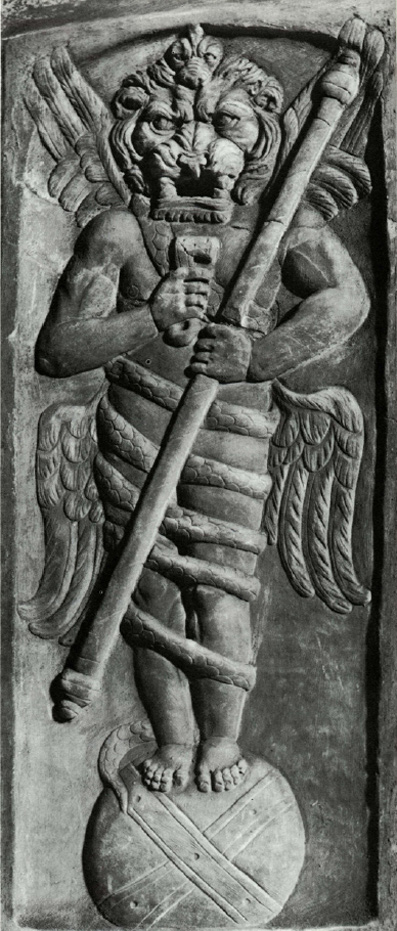
The lion-headed god is standing on a globe encicled by two crossed bands on which five pearls.
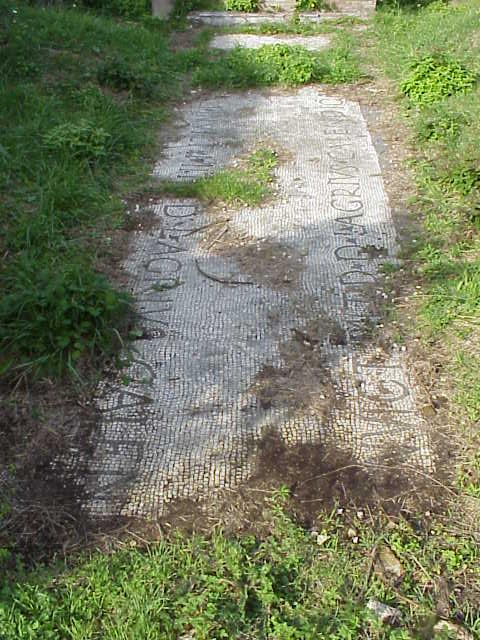
It bears an inscription repeated on each side of the podia.
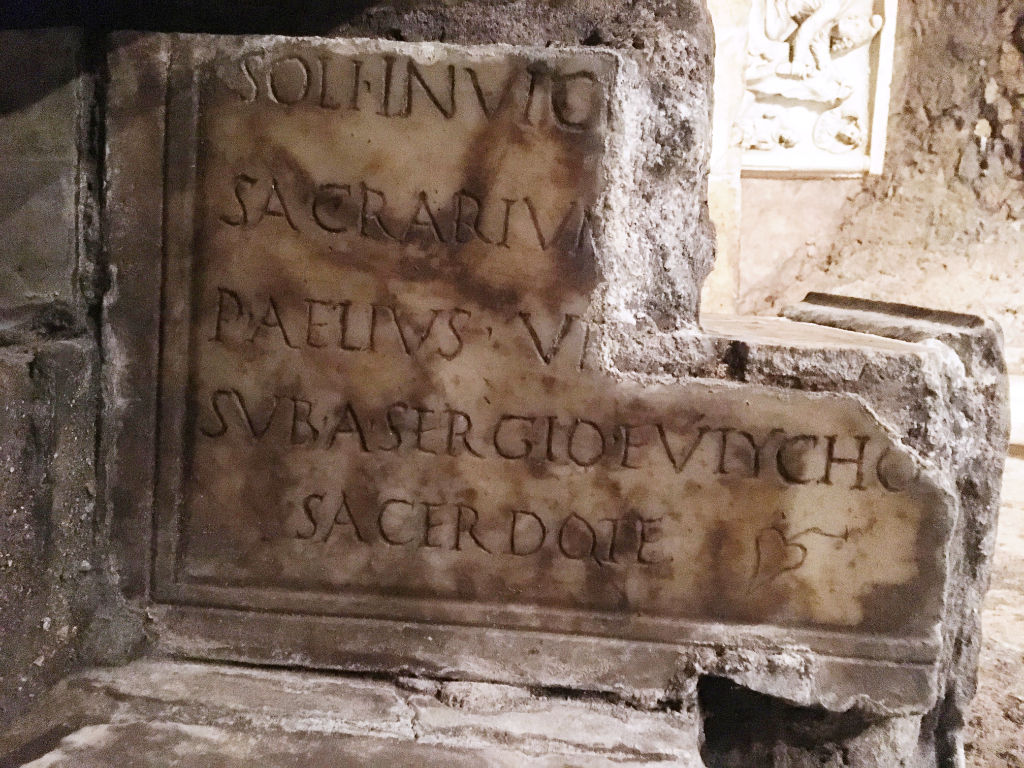
The Mithraic fellow P. Aelius Urbanus mentions that he built the sacred area of the Mithraeum Circo Massimo.

This remarkable marble relief from the end of the 3rd century was discovered in the most remote room of the Mithraeum in the Circo Massimo.
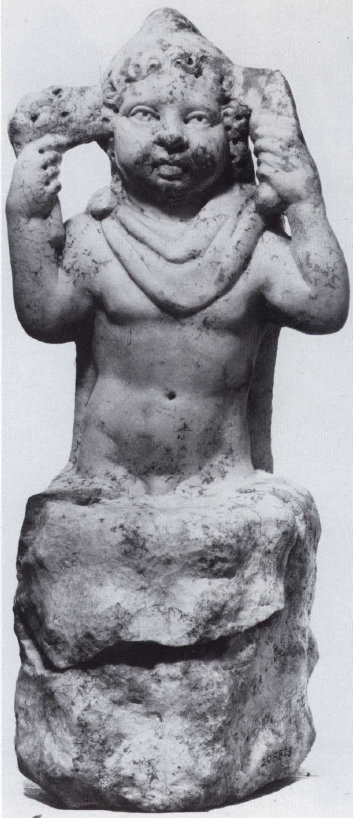
The second statue of Mithras rock-birth was found in the Mitreo di Santo Stefano Rotondo shows a childish Mitras emerging from the rock.
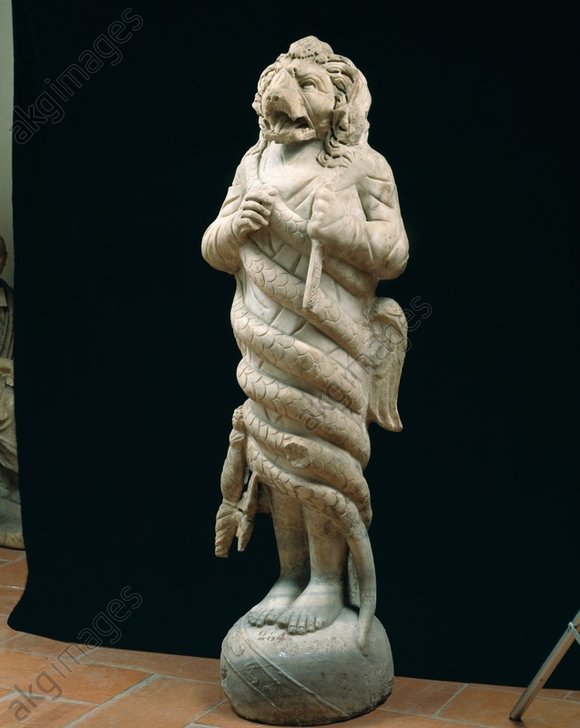
The sculpture of Aion from Florence, Italy, has the usual serpent, coiled six times on its body, whose head rests on that of the god of eternal time.
.jpeg)
Except for the serpent, the sculpture of the taurcotony found on the Esquiline Hill lacks the usual animals that accompany Mithras in sacrifice.
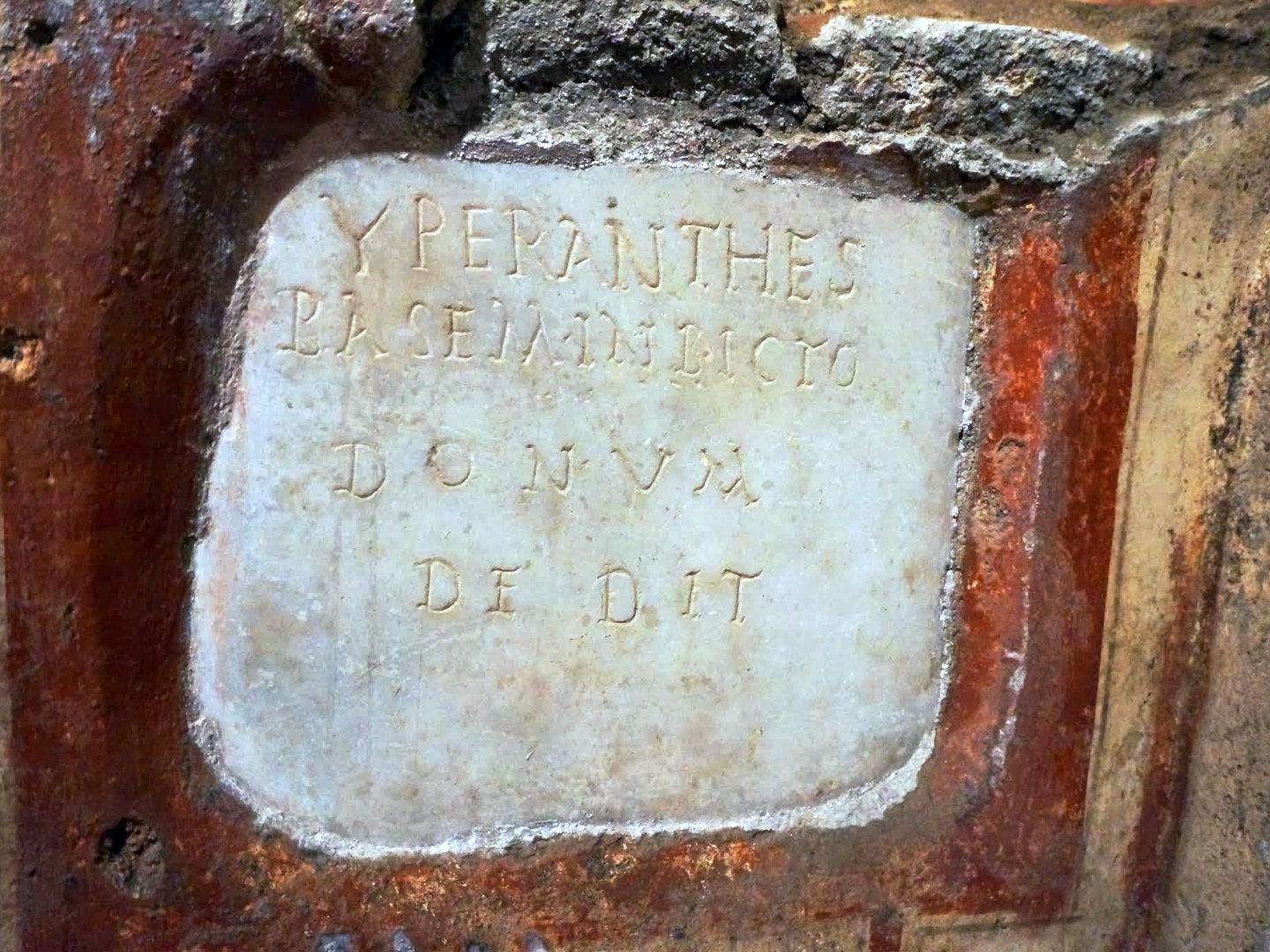
The inscription mentions the name of the donor, Yperanthes, of Persian origin.
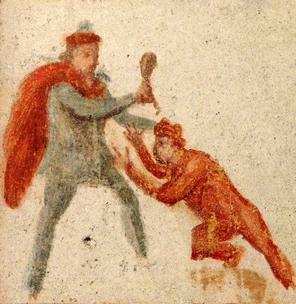
This scene of the main fresco of the Mithraeum Barberini seems to depict part of the initiation into the Mithraic Mysteries.
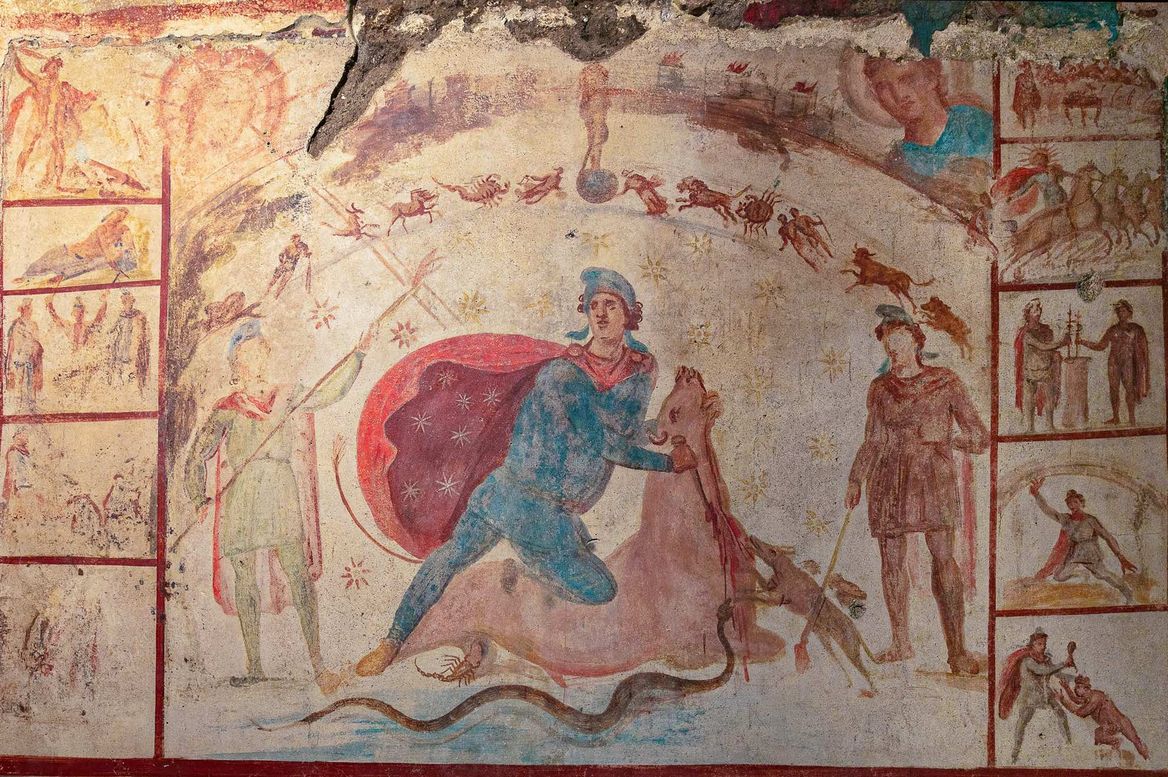
The votive fresco from the Mithraeum Barberini displays several scenes from Mithras’s myth.
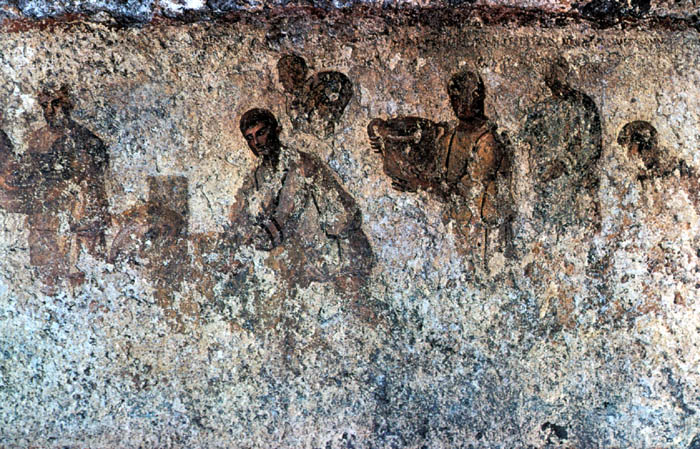
Procession of Leones carrying animals, bread, a krater, and other objects in preparation for a feast.

Continuation of the frescoes depicting an initiation into the Mithras cult, where two attendants present a repast to Mithras and Sol.
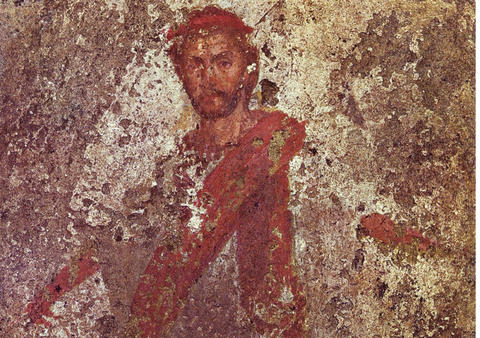
Figures in procession, each representing a different grade of Mithraic initiation, labeled with their respective titles.
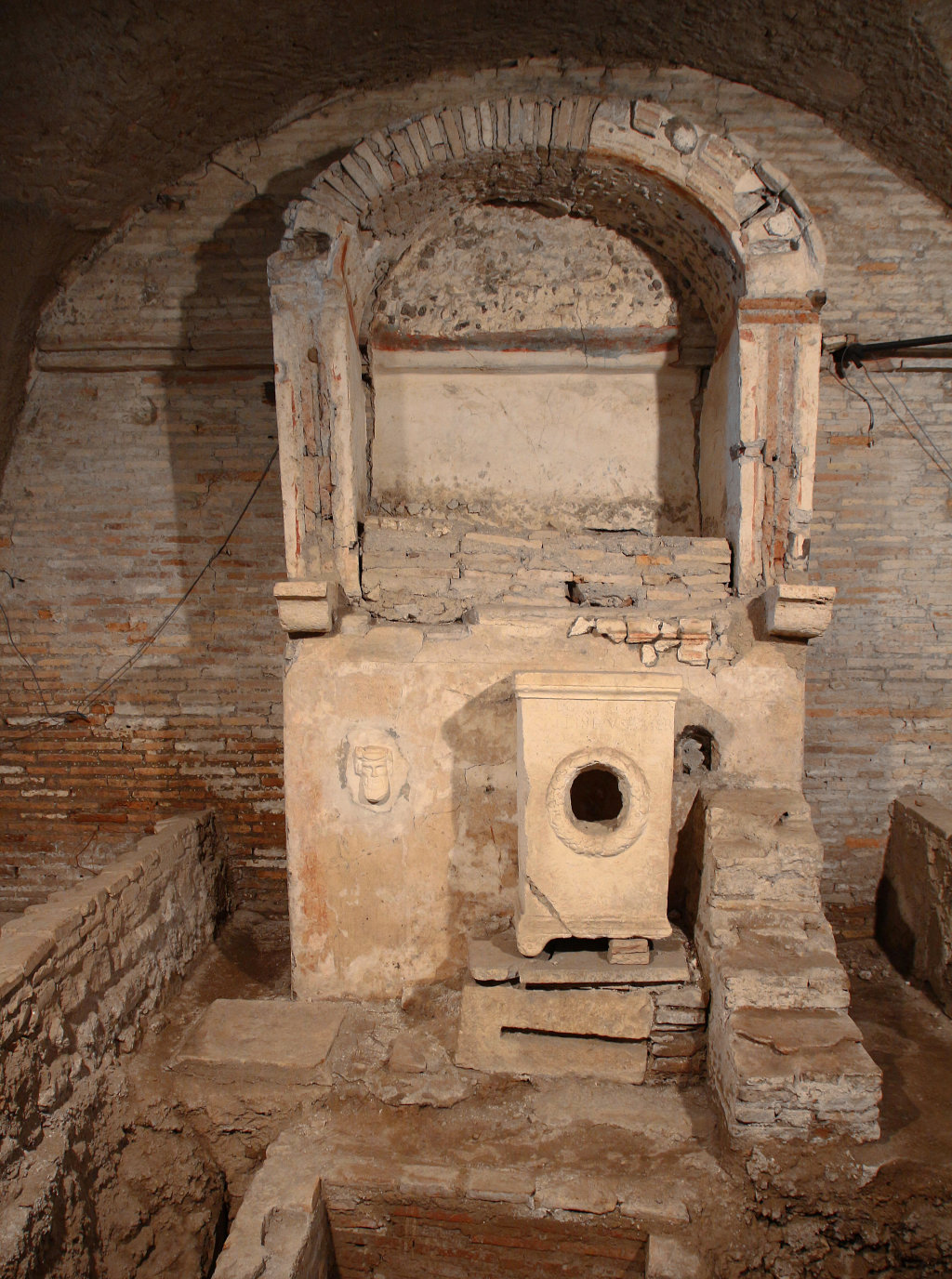
This altar was originally consecrated to Hercules and was rededicated to Mithras by Callinicus in the Mithraeum of the House of Diana.
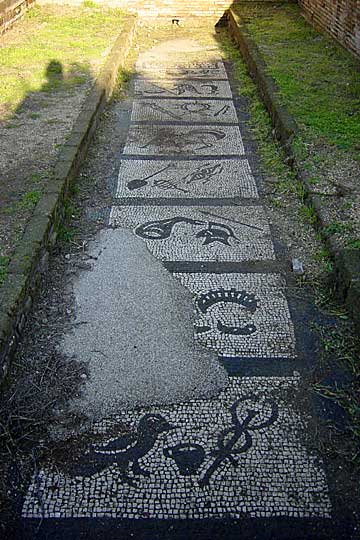
The Felicissimo Mithraeum has a floor mosaic depicting the seven mithraic grades.
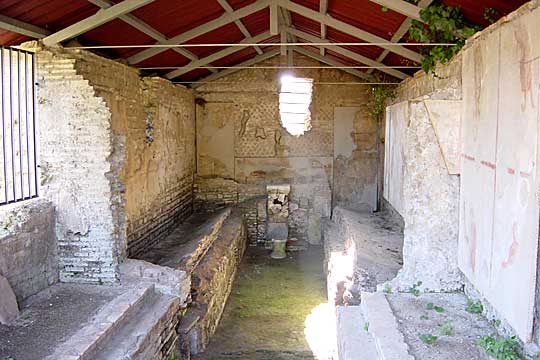
The House of the Mithraeum of the Painted Walls was built in the second half of the 2nd century BC (opus incertum) and modified during the Augustan period.
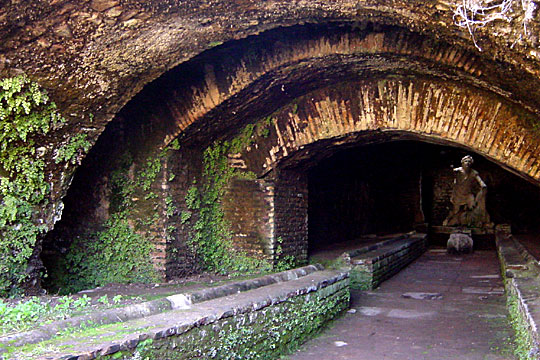
The Mithraeum of the terms of Mithras takes its name from being installed in the service area of the Baths of Mithras.
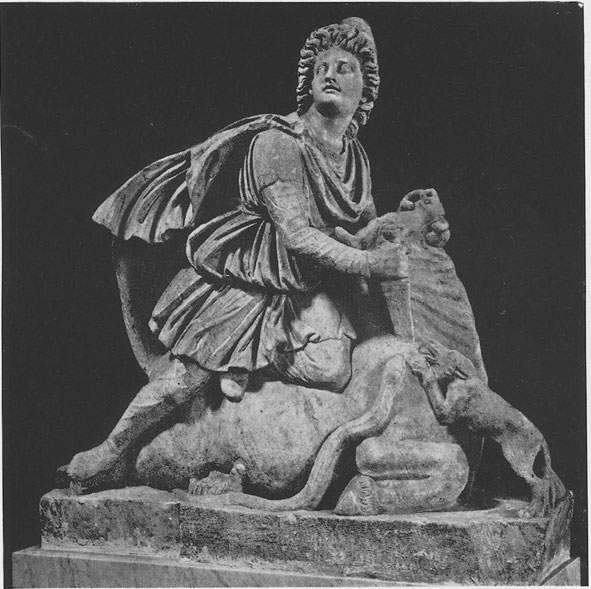
White marble statue found near the Scala Santa in Rome depicting Mithras as bull-slayer, accompanied by the dog, serpent and scorpion, with the bull’s tail ending in ears of grain.
