Your search Lucciana (Mariana site) gave 296 results.

Member of the Mithraic community of Les Bolards and dedicator of a statue of Cautes.

Tribune of the First Cohort of Vardulli, he erected a mithraeum at Bremenium together with his consacranei.

Britannia superior preserves a substantial body of Mithraic evidence associated with military sites and urban centres of Roman Britain.
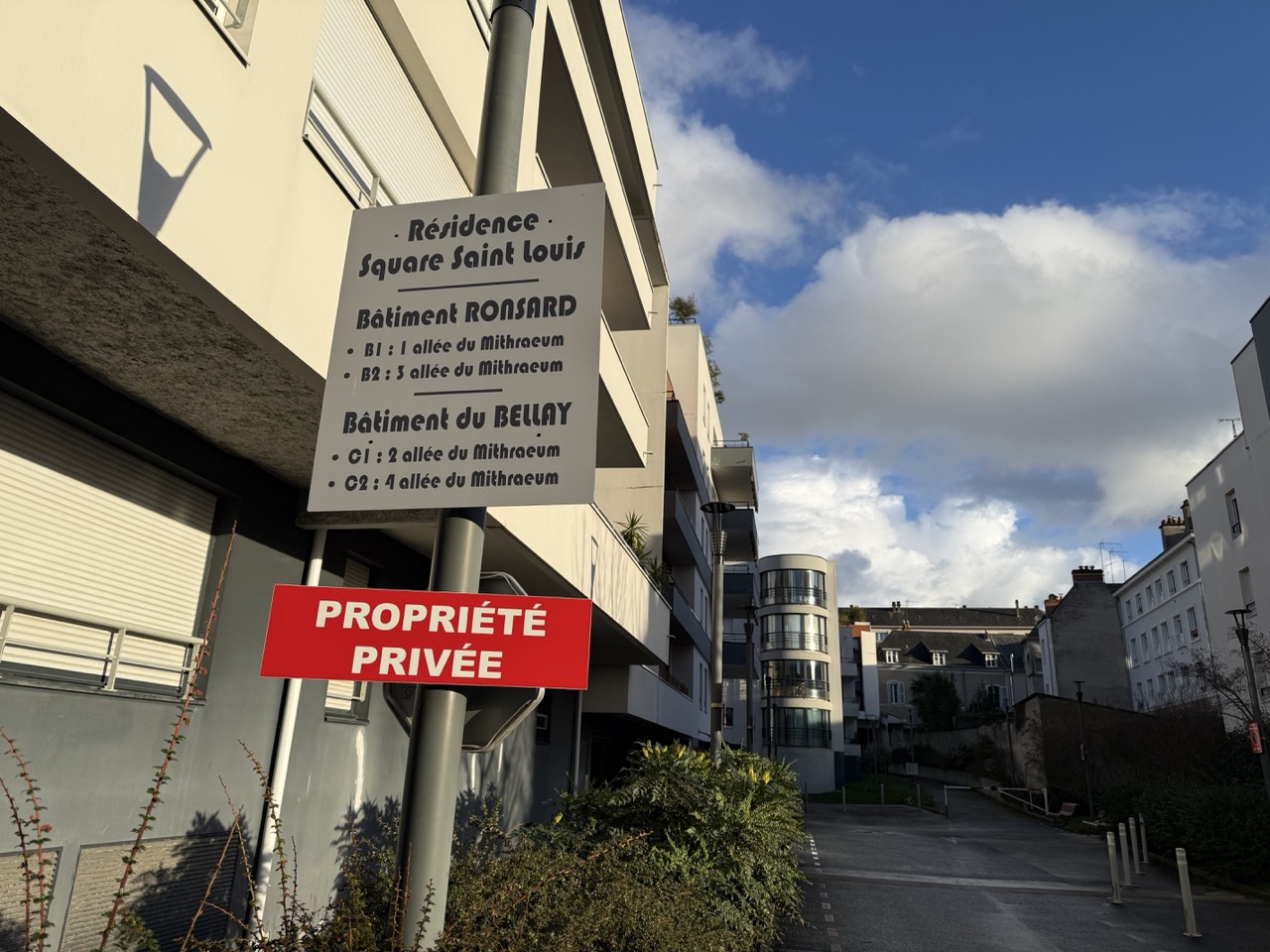
The Mithraeum of Angers, excavated during a preventive operation and subsequently dismantled in 2010, yielded numerous objects, including coins, oil lamps, and a ceramic vessel bearing a votive inscription to the invincible god Mithras.
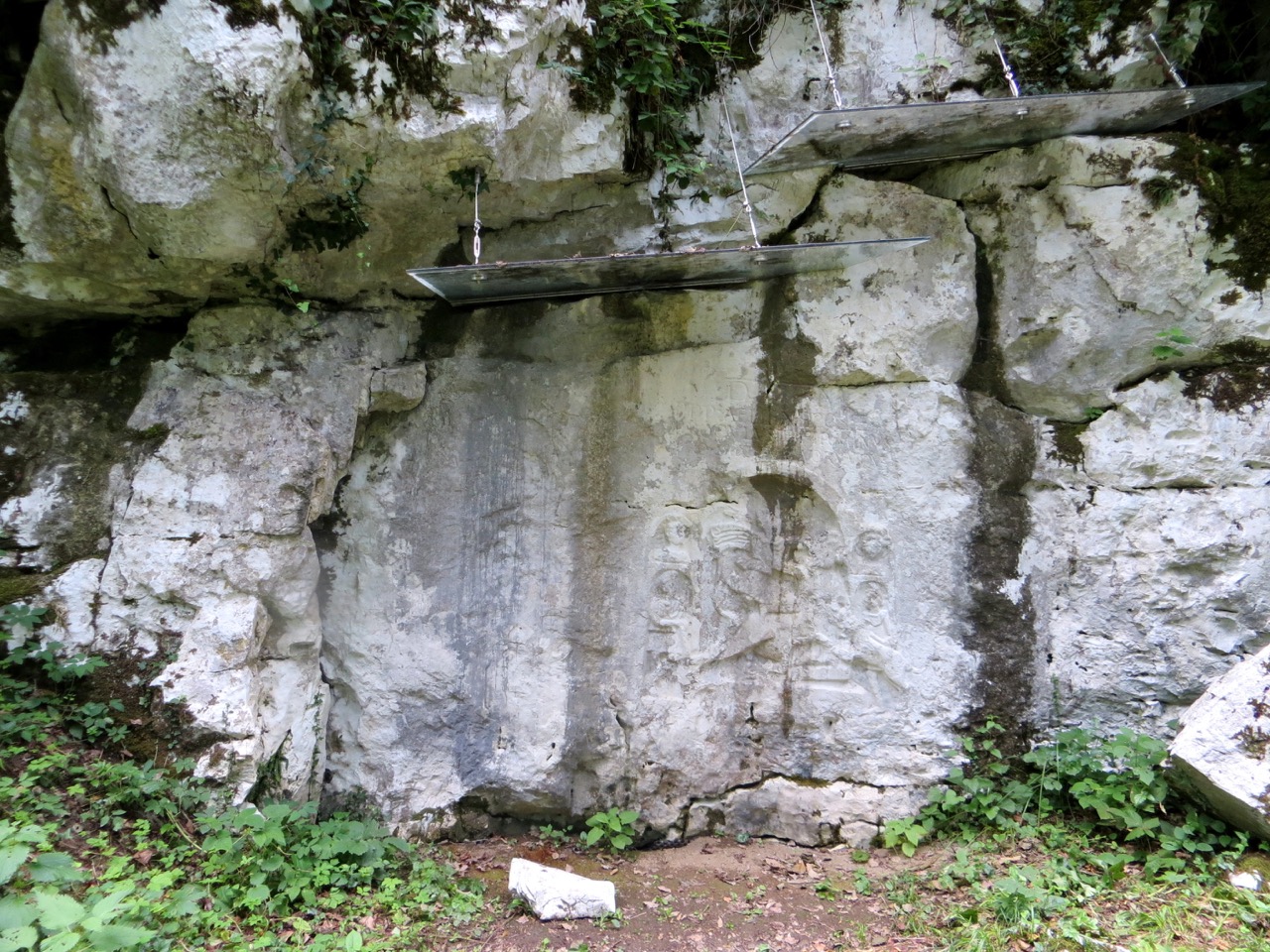
According to Hitzinger remnants of animal bones were found in front of the relief of the Mithraeum at Rozanec.

A probable Mithraic sanctuary at Poetovio, identified by Vermaseren as the so-called Mithraeum IV on the basis of four associated inscriptions.
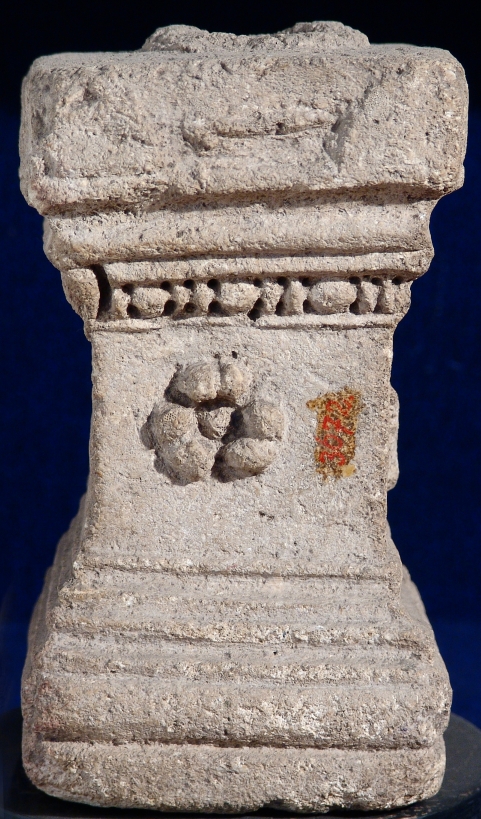
This limestone altar from Roman Dacia preserves a dedication to Mithras by a commander of the Ala II Pannoniorum.
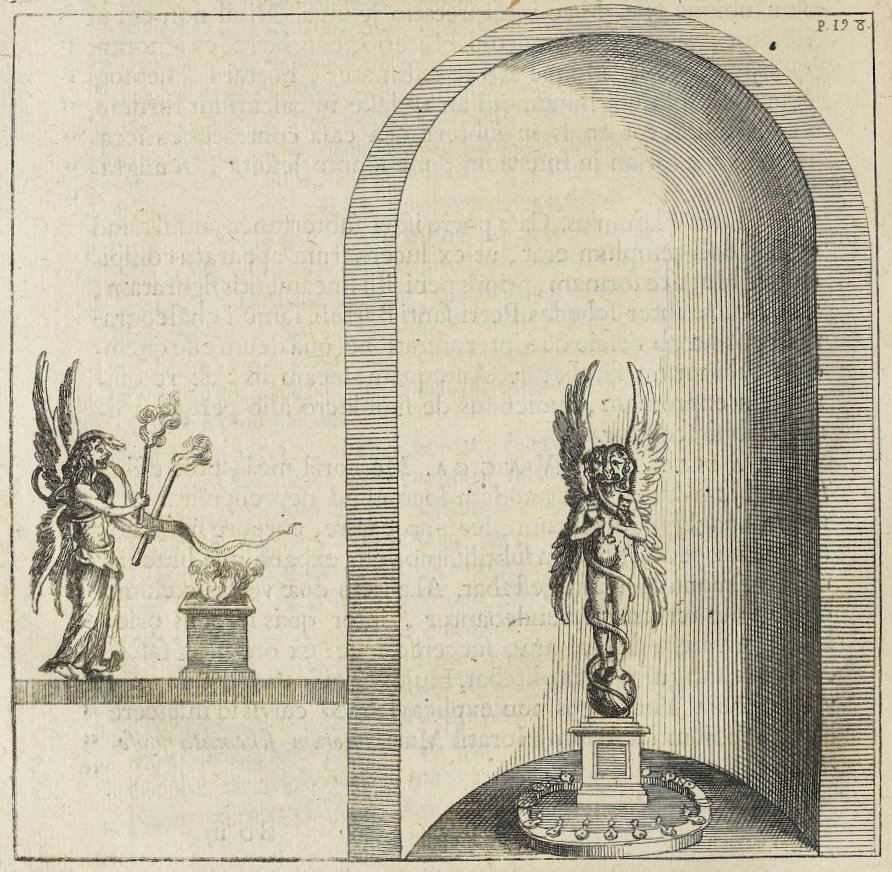
This monument has been identified from ’Memorie di varie antichità trovate in diversi luoghi della città di Roma’, a book by Flaminio Vacca of 1594.
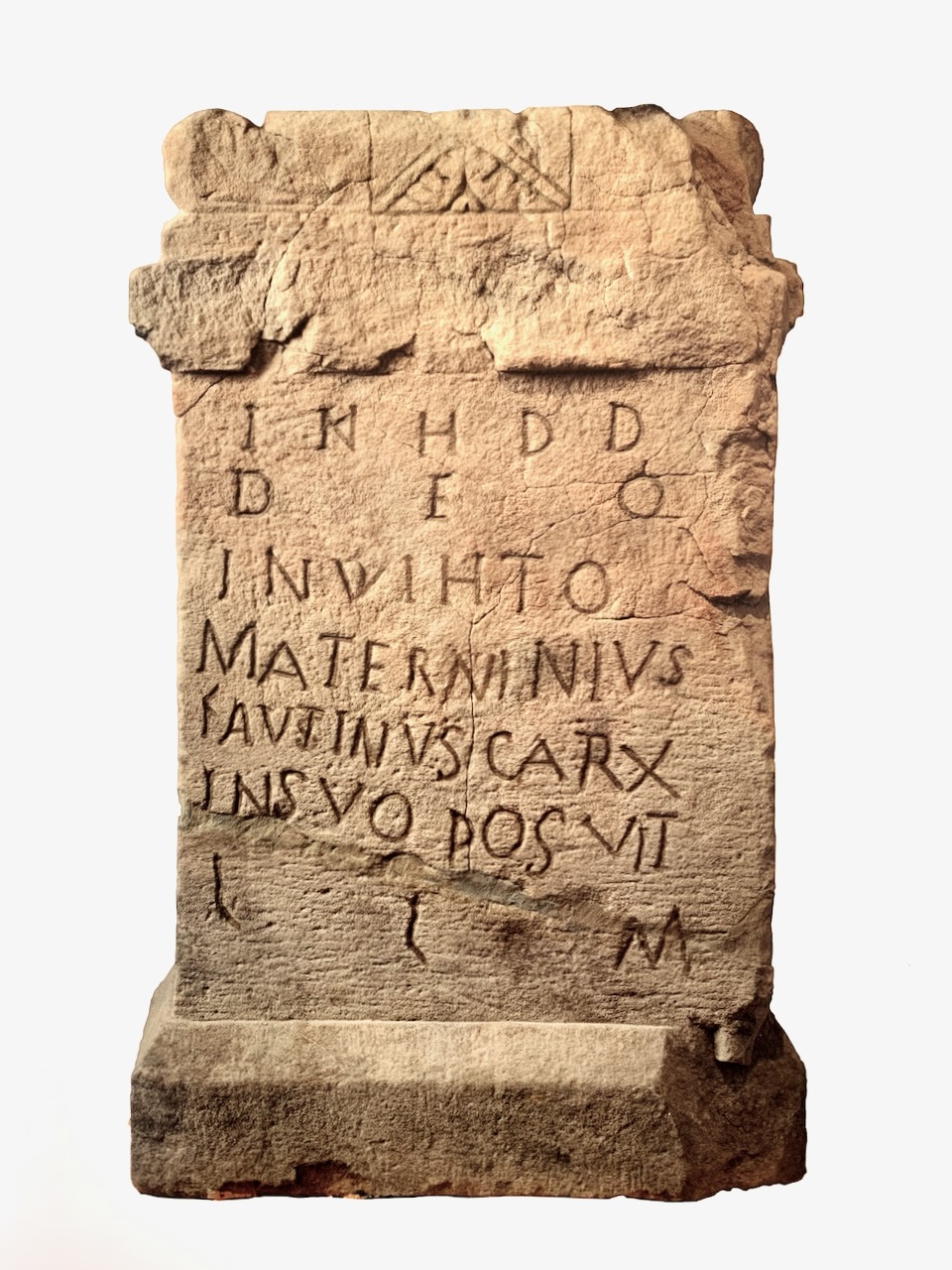
Corax Materninius Faustinus dedicated other monuments found in the same Mithraeum in Gimmeldingen.

Séminaire du 5 mai 2026 : The Lord of the Covenant: Mihr the judge and the celebration of Mihragān.
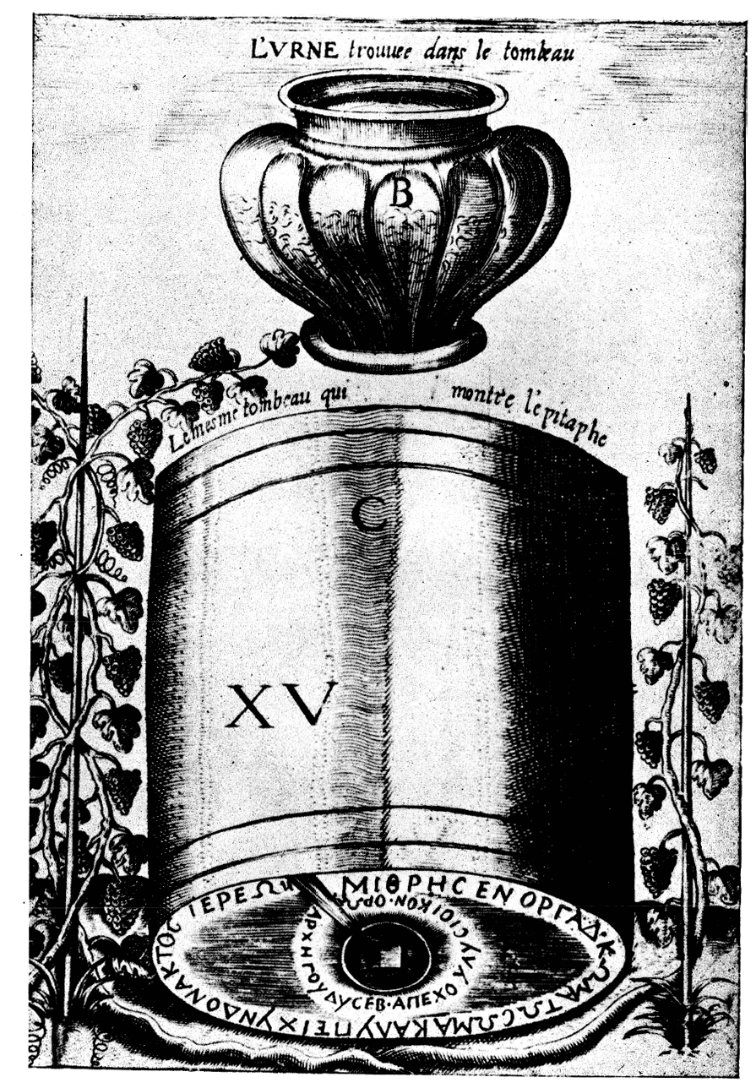
This funerary inscription, engraved on a stone urn discovered near Roman Dijon, mentions a certain Chyndonax, described as a priestly leader of Mithras.
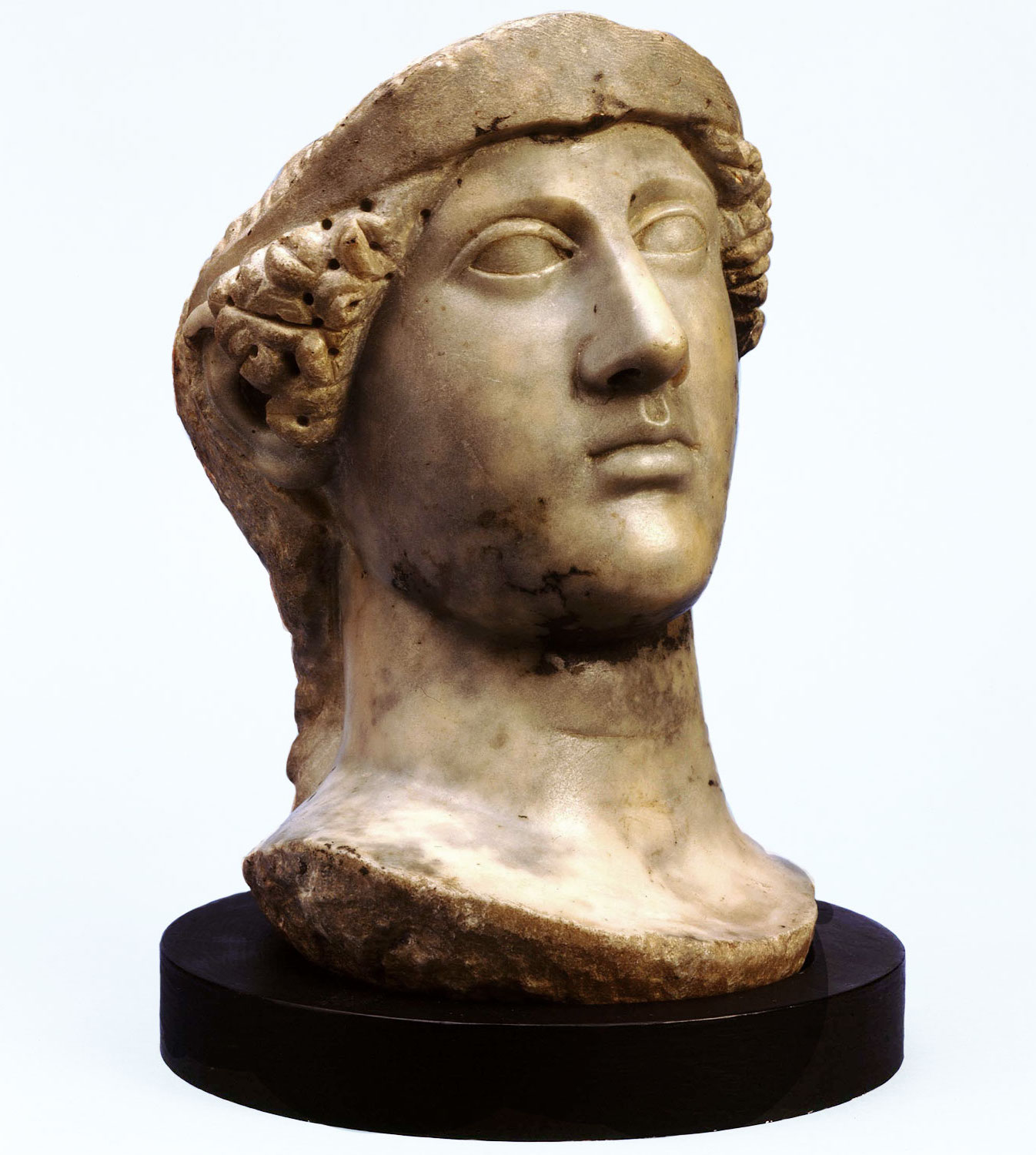
This head was found at the east end of temple of Mithras in London.
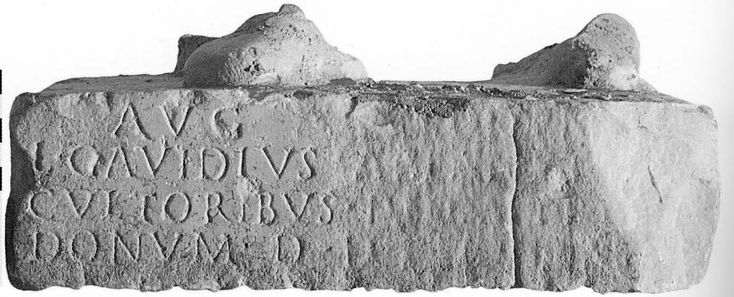
This inscription on white marble by Lucius Gavidius uses the term ther cultores to refer to his Mithraic community in Stabiae, Italy.
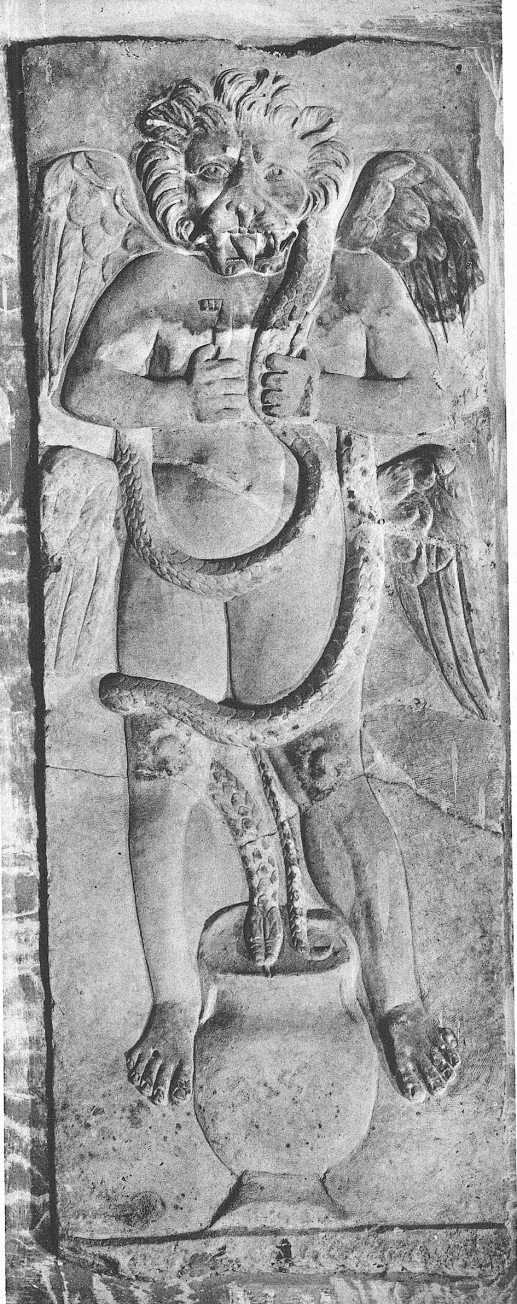
This white marble relief depicting a lion-headed figure from Ostia is now exposed at the Musei Vaticani.
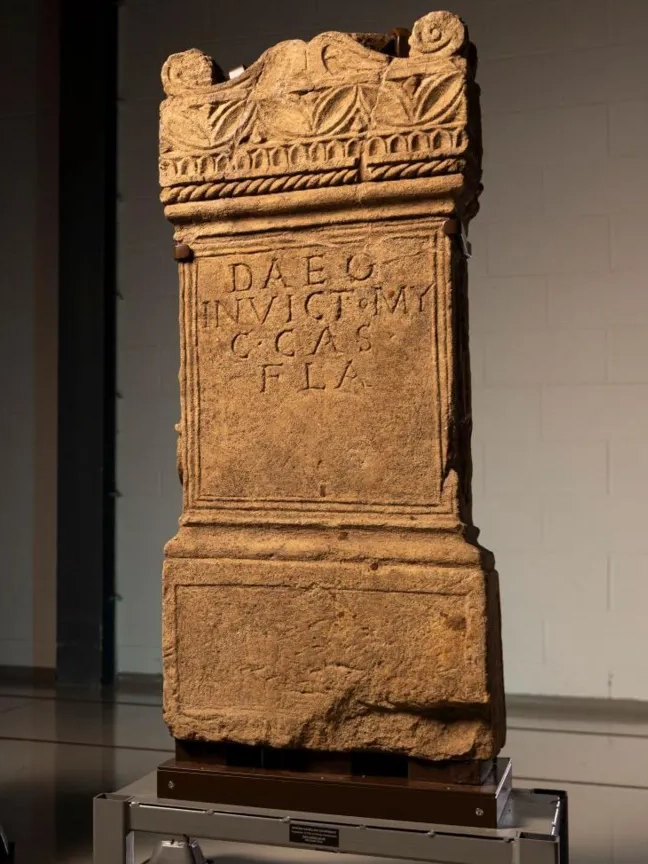
This second altar discovered to date near Inveresk includes several elements unusual in Mithraic worship.
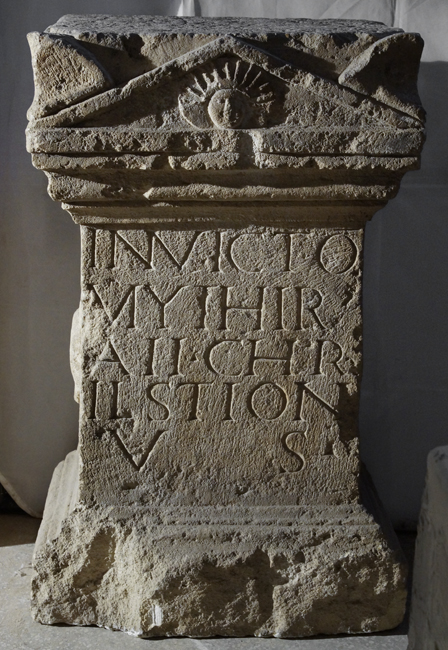
In 1852, Károly Pap, a naval captain, unearthed several Mithraic monuments in his garden at Marospartos, including this altar.
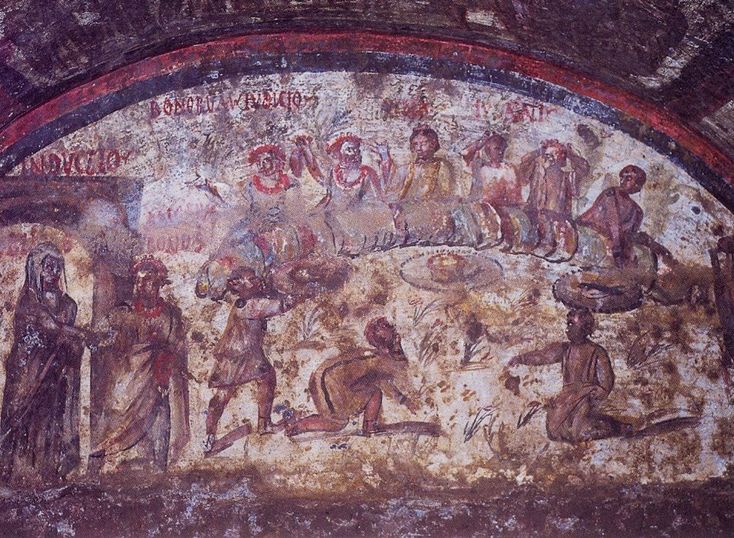
The epigrahy includes a mention of Marcus Aurelius, a priest of the god Sol Mithras, who bestowed joy and pleasure on his students.
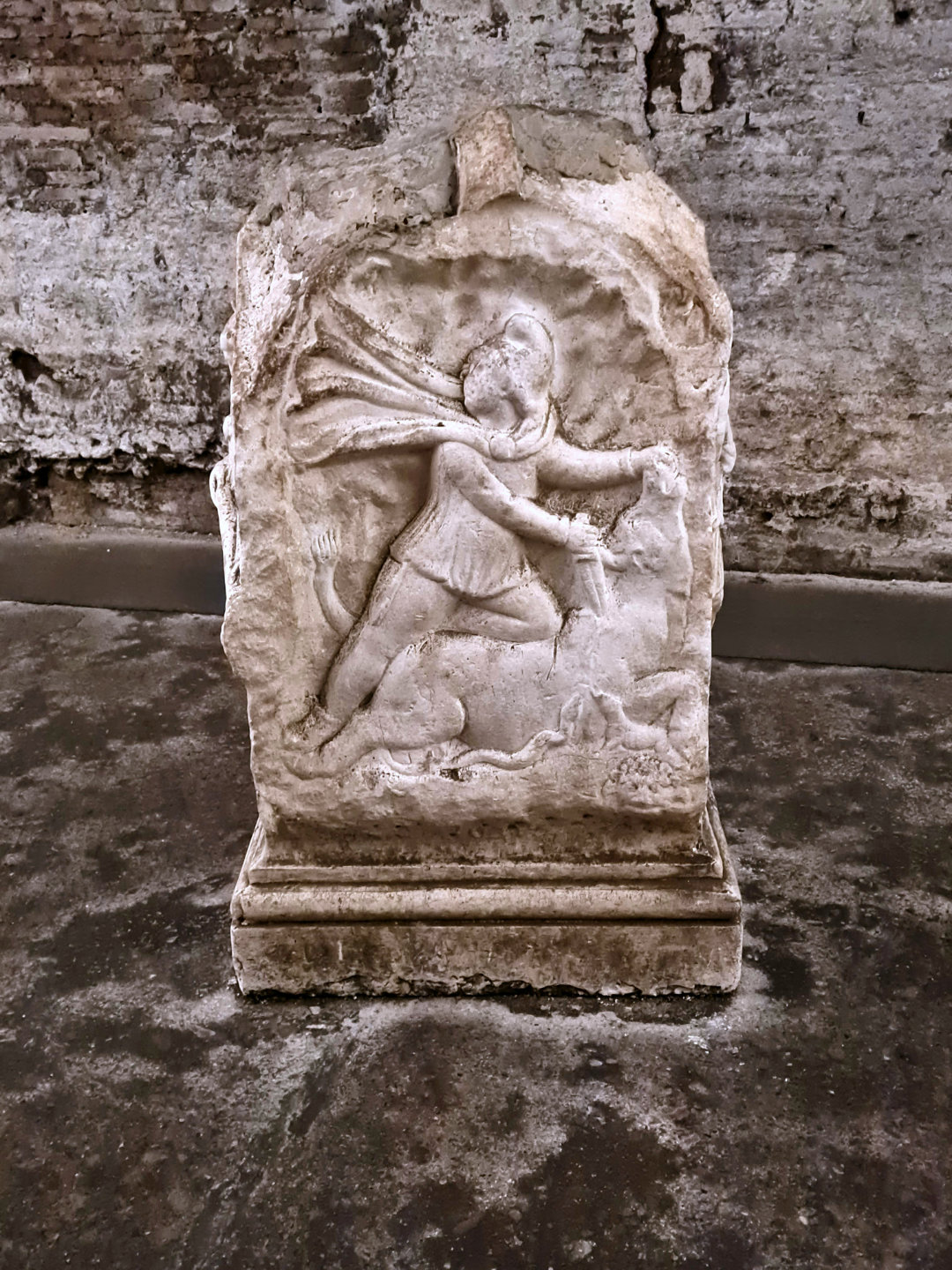
The altar of the Mithraeum of San Clemente bears the Tauroctony on the front, Cautes and Cautopates on the right and left sides and a serpent on the back.
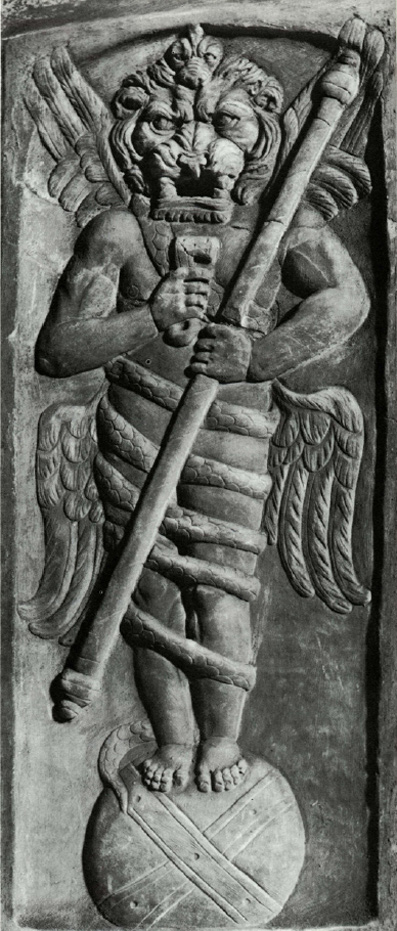
The lion-headed god is standing on a globe encicled by two crossed bands on which five pearls.
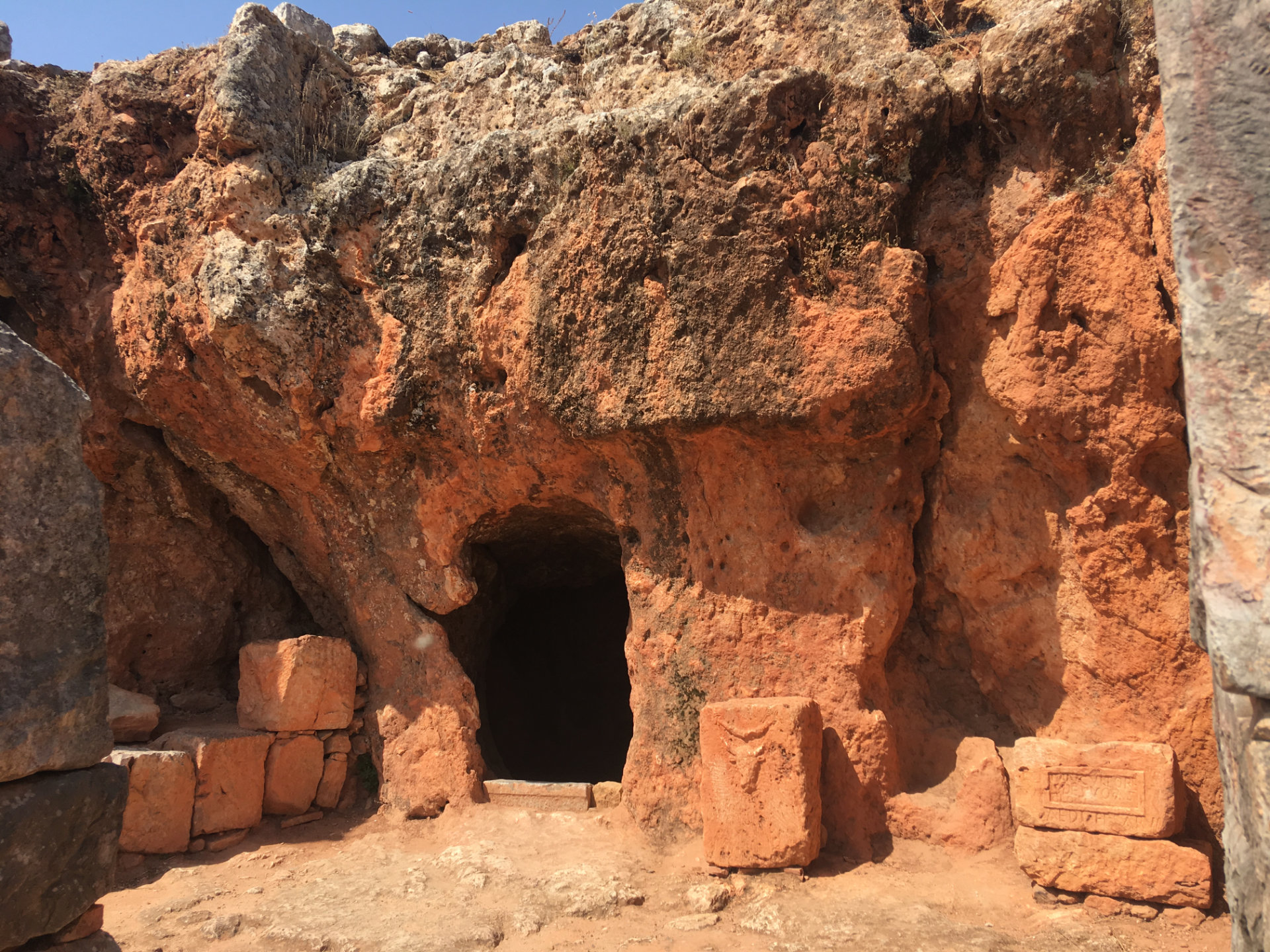
The Mithraeum was housed in a cave. The vault is almost dome-shaped and in front of the cave there is enough space for a possible adjacent temple.
