Your search Mühltal am Inn gave 1065 results.
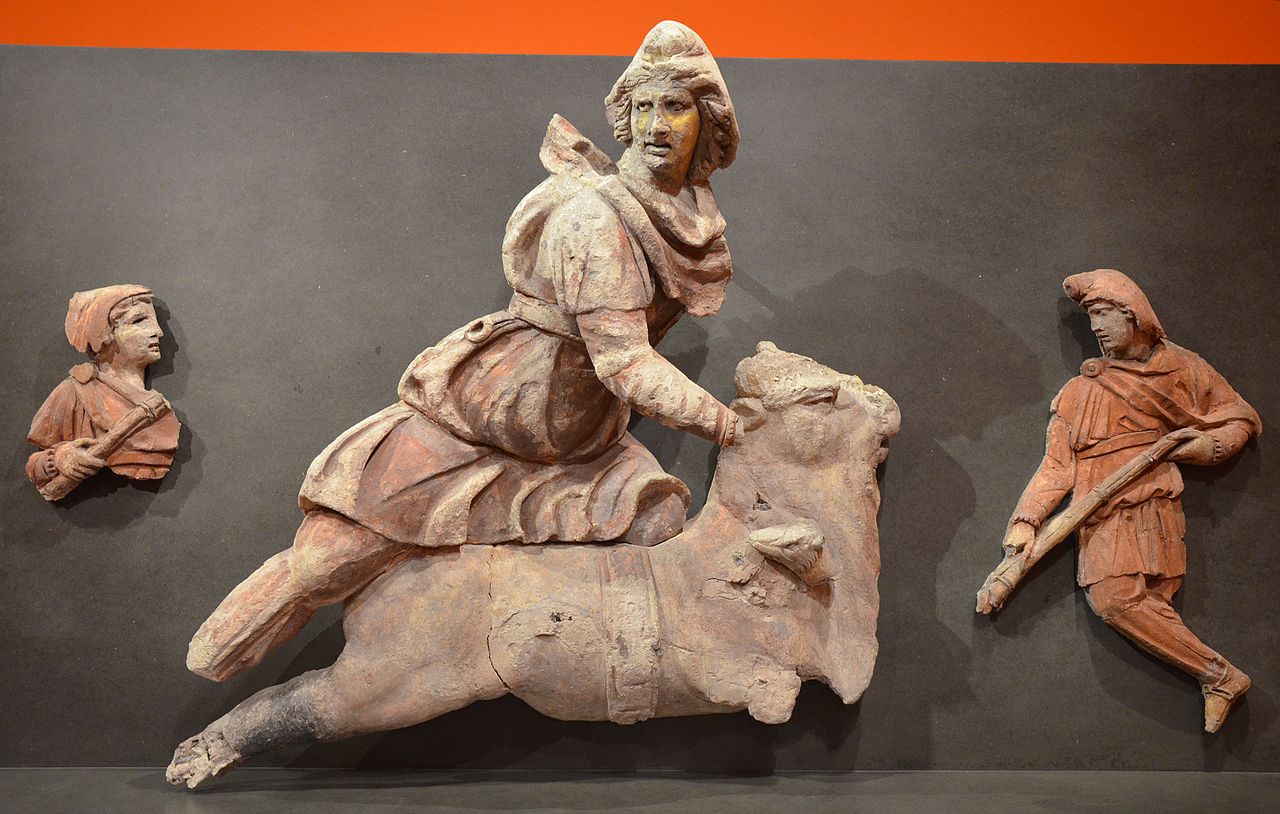
This relief was found under the Palazzo Montecitorio, in Rome, and bought by the Liebighaus at Frankfort.
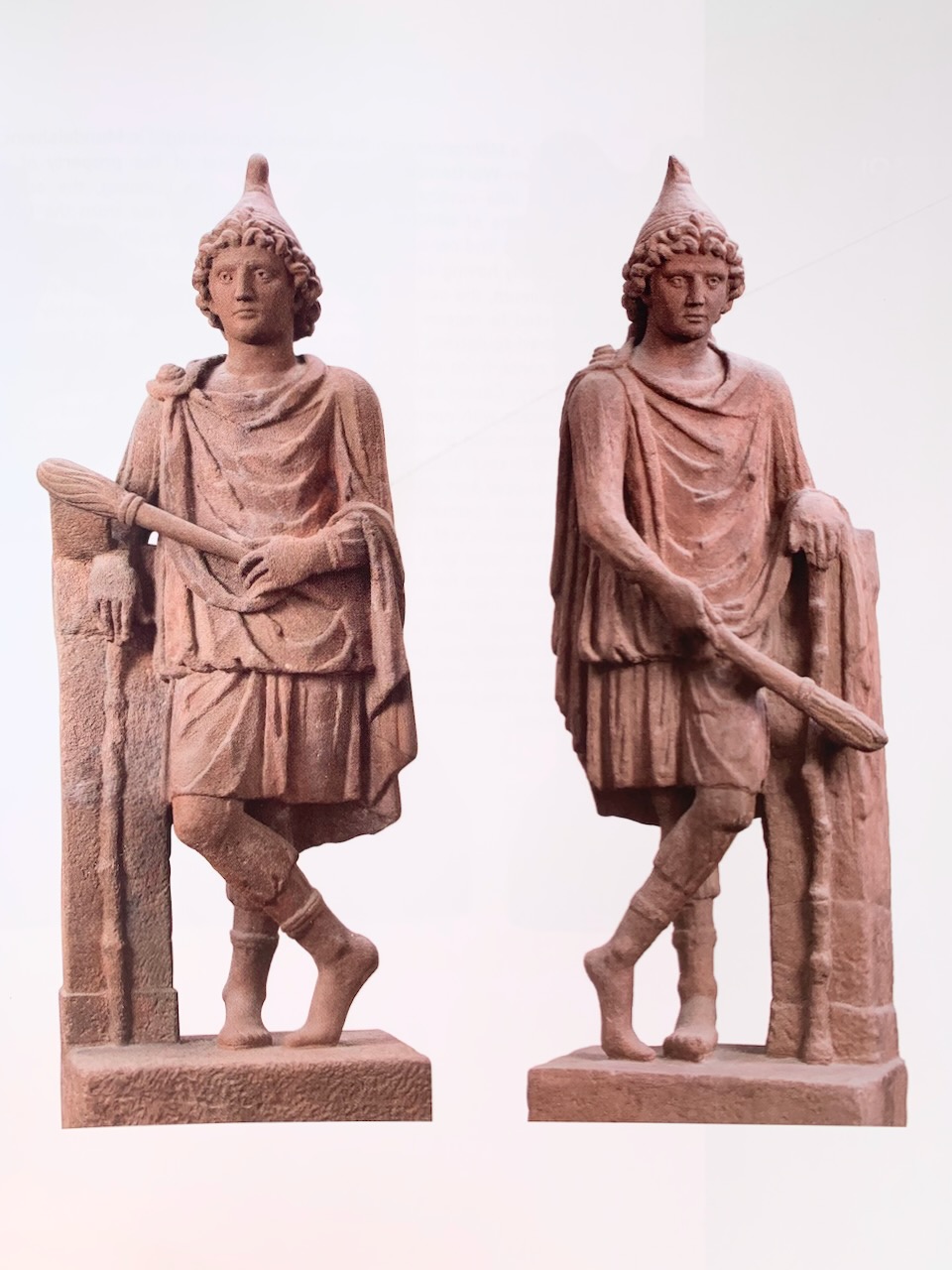
The two companions of Mithras carry a torch and a shepherd's staff at the third Mithraeum in Frankfurt-Heddernheim, formerly Nida.
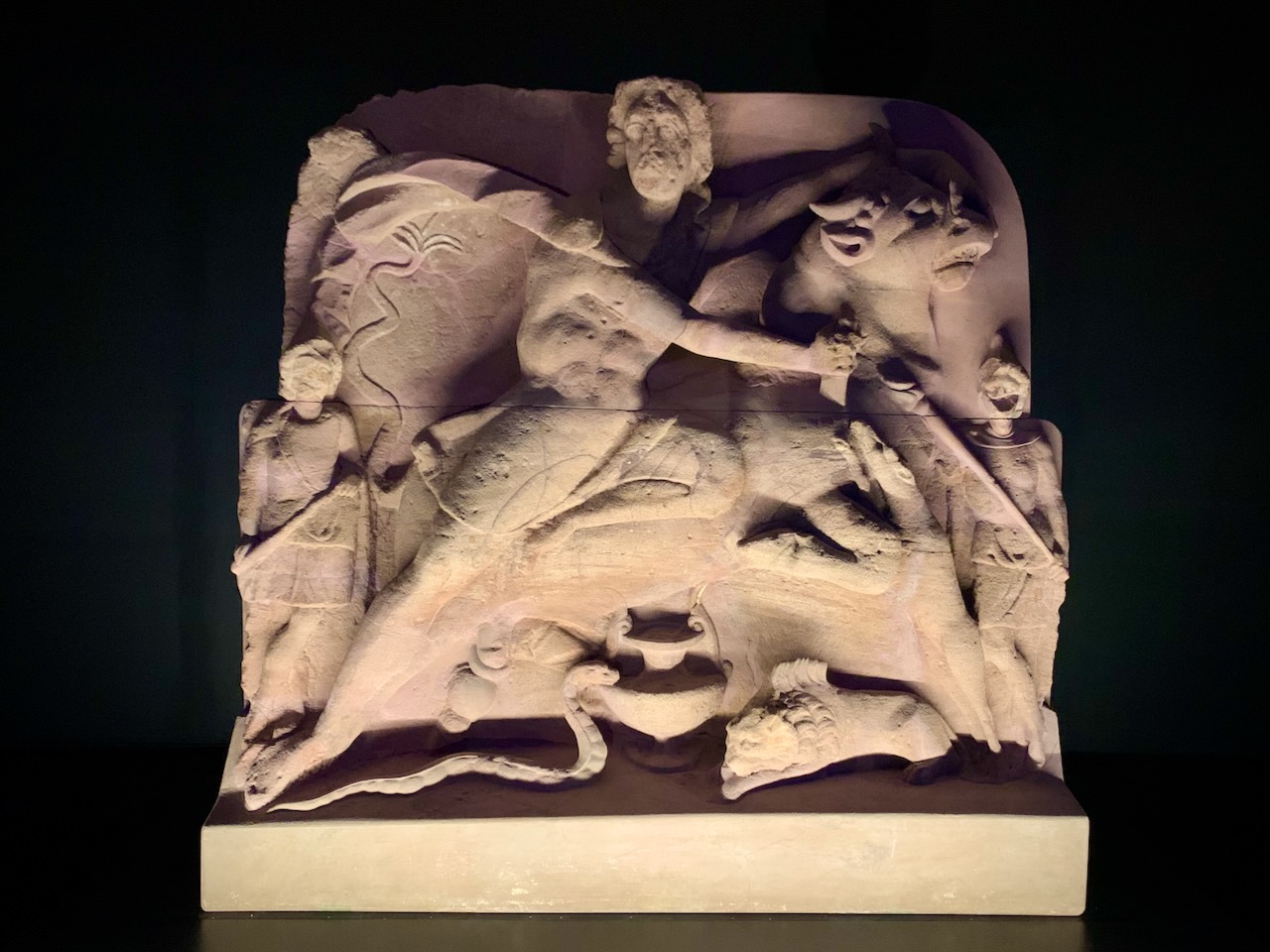
The relief of Mithras slaying the bull from Nida's Mithraeum III was found in two pieces in 1887, destroyed during an air raid on Frankfurt in 1944, and restored in 1986.
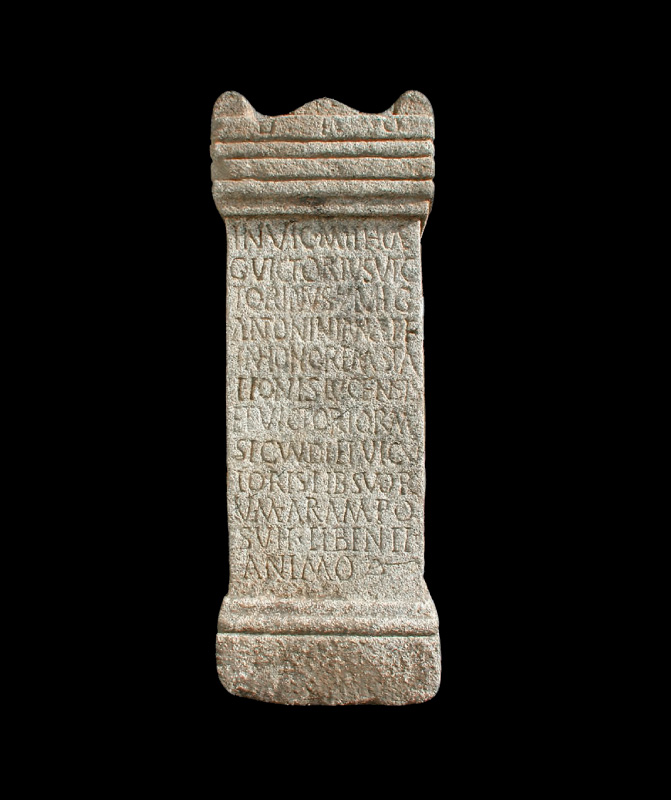
Victorius Victorious, centurion of the Legio VII, erected the altar in honour of the Lugo garrison and of the Victorius Secundus and Victor, his freedmen.

One of the freedmen of Gaius Victorius Victorinus named in the dedication of the Mithraeum of Lugo.

One of the freedmen of Gaius Victorius Victorinus named in the dedication of the Mithraeum of Lugo.

His name was added to the main tauroctony sculpture of the Mitreo Fagan.

IT freaky guy protected by Cautes and Cautopates (both at once), made in Barcelona, willing to engage with other guys or gals into the same trips.


Donor of a small altar from the Mithraeum of the Seven Gates, Sextus Fusinius Felix may belong to a family attested among Ostia’s augustales.

A Romano-Germanic woman whose inscription became central to debates on female participation in the Mithraic cult.

A votive altar dedicated to Deus Invictus Mithras by Paterna, among the few women explicitly associated with Mithraic worship.
The dedicator of this marble basin could be the same person who offered the sculpture of Mithras slaying the bull in the Mitreo delle Terme di Mitra.
This inscription, found in the Mitreo della Planta Pedis, among some other monuments in Ostia, suggests a link between Mithras and Silvanus.

Altar from Vratnik near Senia, Dalmatia, dedicated to Soli invicto Mithrae by Faustus, slave of Tiberius Saturninus, for himself and his family.
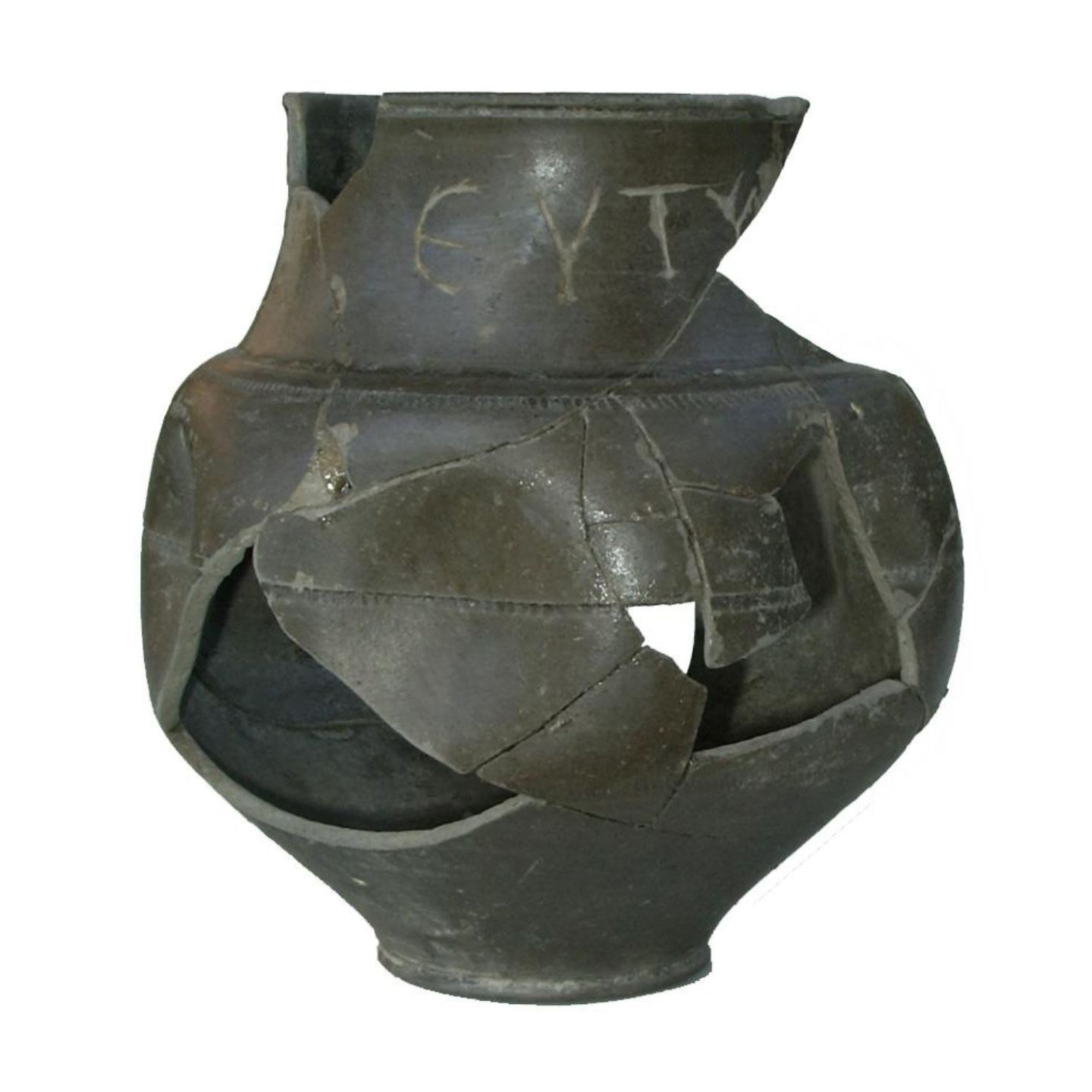
Ceramic cup inscribed with a Greek graffito and recovered from the Mithraeum of Martigny, providing evidence for the use of inscribed vessels within the sanctuary assemblage.

Syndexios in Ostia, his name Marsus suggests that he was a snake-charmer.
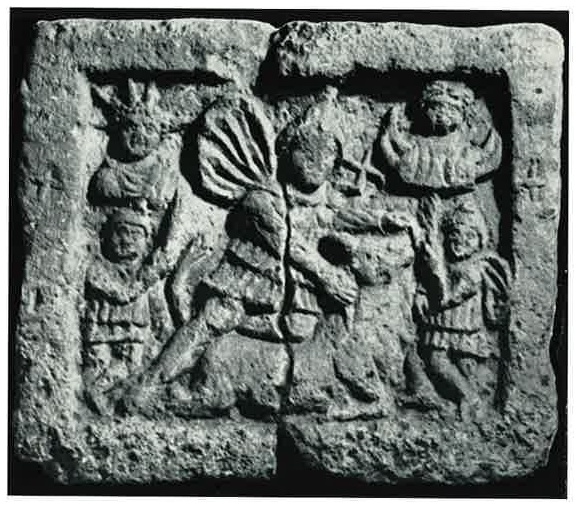
Tuff tauroctony relief in two fragments from Ghighen, ancient Oescus in Moesia Inferior, depicting the standard bull-slaying scene with the full iconographic programme.

A historical role-playing game inspired by the archaeology of Roman Mithraism. Applications are now open and places are limited. The next campaign begins on 24 June.
