Your search Mit Rahina gave 2640 results.
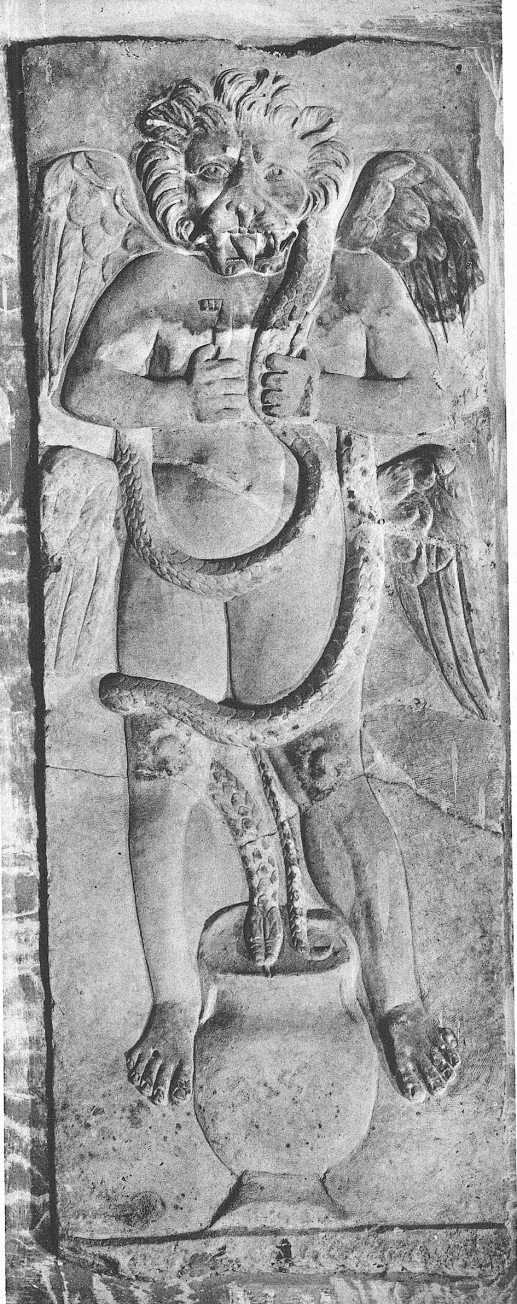
This white marble relief depicting a lion-headed figure from Ostia is now exposed at the Musei Vaticani.
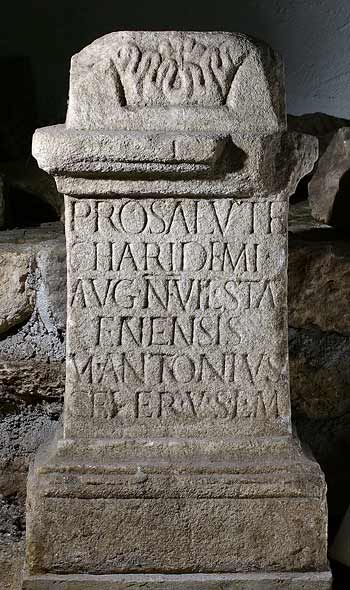
Marble votive altar with inscription to Mithras, featuring coiled, fan-like motifs above the text and associated with the statio Enensis.

The importance of the Mithraeum of Marino lies in its frescoes, the most significant of which is that of Mithras slaying the bull, surrounded by mythological scenes.

Fresco of Mithras found in an arched niche above the right bench of the Baths of Caracalla’s Mithraeum in Rome.

This second relief depicting a phallus from Tiddis, Algeria, has been positioned alongside its counterpart atop pillars that greet visitors to the Mithras shrine.
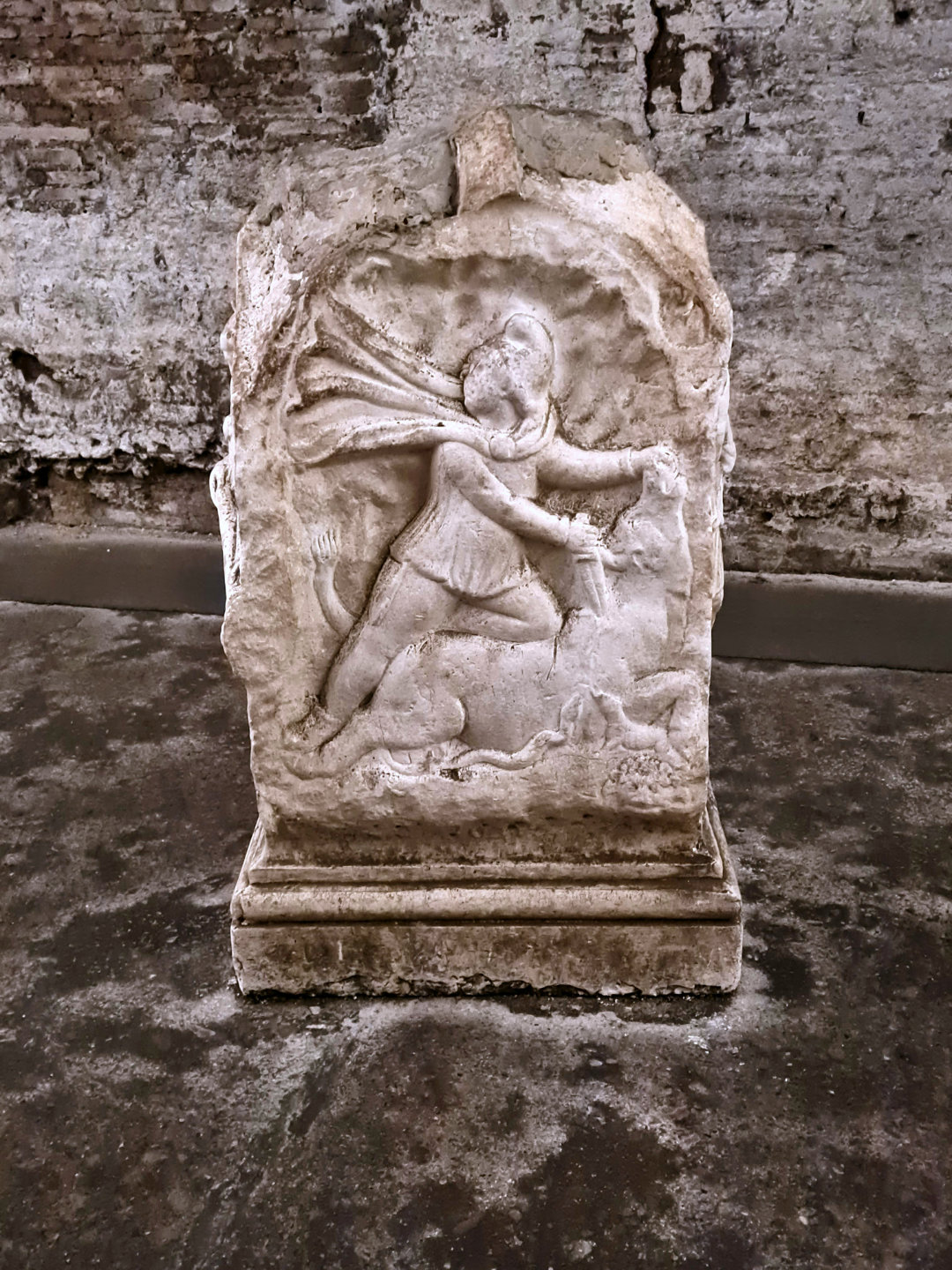
The altar of the Mithraeum of San Clemente bears the Tauroctony on the front, Cautes and Cautopates on the right and left sides and a serpent on the back.
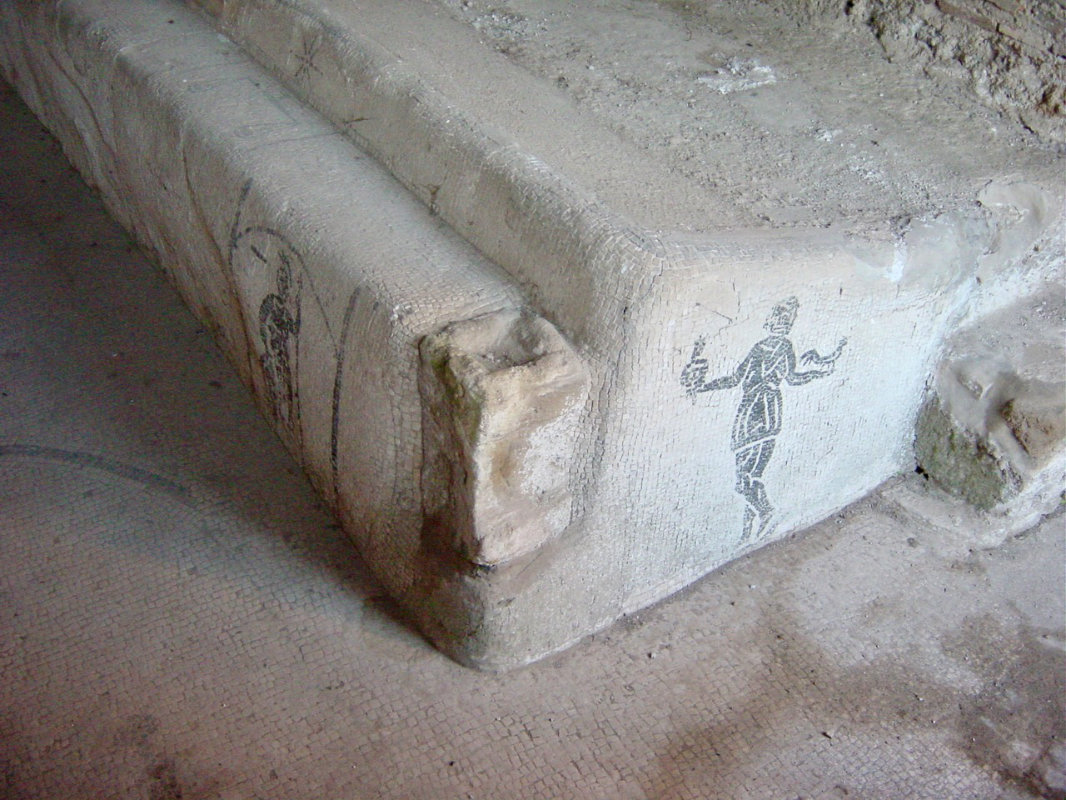
At the entrance to the Mithraeum of the Seven Sferes, Cautopates holds the torch with both hands and Cautes holds the torch in his right hand and a cock in his left.
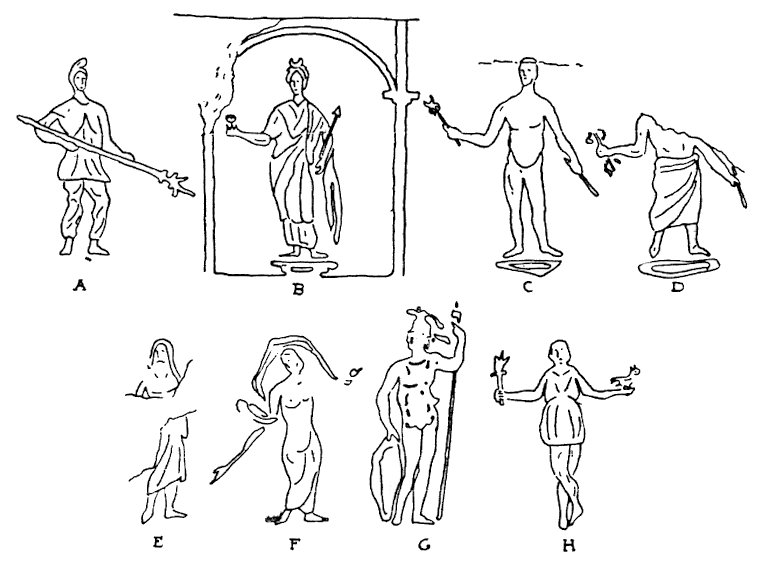
Diana-Luna, Mercurius, Jupiter, Saturn, Venus and Mars are depicted in the mosaics on the benches of this mithraeuma.
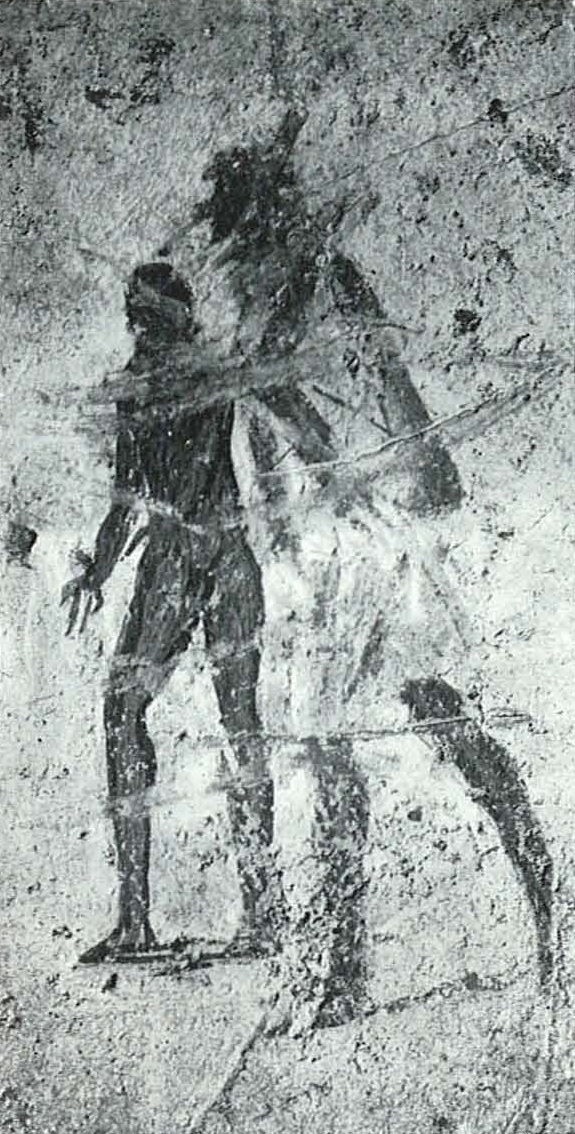
This is the first of several fresco scenes depicting the initiation of a new member in a mithraic community, in Capua Vetere.
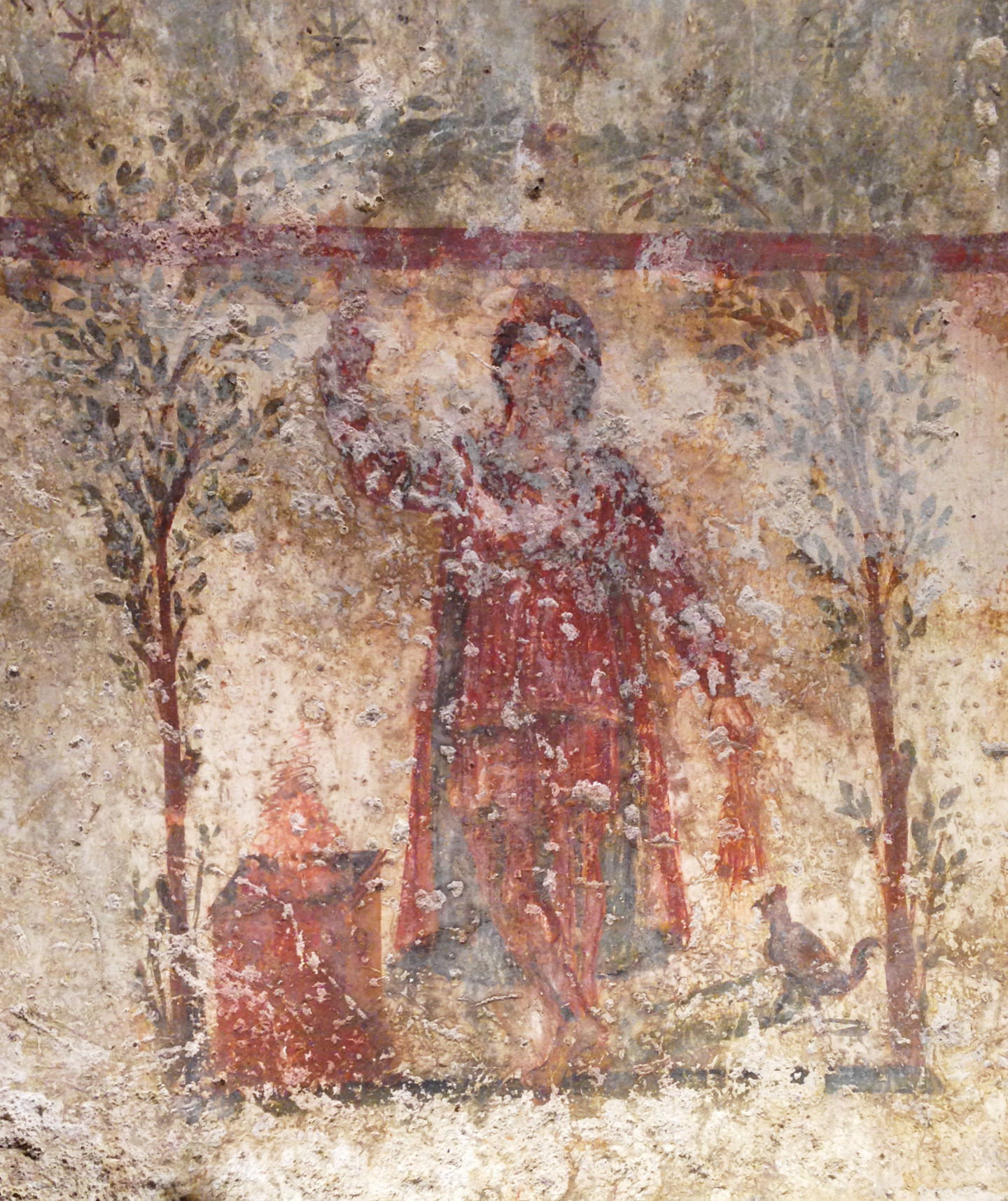
In the Mithraeum of S. Capua Veteres, Cautes stands between two laurel trees.
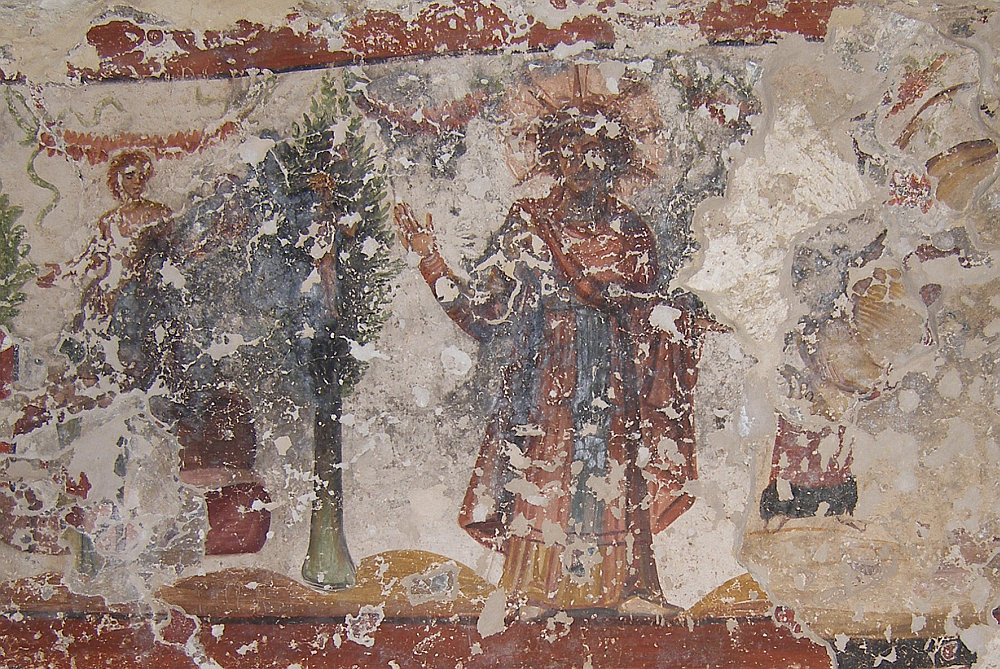
In one of Hawarte’s frescoes, the rock birth of Mithras is preceded by Zeus and followed by the young Persian god suspended from a cypress tree.
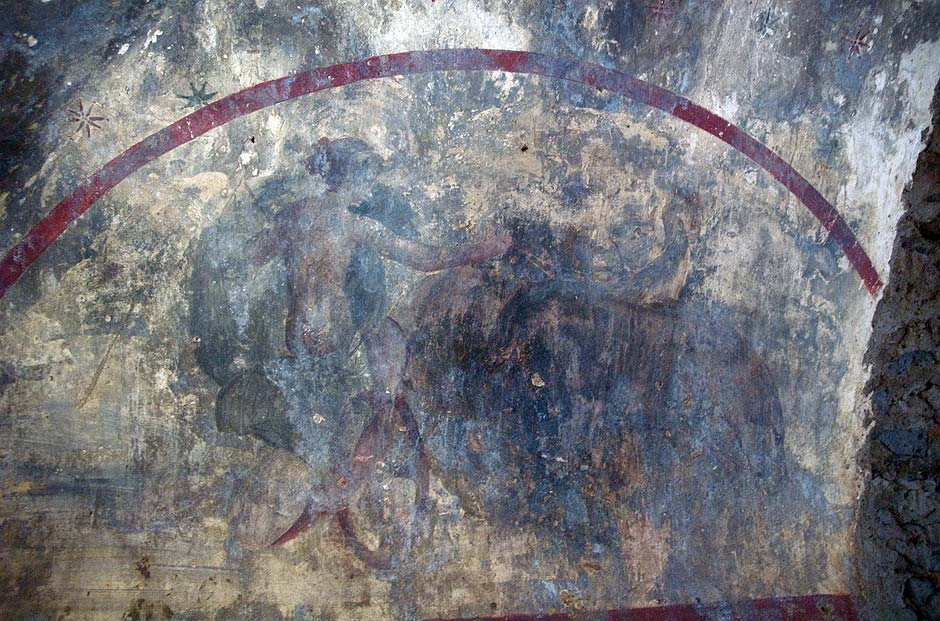
Luna riding a biga in the Mithraeum of Santa Capua Vetere.
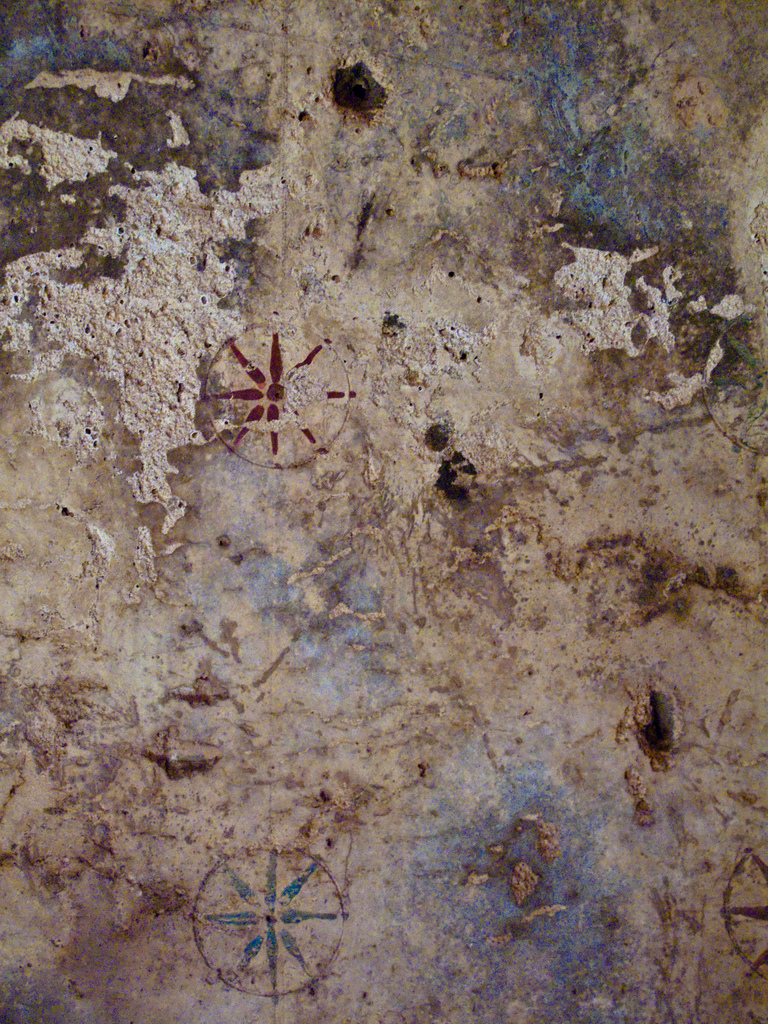
The vault of the Mithraeum in S. Capua Vetere is decorated with stars that have holes in their centers, which once held colorful glass decorations.
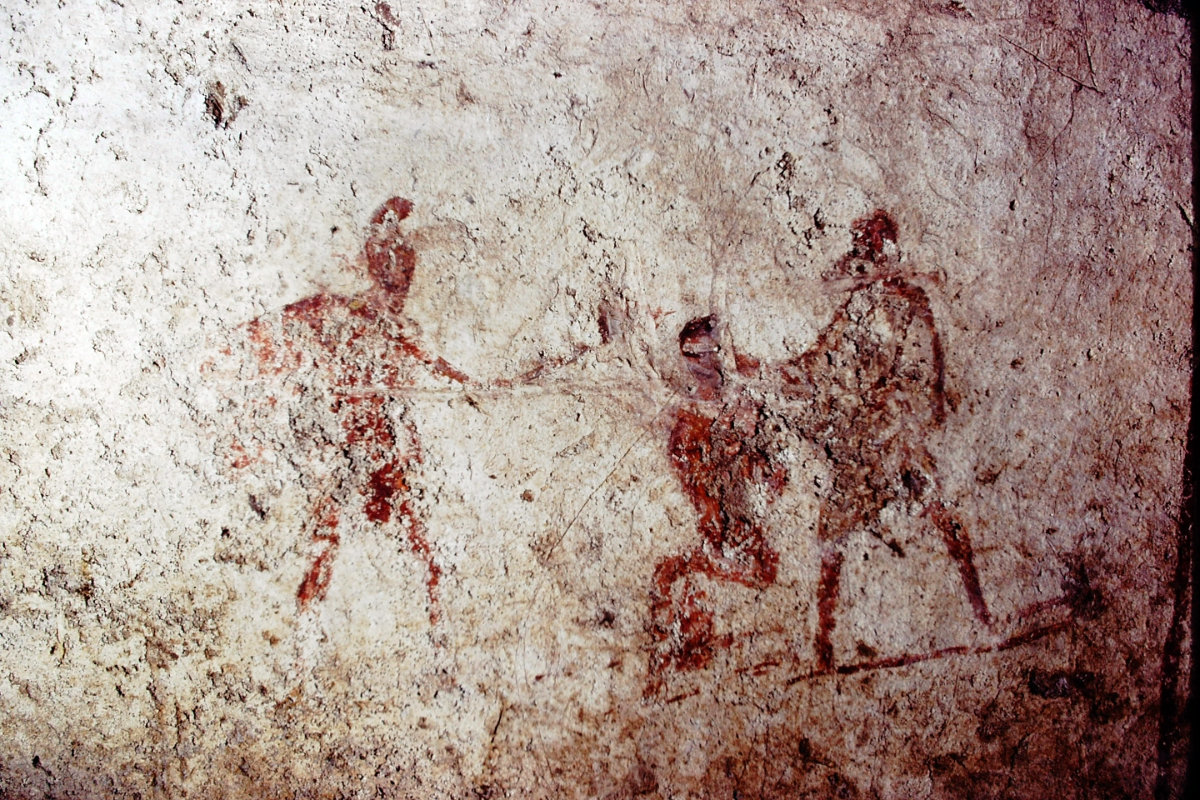
Fresco showing a scene of initiation into the mysteries of Mithras in the Mithraeum of Santa Maria Capua Vetere.
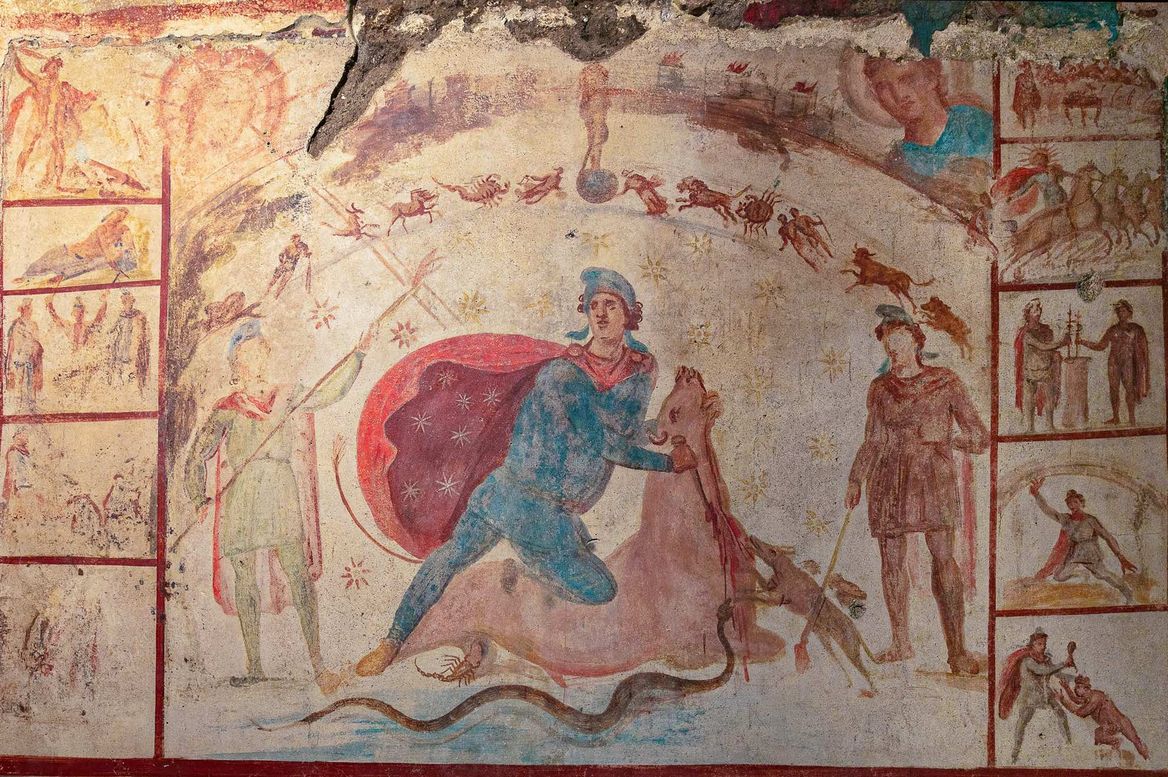
The votive fresco from the Mithraeum Barberini displays several scenes from Mithras’s myth.

Continuation of the frescoes depicting an initiation into the Mithras cult, where two attendants present a repast to Mithras and Sol.
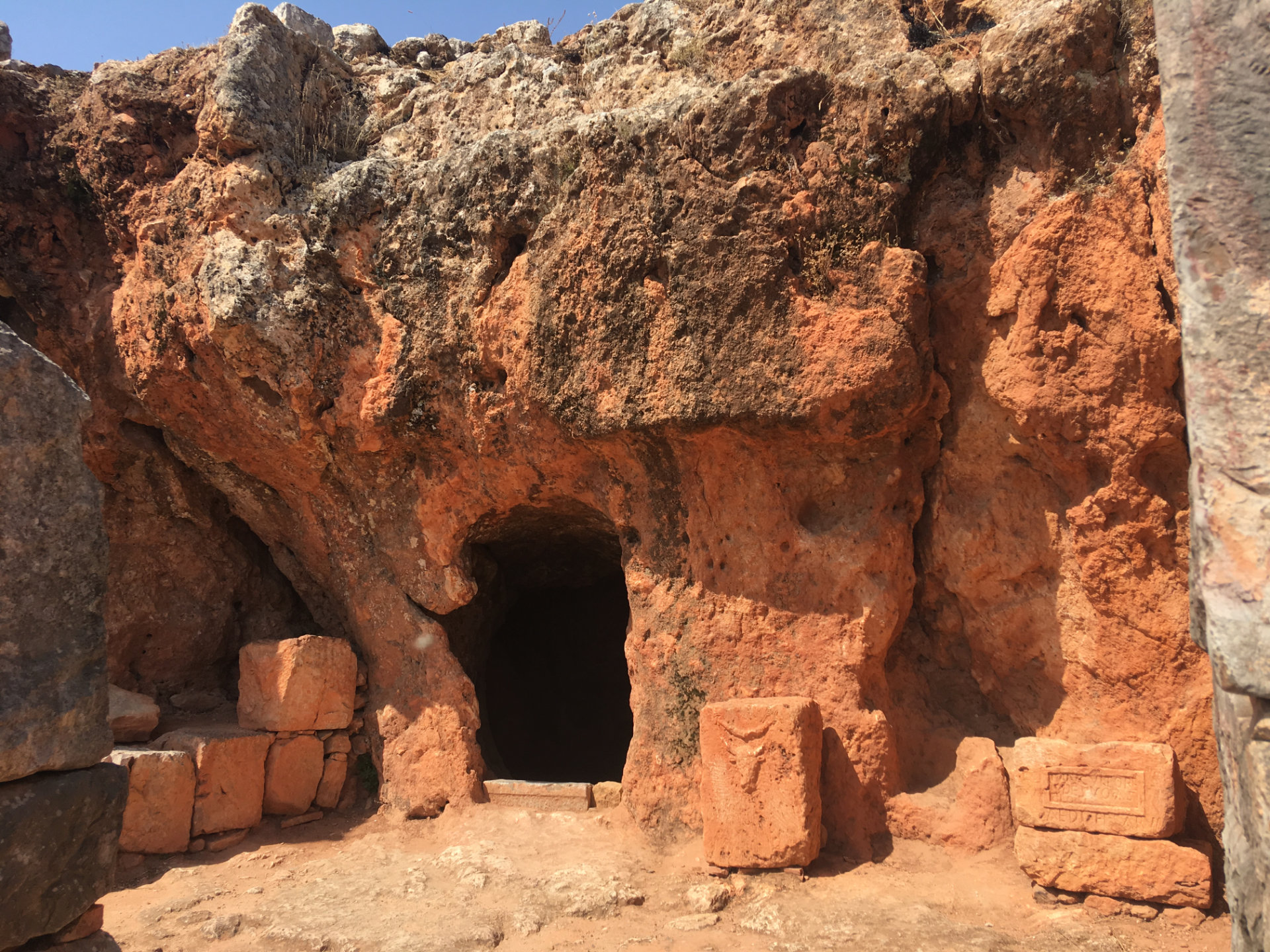
The Mithraeum was housed in a cave. The vault is almost dome-shaped and in front of the cave there is enough space for a possible adjacent temple.

A selection of texts gathered by Ernesto Milá that reinterprets Mithraism as an initiatory, solar, and heroic cult. It includes the so-called Great Magical Papyrus of Paris, translated and commented by Julius Evola and the Ur Group.

From the late first century CE, Mithras spread across the Roman Empire, leaving more than 130 sanctuaries and nearly 1,000 inscriptions. This volume offers a rigorous synthesis that renews our understanding of this enigmatic cult.
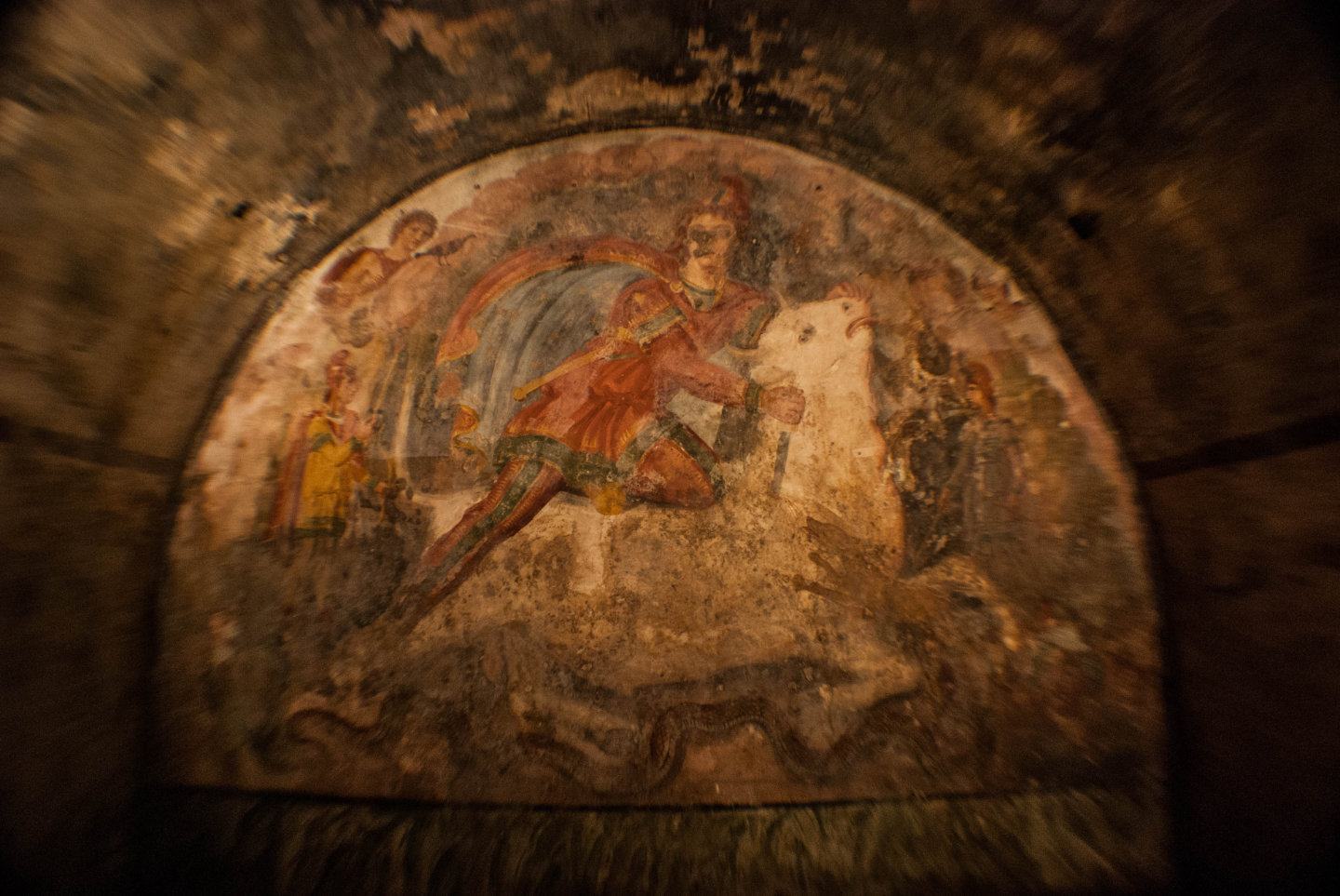
This article revisits the Mithraeum of S. Maria Capua Vetere, one of the most complete and artistically refined Mithraic sanctuaries in the Campanian region, situating it within its archaeological, iconographic, and ritual-historical contexts.