Your search Monteu da Po gave 2934 results.
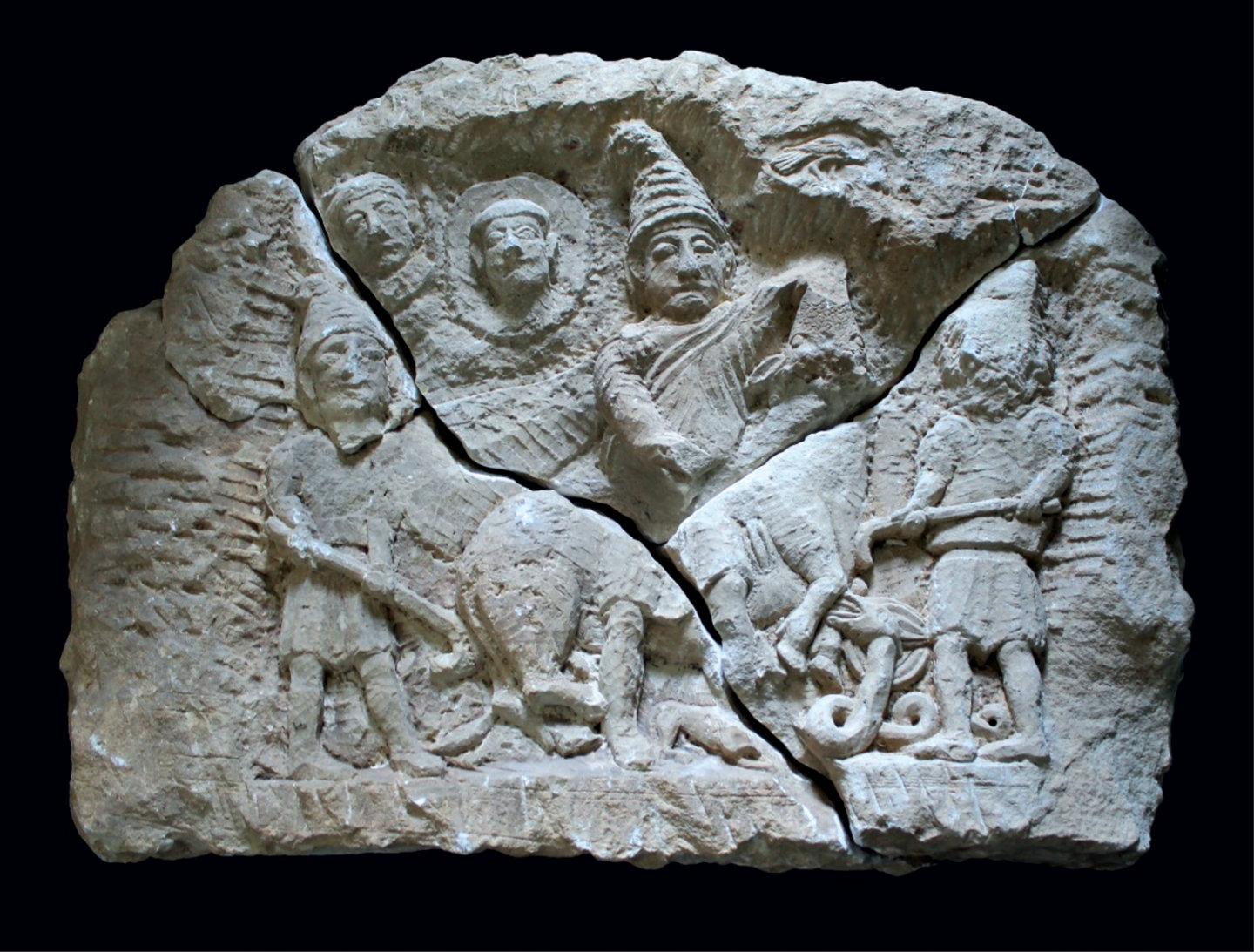
The relief of Mithras killing the bull, found near Zvornik in Bosnia and Herzegovina, features some variations on the usual scene.
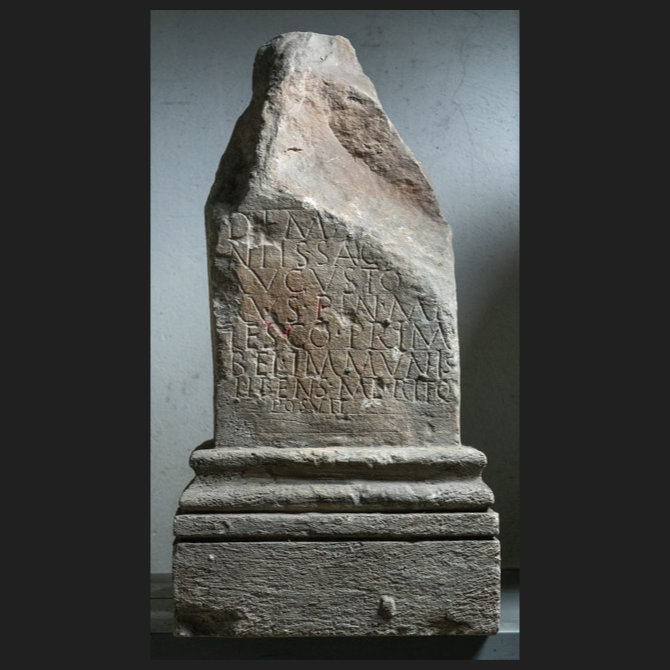
This altar, discovered in Grude, near Tihaljina, Bosnia and Herzegovina, bears an inscription by Pinnes, a soldier of the Cohors Prima Belgica.
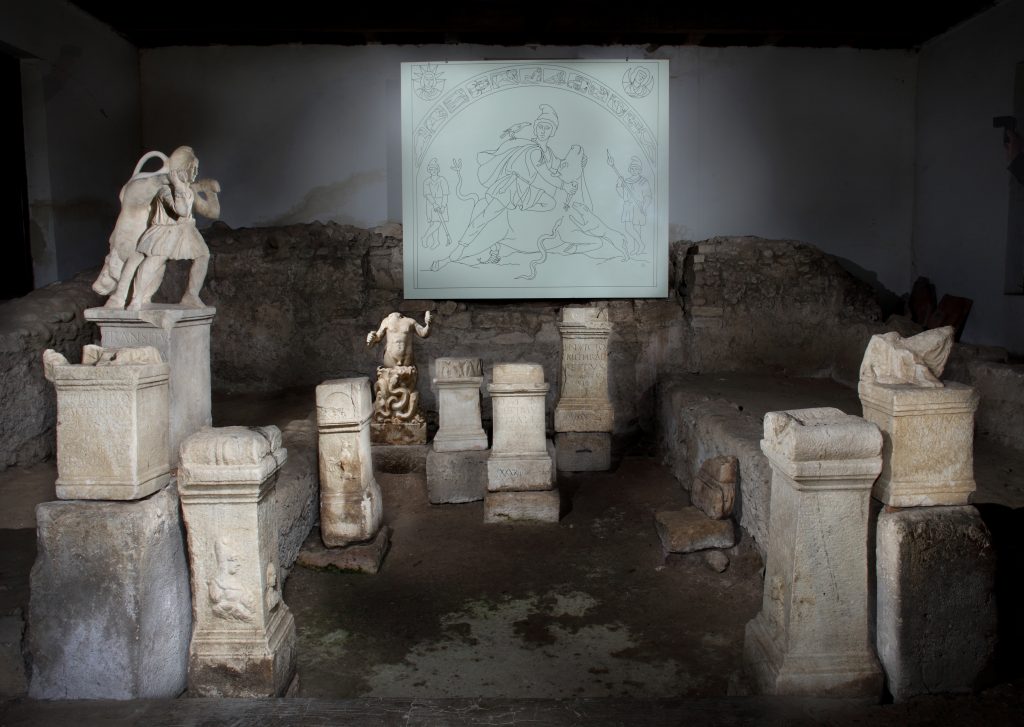
The Mithraeum I of Ptuj contains the foundation, altars, reliefs and cult imagery found in it.
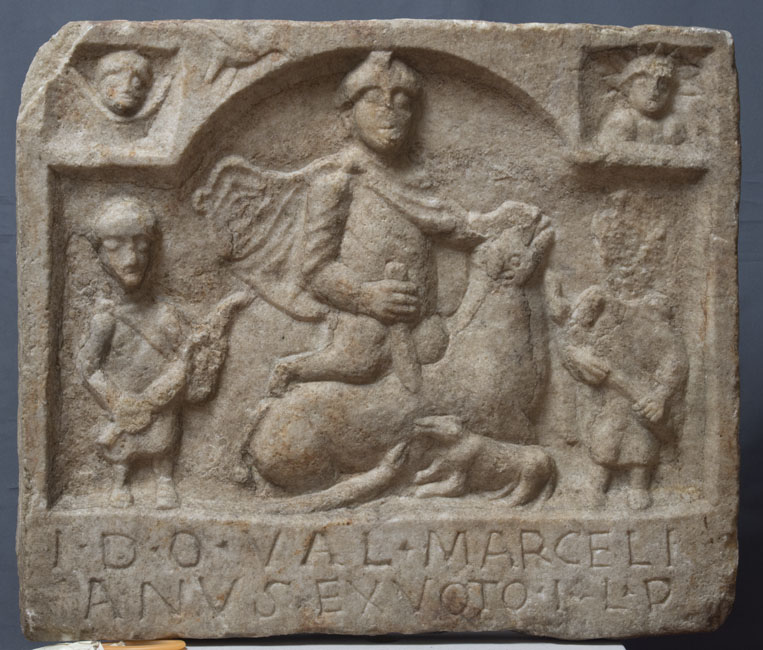
This primitive relief of Mithras as a bullkiller is signed by a certain Valerius Marcelianus.
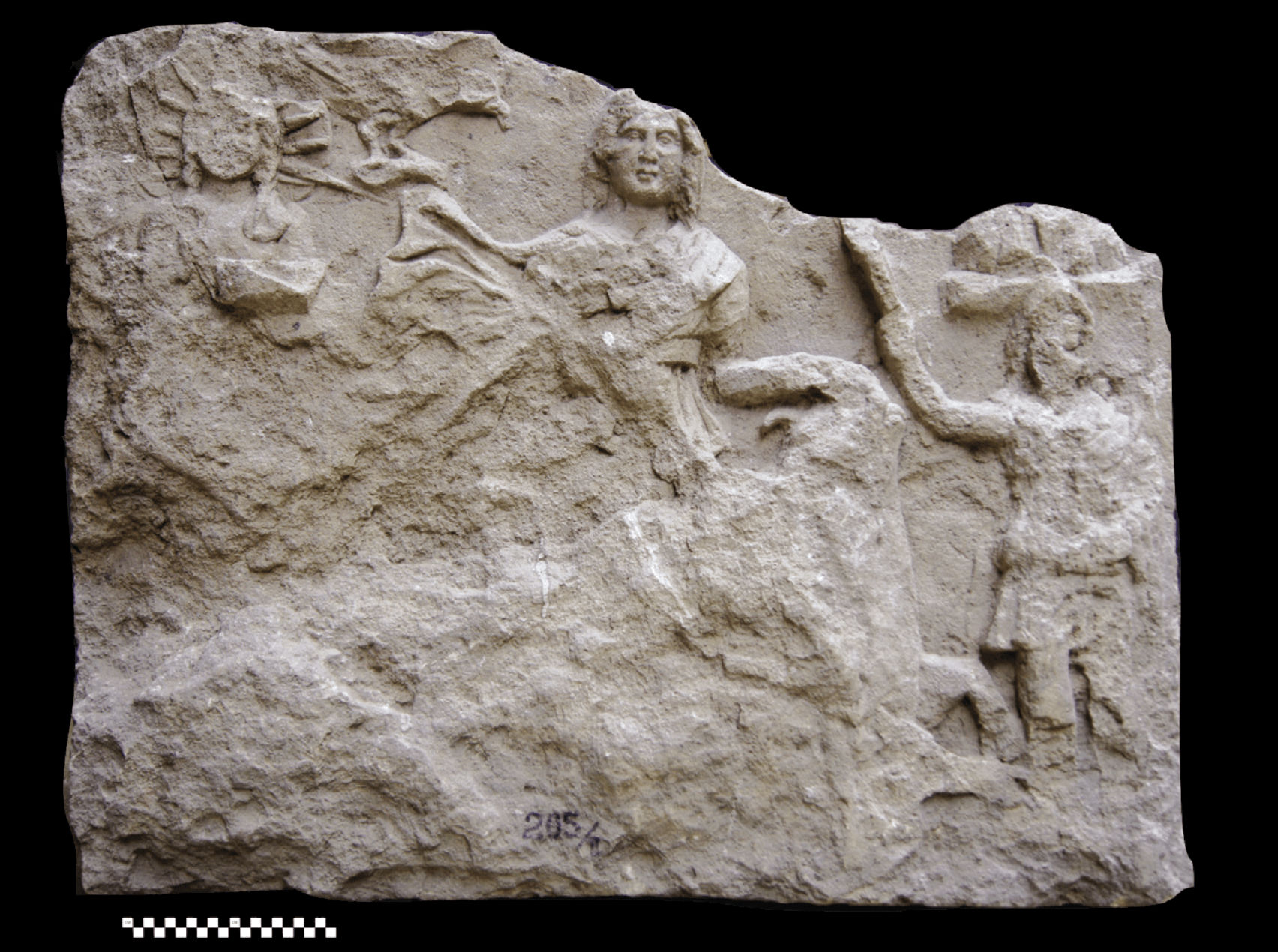
The relief of Mithra slaying the bull from Apulum, Romania, has been missing until the scholar Csaba Szabó identified it in the diposit of the Arad Museum.
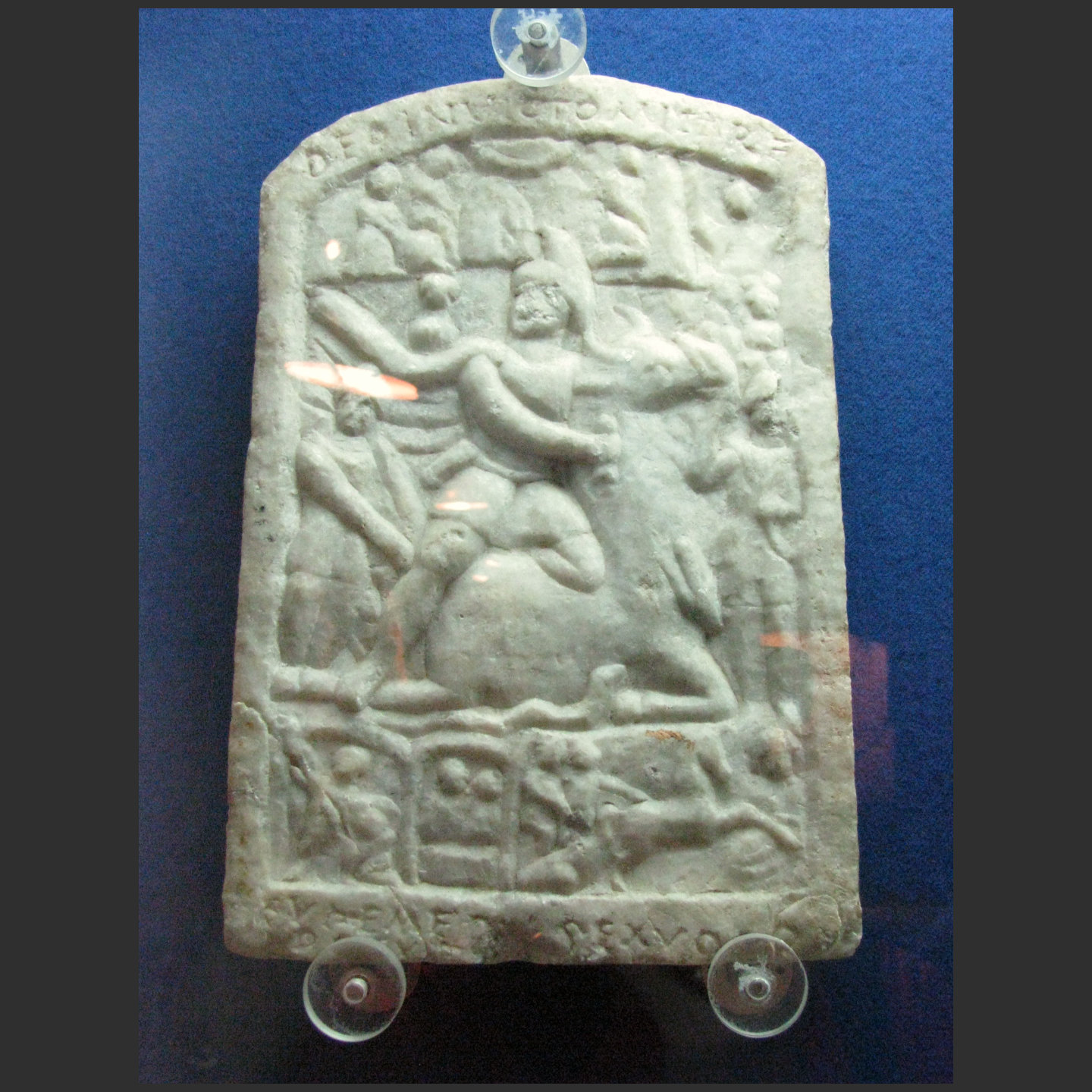
Several authors read the name Suaemedus instead of Euhemerus as the author of this mithraic relief from Alba Iulia, Romania.
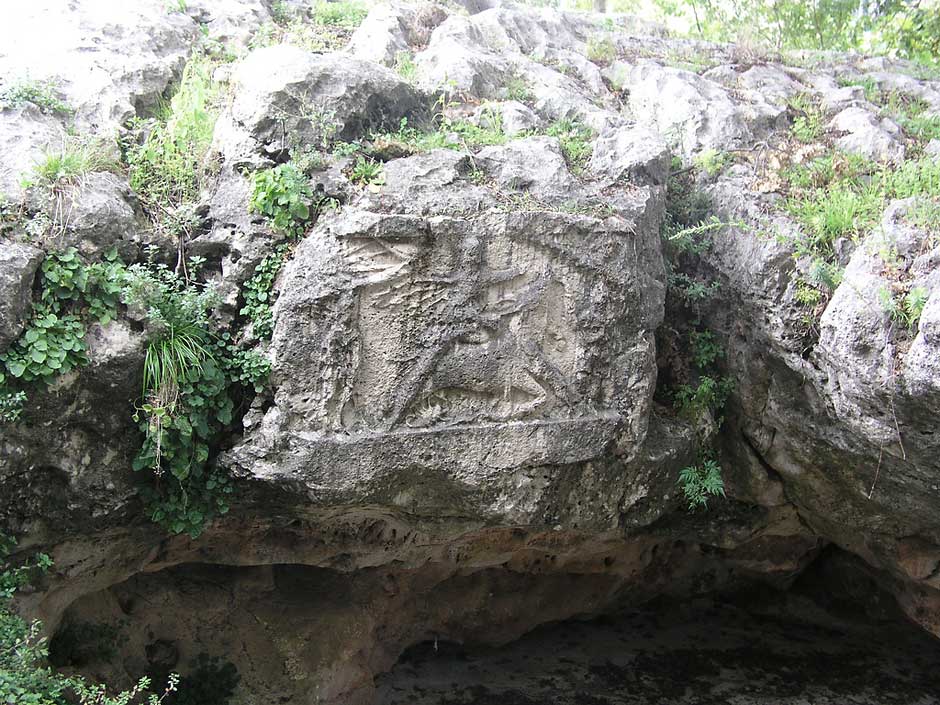
The Mithraeum of Mocici was situated in a grotto at one hour's walk fomr the ancient Epidaurum.

Excavations in 1979 on the remains of the church of Notre-Dame d'Avigonet in Mandelieu, Alpes-Maritimes, brought to light a small mithraeum.
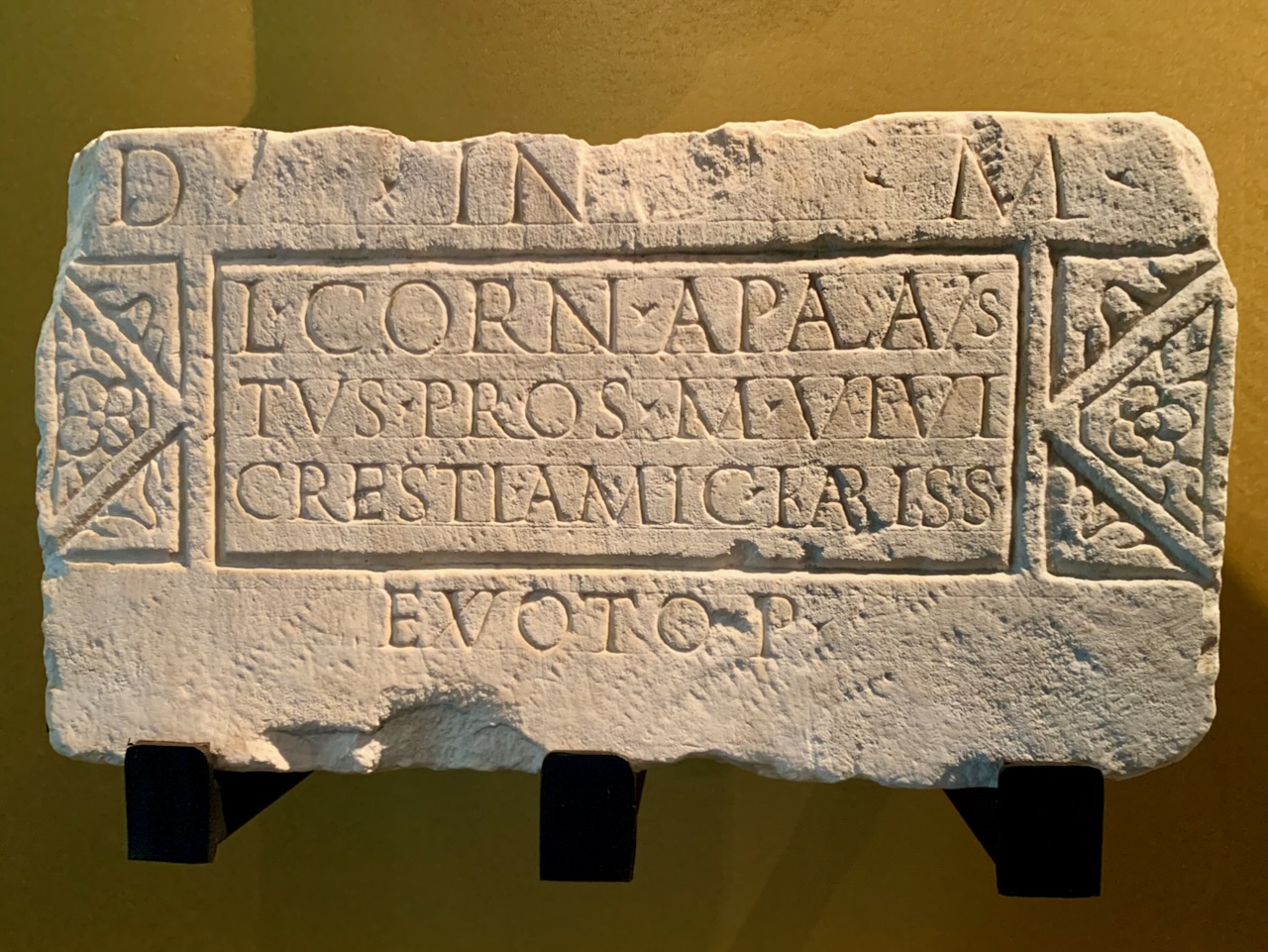
The altar that now stands in Split was dedicated to Invincible Mithras for the health of a dear friend.
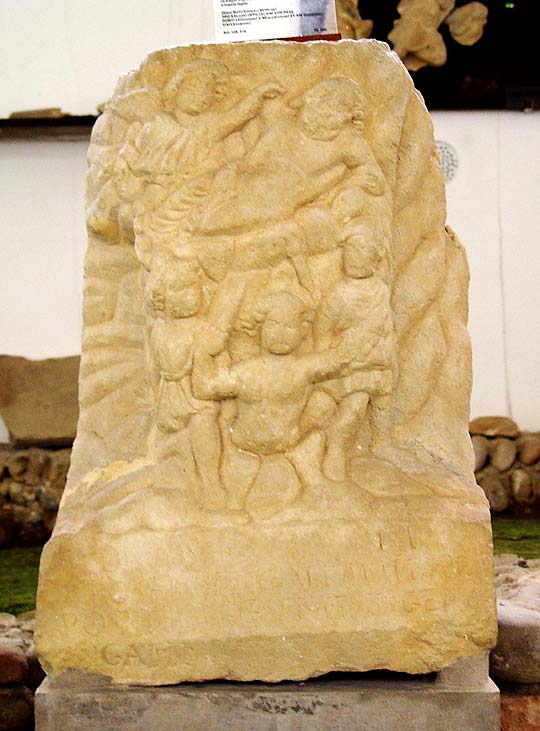
Cautes and Cautopates attend the birth of Mithras from the rock in the Petrogenia of the third Mithraeum of Ptuj.

The Mithraeum of Aquincum I existed in the potter's quarter of the ancient city of Budapest.
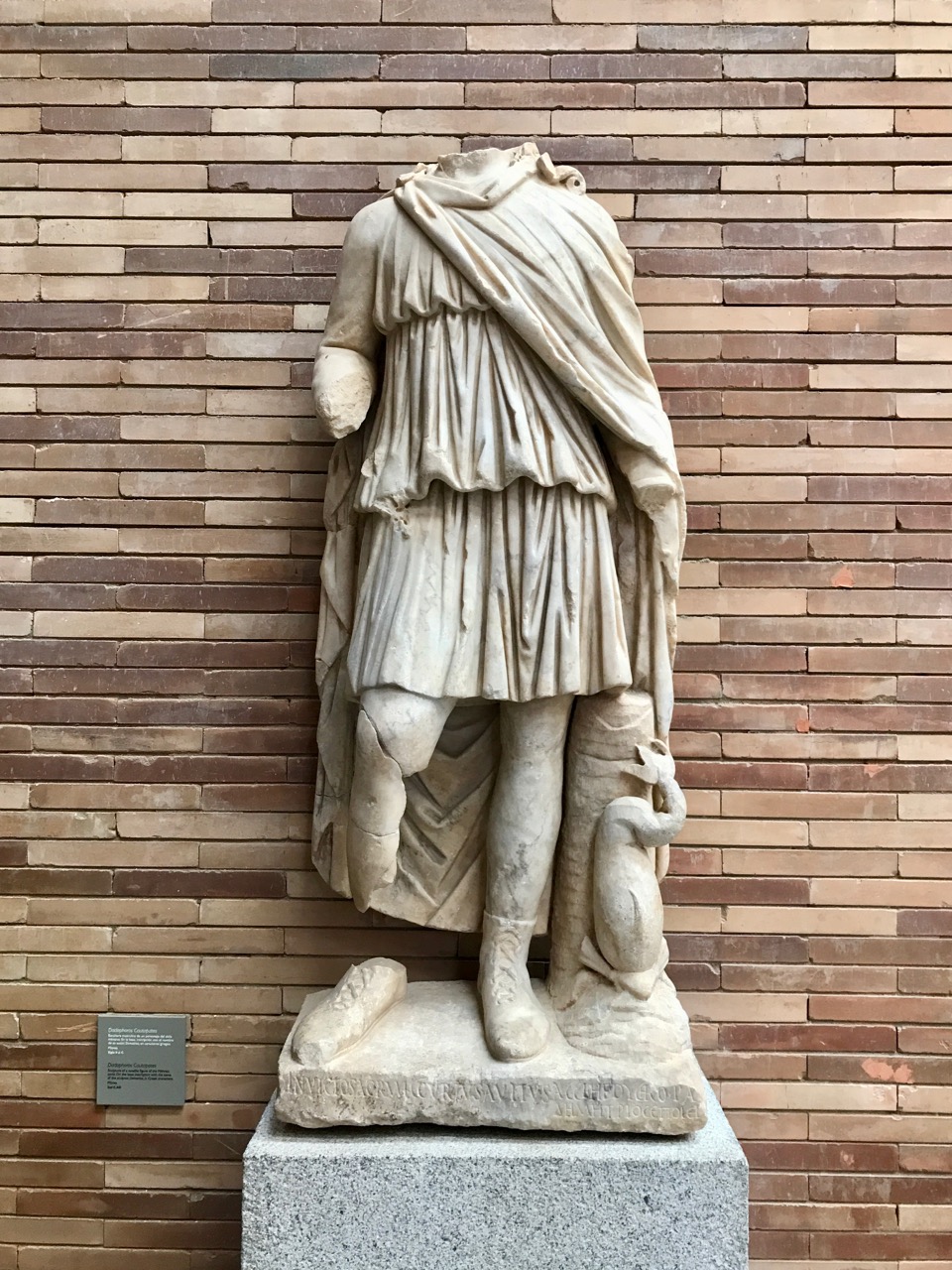
The sculpture of the solar god is signed by its author, Demetrios.

The article reveals the context in which the first public appearance of Mitra happened to answer two questions: who were the first people to give prominence to this deity, and for what purpose they did so.
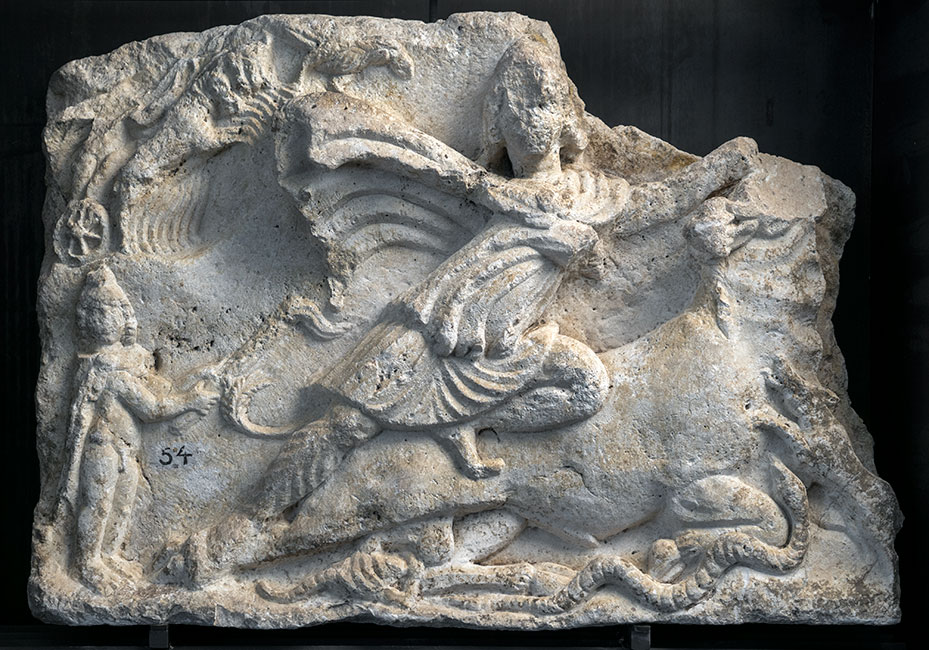
The relief of Mithras killing the bull of Zadar includes a naked Sol in a quadriga.
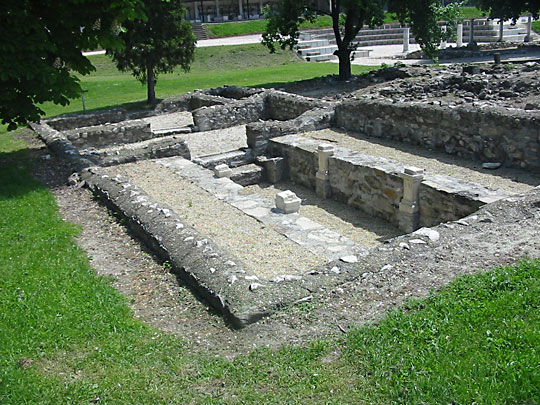
This temple of Mithras in Aquincum was located within the private house of the decurio Marcus Antonius Victorinus.
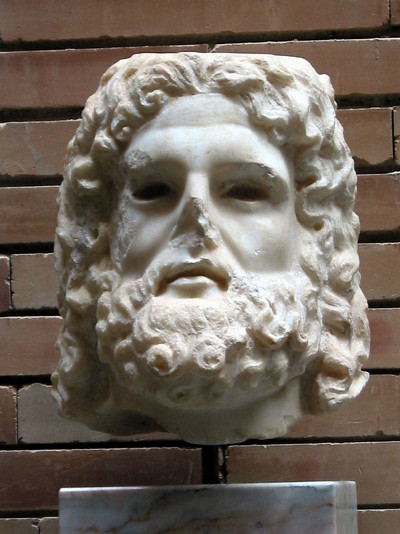
This head of Serapis from Cerro de San Albín may be unrelated to Mithras worship.
Inscription from Celei, ancient Sucidava in Dacia, dedicated to the sanctum of Solis invicti Mithrae.
Limestone tauroctony relief fragment from Cavtat, ancient Epidaurum in Dalmatia, preserving the dog leaping up against the bull and part of a Cautes figure not cross-legged.
Limestone altar found in Partoș, Dacia, dedicated to Deo Soli by Lucius Valerius Felix.
Greek ritual graffito scratched on wall plaster in the Mithraeum of Dura-Europos, mentioning the “fiery exhalation” and the “sacred nitre” of the Magi.
