Your search Monteu da Po gave 2105 results.

Sandstone statue of a seated lion in attacking posture, from Mithraeum I at Heddernheim, ancient Nida, with its hindmost part lost

Moesia superior preserves frontier evidence shaped by the military infrastructure and circulation networks of the middle Danube.
Moesia inferior occupied a major position along the lower Danube where Mithraic cults circulated through military and port environments.
Along the lower sectors of the middle Danube, Pannonia inferior became a major centre of Mithraic activity in the frontier provinces.
Pannonia superior preserves one of the richest frontier corpora of Mithraic evidence along the middle Danube.
Thracia reflects the circulation of Mithraic cults through the military, urban and maritime networks linking the Balkans, the Danube and the northern Aegean world.
This lost Mithraic relief, formerly kept near the church of the Santissima Annunziata in Naples, was probably a large tauroctony associated with the area of Puteoli or Pausilypon.
Moesia preserves a strongly militarised body of Mithraic evidence along the Danubian frontier of the empire.
Noricum preserves Mithraic evidence shaped by Alpine routes, military circulation and Danubian connections.
This inscription probably belonged to the fourth mithraeum of Poetovio and records the restoration of a Mithraic temple by the dux Aurelius Iustinianus.
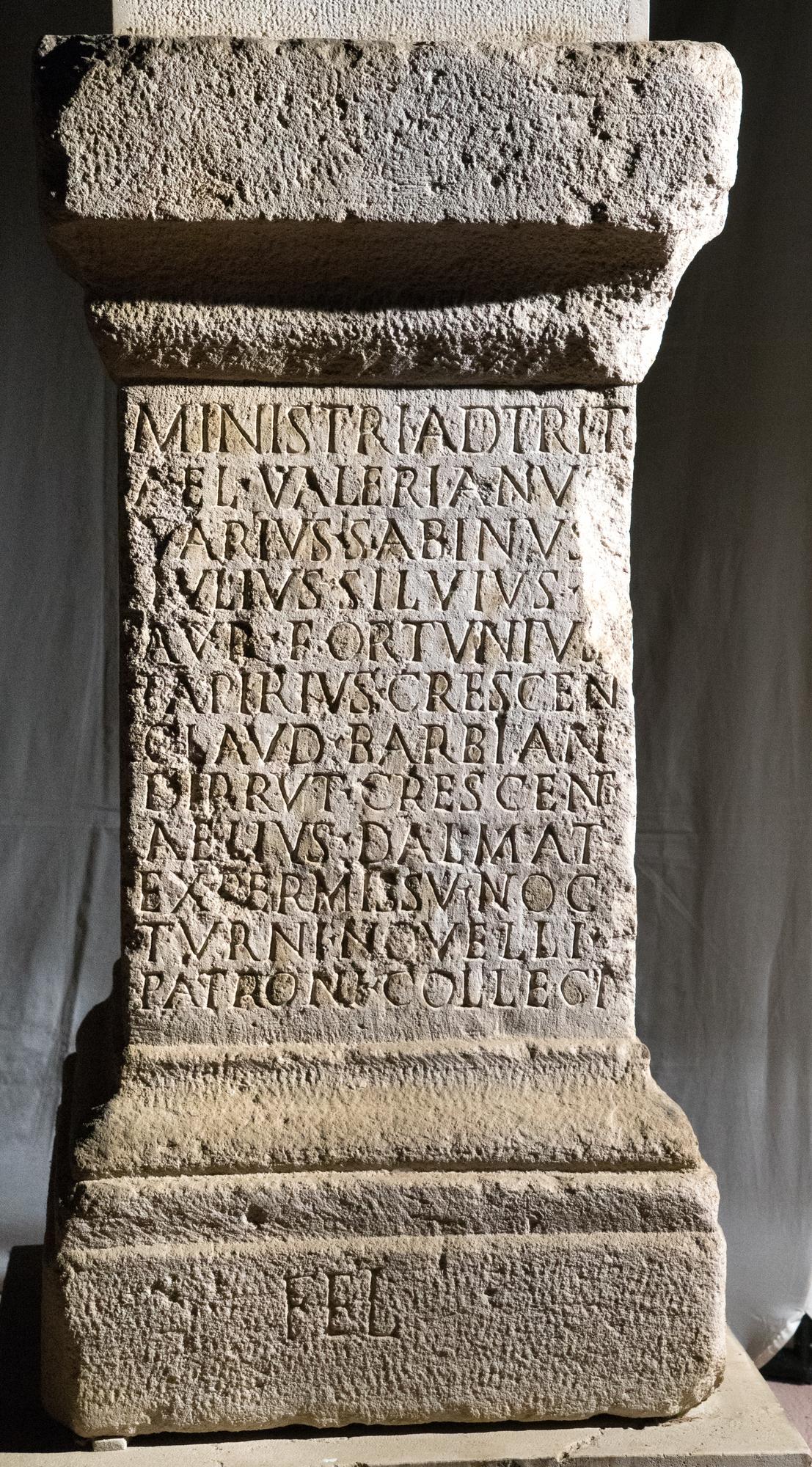
This inscribed limestone altar from Roman Salona preserves several lists of ministers associated with the Tritones collegium during the Tetrarchic period.
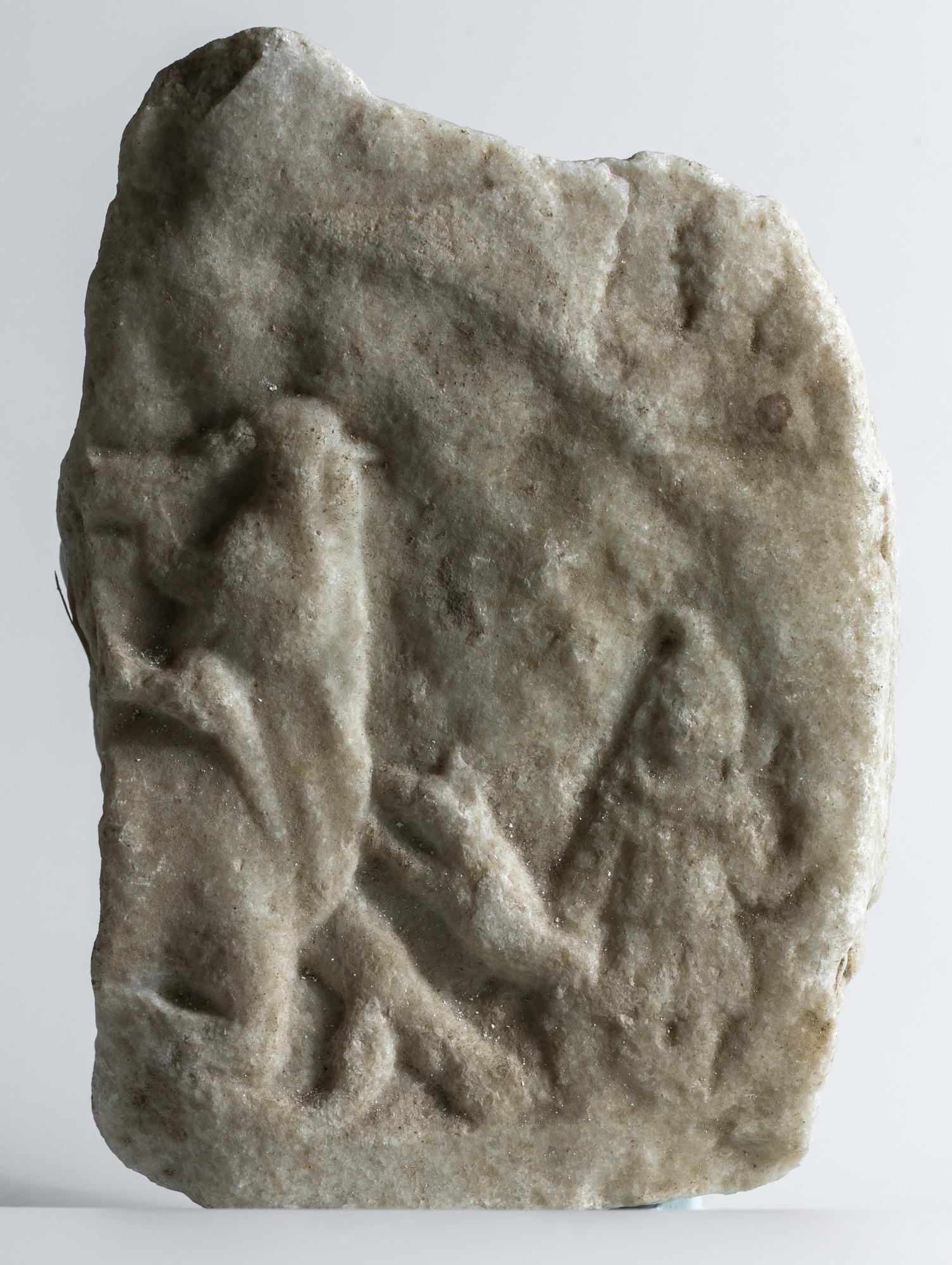
This weathered marble fragment from Viminacium preserves part of a tauroctony with Luna, Cautopates, the serpent, and the dog.
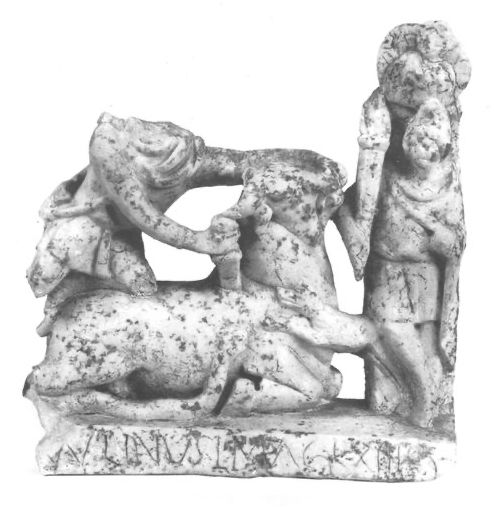
This relief of Mithras killing the bull was dedicated by the bearer of the imperial standard of Legio XIII Gemina, Marcus Ulpius Linus.
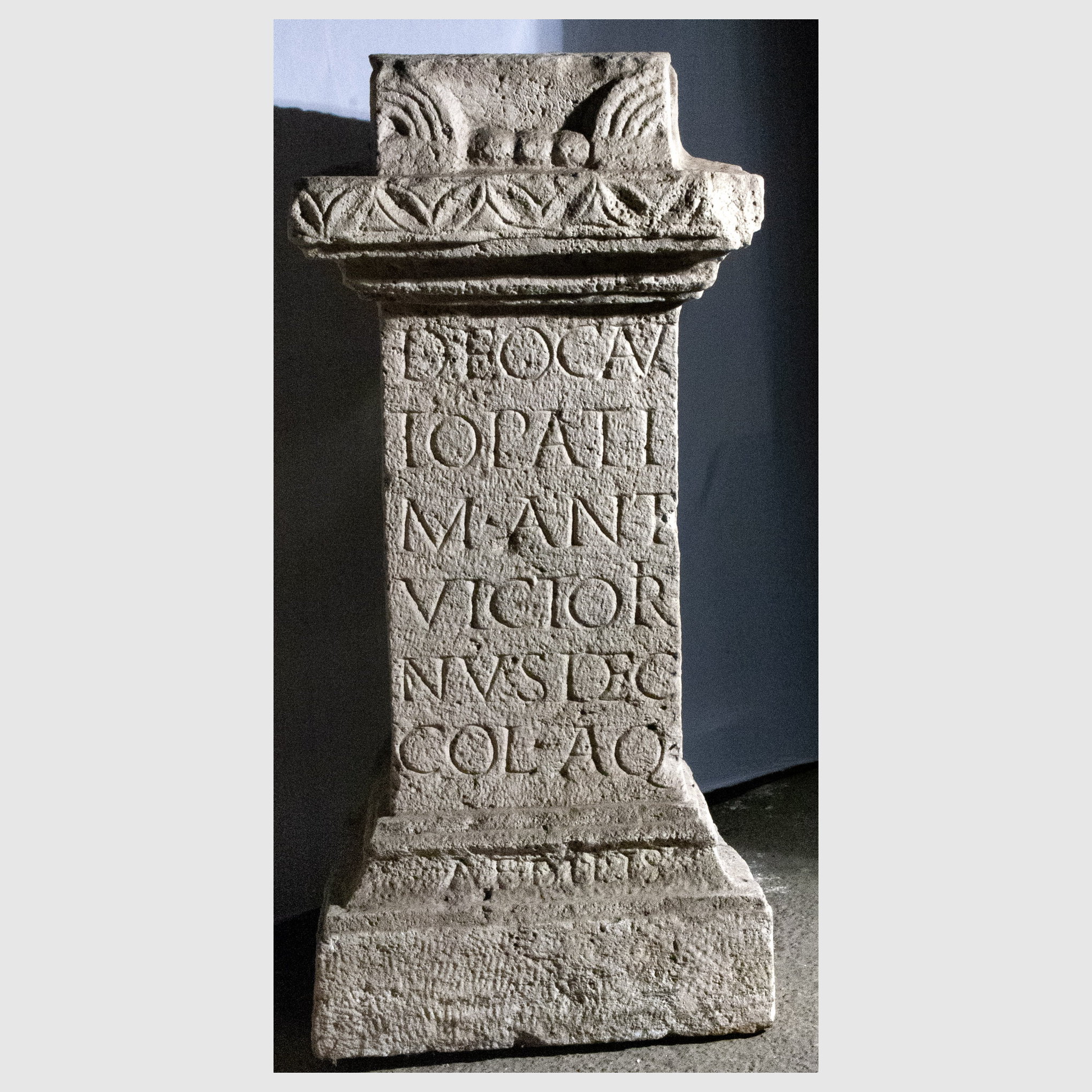
These two altars, erected by a certain Victorinus in the mithraeum he built in his house, bear inscriptions to Cautes and Cautopates.
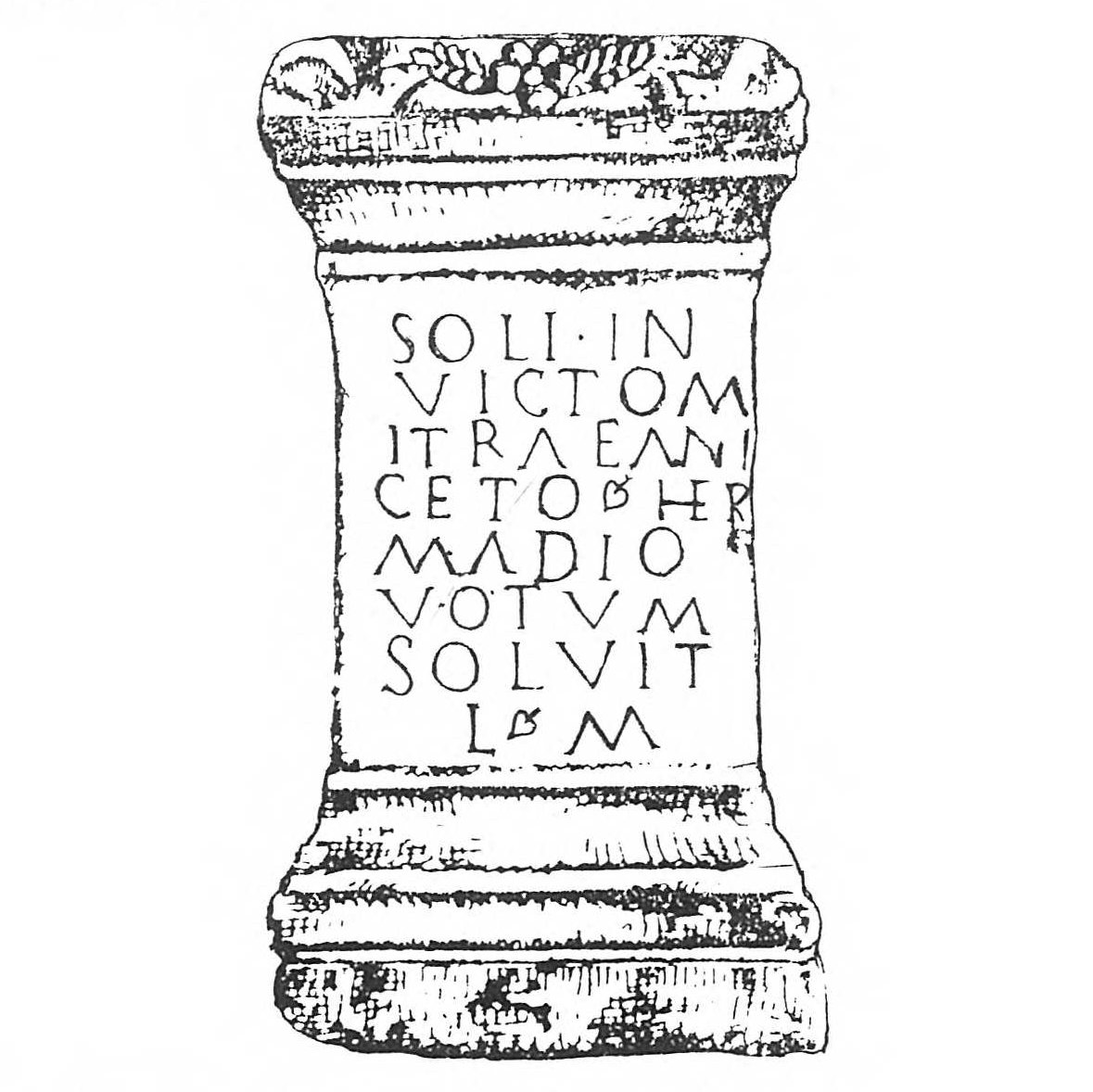
This altar was erected by Hermadio, who also signed other monuments in Dacia and even in Rome.
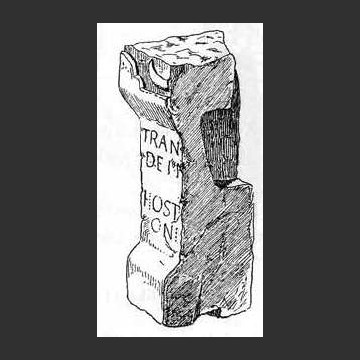
This damaged monument of a certain Hostilius from Malvesiatium, now Skelani, bears an inscription apparently to Mithras transitus.
Fragments of this limestone statue include the head and torso of Mercury, holding the caduceus in his left hand.
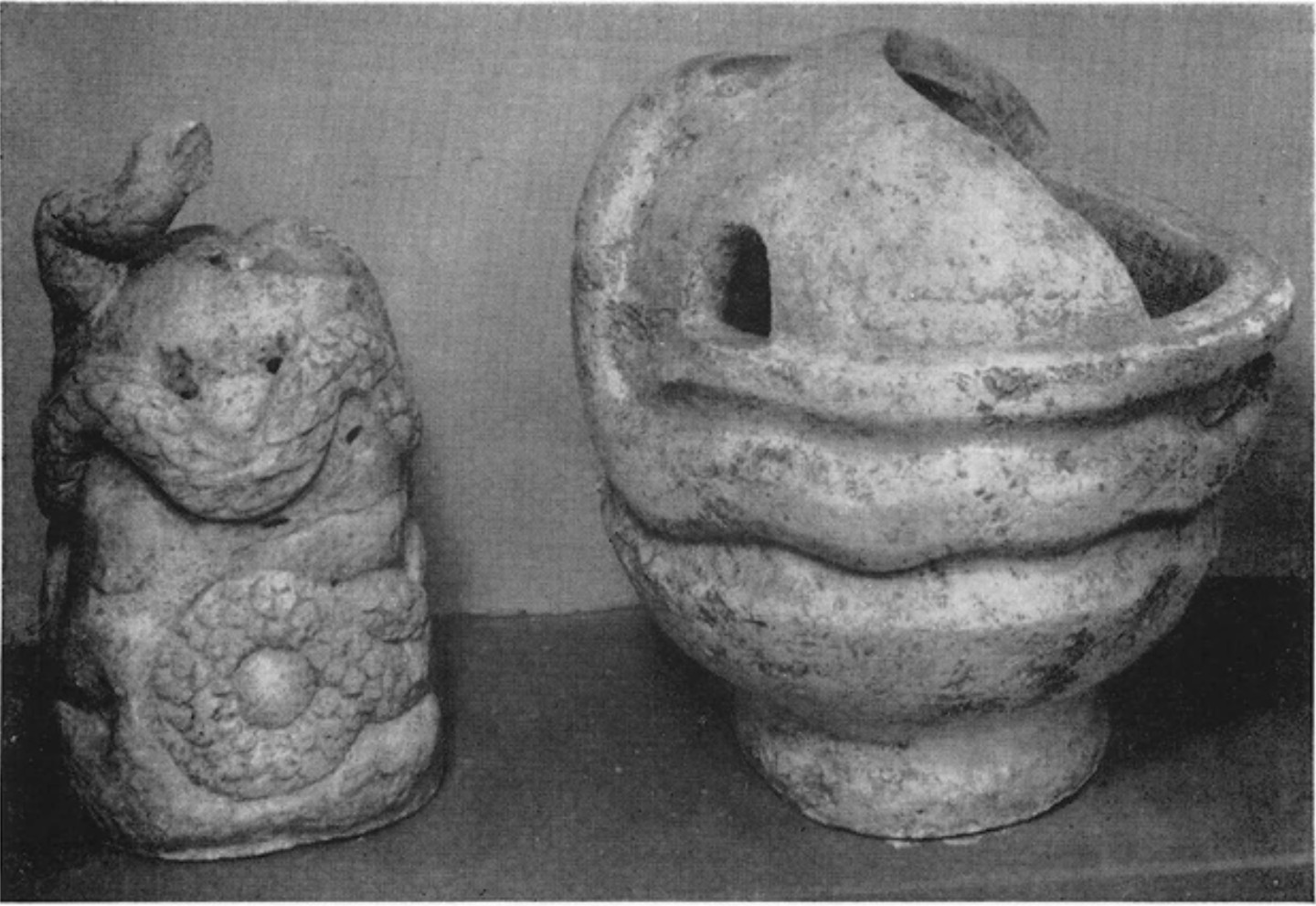
Both objects have a snake winding itself around them.
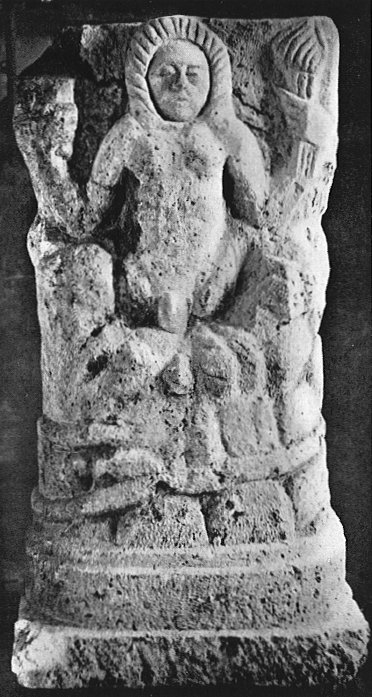
Another sculpture of Mithras rock-birth from the Mithraeum of Victorinus, in Aquincum.

Beheaded Cautopates in limestone found on the podium of the Jajce Mithraeum, Bosnia and Herzegovina.
