Your search Nuits-Saint-Georges gave 41 results.

Nuits-Saint-Georges is a commune in the arrondissement of Beaune of the Côte-d'Or department in the Bourgogne-Franche-Comté region in Eastern France.

A number of metal objects and weapons have been found in the Mithraeum of Les Bolards, close to Nuits-Saint-Georges in France.
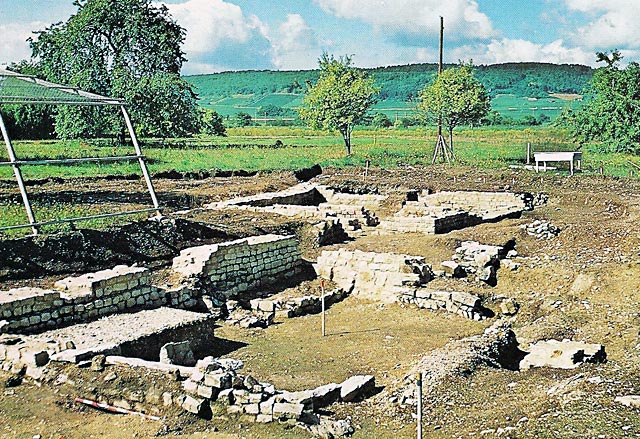
The Mithraeum des Bolards was integrated into a therapeutic cultural complex related to healing waters.
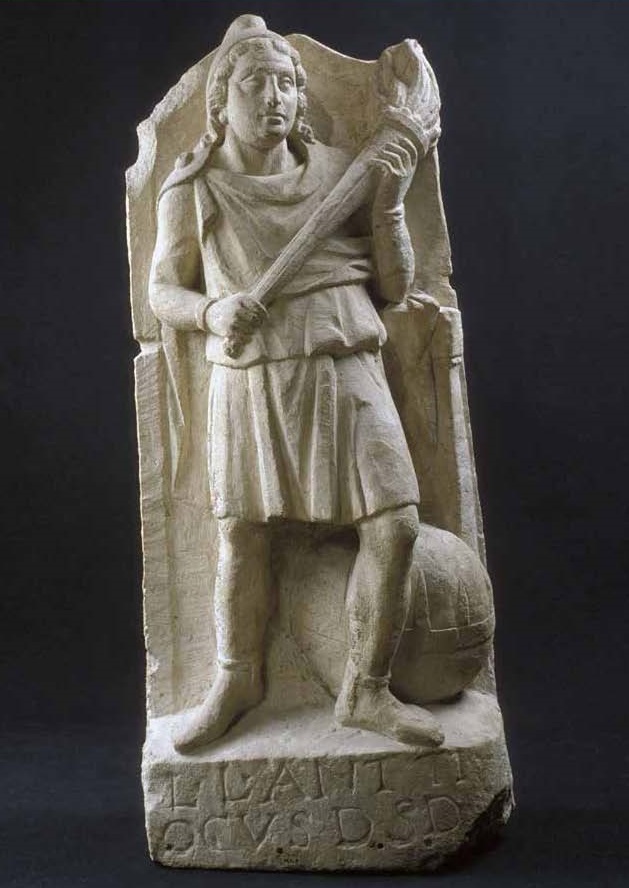
This monument representing Cautes with uncrossed legs was consecrated by a certain Anttiocus.
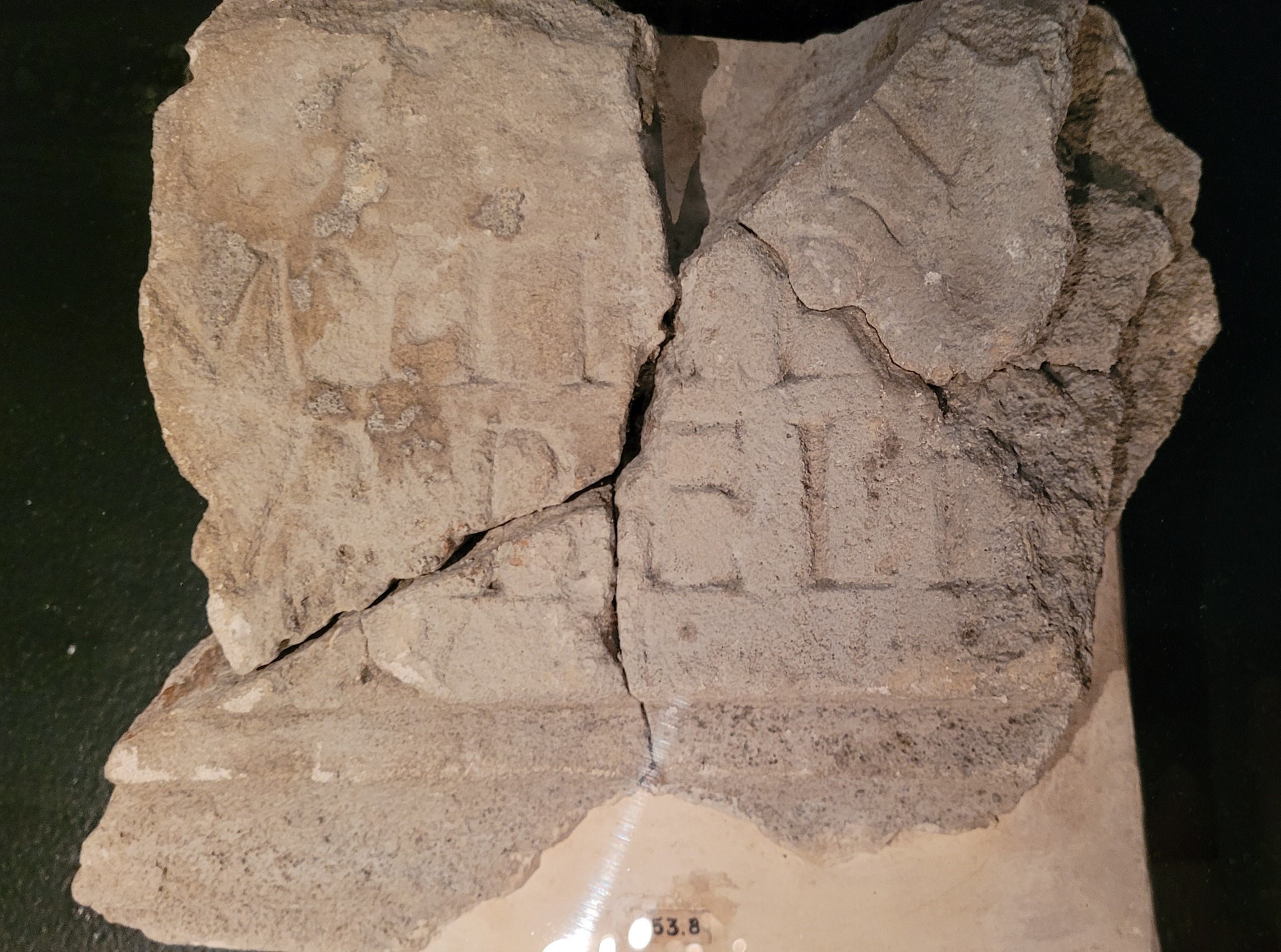
Fragment of limestone from Porêts, which was used in the 4th century.
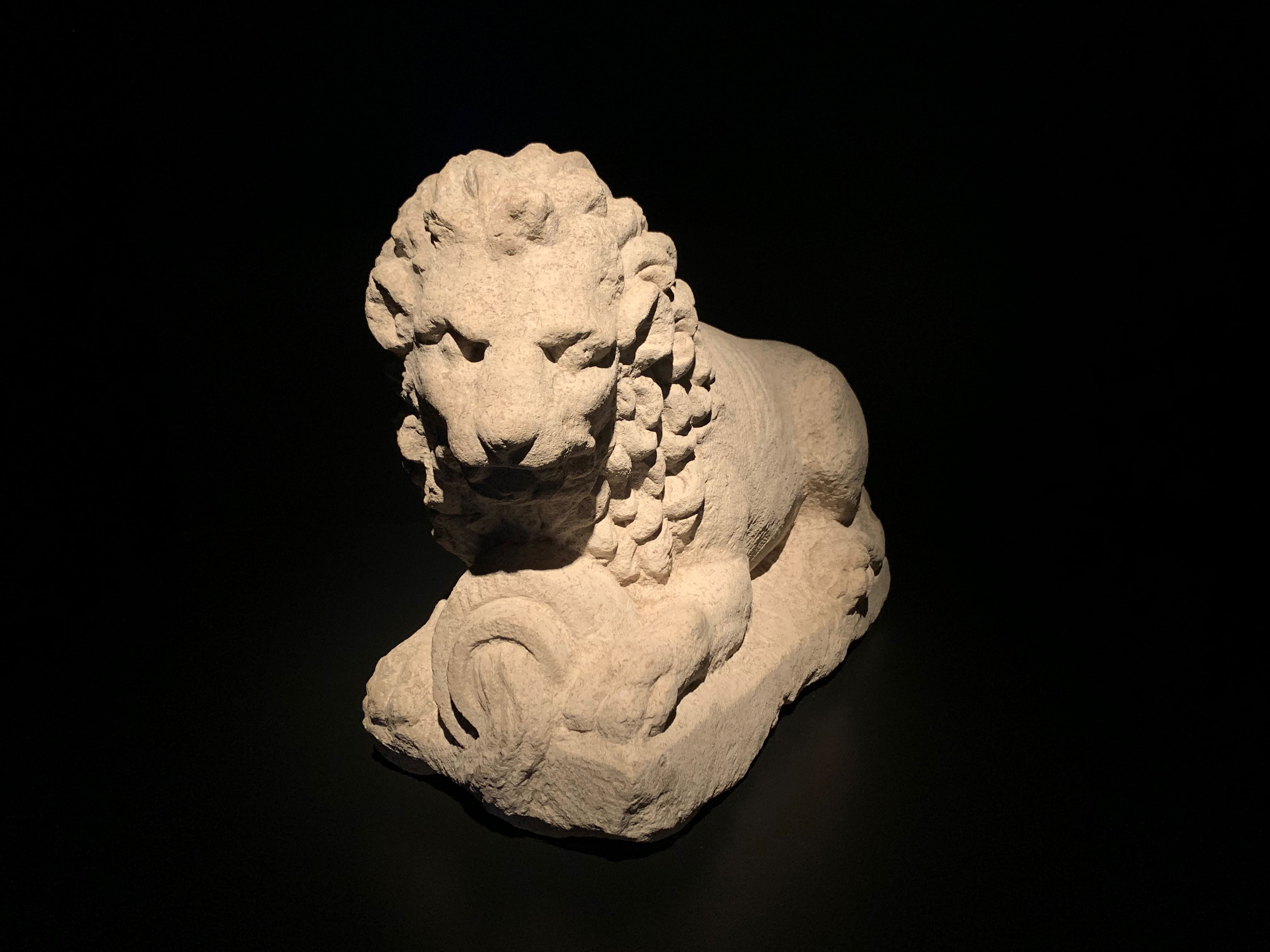
A limestone lion holding a flowing urn, discovered at the entrance of the Mithraeum of Les Bolards, reflects the ritual significance of water within the cult of Mithras.
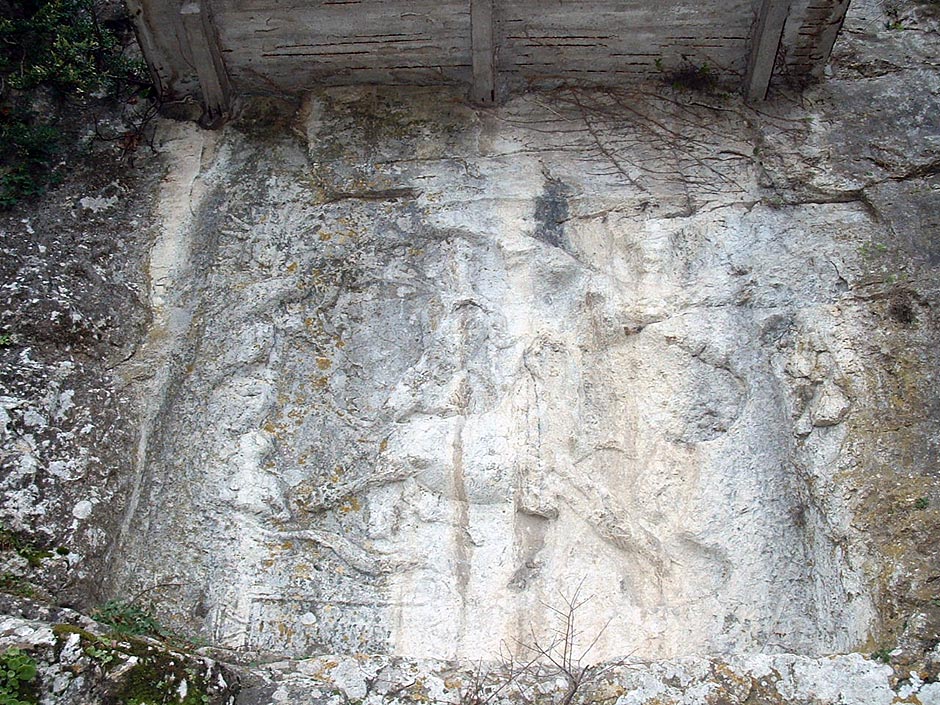
The low relief of Bourg-Saint-Andéol depicting Mithras killing the bull has been chiseled on the rock.

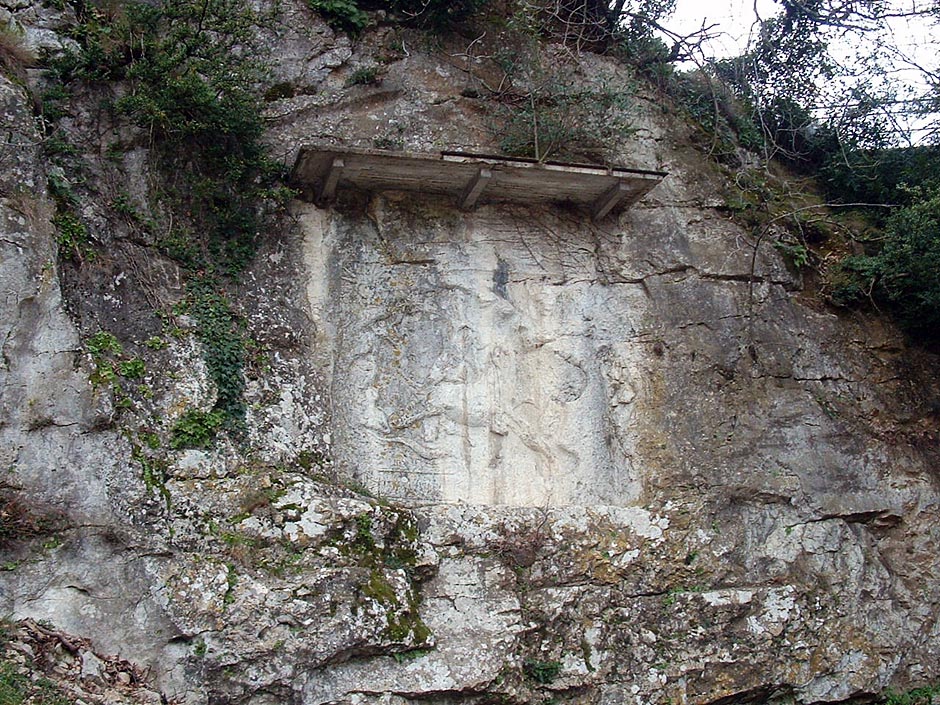
The Mithréum de Bourg-Saint-Andéol was built against a rock where the main Tauroctony was chiseled.
Glanum was an important Roman town in Narbonensis near modern Saint-Rémy-de-Provence.
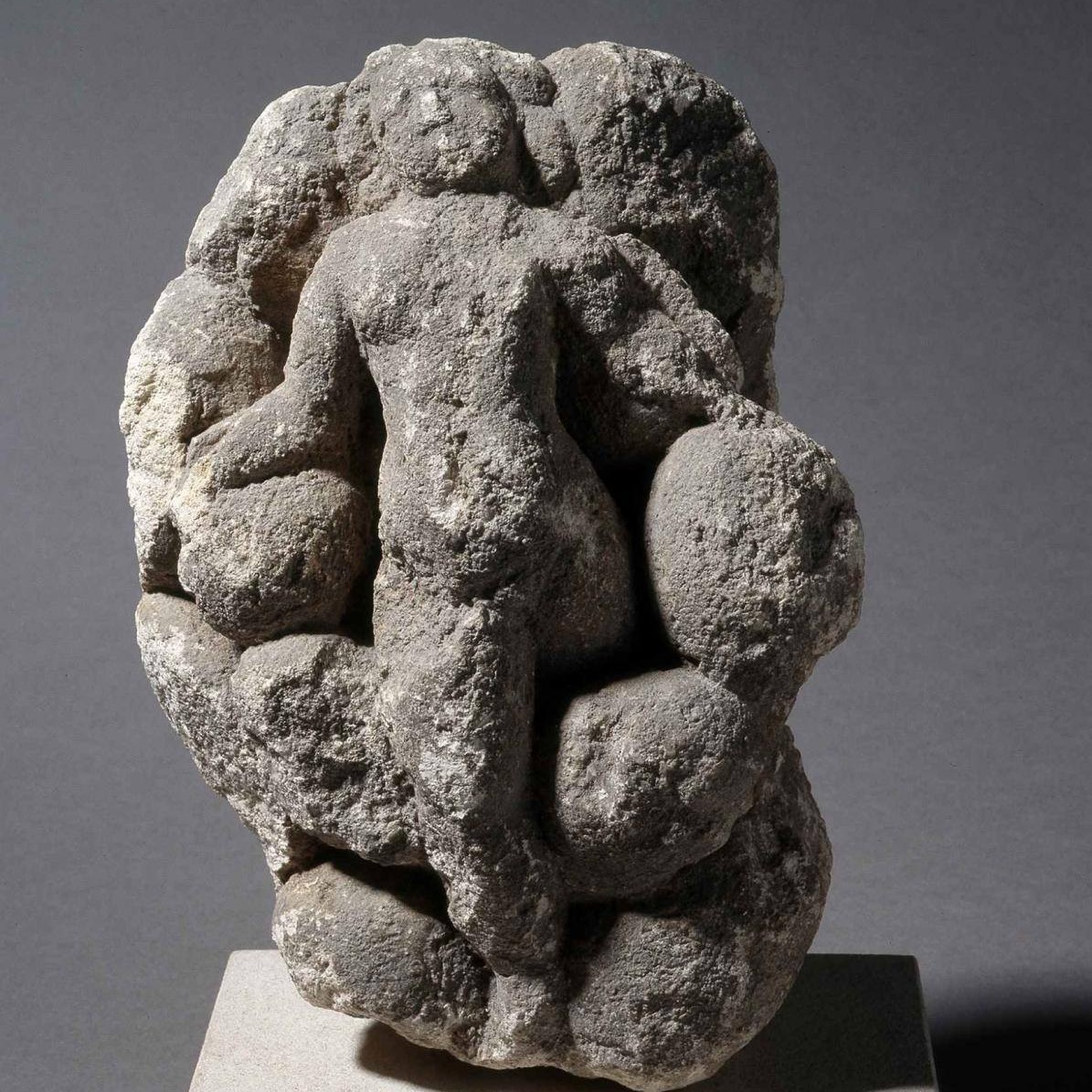
The locality of Saint Pierre de Messeane is associated with archaeological discoveries from Roman Gaul.
Bourg-Saint-Andéol is a commune in the Ardèche department in the Rhône Valley in southern France.
Alesia became famous as the site of Caesar’s decisive siege during the Gallic Wars.
A dedicatory inscription to Sol Invictus, made by an individual named Eudaemon, found at Glanum (modern Saint-Rémy-de-Provence) in Narbonensis.
A red terra-sigillata cup bearing a relief tauroctony of Mithras, with Cautes and Cautopates cross-legged on either side, found at Alesia (Mont-Auxois) in Lugdunensis and now kept at Saint-Germain-en-Laye.
Structure in the Tarn region initially reported as a Mithraeum but later identified as an ordinary silo.