Your search Ostia Antica gave 178 results.


Slave of a certain Macus Iulius Eunicus, Hermes dedicated a monument to Silvanus found in the Mitreo della Planta Pedis.
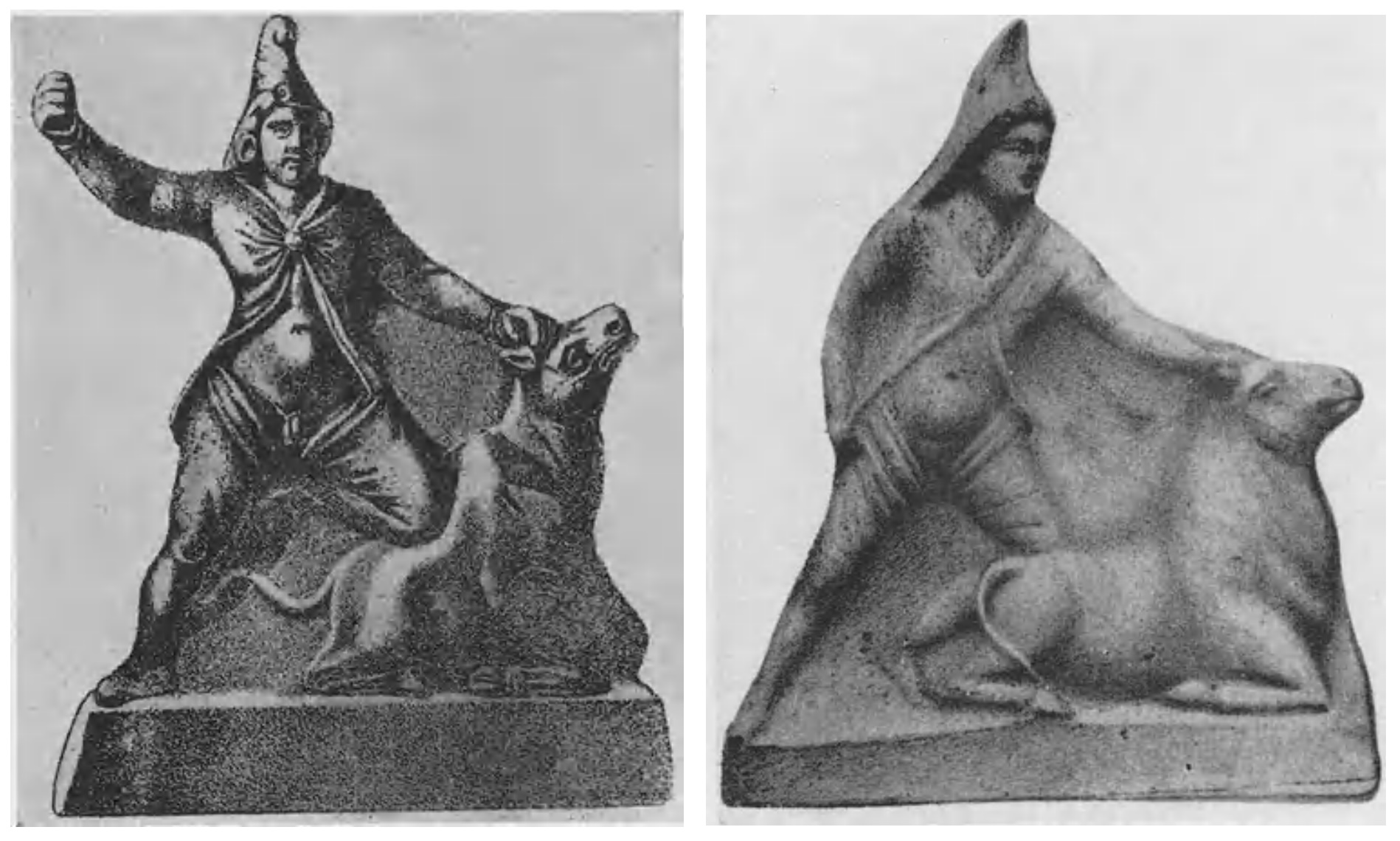
Terracotta tablets depicting a Taurombolium by Attis which might be at the origins of the mithraic Tauroctony iconography.
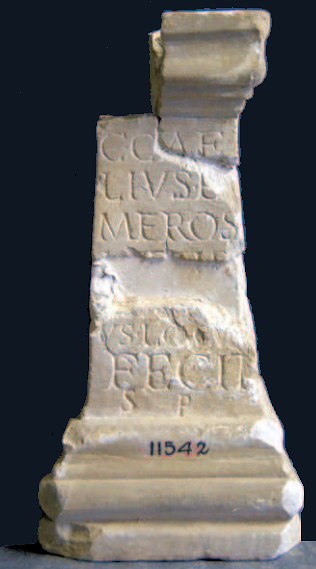
This small monument bears the inscriptions of a certain Caelius Ermeros, antistes at the Mithraeum of the Painted Walls.

In the cult niche of the Mitreo del Caseggiato di Diana there is a list of words that could indicate names and measurements.
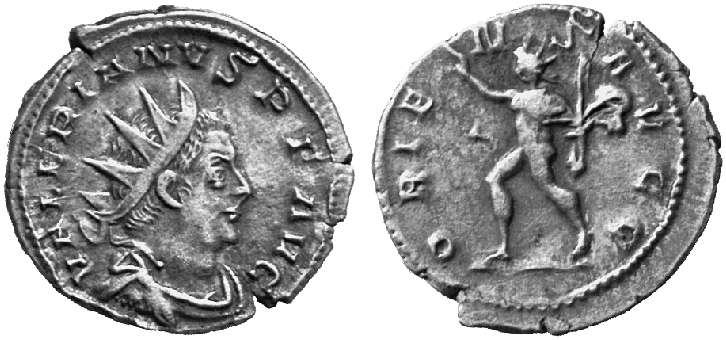
This coin was deposited in the upper level of the throne in the cult niche of the Mitreo della Planta Pedis.
The dedicator of this marble basin could be the same person who offered the sculpture of Mithras slaying the bull in the Mitreo delle Terme di Mitra.
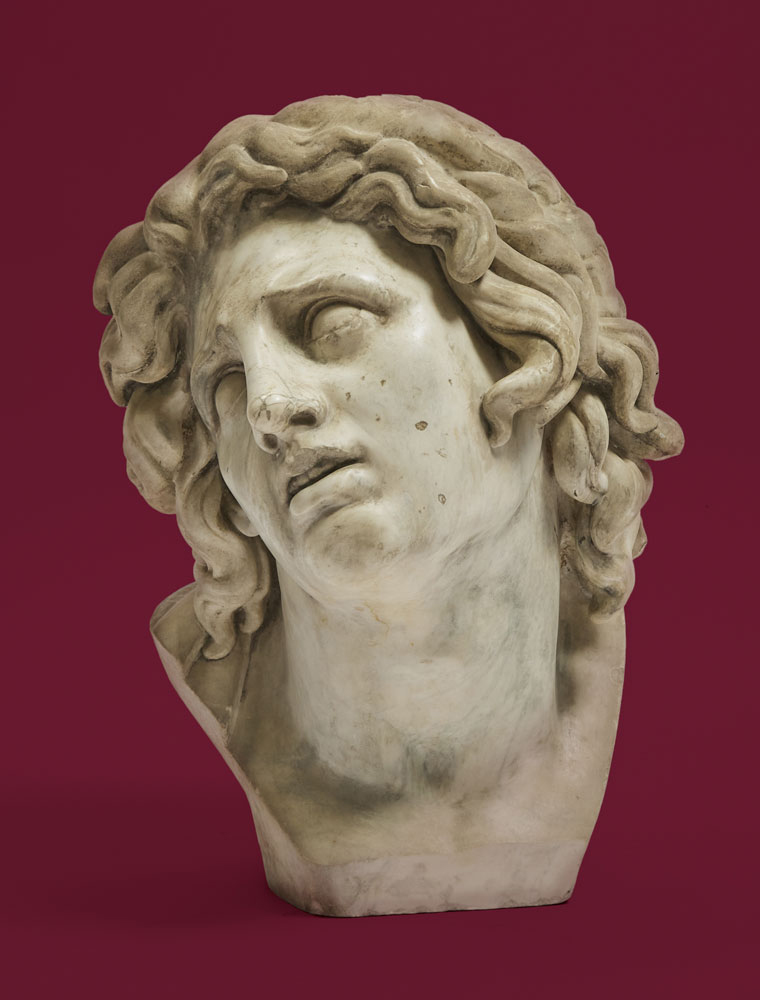
Head formerly associated with Mithraic material but interpreted by Margarete Bieber as a dying Giant.
Marble head in the Museo Baracco, Rome, generally described as an Alexander but very probably representing Mithras with his eyes lifted towards heaven; the back of the head is finished obliquely with a small hole for fastening a Phrygian cap.
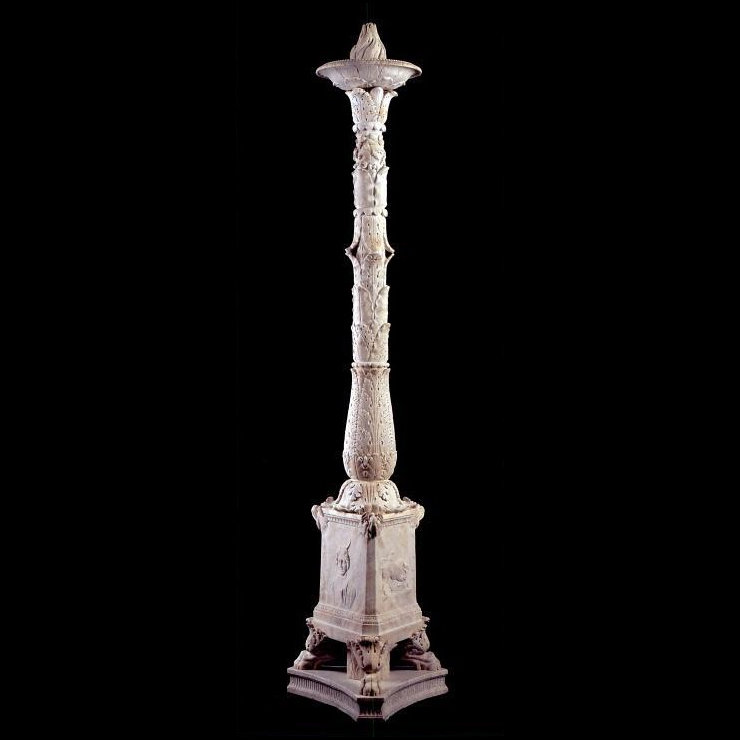
This magnificent candelabrum was found in Rome in 1803, in the Syrian Temple of Janicule.
Marble base found in 1764 on the Aventine with a dedication to Sol by C. Rufus Volusianus, vir clarissimus, who held the offices of pater, hierophant, prophet of Isis and pontifex of the Sun, dated to the 4th century A.D.
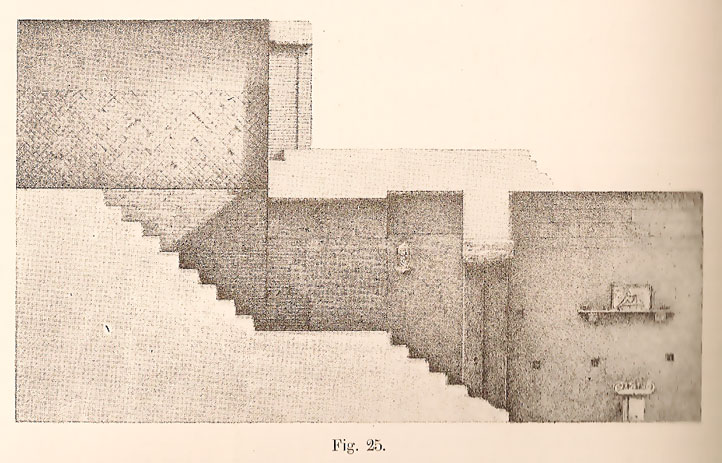
In a house from the time of Constantine, a Lararium was found with a statue of Isis-Fortuna. The Mithraeum was a door next to it, on a lower room.
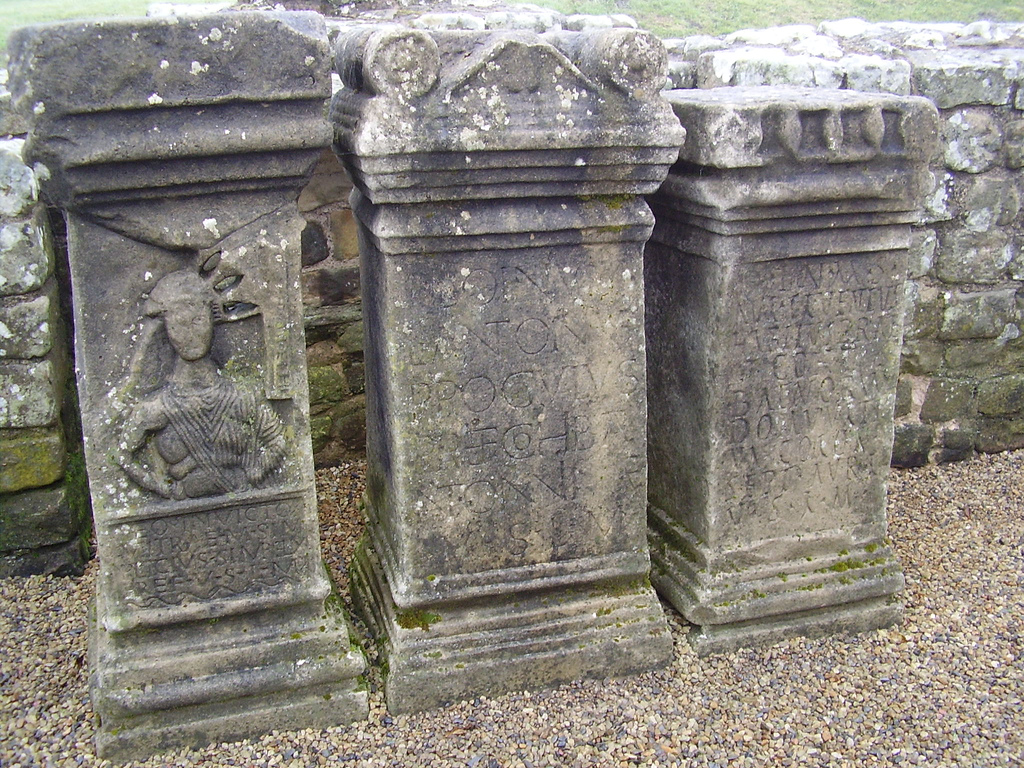
One of the altars from the Carrawburgh Mithraeum depicts the bust of Mithras or Sol.
Fragment of a marble vase found near Portus by Prince Torlonia, showing a bearded head in radiate crown (Sol) and Cautes with upraised torch, with a Mithras representation now lost, now itself lost.
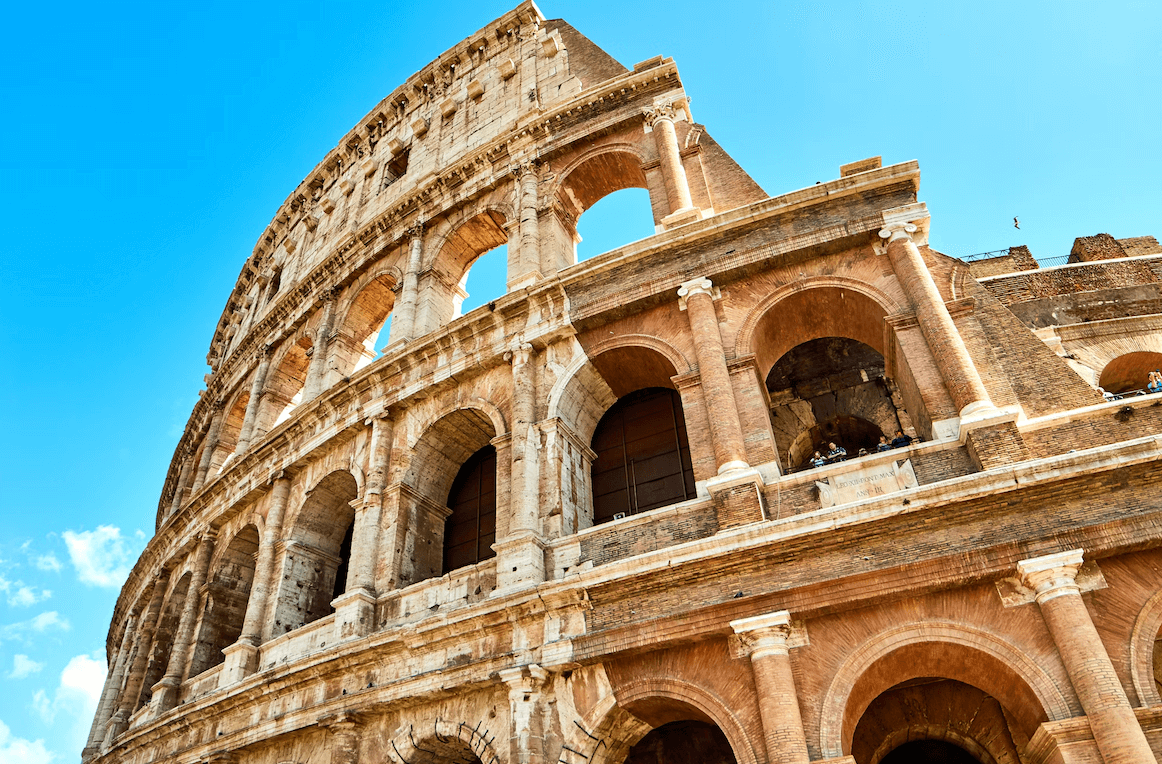
Roman Italia preserves a central and exceptionally influential corpus within the development of Mithraic cults.

Latium formed the political and religious centre of the Roman world where some of the most important Mithraic communities developed.
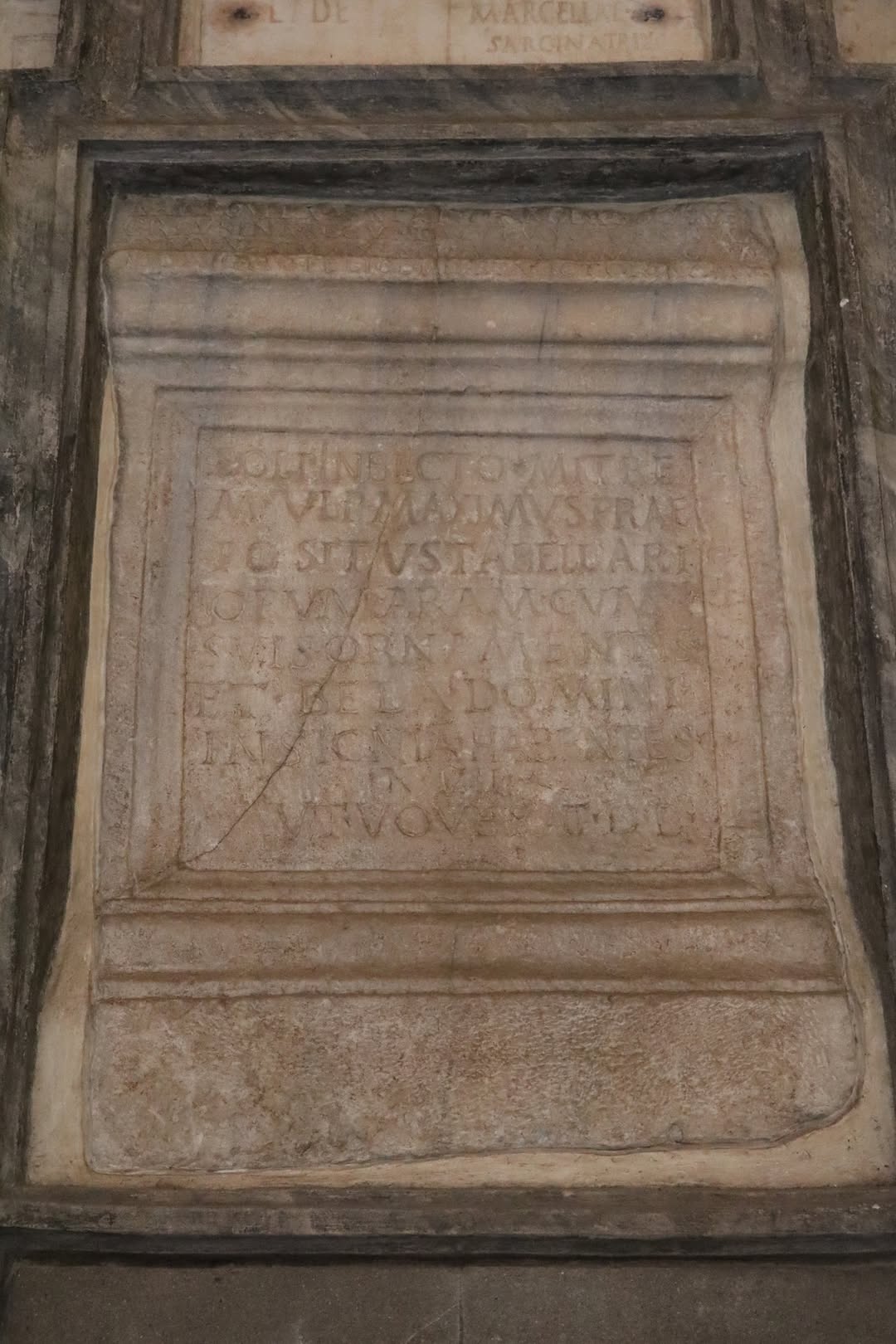
Marble altar dedicated to Sol Invictus Mithras, found in Rome (in aedibus Maffaeiorum), set up in 183 A.D. by M. Ulpius Maximus, praepositus tabellariorum, together with its ornaments and Mithraic insignia, in fulfilment of a vow.
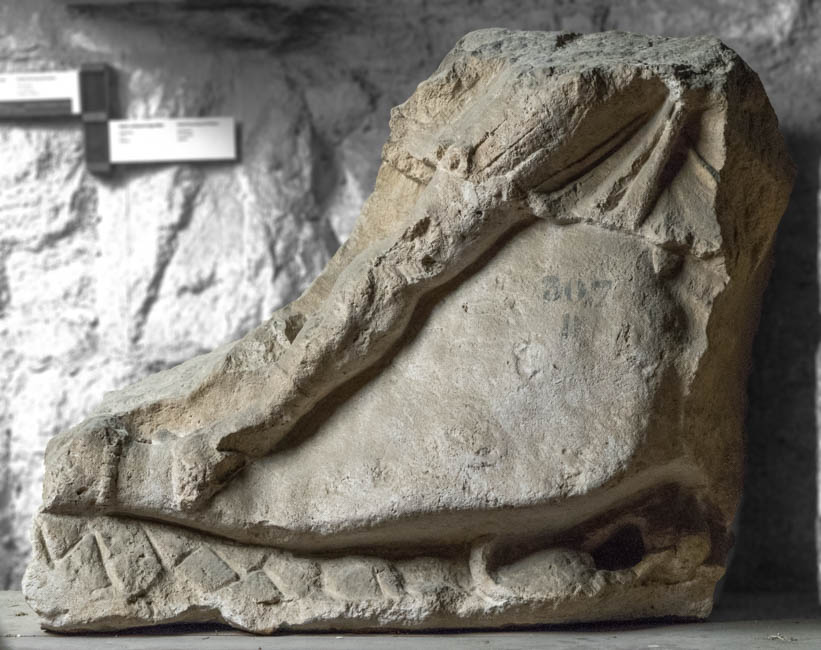
This large limestone fragment from Roman Salona preserves the hind part of the bull together with Mithras’ foot and traces of his red tunic.
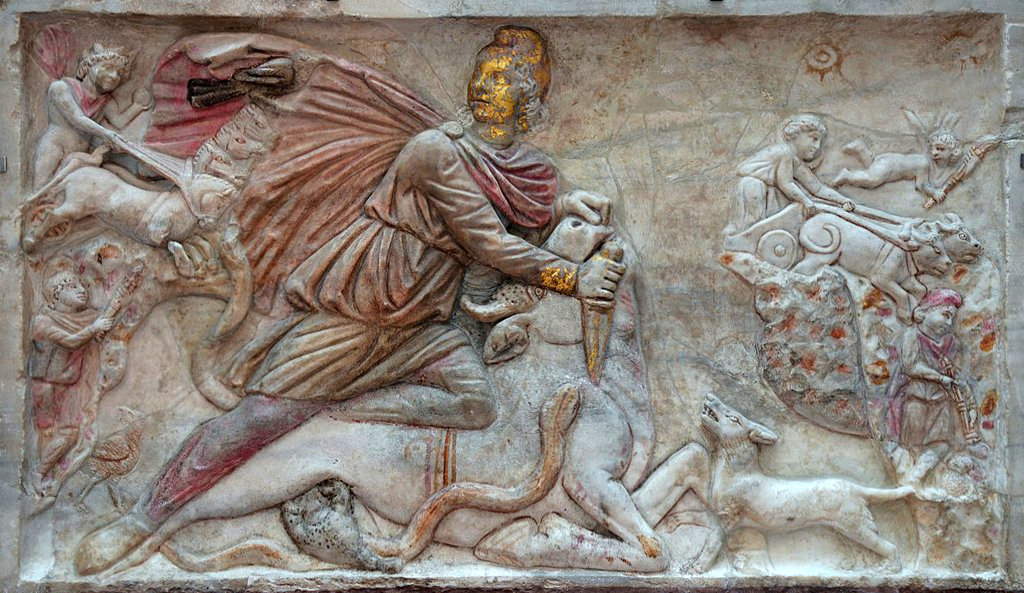
The relief of Mithras killing the bull of Stefano Rotodon preserves part of his polycromy and depicts two unusual figures: Hesperus and an owl.
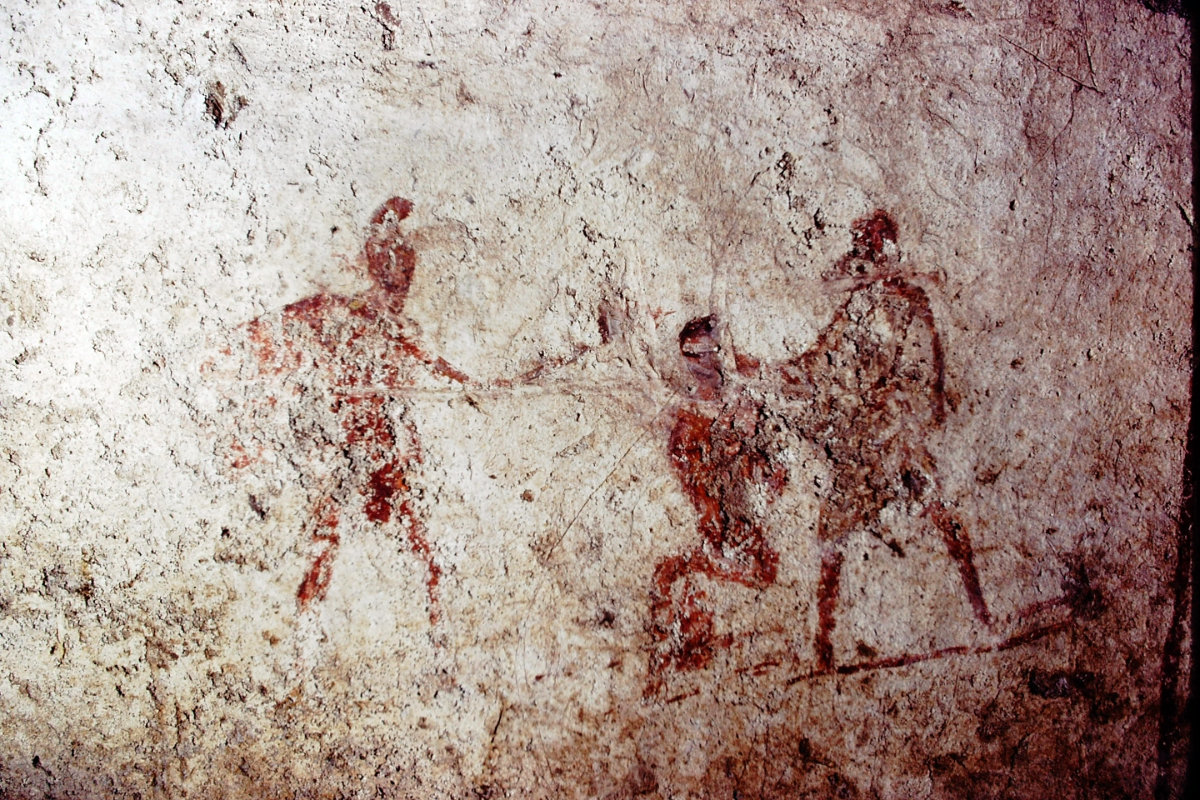
Fresco showing a scene of initiation into the mysteries of Mithras in the Mithraeum of Santa Maria Capua Vetere.
