Your search Pantelimon de Sus gave 223 results.

Limestone altar fragment from the Mithraeum at Sárkeszi, Pannonia Inferior, dedicated to Fonti dei by Septimius Valentinus, optio.
Marble altar fragment from Mithraeum II at Ptuj, ancient Poetovio, dedicated by a tabularius et vilicus of the statio Confluentes, a customs station at the junction of Pannonia Inferior and Moesia.
Inscription from Mithraeum II at Ptuj, ancient Poetovio, dedicated to Deo Soli invicto Mithrae for the welfare of Flavius Iovinus, who had vowed the gift after witnessing the birth of the god; dated to the consulship of Peregrinus and Aemilianus, AD 244.
Lost altar from the Zollfeld at Virunum, Noricum, dedicated to Deo invicto Mithrae by Ulpius Valerius, speculator of Legio I Noricorum, who fulfilled a vow undertaken by his father.
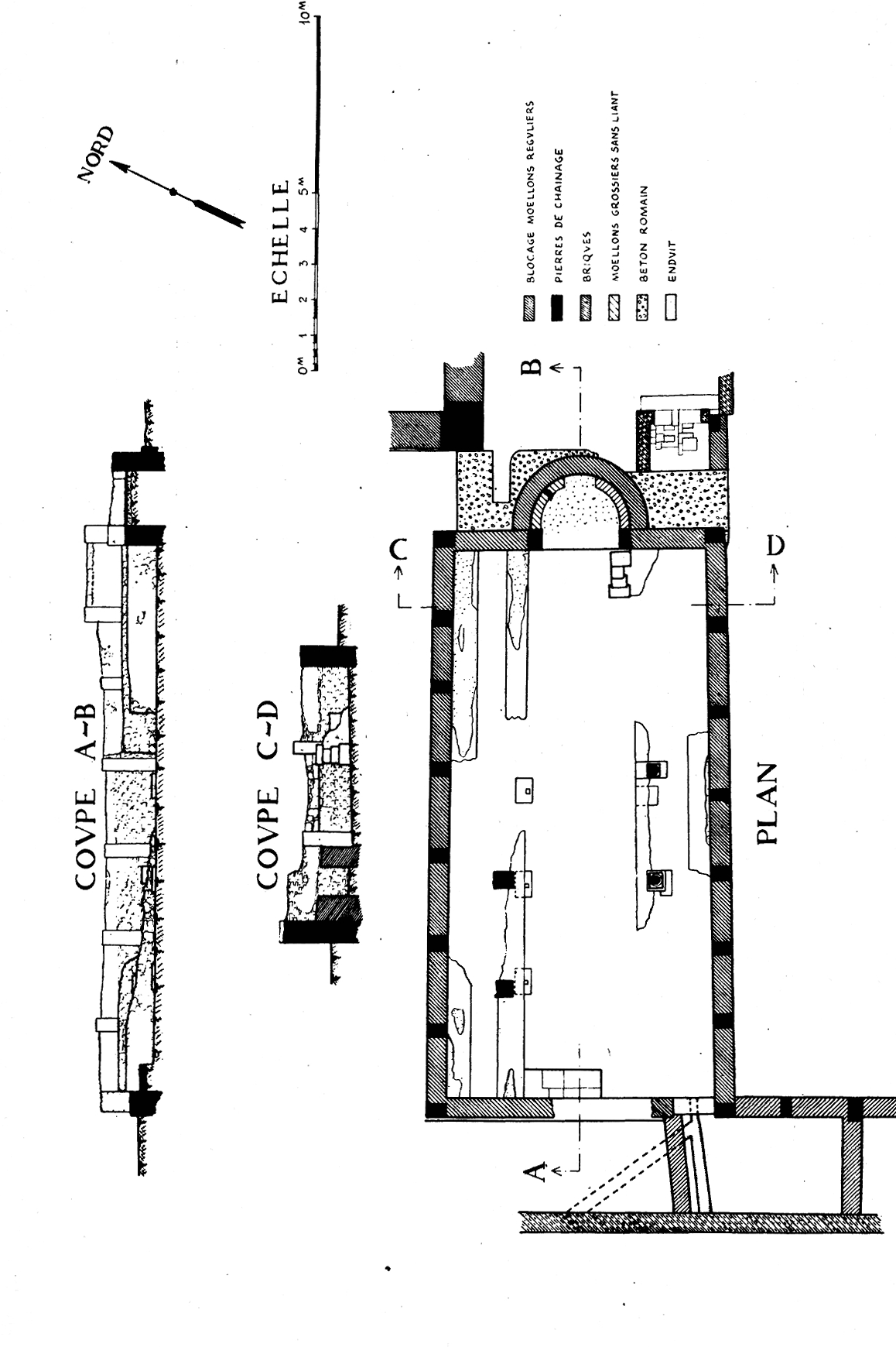
The Mithraeum of Tazoult / Lambèse is one of the best preserved Mithras’s temples in Africa.

Ancient region of the Crimean Peninsula associated with the Greek colonies and Roman presence in Taurica.

This dedicatory inscription by Aurelius Seleucus, found in Cilicia, aligns with Plutarch’s account of Cilician pirates performing foreign sacrifices and secret rites of Mithras.
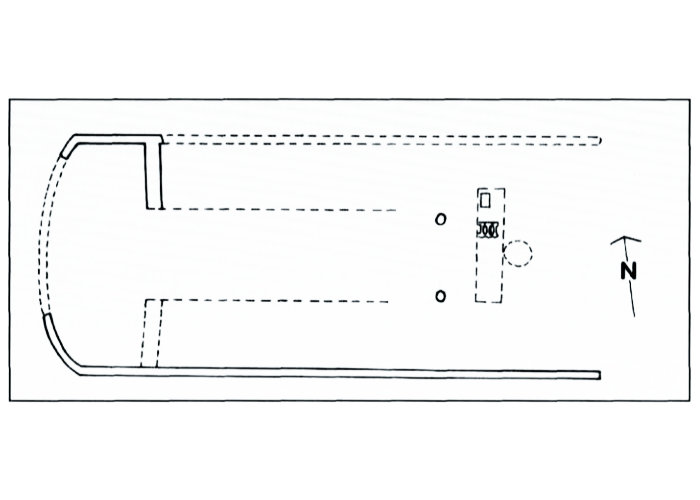
One of the largest known Mithraea in Pannonia, the sanctuary of Sárkeszi stood near the Roman road linking Herculia and Aquincum.
Under Roman rule from the 1st century CE, Histria was incorporated into the province of Moesia. The city is noted on the Tabula Peutingeriana, which places it 11 miles from Tomis and 9 miles from Ad Stoma.
The Roman castrum Mogontiacum, the forerunner of Mainz, was founded by the Roman general Drusus around 10 BC. It was an important military town throughout the Roman period. The town of Mogontiacum grew up between the fort and the Rhine.
Argentoratum or Argentorate was the ancient name of Strasbourg. Its name was first mentioned in 12 BC, when it was a Roman military outpost established by Nero Claudius Drusus. The Legio VIII Augusta was stationed there from 90 AD.

Tribune of the First Cohort of Vardulli, he erected a mithraeum at Bremenium together with his consacranei.

One of the most eminent representatives of late antique pagan religiosity, combining high civic authority with deep initiation into multiple mystery traditions, including the cult of Mithras.
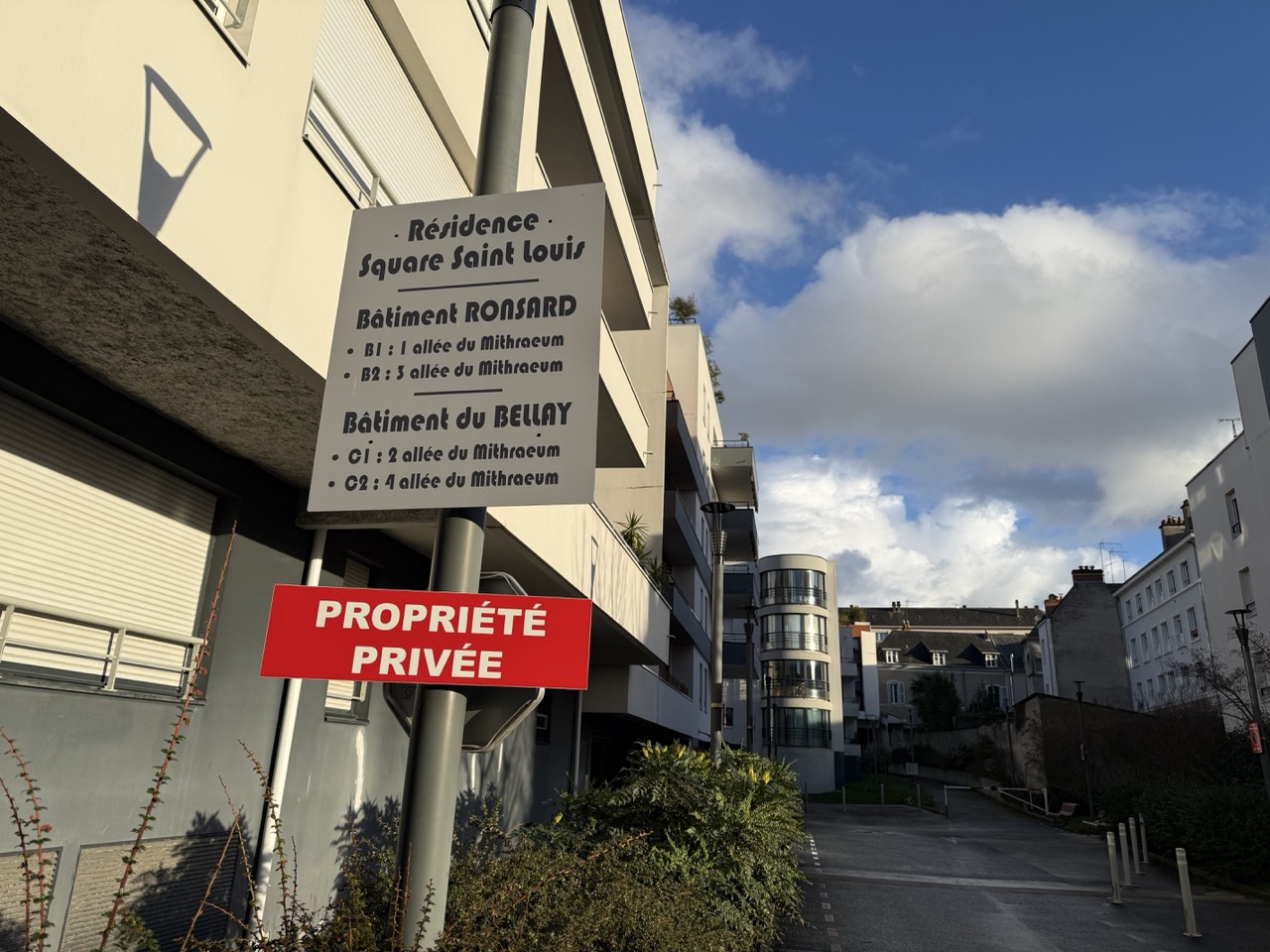
The Mithraeum of Angers, excavated during a preventive operation and subsequently dismantled in 2010, yielded numerous objects, including coins, oil lamps, and a ceramic vessel bearing a votive inscription to the invincible god Mithras.

Hector erected an altar to Mithras in Emerita Augusta by means of a ‘divine vision’.
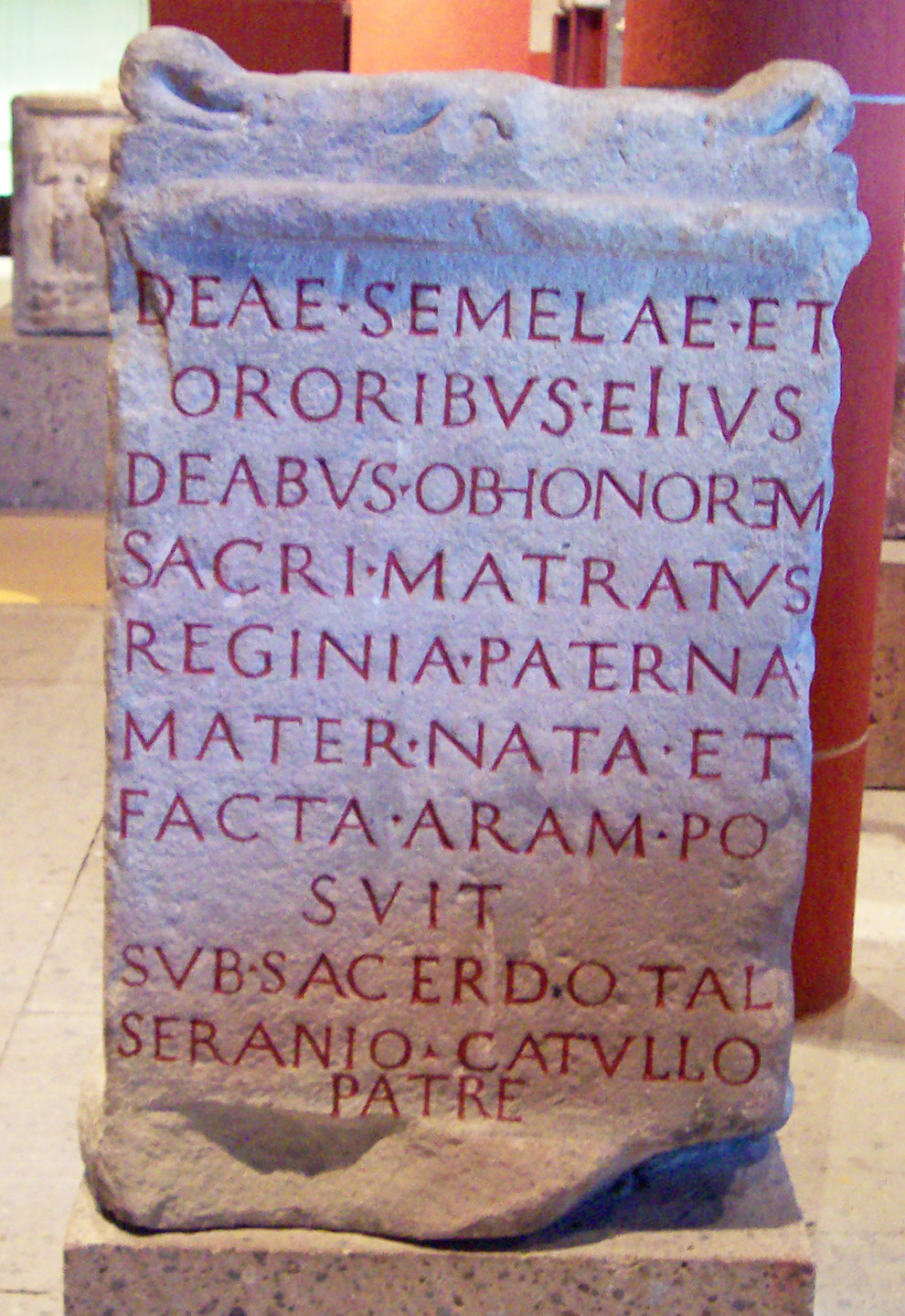
This sandstone altar found in Cologne bears an inscription to the goddess Semele and her sisters.

This marble relief depicting Mithras killing the bull, found at Porto d’Anzio in 1699 and now lost, is known from a engraving by del Torre.
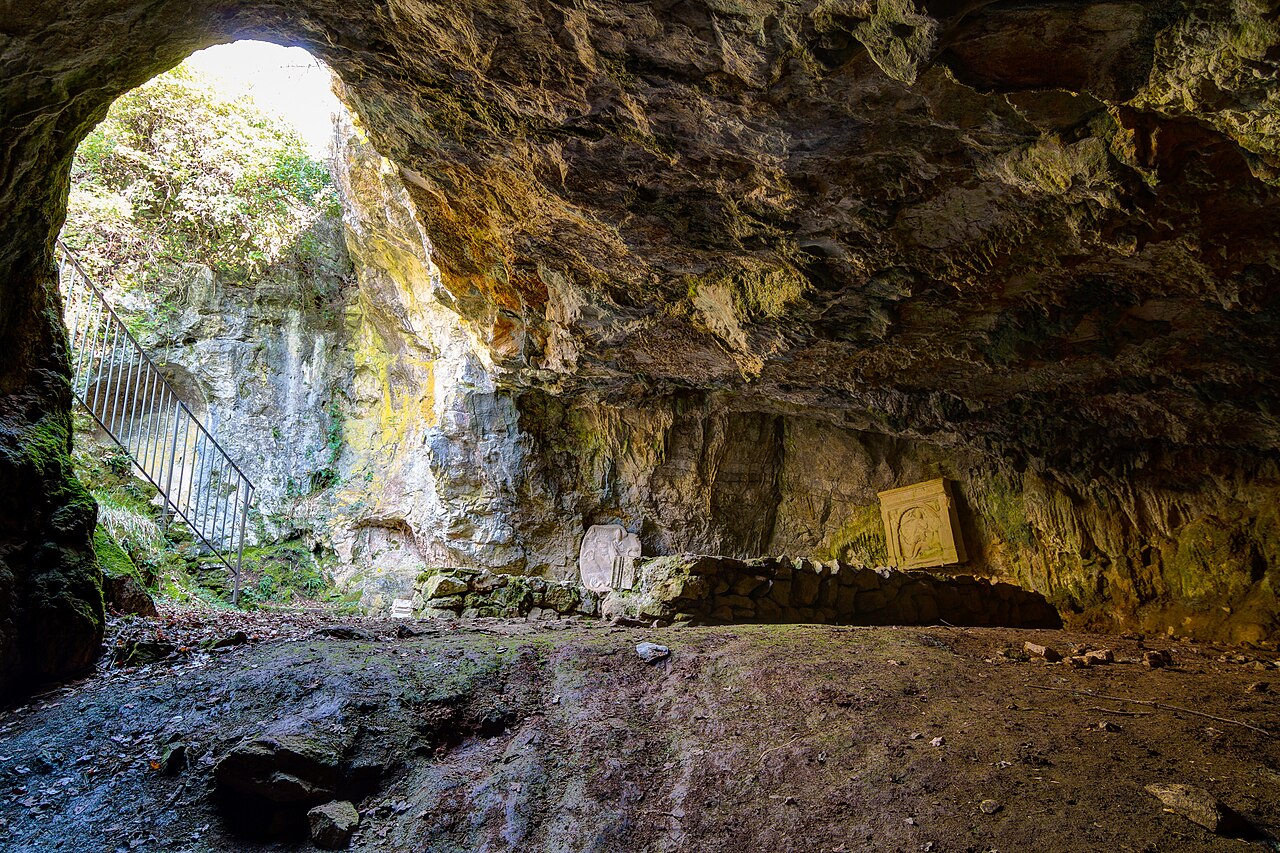
The site was destroyed in the 5th century but some elements, including the benches, can still been seen.
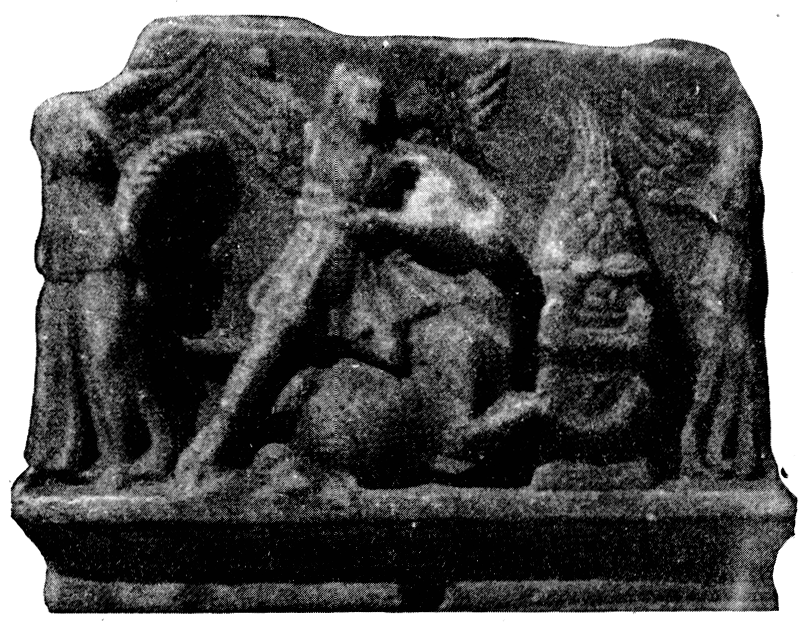
The Mithraic relief from Baris, in present-day Turkey, shows what appears to be a proto-version of the Tauroctony, with a winged Mithras surrounded by two Victories.
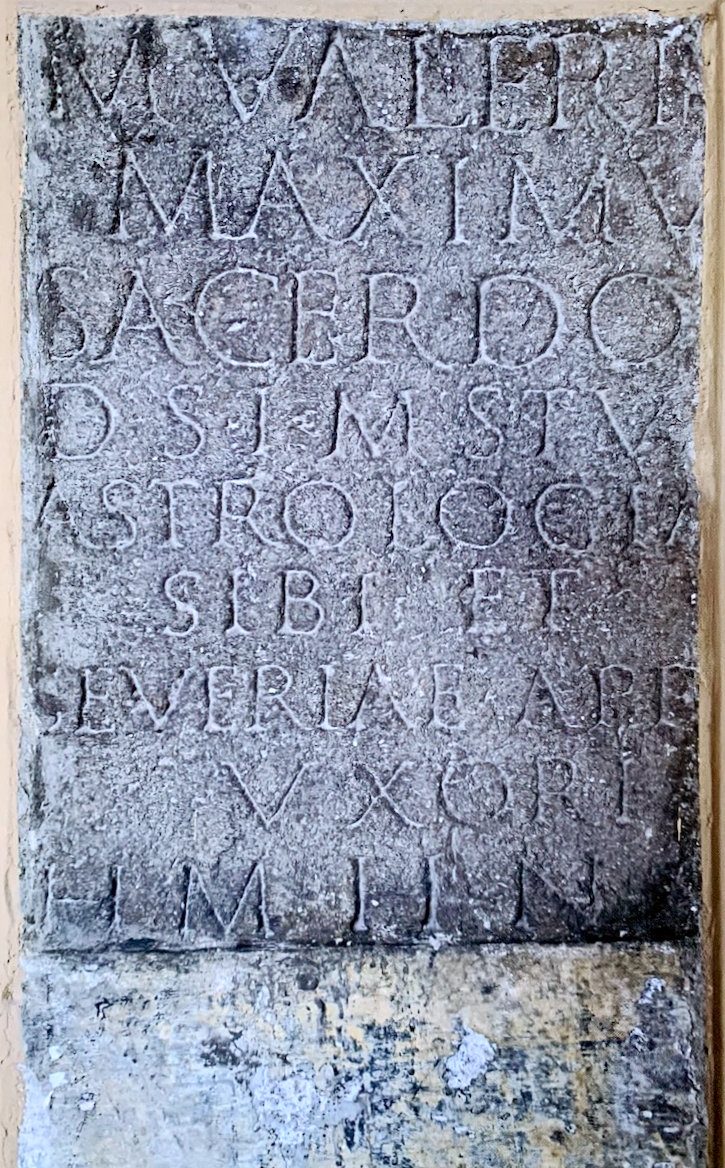
Marcus Valerius Maximus records in this inscription his knowledge of astrology as well as the name of his wife.
