Your search Philippe Roy gave 258 results.

Archéologue et historien de l’art belge, professeur à l’université de Liège, et directeur du Domaine & Musée royal de Mariemont.
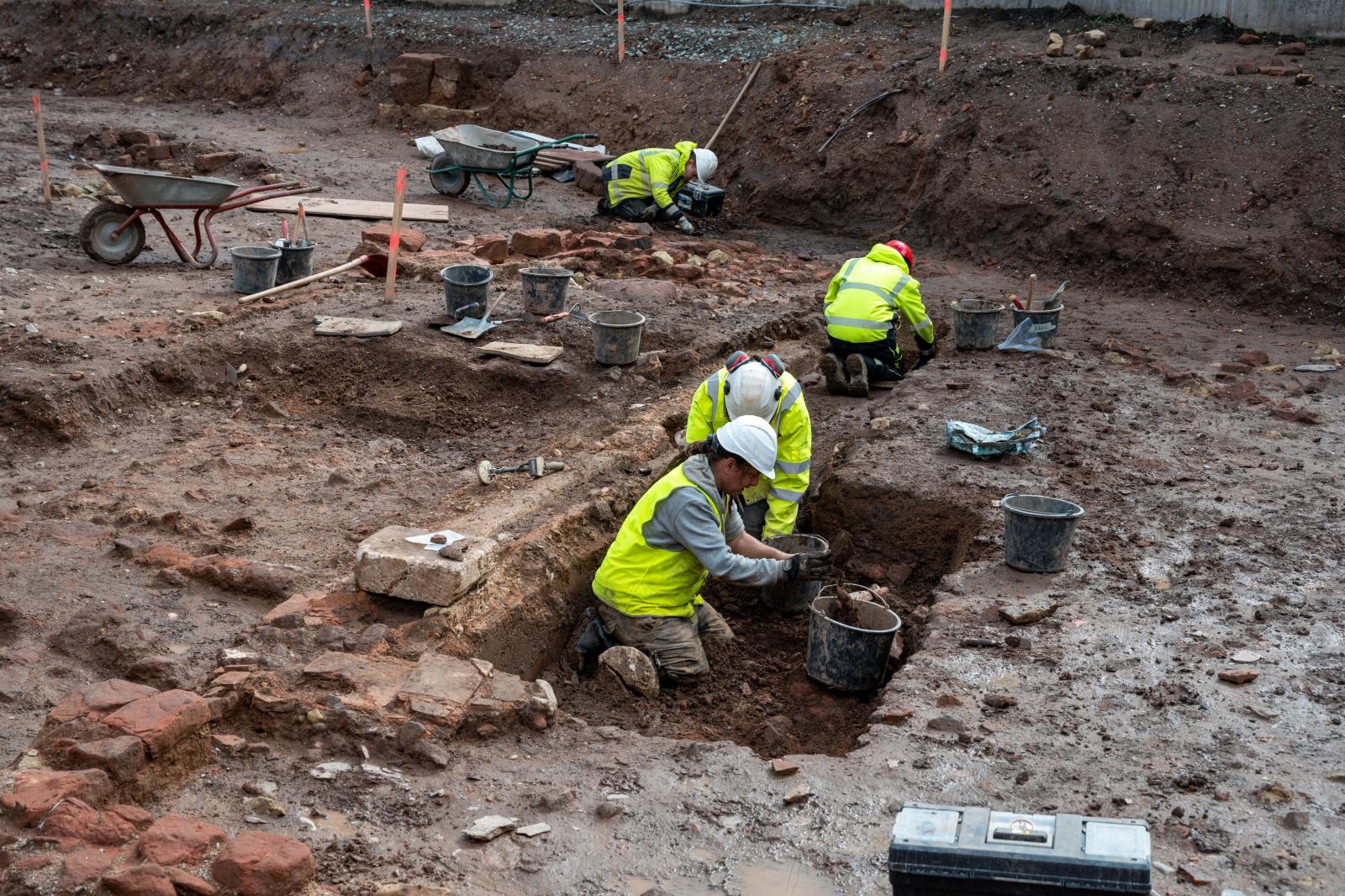
The Trier Mithräum was discovered during work on the city’s new fire station. The findings included a Cautes limestone relief.

Mithraeum I in Güglingen, Landkreis Heilbronn (Baden-Württemberg).

In this 4th-century Roman altar, the senator Rufius Caeionius Sabinus defines himself as Pater of the sacred rites of the unconquered Mithras, having undergone the taurobolium.
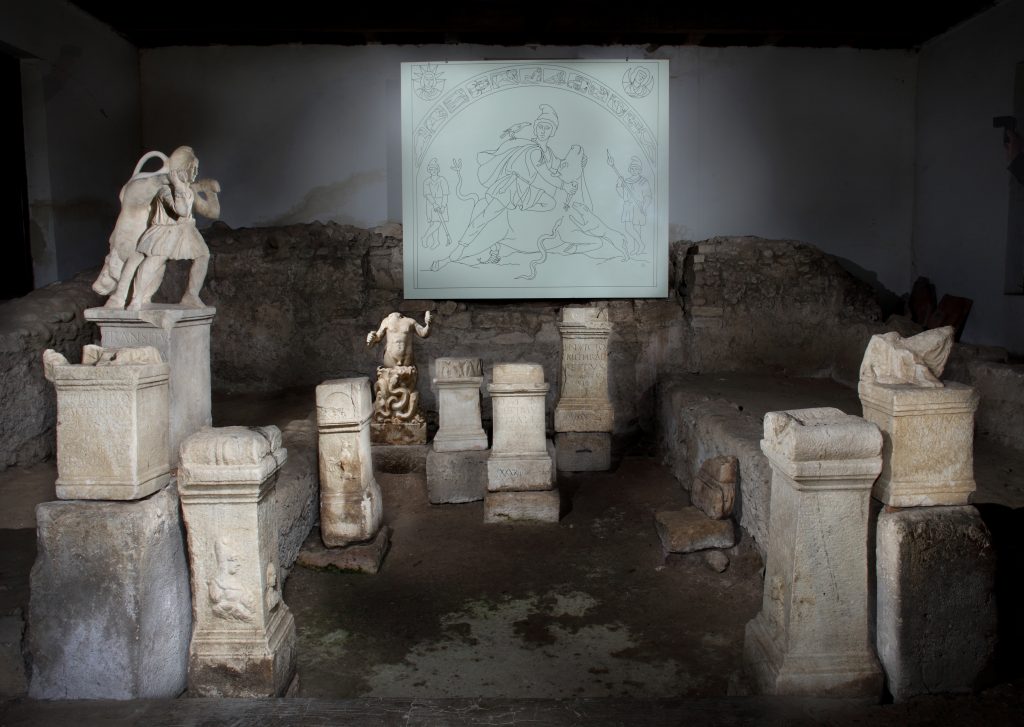
The Mithraeum I of Ptuj contains the foundation, altars, reliefs and cult imagery found in it.
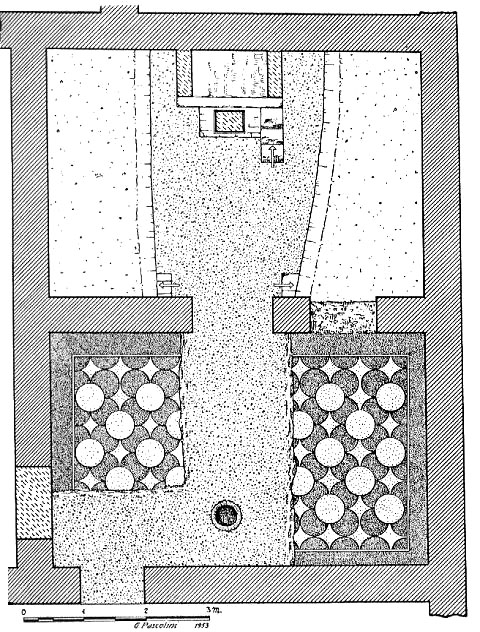
The Mithraeum of the House of Diana was installed in two Antonine halls, northeast corner of the House of Diana, in the late 2nd or early 3rd century.
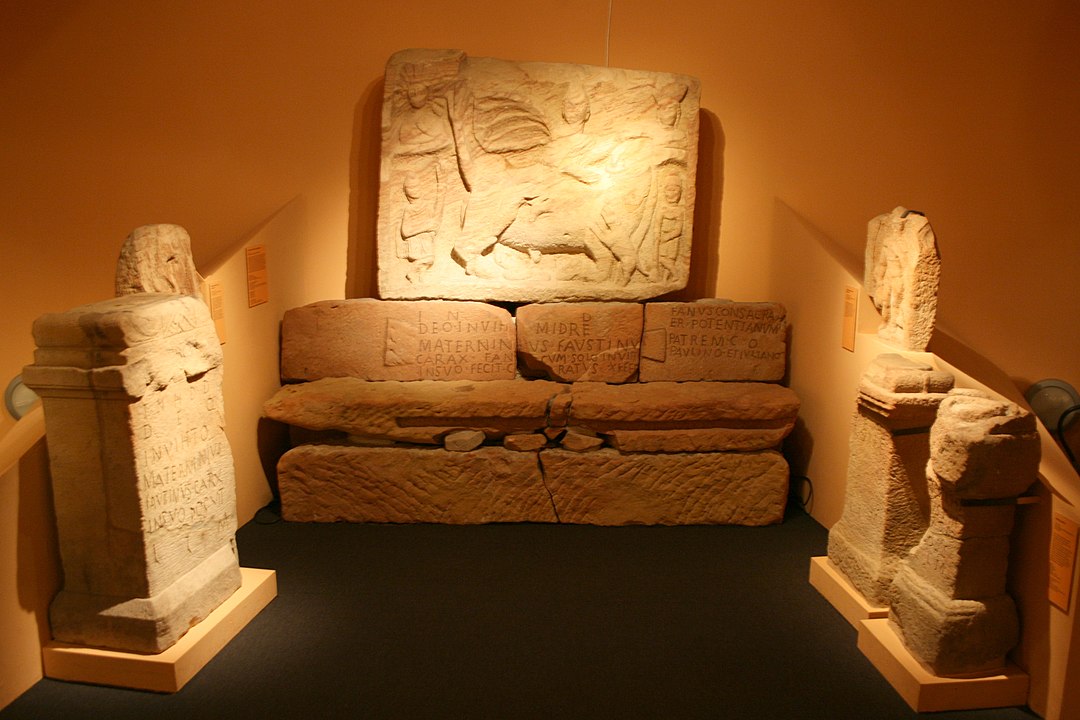
The few remains of the Mithraeum of Gimmeldingen are preserved at the Historical Museum of the Palatinate, in Speyer, Germany.
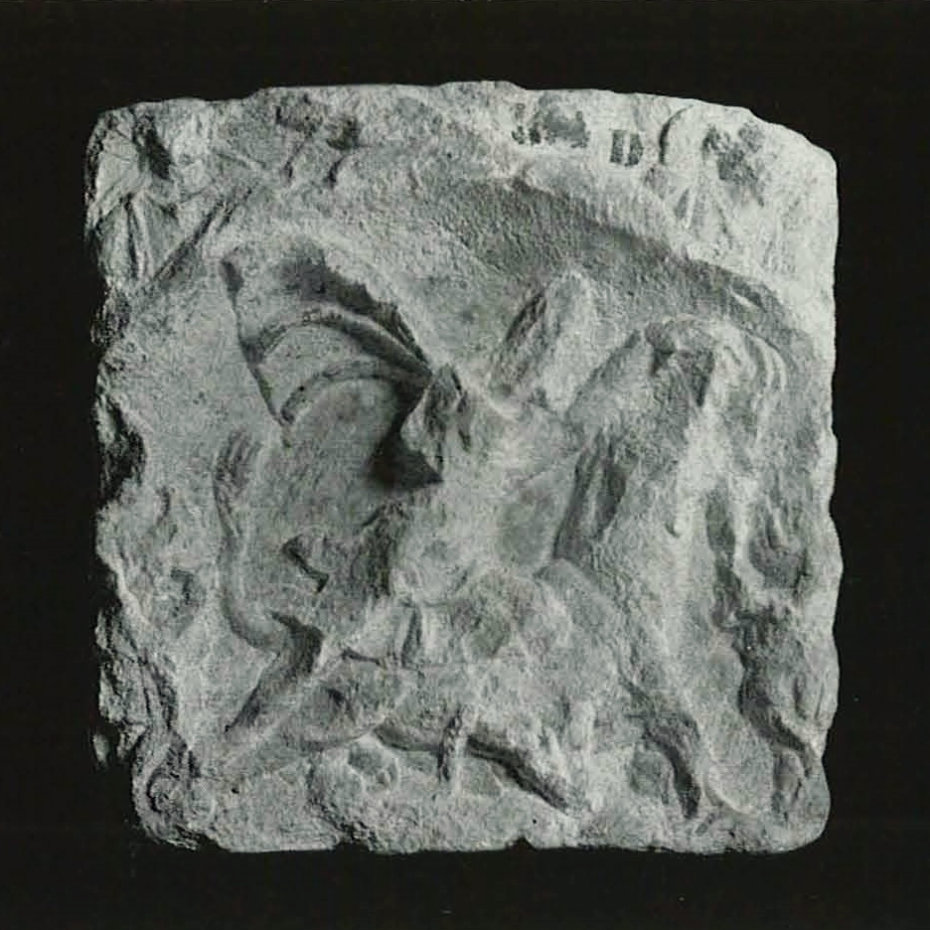
This damage relief of Mithras killing the bull was found walled into a house near Split, Croatia.
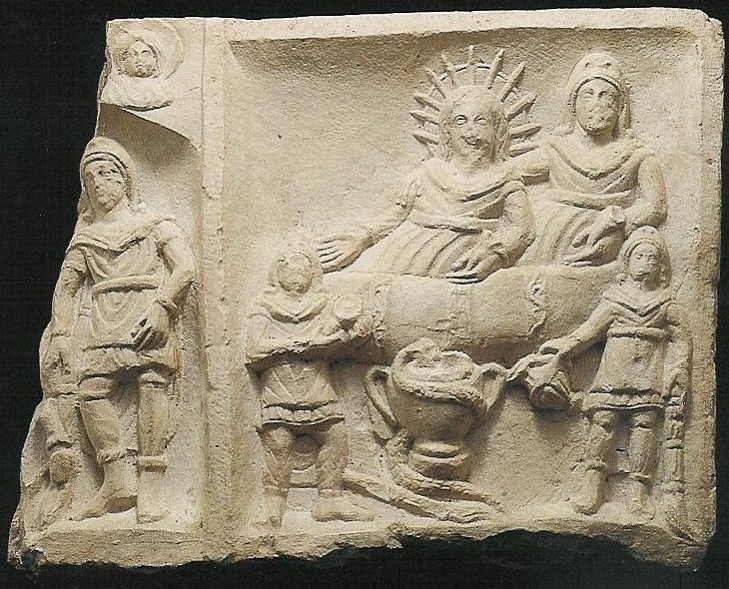
The remains of the mithraic triptic of Tróia, Lusitania, were part of a bigger composition.
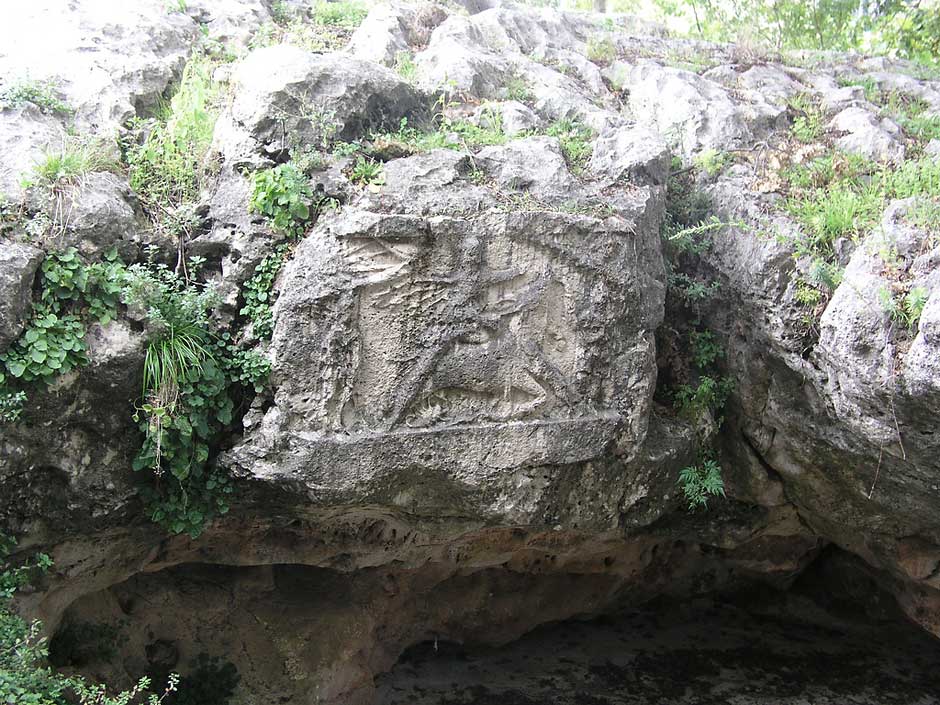
The Mithraeum of Mocici was situated in a grotto at one hour's walk fomr the ancient Epidaurum.
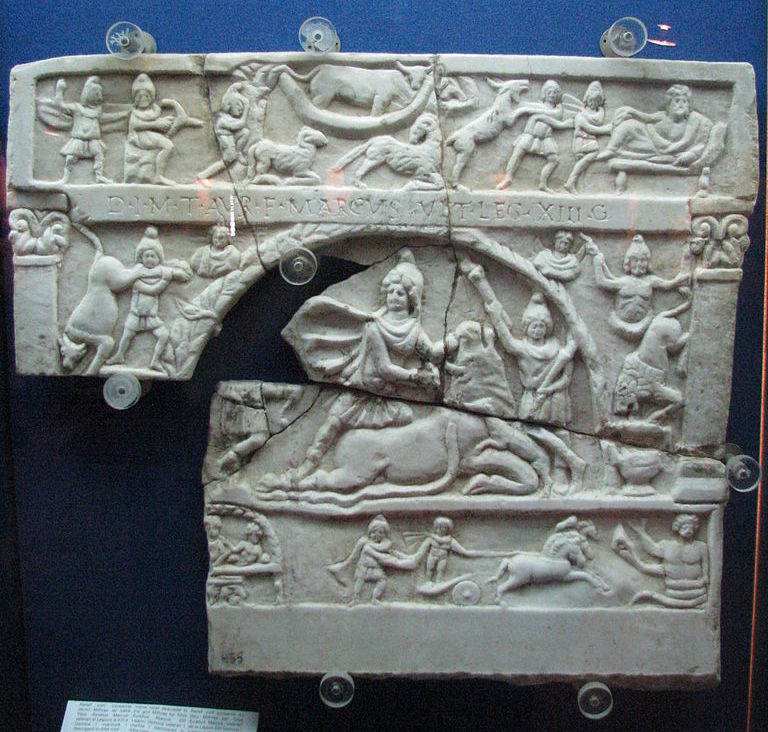
This marble relief from Alba Iulia contains numerous scenes from the myth of Mithras.
This temple of Mithras has been discovered under the Church in Vieux-en-Val-Romey, in 1869.
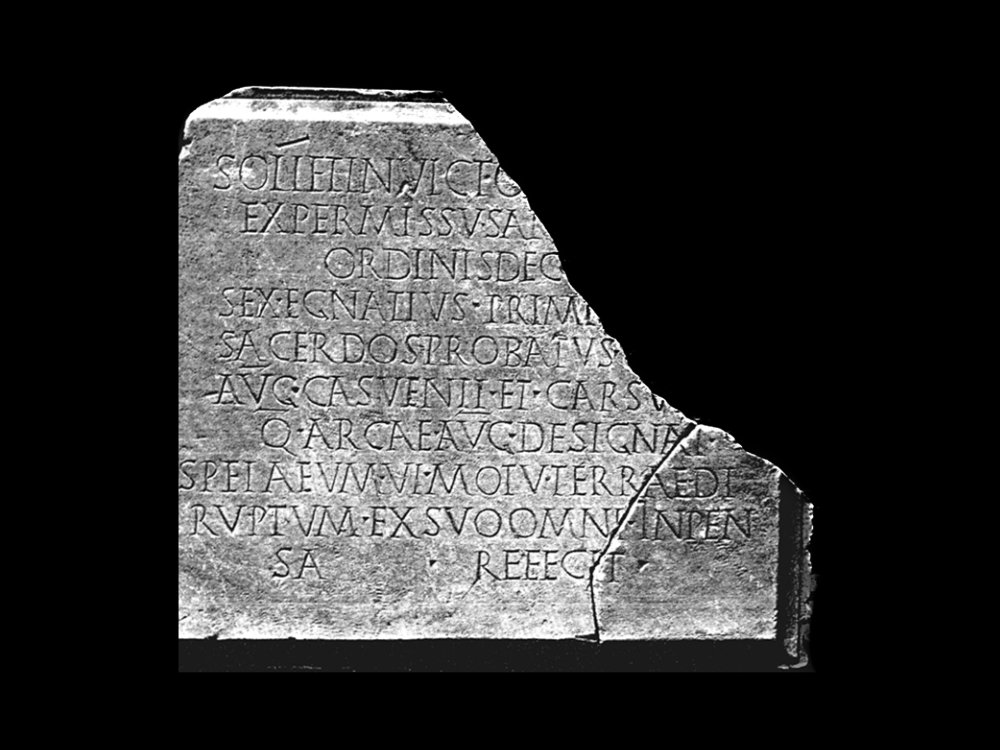
Marble plaque with inscription of a sacerdos probatus to Sol and the god Invictus Mithras.
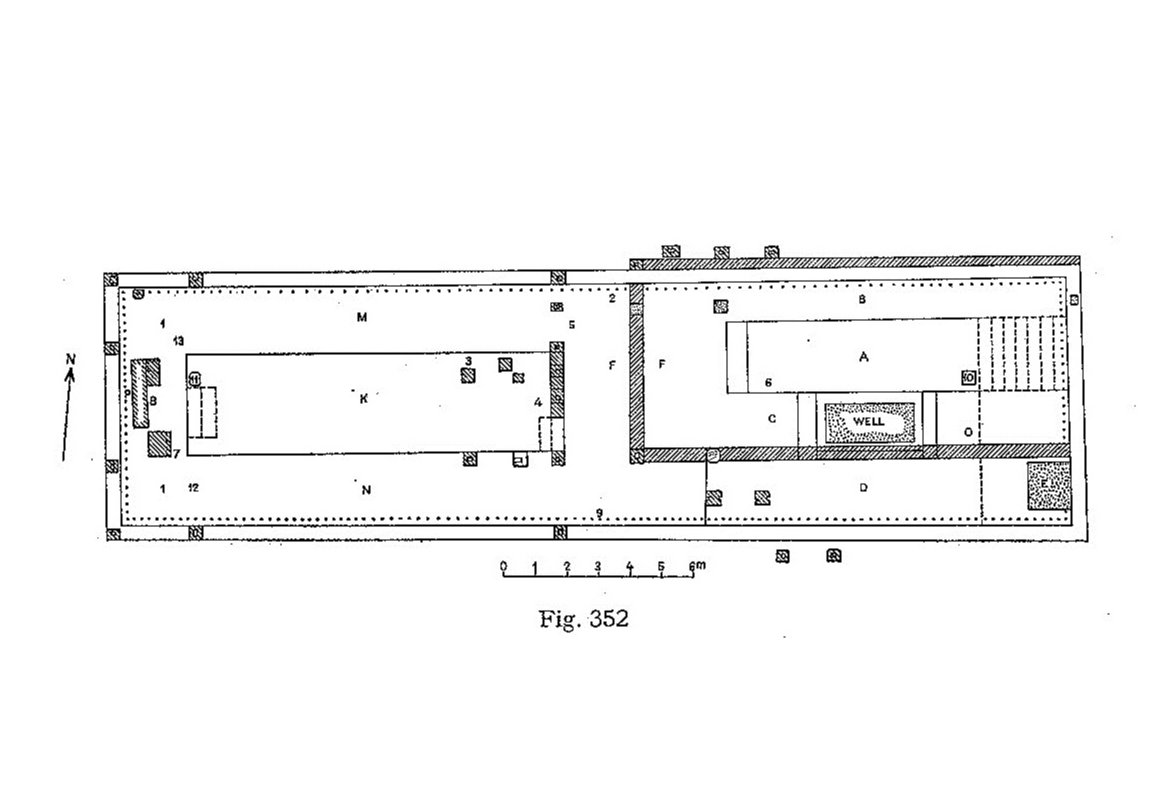
Lors de la construction de l’église Saint-Paul en 1911, un mithraeum a été mis au jour à Königshoffen, vicus gallo-romain situé aux abords du camp légionnaire de Strasbourg-Argentorate.
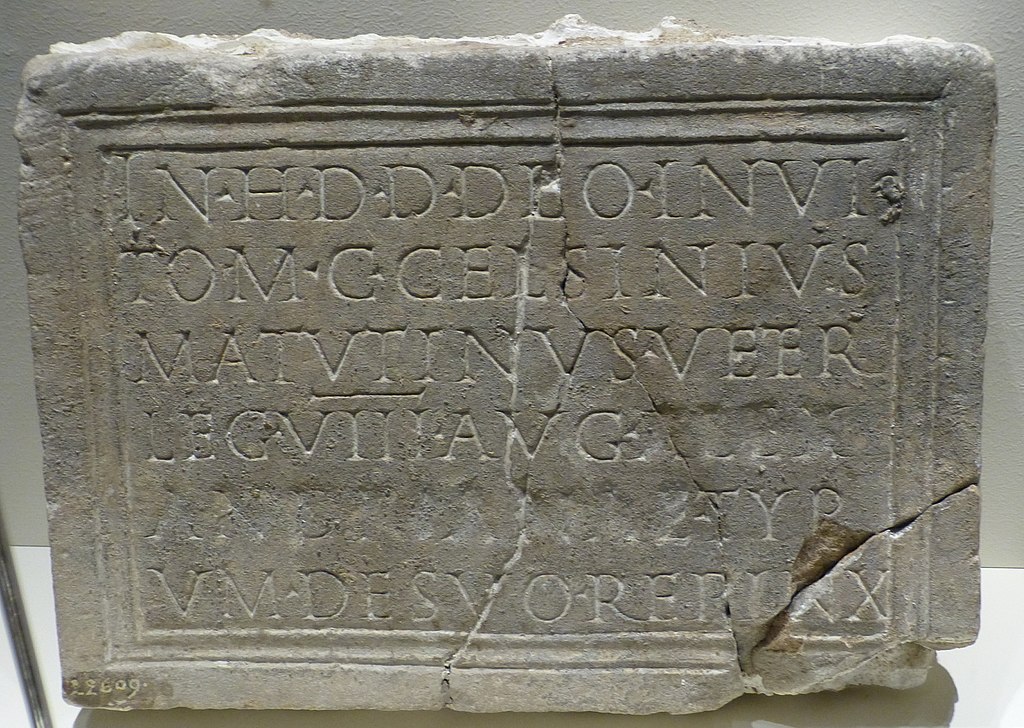
The inscription reports the restoration of the coloured painting of the main relief of the Mithraeum by a veteran of the Legio VIII Augusta.
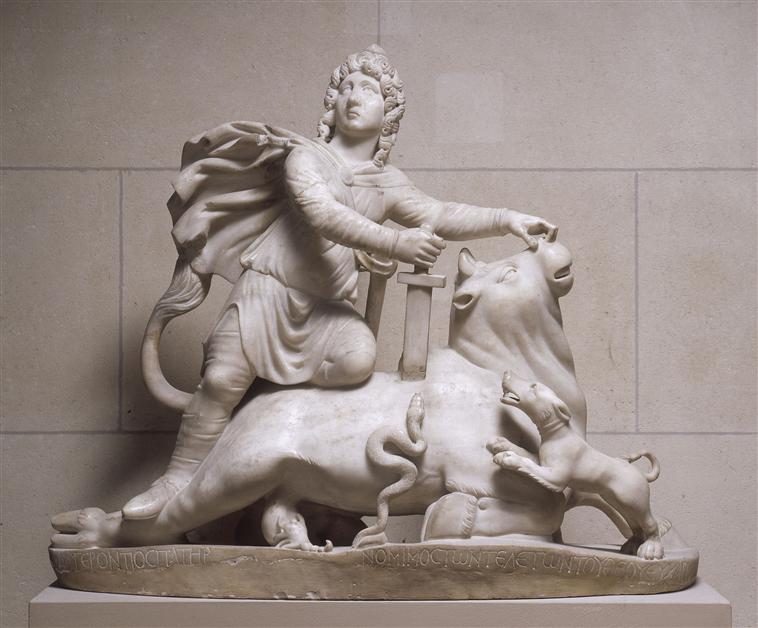
The Mithras killing the bull sculpture from Sidon, currently Lebanon.
In 1938 this Mithraeum was found 3.45 mtrs under the Basilica of S. Lorenzo in Damaso, in a cellar near the Sacrament's Chapel.
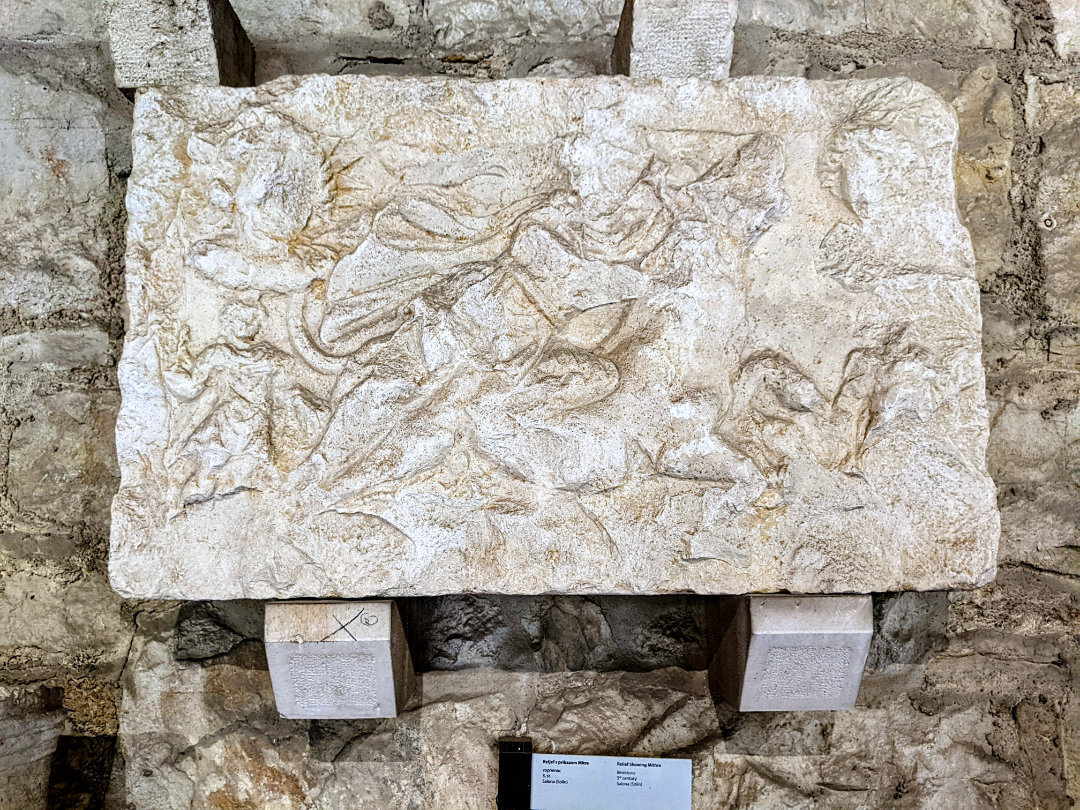
This relief of Mithras killing the sacred bull was found in 1908 near Klisa, in the surroundings of Salona, the ancient capital of Roman Dalmatia.
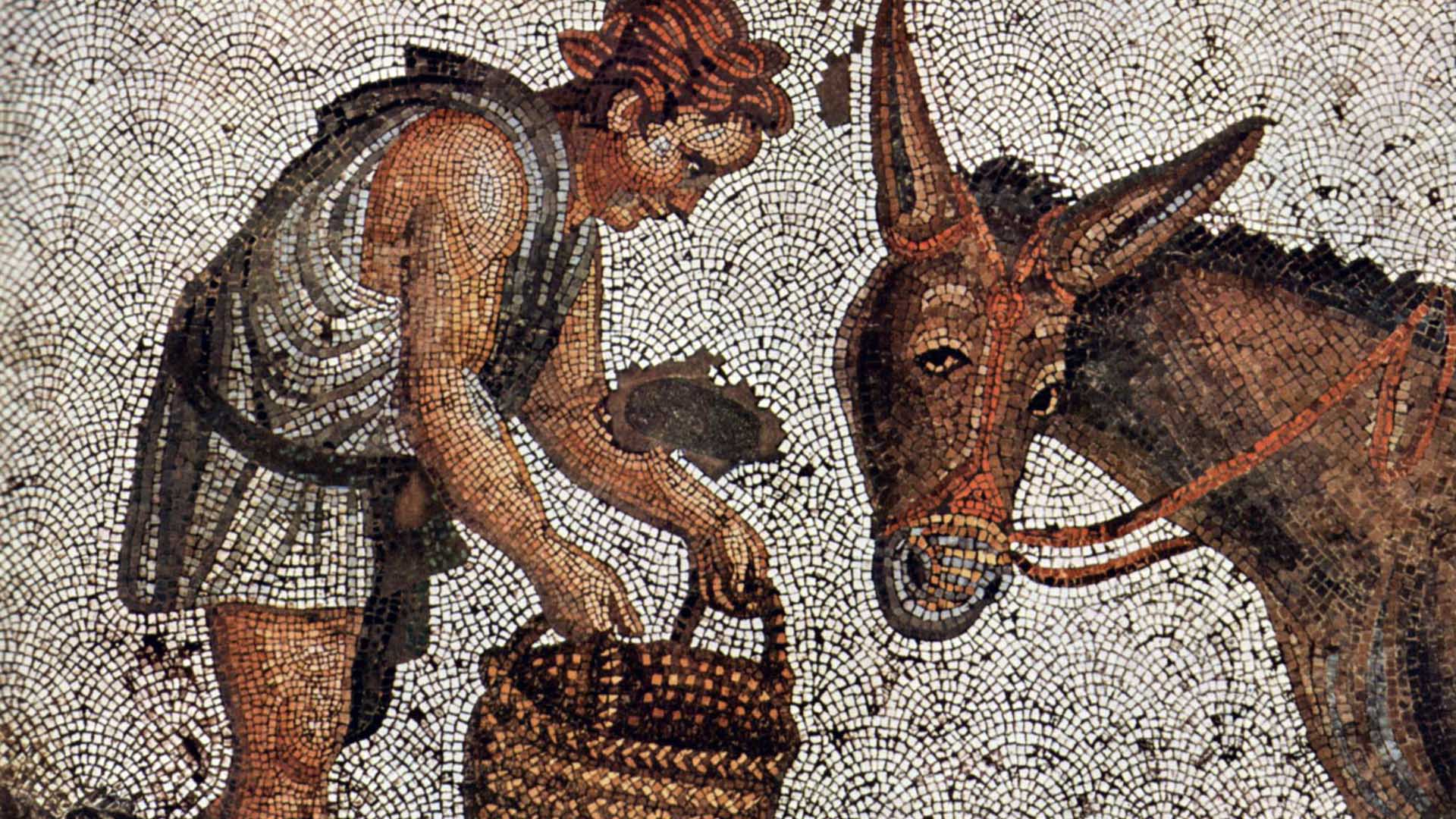
The concluding book of Apuleius’ Golden Ass (or Metamorphoses), where Lucius, the story’s protagonist, undergoes initiation into the mysteries of Isis and Osiris.