Your search Plaza de Toros de Mérida gave 48 results.
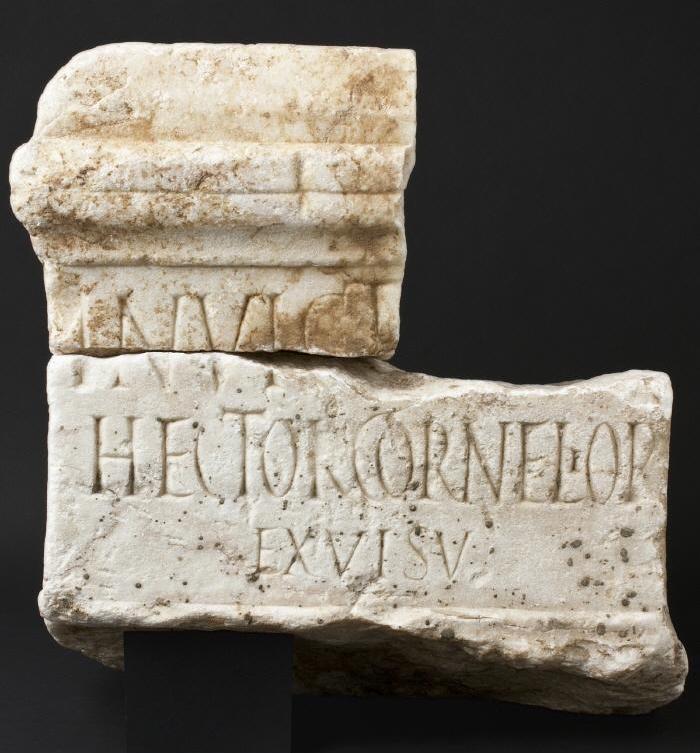
This fragmented altar was found in two pieces that Ana Osorio Calvo has recently brought together.
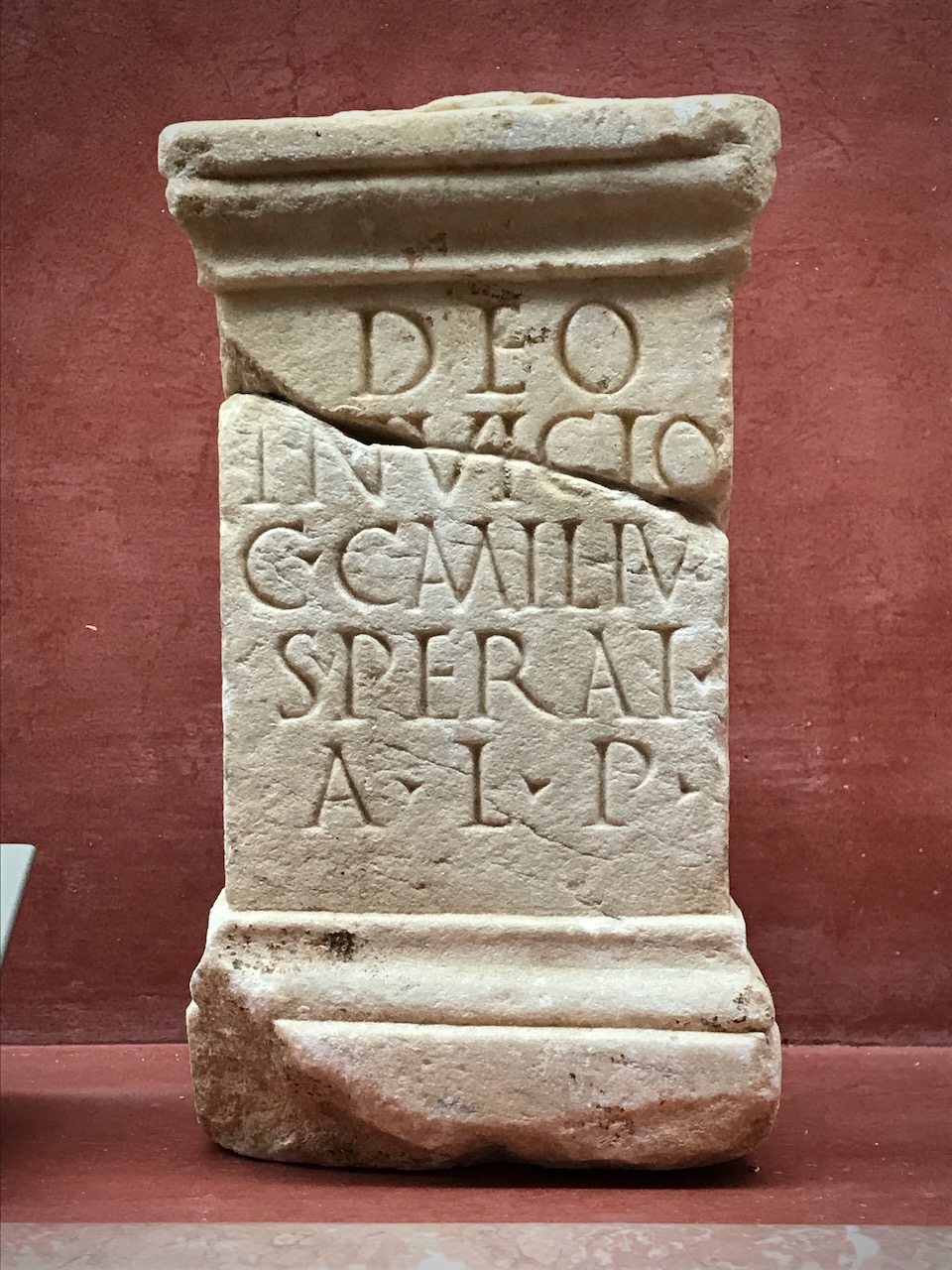
Small white marble altar made in honour of Mithras found at San Albín, Mérida.
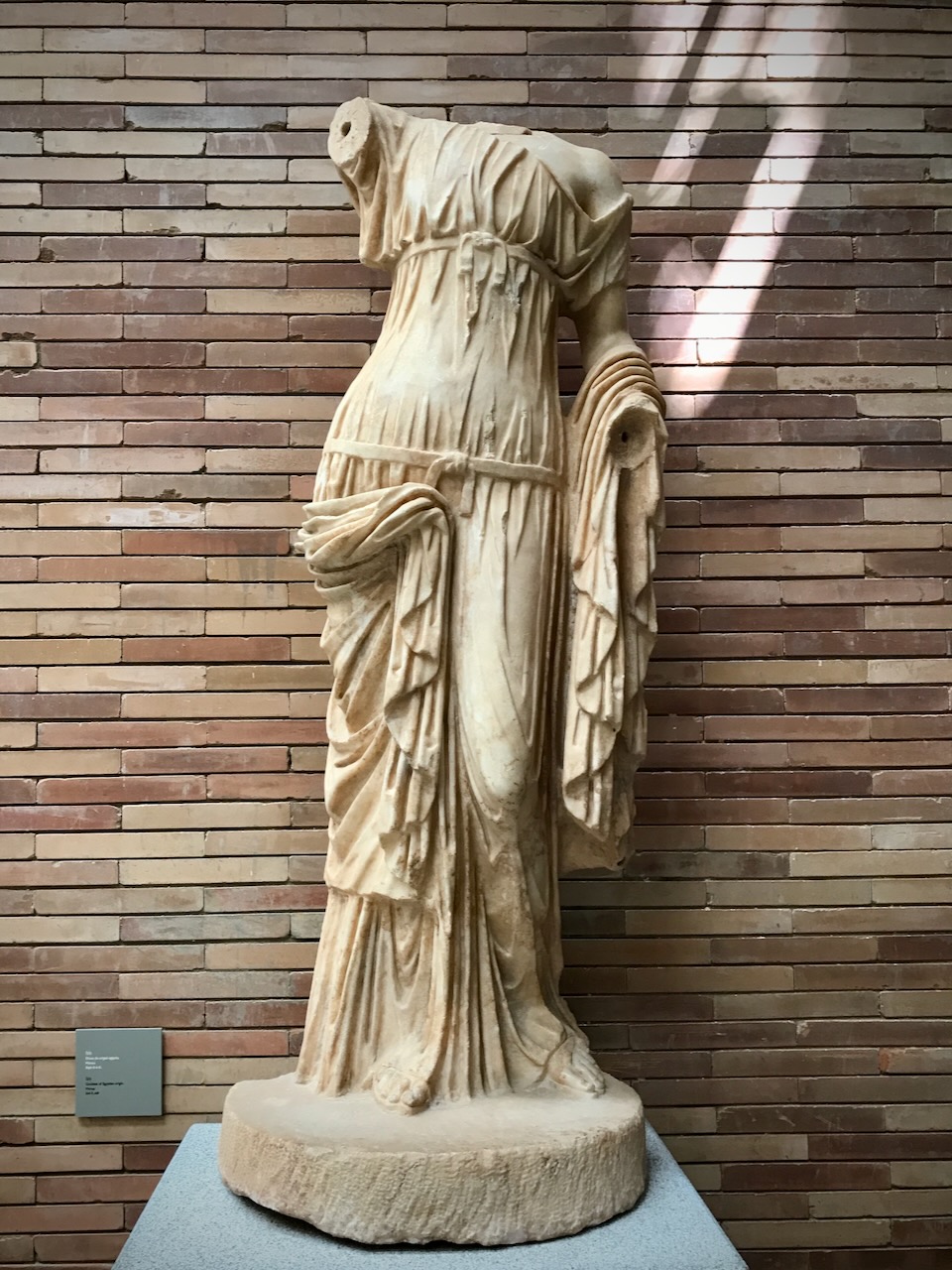
The Isis of Merida is covered by a long dress that reaches down to her feet.
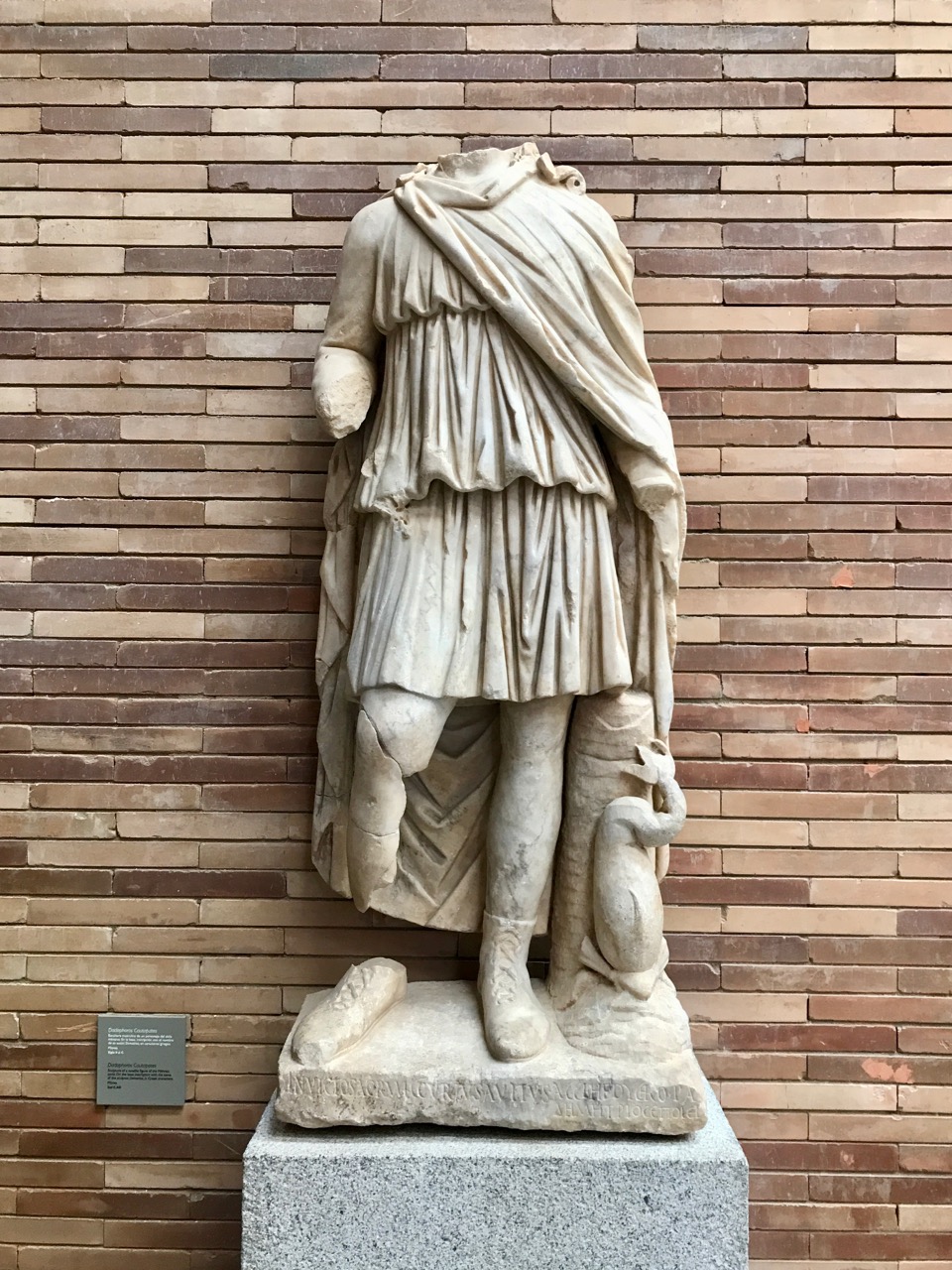
The sculpture of the solar god is signed by its author, Demetrios.
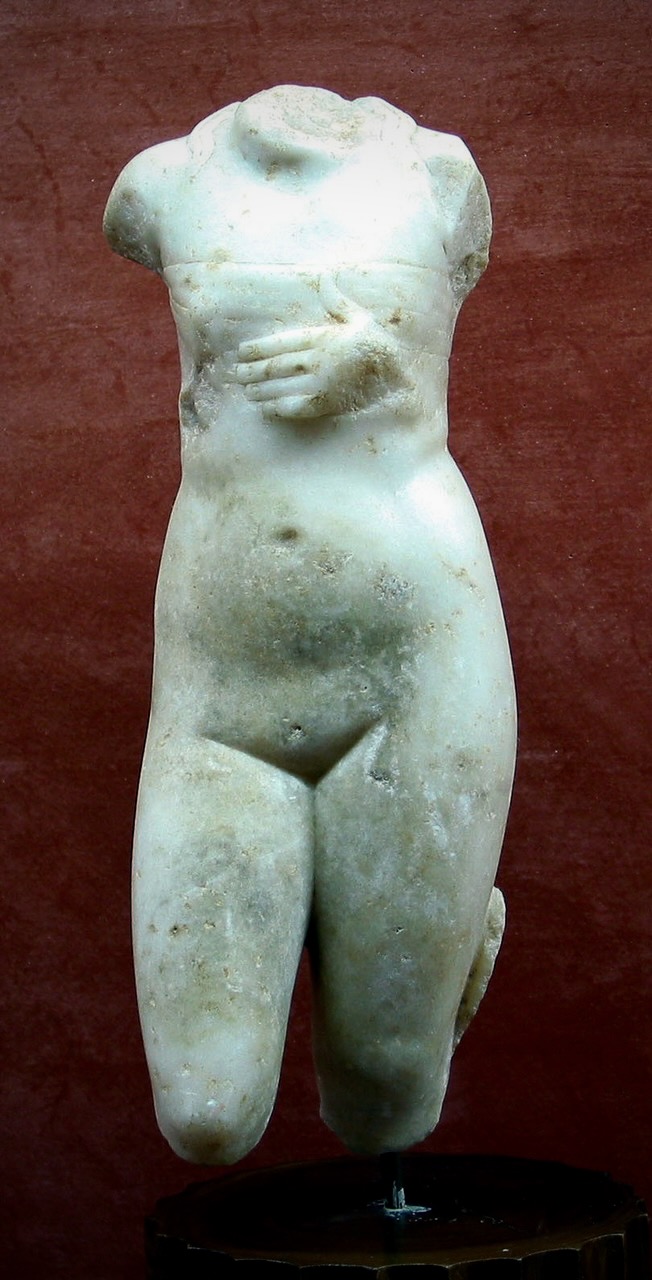
The lack of attributes and its decontextualisation prevent us from attributing a specific Mithraic attribution to this small Venus pudica from Mérida.
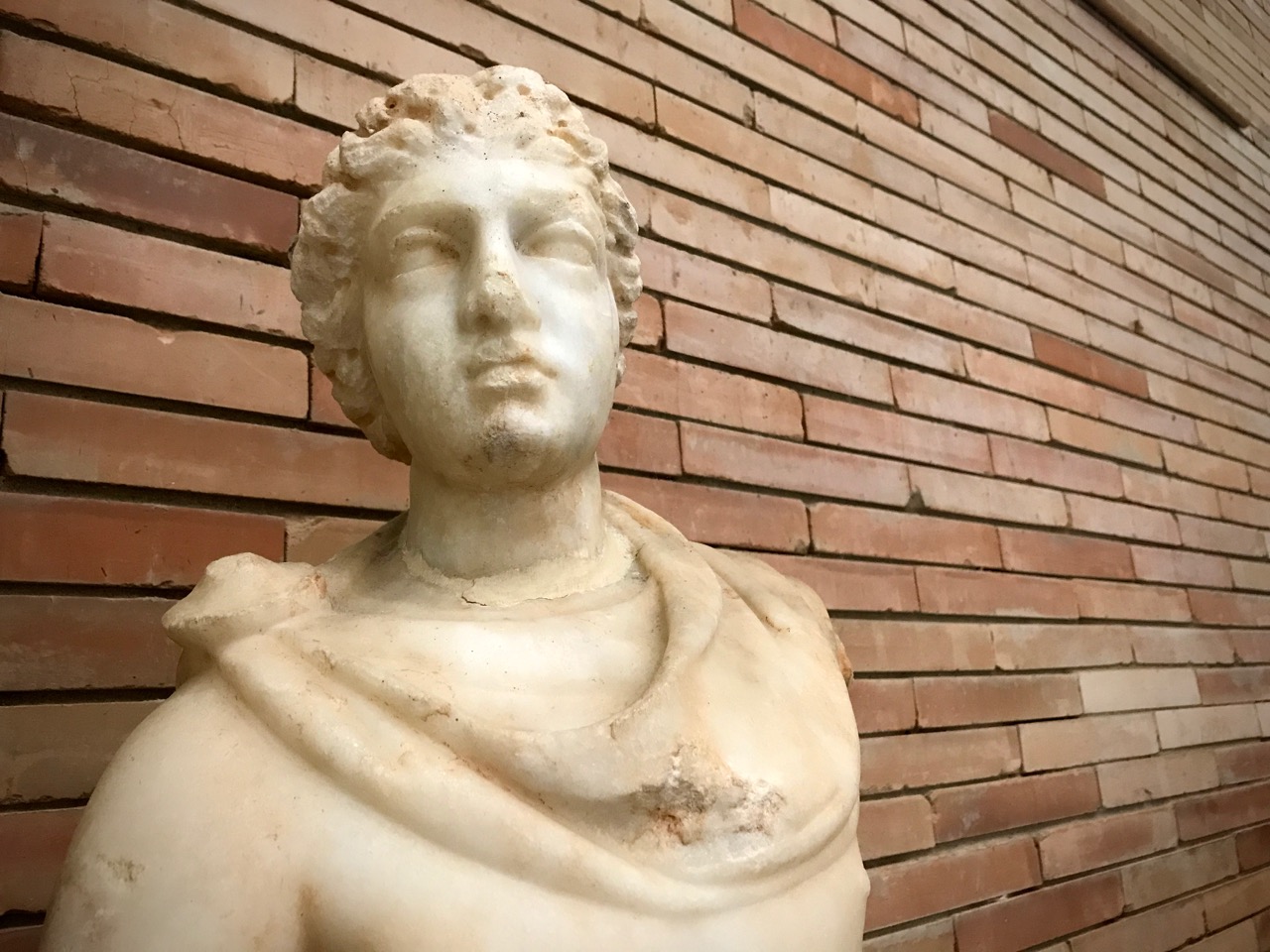

The name of this domus comes from the fact that some authors once associated one of its mosaics with the cult of Mithras, a connection that has since been dismissed.
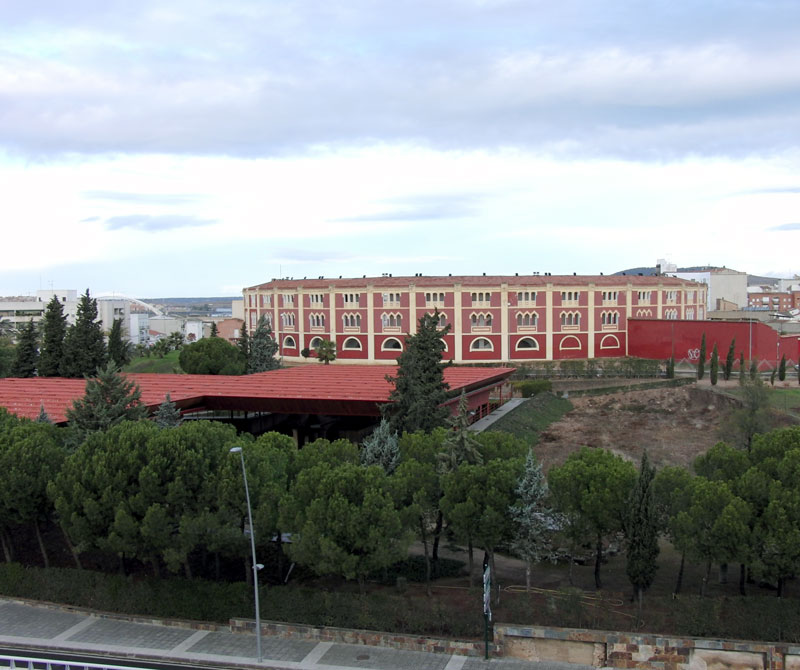
Although the site at Cerro de San Albín is not a Mithraeum, archaeologists have found several monuments related to the cult of Mithras.

The ruins of the Mithraeum of Savaria are kept under a new plaza.
This lost monument bears an inscription to Cautes by a certain Tiberius Claudius Artemidorus.
This altar, which has now disappeared, was dedicated by the slave Quintio for the health of a certain Coutius Lupus.
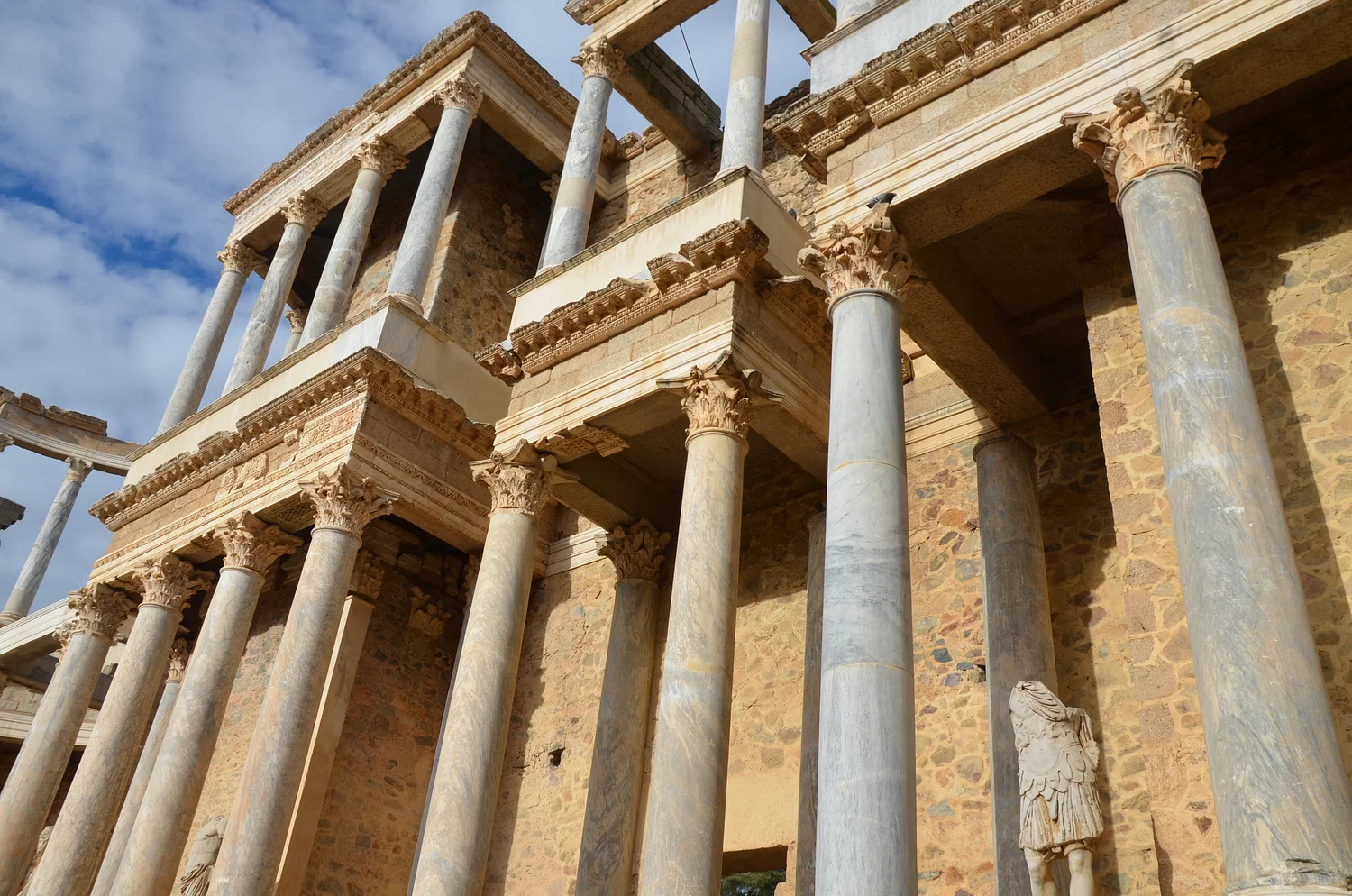
Roman Hispania preserves a relatively modest but strongly urban body of Mithraic evidence, centred above all on Mérida.

Emerita Augusta was founded in 25 BC by order of the Emperor Augustus to protect a pass and a bridge over the Guadiana River. The city became the capital of the province of Lusitania and one of the most important cities in the Roman Empire.

Garlic merchant, probably from Lusitania, who dedicated an altar to Cautes in Tarraconensis.

Hector erected an altar to Mithras in Emerita Augusta by means of a ‘divine vision’.

Tercera entrega de la trilogía de Jaime Alvar dedicada al estudio de los cultos a dioses procedentes de Oriente en la Península Ibérica.


Centurio frumentarius probably from Tarraco, who served in the Legio VII Gemina located in Emerita Agusta.

The pater Artemidorus seems to be an Augustan freedman of the Claudians, of Eastern origin.

