Your search Podersdorf am See gave 2324 results.

Samnium occupied a mountainous region of central Italy linked to Rome through military movement and regional urban networks.
Campania preserved a vibrant urban and maritime environment closely connected to the commercial life of Roman Italy.
Mesopotamia formed part of the eastern frontier zone where Roman military expansion encountered long-established Mesopotamian traditions.
Lycia et Pamphylia connected southern Anatolia to the maritime networks of the eastern Mediterranean world.
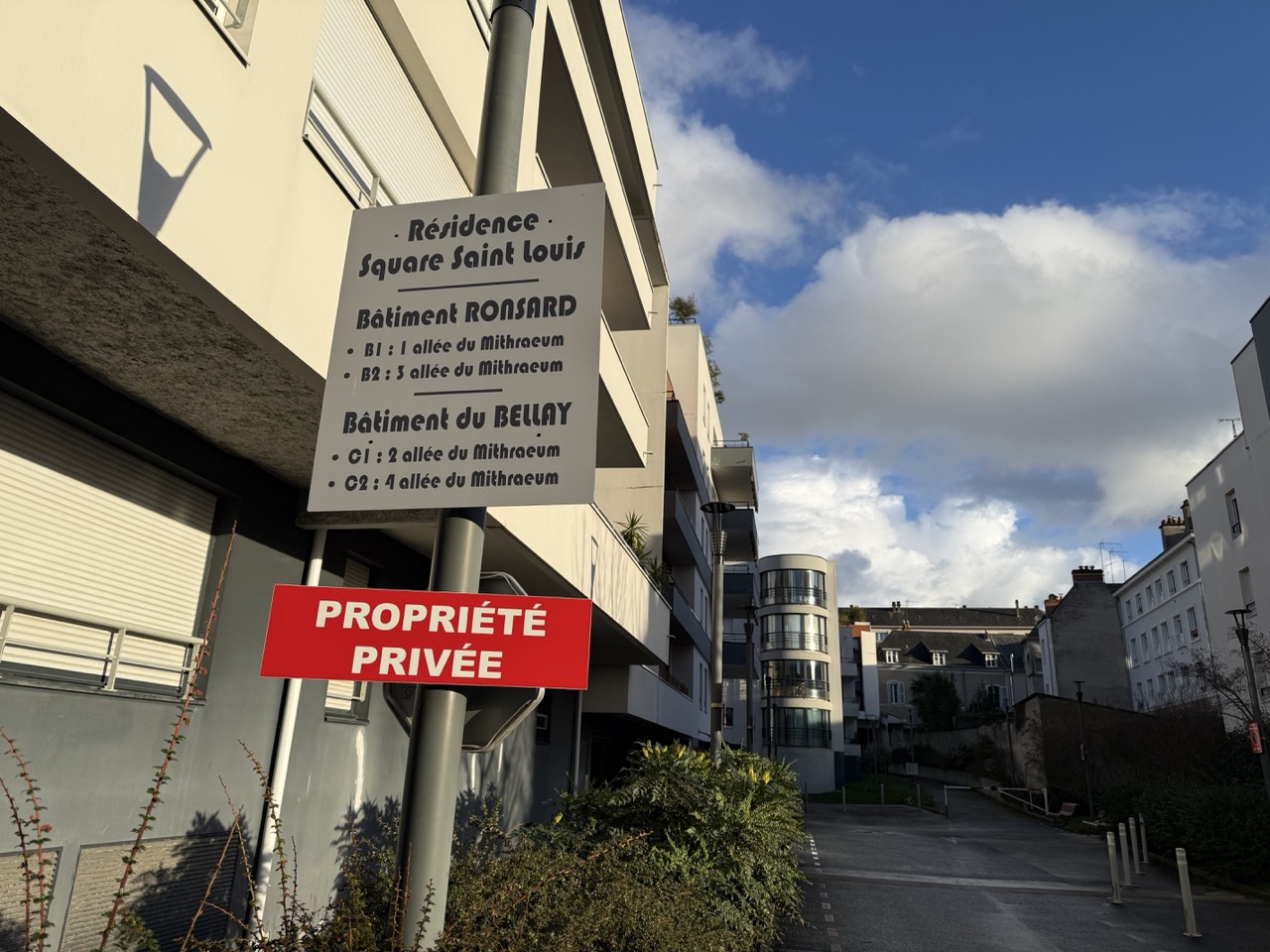
The Mithraeum of Angers, excavated during a preventive operation and subsequently dismantled in 2010, yielded numerous objects, including coins, oil lamps, and a ceramic vessel bearing a votive inscription to the invincible god Mithras.
Mesopotamia preserves frontier evidence from the eastern limits of Roman Mithraic expansion.
Lycia and Pamphylia preserve Mithraic evidence linked to southern Anatolian maritime and urban networks.

One of the clearest examples of the late Roman aristocracy’s involvement in the mysteries of Mithras and other initiatory cults during the fourth century.

'Hail to Kamerios the Pater' can be read on one of the walls of the mithraeum at Dura Europos.
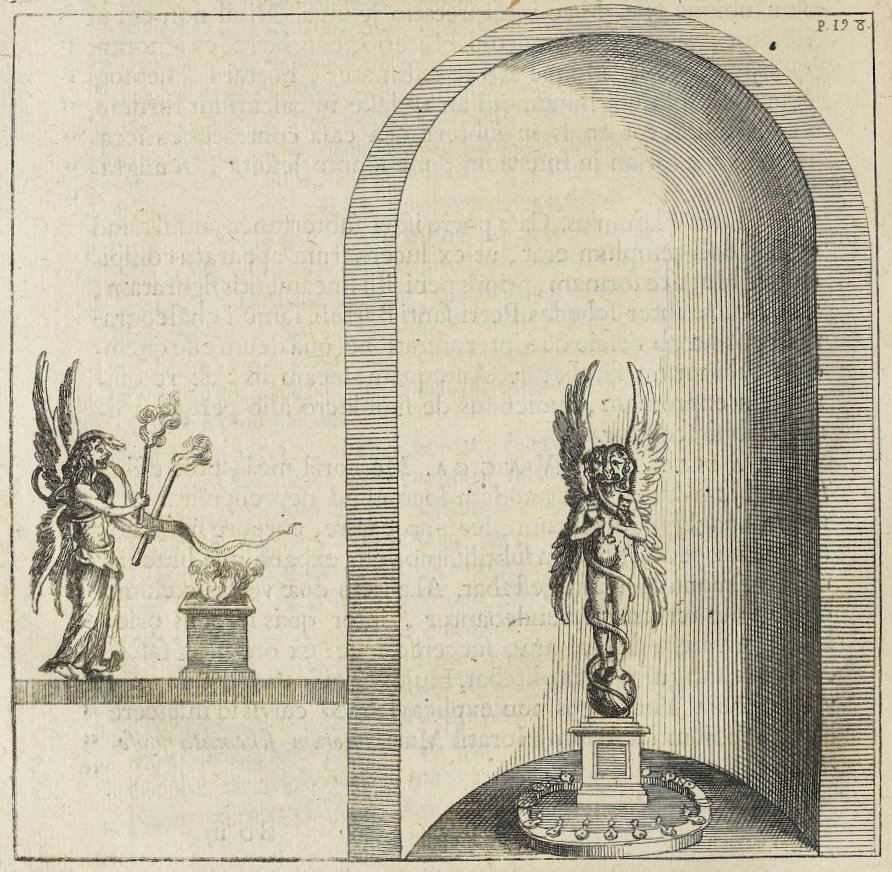
This monument has been identified from ’Memorie di varie antichità trovate in diversi luoghi della città di Roma’, a book by Flaminio Vacca of 1594.
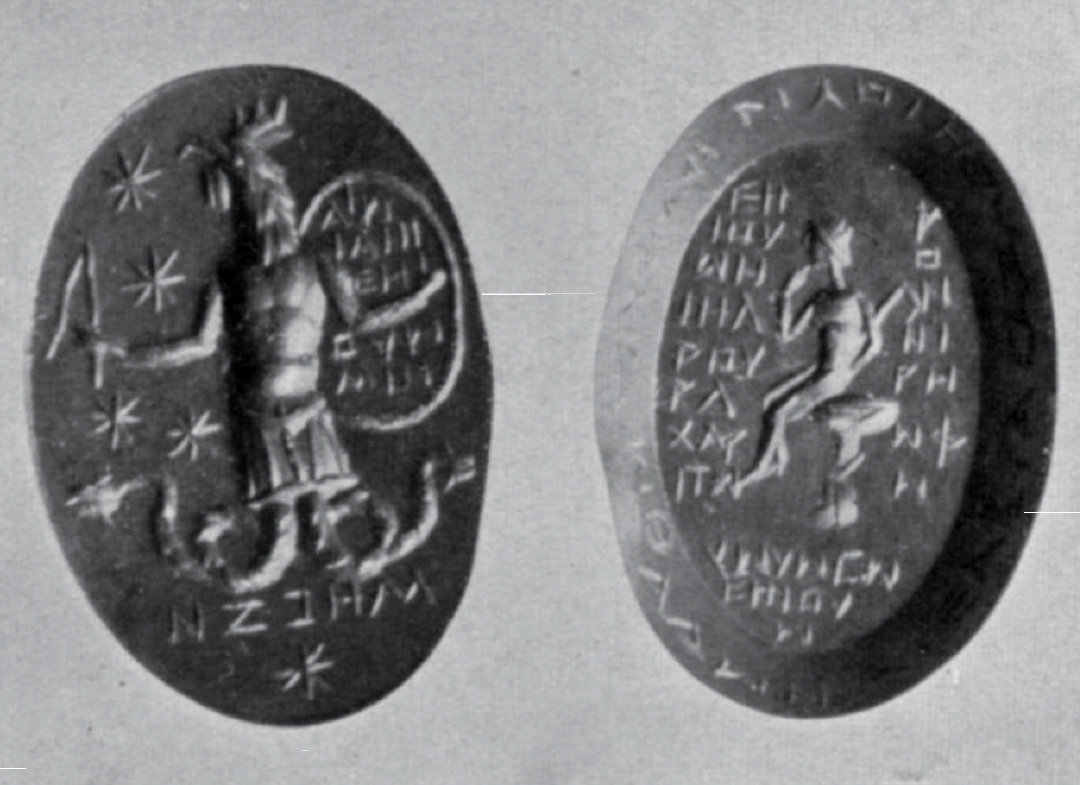
Gnostic amulet found in the ancient Agora of Athens, depicting Abraxas on one side and a Mithraic inscription on the other.

This relief of Mithras slaying the bull, framed by acanthus leaves, was sold at auction in 2011 by Bonhams.
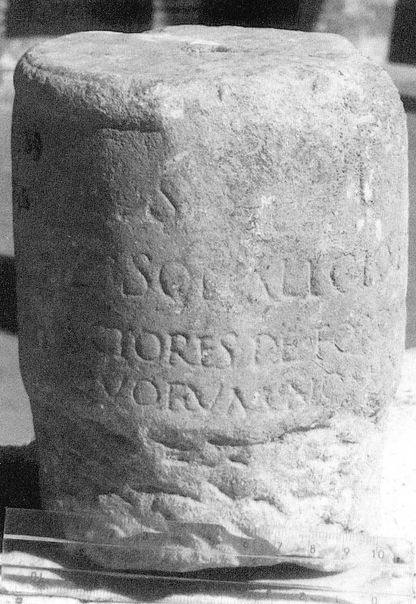
The inscription included the names of the brotherhood, which are now lost.
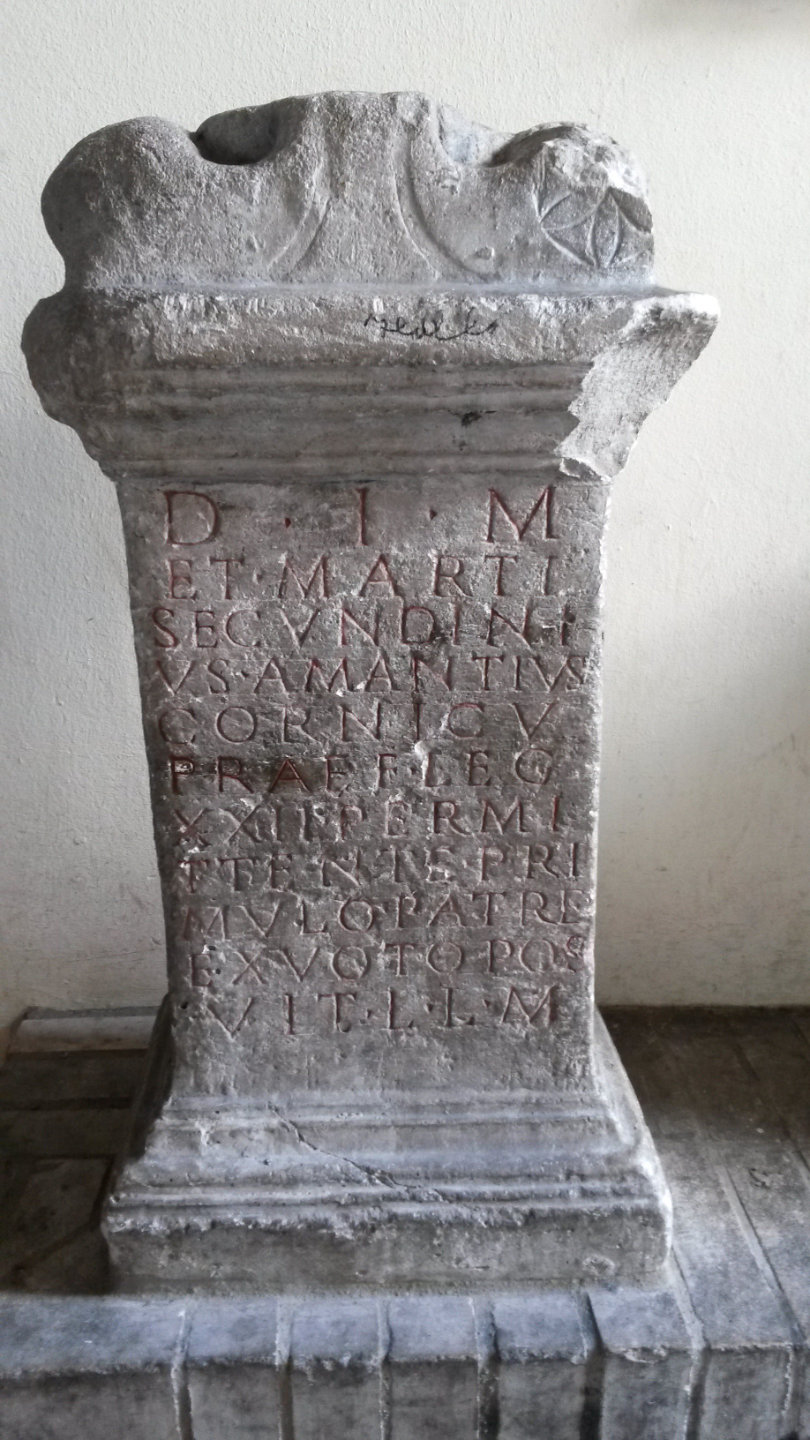
This altar has been unusually dedicated to both gods Mithras and Mars at Mogontiacum, present-day Mainz.
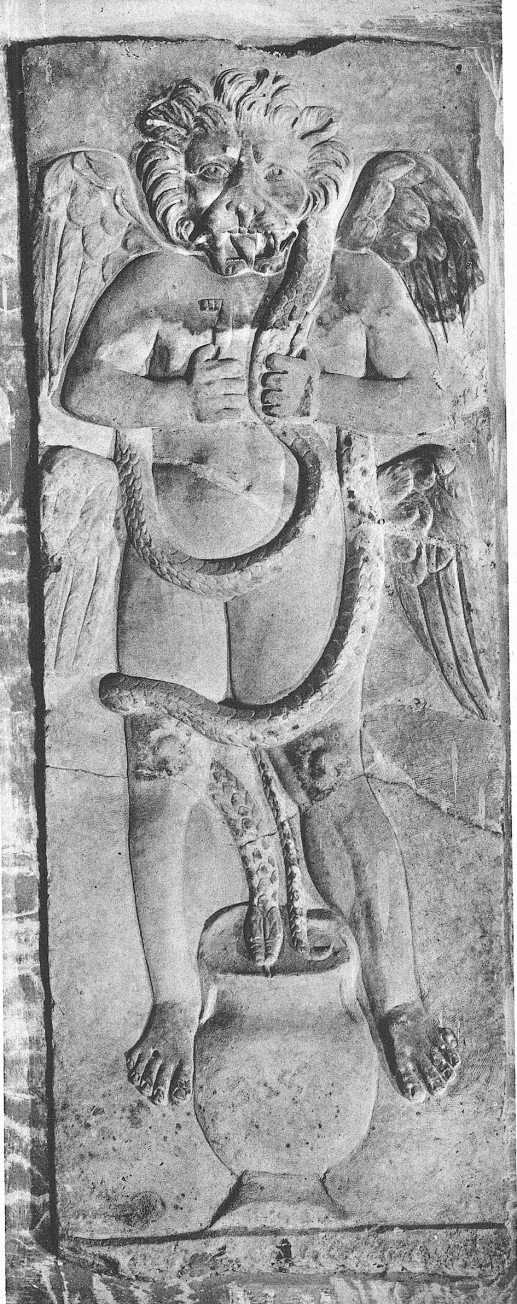
This white marble relief depicting a lion-headed figure from Ostia is now exposed at the Musei Vaticani.
The epigrahy includes a mention of Marcus Aurelius, a priest of the god Sol Mithras, who bestowed joy and pleasure on his students.
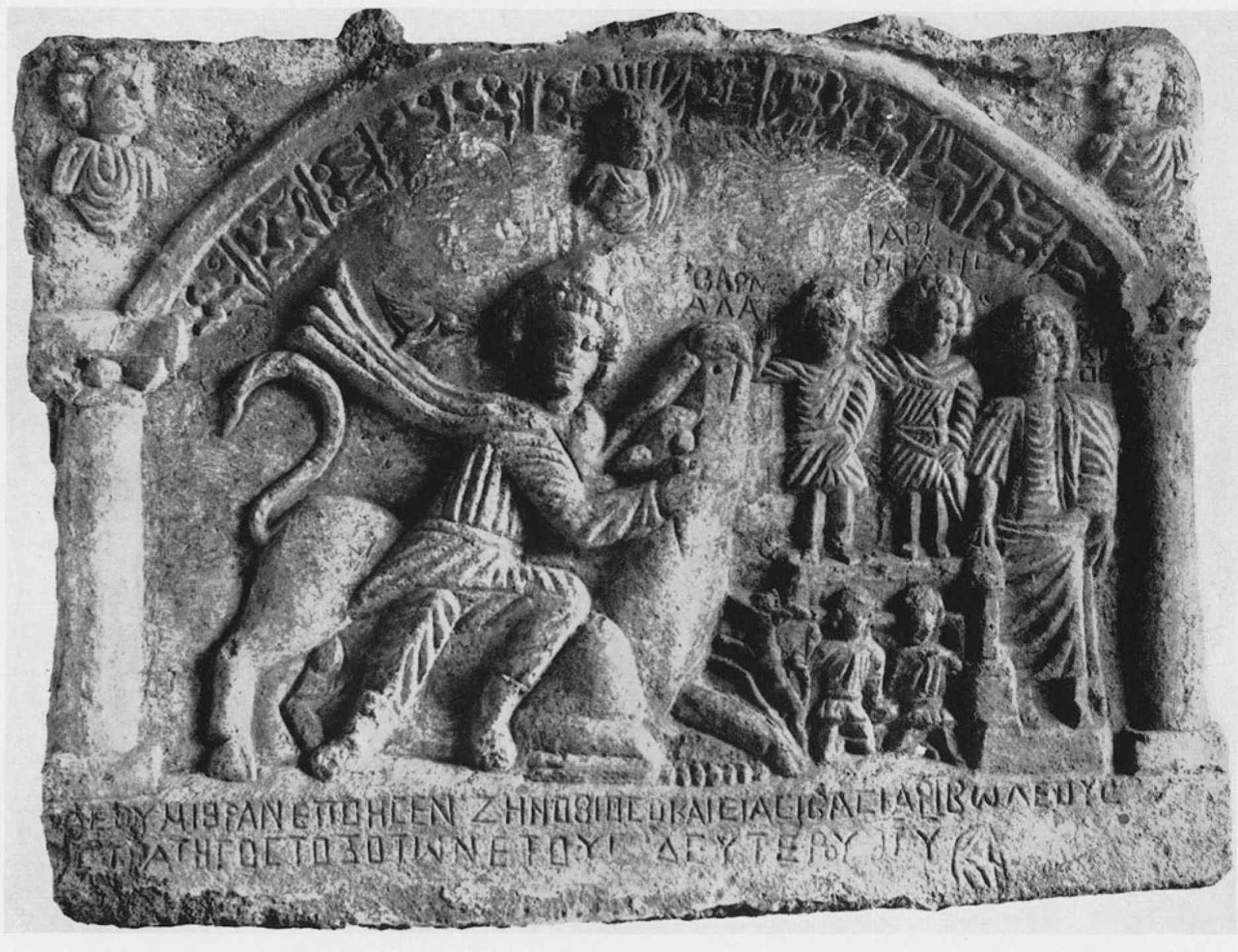
The main relief of Mithras killing the bull from the Mithraeum of Dura Europos includes three persons named Zenobius, Jariboles and Barnaadath.
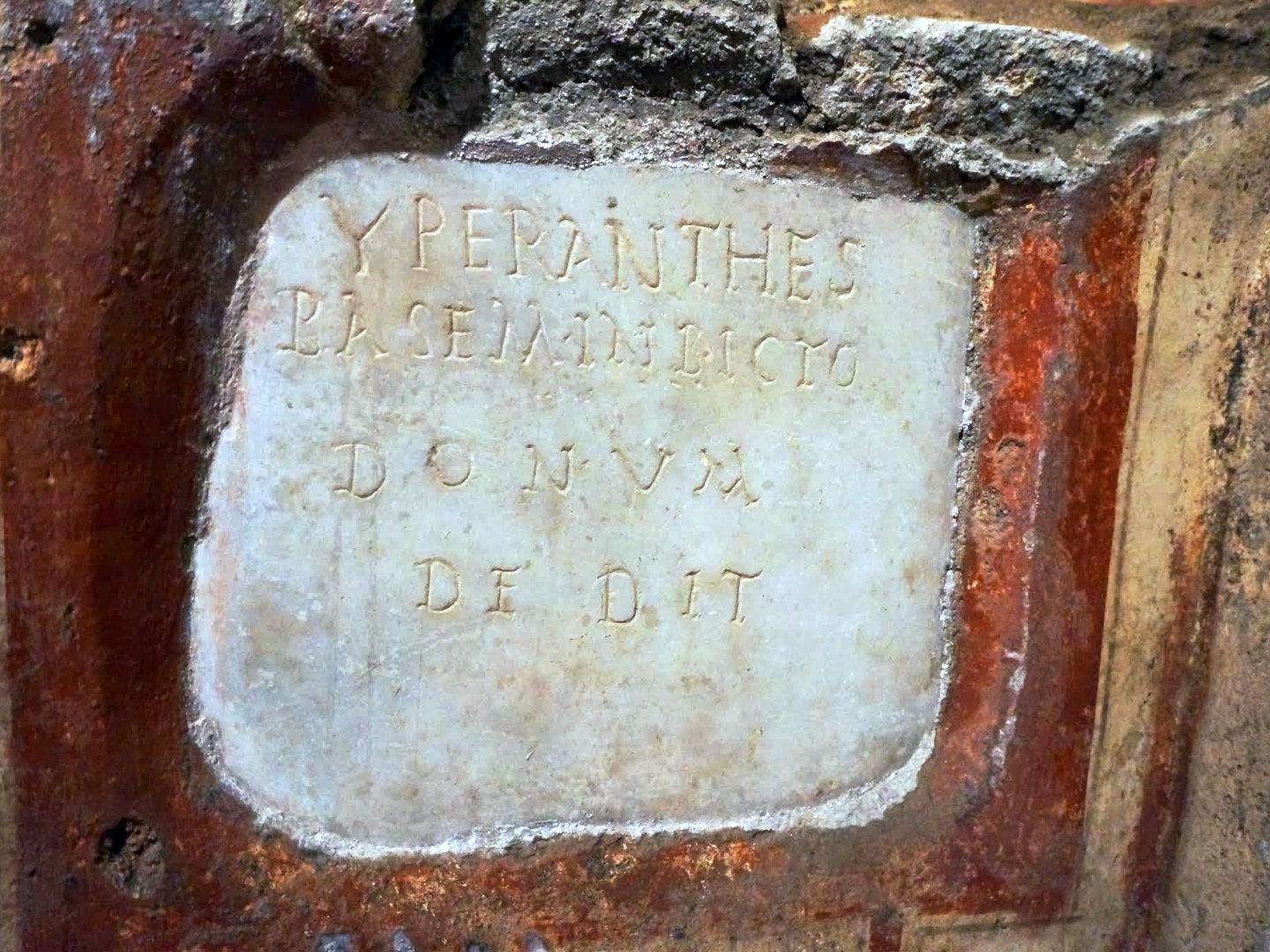
The inscription mentions the name of the donor, Yperanthes, of Persian origin.
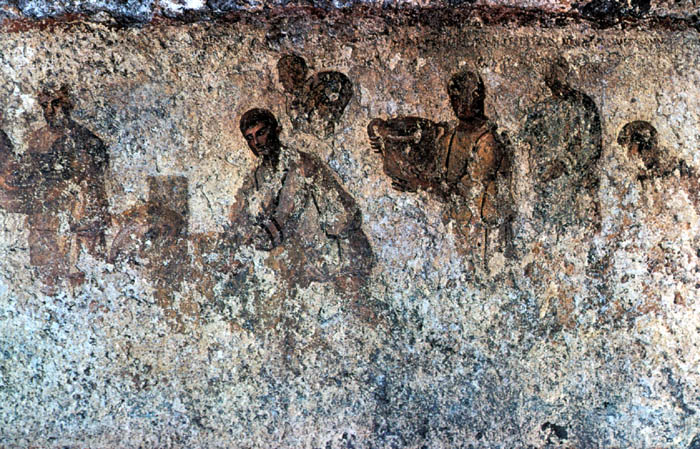
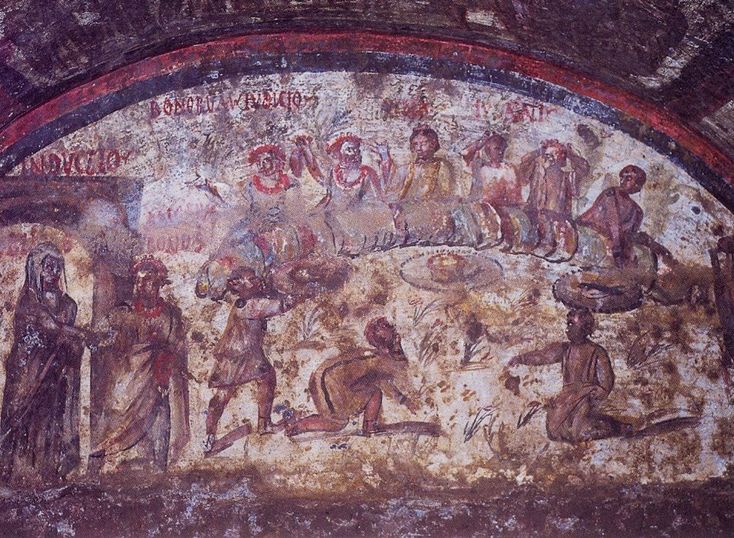
Procession of Leones carrying animals, bread, a krater, and other objects in preparation for a feast.
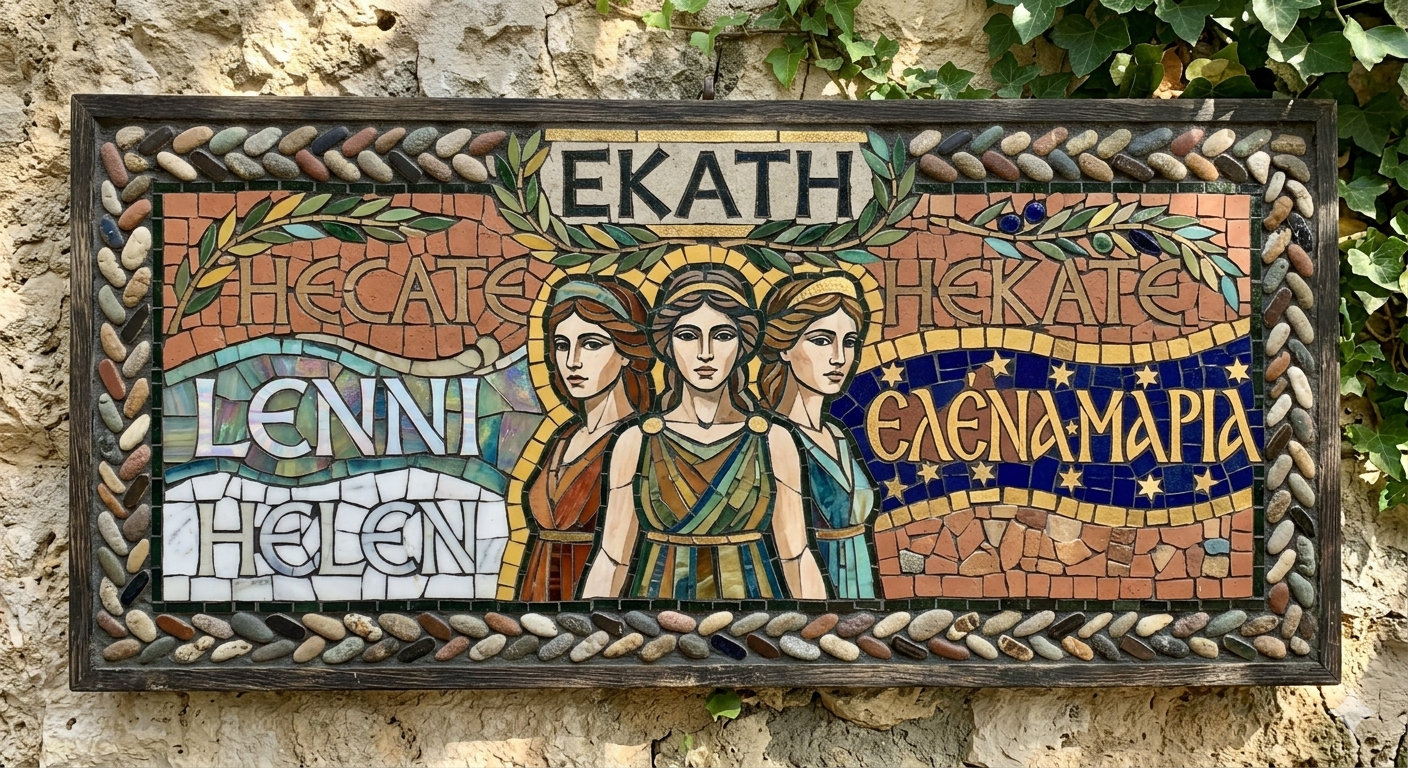
On what Hekate’s name may or may not tell us, and why the uncertainty matters.
