Your search Podersdorf am See gave 2325 results.

Pamphylia was a region in the south of Asia Minor, between Lycia and Cilicia, extending from the Mediterranean to Mount Taurus.
Centum Prata is the name of a Roman vicus, whose remains are located on the eastern Zürichsee lakeshore in Kempraten, a locality of the municipality Rapperswil-Jona in the canton of St.
The Celts are the first known to have settled in this place, which they called Binge, meaning rift. Roman troops stationed here in the first century AD rendered the local name as Bingium in Latin.
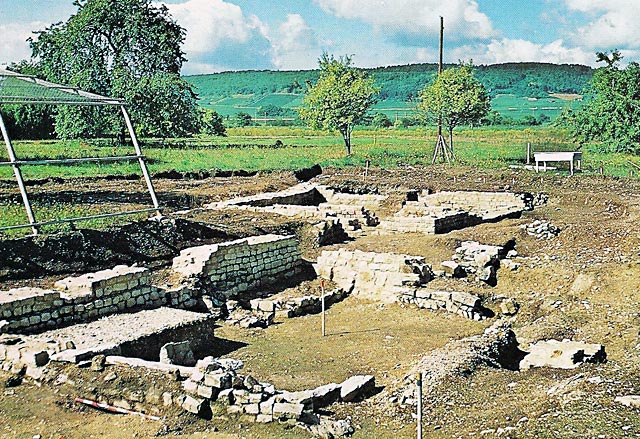
The Mithraeum des Bolards was integrated into a therapeutic cultural complex related to healing waters.

Tribune of the First Cohort of Vardulli, he erected a mithraeum at Bremenium together with his consacranei.

Garlic merchant, probably from Lusitania, who dedicated an altar to Cautes in Tarraconensis.

This marble tablet found at Portus Ostiae mentions a pater, a lion donor and a series of male names, probably from a Mithraic community.
This heavily damaged relief from Narbo preserves the figure of a cross-legged Mithraic torchbearer carved in low relief near the church of Saint-Sébastien in Narbonne.

One of the most eminent representatives of late antique pagan religiosity, combining high civic authority with deep initiation into multiple mystery traditions, including the cult of Mithras.
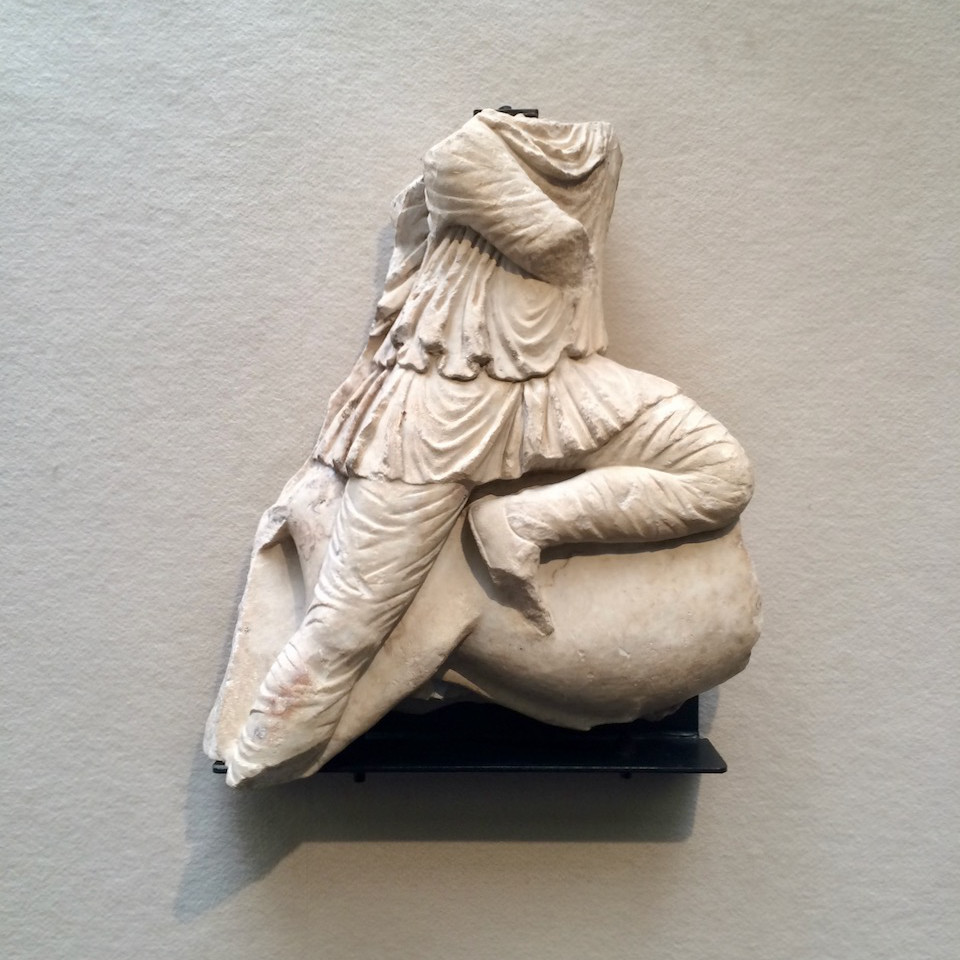
The Mithra Tauroctonos from Syracuse, Sicily, is currently on display in the city's archaeological museum.
,_found_in_Rome,_2nd_century_AD,_British_Museum_(15545876047).jpg)
The sculpture of Mithras slaying the bull was transported from Rome to London by Charles Standish in 1815.
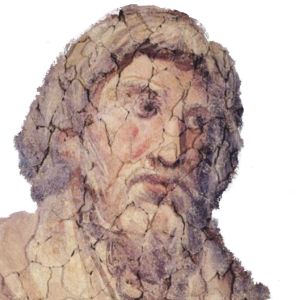
North African author, Platonic philosopher and rhetorician associated with the Mithraic milieu of Ostia.

Hector erected an altar to Mithras in Emerita Augusta by means of a ‘divine vision’.
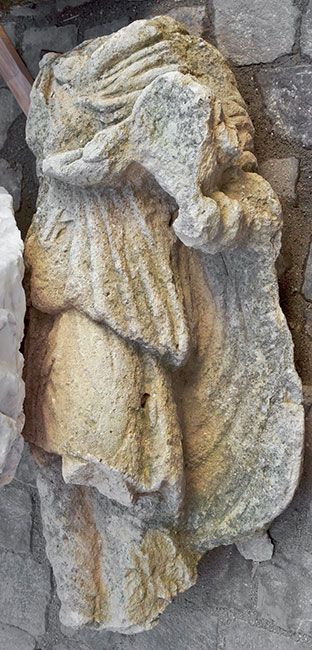
This weathered limestone statue from the Mithraeum of Apulum depicts a standing figure in Oriental attire holding the head of a bull or ram.
This inscription shows that Publilius Ceionius, most distinguished man, dedicated a temple to Mithras at Mila, in the modern Constantina, Algeria.
This stele found at the foot of the Aventine bears an inscription of Kastos father and son, and mentions several syndexioi who shared the same temple.
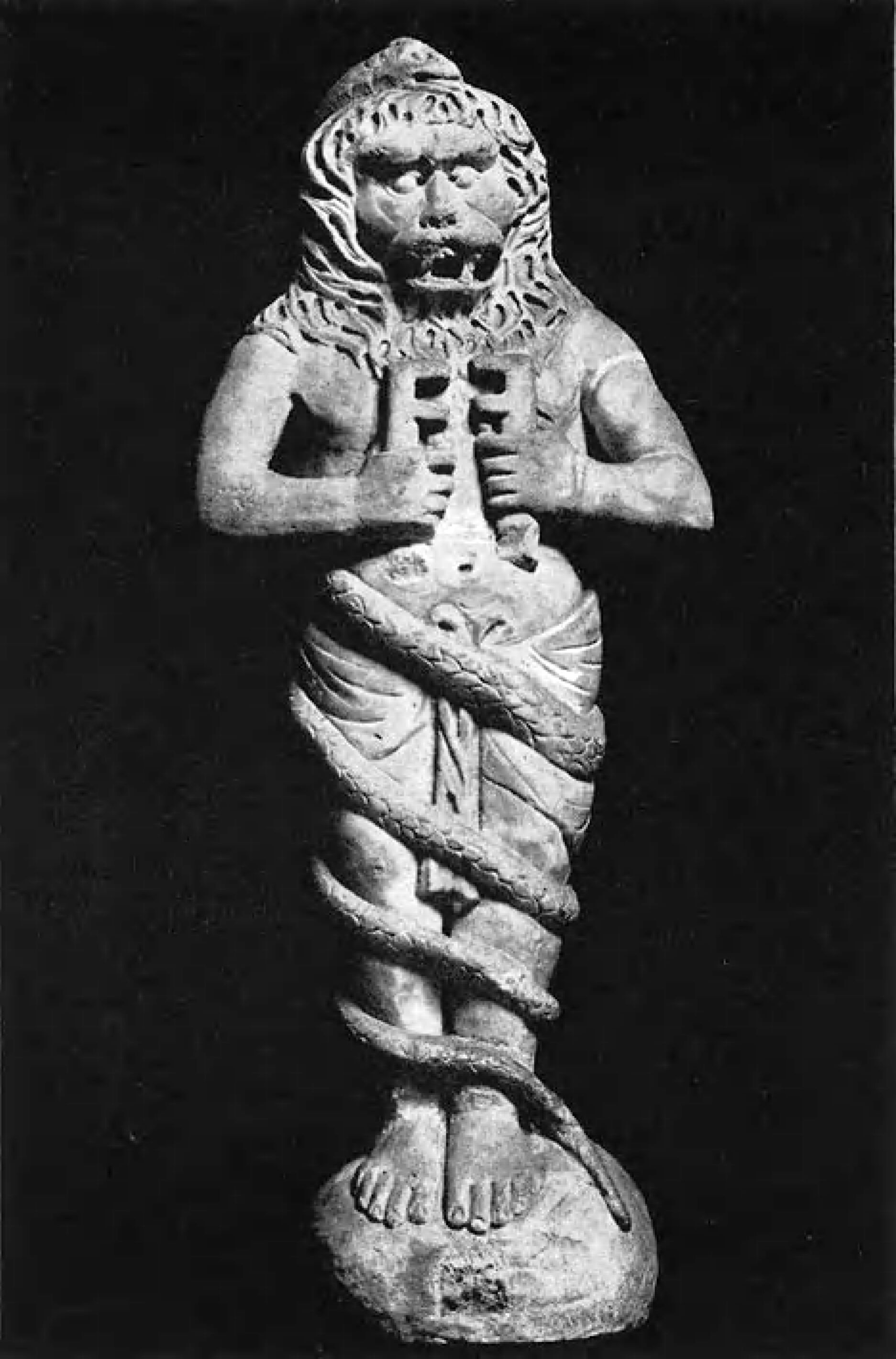
The lion-headed marble from Muti's gardens has a serpent entwined in four coils around his body.
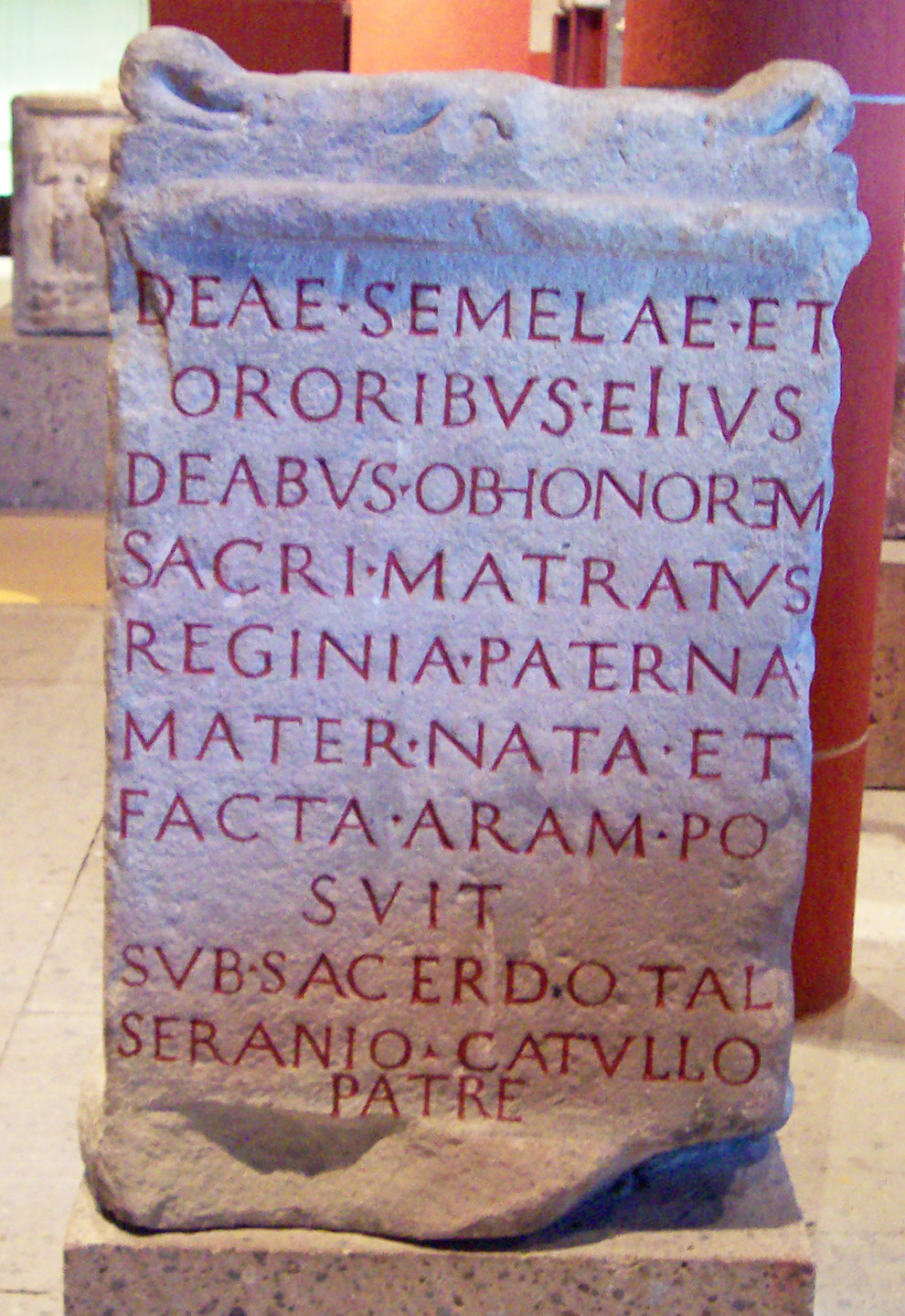
This sandstone altar found in Cologne bears an inscription to the goddess Semele and her sisters.
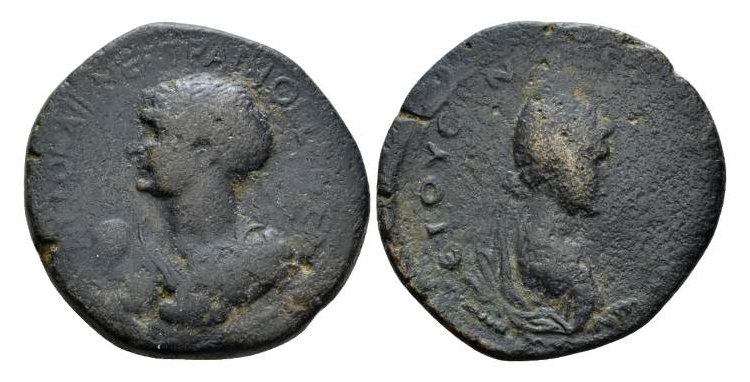
These bronze medallions associates the image of several Roman emperors with that of Mithras, usually as a rider, in the province Pontus.
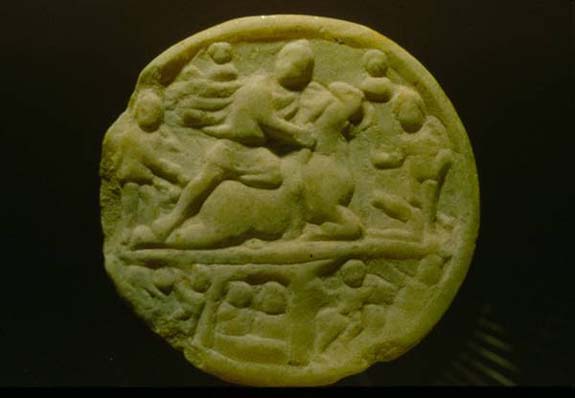
The small medallion depicts three scenes from the life of Mithras, including the Tauroctony. It may come from the Danube area.
