Your search Podersdorf am See gave 2325 results.

This marble slab found near the Casa de Diana in Ostia bears two inscription with several names of brothers of a same community
The dedicator of this marble basin could be the same person who offered the sculpture of Mithras slaying the bull in the Mitreo delle Terme di Mitra.
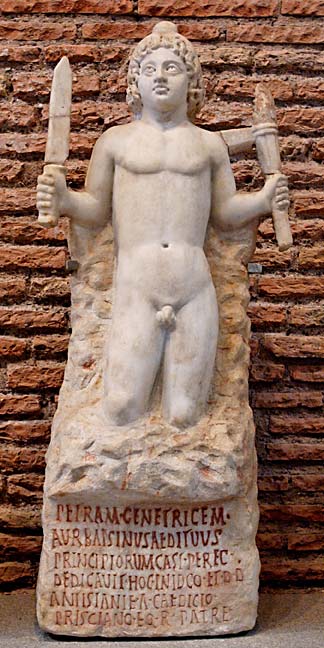
The sculpture of Mithras rock-birth from Santo Stefano Rotondo bears an inscription of Aurelius Bassinus, curator of the cult.
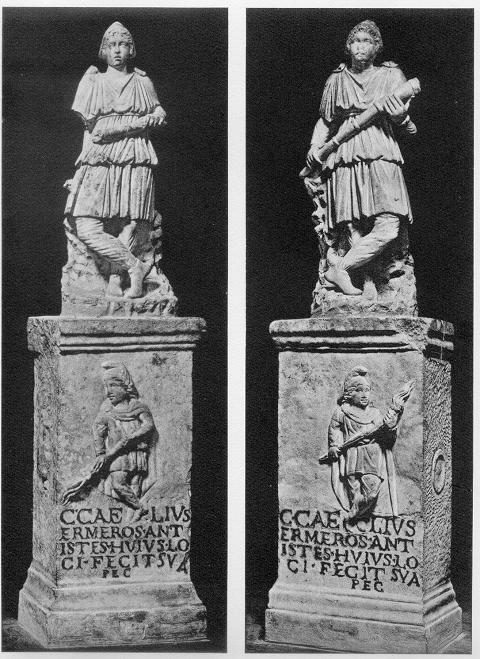
The sculptures of Cautes and Cautopates from the Mitreo del Palazzo Imperiale may have been reused from an older mithraeum in Ostia.

The dedicator of this altar was a slave in the service of a high official, the prefect Gaius Antonius Rufus, known from other inscriptions.
The Mitreo Fagan revealed remarkable sculptures of leon-headed figures now exposed at the Vatican Museum.
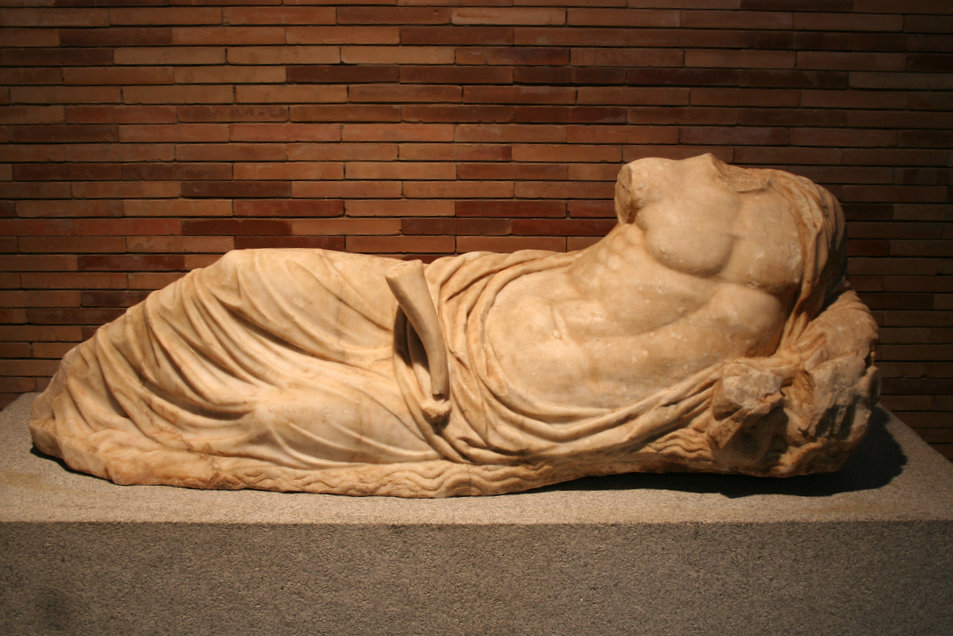
The sculpture of Oceanus in Merida bears an inscription by the Pater Patrorum Gaius Accius Hedychrus.
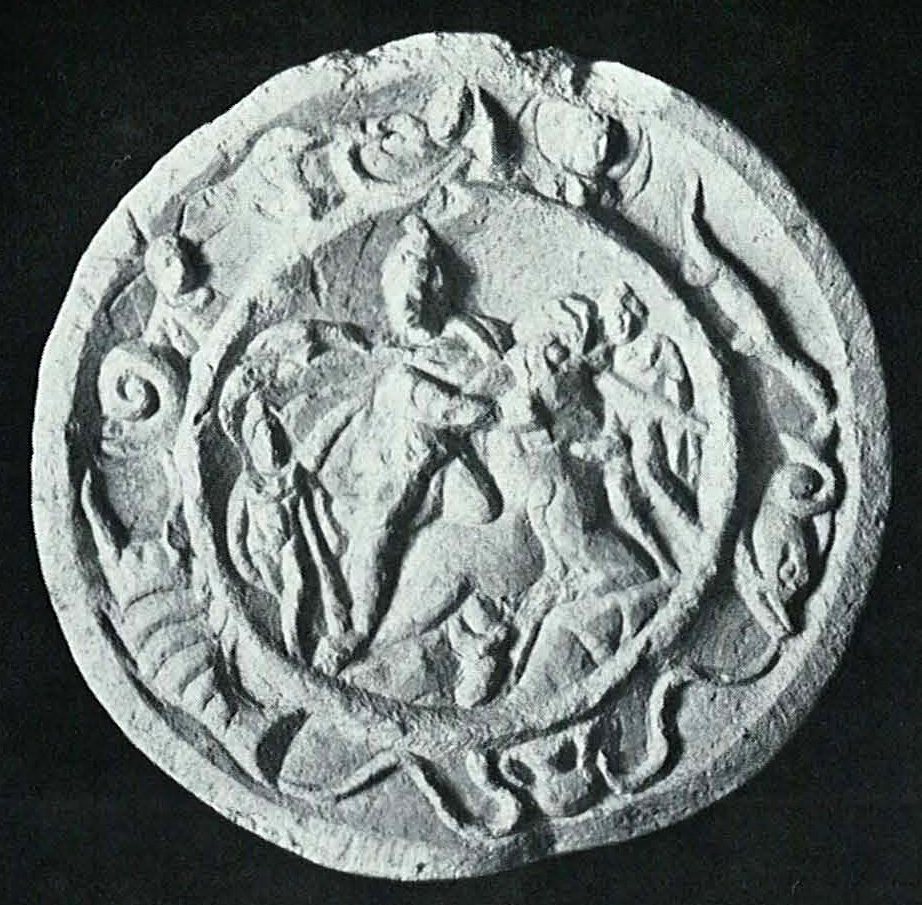
The round relief of Mithras killing the bull of Split is surrounded by a circle with Sun, Moon, Saturn and some unusual animals.
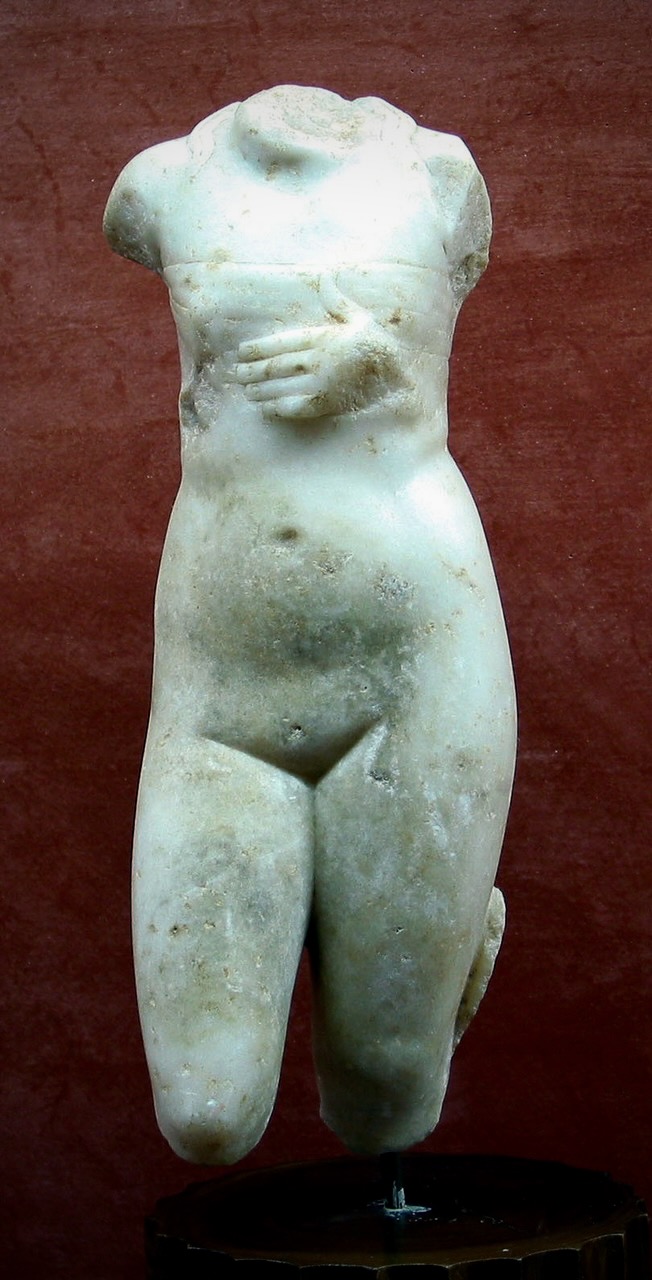
The lack of attributes and its decontextualisation prevent us from attributing a specific Mithraic attribution to this small Venus pudica from Mérida.
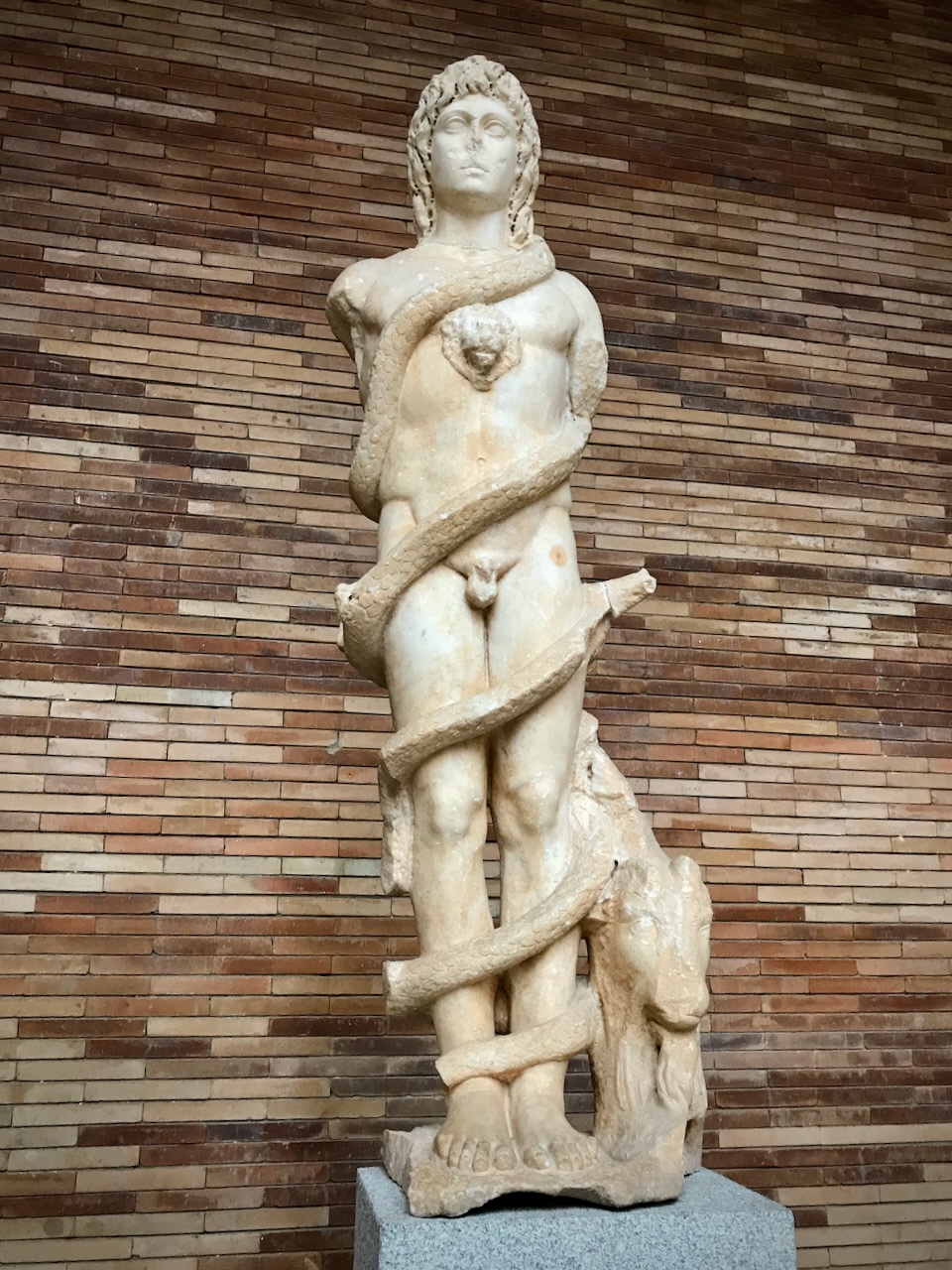
The Aion-Chronos of Mérida was found near the bullring of the current city, once capital of the Roman province Hispania Ulterior.
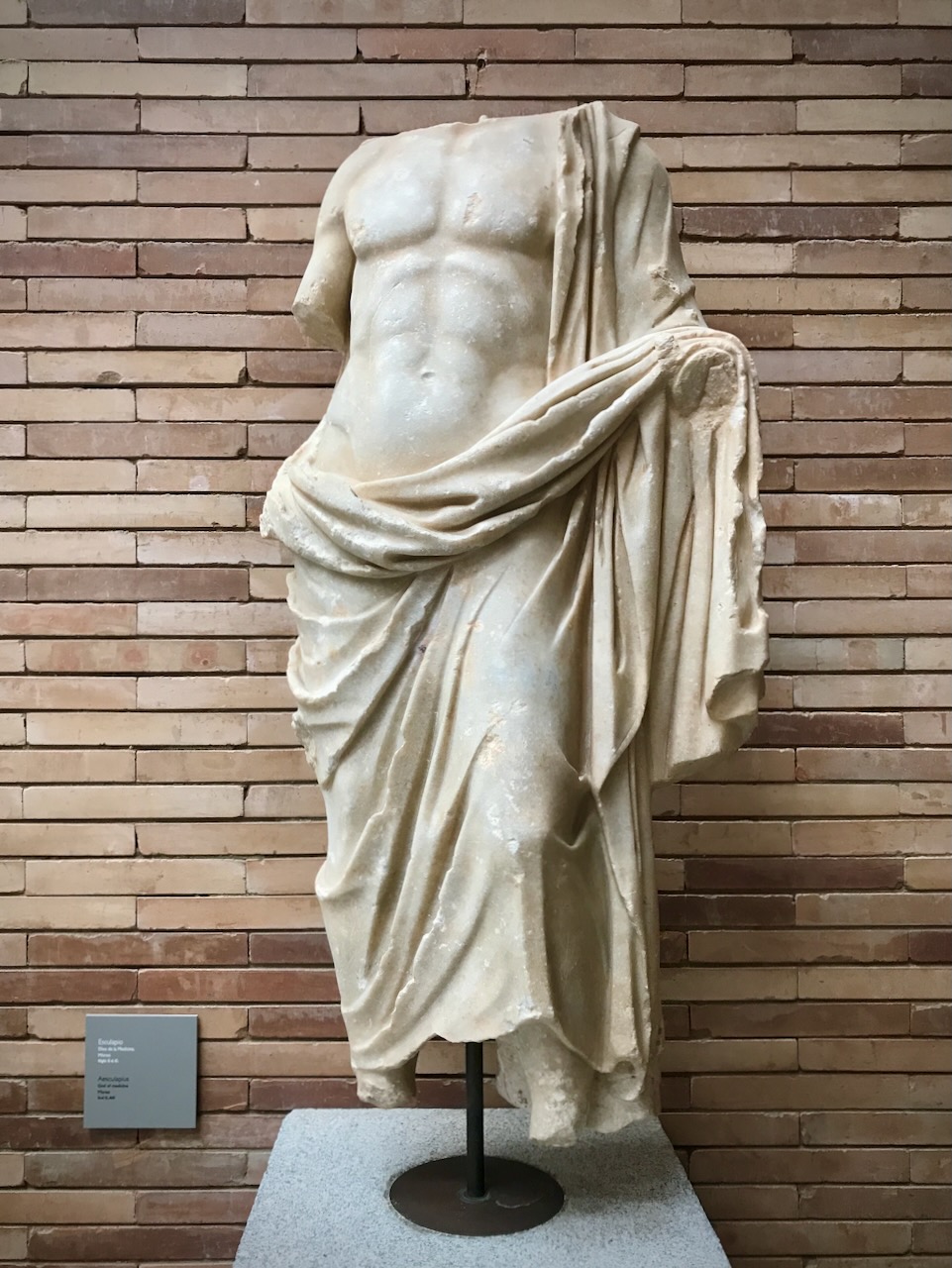
This standing sculptural figure from Mérida appears to carry the serpent staff, characteristic of the medicine god Aesculapius.
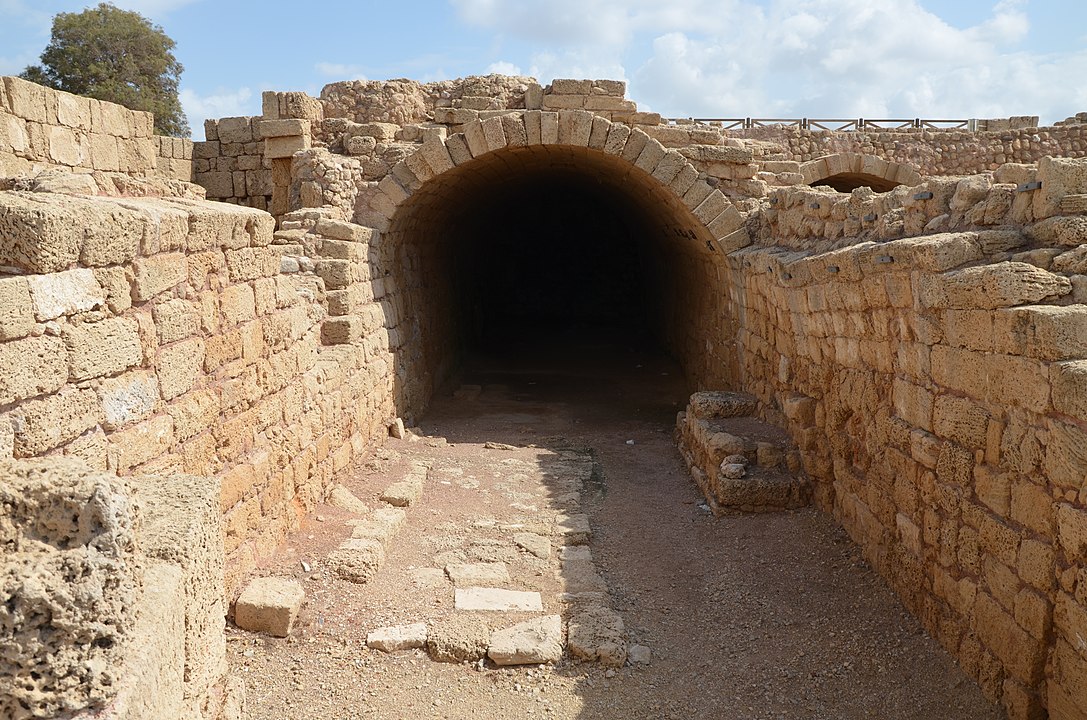
This shrine developed towards the end of 2nd century and remained active until beginning 4th.

Roger Beck revisits the zodiac circle of the Mithraeum on the island of Ponza, a composition unique within the Mithraic corpus. His reading places the monument in relation to cosmology, ritual space, and Mithraic doctrine.
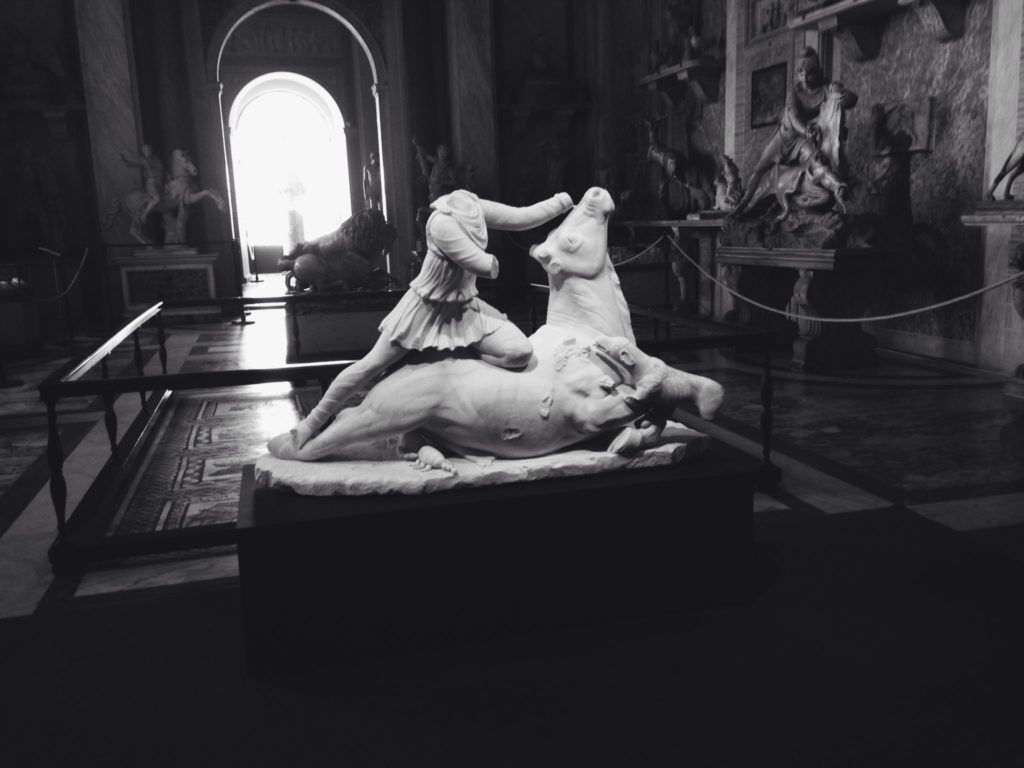
Votive sculpture of Mithras sacrificing the bull from the Mithraeum of Tarquinia.
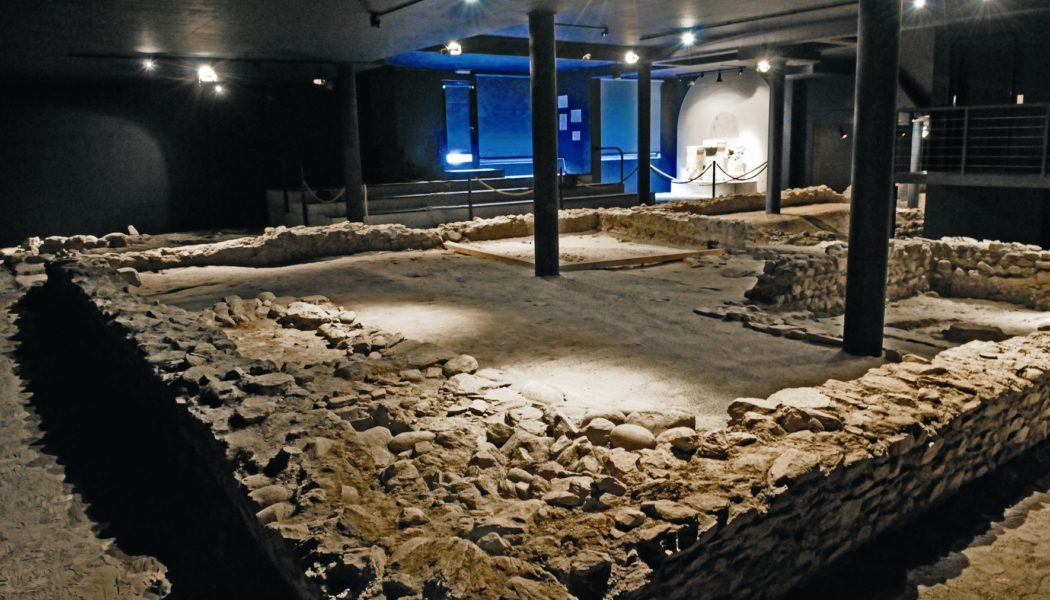
The Mithraeum of Martigny is the first temple devoted to Mithras found in Switzerland.
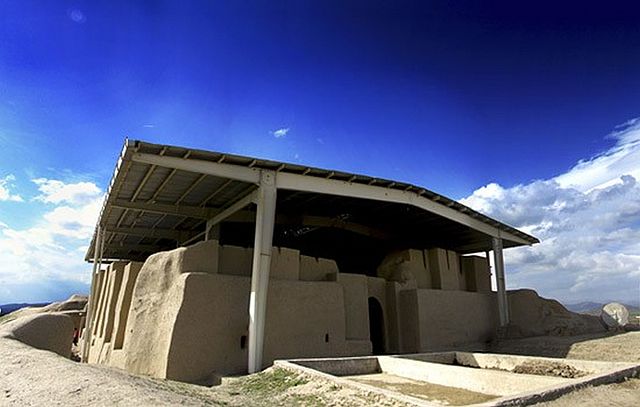
The Nushijan Mithraeum testifies to the worship of Mithra in the region since before the Zoroastrian reform.
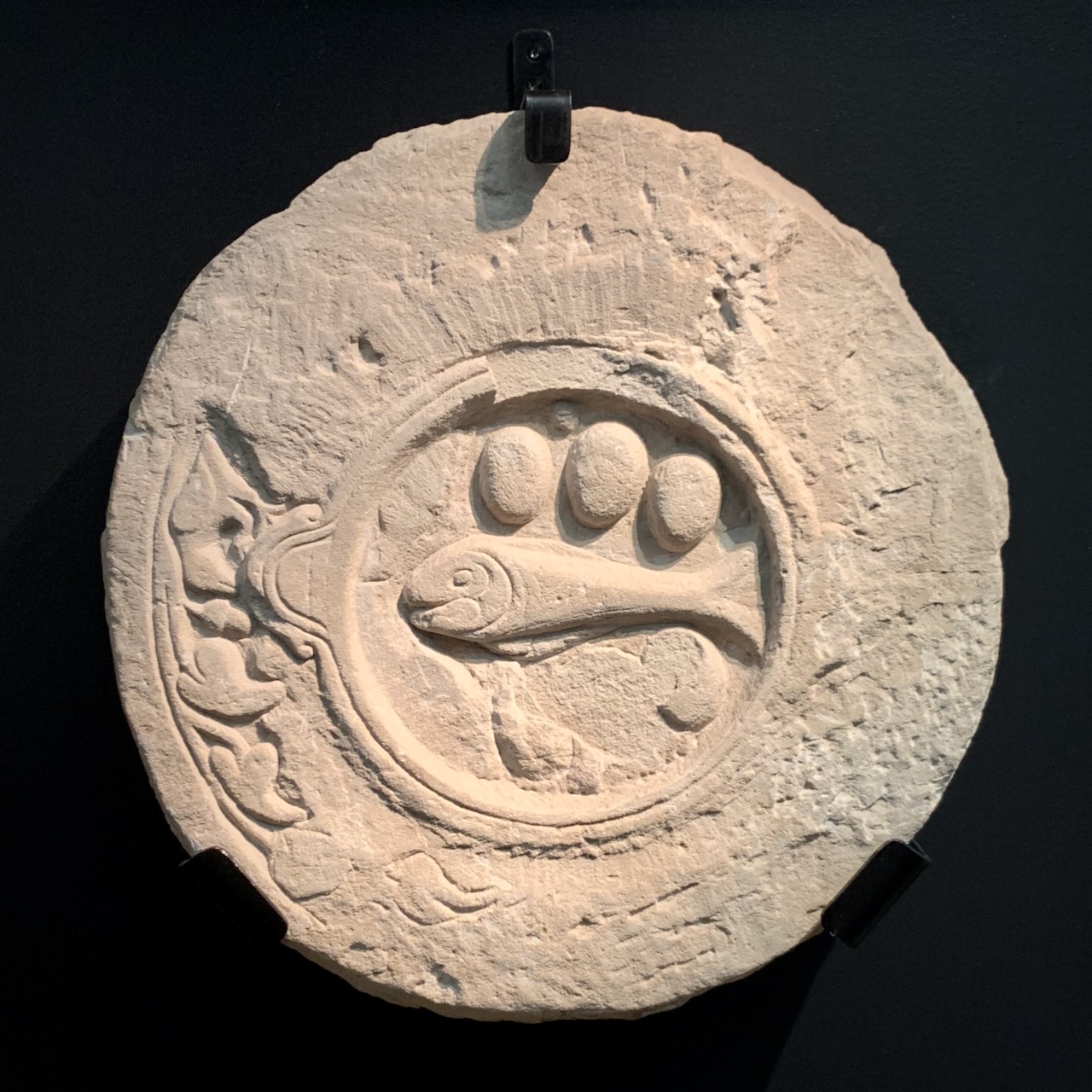
The iconography of the platter of Ladenburg might evoke the food consumed during Mithraic banquets.
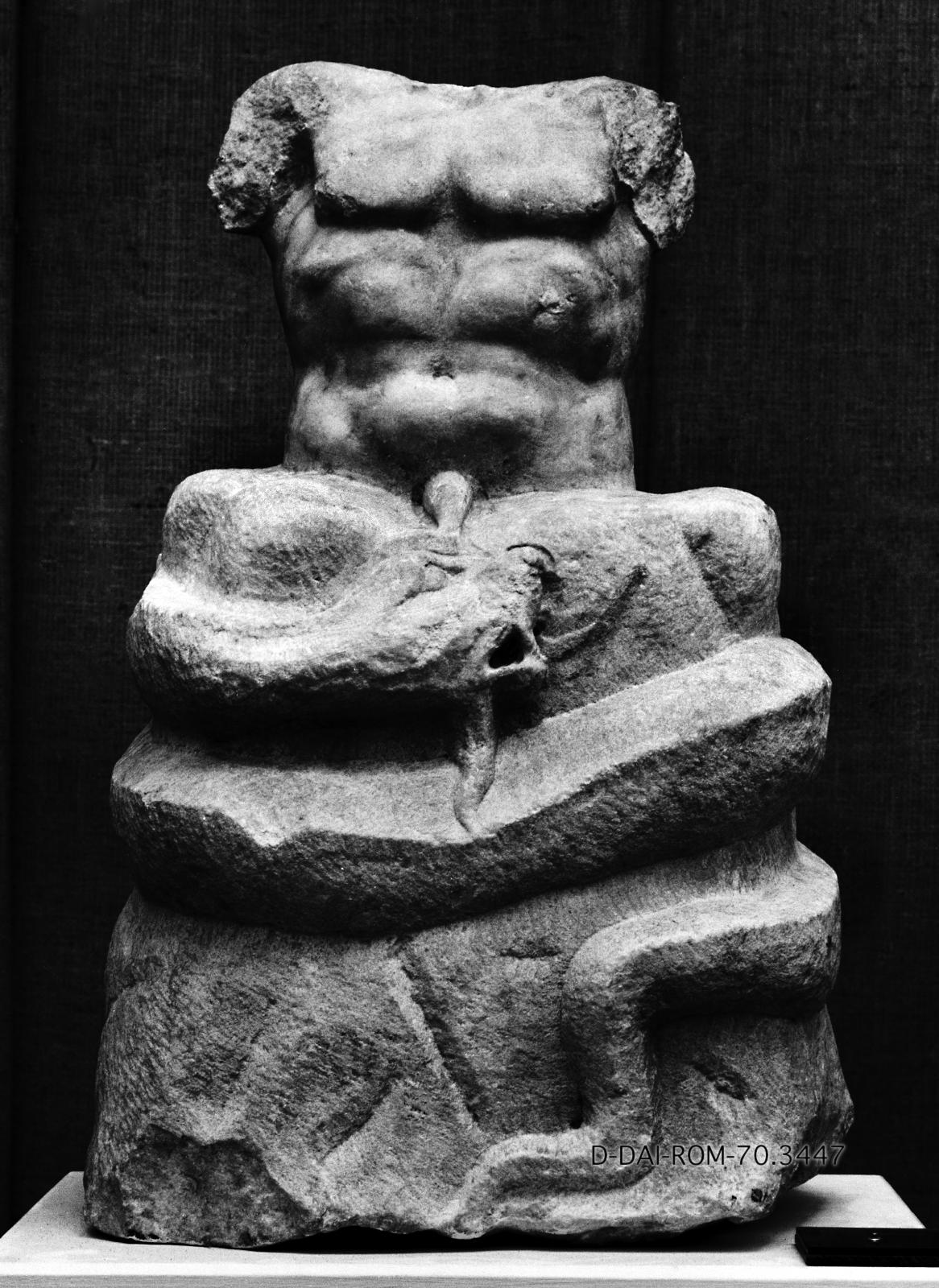
Mithras born from the rock with a snake raising in coils around it.
This temple of Mithras on the north side of the Capitoline Hill in Rome no longer exists.
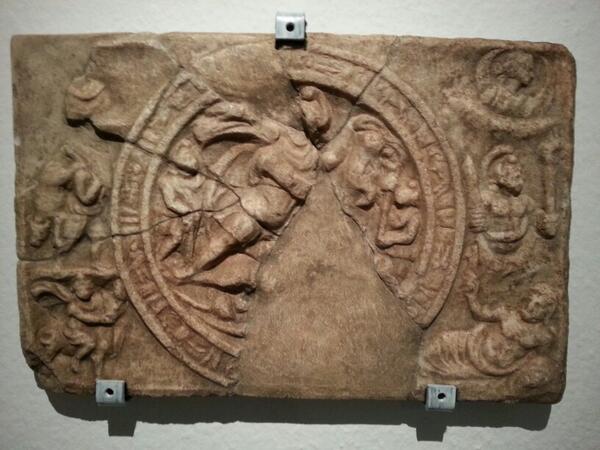
The relief of Mithras slaying the bull of Sisak includes the zodiac and multiple scenes from the myth of Mithras.
