Your search Podersdorf am See gave 2324 results.
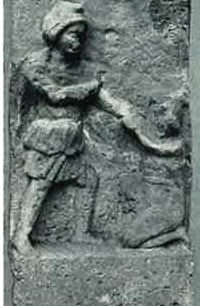
Red sandstone relief from Mithraeum I at Stockstadt depicting Mithras in Oriental dress approaching kneeling Sol with outstretched arms
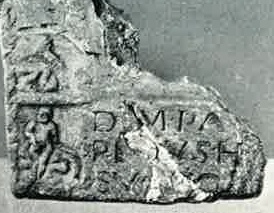
Double-sided white sandstone relief from Mithraeum I at Stockstadt, with Mithraic imagery on both faces
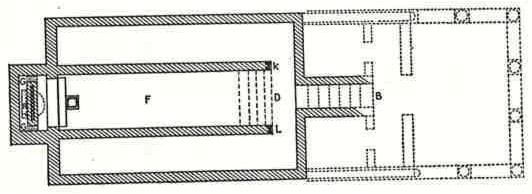
First Mithraic sanctuary discovered at Heddernheim (ancient Nida) in 1826, with finds preserved in the Städtisches Museum at Wiesbaden.
Relief in red sandstone originally standing on a base in Mithraeum I at Heddernheim, ancient Nida, featuring the bull-slaying scene.
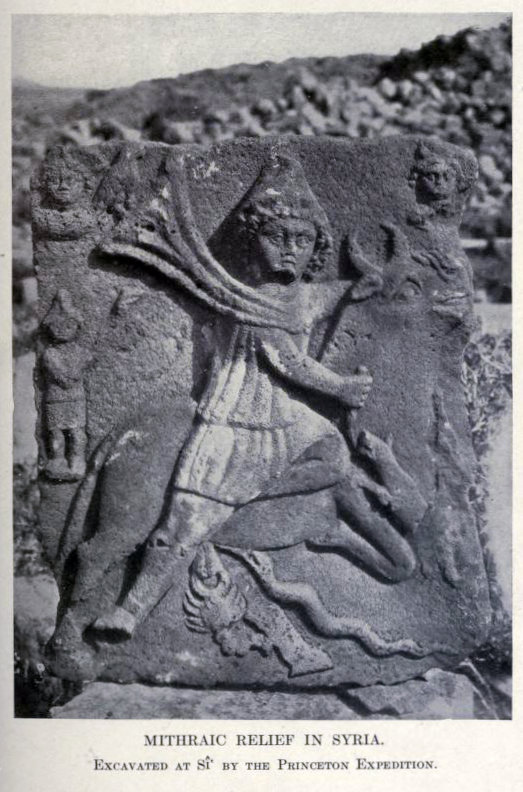
In the tauroctony of Jabal al-Druze in Syria, the snake appears to be licking the head of the bull's penis.
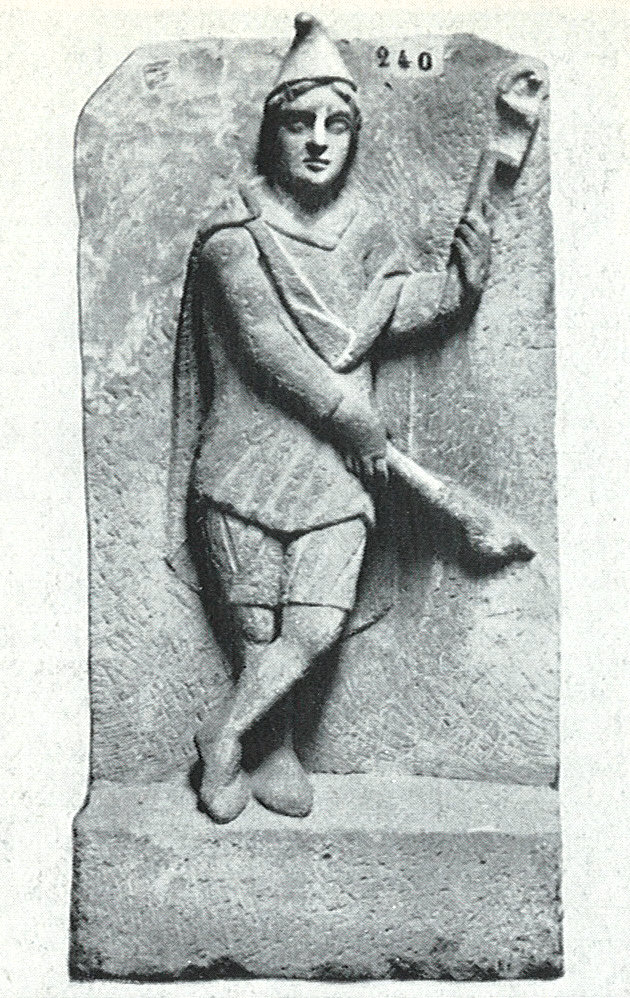
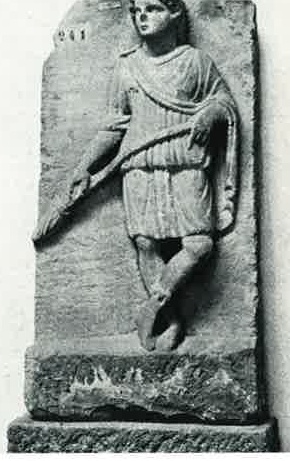
This Cautopates from Nida carries the usual downward torch in his right hand and a hooked stick in his left.

This altar, found in Tazoult تازولت, Algeria, was dedicated to the god Sol Mithras by a certain Florus.
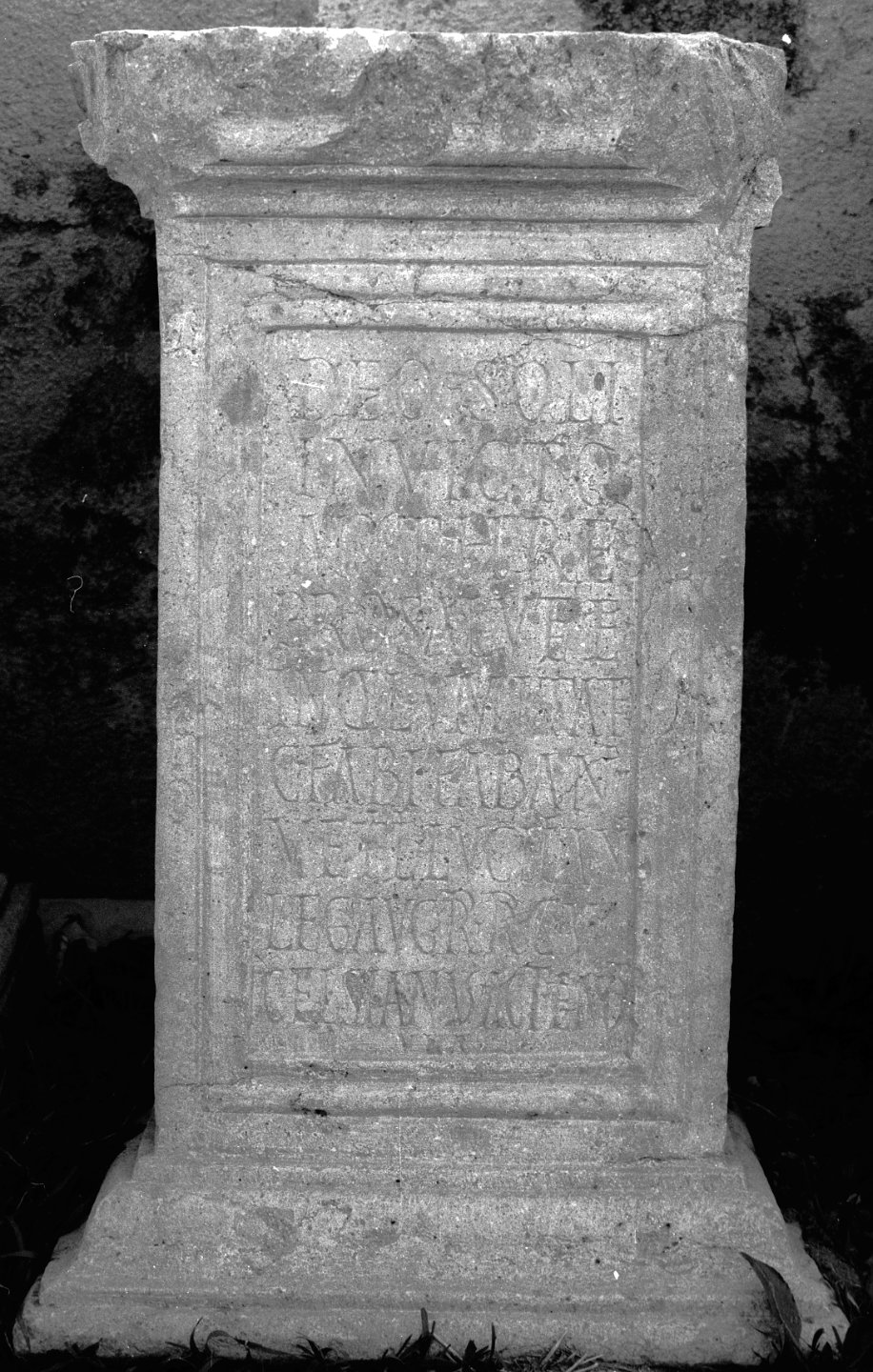
This altar found in Lambèse, now Tazoult, Algeria, bears the inscription of a certain Celsianus for the health of two men to the god Sol Unconquered Mithras.
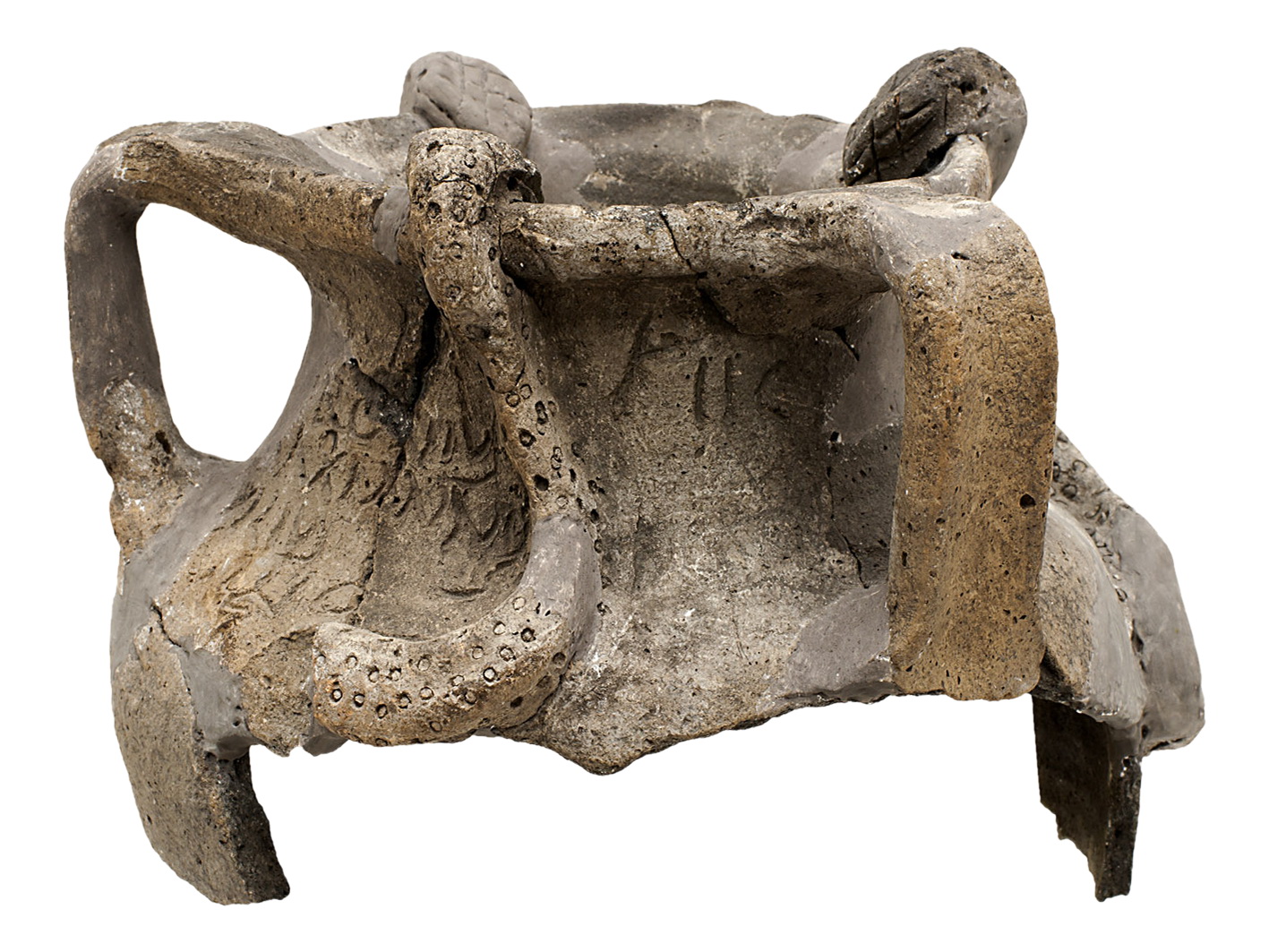
Upon first examination, archaeologists interpreted the inscription on the cult vessel from Gradishje as referencing Mithras, though it has since been re-evaluated.
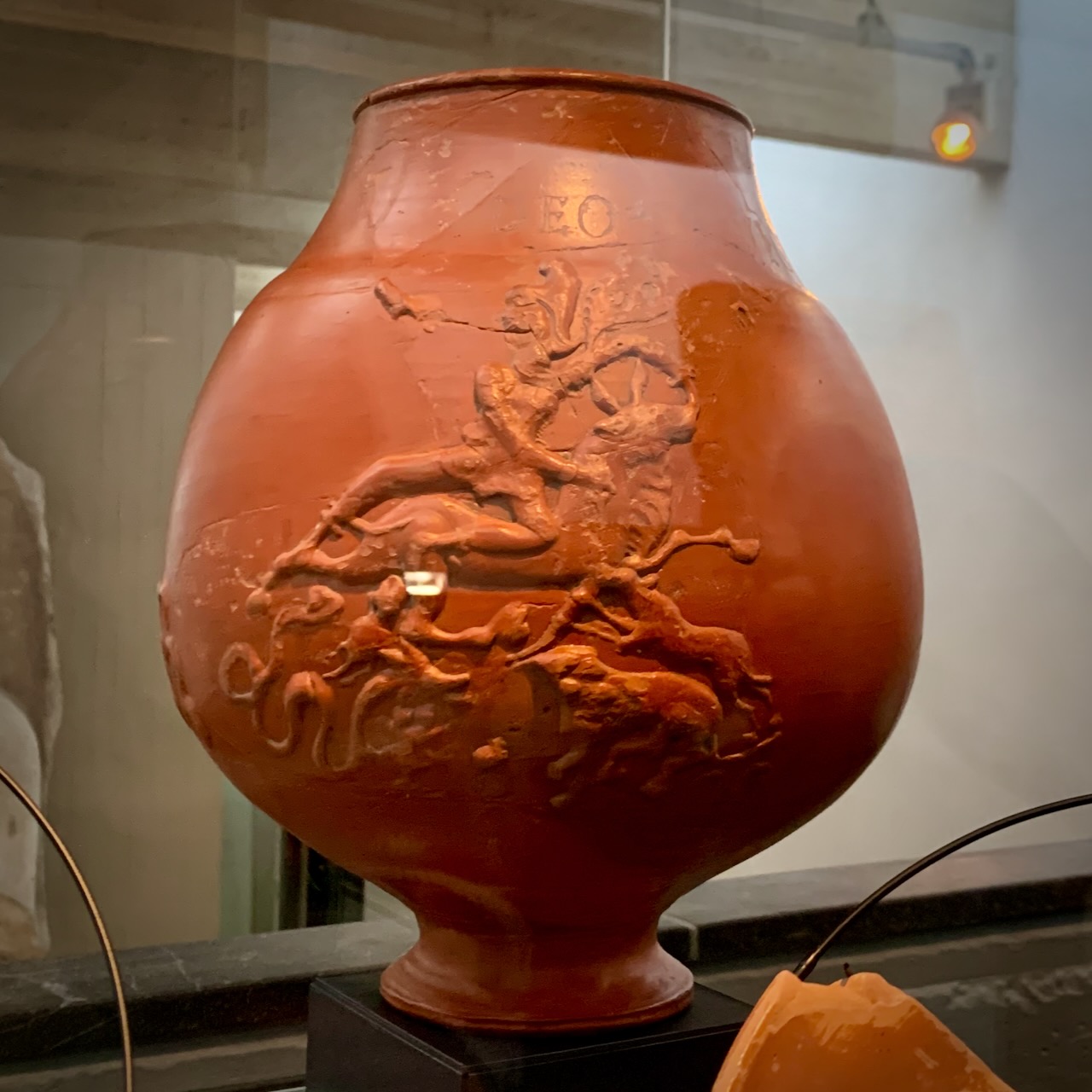
The Mühltal Mithraic crater was discovered among the artefacts of a mithraeum found in Pfaffenhoffen am Inn, Bavaria.
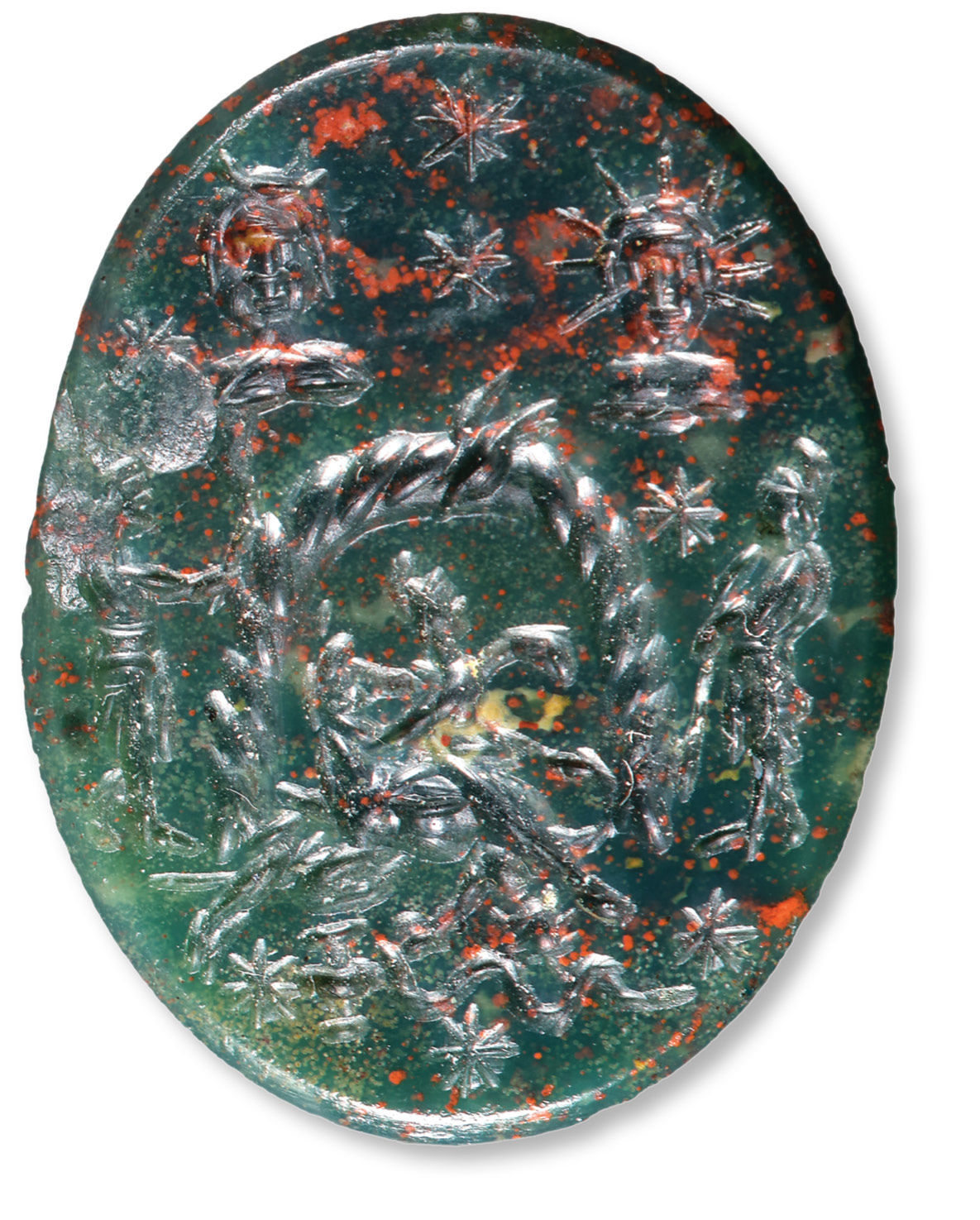
This heliotrope gem, depicting Mithras slaying the bull, dates from the 2nd-3rd century, but was reused as an amulet in the 13th century.

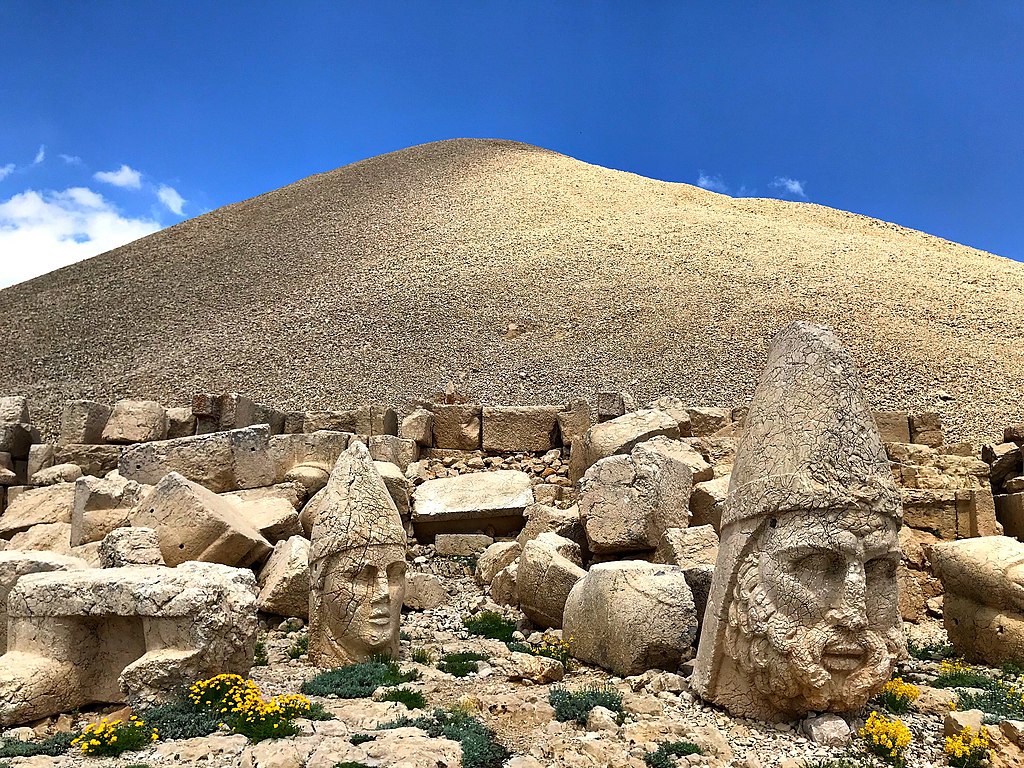
Mount Nemrut or Nemrud is one of the highest peaks in the eastern Taurus Mountains, southeastern Turkey. On its summit large statues stand around what is supposed to be a royal tomb from the 1st century BC.
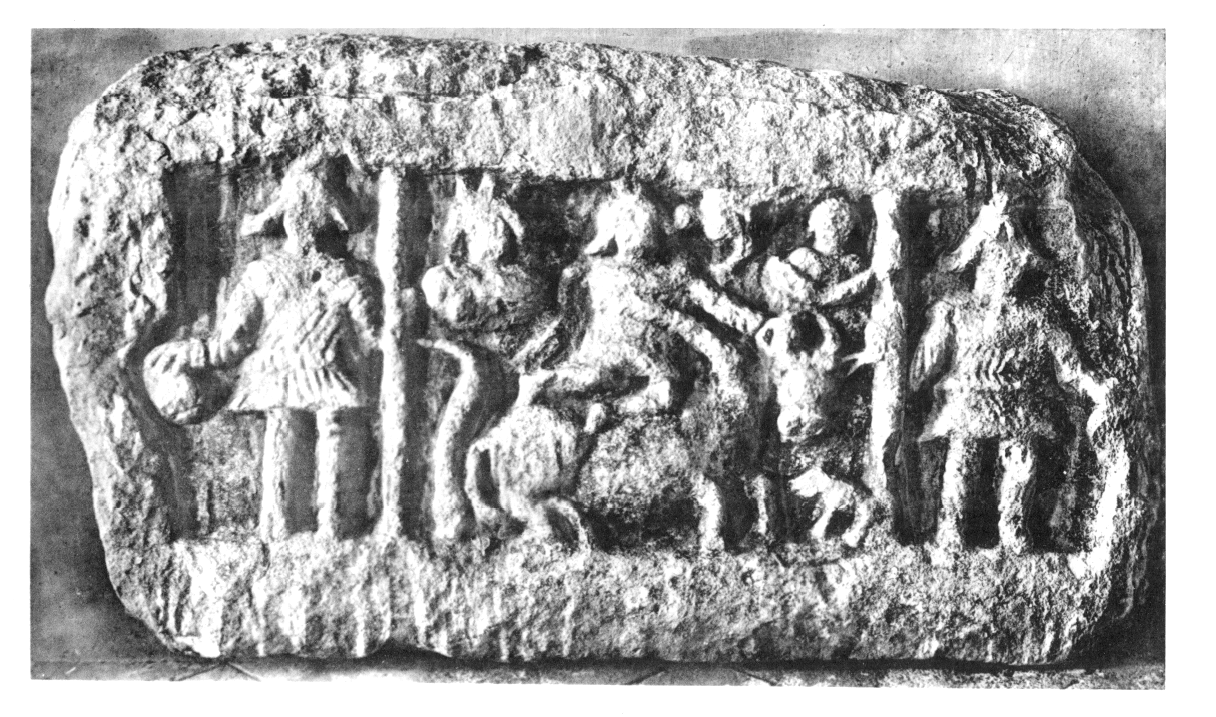
This relief of Mithras as bull slayer is surrounded by Cautes and Cautopates with their usual torch plus an oval object.
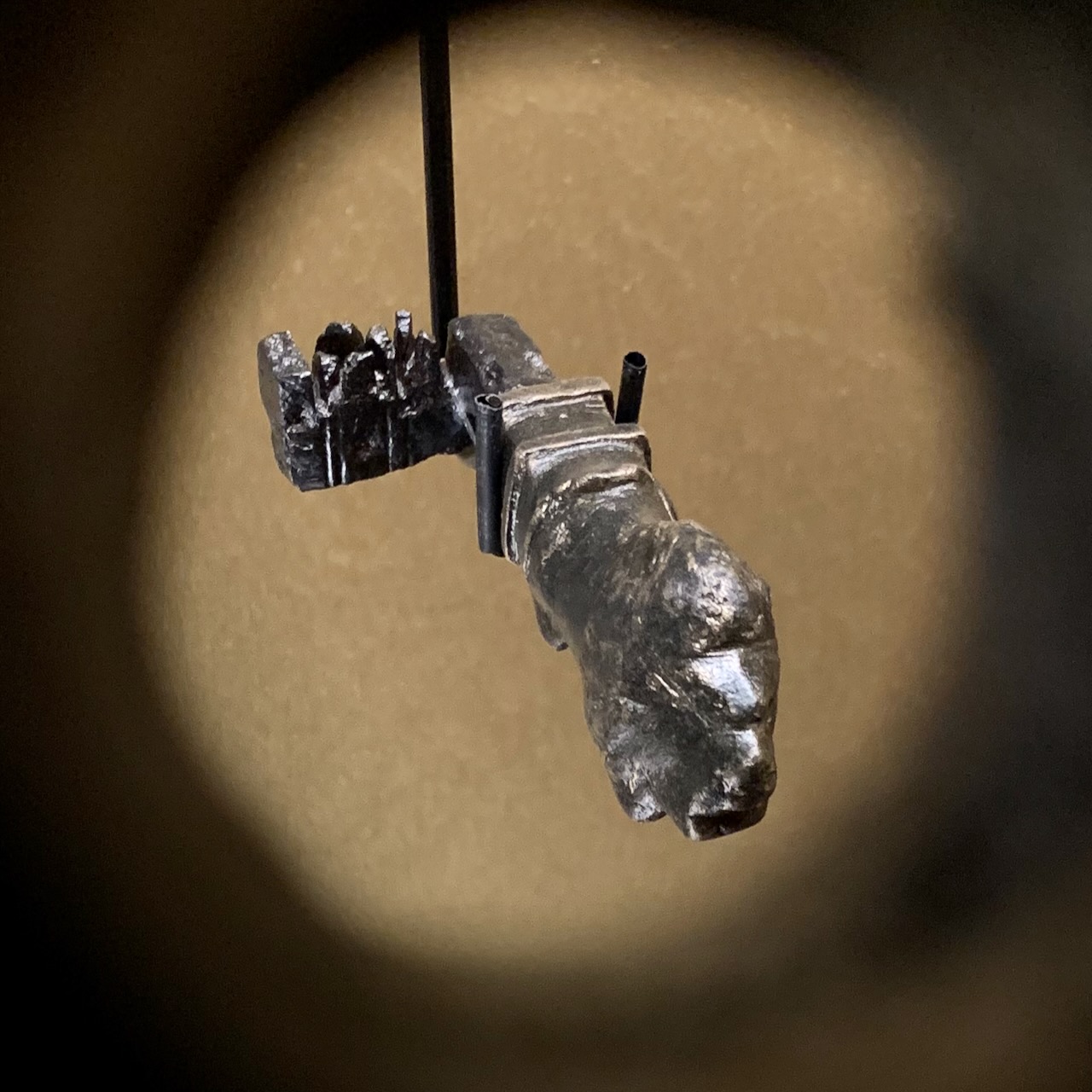
The key of Nida's Mithraeum III was decorated with a lion's head.
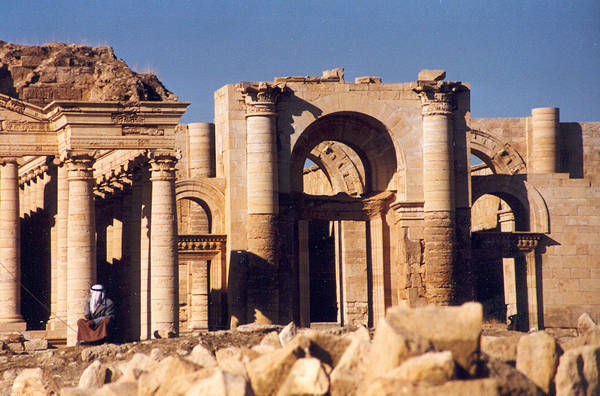
The city of Hatra was famed for its fusion of several civilization cults, which several temples devoted to gods from all Indo-European world.
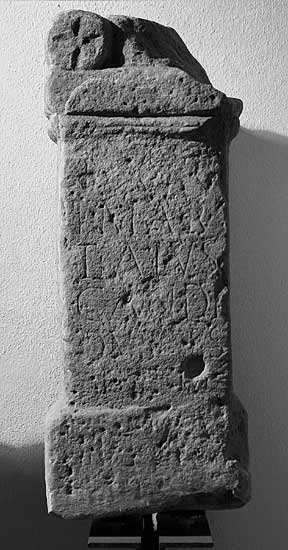
Bright red sandstone altar from Mithraeum II at Stockstadt dedicated to Deo Cauti by Titus Martialius Candidus, found near the north podium.

This inscription by Luccius Crispus was found near the entrance of the Mithraeum at Pamphylia.

Syndexios in Ostia, his name Marsus suggests that he was a snake-charmer.
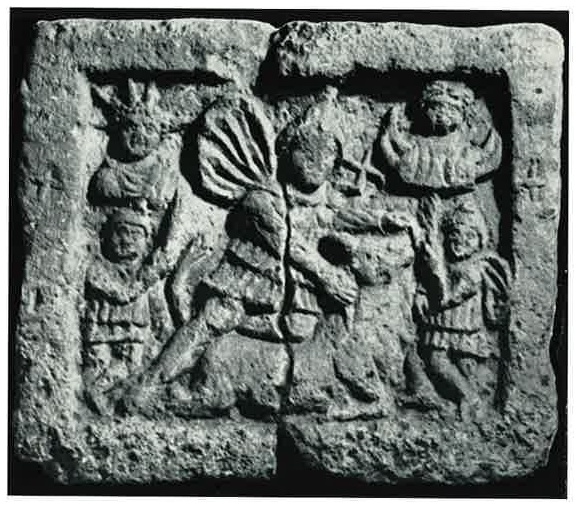
Tuff tauroctony relief in two fragments from Ghighen, ancient Oescus in Moesia Inferior, depicting the standard bull-slaying scene with the full iconographic programme.
