Your search René Alleau gave 54 results.

Altar from Doștat, Dacia, dedicated to Invicto Soli deo genitori by Publius Aelius Artemidorus, sacerdos creatus a Palmyrenis — a priest appointed by Palmyrene worshippers.
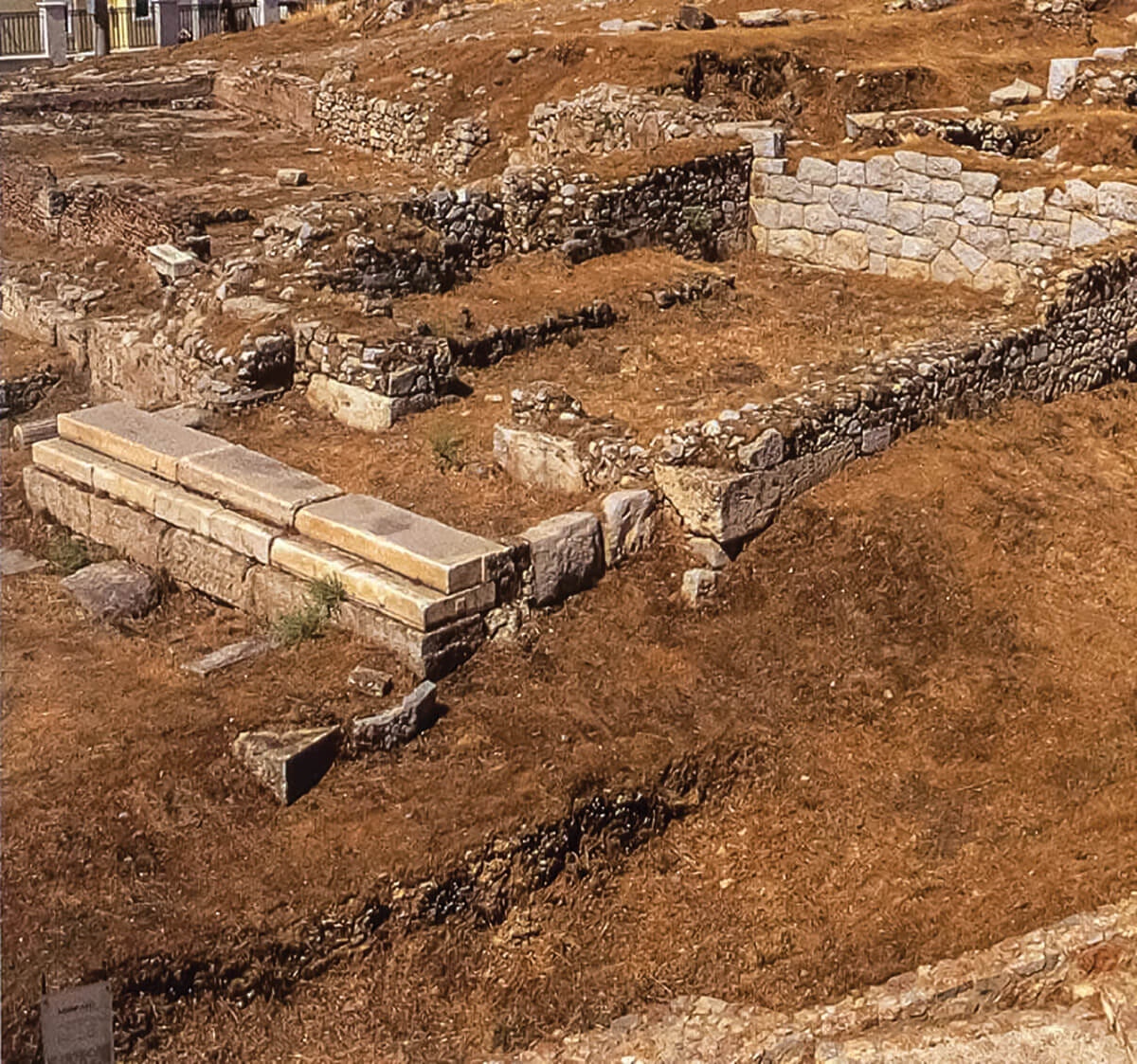
A Mithraeum has been identified in Eleusis where the last Hierophant form thespia had the rank of Father in the Mithraic Mysteries.
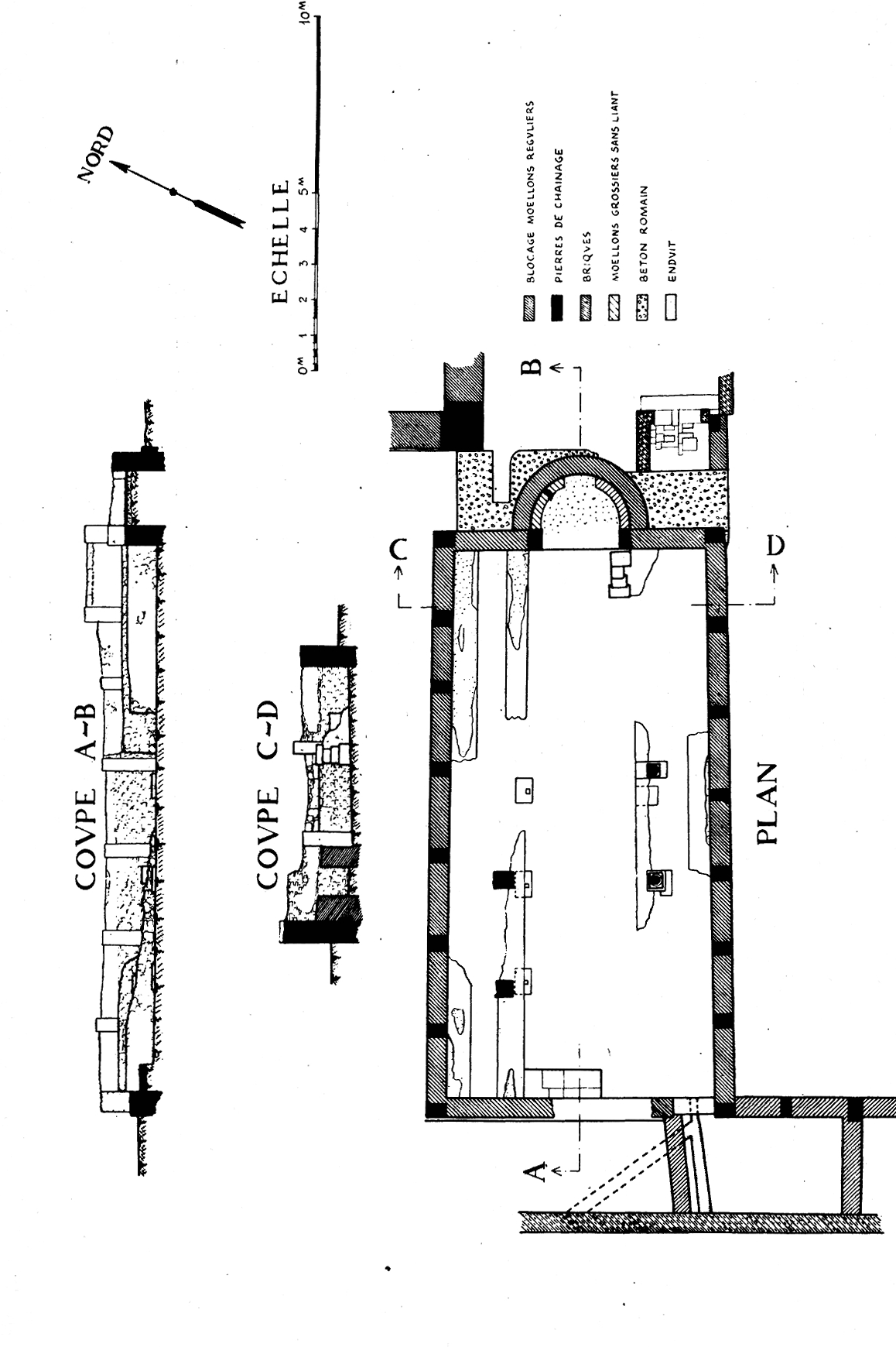
The Mithraeum of Tazoult / Lambèse is one of the best preserved Mithras’s temples in Africa.
Painted Parthian inscription on a ceramic sherd possibly referring to Mithras as a bull-slayer.
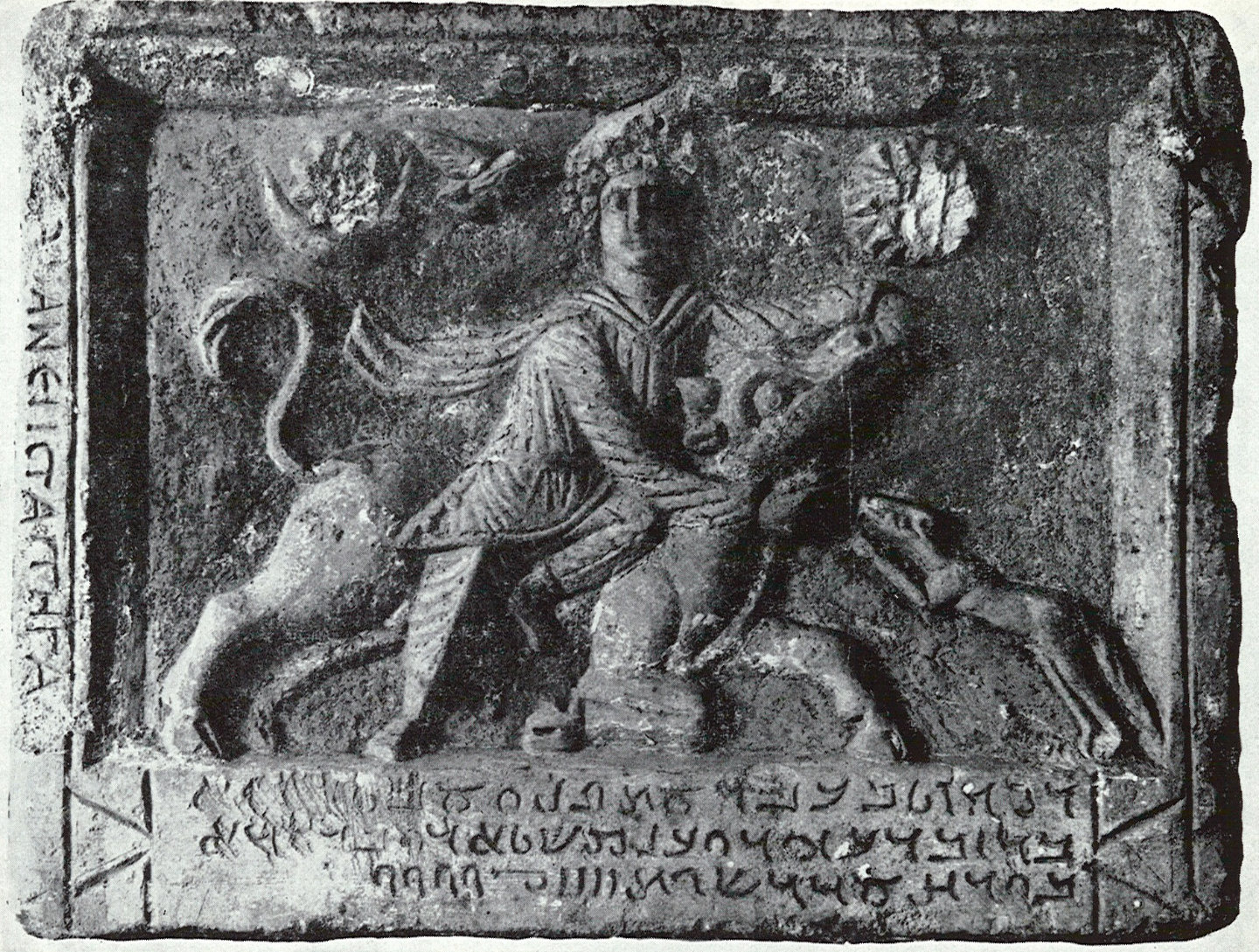
One of the reliefs of the Dura Europos tauroctonies includes several characters with their respective names.
Administrator, probably a slave of Pater Alfius Severus, who dedicated the main altar of the Mitreo di Marino.

Clarissimus knight and legate born in Poetovio that helped to disseminate the cult of Mithras in the African provinces.
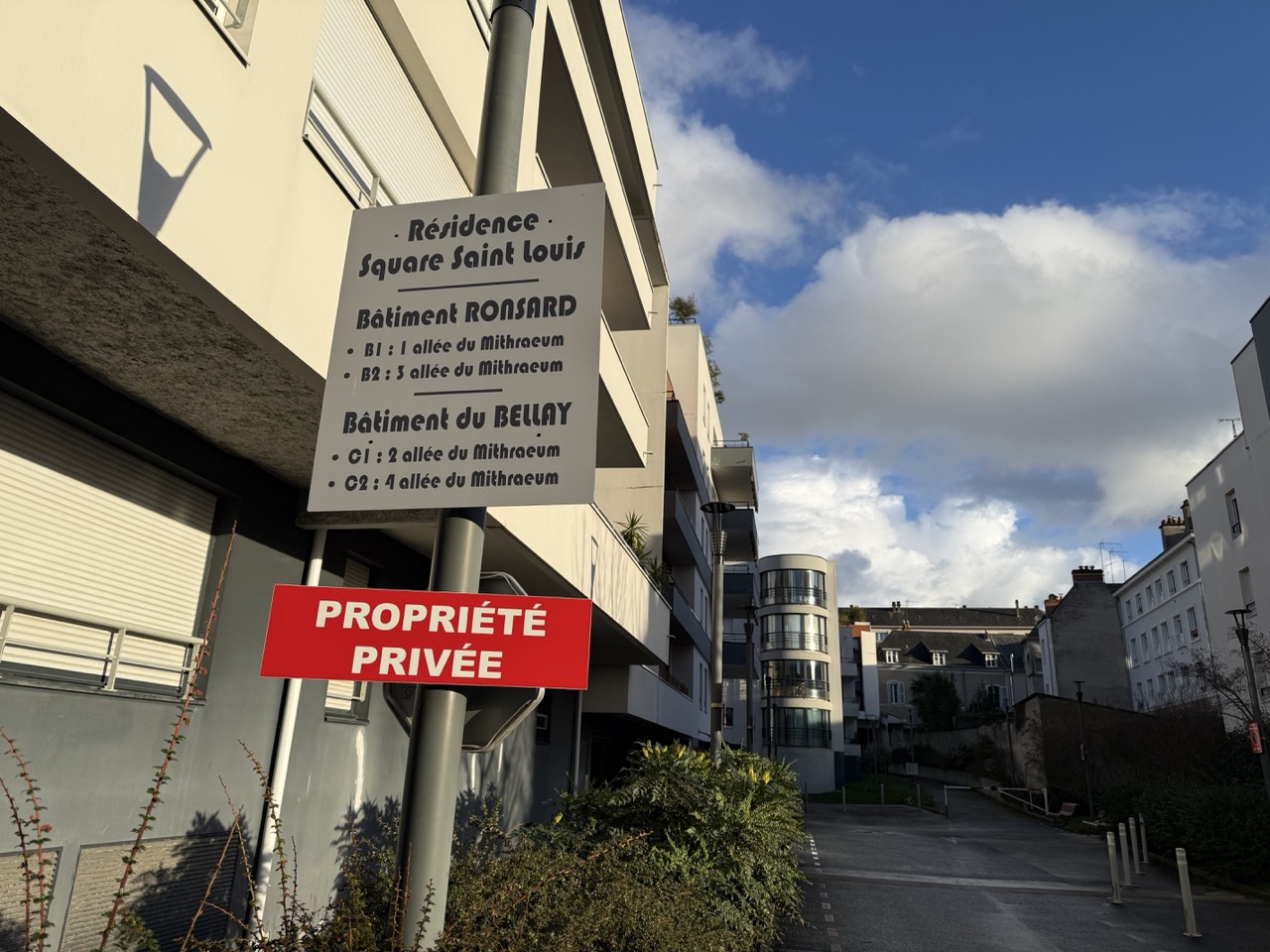
The Mithraeum of Angers, excavated during a preventive operation and subsequently dismantled in 2010, yielded numerous objects, including coins, oil lamps, and a ceramic vessel bearing a votive inscription to the invincible god Mithras.
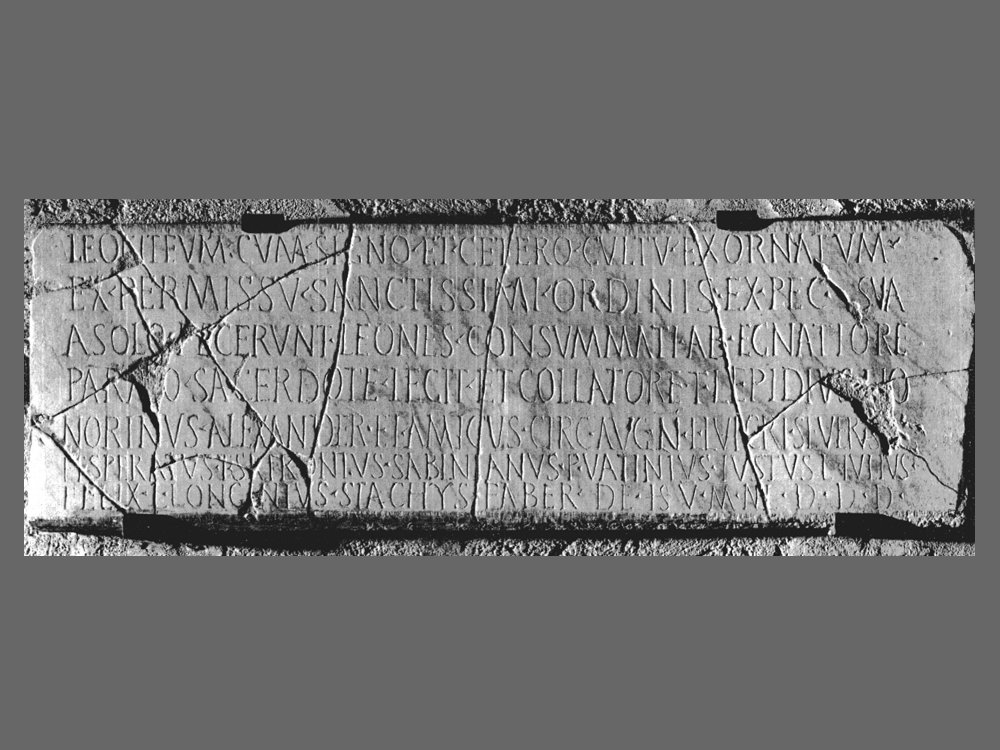
This plaque from Carsulae, in Umbria, refers to the creation of a leonteum erected by the lions at their own expense.
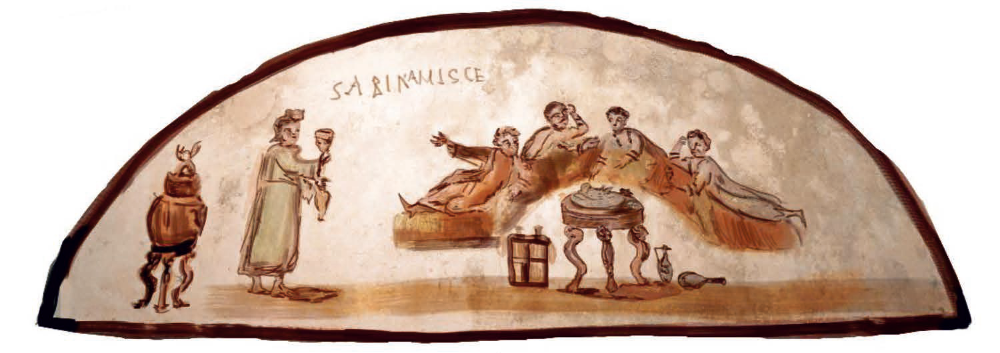
A dinner scene with Sabina from the Catacombe dei Santi Marcellino e Pietro, near Rome, may have been commissioned by a follower of Mithras.

Around the relief with Mithras as a bullkiller, a number of scenes from the Mithras Iegend have been painted in the Mithraeum of Dura Europos.
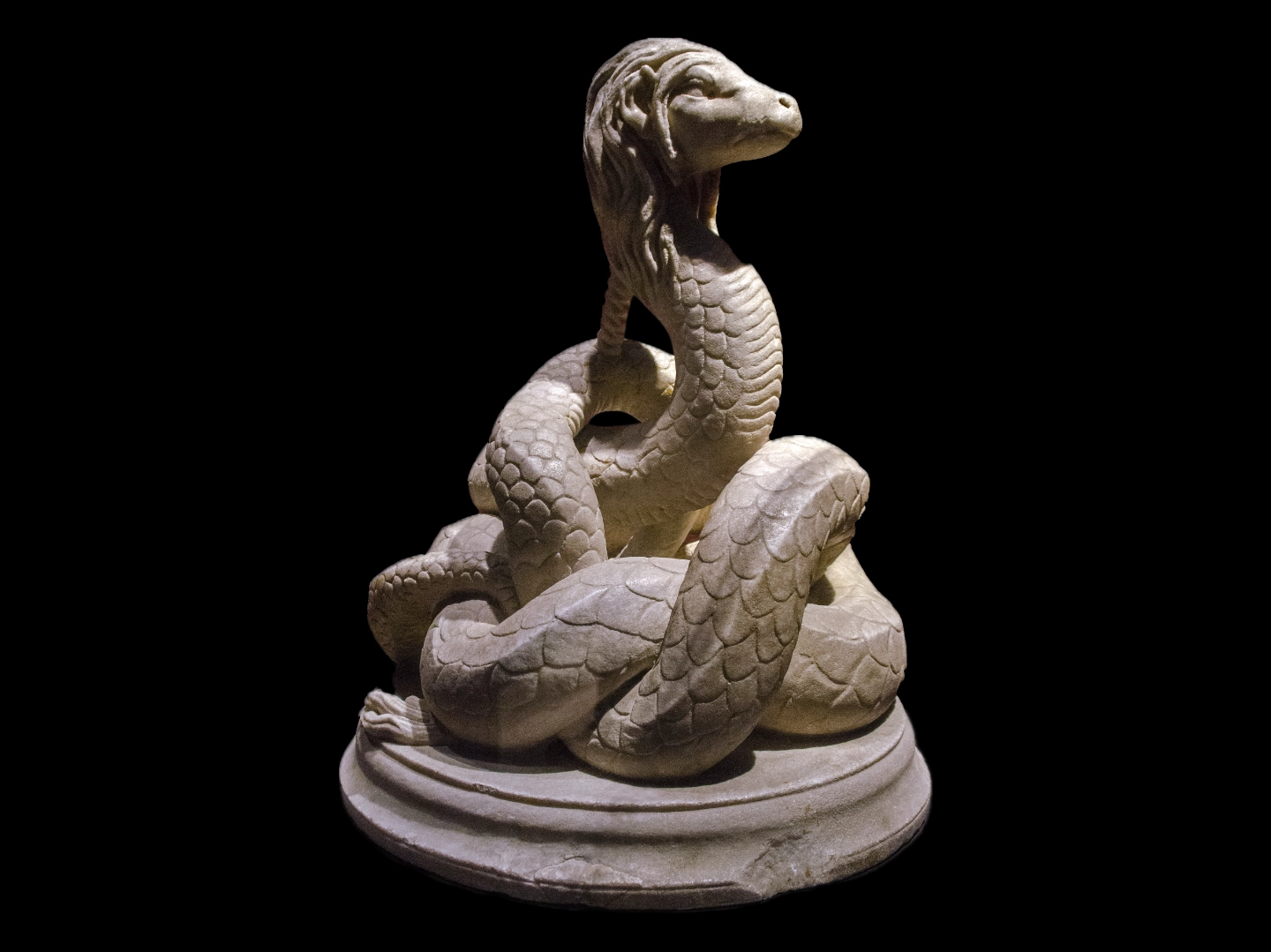
At Rome’s twilight, amid political upheaval and Christian ascendancy, Vettius Agorius Praetextatus embodied pagan intellect, virtue, and authority across senatorial, military, and mystical spheres.

From the late first century CE, Mithras spread across the Roman Empire, leaving more than 130 sanctuaries and nearly 1,000 inscriptions. This volume offers a rigorous synthesis that renews our understanding of this enigmatic cult.
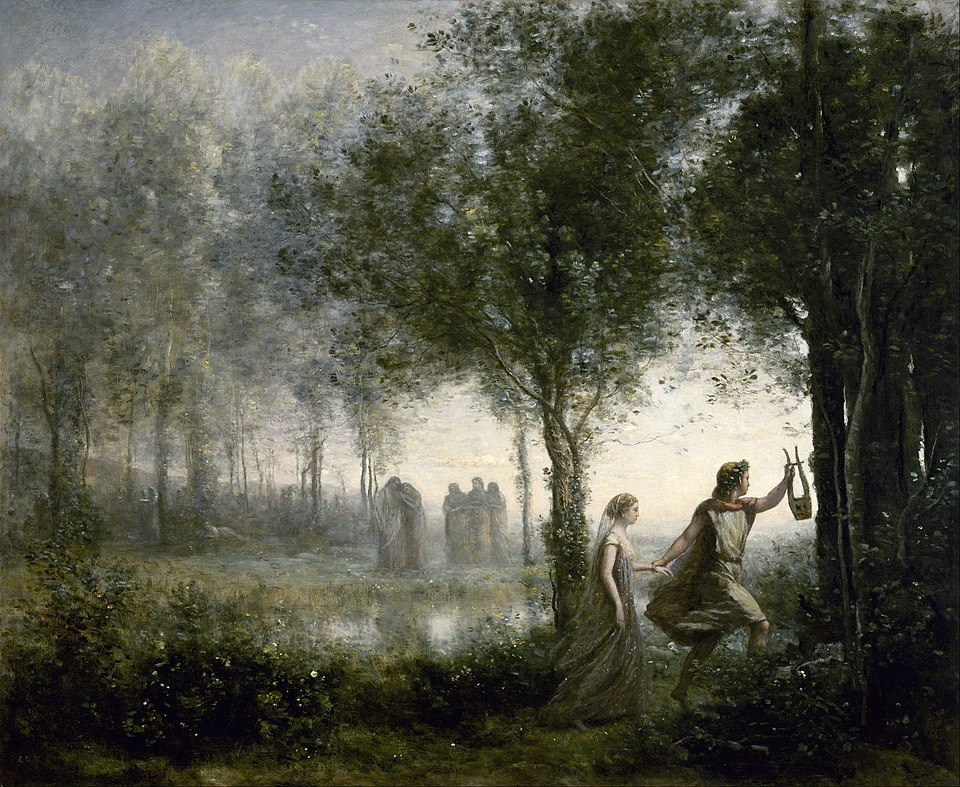
By reading Orphic theology together with Eleusinian ritual practice, the mysteries emerge as a structured mystagogy of transformation: a disciplined passage from forgetfulness (Lethe) to knowledge (aletheia), from mortality to participation in the divine.
This collective volume explores the ways ancient peoples interacted with divine powers through prayer, magic, and the interpretation of the stars. Drawing on evidence from Mesopotamia to Late Antiquity, it situates these practices within broader religious and cosmological systems…

Robert Turcan présente les dévotions immigrées dans le monde romain, sans négliger les cultes marginaux ou sporadiques, traitant également des courants gnostiques, occultistes et théosophiques.

Dans un VIIIᵉ siècle uchronique où Mithra est devenu le dieu officiel de Rome, Rachel Tanner imagine un empire impitoyable, déchiré entre révoltes barbares, intrigues politiques et résistances occultes, porté par une fresque de fantasy historique d’une intensité rare…


This magnificently illustrated publication renews the Mithraic dossier on the basis of concrete data, with caution and penetration. Marino's discovery is disconcerting and rekindles the controversy about the order in which bands should be read.

Saul cutting the oxen to pieces poses as Mithras Tauroctonos in this painting, which adorns the mantelpiece of Henry II’s bedroom at the Château d’Écouen near Paris.
