Your search Roman cemetery of St. Matthias gave 3406 results.

This marble tablet found at Portus Ostiae mentions a pater, a lion donor and a series of male names, probably from a Mithraic community.
This supposed Mithraic altar from Soulan in the Pyrenees was later identified as a modern forgery, including both the inscription and the alleged cave context in which it was said to have been discovered.

Histria connected the northern Adriatic to the Balkan and Danubian worlds through maritime and regional communication networks.
Syria-Palestina occupied a complex religious landscape shaped by imperial administration, pilgrimage and eastern Mediterranean mobility.

Late Roman dux associated with the restoration of the so-called Mithraeum IV of Poetovio.
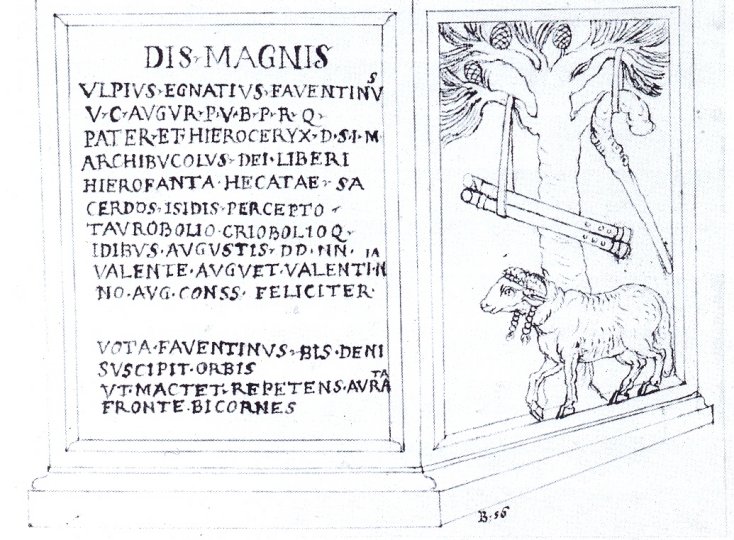
Both of them were discovered in 1609 in the foundations of the façade of the church of San Pietro, Rome.
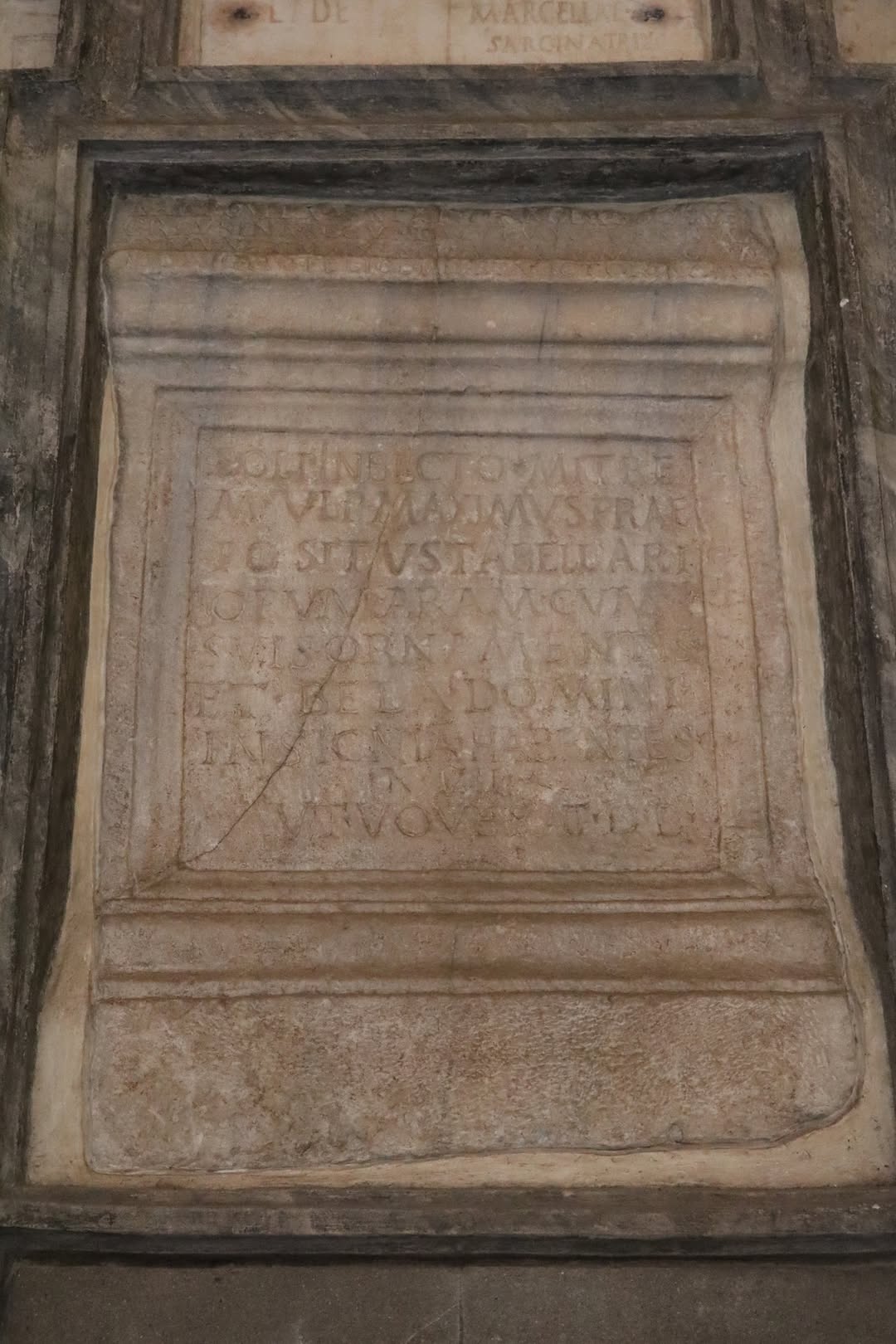
Marble altar dedicated to Sol Invictus Mithras, found in Rome (in aedibus Maffaeiorum), set up in 183 A.D. by M. Ulpius Maximus, praepositus tabellariorum, together with its ornaments and Mithraic insignia, in fulfilment of a vow.
Marble altar dedicated at the Vatican Phrygianum in Rome by the Mithraic pater Alfenius Ceionius Iulianus Kamenius in 374 CE.
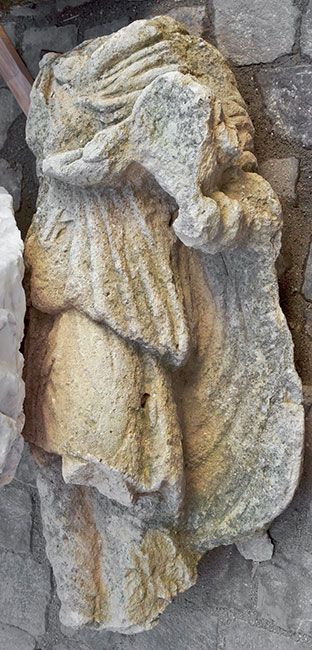
This weathered limestone statue from the Mithraeum of Apulum depicts a standing figure in Oriental attire holding the head of a bull or ram.
This eulogy of Saint Eugene of Trapezos tells how, in the time of Diocletian, he and two other Christian fellows destroyed a statue of Mithras.
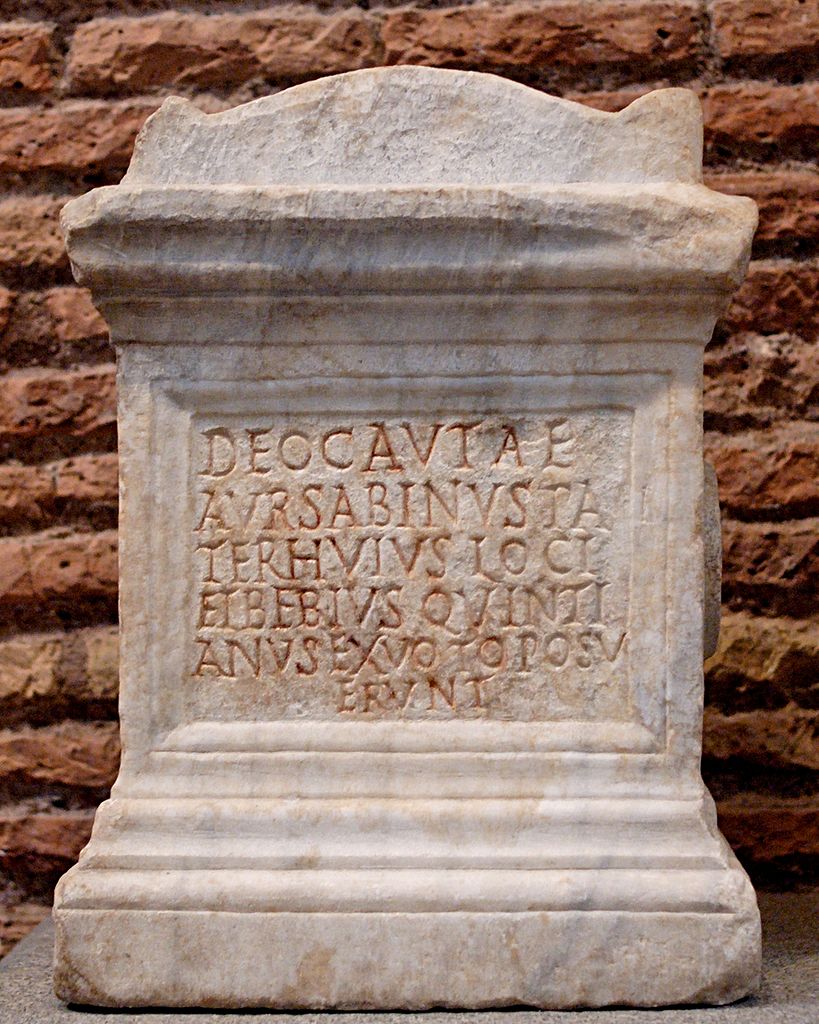
These two parallel altars to the diophores were dedicated by the Pater and a Leo from the Mithraeum of S. Stefano Rotondo.
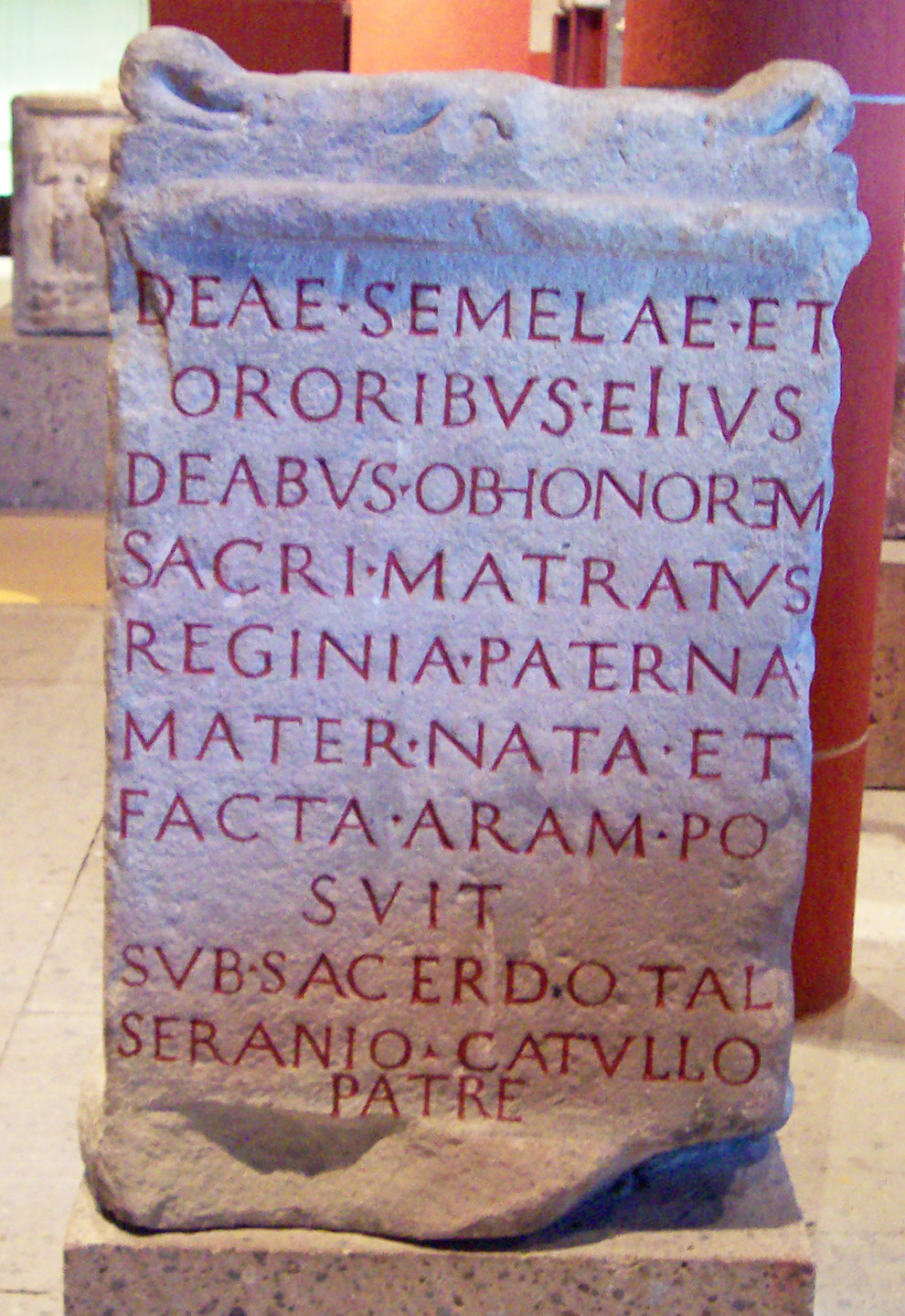
This sandstone altar found in Cologne bears an inscription to the goddess Semele and her sisters.
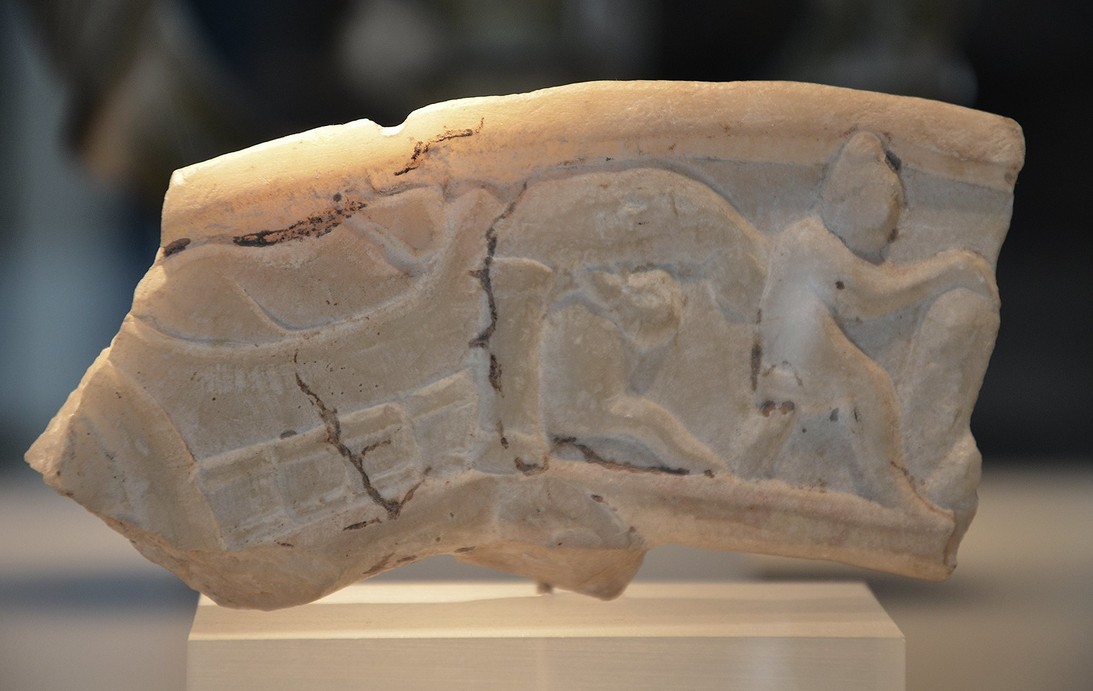
Fragment of an alabaster relief from Cologne with part of a tauroctony scene. Only the tip of Mithras’ Phrygian cap and small narrative details above are preserved.
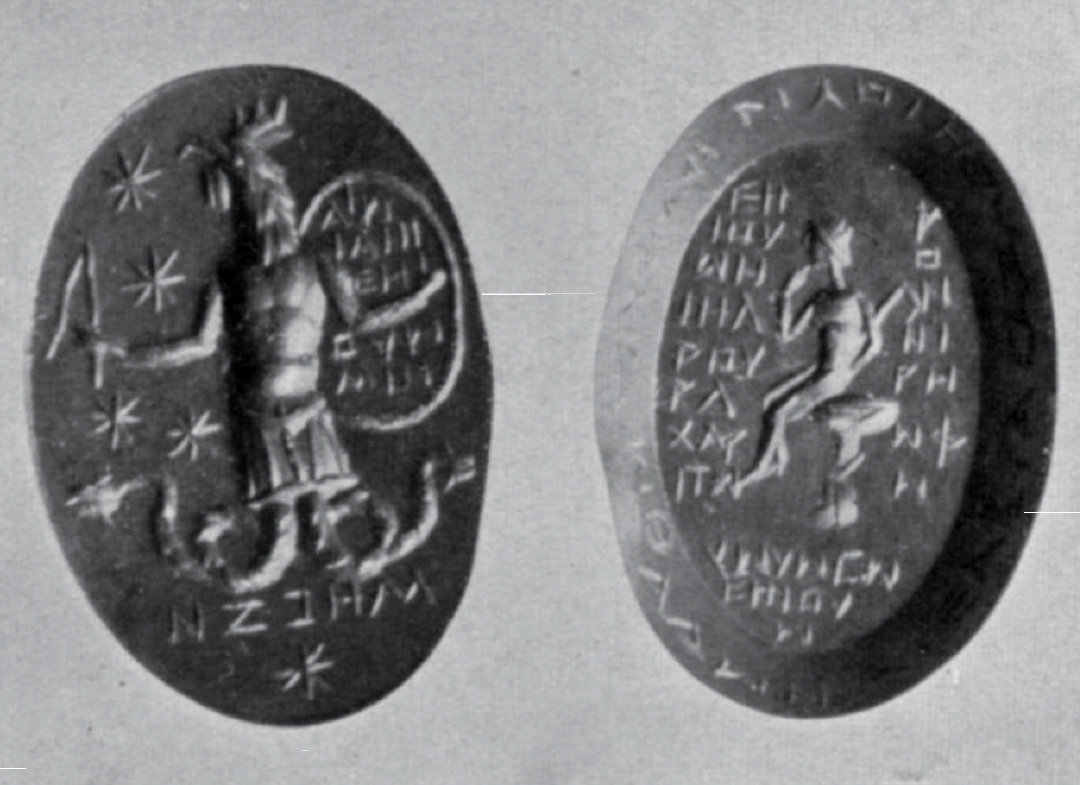
Gnostic amulet found in the ancient Agora of Athens, depicting Abraxas on one side and a Mithraic inscription on the other.

Fragments of a marble relief of Sol, which probably served as a fenster.
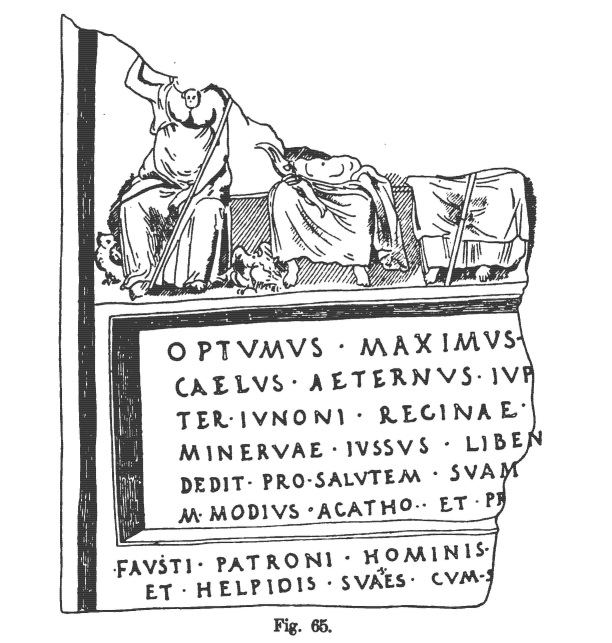
This marble relief bears an inscription by Marcus Modius Agatho, who dedicated several monuments to Mithras on the Caelian Hill in Rome.
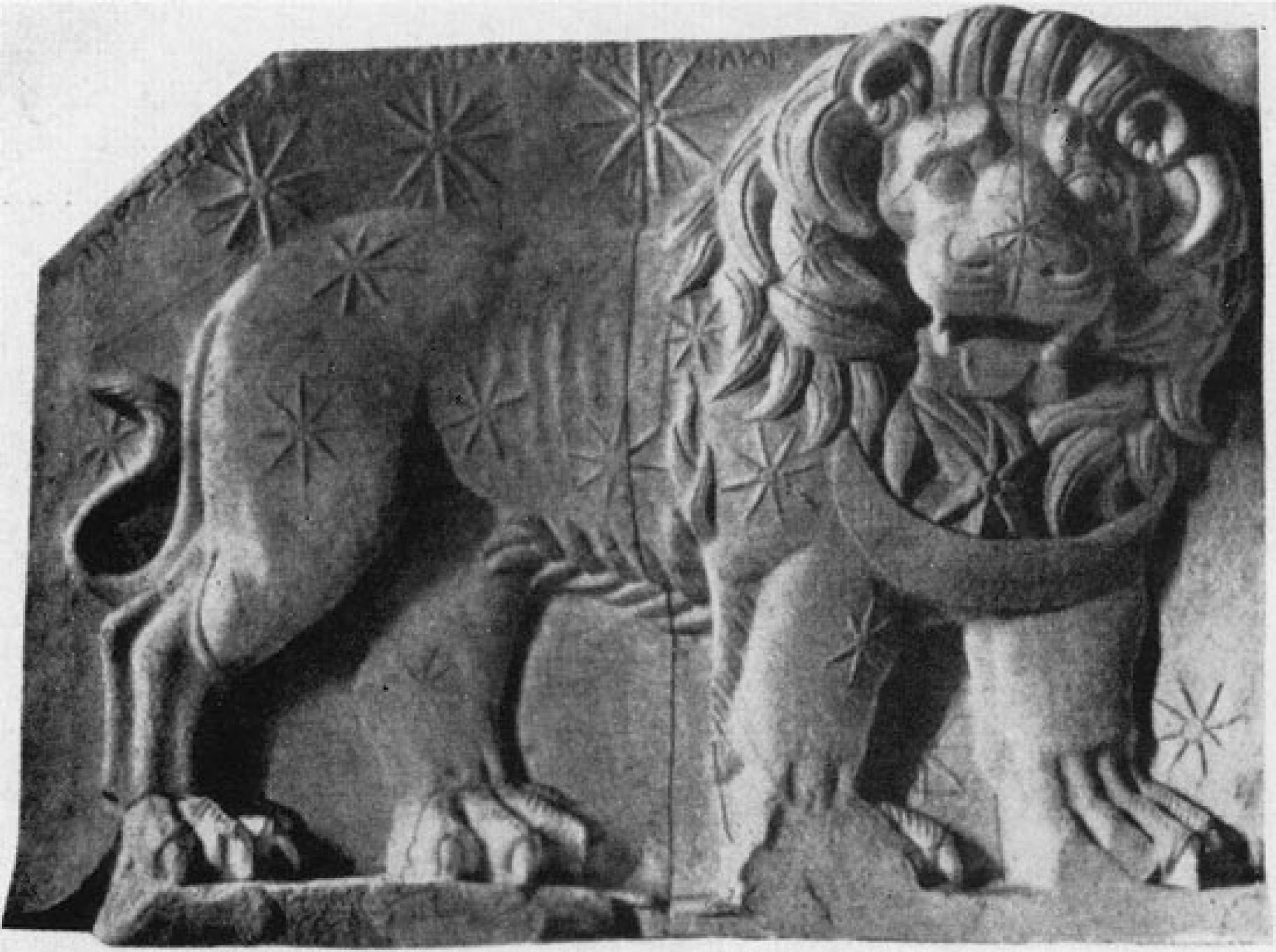
The lion relief from Nemrut Dag has the moon and several stars over his body.
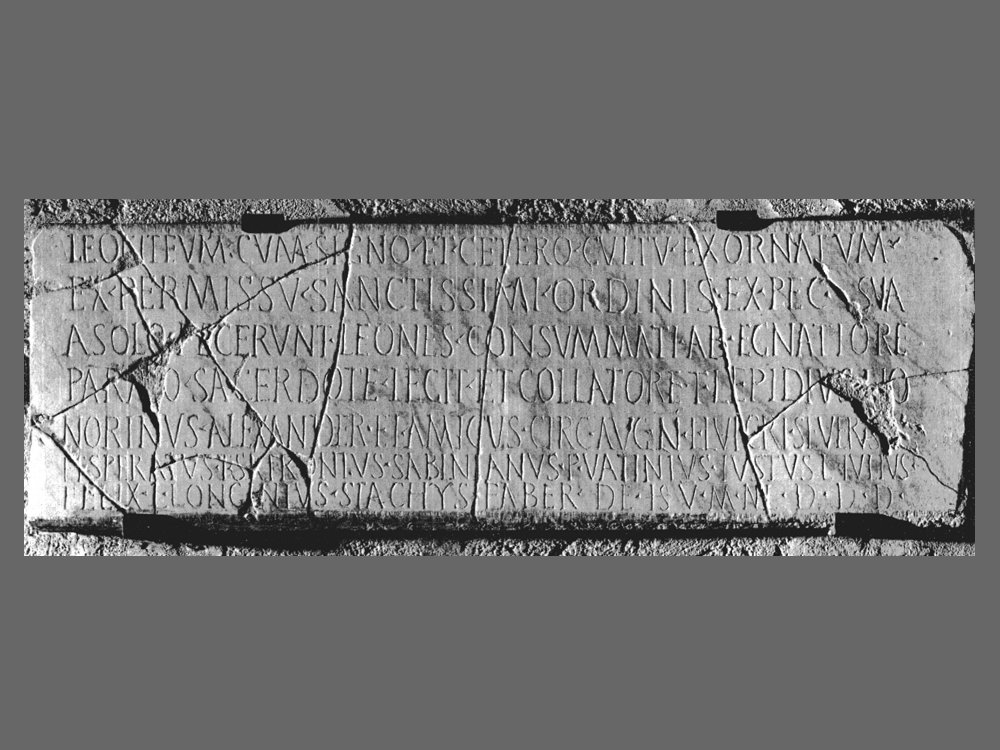
This plaque from Carsulae, in Umbria, refers to the creation of a leonteum erected by the lions at their own expense.

Roman stone low-relief depicting Mithras as a bull-slayer, with the upper part of his head missing.

Two marble statues of Cautes and Cautopates discovered in the Mithraeum of Rusicade, accompanied by symbolic animals including a lion, scorpion, dolphin and bird.
