Your search Roman cemetery of St. Matthias gave 3406 results.

This remarkable marble statue of Mithras killing the bull from Apulum includes a unique dedication by its donor, featuring the rare term signum, seldom found in Mithraic contexts.

Porphyry states that the Mithraists “perfect their initiate by inducting him into a mystery of the descent of souls and their exit back out again, calling the place a ‘cave’.”.

This is the first known inscription that includes Phanes alongside Mithras found in a Mithraic context.
This cylindrical marble altar was dedicated by the same Pater Proficentius as the slab, both monuments found in the Mithraeum beneath the Basilica of San Lorenzo.
This marble monument was dedicated in Rome by the slave Fructus and his son Myro.

This altar, dedicated to Sol Invictus Mithras by a certain Eutyches for the health of the Emperor Caracalla, was found in Sisak, Croatia, in 1899.
The dedicator of this monument is also known for having made a tauroctonic relief in Nesce.

Ernest Renan suggested that without the rise of Christianity, we might all have embraced the cult of Mithras. Nevertheless, it has had a lasting influence on secret societies, religious movements and popular culture.
During the first semester of his sophomore year at Crozer, King composed a paper for Enslin’s course on Greek religion, focusing on Mithraism.
.jpg)
The controversial Italian journalist Edmon Durighello discovered this marble statue of a young naked Aion in 1887.
In this 4th-century Roman altar, the senator Rufius Caeionius Sabinus defines himself as Pater of the sacred rites of the unconquered Mithras, having undergone the taurobolium.
This limestone altar dedicated to Mithras by a certain Veturius Dubitatus was found in Dalj, Croatia, in 1910.
This marble slab, found in the Mithraeum of San Clemente, bears an inscription by a certain Aelius Sabinus for the health of the Emperor Antoninus Pius and his sons.
This marble bust of Sol, found in the Mitreo di San Clemente, had five holes in the head where rays had been fixed.
A bearded Bacchus and another hermes as a woman, both crowned with vine tendrils, were walled into the base of a niche.
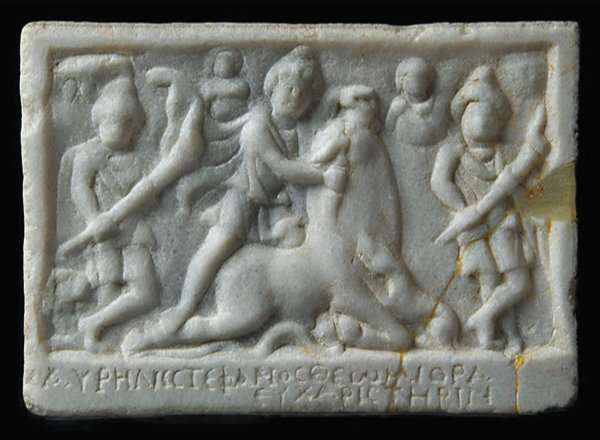
This relief of Mithras killing the bull is unique in the Apulum Mithraic repertoire because of its inscription in Greek.
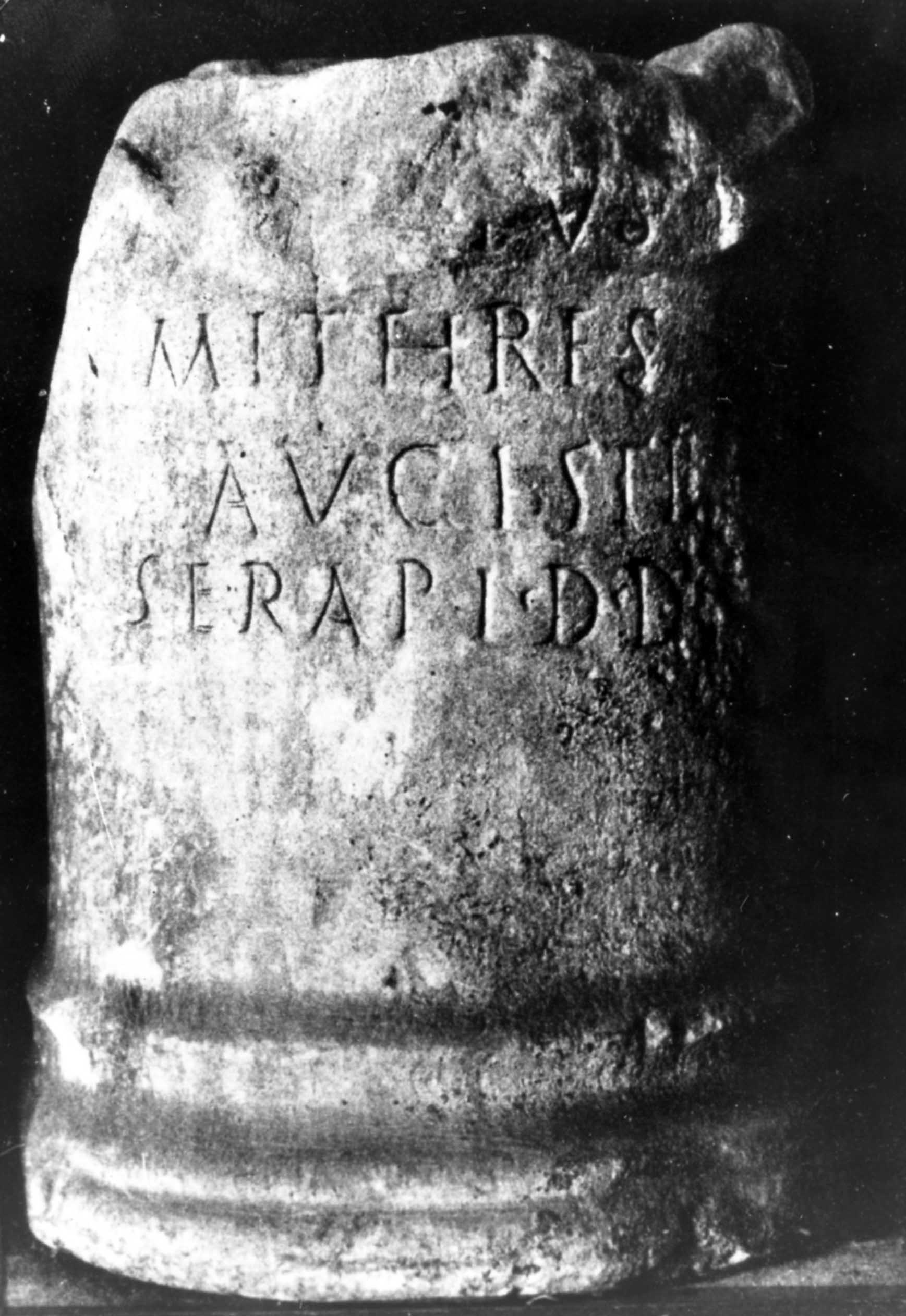
This monument, found in the Domus Flavia in Rome, bears an inscription by a certain Aurelius Mithres.
This lost monument bears an inscription to Cautes by a certain Tiberius Claudius Artemidorus.
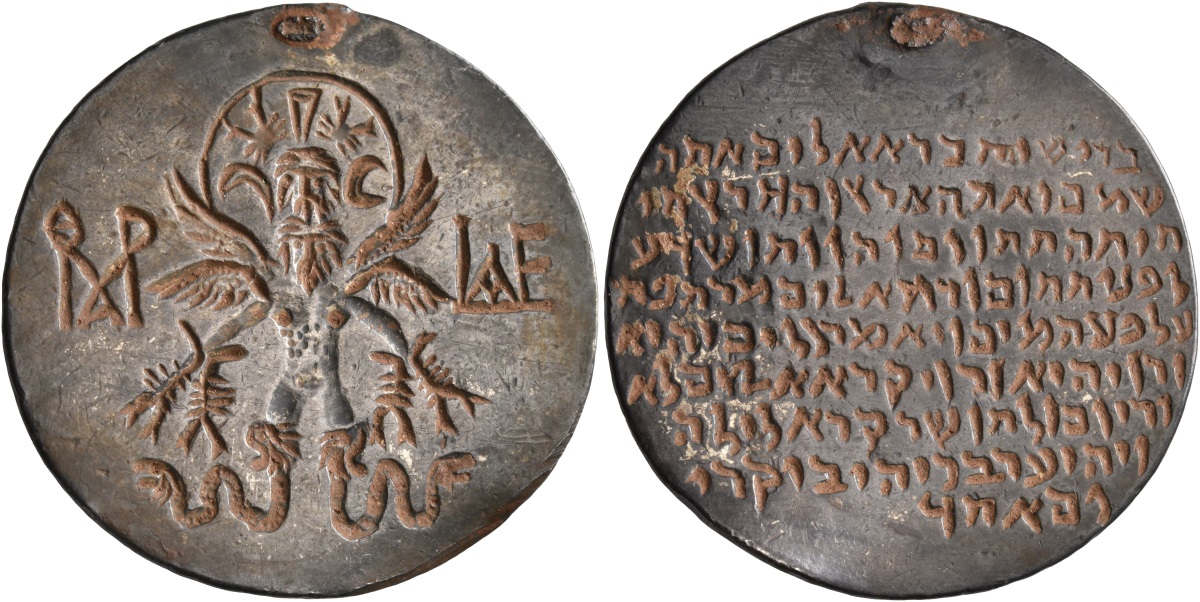
This silver amulet depicts Abraxas on one side and the first verses of the Book of Genesis in Hebrew on the other.
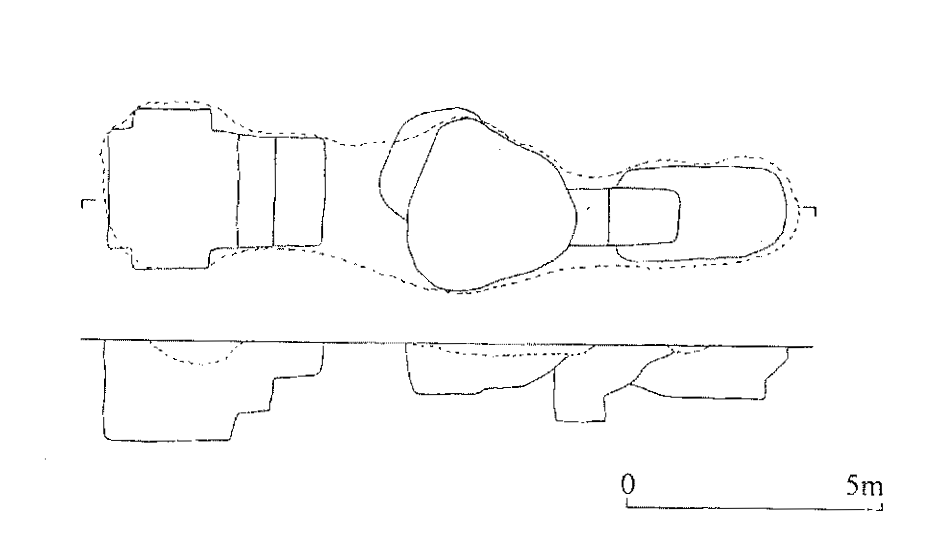
The temple contained hundreds of ceramic vessels and animal bones, which may indicated that a grand Mithraic feast was celebrated before its closing.
