Your search Roman cemetery of St. Matthias gave 2751 results.

Imported limestone relief fragments showing the Mithraic torchbearers beside the podia of the sanctuary.
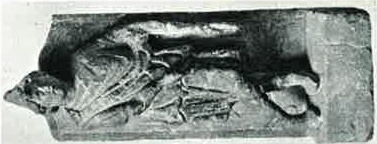
Limestone relief of the torchbearer Cautopates standing cross-legged in Oriental dress.
Limestone base with remains of a torchbearer and an inscription to Mithras by Lucius Pervincius Sequens.
Group of altars and a base indicating the existence of a Mithraeum near the Roman camp of Vetera.

The lion-headed statue of Hedderneheim is a reconstruction from fragments of two different sculptures.
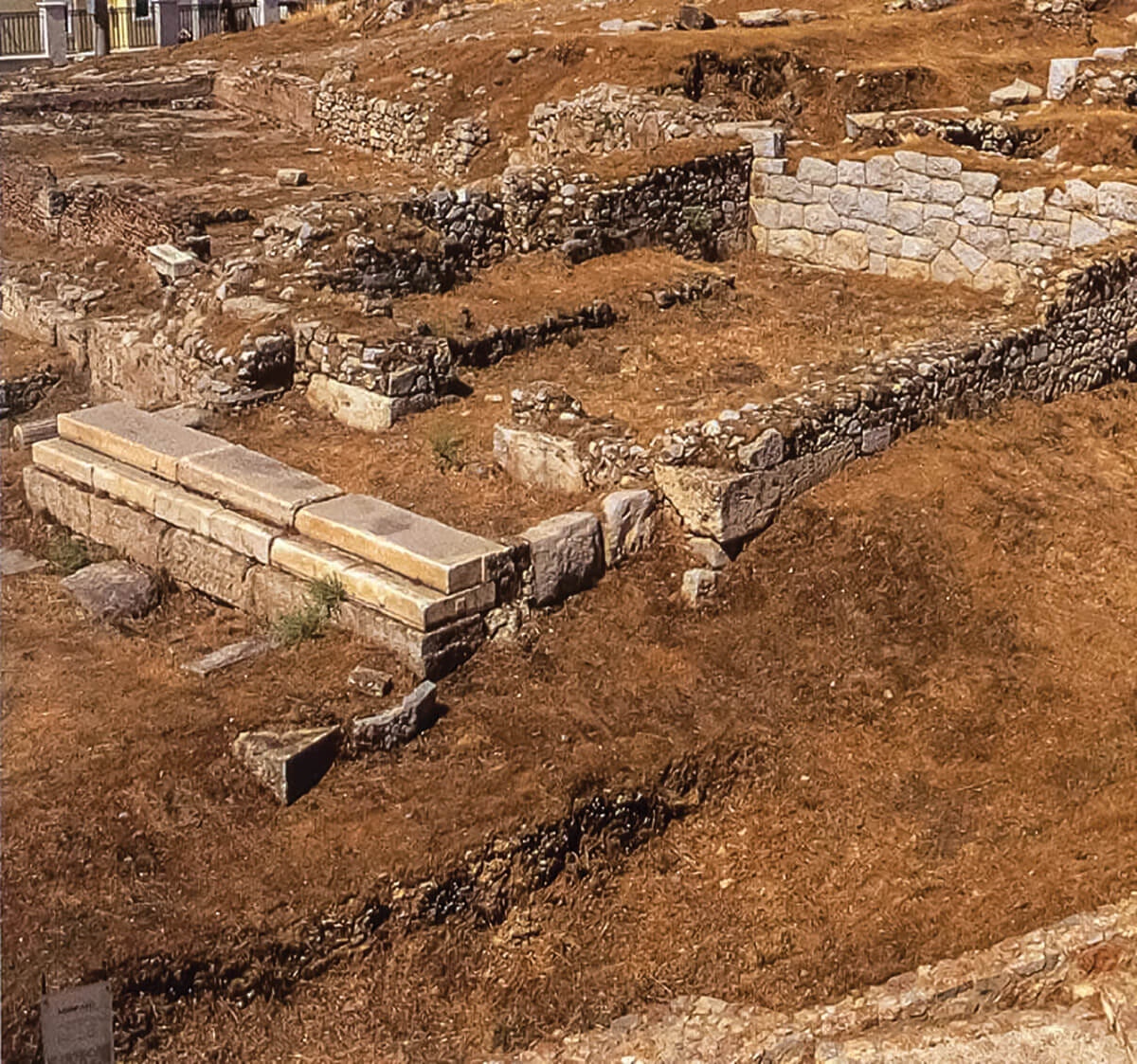
A Mithraeum has been identified in Eleusis where the last Hierophant form thespia had the rank of Father in the Mithraic Mysteries.
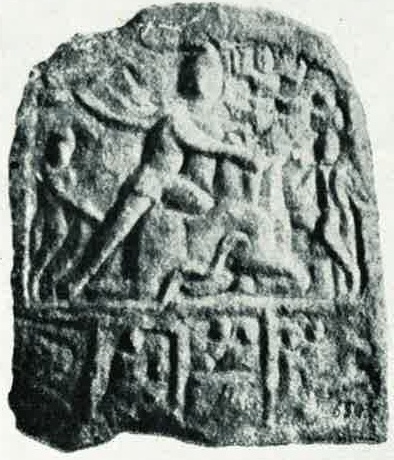
Small arched marble tauroctony relief from Philippovtsi near Sofia, Thracia, divided into two parts by a horizontal rim.

Antioch was the capital of Roman Syria and gateway between the Mediterranean and the eastern provinces.
Altar inscription from Sahin invoking the most high heavenly god and Mithras in the Alawite Mountains.
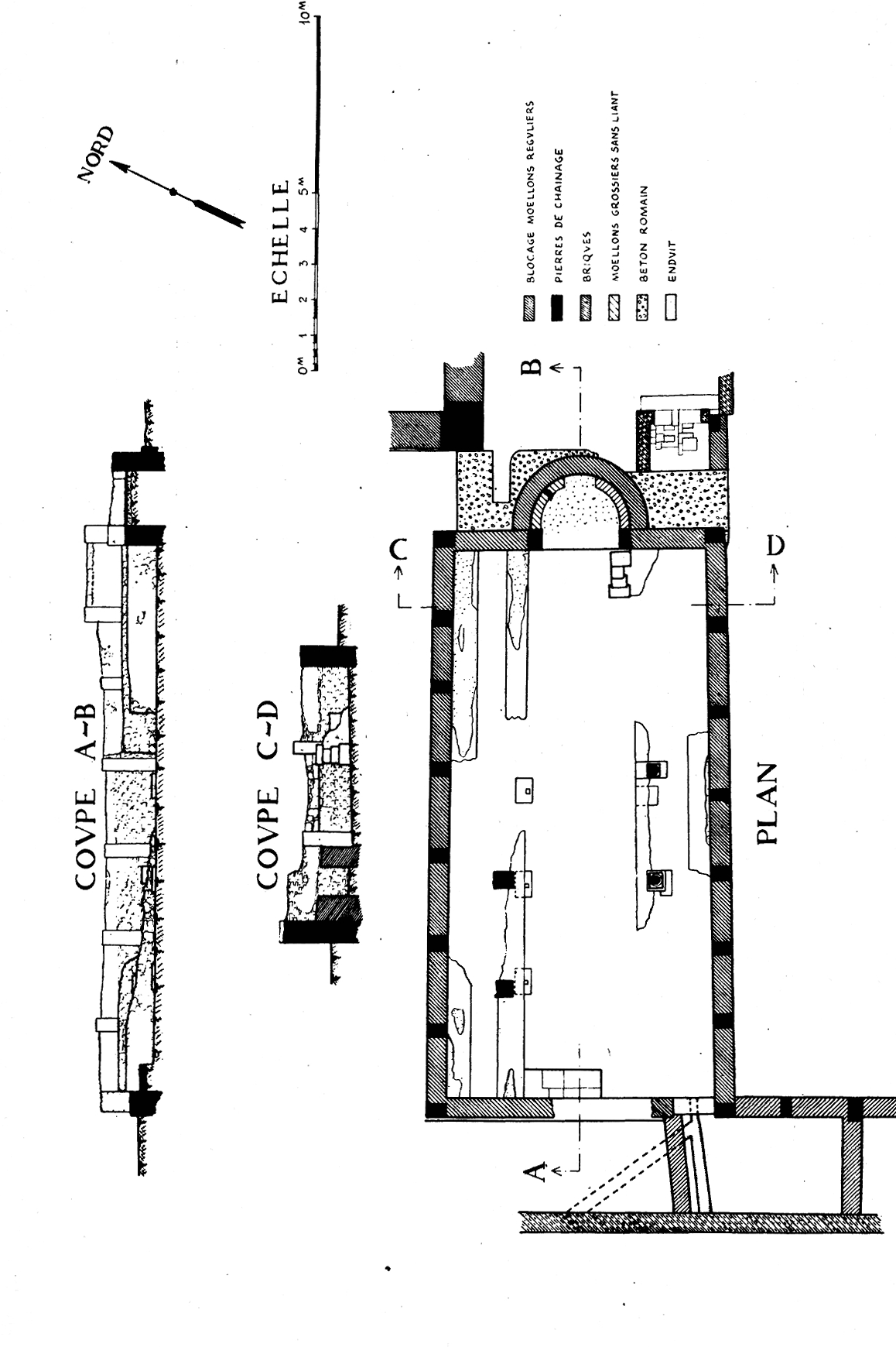
The Mithraeum of Tazoult / Lambèse is one of the best preserved Mithras’s temples in Africa.
These twin inscriptions found in the Mithraeum of Tazoult were dedicated by the legate Marcus Valerius Maximianus.
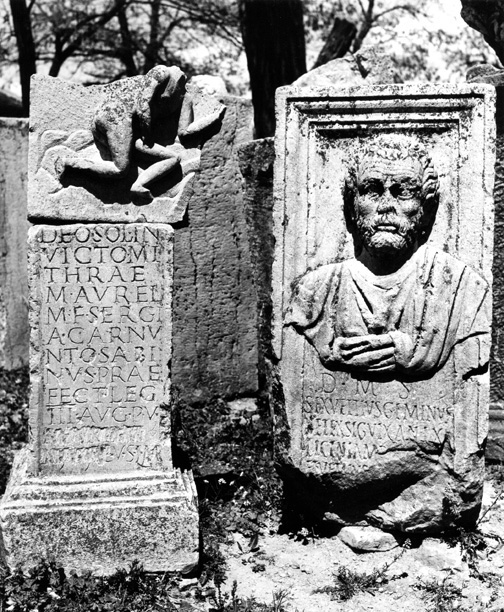
This altar to the god Sol invicto Mithra was erected by a legate during Maximin’s reign in Lambaesis, Numidia.
Many of the inscriptions and sculptures of the site were kept in a museum which has been destroyed.
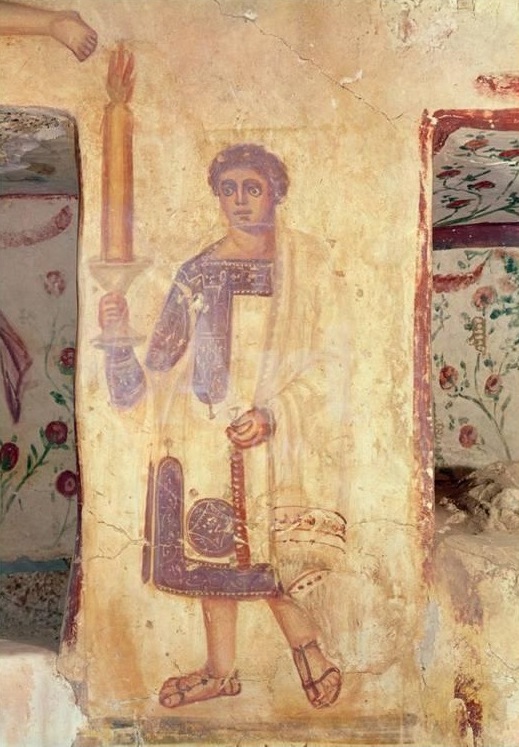
The Mithraic nature of the frescoes of Oea, according to the scholars Cumont and Vermaseren, is now questioned.
Roman military and religious settlement in Chersonesus Taurica occupied between the 1st and 4th centuries CE, associated with the castellum of Characis.
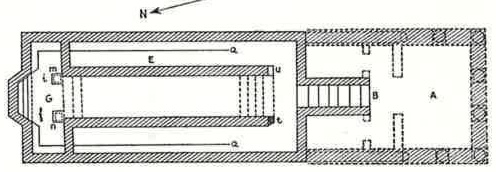
Second Mithraic sanctuary discovered in 1826 some 150 metres west of Mithraeum I at Heddernheim, ancient Nida, with finds in the Wiesbaden museum.
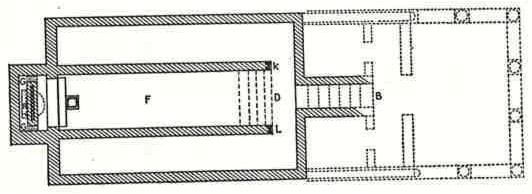
First Mithraic sanctuary discovered at Heddernheim (ancient Nida) in 1826, with finds preserved in the Städtisches Museum at Wiesbaden.
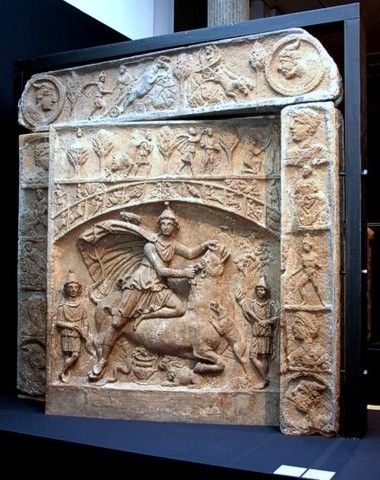
This relief is so well-known that it has been reproduced in nearly every handbook of archaeology and of history of religions.
Nida was an ancient Roman town in the area today occupied by the northwestern suburbs of Frankfurt am Main, Germany, specifically Frankfurt-Heddernheim, on the edge of the Wetterau region.
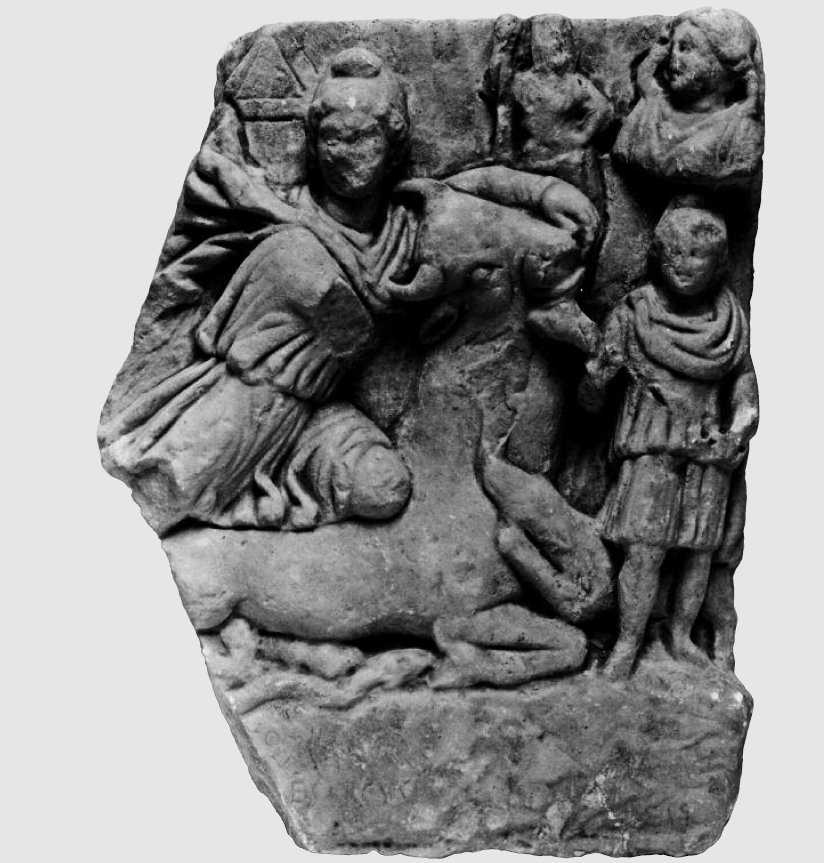
The Tauroctony of Patras was found years before the temple over which the relief of Mithras sacrificing the bull was supposed to preside.
