Your search San Gemini gave 1023 results.

Small red sandstone fragment from the Mithraeum at Dieburg preserving a head in a Phrygian cap
Two yellow sandstone fragments from the Mithraeum at Dieburg, comprising a base with a foot and another piece with part of a garment and a club
Bust of a diademed woman in red sandstone from the Mithraeum at Dieburg, probably representing Juno
Red sandstone fragment of a standing woman in a mantle from the Mithraeum at Dieburg, head and lower body lost, probably Minerva
Small yellow sandstone fragment from the Mithraeum at Dieburg showing the foremost part of an animal, probably a dog or ram, with head turned right
Red sandstone base of a Mercury statue from the Mithraeum at Dieburg, preserving only the tortoise attribute at the god's feet
Twenty-three fragments of a yellow sandstone statue of Mercury from the Mithraeum at Dieburg, dressed in a short mantle and holding a caduceus
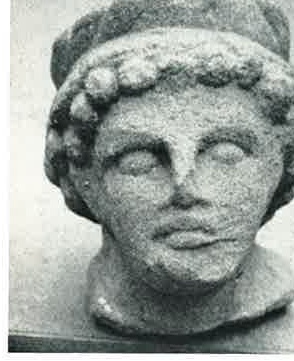
Head in red sandstone from the Mithraeum at Dieburg wearing an oblong pointed cap, possibly Mithras, a torchbearer, or Phrygia
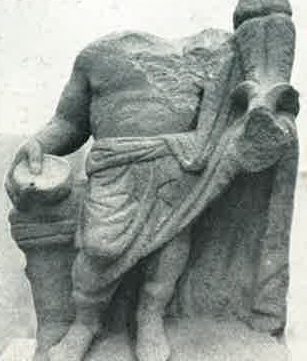
Yellow sandstone statue from the Mithraeum at Dieburg showing a genius with a double cornucopia, a mantle, and a leafy crown
Yellow sandstone relief from the Mithraeum at Dieburg depicting Hercules standing with the Nemean lion
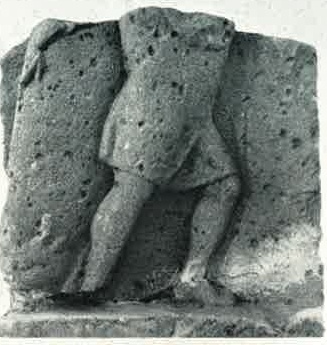
Red sandstone relief from the Mithraeum at Dieburg showing Mithras in Oriental dress carrying the bull on his shoulders
Red sandstone statue of Mithras naked being born from the rock, found in a pit near the entrance of the Mithraeum at Dieburg
Red sandstone altar from Gross-Krotzenburg decorated with four pairs of leaves and a triangle, found to the right of the Macrinus altar
Red sandstone altar from the Mithraeum at Gross-Krotzenburg, with decorated cornice, found at 1.30 metres from the cult relief
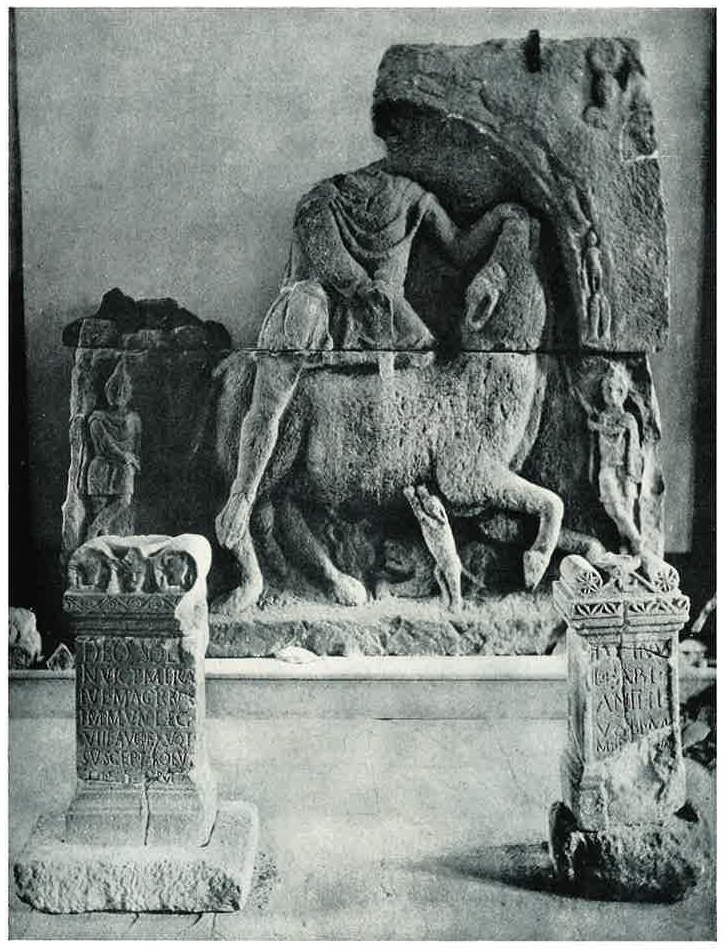
Large two-fragment sandstone tauroctony relief from the Mithraeum at Gross-Krotzenburg, one of the most significant Mithraic monuments in the region
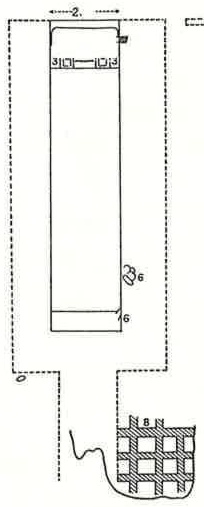
Mithraic sanctuary discovered behind the west part of a Roman cemetery near the camp at Gross-Krotzenburg in 1881, finds destroyed in World War II
Sandstone relief fragment with a cup above an inscription panel, probably from a Mithraic monument.
A small marble cippus found in an old wall near the church of San Niccolò in Arezzo (ancient Arretium), bearing a dedication by Myron, a slave, to the Invincible Holy and Safe god for the welfare of his master Prunicianus.
Fragment of a small white marble relief showing Mithras slaying the bull with the dog, serpent and scorpion, formerly walled in the inner court of the Palazzo Rondinini (now Palazzo Sanseverino), Corso No. 518.
Coins found in the lower sandy strata of the S. Prisca Mithraeum, ranging from the time of Claudius to the late 4th century, including issues of Commodus, Crispina, Diocletianus, Galerius, Constans and Valens.
