Your search San Giovanni al Timavo gave 3161 results.

Several fragmentary Mithraic remains dedicated by a certain Agatho in the Caelius suggest that a Mithraeum existed in the area.

This inscription to Mithras Invencible was dedicated by a certain Apronianus in 172 is currently lost.
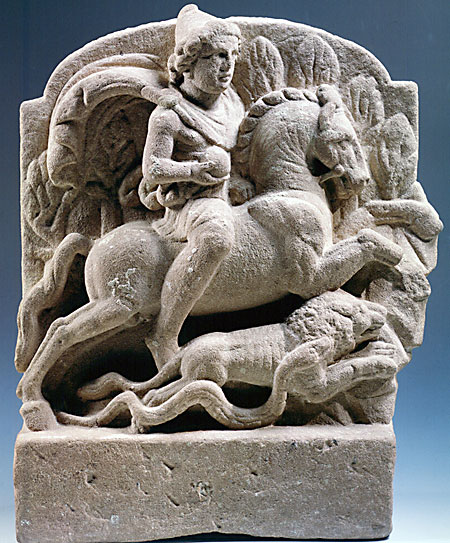
Mithras galloping, in a cypress forest, carrying a globe in one hand and accompanied by a lion and a snake.
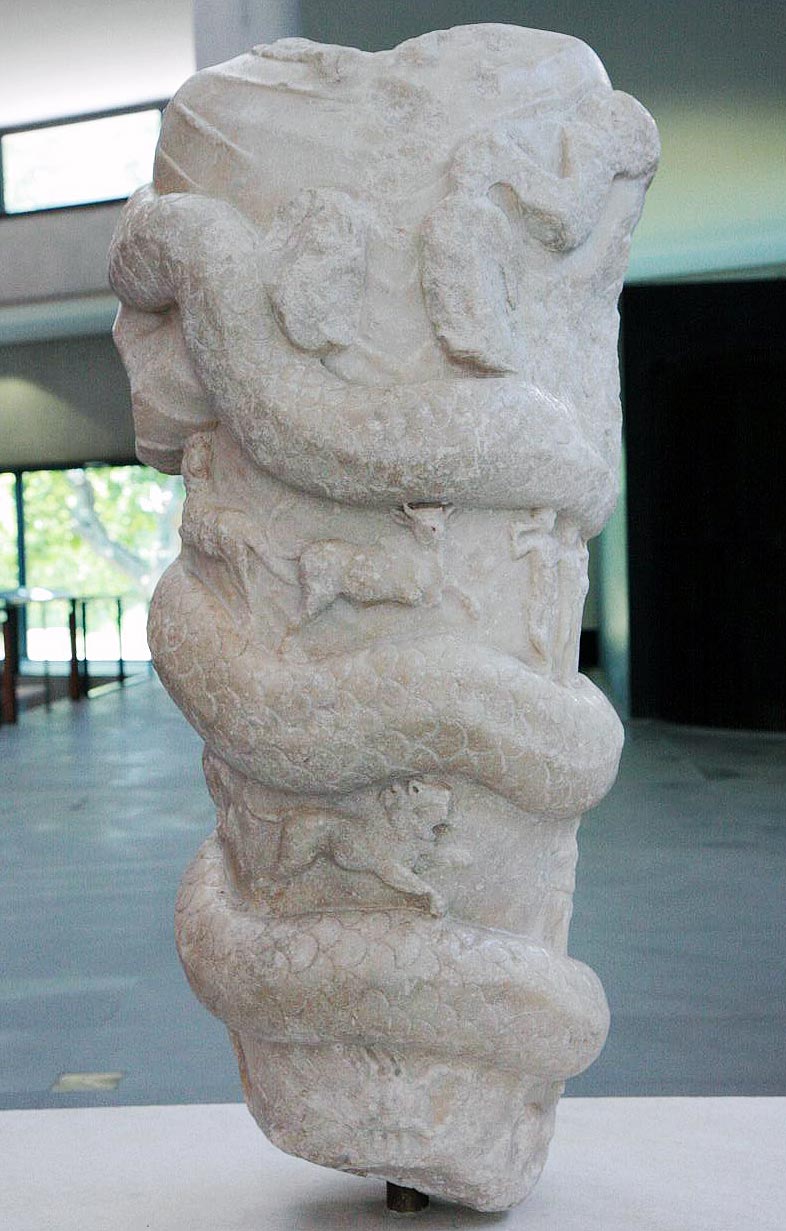
The Aion of Arles includes nine signs of the zodiac in three groups of three, between the spirals of the serpent.
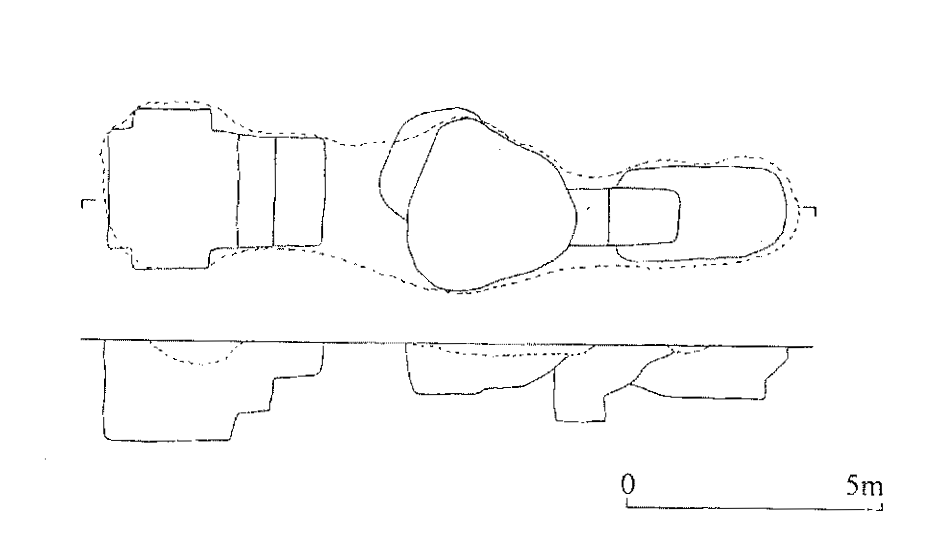
The temple contained hundreds of ceramic vessels and animal bones, which may indicated that a grand Mithraic feast was celebrated before its closing.
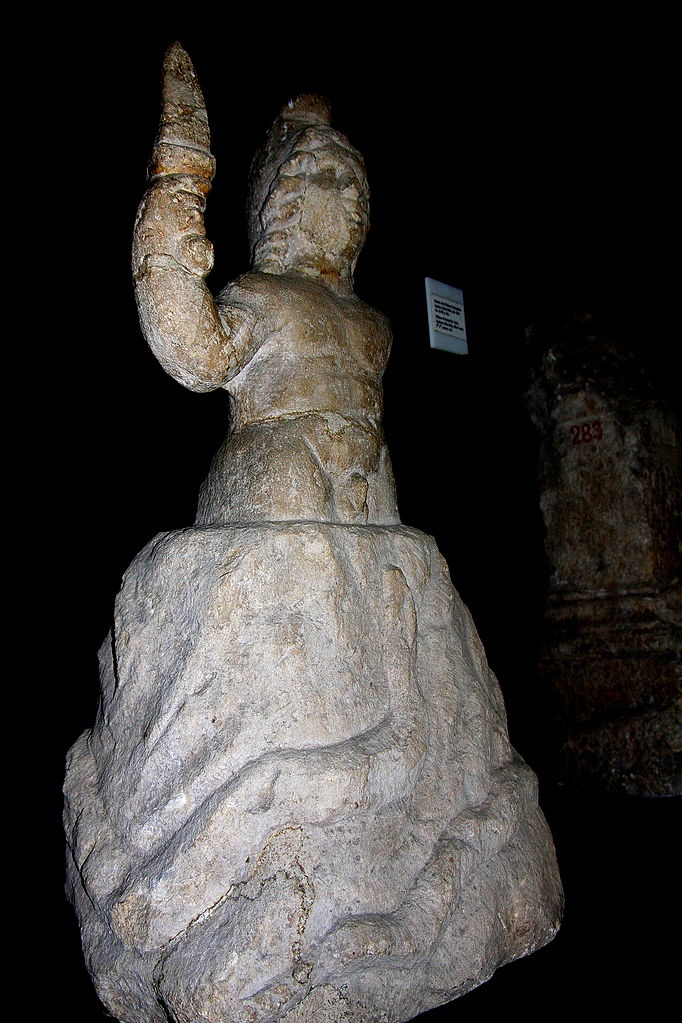
As usual, the solar god rises a dagger with one of his hands while emerges from the rock.
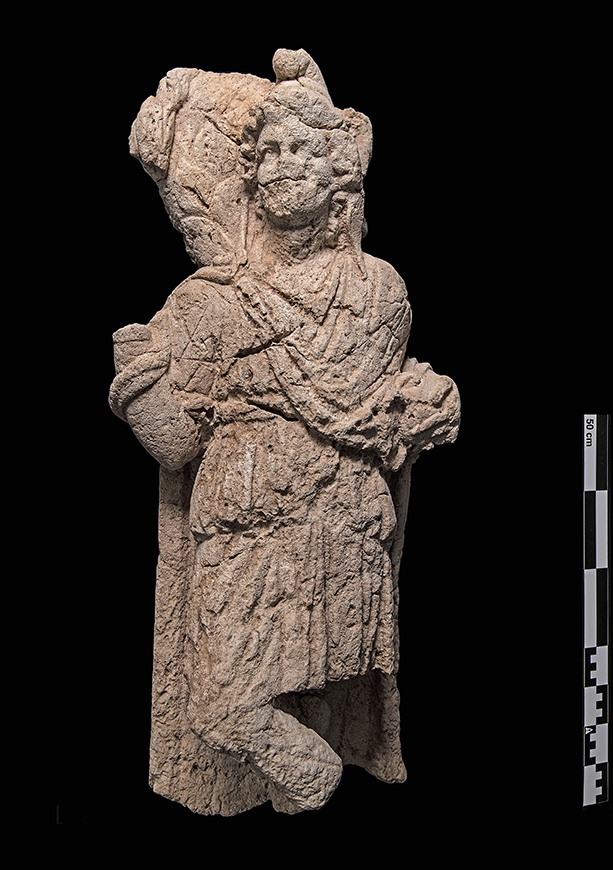
This remarkable relief by Cautes was found in what appears to be a mithraeum in Trier.
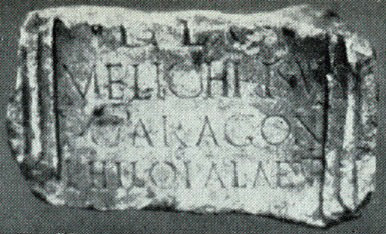
This is one of the few known Mithraic inscriptions dedicated by a member who attained the grade of Perses.
An unusual feature of this very ancient relief is that Cautopates carries a cockerel upside down, while Cautes carries it right-side up.
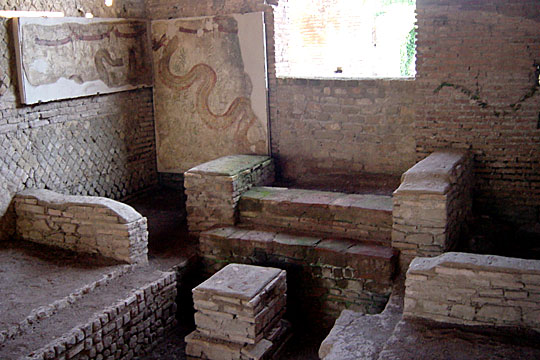
The Mithraeum of the Snakes preserves paintings of serpents, representing Genius Loci, part of an older private sanctuary, which were respected in the temple of Mithras.
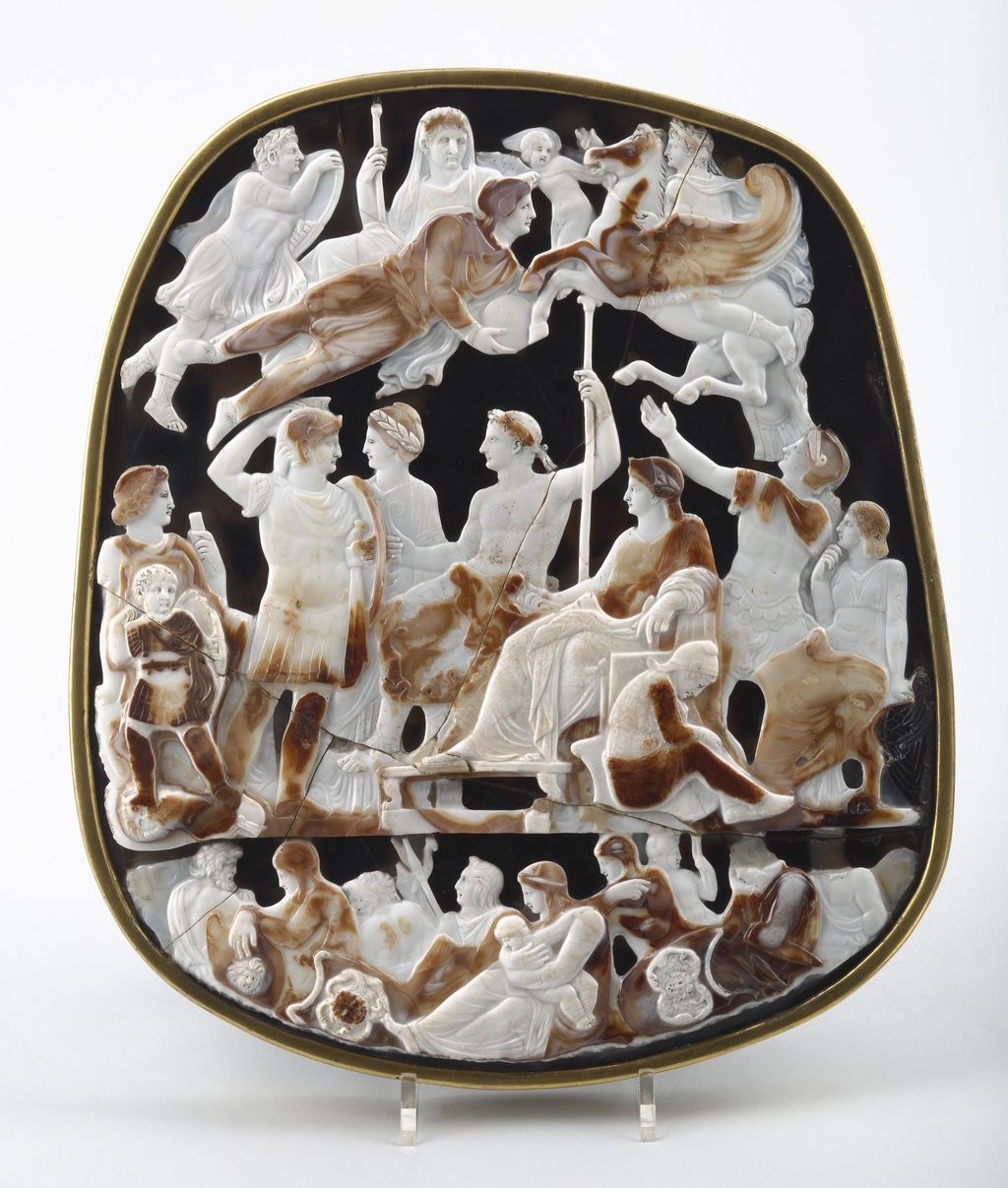
Some authors have speculated that the flying figure dressed in oriental style and holding a globe could be Mithras.
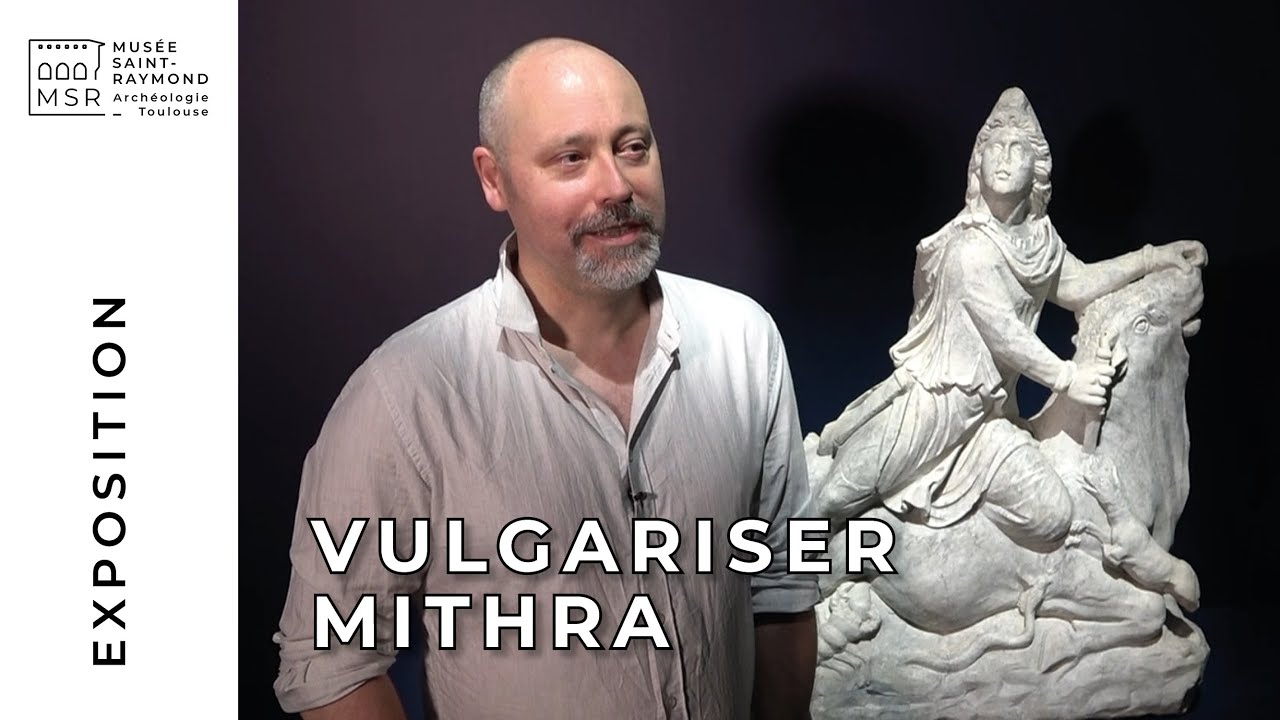
Jean-Christophe Piot a participé à la réalisation de l'exposition 'Le mystère Mithra' en réalisant des pastilles sonores sur certaines œuvres de l'exposition.
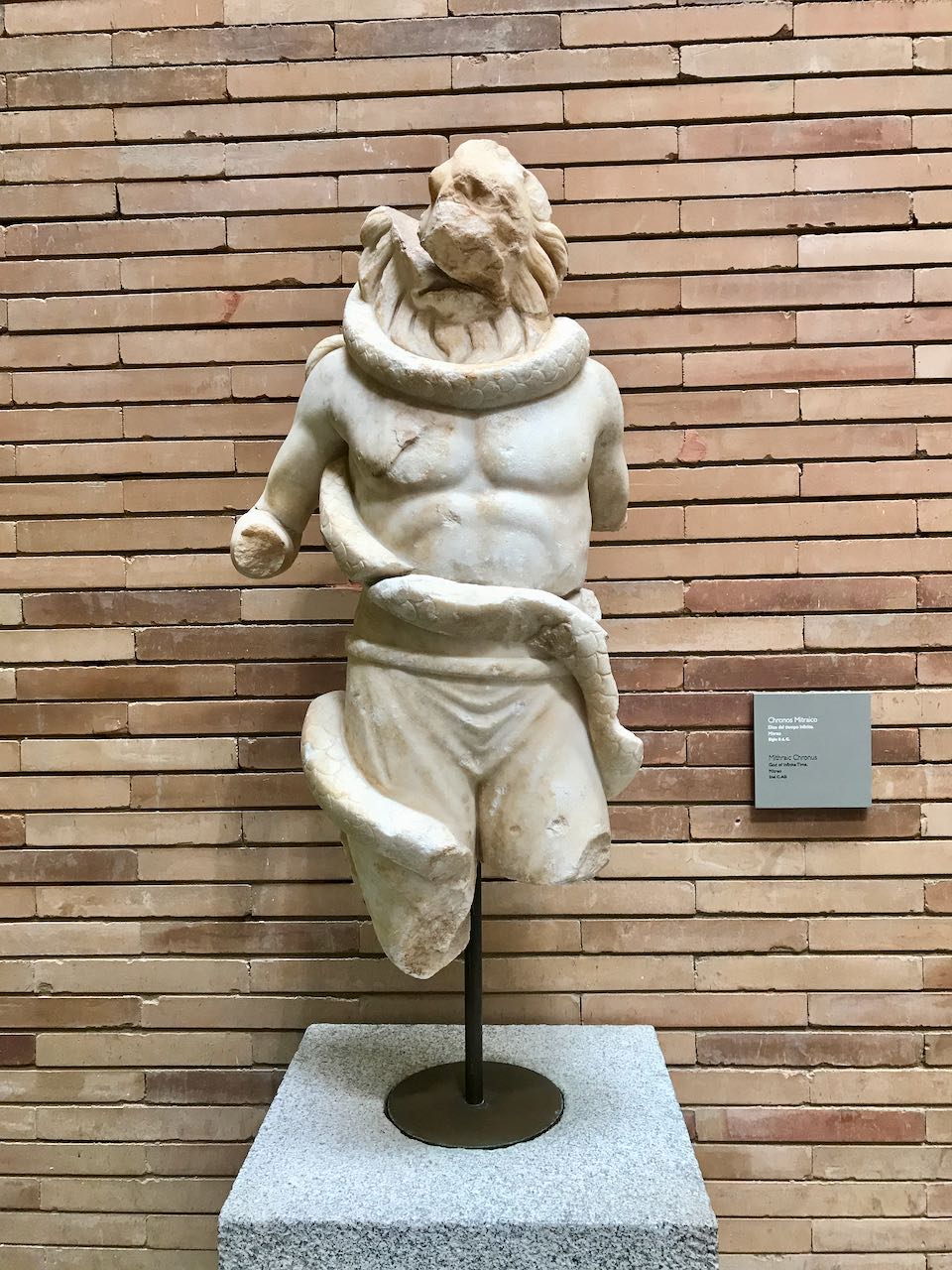
The lion-headed figure, Aion, from Mérida, wears oriental knickers fastened at the waist by a cinch strap.

In this article, Chalupa examines the scant evidence that has been found for the presence of women in the Roman cult of Mithras.

The Mithraeum of Spoleto was found in 1878 by the professor Fabio Gori on behalf of Marquis Filippo Marignoli, owner of the land.
This marble base found in Angera in 1868 bears the inscription of two people who reached the degree of Leo.
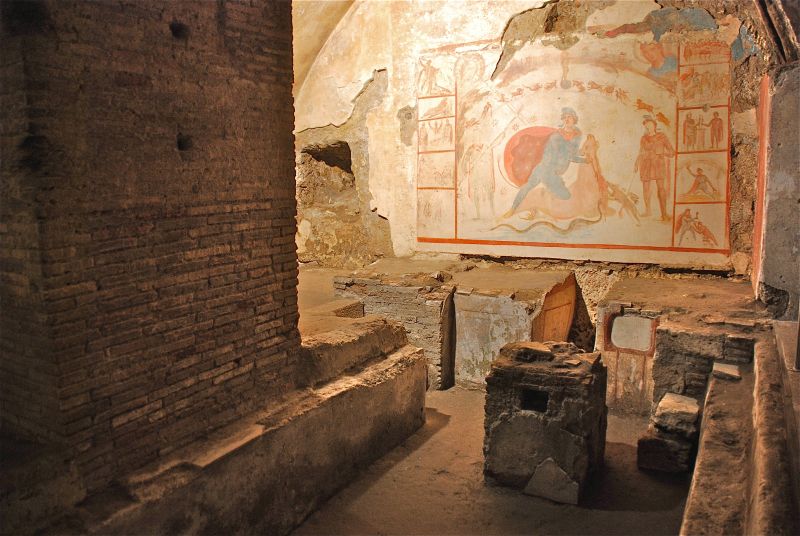
The Barberini Mithraeum was discovered in 1936 in the garden of the Palazzo Barberini, owned by Conte A. Savorgnan di Brazza.
The Mithraeum located in Piazza Dante in Rome was discovered in 1874 along with a series of monuments dedicated by a Pater named Primus.
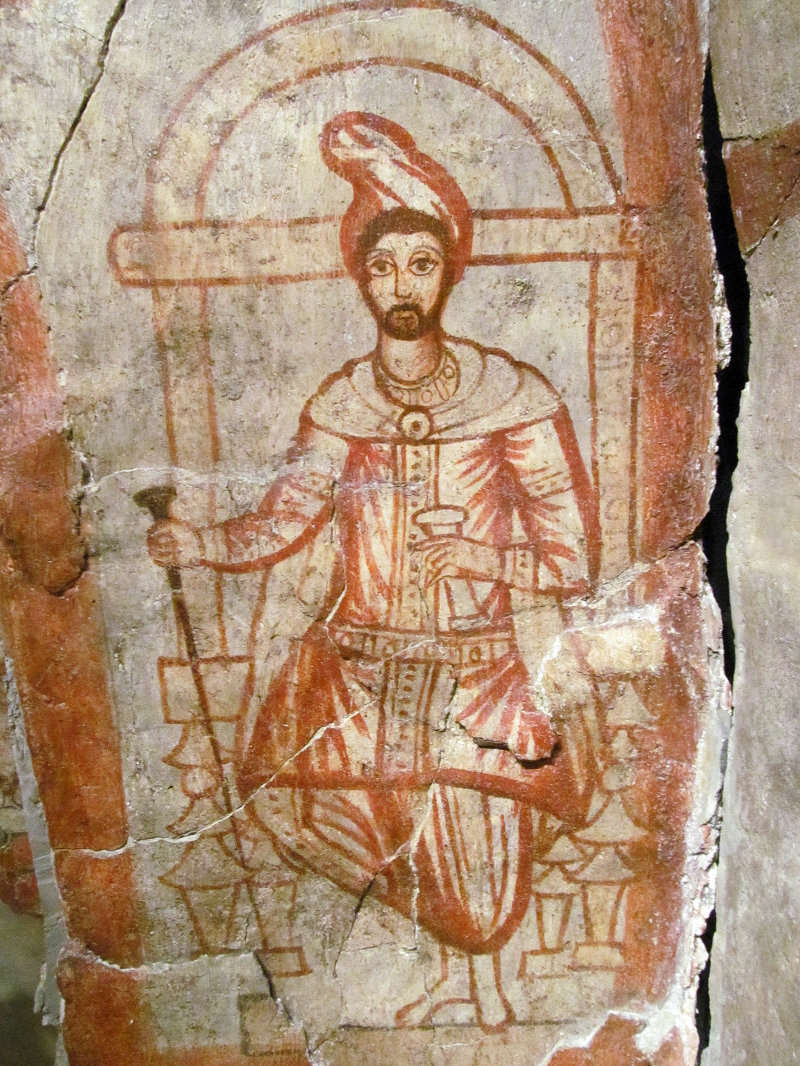
Some scholars have speculated that the scrolls both figures hold in their hands represent Eastern doctrines brought to the Western world.
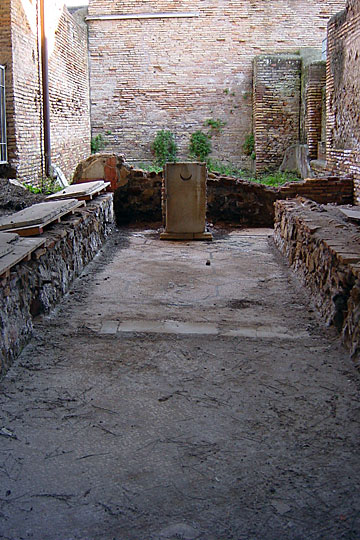
The Mithraeum of Lucretius Menander was installed in the early 3rd century in an alley to the east of a Hadrianic building named after the solar god temple.
