Your search Sidi Ali Belkacem (سيدي علي بلقاسم) gave 1194 results.

A selection of texts gathered by Ernesto Milá that reinterprets Mithraism as an initiatory, solar, and heroic cult. It includes the so-called Great Magical Papyrus of Paris, translated and commented by Julius Evola and the Ur Group.
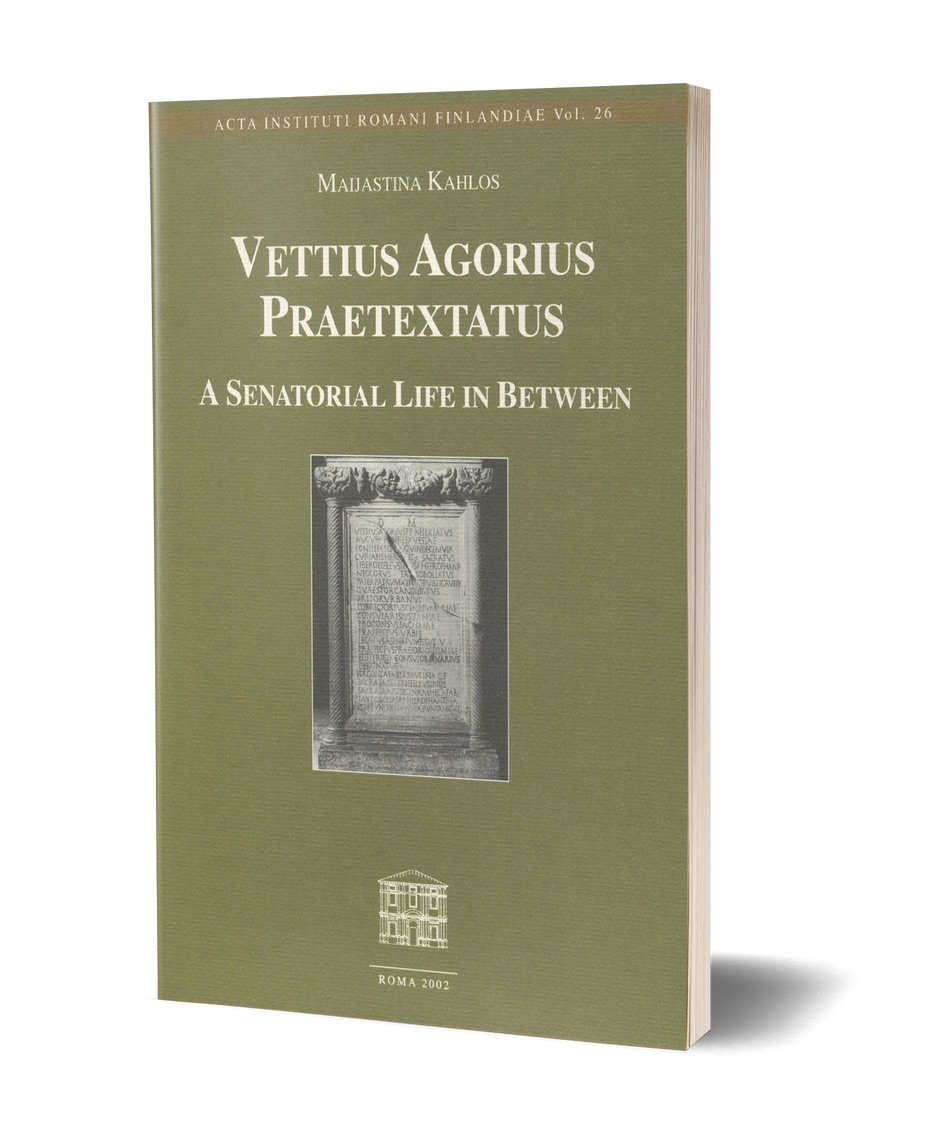
The cultural and religious world of fourth-century Rome is explored through the life and afterlife of Vettius Agorius Praetextatus. His case is set in comparison with other pagan and Christian senators of the period.

From the late first century CE, Mithras spread across the Roman Empire, leaving more than 130 sanctuaries and nearly 1,000 inscriptions. This volume offers a rigorous synthesis that renews our understanding of this enigmatic cult.
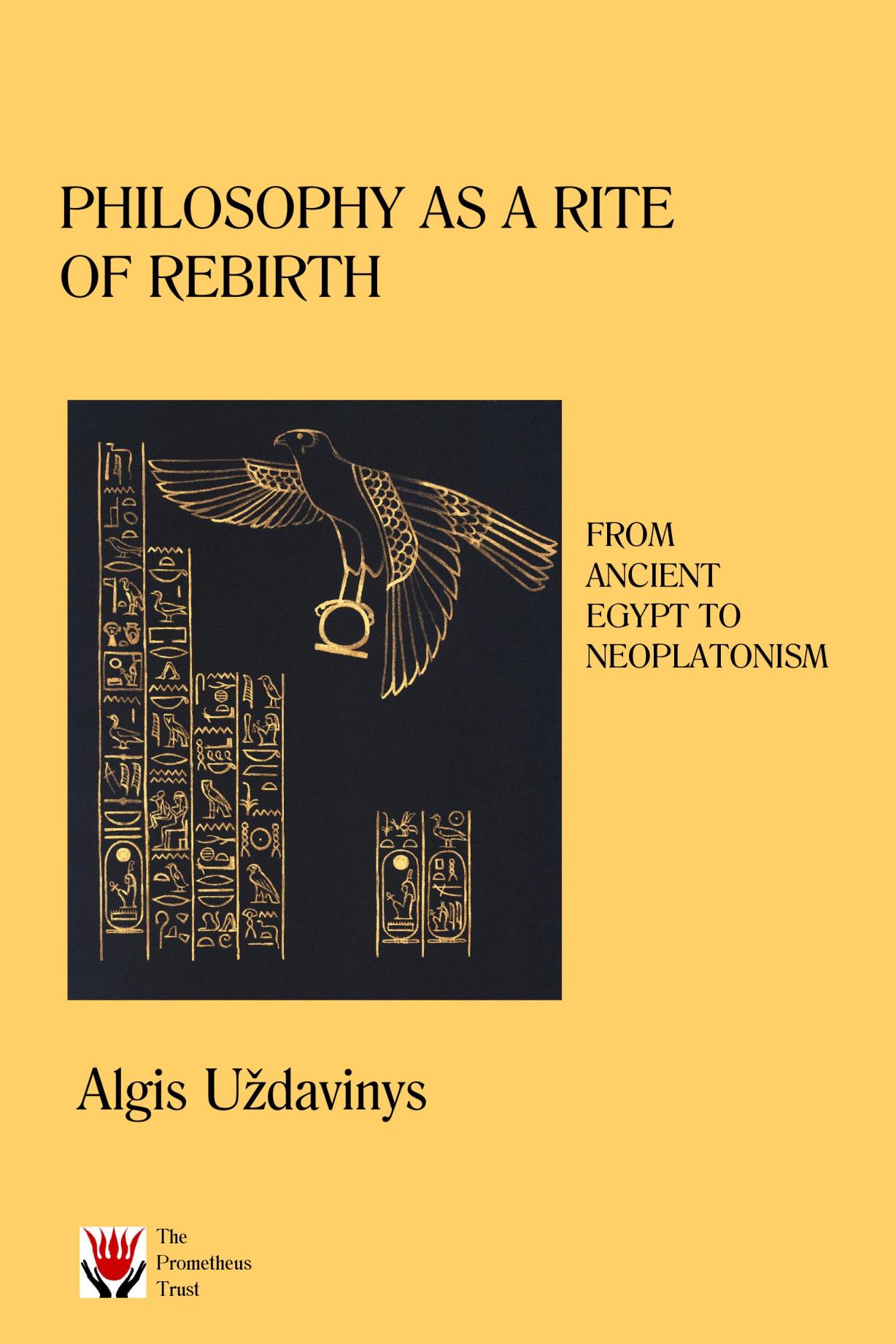
Algis Uždavinys presents philosophy as a sacred practice of inner rebirth, rooted in ancient Egyptian and traditional wisdom rather than a purely rational discipline.
A dark occult novel intertwining Templar mythology, ritual magic, and modern conspiracy, with Mithraic and gnostic motifs woven into its esoteric narrative. It explores the persistence of hidden initiatory currents in the contemporary world.
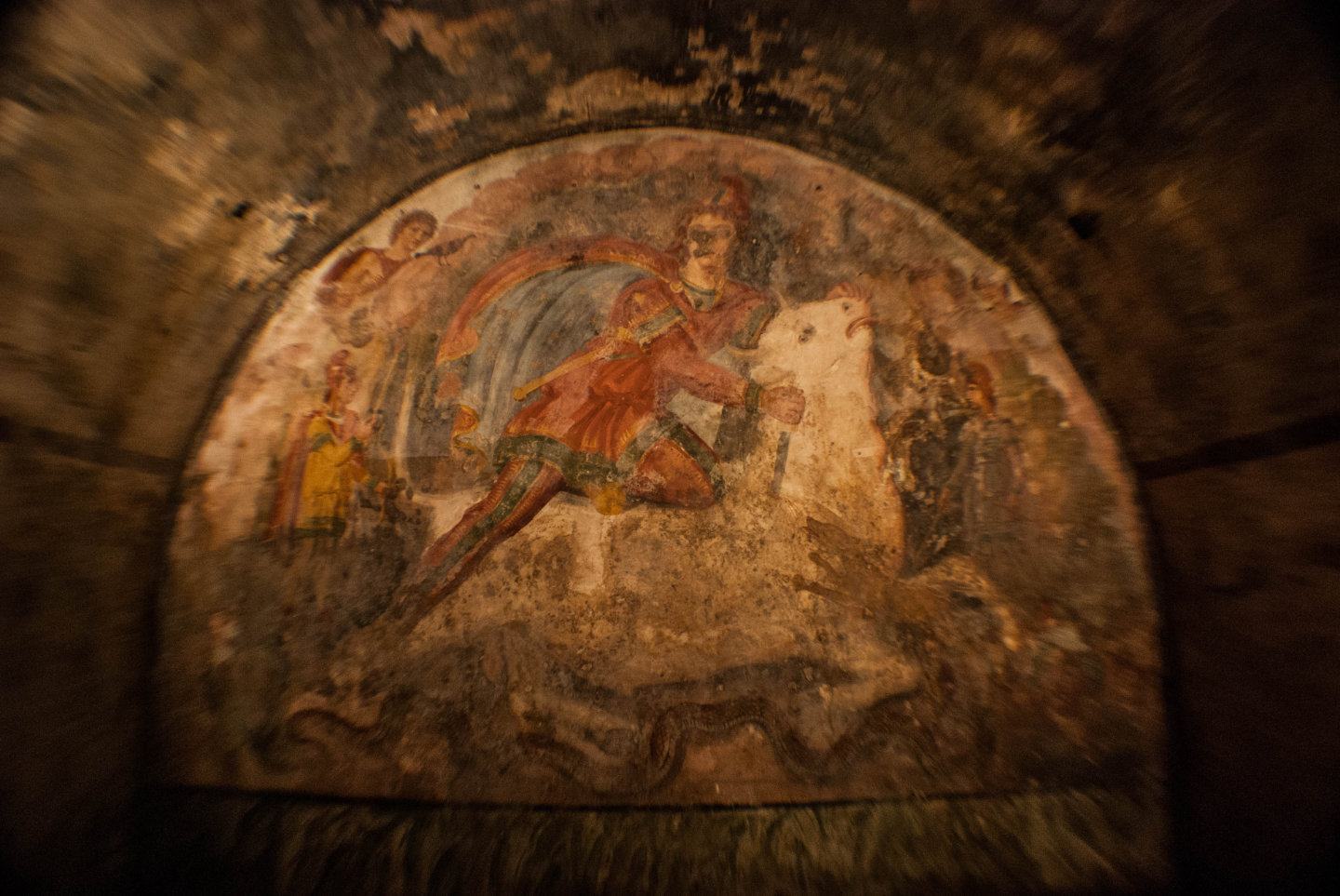
This article revisits the Mithraeum of S. Maria Capua Vetere, one of the most complete and artistically refined Mithraic sanctuaries in the Campanian region, situating it within its archaeological, iconographic, and ritual-historical contexts.

The Mithraeum of London, also known as the Walbrook Mithraeum, was contextualised and relocated to its original site in 2016.
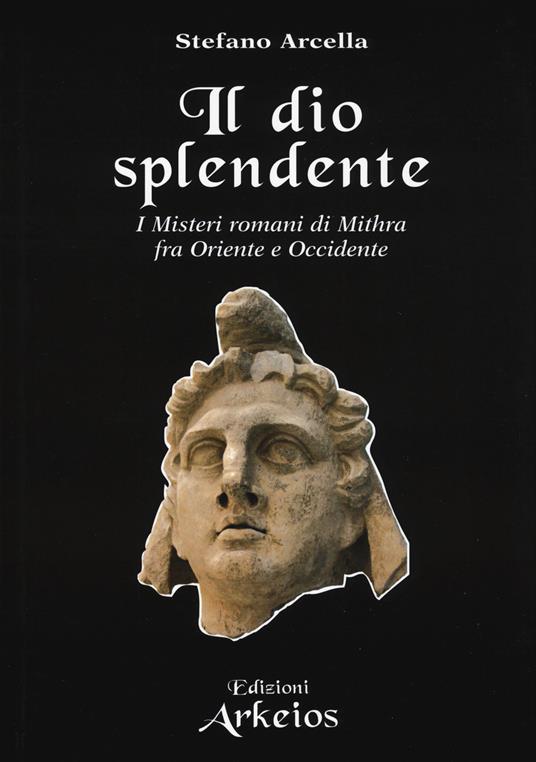
A study that re-examines Roman Mithraism through epigraphic evidence and comparative analysis, exploring its links with Orphism, Platonism, and Iranian traditions, and presenting the cult of Mithras as a solar path of individual spiritual awakening between East and West…
A philosophical study of Iranian civilization that explores its spiritual foundations, including the legacy of Mithraic and Zoroastrian traditions, in order to reflect on Iran’s historical continuity and civilizational meaning.

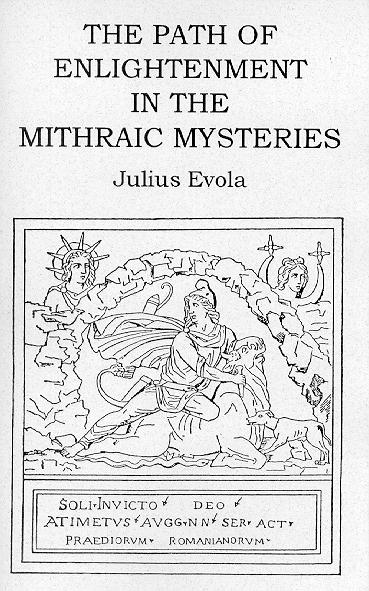
The first and the third of the following essays written by Julius Evola are dedicated to the mysteries of Mithras, while the second essay concerns itself with the Roman Emperor, Julian.

Memoir by Félix Lajard analysing a Mithraic bas-relief discovered in Vienne in 1830. Based on direct examination of the fragments and their context, the study corrects an earlier misidentification and documents a rare lion-headed figure within a probable mithraeum…
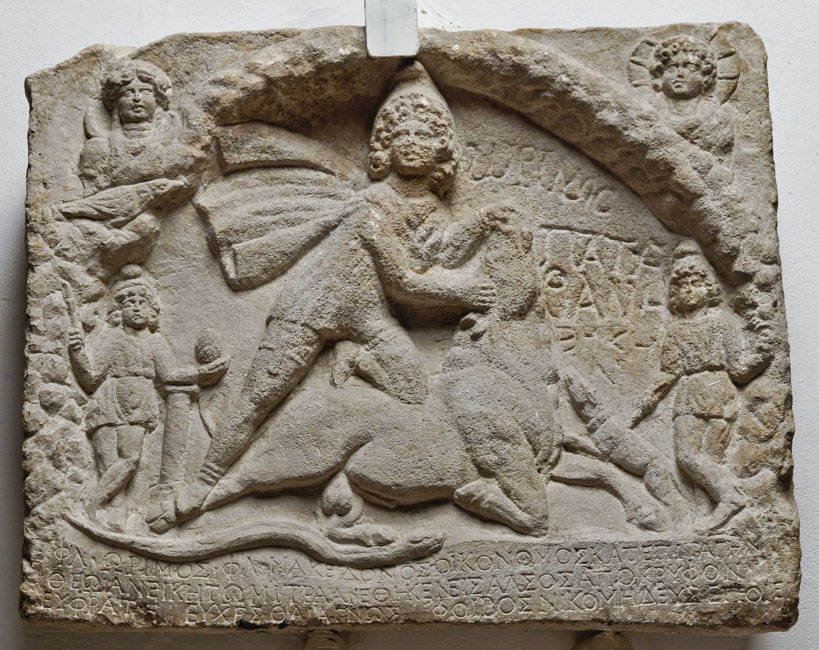
This limestone relief of Mithras killing the bull bears an inscription by a certain Flavius Horimos, consecrated in a ’secret forest’ in Moesia.
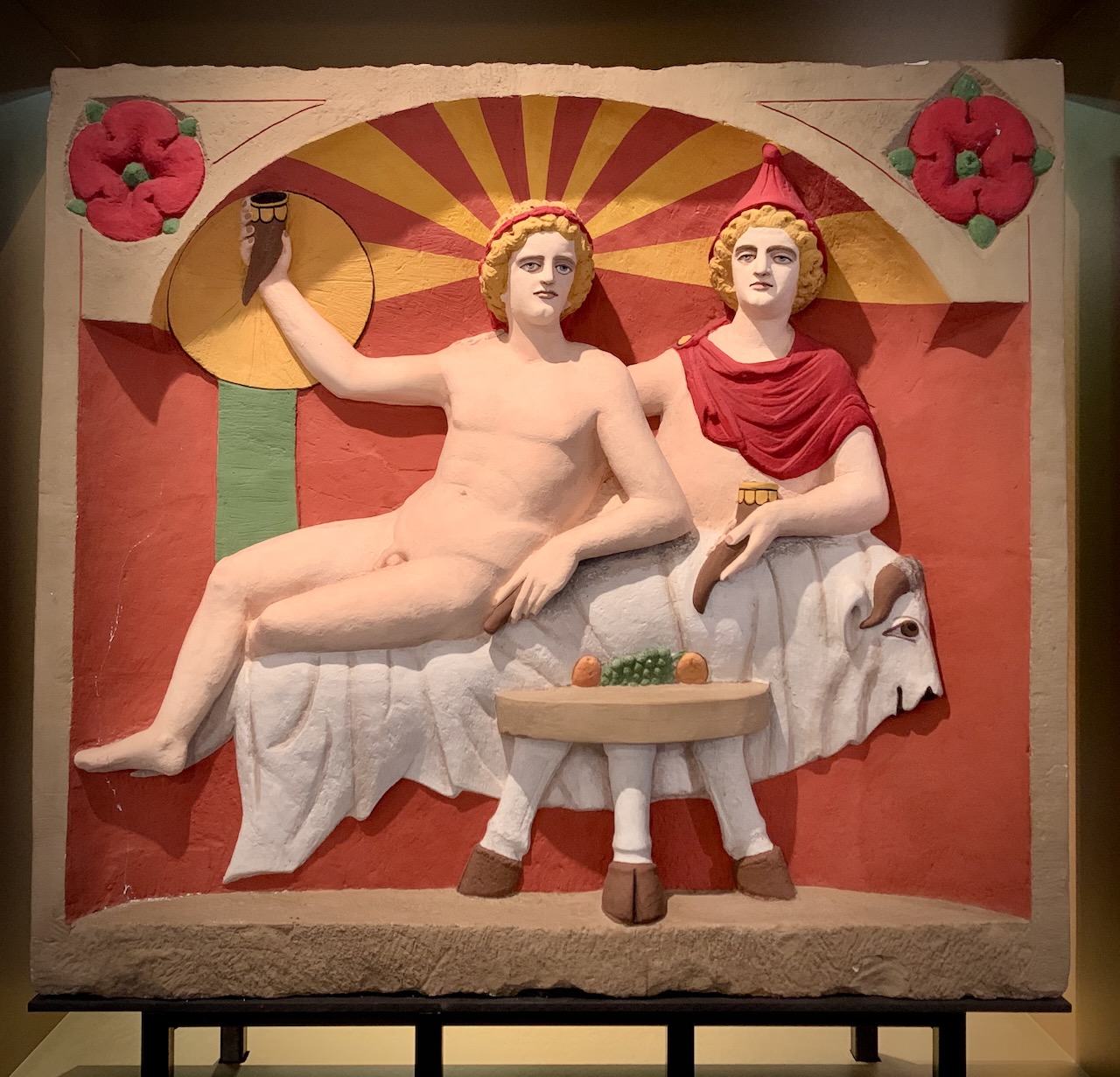
Bas-relief depicting a naked Sol leaning over his fellow Mithras while raising a drinking horn during the sacred feast.
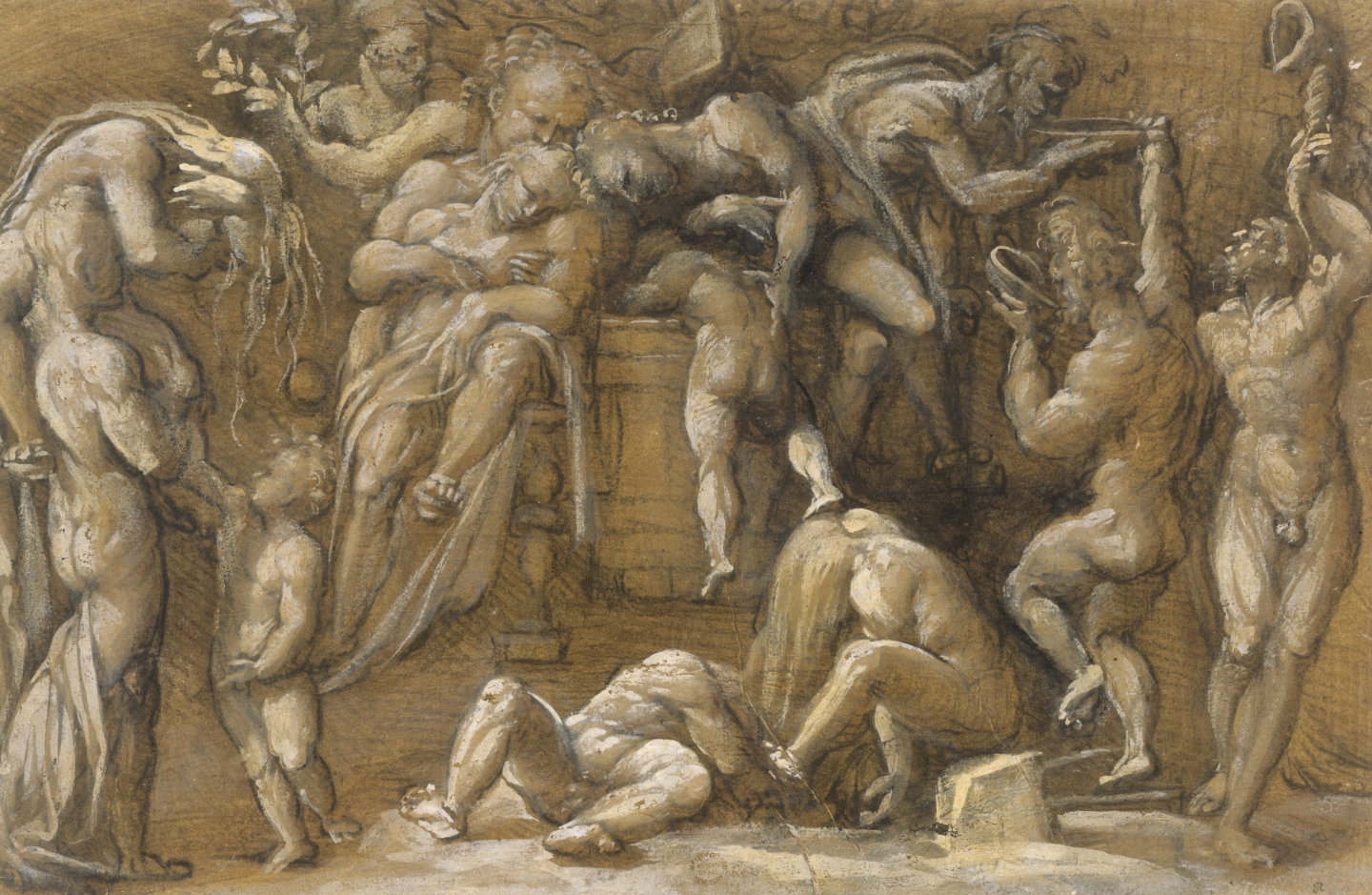
In polemical passages from the late second and early third centuries, Tertullian portrays the cult of Mithras as a demonic imitation of Christian rites and provides rare early references to Mithraic initiation and ritual symbolism.

A critical edition of the Mithras Liturgy (PGM IV.475–834), providing the Greek text, English translation, commentary, and an updated discussion of its interpretation since Albrecht Dieterich’s 1903 edition.

A erotic military fantasy set against the dramatic background of Rome’s conquest of the British Isles.

Jean Suttman’s study trip in Rome turns nightmarish when she discovers a murdered student in the Temple of Mithra and realizes someone is out to harm her.

Genet aborde les thèmes qui lui sont chers, dans les règles de l’art mais en laissant affleurer un lyrisme bien tenu.

