Your search Sidi Ali Belkacem (سيدي علي بلقاسم) gave 1194 results.
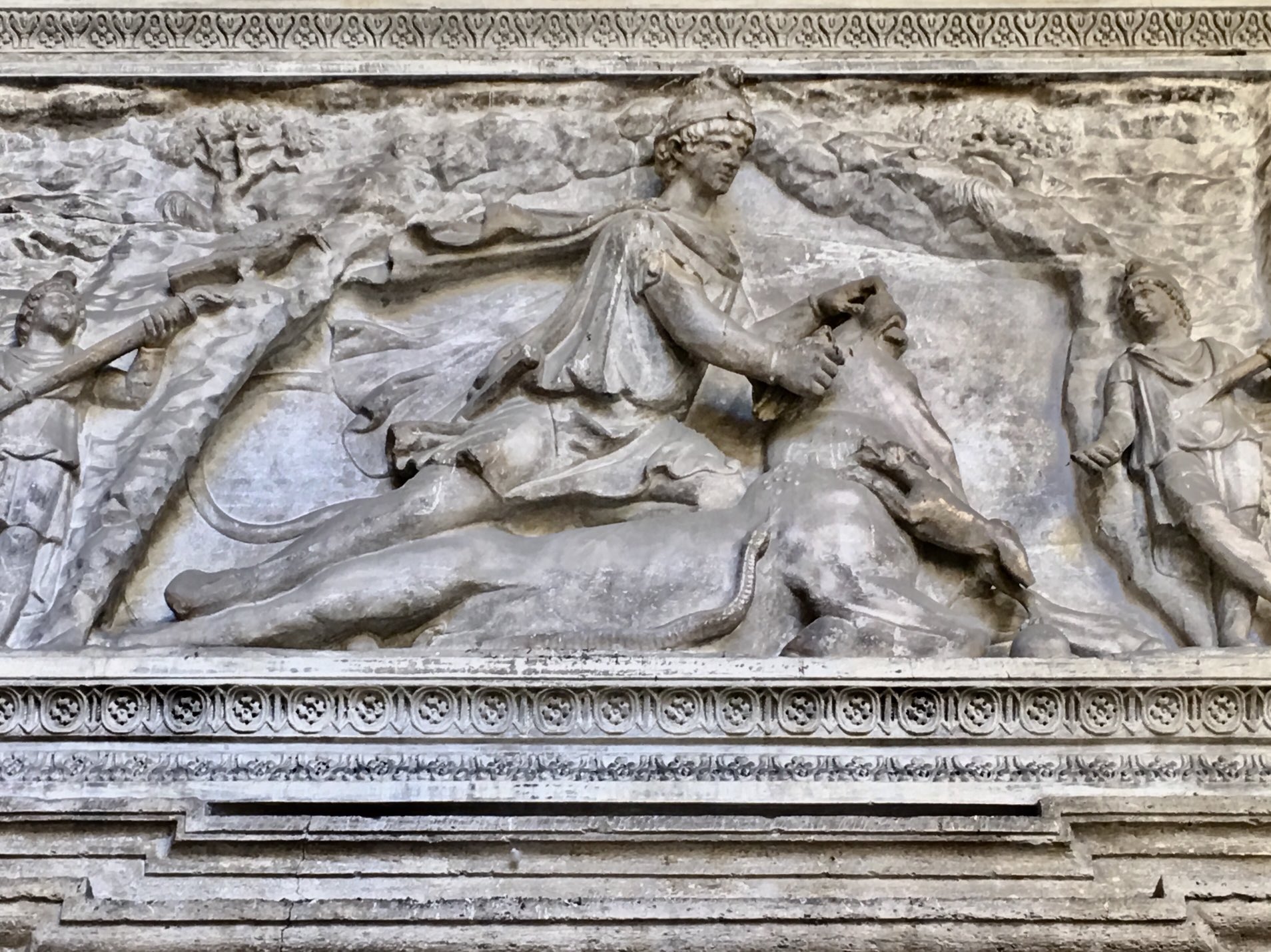
This relief of Mithras as a bullkiller, probably found in Rome, has been part of the Palazzo Mattei collection since at least the end of the 18th century.
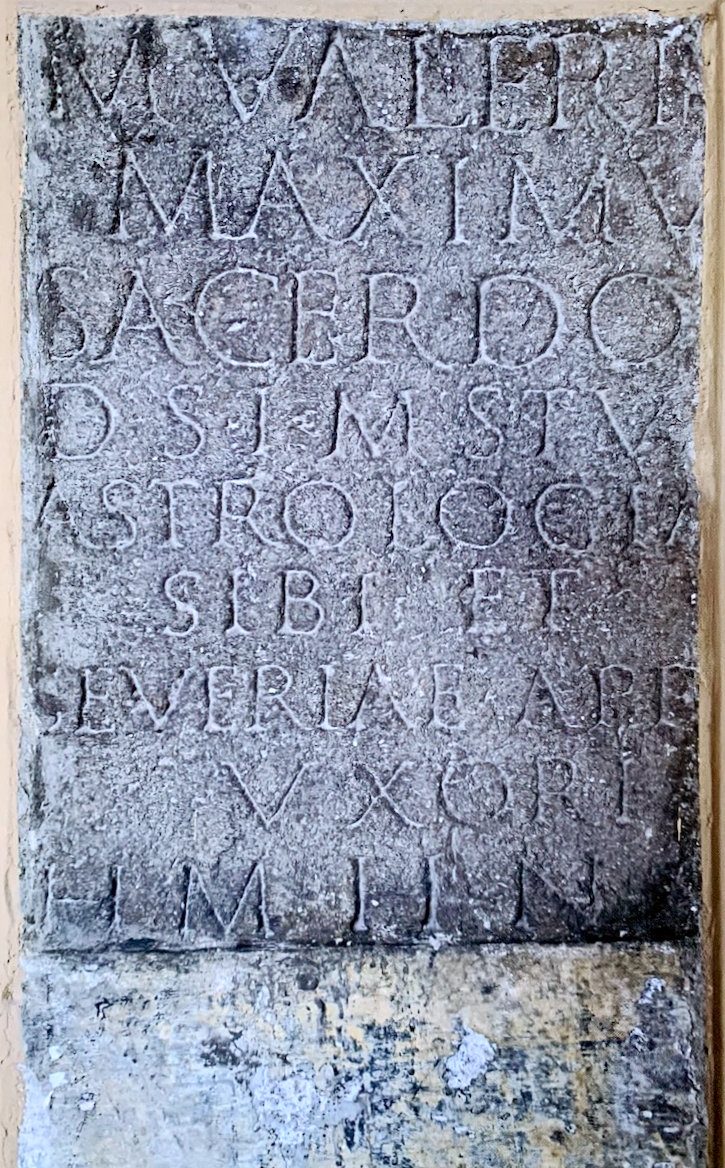
Marcus Valerius Maximus records in this inscription his knowledge of astrology as well as the name of his wife.
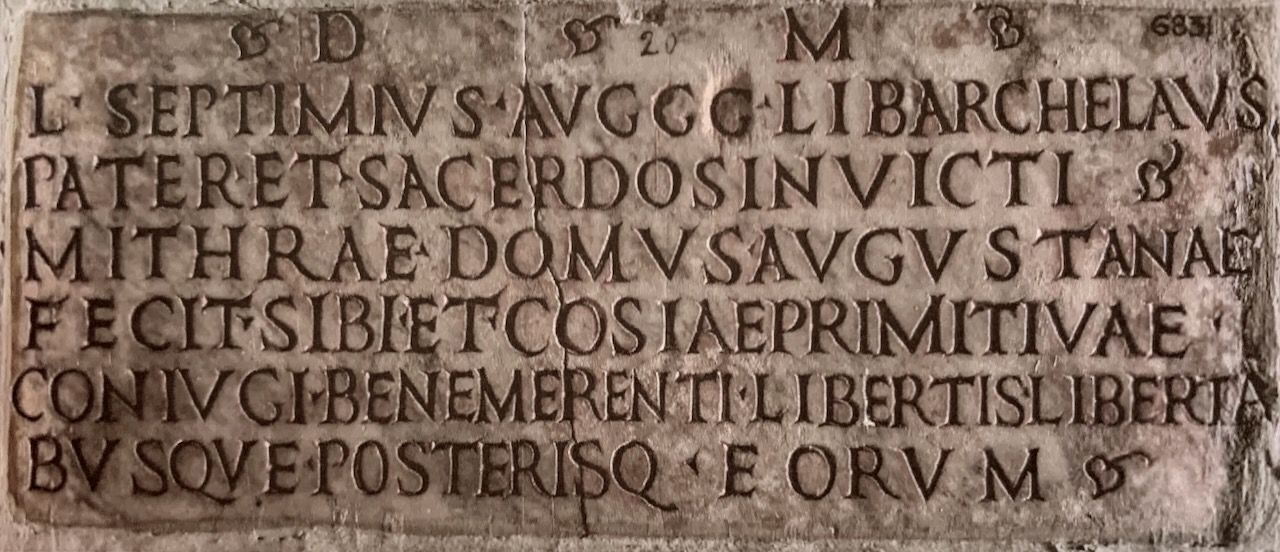
Marble funerary plaque erected by Lucius Septimius Archelaus, a Pater and priest of Mithras, for himself, his wife, and their freedmen and descendants.
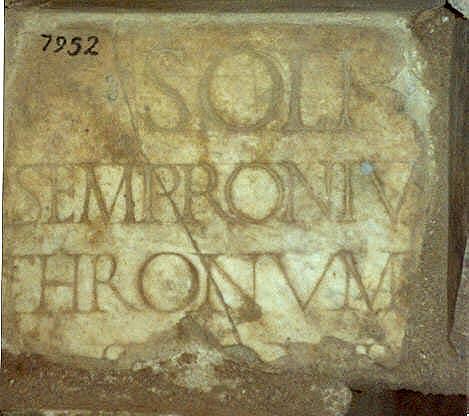
Slab marble indicates that Lucius Sempronius has donated a throne to the Mitreo delle Pareti Dipinte.
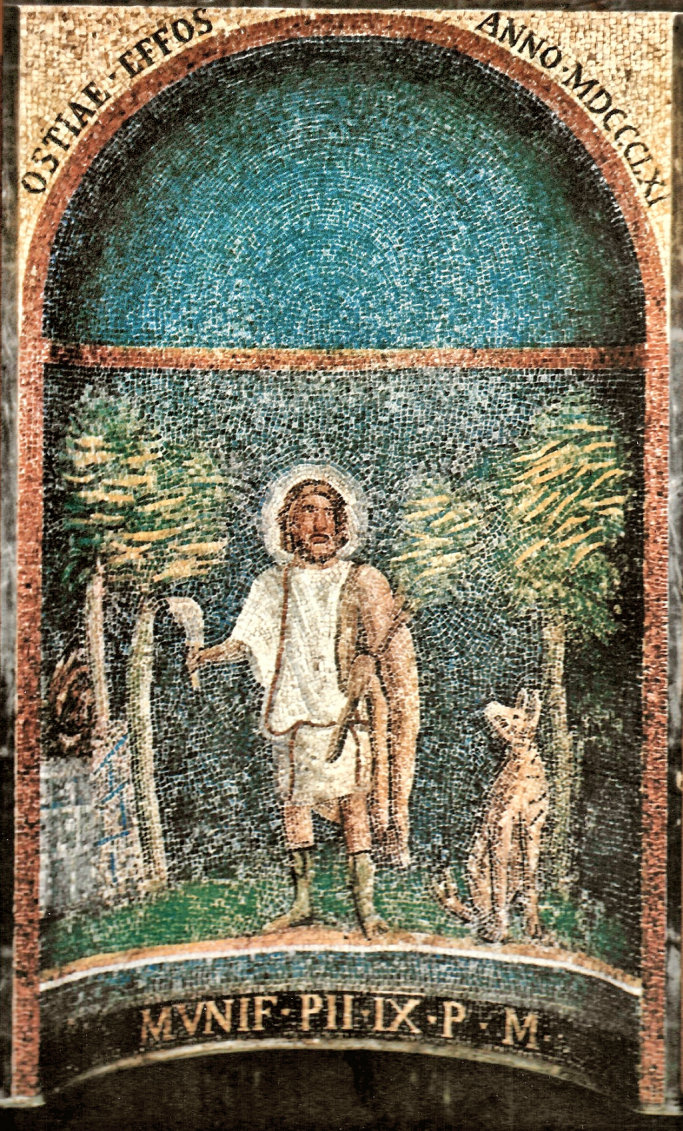
This unusual mosaic representation of the god Silvanus was found in the Mithreaum of the so-called Imperial Palace in Ostia.
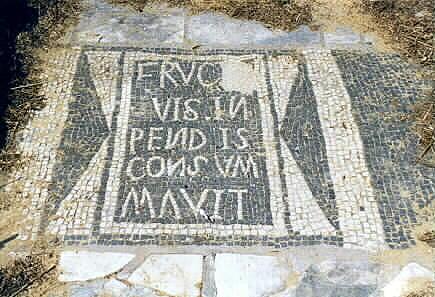
The mosaic bears an inscription indicating the name of the owner.
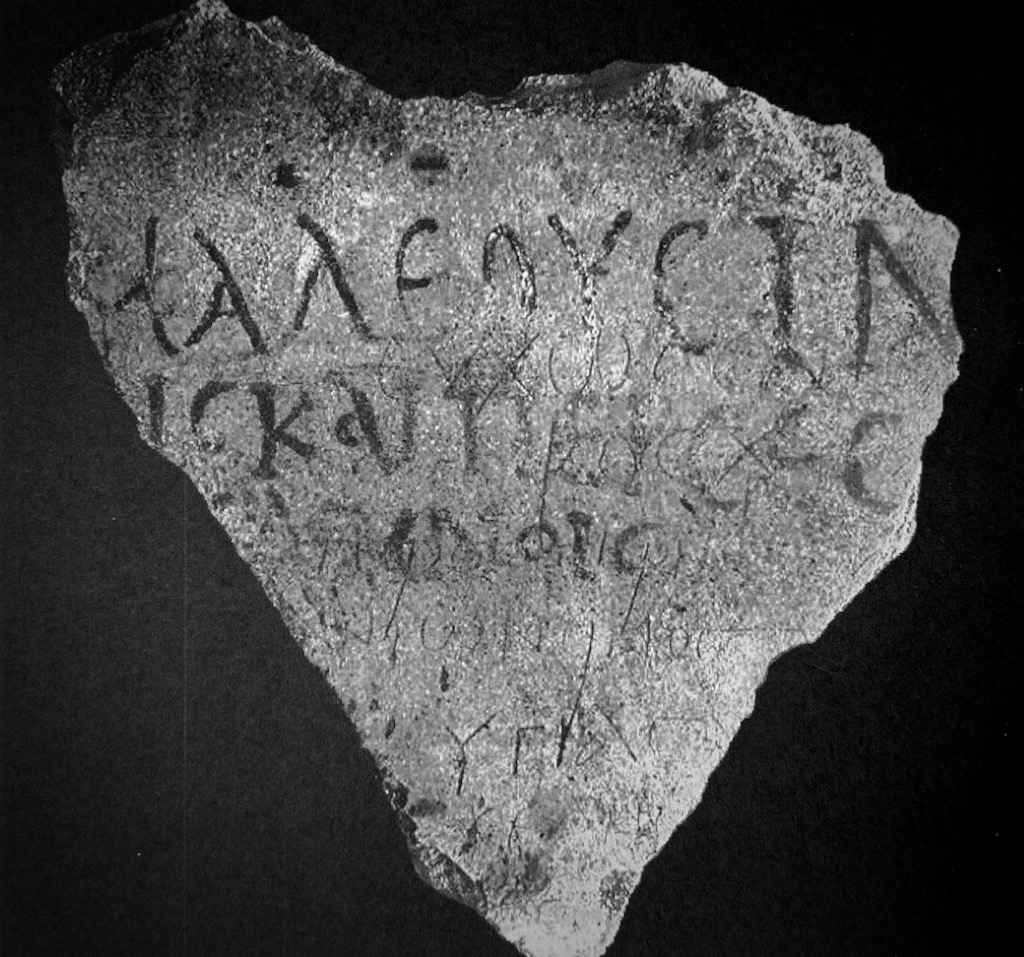
This short dipinto pays homage to the Lions and the Persians, the 4th and 5th Mithraic degrees.
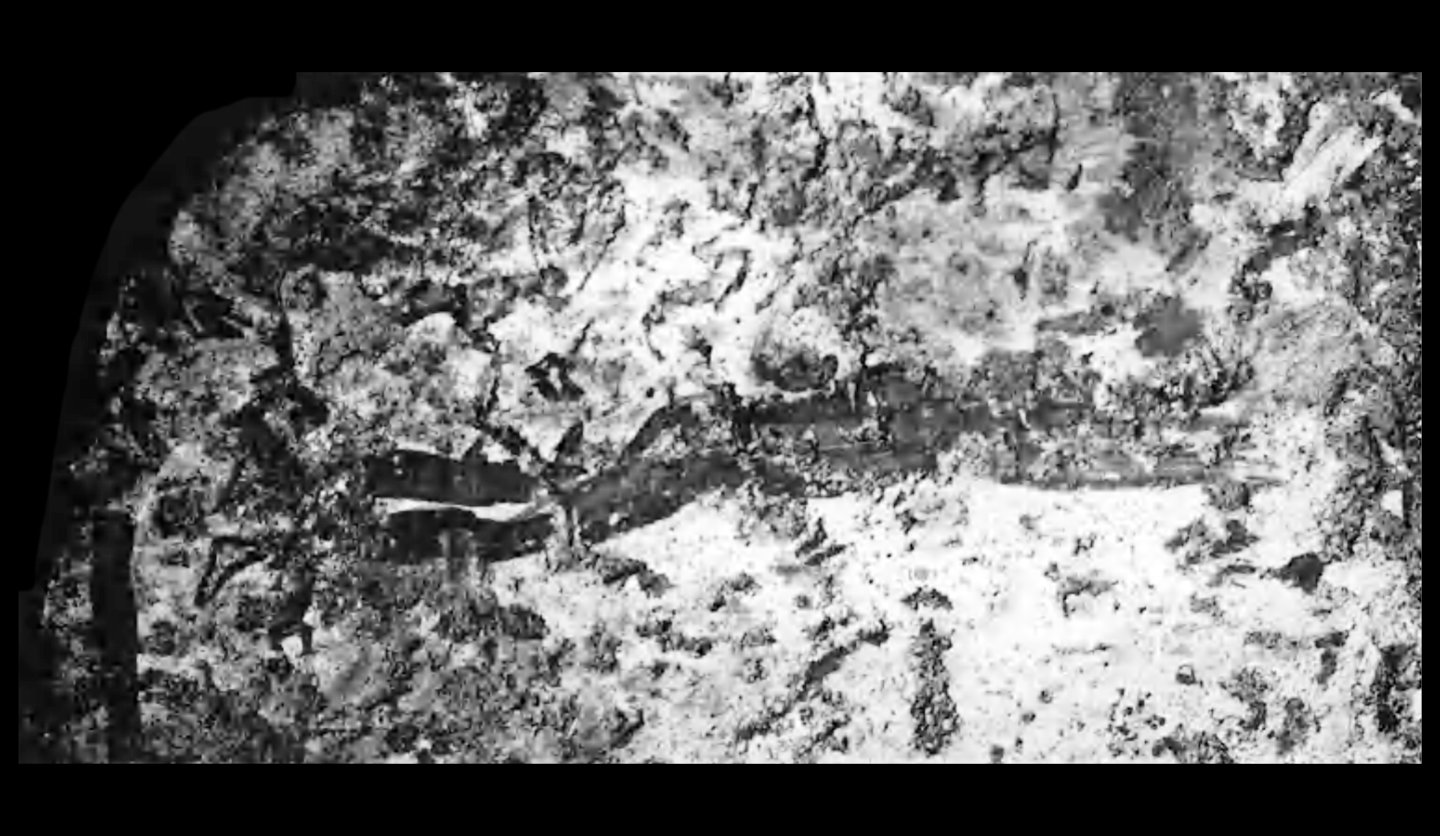
Representation of a person lying prostrate on the ground between two other walking figures on the Mitreo of Santa Capua Vetere.

This inscription by a certain Ioulianos, found at the entrance to the Dolichenum at Dura Europos, bears an inscription to Zeus Helios Mithras et Tourmasgade.
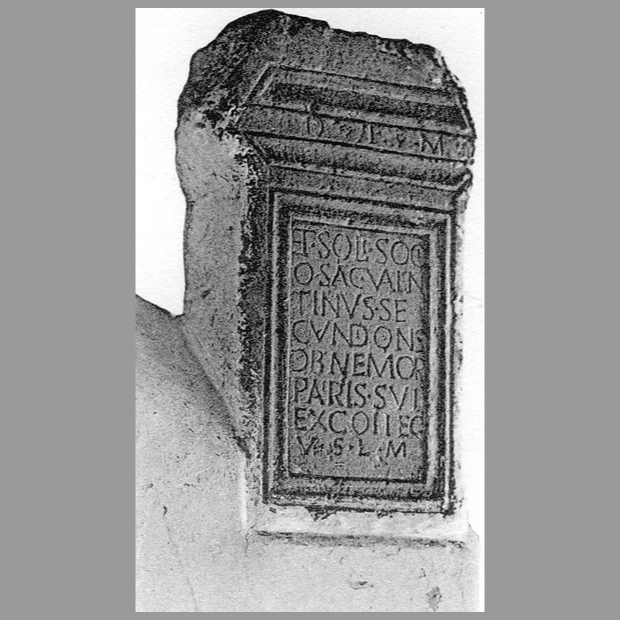
This monument, now lost, was discovered in the 16th century, probably on the site of Sublavio statio.
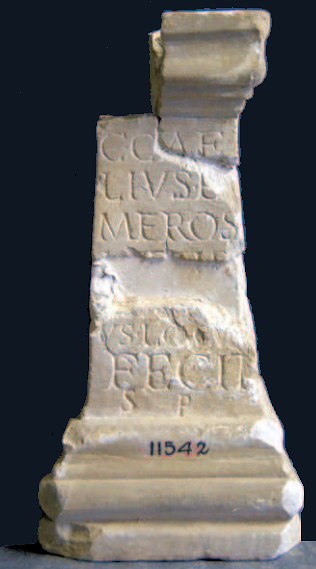
This small monument bears the inscriptions of a certain Caelius Ermeros, antistes at the Mithraeum of the Painted Walls.
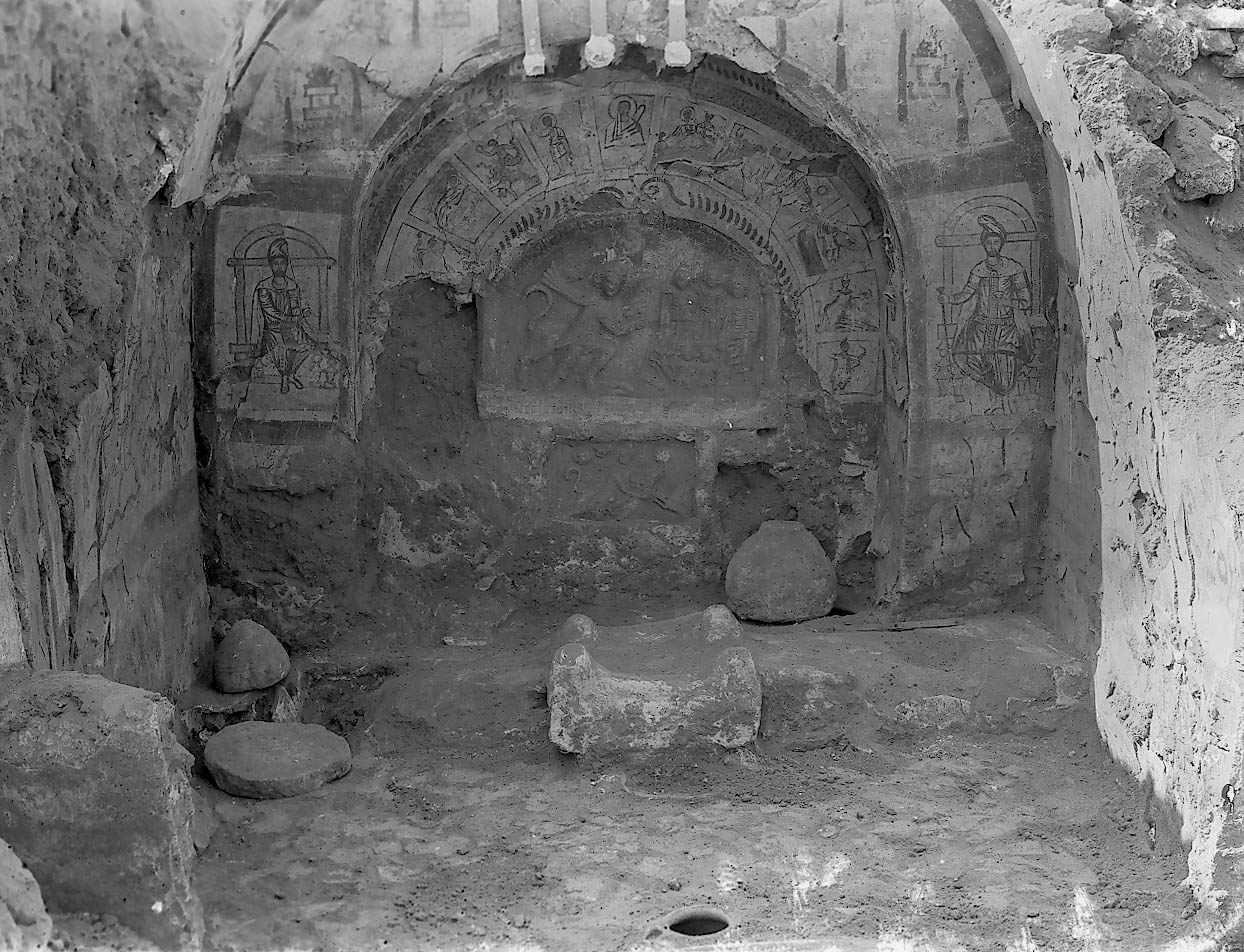
Three plaster altars within the main altar of the Mithraeum of Dura Europos, two of them with traces of fire and cinders.
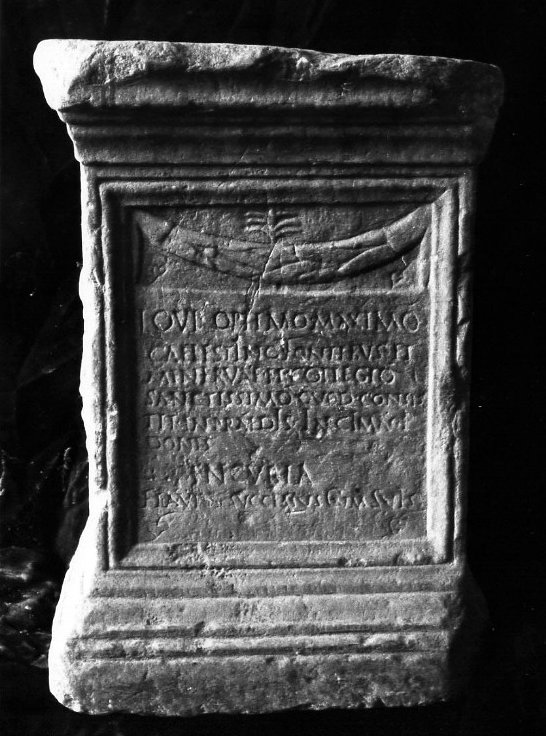
According to the inscription on it, this altar probably supported a statue of Jupiter.
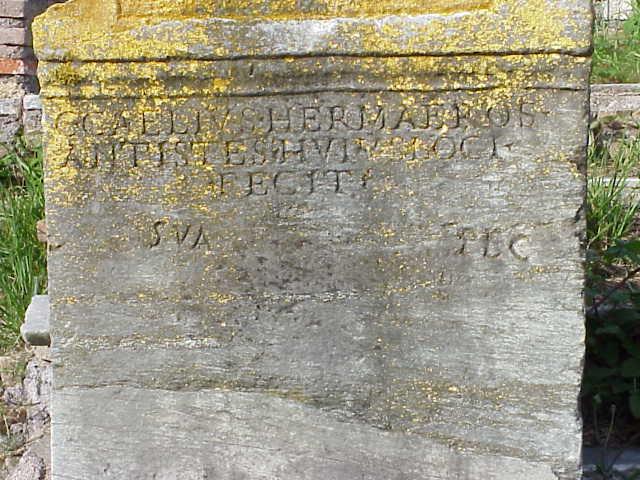
This is one of several marble inscriptions made by a certain Caelius Ermeros, who was the antistes of the Mithraeum of the Imperial Palace.
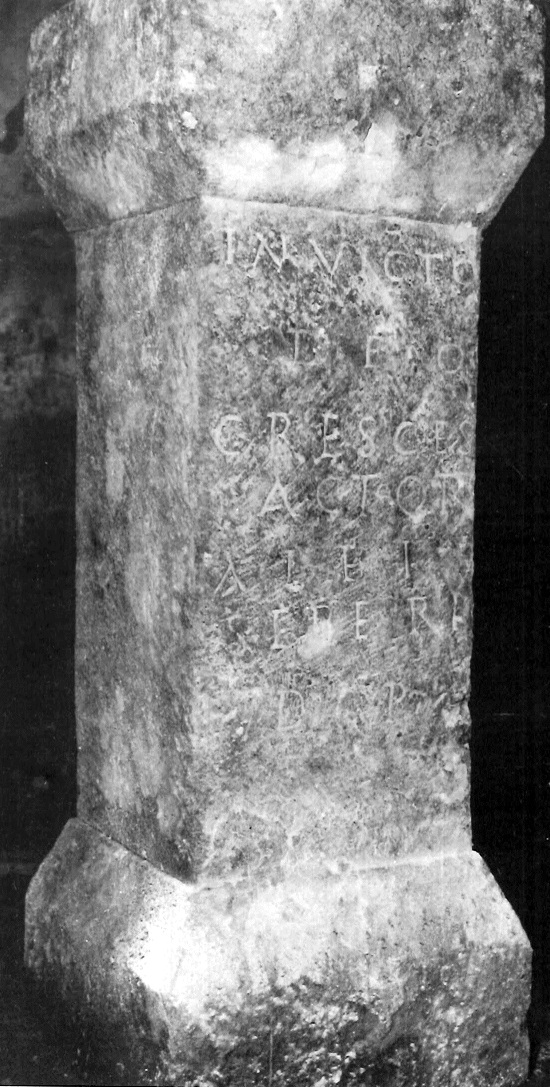
The monument is engraved with an inscription by Cresces, the donor.
Fragmentary marble statue of a woman from the Mithraeum delle Sette Porte.

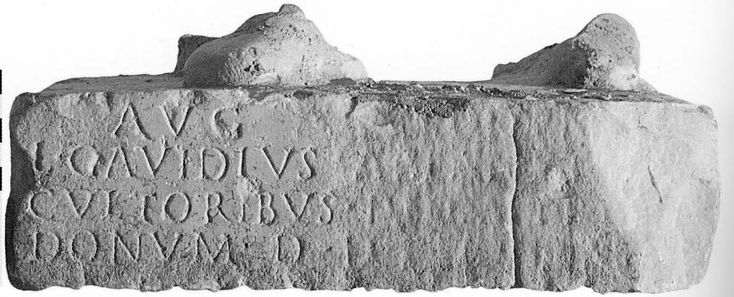
This inscription on white marble by Lucius Gavidius uses the term ther cultores to refer to his Mithraic community in Stabiae, Italy.
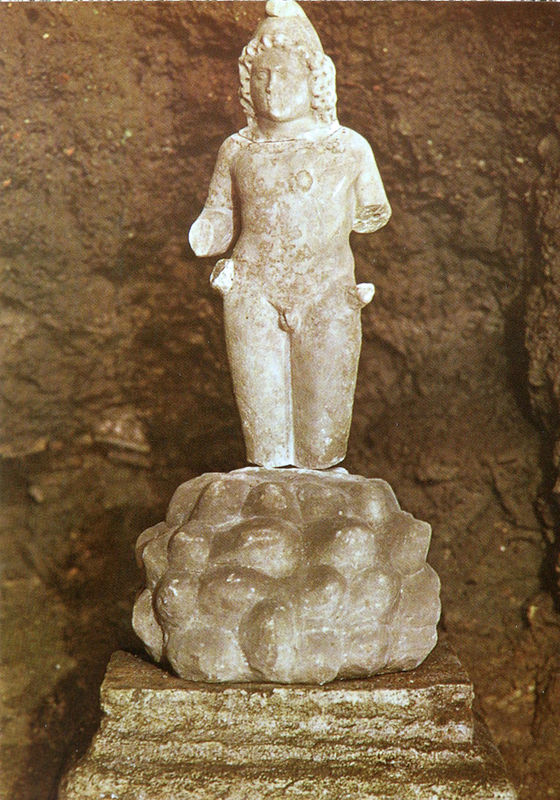
Mithras birth from the knees upwards emerging from a rock and wearing as usual a Phrygian cap.
