Your search Sidi Ali Belkacem (سيدي علي بلقاسم) gave 1194 results.

Relief possibly depicting Mithras-Men holding a torch and a a bust of Luna on a crescent.

Fragment of a white statue depicting a naked god entwined by a serpent with its head on his chest, found in the River Tiber.

This fragment of a sculpture depicting the birth of Mithras from a rock, intertwined with a chaotic mass of serpent coils, was discovered in Aquileia, Italy.
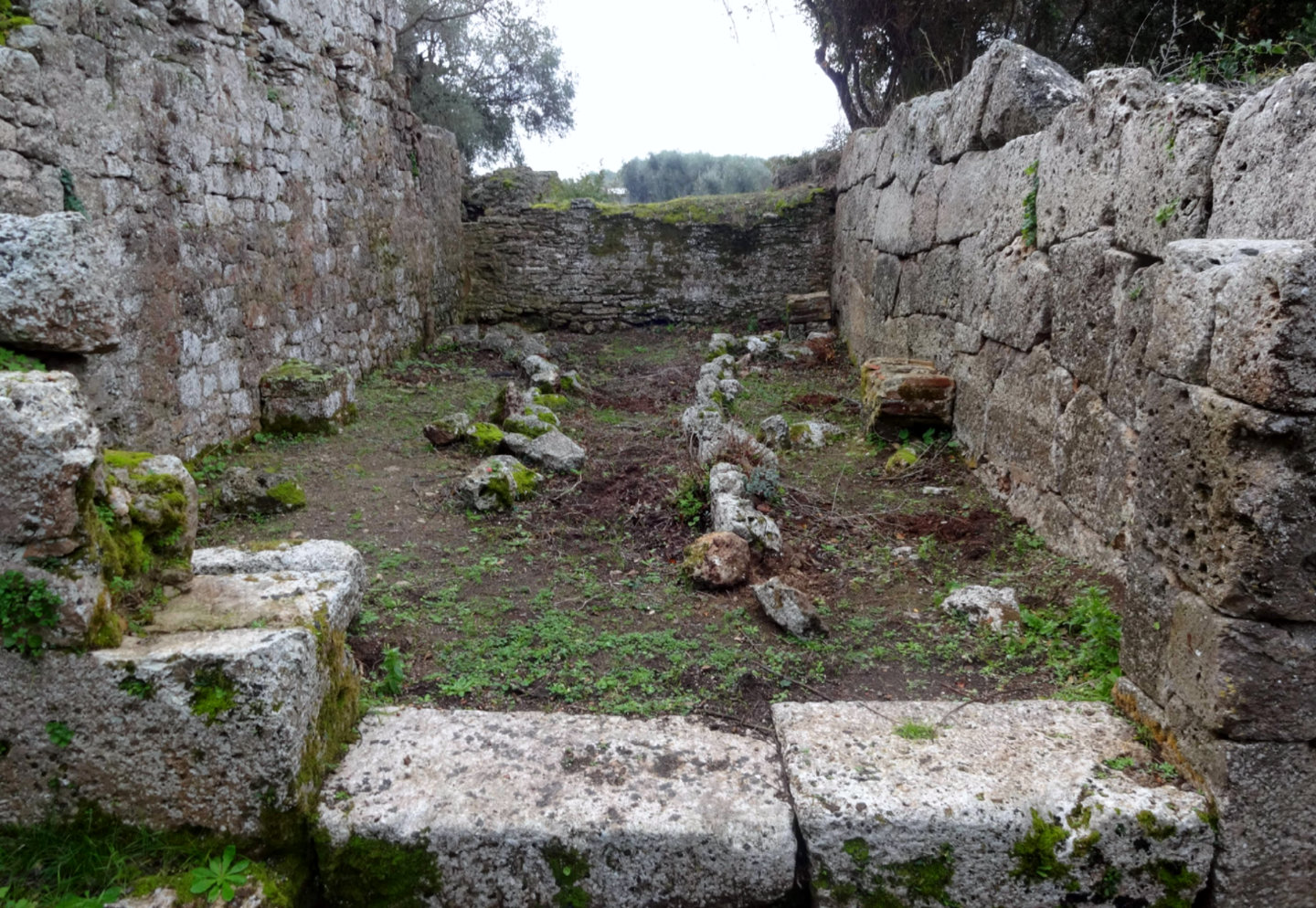
The Mithraeum was inserted into the basement of the basilica-theater by the 3rd century.

The relief of Palazzo Colonna, Rome, depicts a lion-headed figure holding a burning torch in his outstretched hands.

This is the first known inscription that includes Phanes alongside Mithras found in a Mithraic context.
This cylindrical marble altar was dedicated by the same Pater Proficentius as the slab, both monuments found in the Mithraeum beneath the Basilica of San Lorenzo.
This inscription found in the Mithraeum Aldobrandini informs us of certain restorations carried out in the temple during a second phase of development.
This marble monument was dedicated in Rome by the slave Fructus and his son Myro.
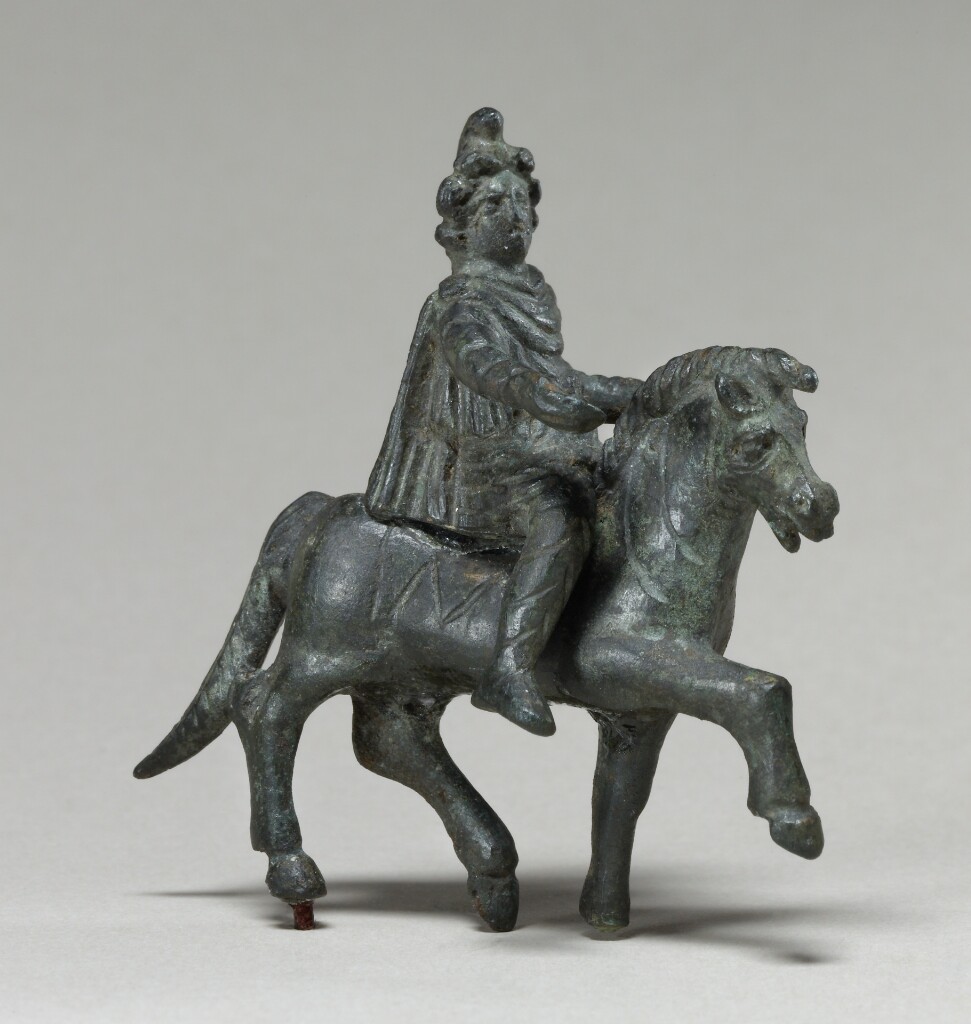
This small bronze statuette of Mithras riding a horse is composed of two pieces.
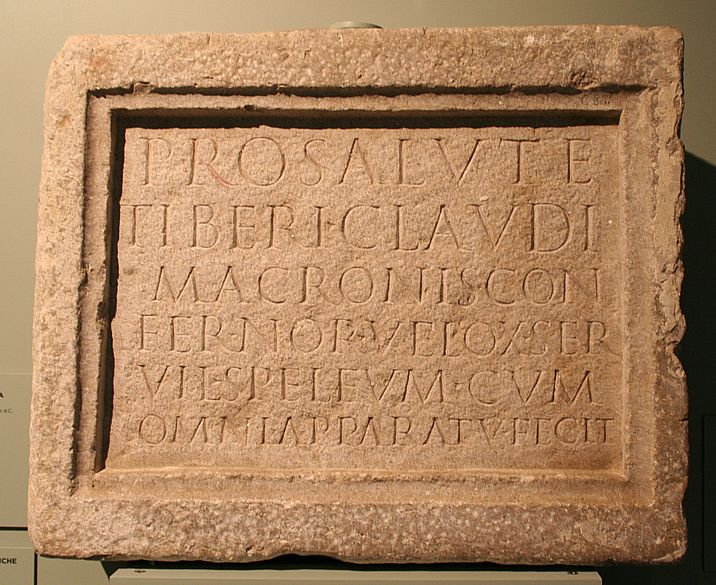
Marble slab with inscription by Velox for the salvation of the chief of the iron mines of Noricum.
The dedicator of this monument is also known for having made a tauroctonic relief in Nesce.

This marble sculpture from Sicily, known as the Randazzo Vecchio or Rannazzu Vecchiu, contains some essential elements of the Mithraic Aion, the lion-headed god.
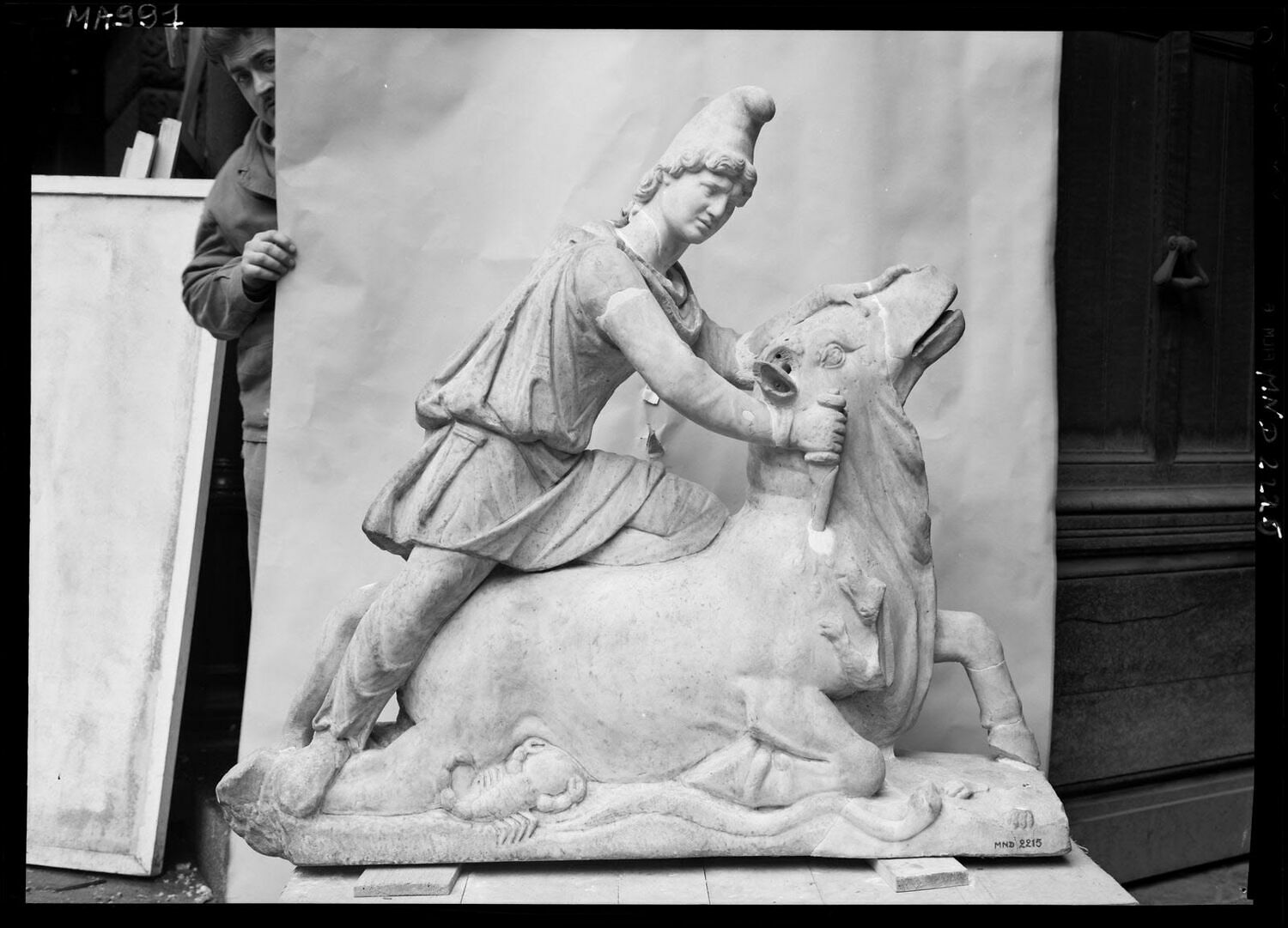
This sculpture of Mithras killing the bull, which belongs to the Louvre Museum, is currently on display in Varsovia.
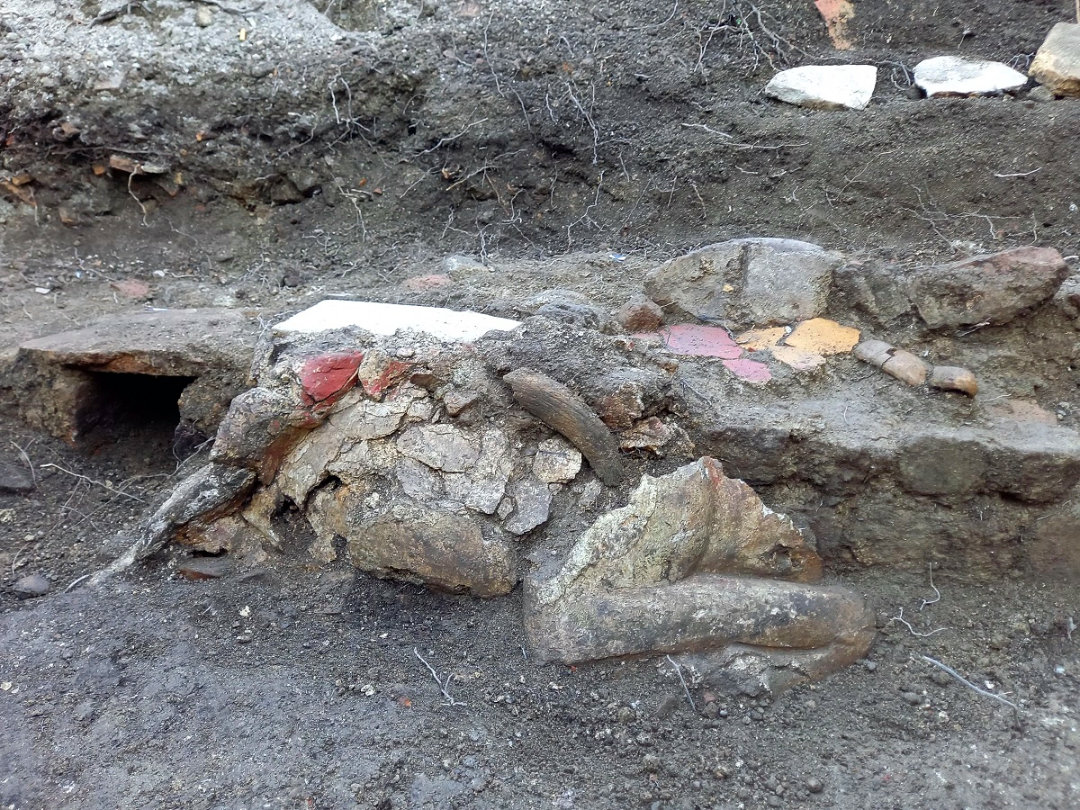
Archaeologists discovered the 20th temple dedicated to Mithras in Ostia during the restoration of the domus del capitello di stucco in 2022.
This marble slab, found in the Mithraeum of San Clemente, bears an inscription by a certain Aelius Sabinus for the health of the Emperor Antoninus Pius and his sons.
This marble bust of Sol, found in the Mitreo di San Clemente, had five holes in the head where rays had been fixed.
This elliptical terracotta fragment from Ostia depicts Mithras as a bullkiller.
Minto has claimed that the time god Aion was painted on the corner of the north wall of the Mitreo de Santa Capua Vetere.
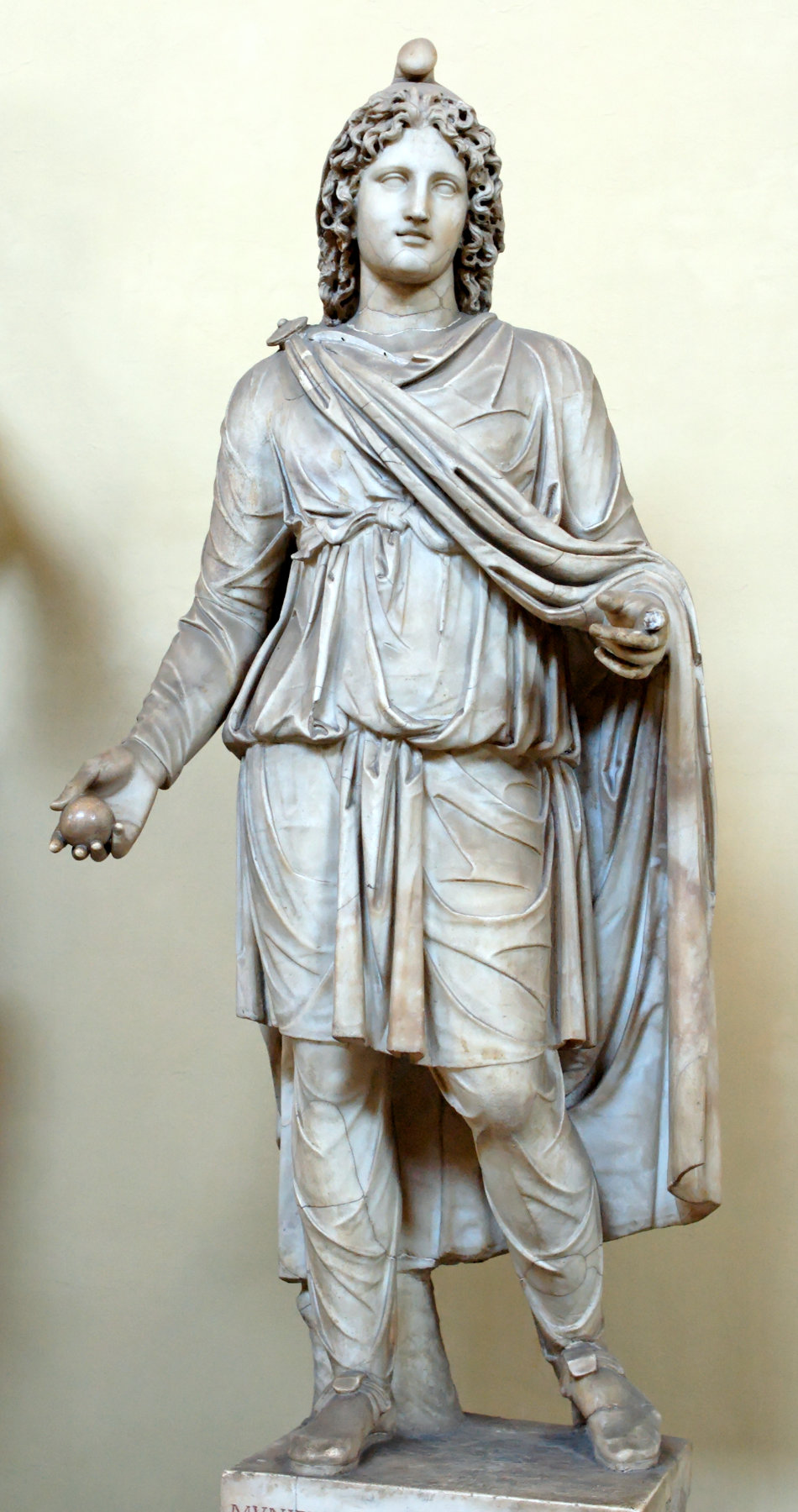
This sculpture, probably of Cautopates, now in the Musei Vaticani, was transformed into Paris.
