Your search Site gallo-romain de Lauchau gave 364 results.
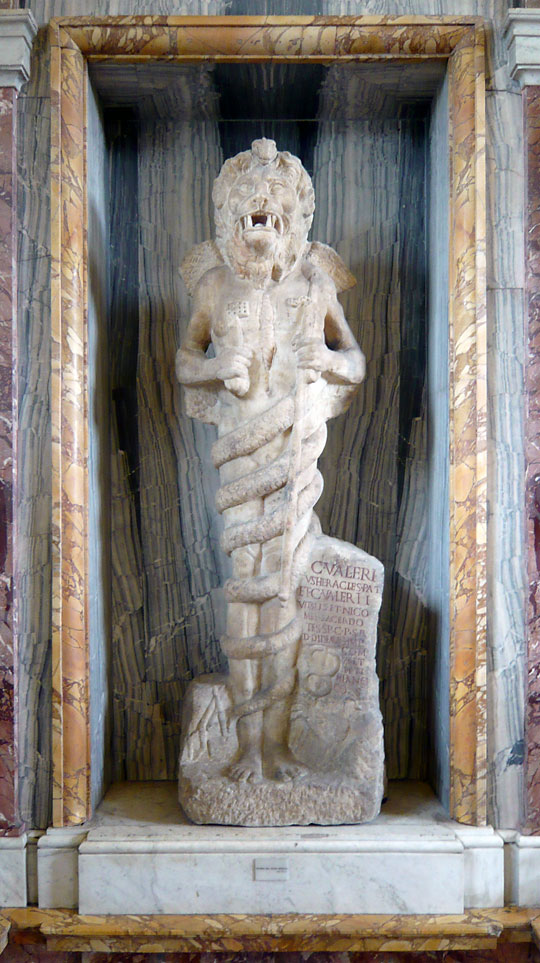
The marble Aion from the lost Mithraeum Fagan, Ostia, now presides the entrance to the Vatican Library.
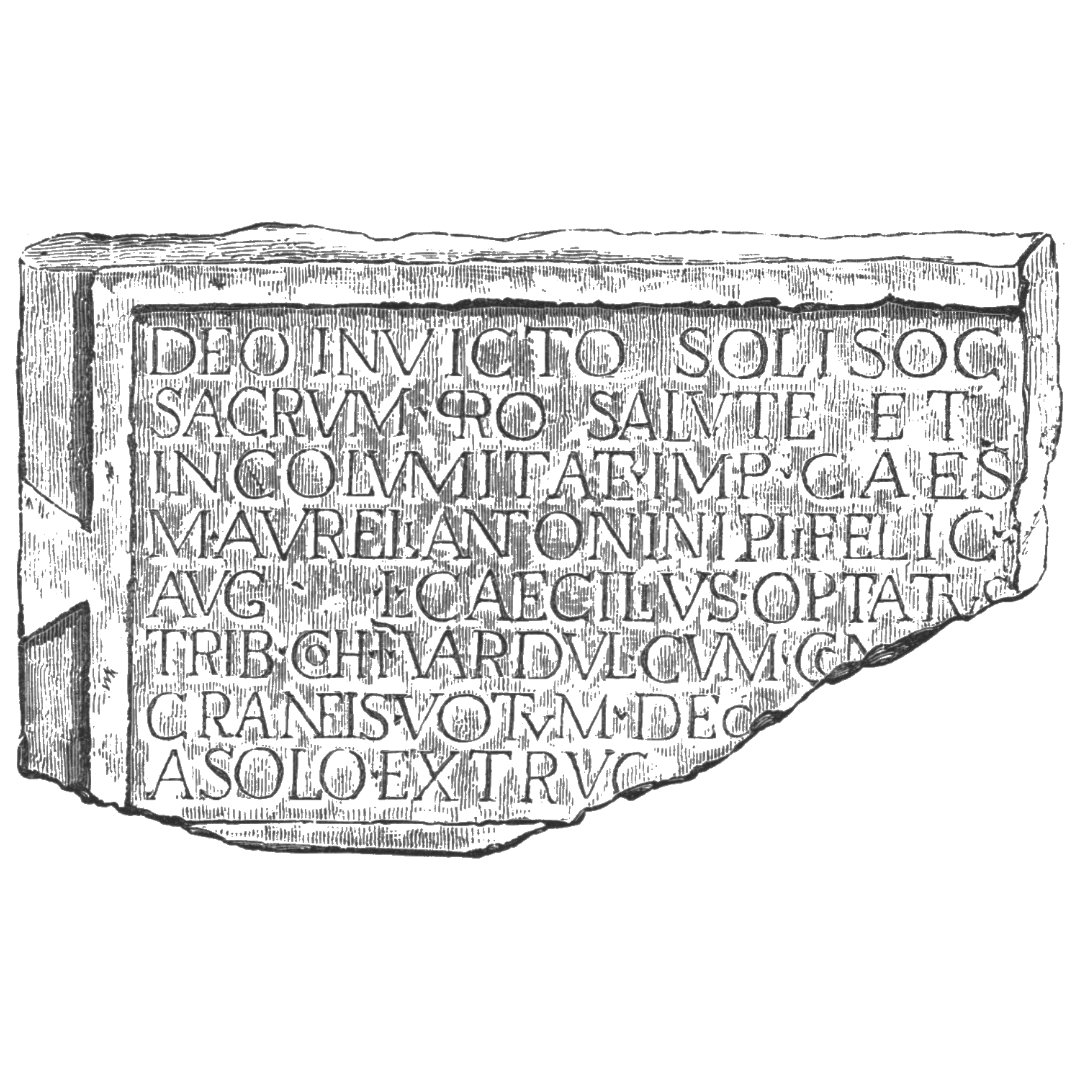
This inscription commemorates the building of a mithraeum in Bremenium with fellow worshippers of Mithras.
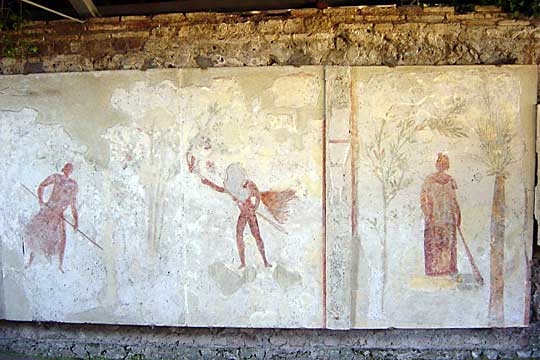
The frescoes depict several figures dressed in different garments associated with the Mithraic degrees.
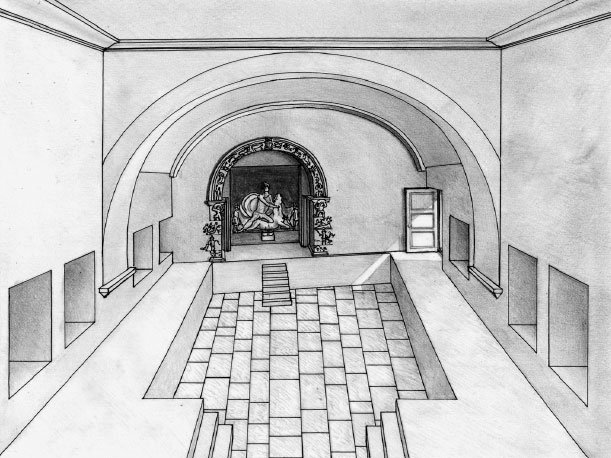
The Mithraeum of Saara, Syria, has been identified through the deciphering of the remains of the iconographic programme on its arch.
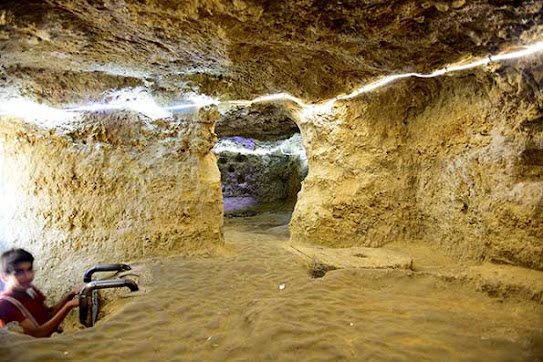
The Niasar Cave, غار نیاسر, was a temple probably devoted to Iranian Mithras that dates back to the early Partian era.

There is no solid evidences of the finding of a Mithraic temple in Duhok, Iraq.

The exploration of an old pazo, a manor house, near the Roman wall, in Lugo, led to the discovery of a Roman domus, which existed continuously from the beginnings of the Christian Era until the Late Empire.
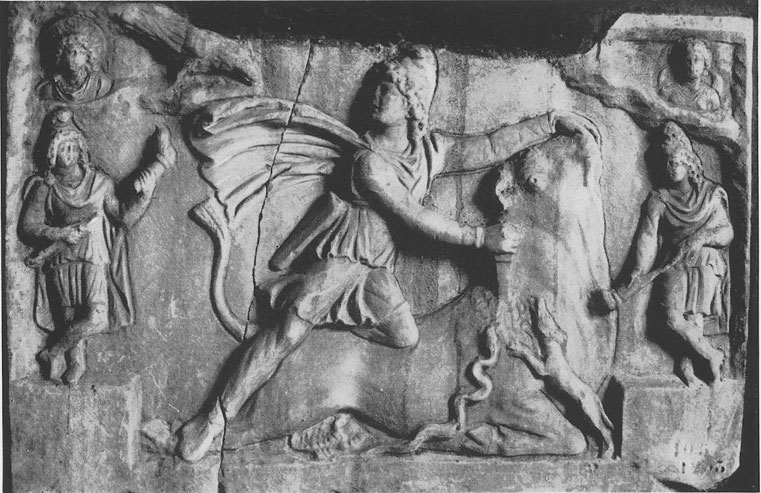
White marble relief depicting Mithras killing the bull, found broken in two parts in 1872 near Salita delle Tre Pile in Rome.

The Mithraeum of Visentium, near Capodimonte in Viterbo, was carved grotto-style into a tuff cliff overlooking the waters of Lake Bolsena, just a few dozen metres away.

Tracing the links between the cult of Mithras and the Proud Boys’ quest for identity, power, and belonging. How ancient rituals and brotherhood ideals resurface in radical modern movements.

The large number of monuments found at the Mithraeum of Sarmizegetusa and the sheer size of the temple are unusual.

Porphyry states that the Mithraists “perfect their initiate by inducting him into a mystery of the descent of souls and their exit back out again, calling the place a ‘cave’.”.
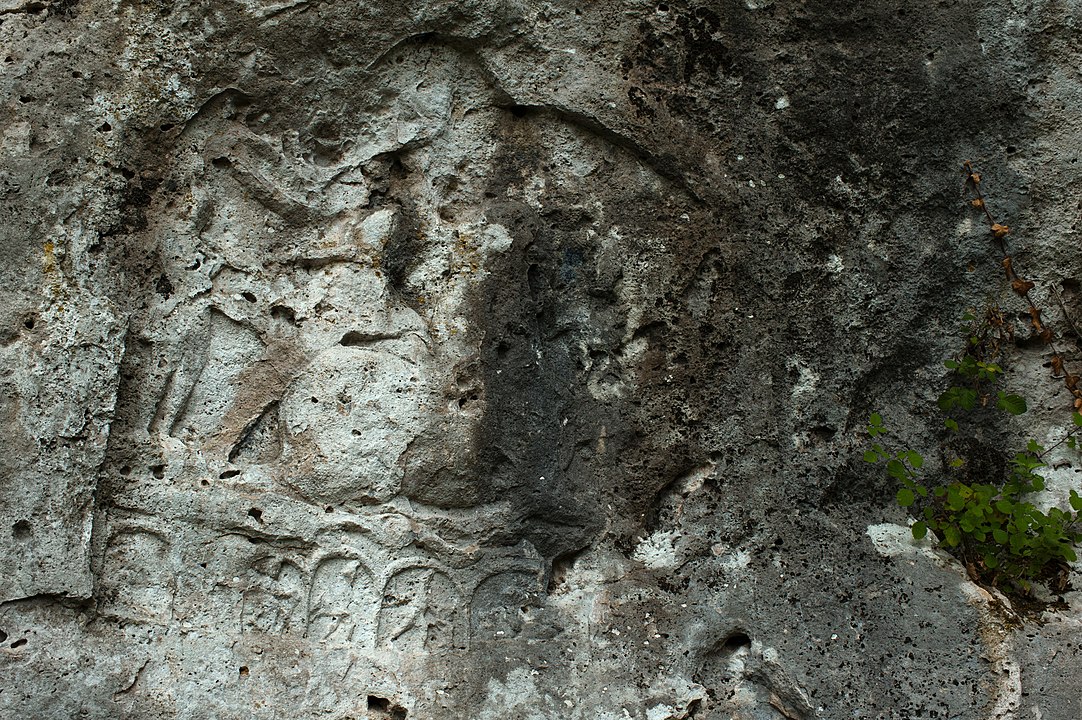
The Mithraeum of Thermes in Greece was discovered in 1915 by Bogdan Filov.

The relief of Palazzo Colonna, Rome, depicts a lion-headed figure holding a burning torch in his outstretched hands.

The remains of the Mithraeum of Aosta, also known as the Mitreo di Augusta Praetoria, were discovered in 1953 in insula 59, in a commercial district of the ancient city.
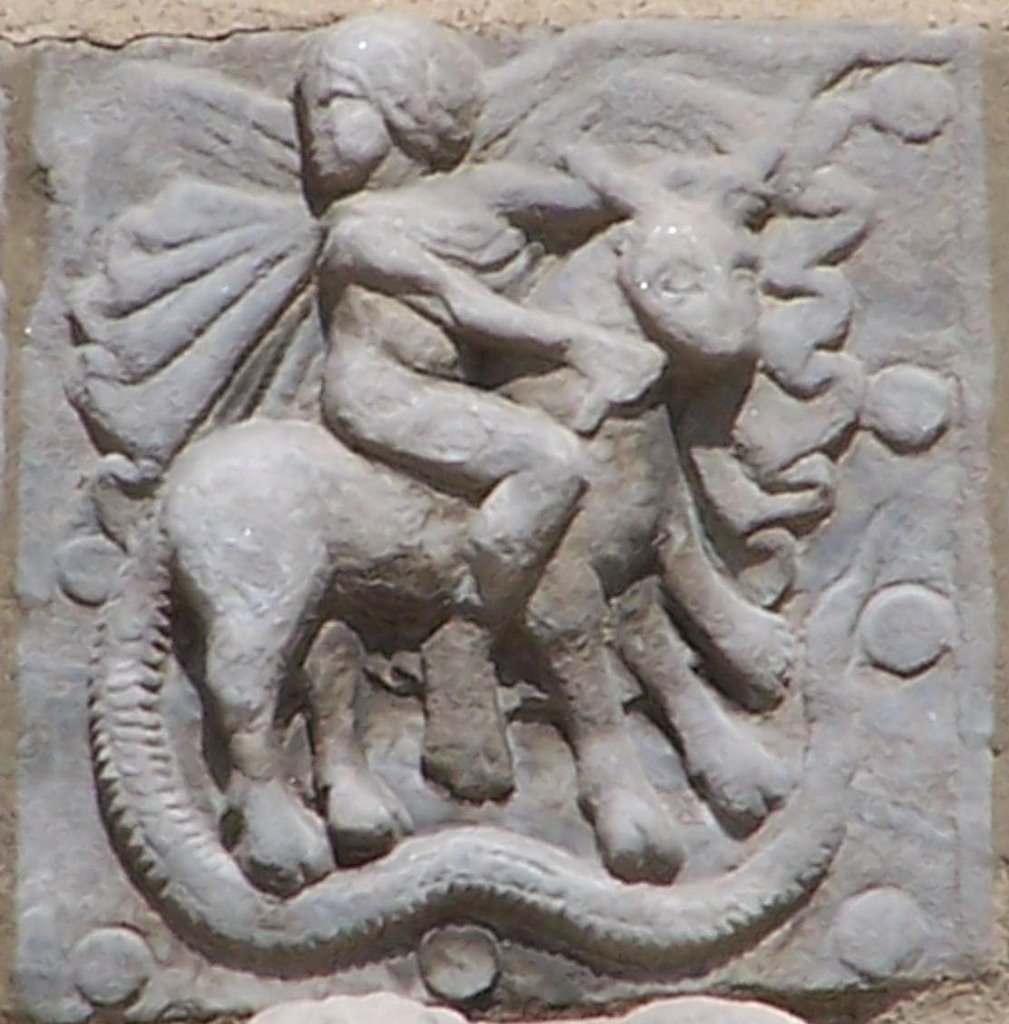
It is indeed surprising to see Mithras represented in the Middle Ages, as we tend to assume that paganism was forgotten at an early date. Well, some representations of Mithras killing the bull in key locations in Europe prove the opposite…
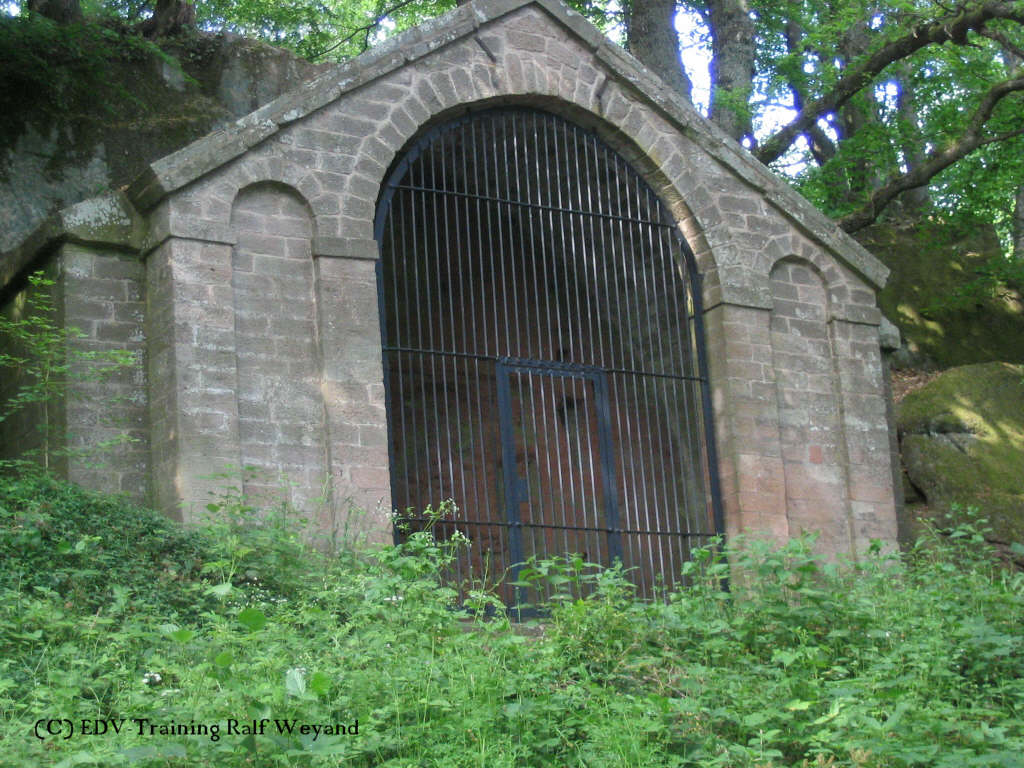
The Mithraeum of Schwarzerden, also know as Mithräum von Reichweiler, was carved on the rock.
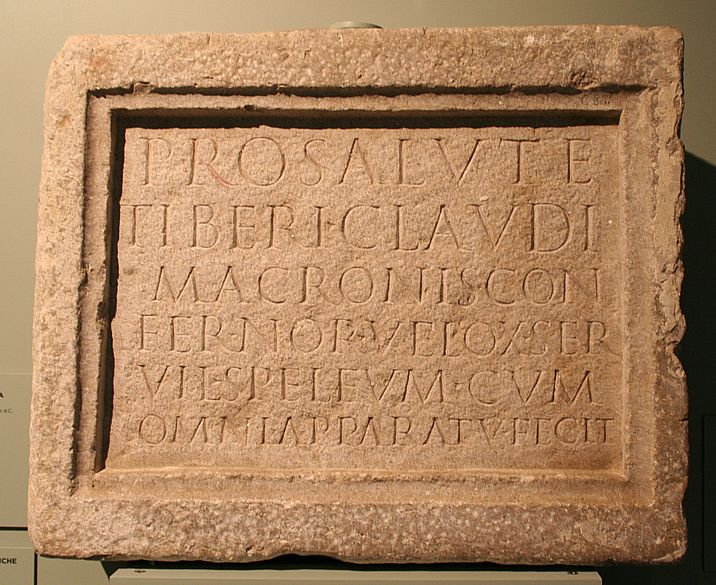
Marble slab with inscription by Velox for the salvation of the chief of the iron mines of Noricum.

I have been investigating an archaelogical site in the Northern Shenandoah valley of Virginia. TL and C14 dates from iron smelting materials are circa 150 AD.

Ernest Renan suggested that without the rise of Christianity, we might all have embraced the cult of Mithras. Nevertheless, it has had a lasting influence on secret societies, religious movements and popular culture.
