Your search Stein am Rhein gave 1060 results.

This inscription to Mithras Invencible was dedicated by a certain Apronianus in 172 is currently lost.

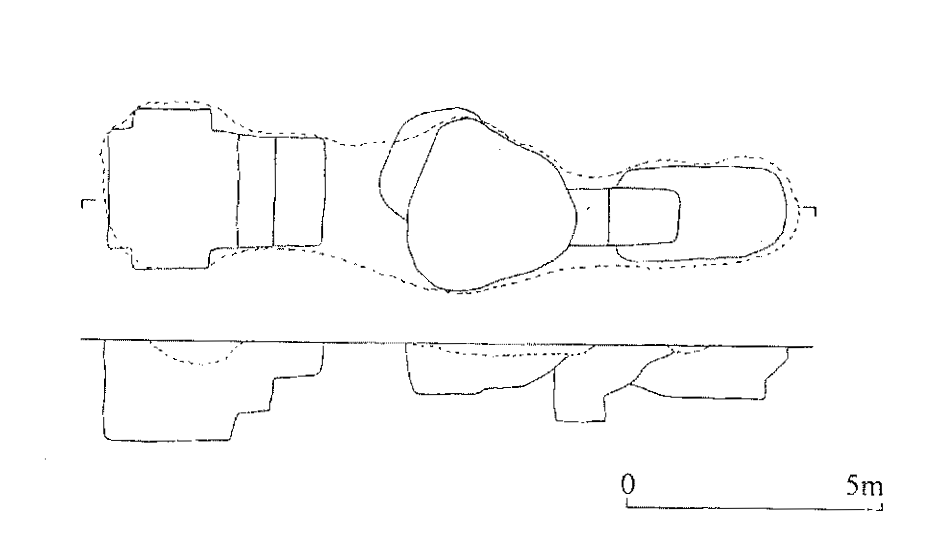
The temple contained hundreds of ceramic vessels and animal bones, which may indicated that a grand Mithraic feast was celebrated before its closing.
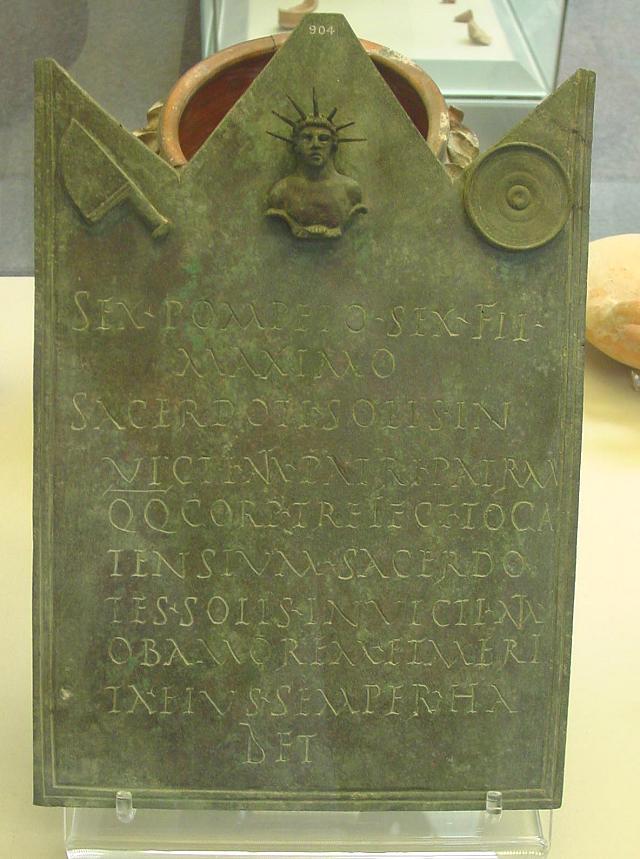
This plaque, now on display in the British Museum, may have come from the Aldobrandini Mithraeum in Ostia.
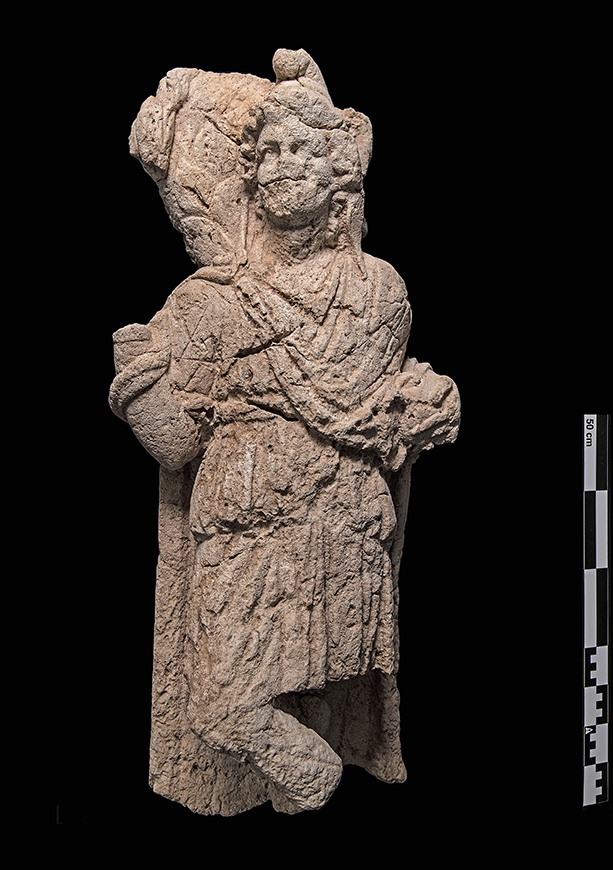
This remarkable relief by Cautes was found in what appears to be a mithraeum in Trier.

On the occasion of the discovery of a Mithraeum in Cabra, Spain, we talk to Jaime Alvar, a leading figure in the field of Mithraism. With him, we examine the testimonies known to date and the peculiarities of the cult of Mithras in Hispania.
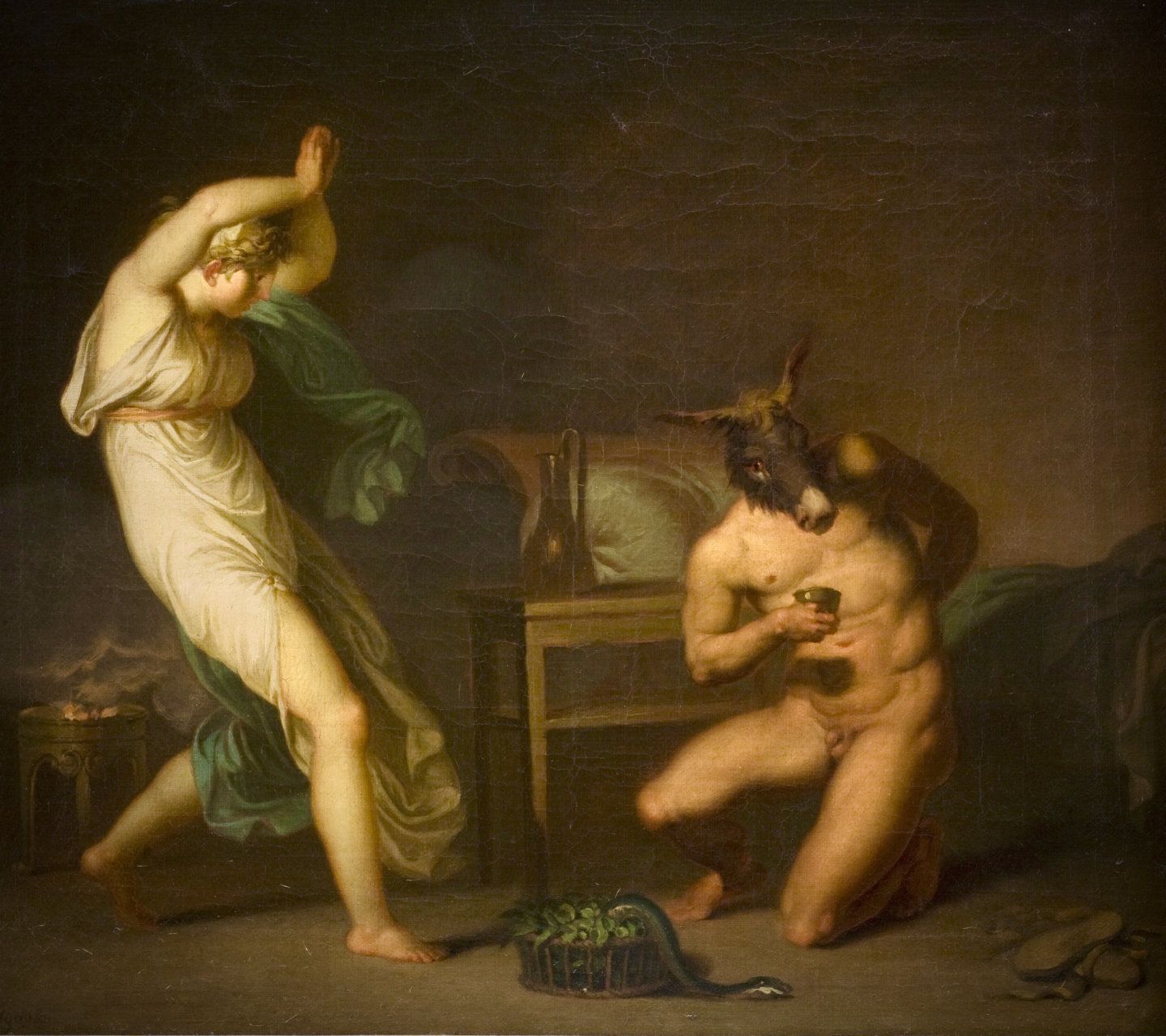
Did Apuleius explain his very own initiation into the Mysteries of Mithras in The Golden Ass? Apuleius' The Golden Ass is one of the most famous and entertaining novels of antiquity. Among his adventures, Lucius is initiated into the mysteries of Isis…

In this article, Chalupa examines the scant evidence that has been found for the presence of women in the Roman cult of Mithras.
This altar found in Sentinum bears an inscription from two brothers.

This tabula marmorea was consecrated by a certain slave Vitorinus in Tibur, nowadays Tivoli, near Rome.
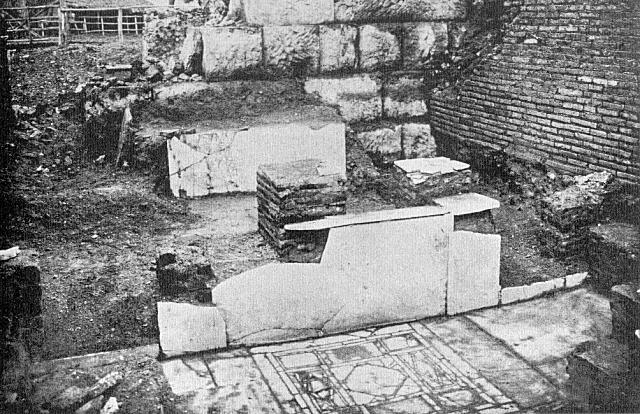
The Mithraeum of Aldobrandini was excavated in 1924 by G. Calza on the premises belonging to the Aldobrandini family.
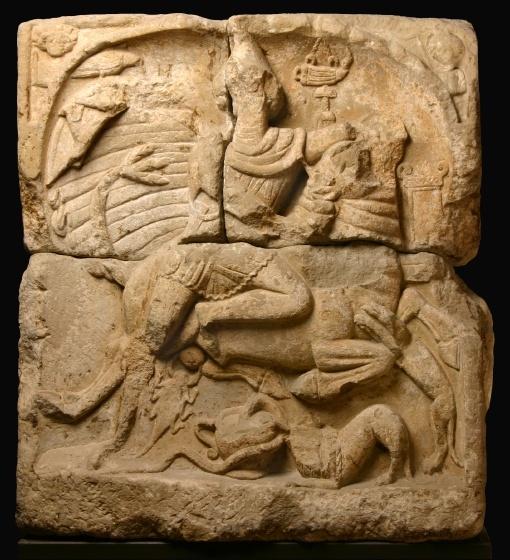
This relief of Mithras killing the bull, now on display in Stuttgart, includes a small altar with a sacrificial knife and an oil lamp.

The Mithraeum located in Piazza Dante in Rome was discovered in 1874 along with a series of monuments dedicated by a Pater named Primus.
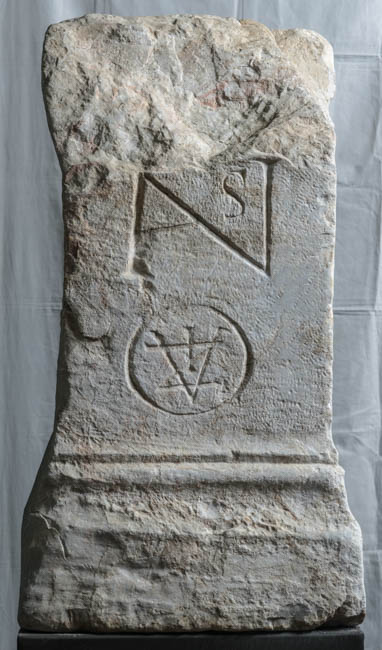
The limestone altar at Klechovtse in North Macedonia bears an inscription to the invincible Mithras.

Dutch historian, born in 1918 and deceased in 1985. He was a specialist in the history of religions, especially the Eastern cults in the Roman Empire. A prolific writer, best known for his Corpus inscriptionum et monumentorum religionis Mithriacae.
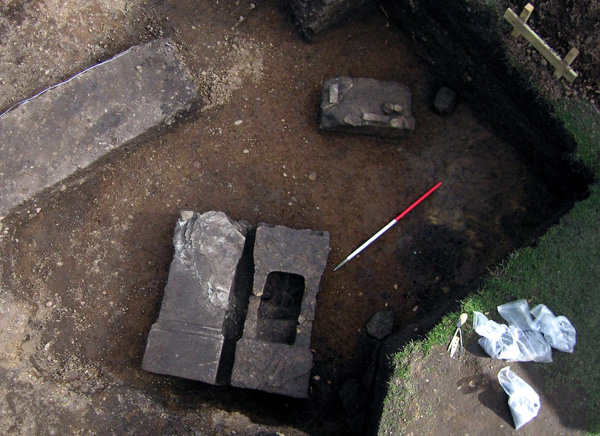
The Mithraeum of Inveresk, south of Musselburgh, East Lothian, is the first found in Scotland, and the earliest securely dated example from Britain.
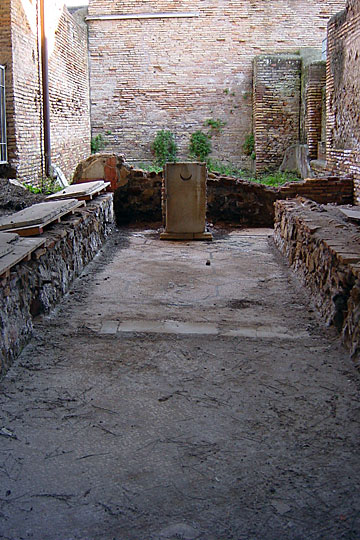
The Mithraeum of Lucretius Menander was installed in the early 3rd century in an alley to the east of a Hadrianic building named after the solar god temple.
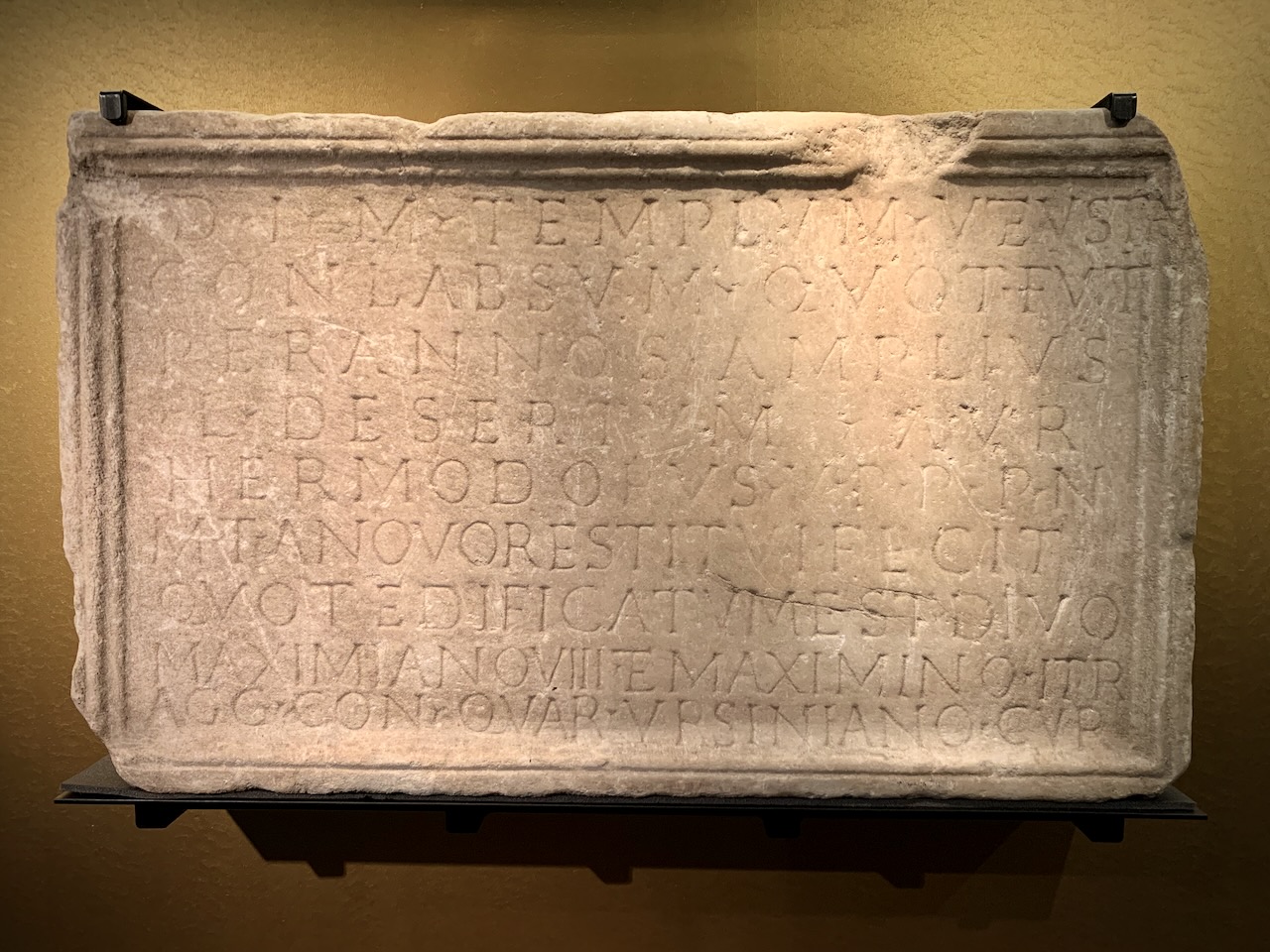
This marble gives some details of the reconstruction of the Virunum Mithraeum.
Intervention de Nicolas Amoroso, commissaire de l’exposition Le Mystère Mithra.
