Your search Stockstadt am Main gave 1164 results.

An inscription from the place called La Oneda near Breno in Val Camonica, dedicated to Sol Divinus by L. Apisocius Successus for himself and his four patrons Marcus, Gaius, Lucius and Quintus, with a dagger with ribbons carved below.
Marble funerary stele dedicated to the soldier Aurelius Lucanus, a devotee of Mithras, found at Amasya (ancient Amasia), Pontus.
Lost altar from Zsámbék near Aquincum, Pannonia Inferior, dedicated to Soli invicto sacrum; found with the preceding piece.
Lost altar from Zsámbék near Aquincum, Pannonia Inferior, bearing a dedication to Invicto deo; found together with the following piece in a vineyard.
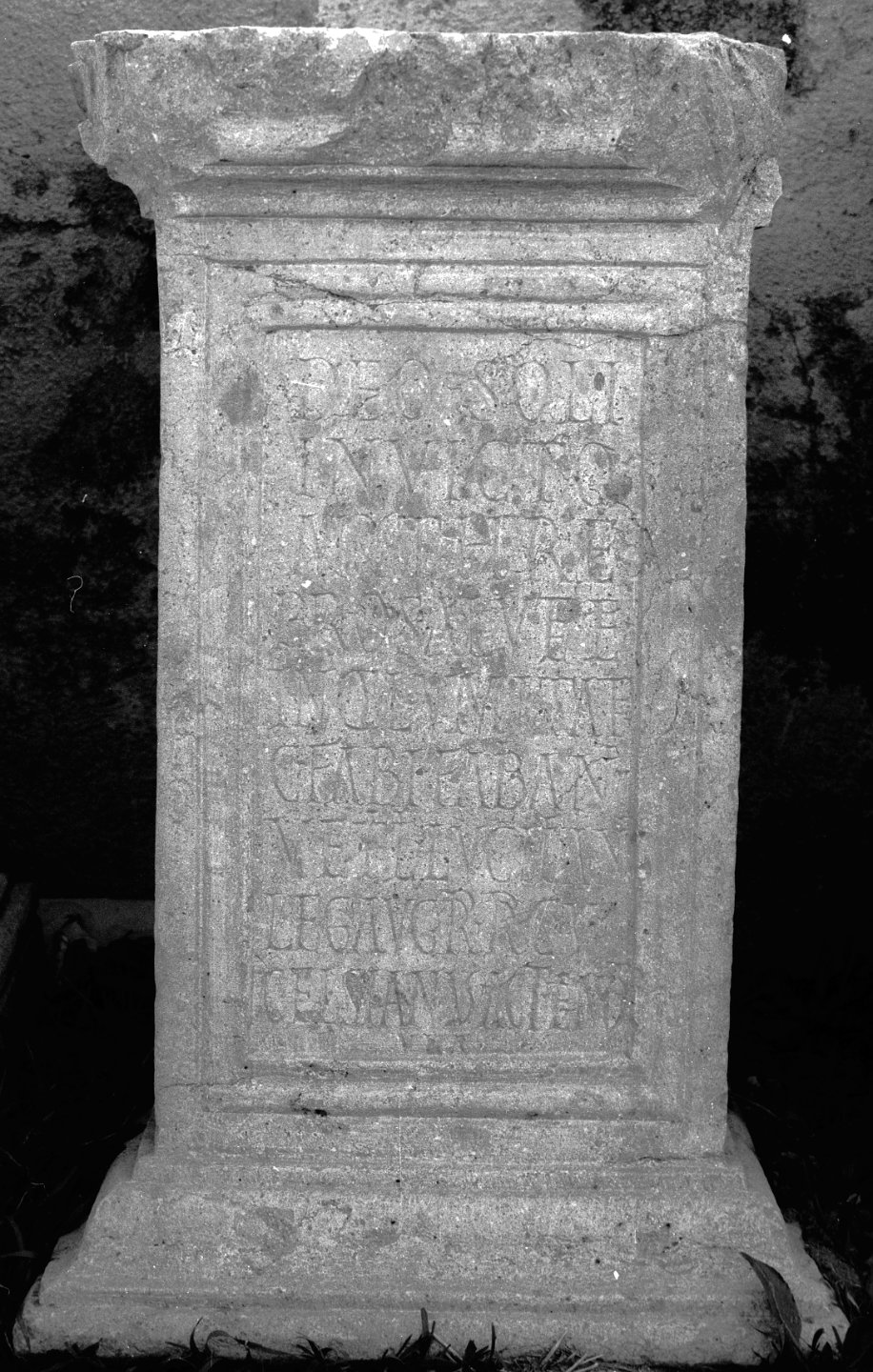
This altar found in Lambèse, now Tazoult, Algeria, bears the inscription of a certain Celsianus for the health of two men to the god Sol Unconquered Mithras.

Slab found at Tazoult-Lambèse dedicated to the Unconquered god Sol Mithras by the governor of Numidia Marcus Aurelius Decimus.
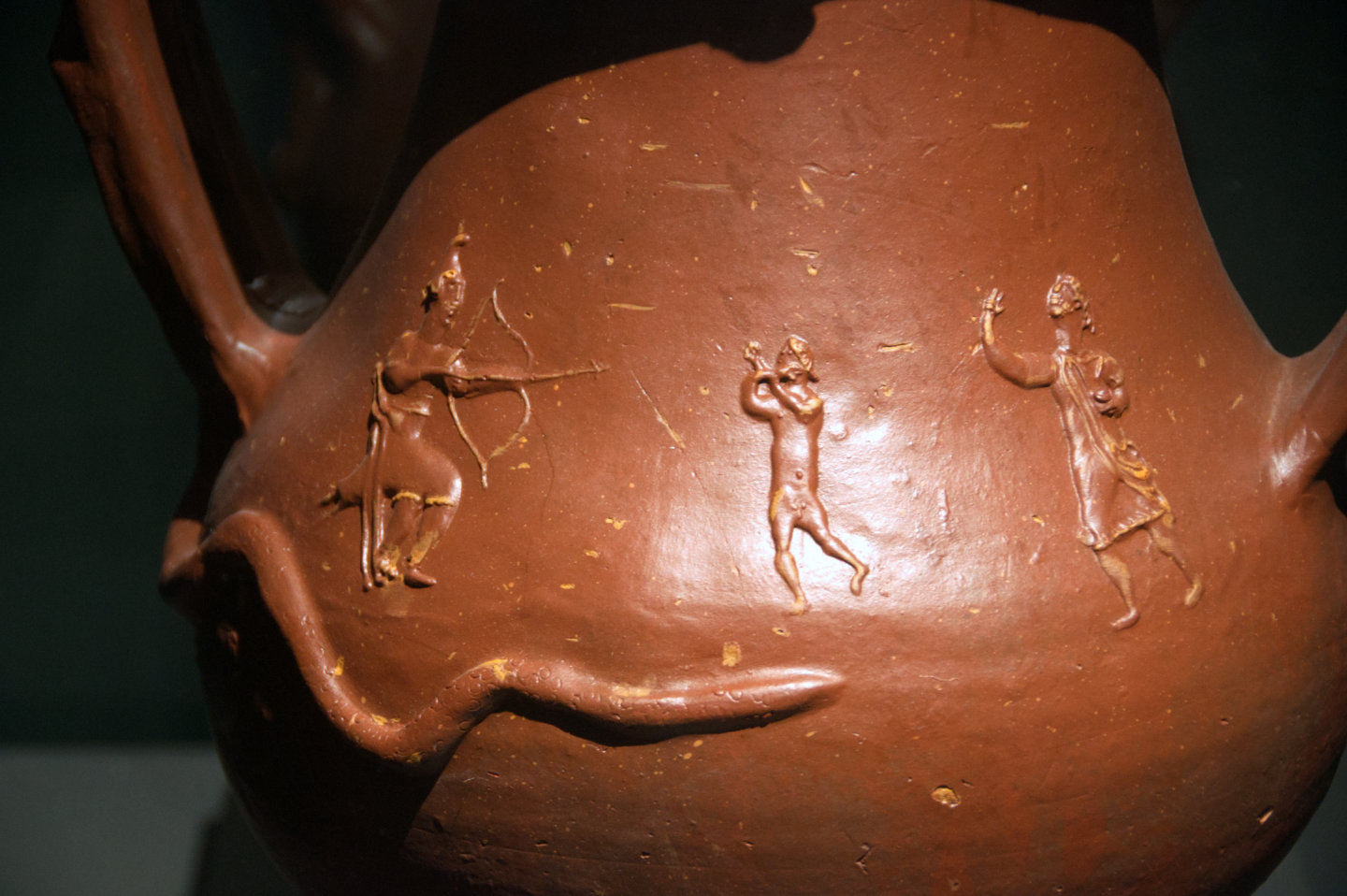
The Mithraic vase from Ballplatz in Mainz depicts seven figures arranged in two narrative sequences, commonly interpreted in relation to initiation rites.

The Mithraeum of Mainz, was discovered outside the Roman legionary fortress. Unfortunately the site was destroyed without being recorded.
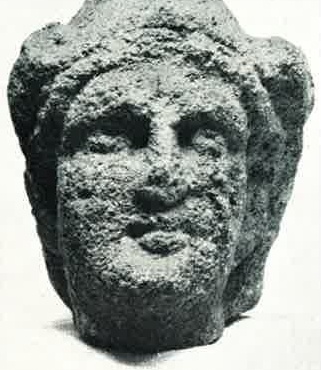
Sandstone fragment from Mithraeum I at Heddernheim, ancient Nida, probably the damaged head of a torchbearer, often misidentified as Mercury.
The Mithraeum of Pamphylia was cut back into the rock to form a cave, with a separate relief of Mithras killing the bull.
This inscription by Luccius Crispus was found near the entrance of the Mithraeum at Pamphylia.
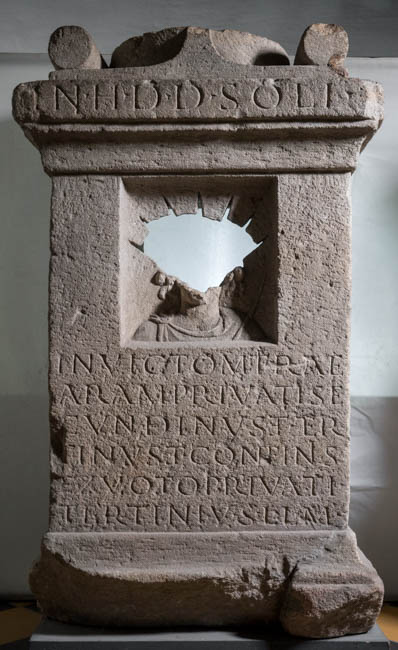
The altar of the Sun god belongs to the typology of the openwork altar to be illuminated from behind.
Fragment of a sandstone relief from Nida-Heddernheim depicting the torchbearer Cautopates.

Pergamon or Pergamum, also referred to by its modern Greek form Pergamos, was a rich and powerful ancient Greek city in Aeolis.
Fragment of a Mithras relief from Zsámbék near Aquincum, Pannonia Inferior, showing seven altars alternated with trees — a processional or decorative border rather than a main tauroctony scene.
Late Roman funerary inscription from Antium commemorating the senator, governor of Numidia and Mithraic pater Alfenius Ceionius Iulianus Kamenius.
Archaeological remains connected with the Praetorian camp and the presence of Mithraic worship among the imperial guard.
