Your search Tal hal Hariri / Es-Sâlihiyeh / As Salhiyah gave 3730 results.

Belgica occupied a strategic position between Roman Gaul, the Rhine frontier and the northern provinces where Mithraic cults circulated widely.
In Aquitania, Mithraic evidence reflects the western expansion of the cult beyond the principal Rhine and Rhône corridors.
Lugdunensis formed part of the urban and administrative core of Roman Gaul, where Mithraic cults circulated through major civic centres.

One of the most eminent representatives of late antique pagan religiosity, combining high civic authority with deep initiation into multiple mystery traditions, including the cult of Mithras.
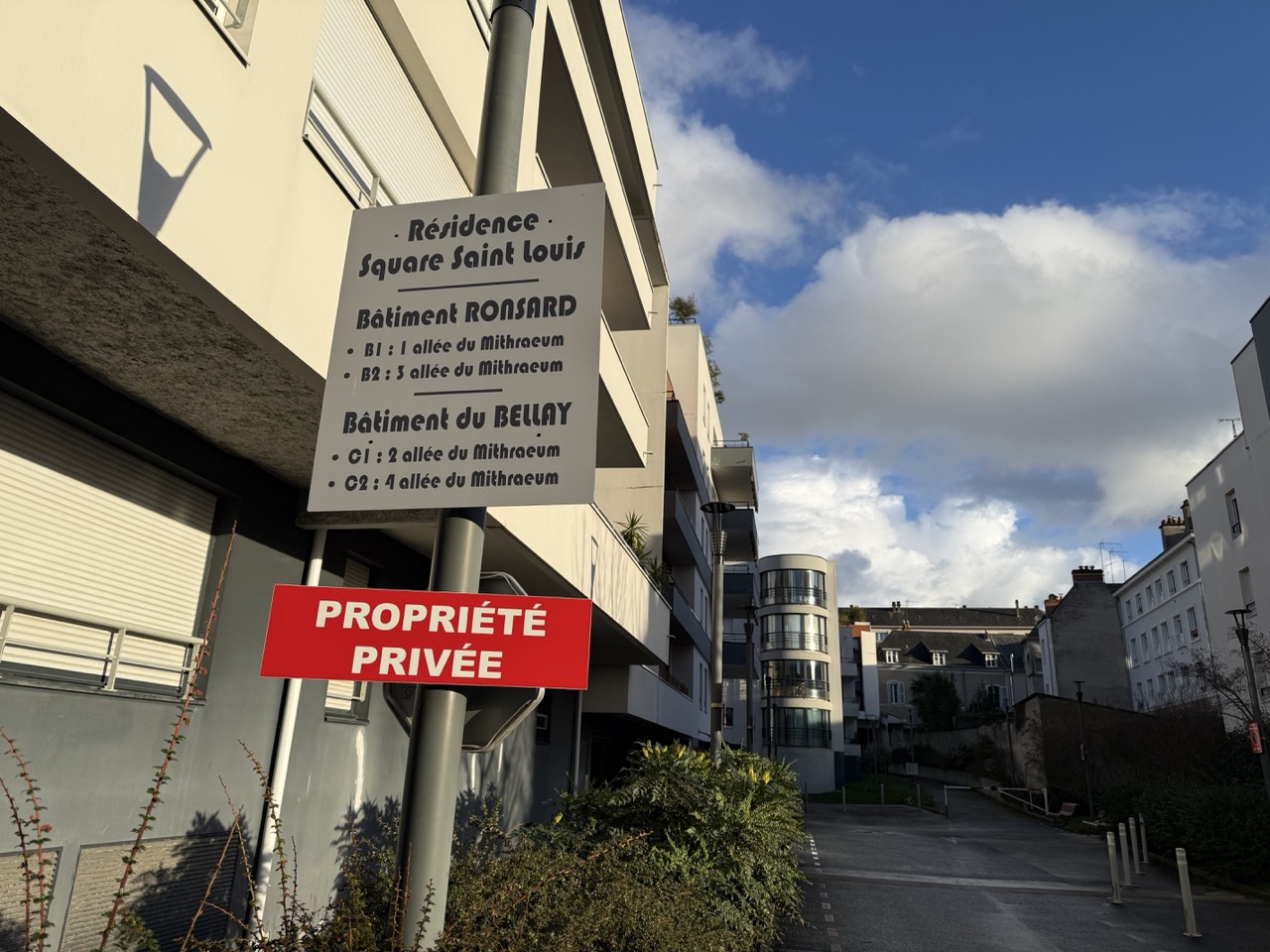
The Mithraeum of Angers, excavated during a preventive operation and subsequently dismantled in 2010, yielded numerous objects, including coins, oil lamps, and a ceramic vessel bearing a votive inscription to the invincible god Mithras.
Thracia reflects the circulation of Mithraic cults through the military, urban and maritime networks linking the Balkans, the Danube and the northern Aegean world.
Roman Dacia preserves one of the densest and most frontier-oriented bodies of Mithraic evidence in the empire.

This fragmentary inscription from Zuccabar, reused in the wall of the Sidi Abd-el-Kader mosque at Affreville, preserves a dedication to Sol Invictus.
This marble dedication from Puteoli was offered to Sol Invictus and the genius of the colony by Claudius Aurelius Rufinus together with his wife and son.
Pannonia preserves one of the most important frontier corpora of Mithraic evidence in the Roman world.
Corsica and Sardinia preserve a small island corpus within the western Mediterranean diffusion of Mithraism.

Late Roman dux associated with the restoration of the so-called Mithraeum IV of Poetovio.
This inscription probably belonged to the fourth mithraeum of Poetovio and records the restoration of a Mithraic temple by the dux Aurelius Iustinianus.

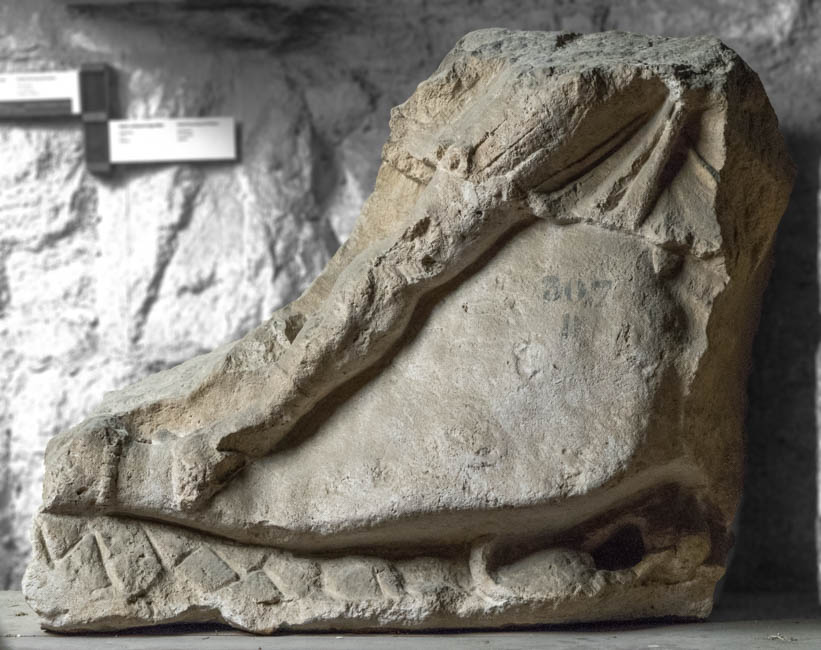
This large limestone fragment from Roman Salona preserves the hind part of the bull together with Mithras’ foot and traces of his red tunic.
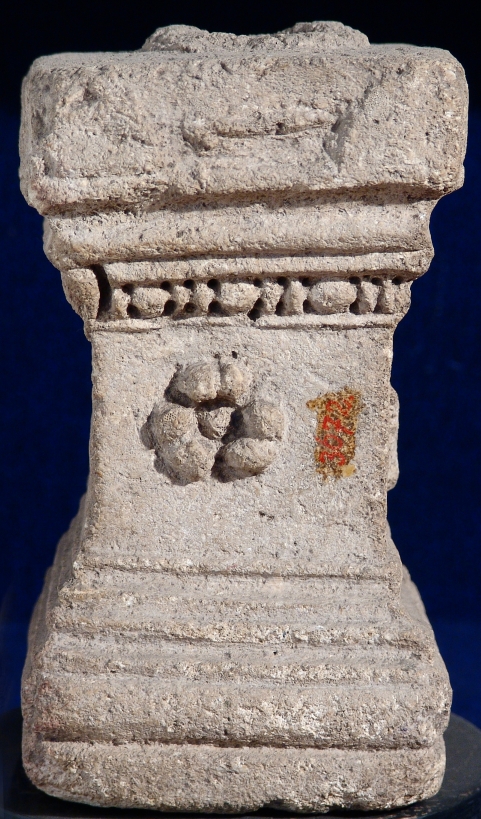
This limestone altar from Roman Dacia preserves a dedication to Mithras by a commander of the Ala II Pannoniorum.
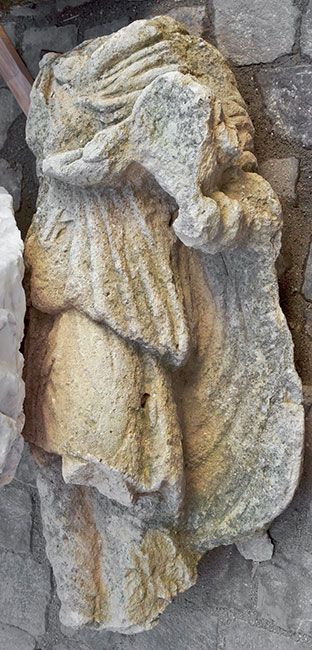
This weathered limestone statue from the Mithraeum of Apulum depicts a standing figure in Oriental attire holding the head of a bull or ram.
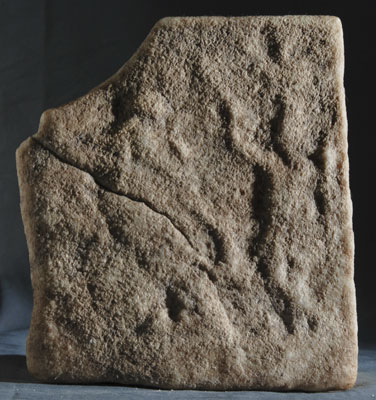
This small weathered marble fragment preserves part of a tauroctony with Cautes, Luna, the serpent, and a leaping dog.
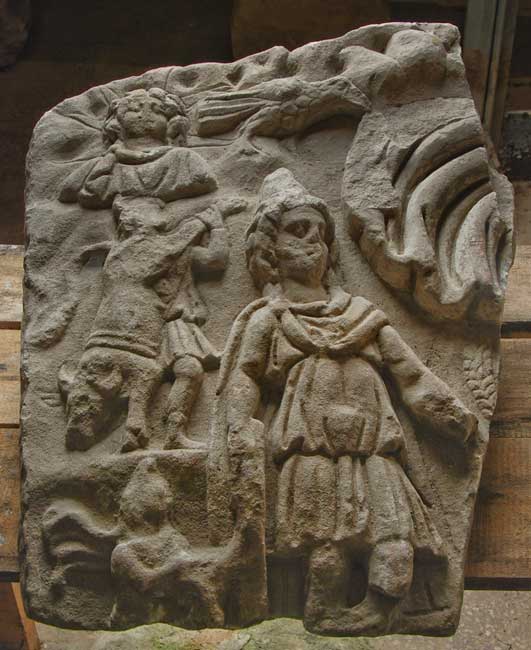
This marble fragment from Roman Dacia preserves part of a tauroctony with Sol, the raven, and Mithras dragging the bull.
This fragmentary tauroctony from Roman Gaul preserves a striking raven behind Mithras’ cloak and the bust of Sol in the upper corner.
