This site uses cookies to offer you a better browsing experience.
Find out more on how we use cookies in our privacy policy.

 
Provincia

Mithras in Lugdunensis

Lugdunensis formed part of the urban and administrative core of Roman Gaul, where Mithraic cults circulated through major civic centres.

The province of Lugdunensis preserves evidence connected to some of the principal communication routes and urban environments of Roman Gaul. The documented material illustrates the implantation of Mithraic cults within civic, commercial and administrative contexts across the Gallic interior.
Mithraic monuments of Lugdunensis


Mithréum de Septeuil

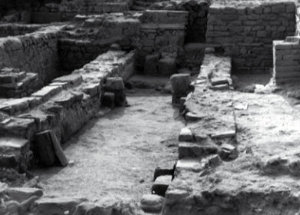
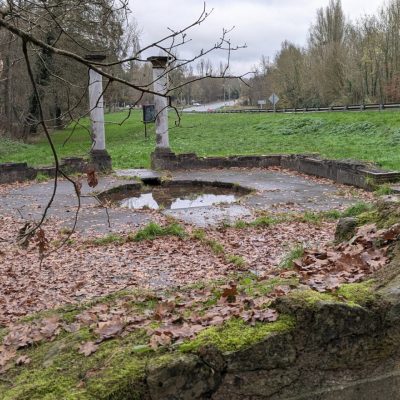
In the second half of the 4th century, a Mithraic temple was established within an earlier spring sanctuary at Septeuil, where the cult of the nymphs and Mithraic practices appear to have coexisted.


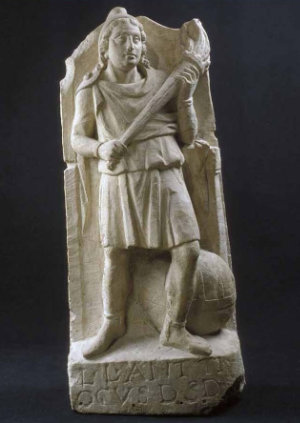
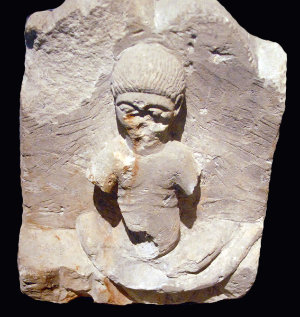
Cautes from Les Bolards

This monument representing Cautes with uncrossed legs was consecrated by a certain Anttiocus.

CIMRM 918


Mithréum des Bolards

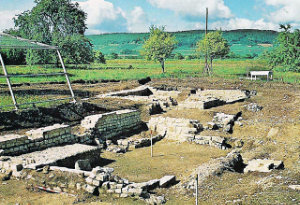
The Mithraeum des Bolards was integrated into a therapeutic cultural complex related to healing waters.

CIMRM 917


Mithréum d’Angers

The Mithraeum of Angers, excavated during a preventive operation and subsequently dismantled in 2010, yielded numerous objects, including coins, oil lamps, and a ceramic vessel bearing a votive inscription to the invincible god Mithras.


Mithréum de Mandelieu

Excavations in 1979 on the remains of the church of Notre-Dame d'Avigonet in Mandelieu, Alpes-Maritimes, brought to light a small mithraeum.


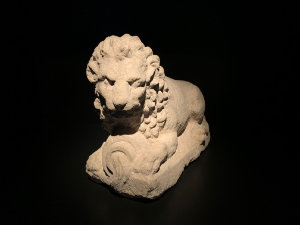
Lion from Les Bolards

A limestone lion holding a flowing urn, discovered at the entrance of the Mithraeum of Les Bolards, reflects the ritual significance of water within the cult of Mithras.

CIMRM 921


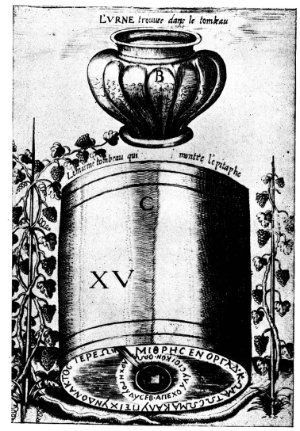
Funerary urn of Chyndonax

This funerary inscription, engraved on a stone urn discovered near Roman Dijon, mentions a certain Chyndonax, described as a priestly leader of Mithras.

CIMRM 934


Mithraic vase of Lezoux

This terracotta vase features prolific decoration, including Mithras Tauroctonos, Fortuna, Cautes, a dog and Pan playing a syrinx.

CIMRM 908


Head of Mithras from Angers Mithraeum

The head of Mithras of Angers has been found a four months after the main relief.


Mithréum de Dyo

A statue and a relief of Cautes have been found in an ancient Gallo-Roman site in the commune of Dyo.


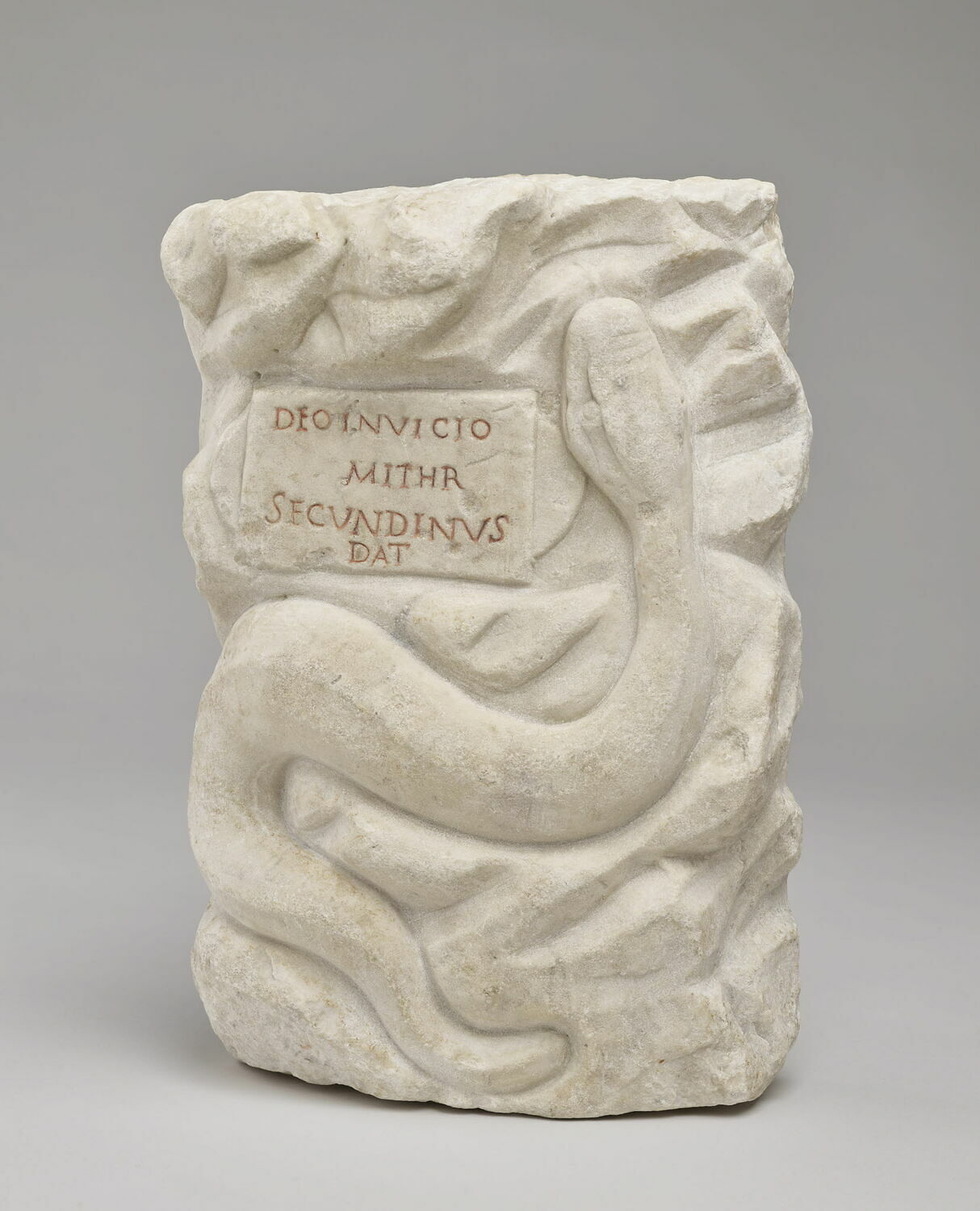
Inscription of Secundinus of Lyon

There is no consensus on the authenticity of this monument erected by a certain Secundinus in Lugdunum, Gallia.

CIMRM 906


Mithréum de Vieu

Discovered beneath the church of Vieu-en-Valromey in 1869, this Mithraeum formed part of the monumental religious centre of ancient Venetonimagus.

CIMRM 909

See all Mithraic monuments in Lugdunensis

Places in Lugdunensis


Arverni

Arverni refers to the territory of the Arverni in central Gaul, centred on the region of modern Clermont-Ferrand.


Divio

Dijon is the prefecture of the Côte-d'Or department and of the Bourgogne-Franche-Comté region in eastern France. The earliest archaeological finds within the city limits of Dijon date to the Neolithic period.


Dyo

Dyo is a commune in the Saône-et-Loire department in the region of Bourgogne-Franche-Comté in eastern France.


Intaranum

Entrains-sur-Nohain is a commune in the Nièvre department in central France.


Interanum

Interanum is recorded as a findspot for Mithraic material in Roman Gaul.


Juliomagus

Juliomagus, modern Angers, preserves evidence of Mithraic activity within the urban and administrative landscape of Roman northwestern Gaul.


Les Bolards

Nuits-Saint-Georges is a commune in the arrondissement of Beaune of the Côte-d'Or department in the Bourgogne-Franche-Comté region in Eastern France.


Lugdunum

Lugdunum, currently Lyon, France, was the capital of the Roman province of Gallia Lugdunensis. The city was founded in 43 BC by Lucius Munatius Plancus. Two emperors, Claudius and Caracalla, were born in Lugdunum.


Septeuil

Septeuil has been known in Mithriacism since 1984, when a sanctuary dedicated to Mithras was discovered in the 4th century. It was located in a spring sanctuary (nymphaeum) of the 1st century.


Sequana

Sequana refers to the Seine region and its associated cult landscape in Roman Gaul.


Venetonimagus

Venetonimagus, now Vieu, part of the town of Valromey, would have been called Venetonimagus or Venetonimago in Gallo-Roman times.


Minelle

Inscriptions from Lugdunensis

Cautes from Les Bolards

L[ibens] l[aetus] Antti/ocus [sic] d[e] s[uo] d[edit].
Of his own free will, with joy, Anttiocus, at his own expense, offered.

Funerary urn of Chyndonax

Μίθρης εν οργάδ[ι] χώμα το σώμα καλύπτει Χννδόνακτος ίερεω[ς] αρχηγού, δνσεβ[ίας] απέχον λύσι[ον] οίκον ὁρώ[ν].
Here, in the sacred land of Mithras, a mound covers the body of Chyndonax, high priest. Refrain from impiety at the sight of his redemptive tomb.

Inscription of Secundinus of Lyon

Deo invicto / Mithr[ae] / Secundinus dat.
To the unconquered god Mithras, Secundinus gives [it].

Goblet from Angers

---]M [---]Deo[ inuic]to Mytrh[ae
]s Genialis ciues Ambian[in]us [or Ambian[ic]us] exuoto d[edit
frat]ribus, omni loco, [ N]ama!.
--- To the unconquered god Mytrha, [...]s [? son of] Genialis, Ambian citizen, gave in accordance with his vow, for his brethren[, ] in all places [...]. Glory!.

Altar of Vieu

Dei i[nvicti] / M[ithrae] Patri Patru/m C[aio] Ru[t[io]] / Eutacto / C[aius] R[ufius] Viri/lis fil[ius].
Caius Rufius Virilis, his son, for Caius Rufius Euctatus, Pater Patrum of the invincible god Mithras.

Inscription of Pylades from Angers

Aug(usto). Deo Inuicto
Mithrae Pylades
Felicis Aug(usti) ser(ui)
Agathangeliani (seruus)
u(otum) s(oluit) l(ibens) m(erito).
To Augustus. In honour of the invincible god Mithras, Pylades, slave of Felix Agathangelianus, himself a slave of Augustus, willingly and deservedly fulfilled his vow.

Limestone fragment from Porêts

] Mythr[ ... / ... ] VP[?] Bell [ ....
Back to Top