Your search Tal hal Hariri / Es-Sâlihiyeh / As Salhiyah gave 3733 results.
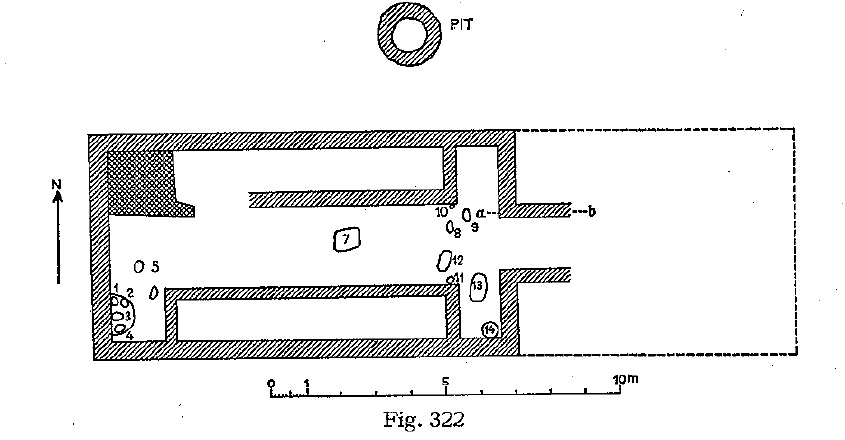
There are references to two places of worship from Dieburg, whereby the Mithraeum, discovered in 1926.

Are you a Fluent English Speaker? Are you interested in joining a bourgeoning community centred around camaraderie, knowledge and community building? If so, we invite you to join the Anglo-Mithraic Society! We offer a welcoming community…
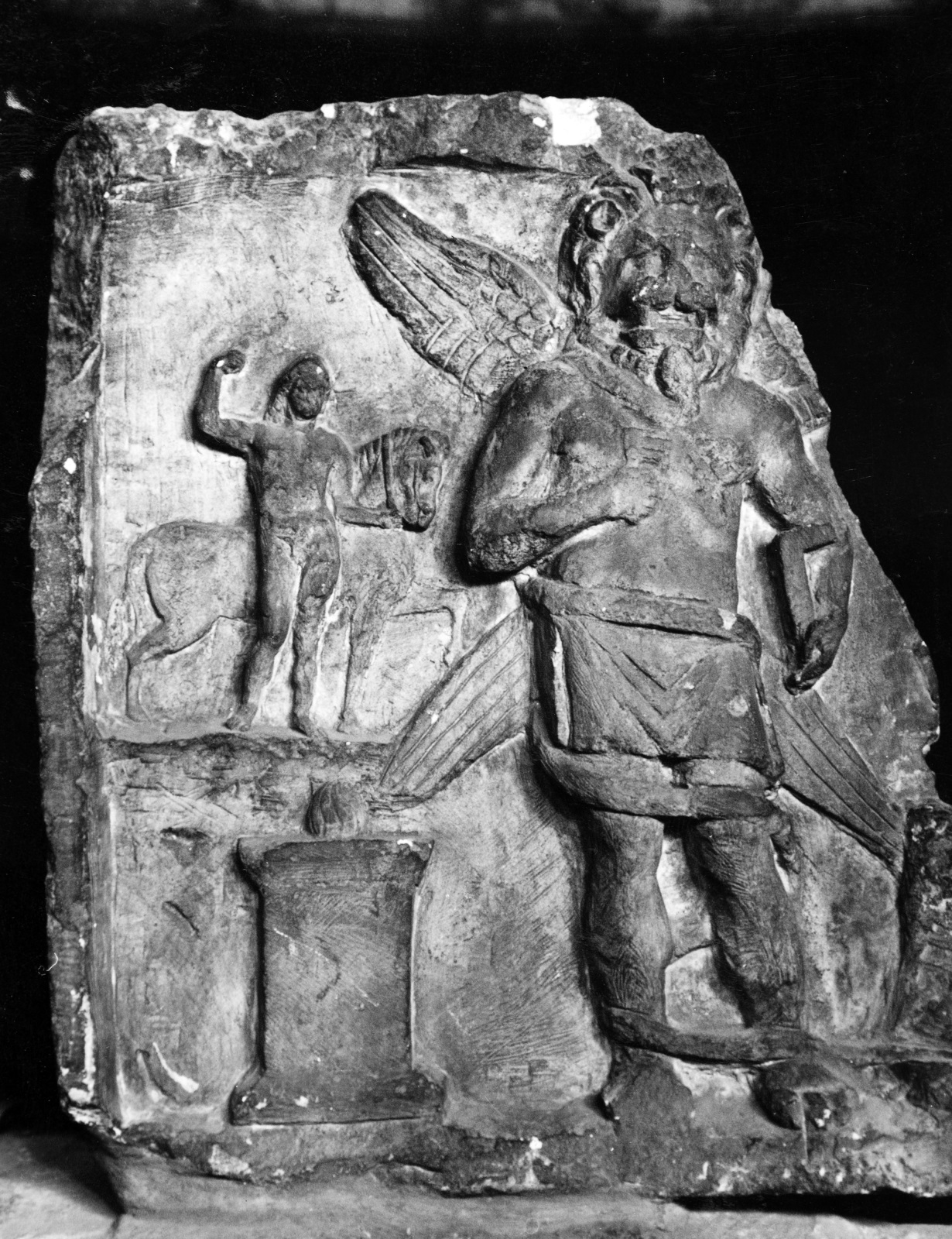
The relief of Aion from Vienne includes a naked youth in Phrygian cap holding the reins of a horse.
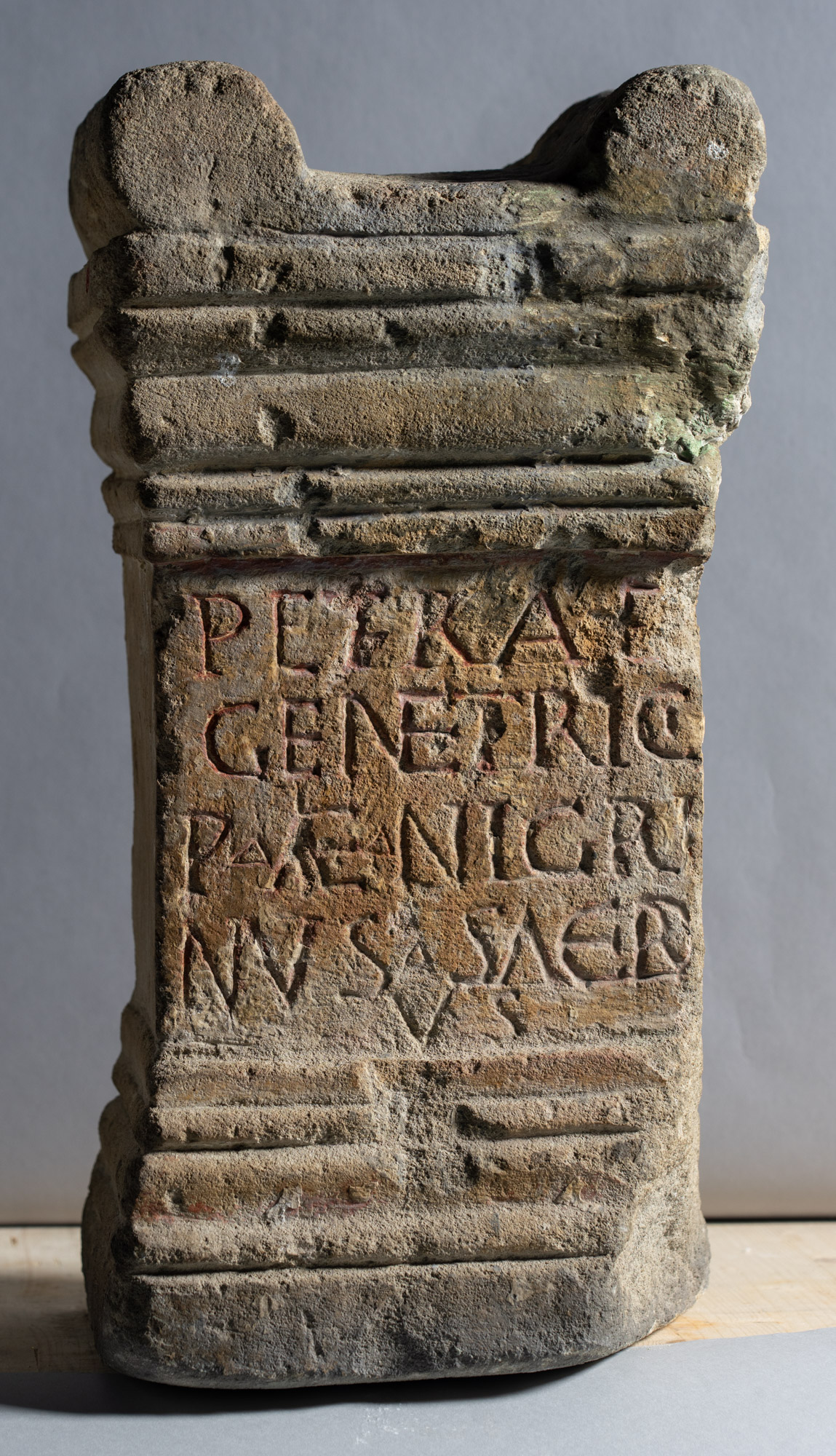
Aelius Nigrinus dedicated this small altar in Carnuntum to the rock from which Mithras was born.

A statue and a relief of Cautes have been found in an ancient Gallo-Roman site in the commune of Dyo.
The Mithraeum I of Cologne is situated amid a block of buildings. It was impossible to narrowly determine its construction and lay-out.

This small monument without inscription was found in Bingem, Germany.
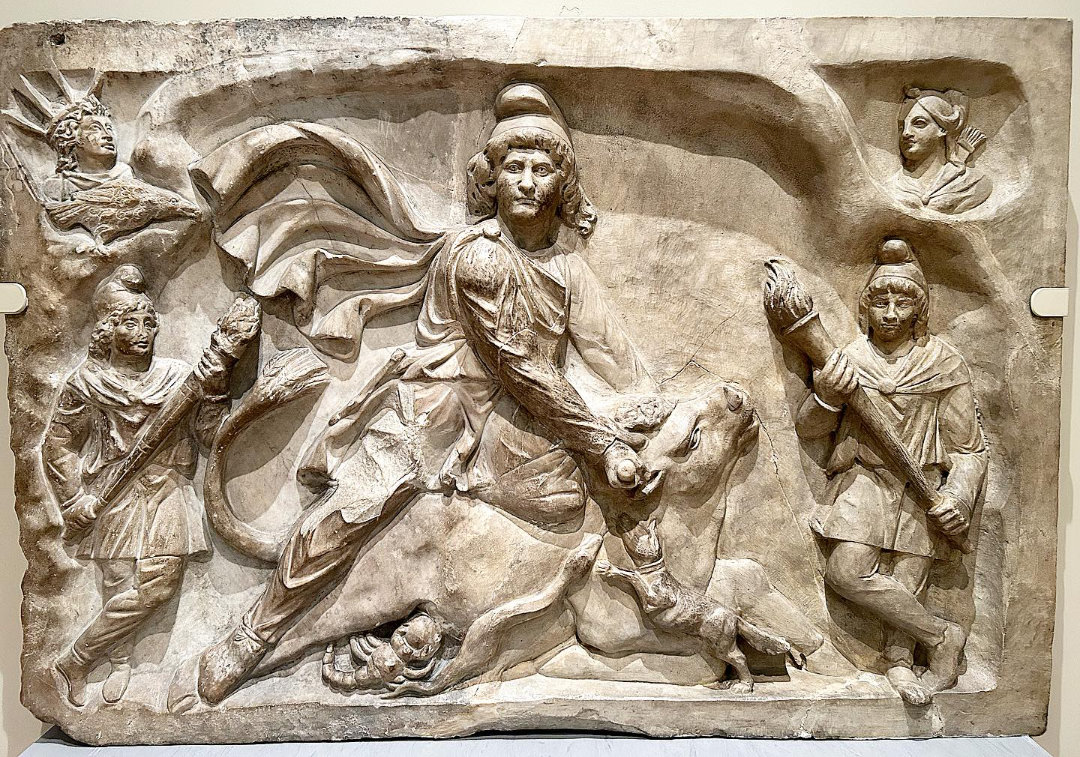
This relief of Mithras killing the bull is on display at the Royal Ontario Museum.
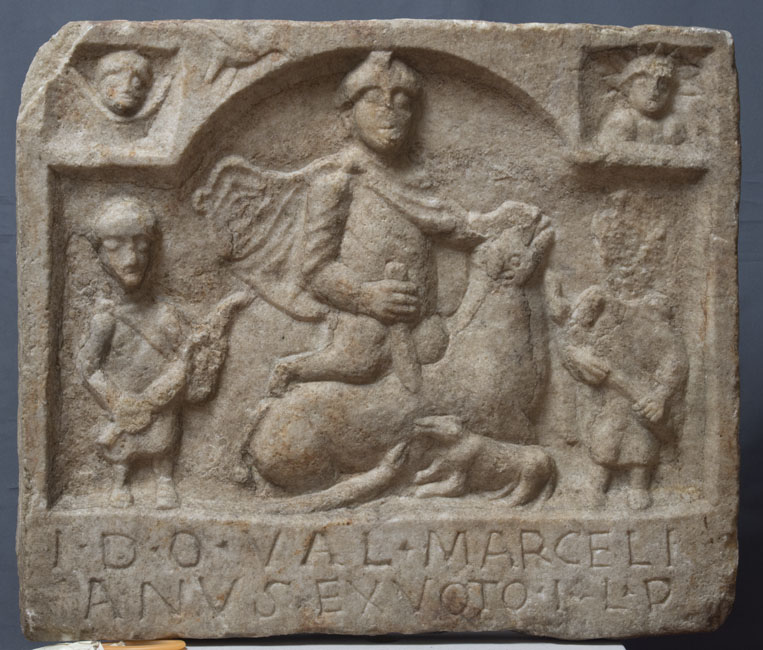
This primitive relief of Mithras as a bullkiller is signed by a certain Valerius Marcelianus.
The provenance of this fragment of a white marble relief depicting Mithras as a bullkiller is unknown.
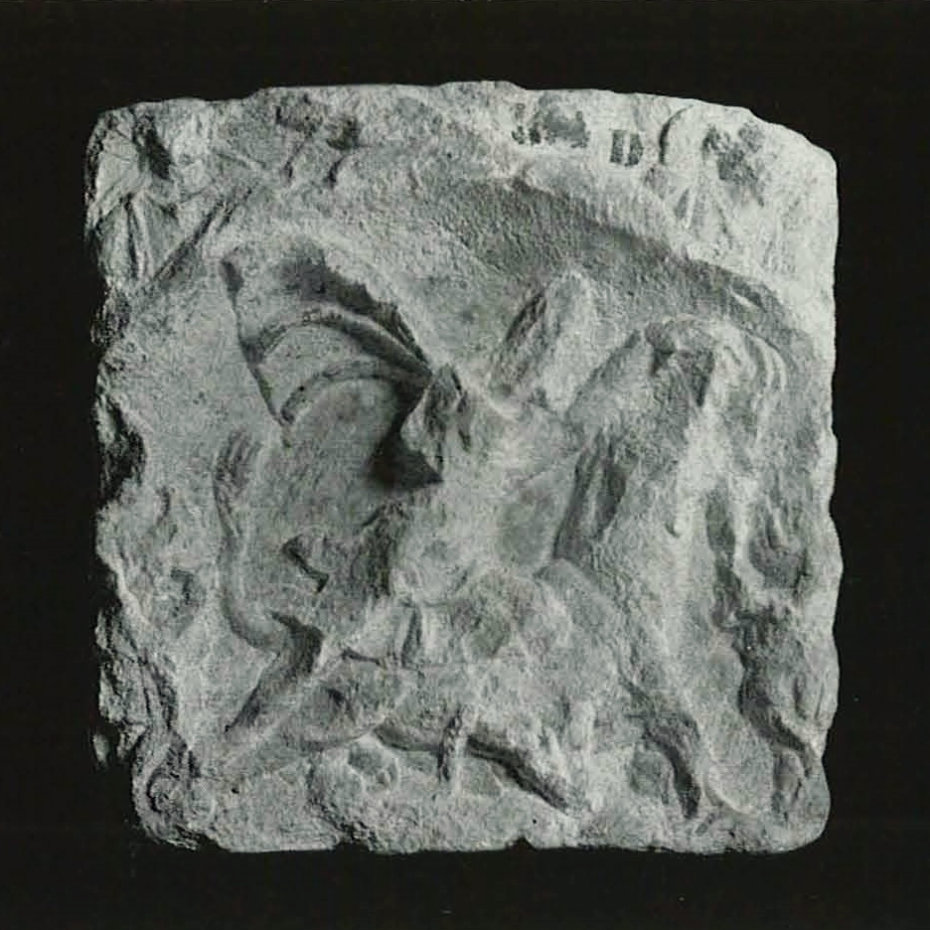
This damage relief of Mithras killing the bull was found walled into a house near Split, Croatia.
Three small limestone altars were found in the Jajce Mithraeum, one of which bears the inscription ’Invicto’.
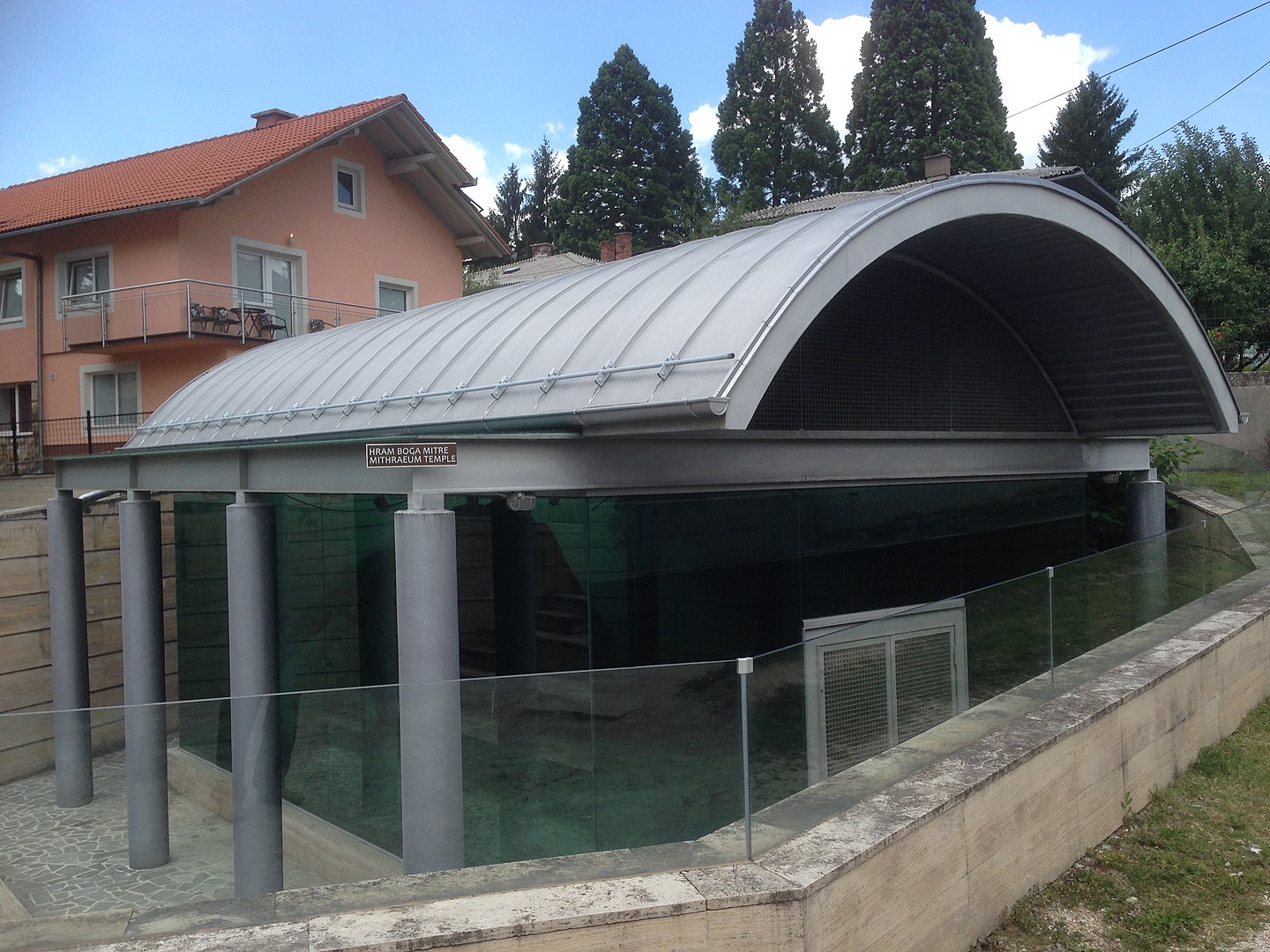
The remains of the Jajački Mithraeum were discovered accidentally during excavation for the construction of a private house in 1931.
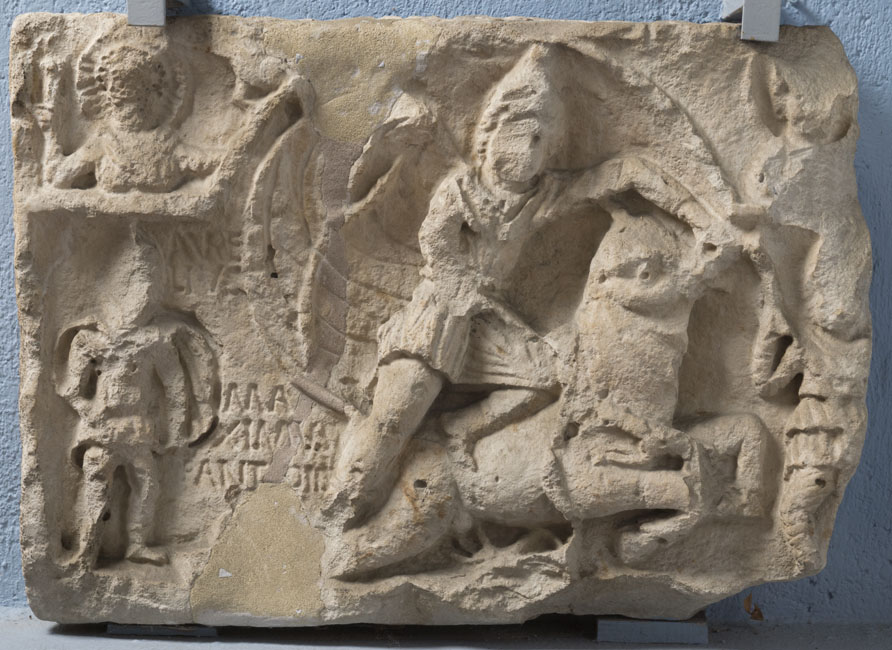
This relief of Mithras as a bullkiller was found in Golubić, Bosnia and Herzegovina, near a cementery.
Vermaseren noted in his Corpus that he had been informed of a fragmented relief of Mithras killing the bull in "the museum at Ghighen".
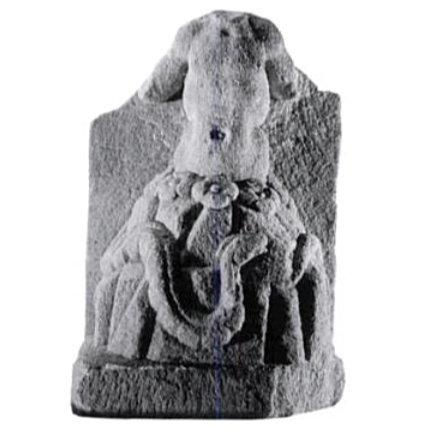
This sculpture of Mithras born from a rock was found in 1922 together with two altars in what was probably a mithraeum.
This statuette was bought by A. Wiedemann in Luxor in 1882 from a man from Kus.
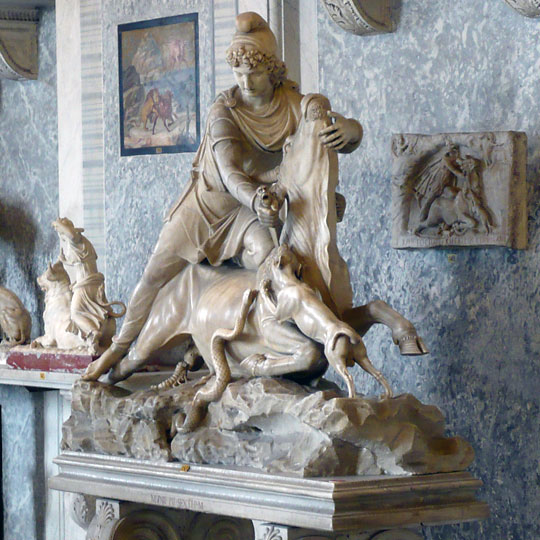
This Mithras killing the bull belonged to the sculptor V. Pancetti before being exhibited in the Vatican Museums under Pius VI.
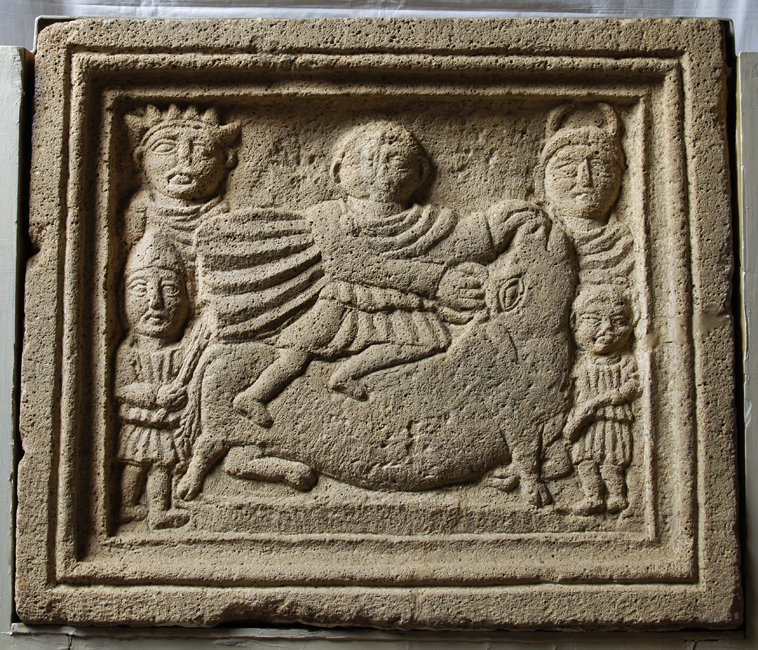
Several elements, such as the snake, scorpion or dog, are missing from this tauroctony relief of Cluj.
