Your search Tal hal Hariri / Es-Sâlihiyeh / As Salhiyah gave 3731 results.

Cappadocia preserves evidence shaped by military movement, eastern frontier dynamics and Anatolian religious landscapes.
Roman Aegyptus preserves a distinctive body of Mithraic evidence shaped by Alexandria and the religious diversity of the eastern Mediterranean.
Achaea preserves some of the earliest and most culturally complex evidence for Mithraic activity in the Greek-speaking eastern Mediterranean.
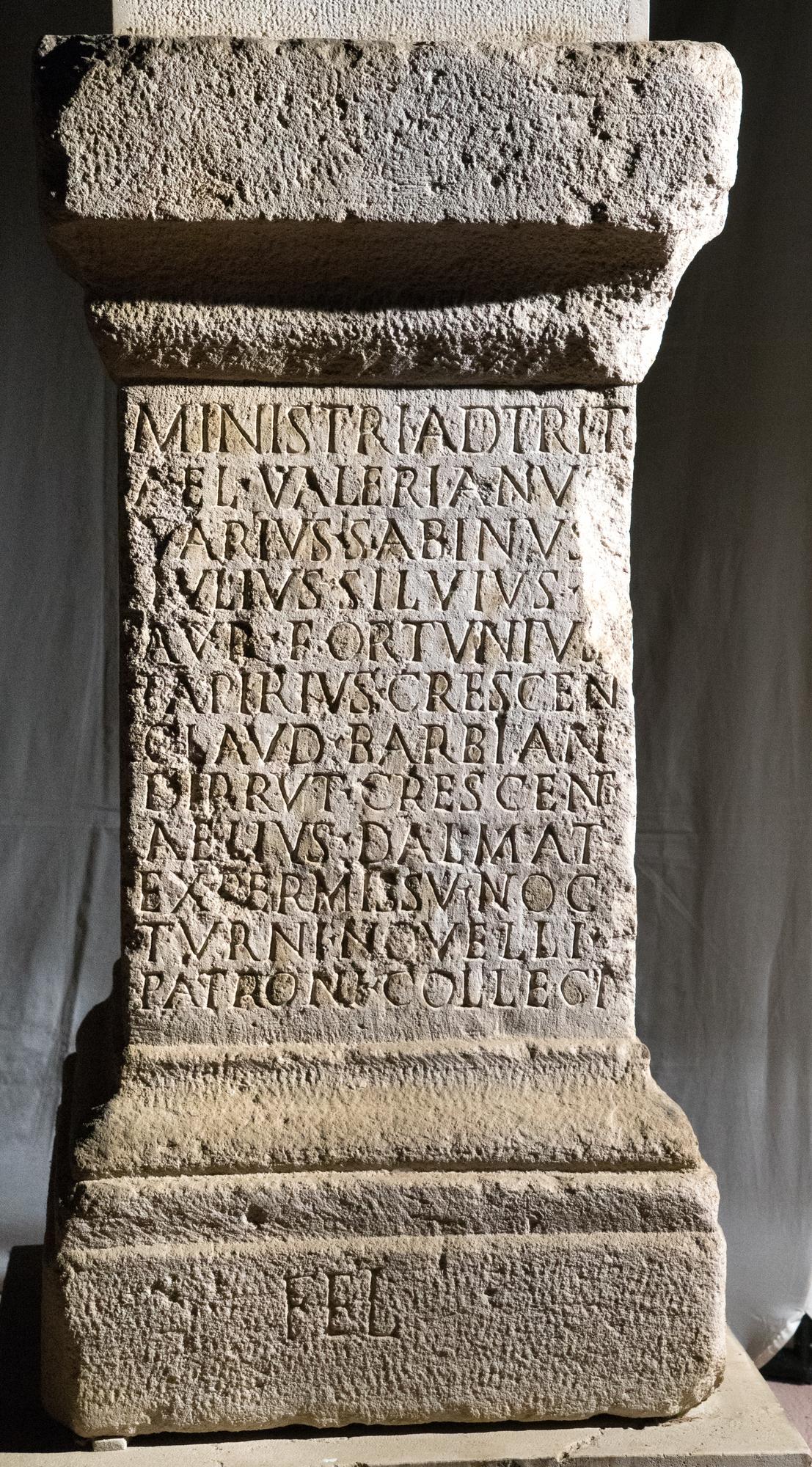
This inscribed limestone altar from Roman Salona preserves several lists of ministers associated with the Tritones collegium during the Tetrarchic period.
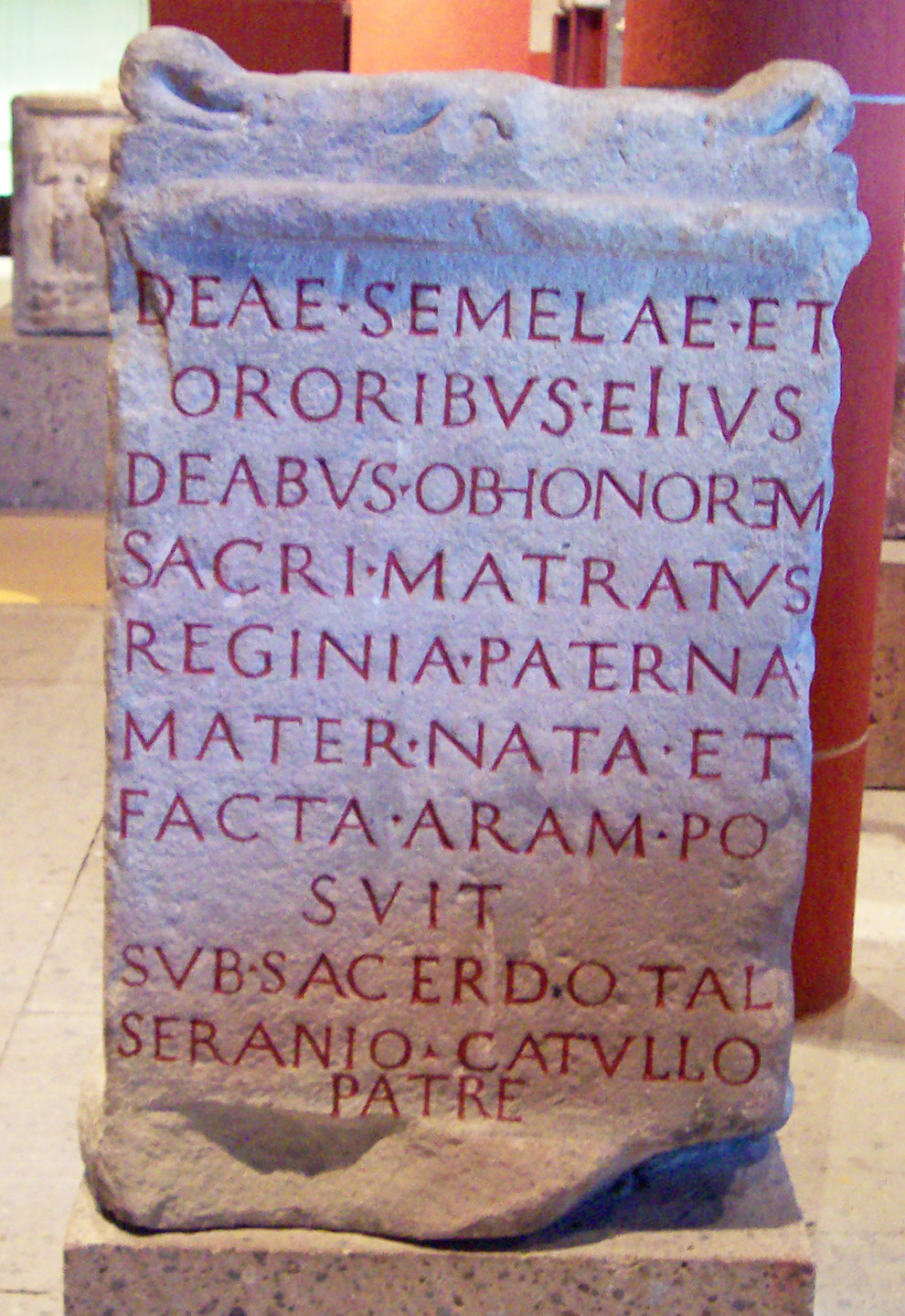
This sandstone altar found in Cologne bears an inscription to the goddess Semele and her sisters.
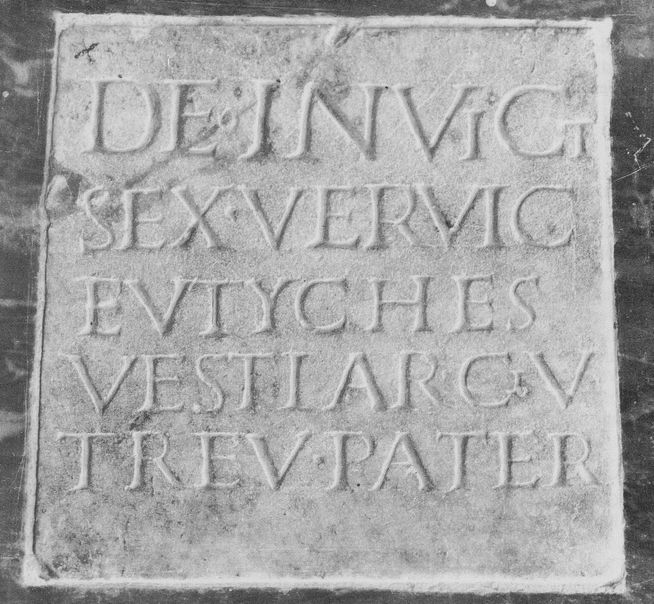
Several inscriptions dedicated to Mithras have been found in Eauze, including these two by a certain Pater Sextus Vervicius Eutyches, discovered in 1768.
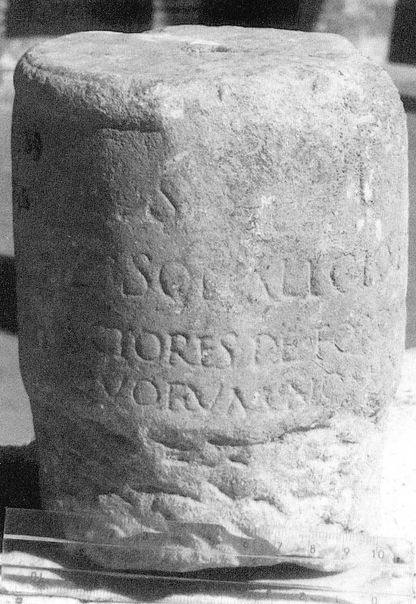
The inscription included the names of the brotherhood, which are now lost.
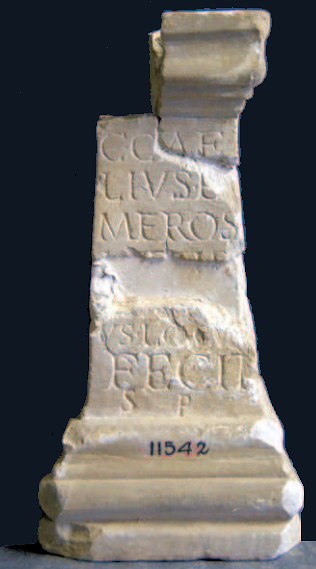
This small monument bears the inscriptions of a certain Caelius Ermeros, antistes at the Mithraeum of the Painted Walls.
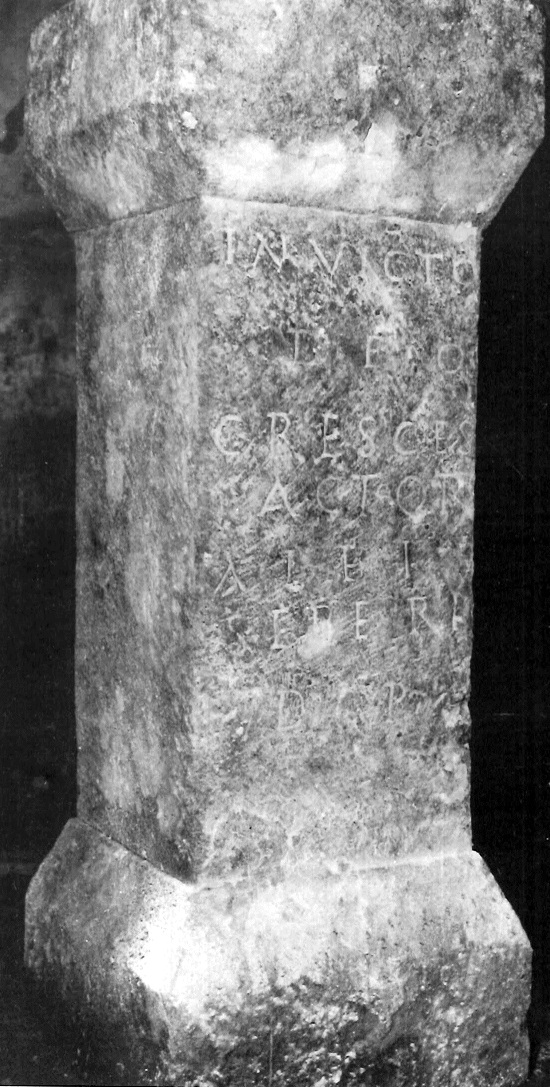
The monument is engraved with an inscription by Cresces, the donor.
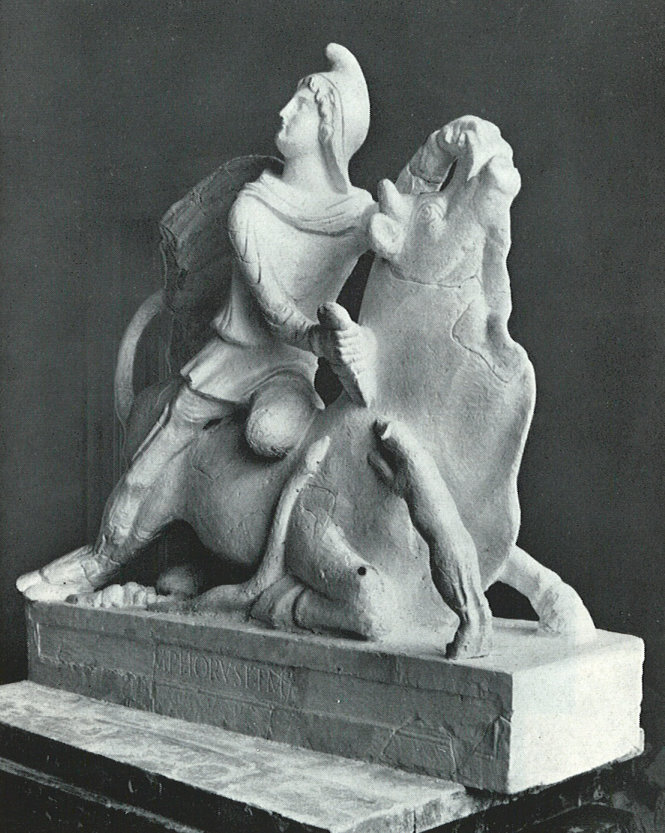
This sculpture of Mithras killing the sacred bull bears an inscription that mentions the donors.
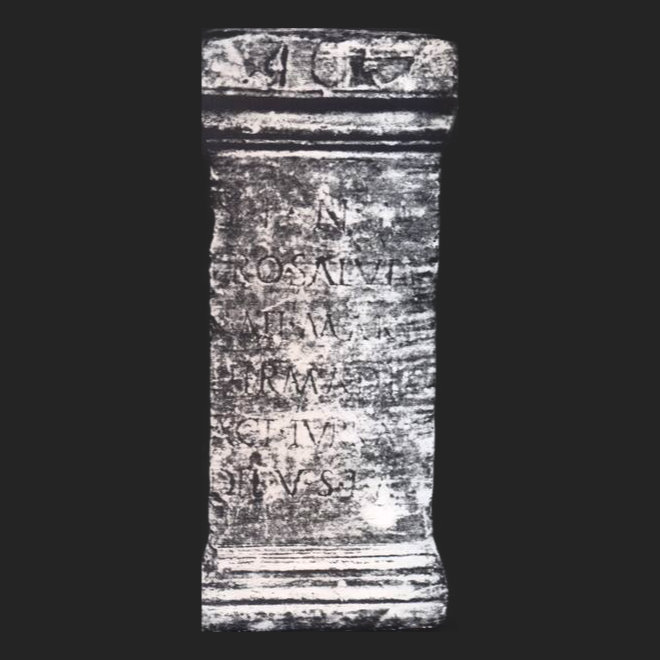
This altar was erected by Hermadio, who also signed other monuments in Dacia and even in Rome.
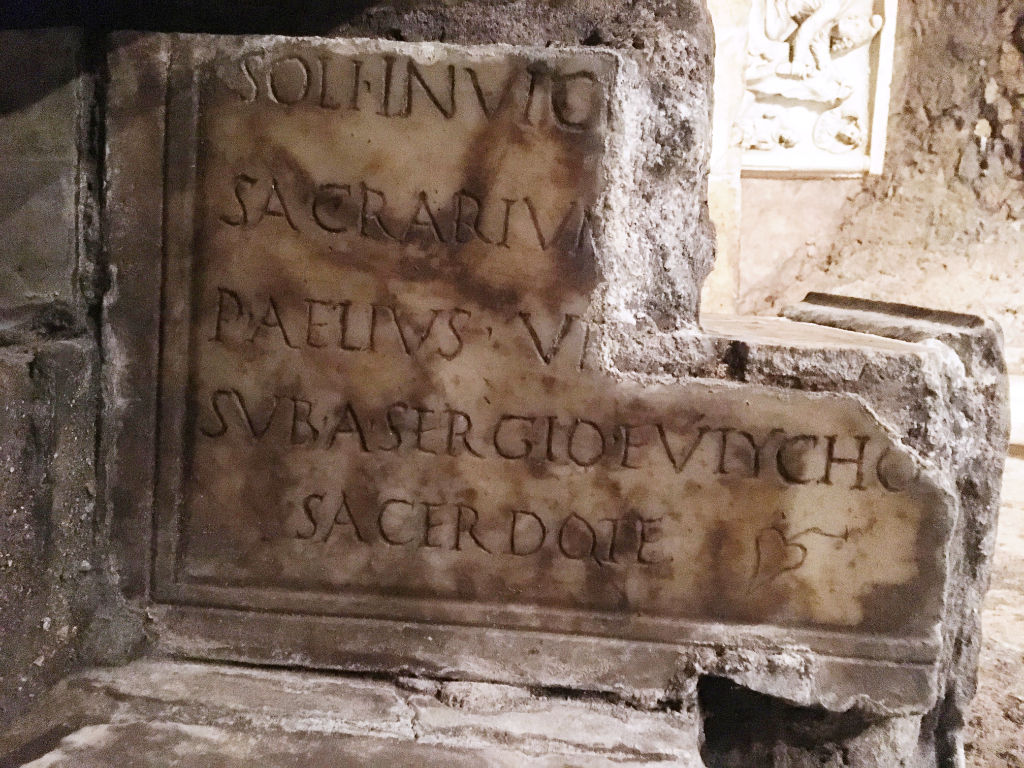
The Mithraic fellow P. Aelius Urbanus mentions that he built the sacred area of the Mithraeum Circo Massimo.
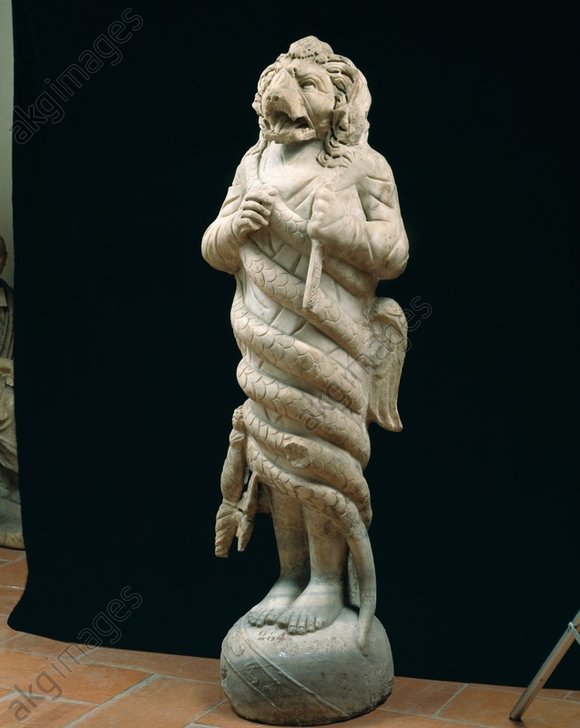
The sculpture of Aion from Florence, Italy, has the usual serpent, coiled six times on its body, whose head rests on that of the god of eternal time.
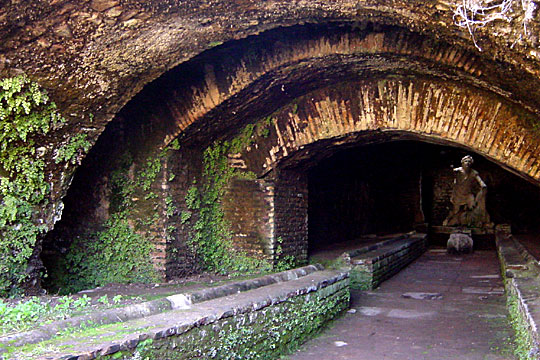
The Mithraeum of the terms of Mithras takes its name from being installed in the service area of the Baths of Mithras.
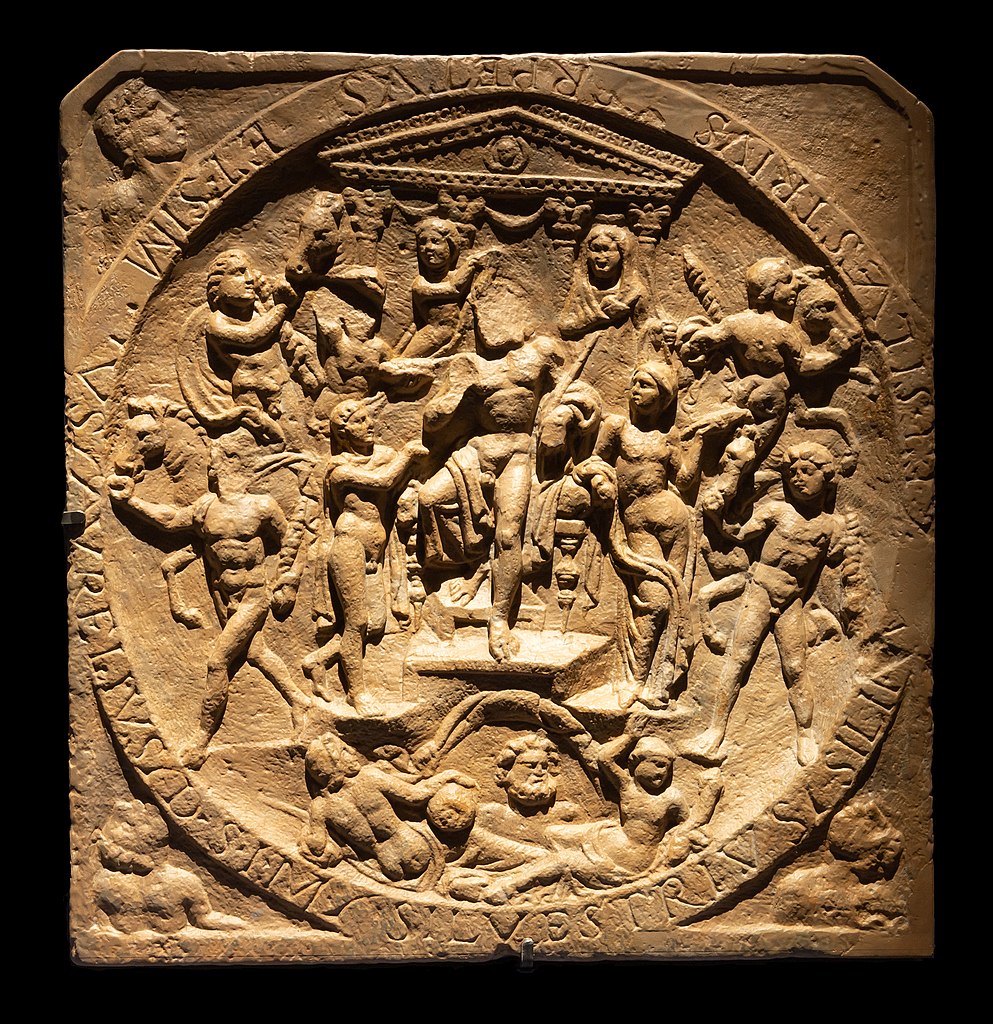
The relief of Dieburg shows Mithras riding a horse as main figure, surrounded by several scenes of the myth.
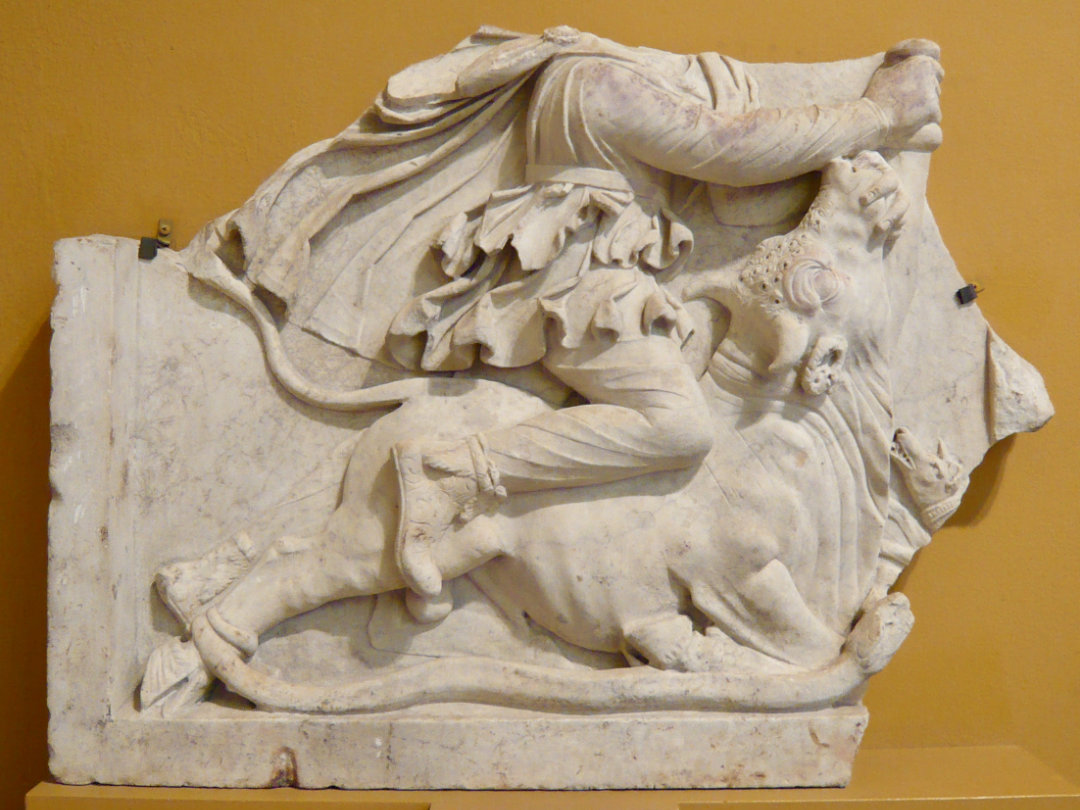
This fragmentary relief depicts Mithras killing the bull in the usual manner, remarkably dressed in oriental attire.

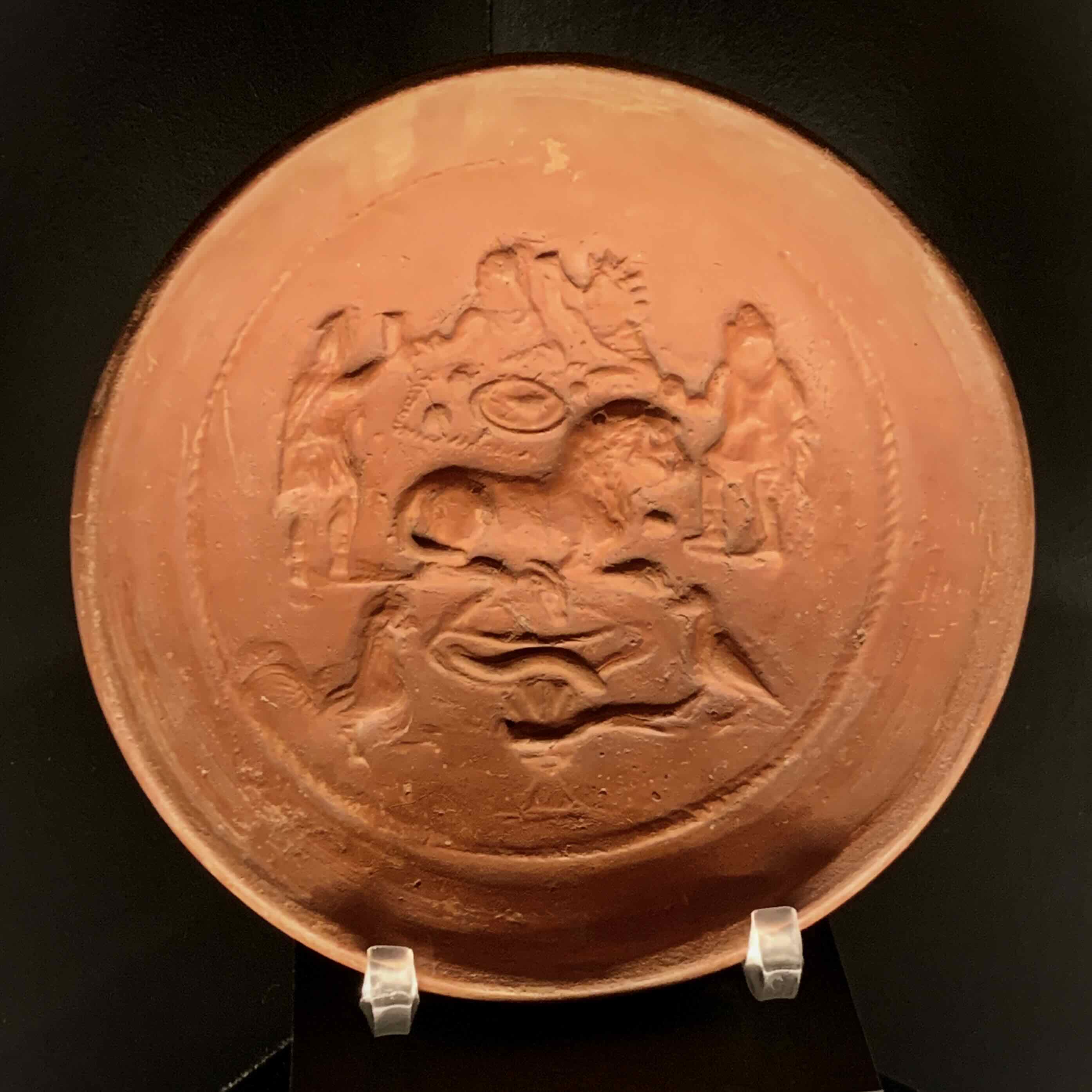
This terra sigillata was found in 1926 in a grave on the Roman cemetery of St. Matthias, Trier. An eyelet indicates that it could have been hung on a wall.
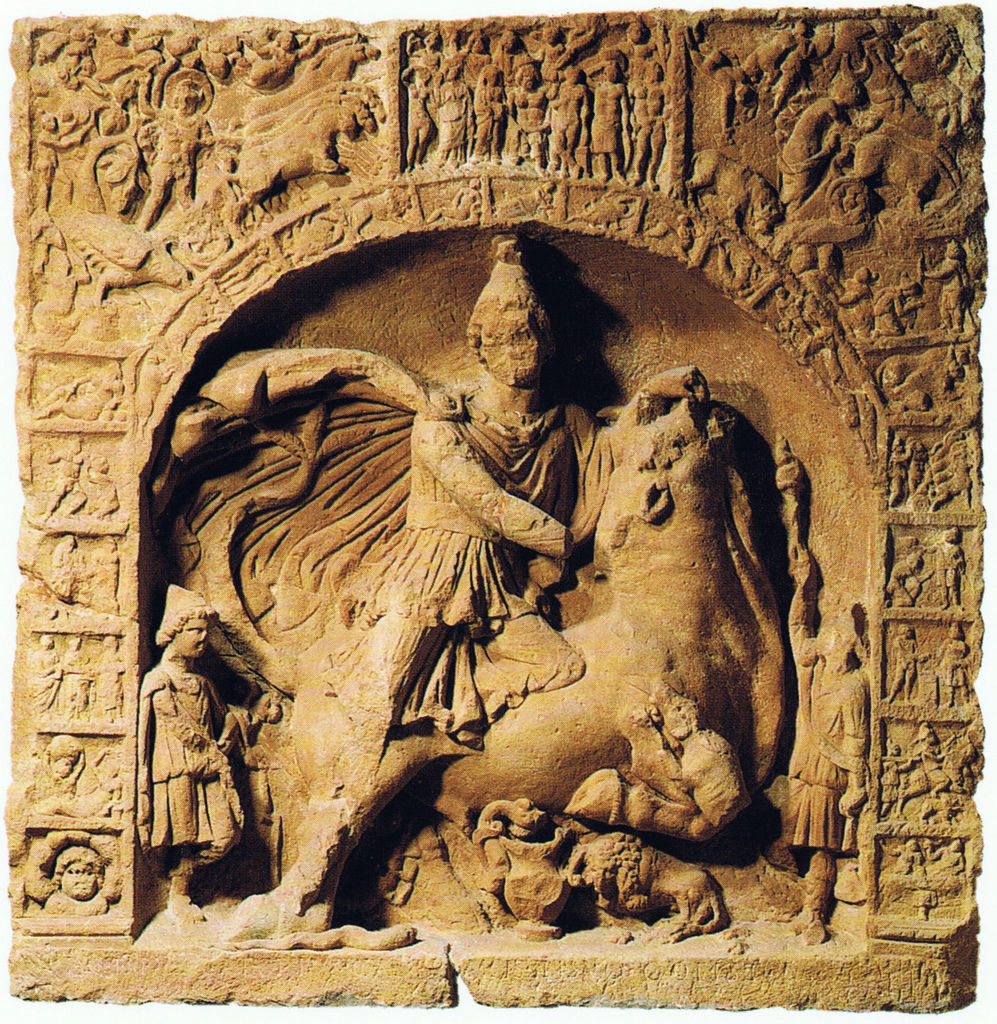
Franz Cumont considers the bas relief of Osterburken ’the most remarkable of all the monuments of the cult of Mithras found up to now’.

Found in Illmitz, Austria, in 1959, this altar was dedicated to the unconquered god Mithras by a certain Aelius Valerianus.
