Your search Vatican City gave 203 results.
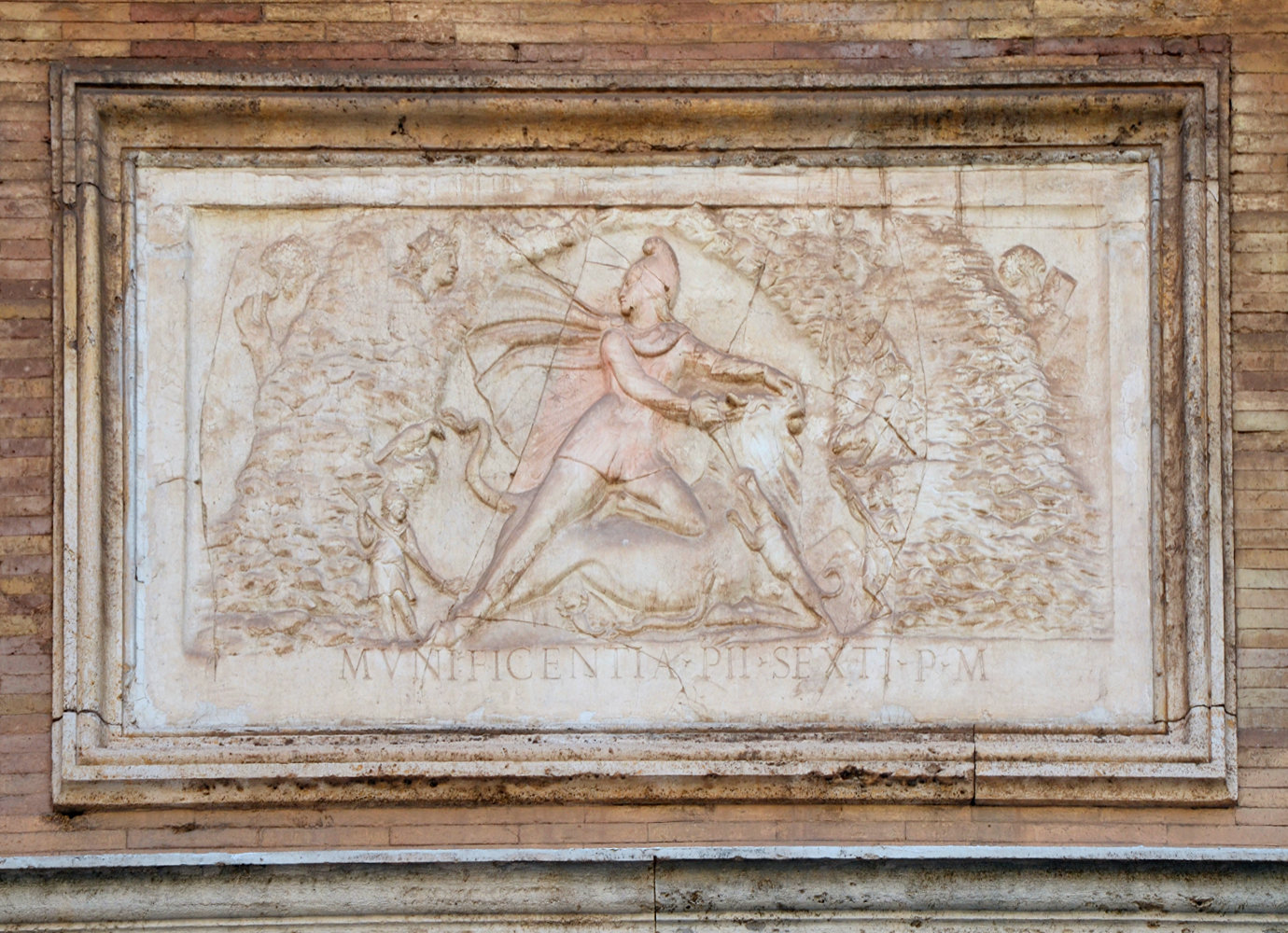
The Tauroctony relief of Mithras killing the bull walled in the Cortile of the Belvedered, Vatican City, was found by Fagan near Ostia.
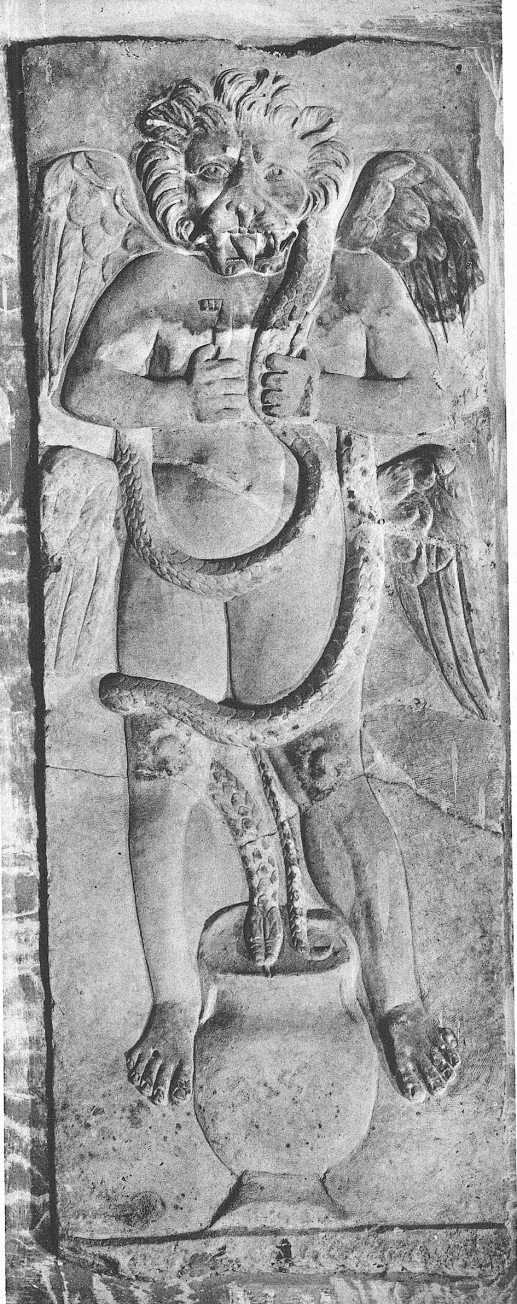
This white marble relief depicting a lion-headed figure from Ostia is now exposed at the Musei Vaticani.
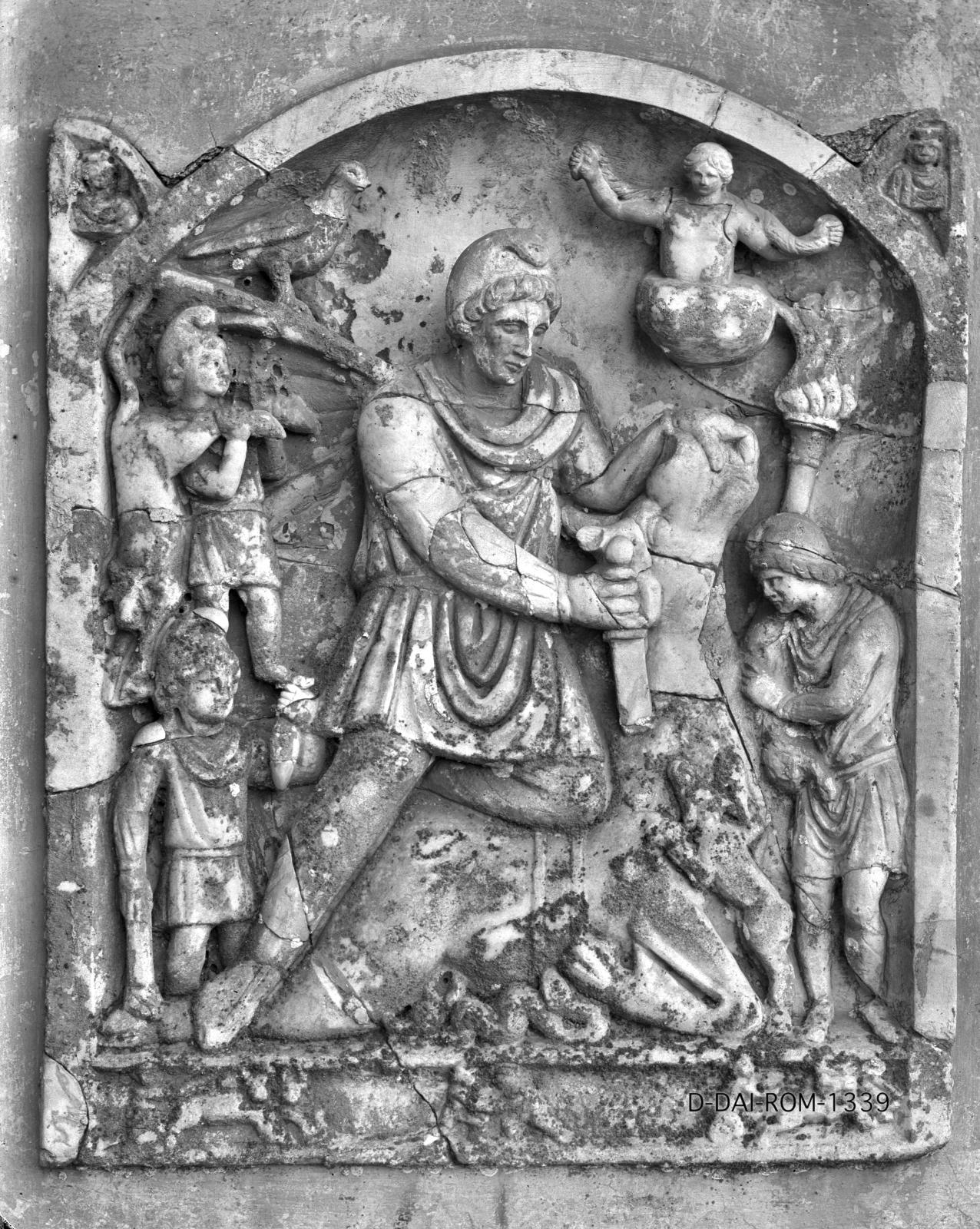
Currently in the Musei Vaticani, this Tauroctony includes Mithras’s birth restored as Venus anaduomene.

White marble statue of Lion-head god of time, formerly in the Villa Albani, nowadays in the Musei Vaticani.
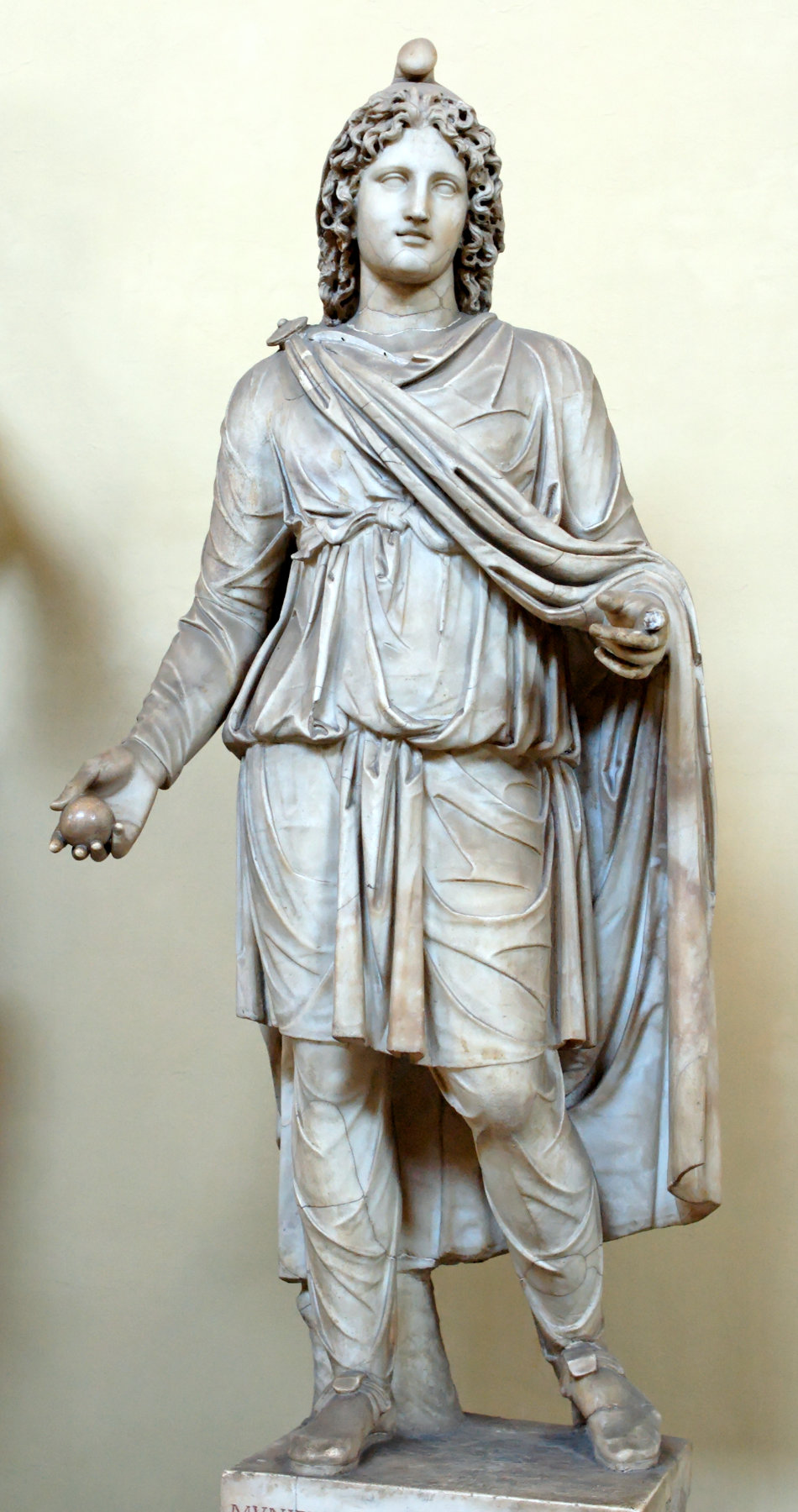
This sculpture, probably of Cautopates, now in the Musei Vaticani, was transformed into Paris.
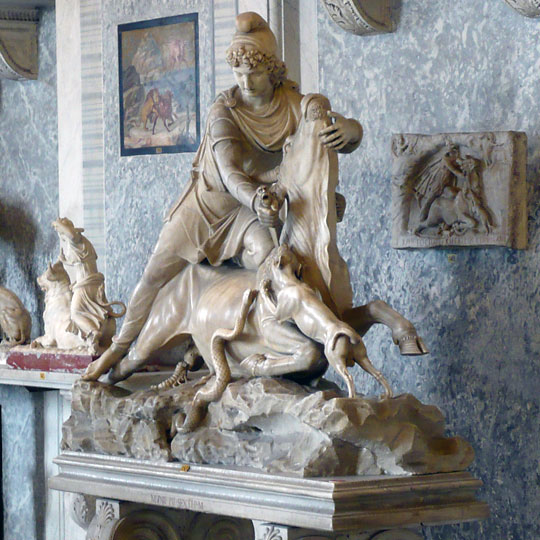
This Mithras killing the bull belonged to the sculptor V. Pancetti before being exhibited in the Vatican Museums under Pius VI.
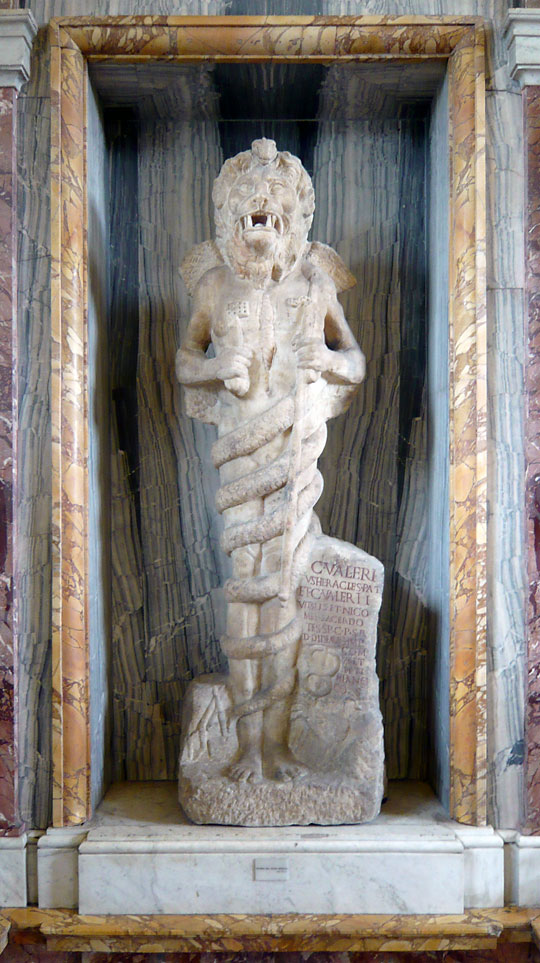
Marble leontocephalic Aion/Arimanus from the now-lost Fagan Mithraeum at Ostia, dedicated in AD 190 by three members of the local Mithraic priesthood.
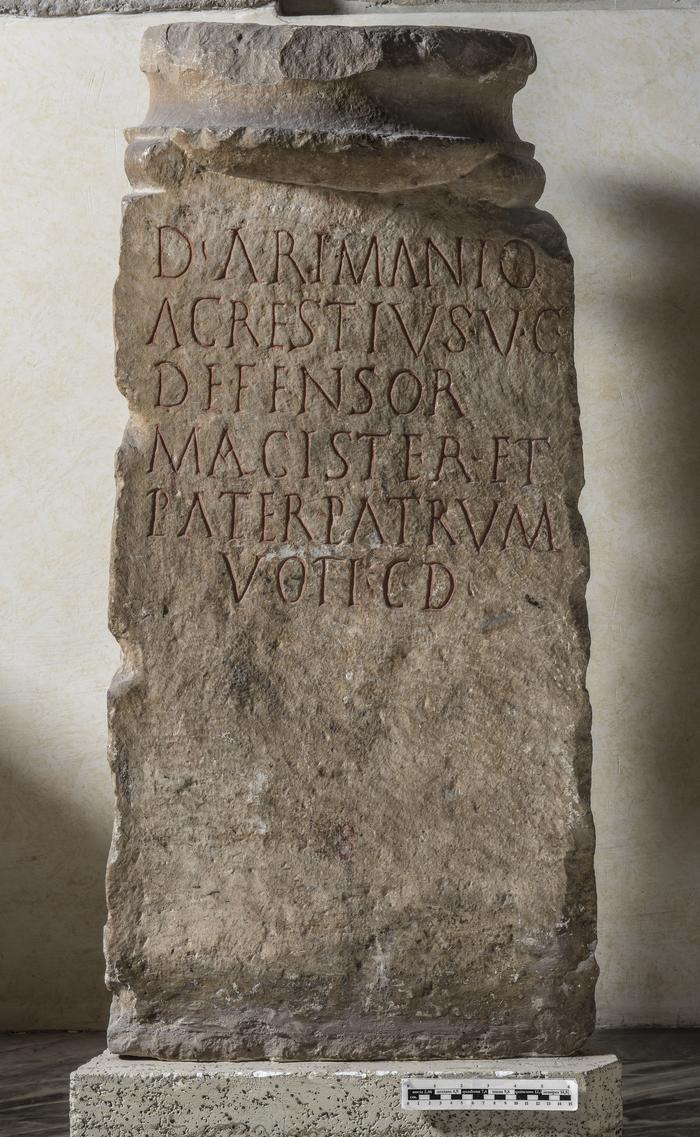
This altar mentioning the god Arimanius was found in 1655 at Porta San Giovanni, on the Esquilino.
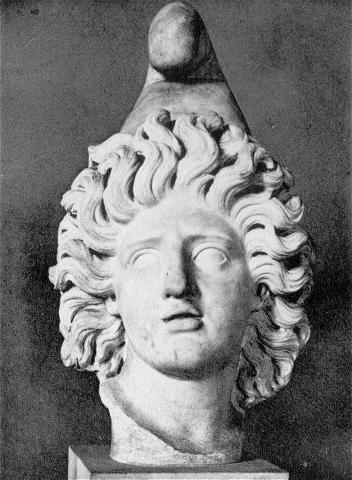
The head of Mithras had seven holes made for fastening rays.

Two marble heads from Ostia, including a youthful figure wearing a Phrygian cap and another identified as Mithras-Helios.
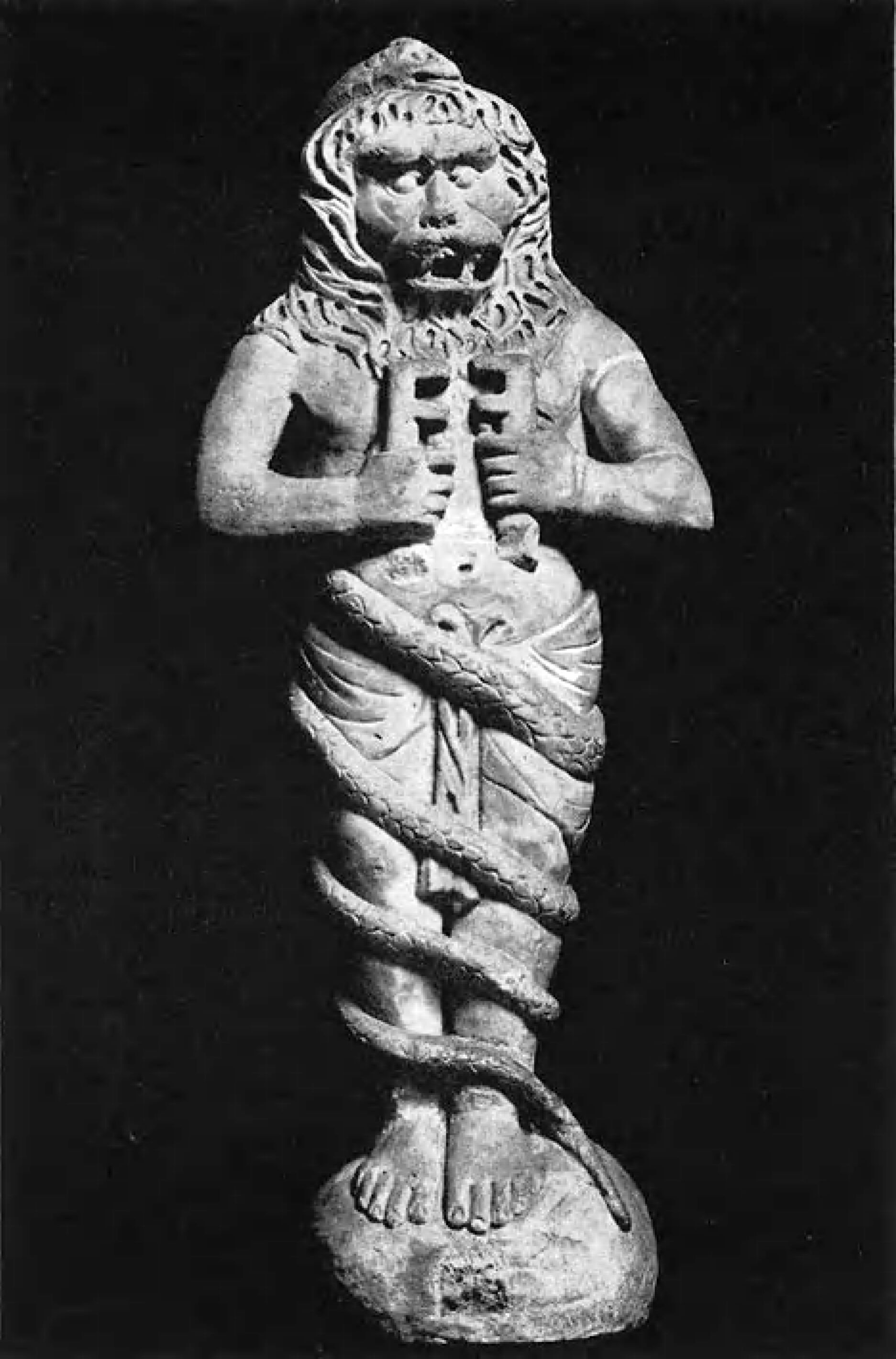
The lion-headed marble from Muti's gardens has a serpent entwined in four coils around his body.
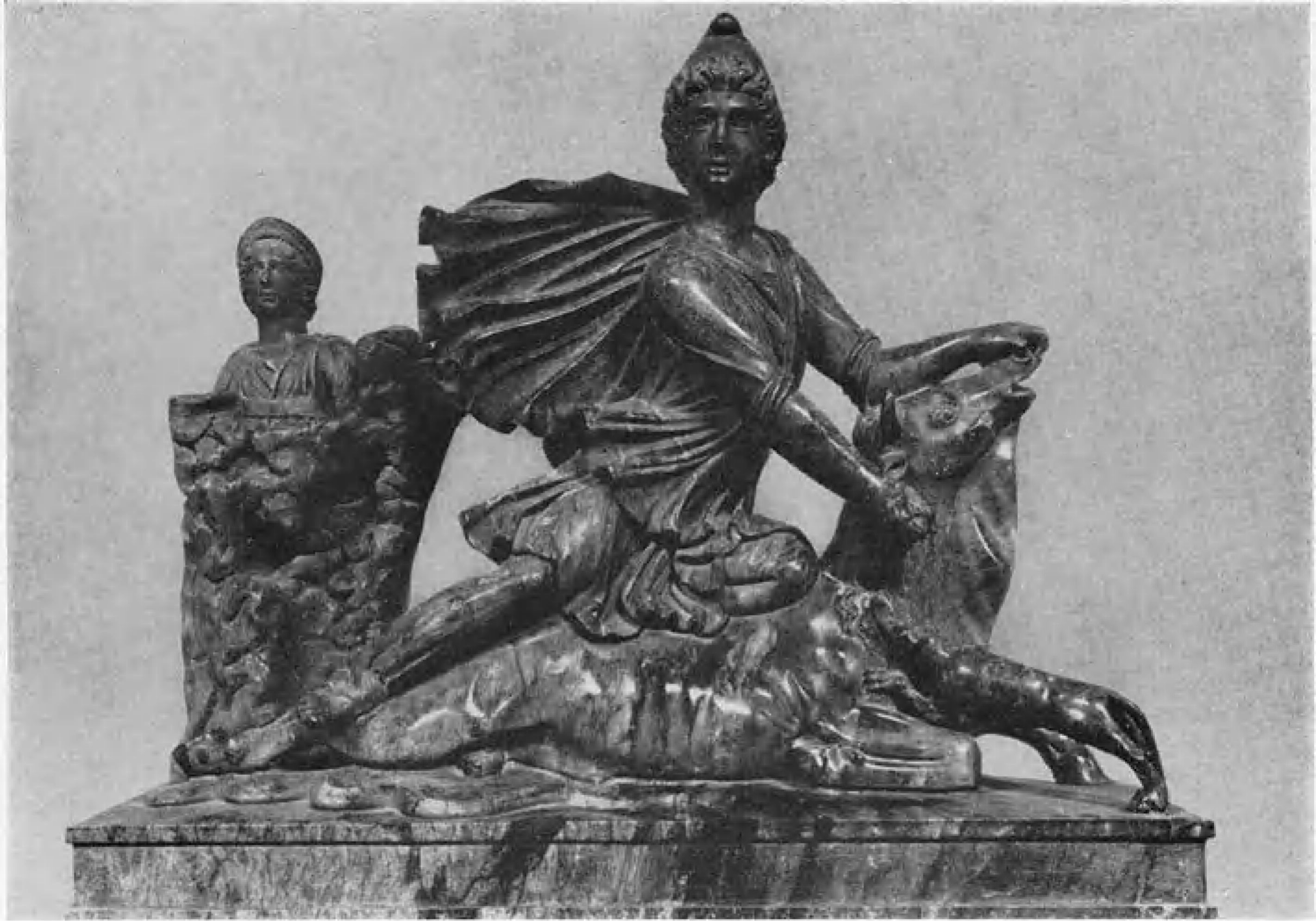
This black marble of Mithras killing the Bull has belonged to the sculptor Carlo Albacini.

This marble statuette from Ostia depicts Cautopates lowering his torch beside a tapering rock associated with Mithras’ birth from stone.
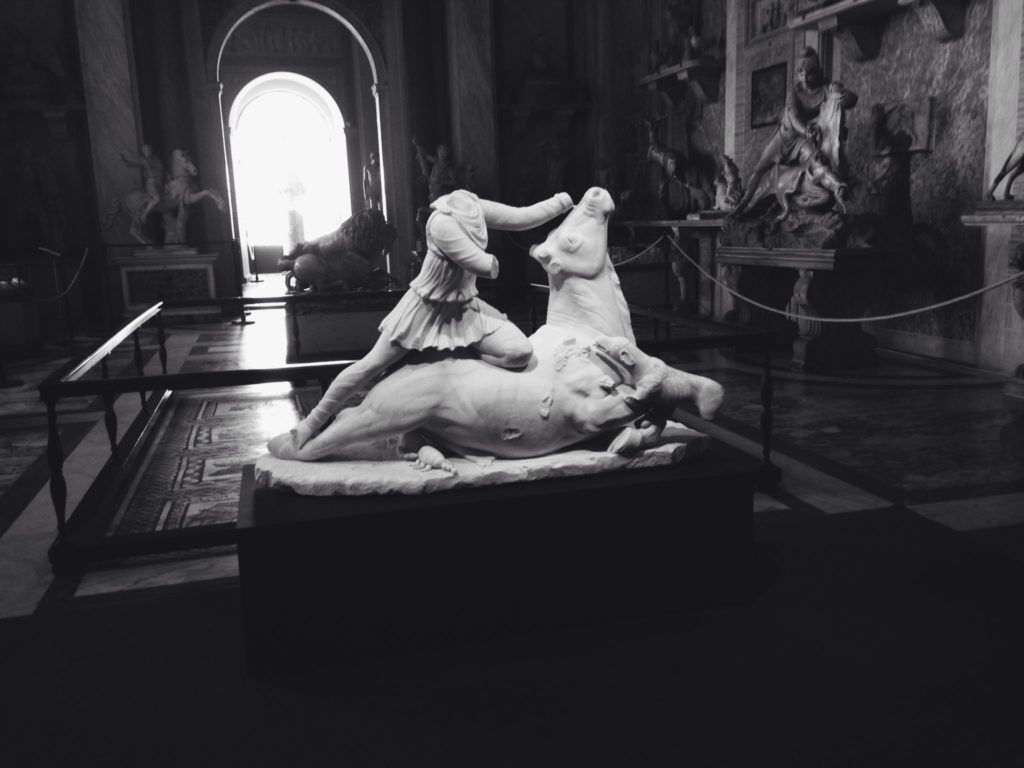
Votive sculpture of Mithras sacrificing the bull from the Mithraeum of Tarquinia.
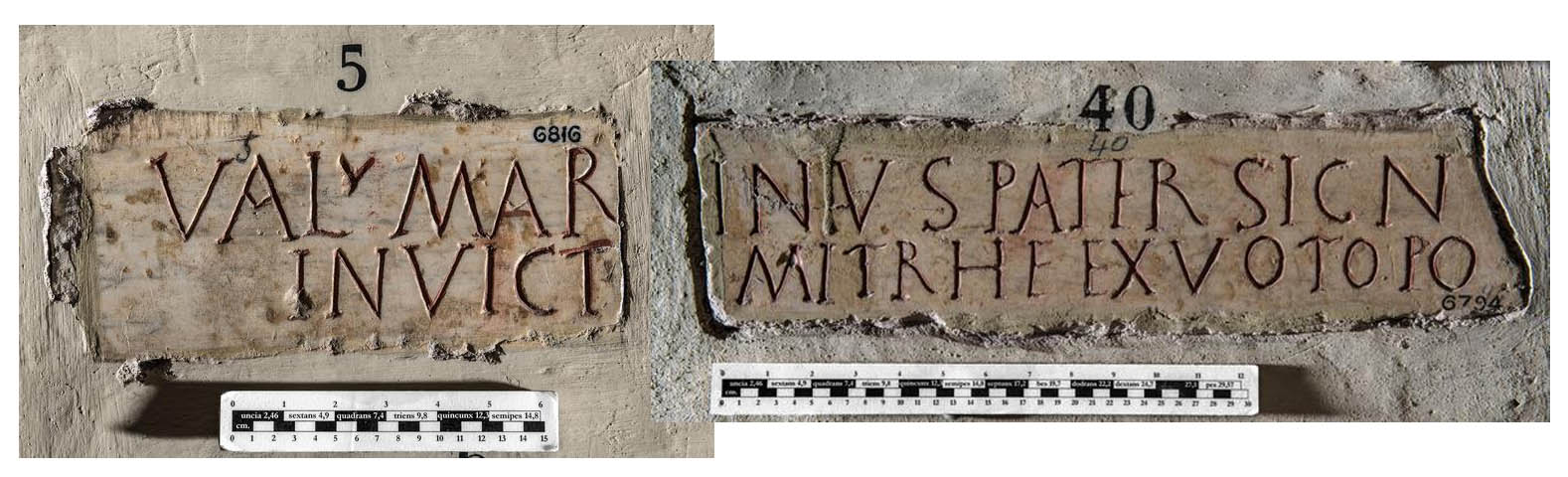
Marble inscription recording the dedication of a cult image to the unconquered Mithras by a certain pater Valerius Marinus from Rome.
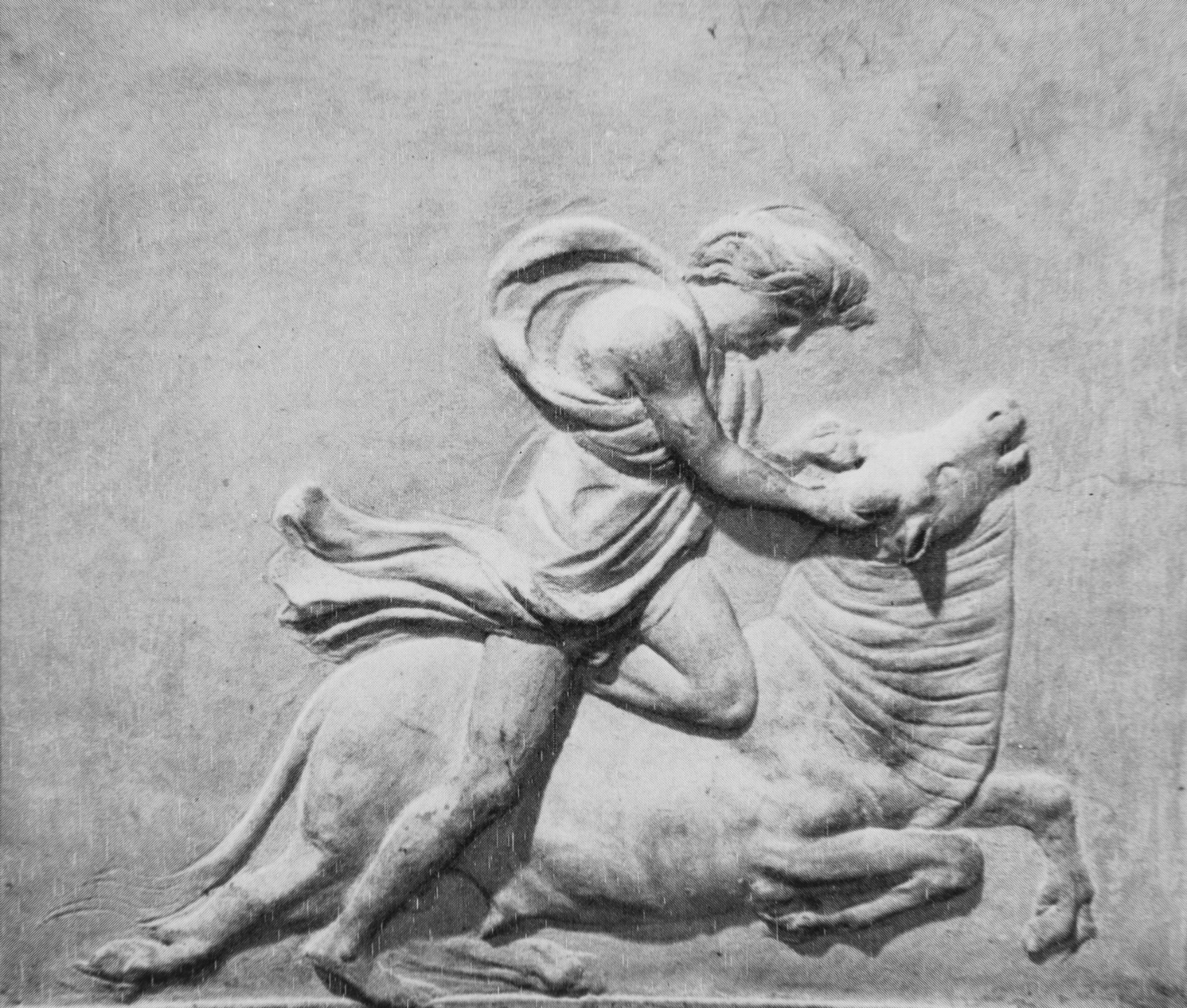
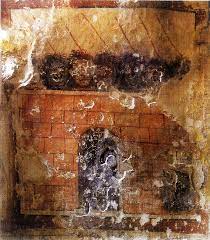
The City of Darkness unique fresco from the Mithraeum of Hawarte shows the tightest links between the western and eastern worship of Mithras in Roman Syria.
Base of bluish marble formerly in the Villa Giustiniani near Porta Flaminia and now in the Vatican Musea, Cortile della Pigna, with a round pedestal encircled by a bearded crested serpent biting its own tail, probably supporting a statue of Aion.
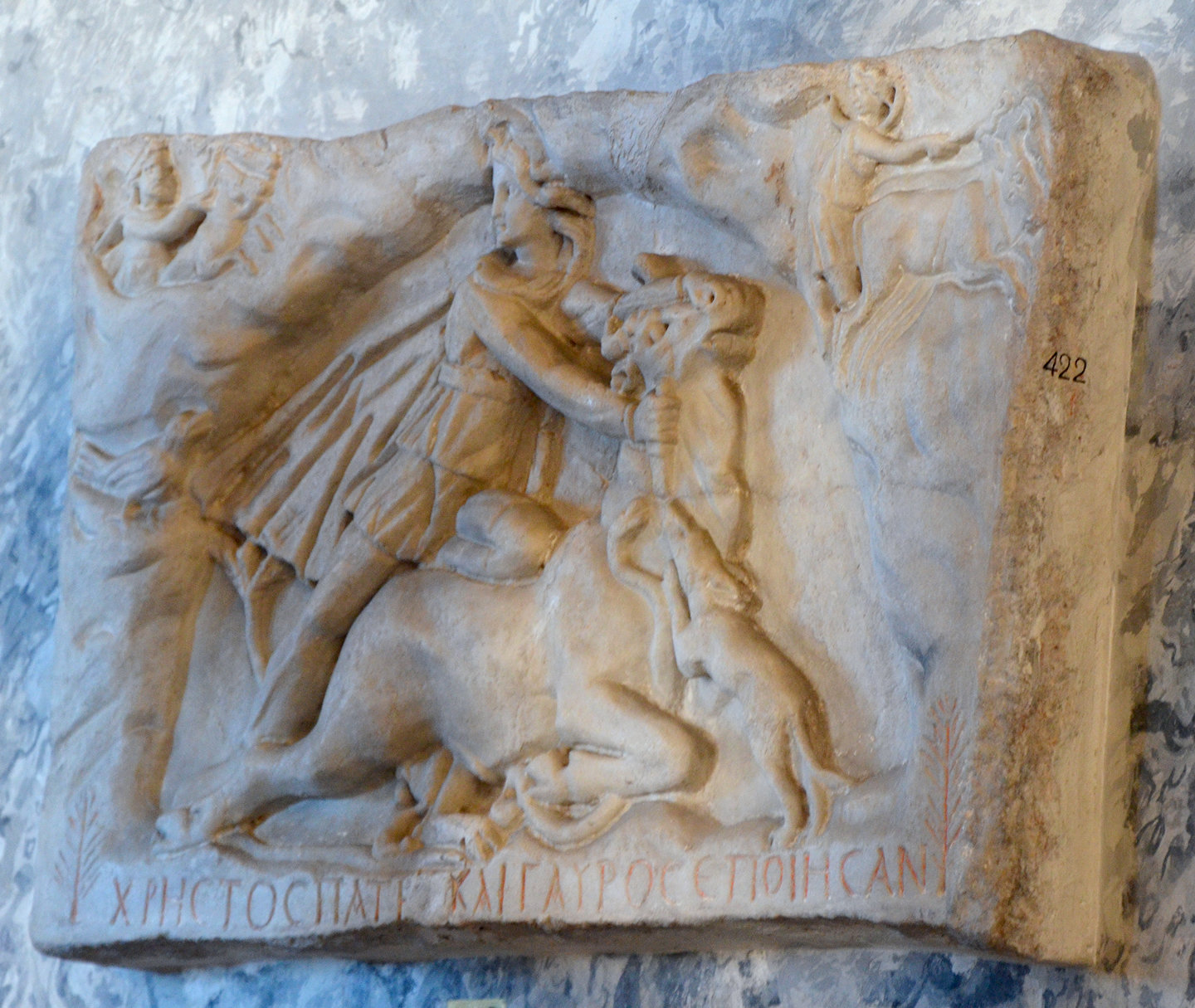
This relief of Mithras killing the bull, signed by a certain Χρῆστος, is on display in the Sala dei Animali of the Vatican Museum.

