Your search farid ud din attar gave 1818 results.
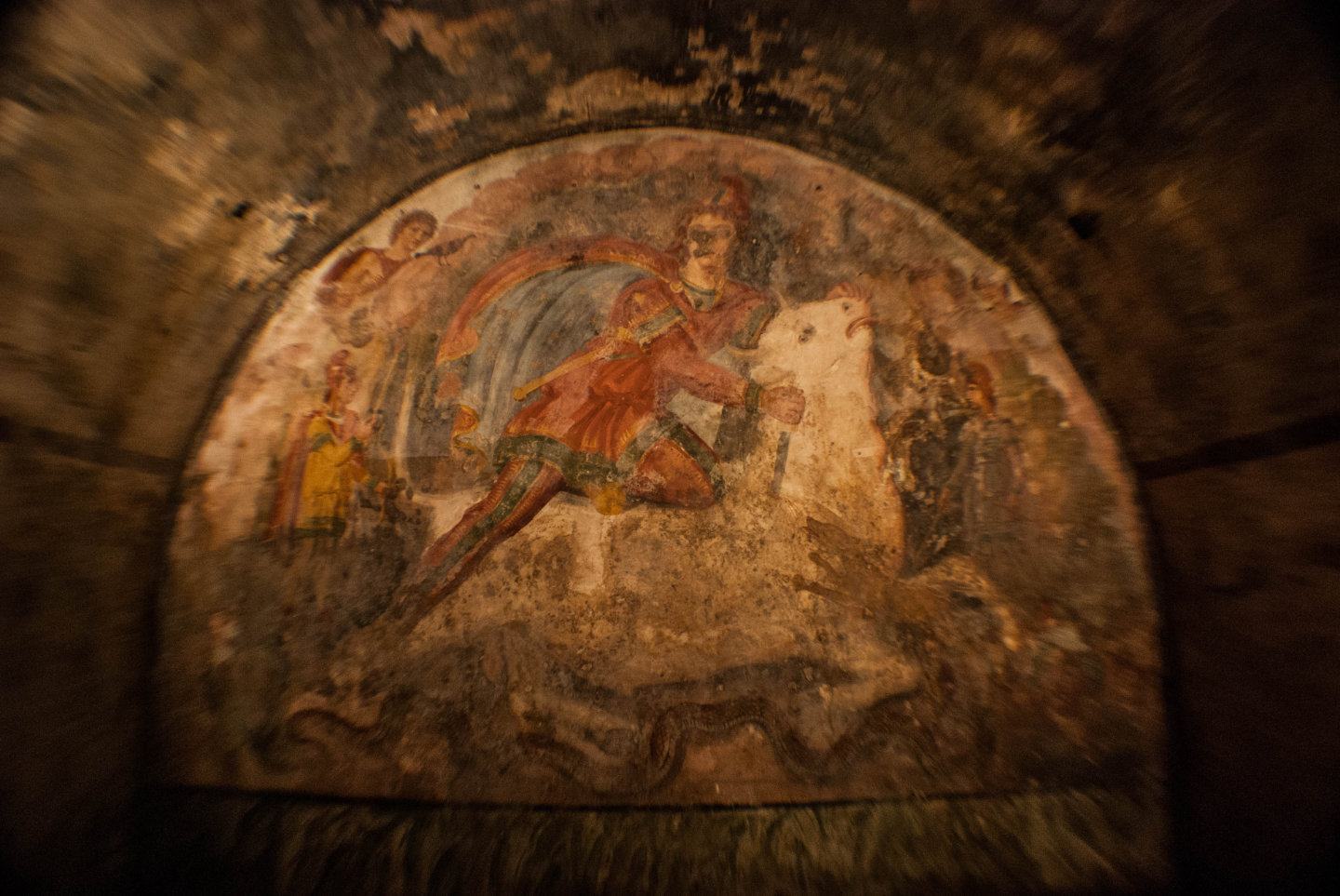
This article revisits the Mithraeum of S. Maria Capua Vetere, one of the most complete and artistically refined Mithraic sanctuaries in the Campanian region, situating it within its archaeological, iconographic, and ritual-historical contexts.


Moeller interprets the square as a Mithraic construction encoding cosmological, numerical, and theological structures of Roman mystery religion, rather than an early Christian cryptogram.

Maarten Vermaseren, qui a publié un corpus des inscriptions et des monuments de la religion mithriaque et un certain nombre d'études savantes sur le même sujet est certainement l'un des meilleurs spécialistes de la question.
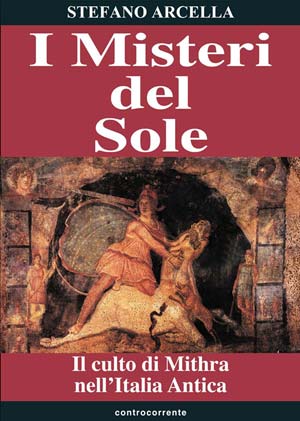
A study of Roman Mithraism that combines historical evidence with a symbol-centred interpretive approach, exploring Mithraic iconography, ritual experience, and the cult’s encounter with Christianity in the Late Empire.
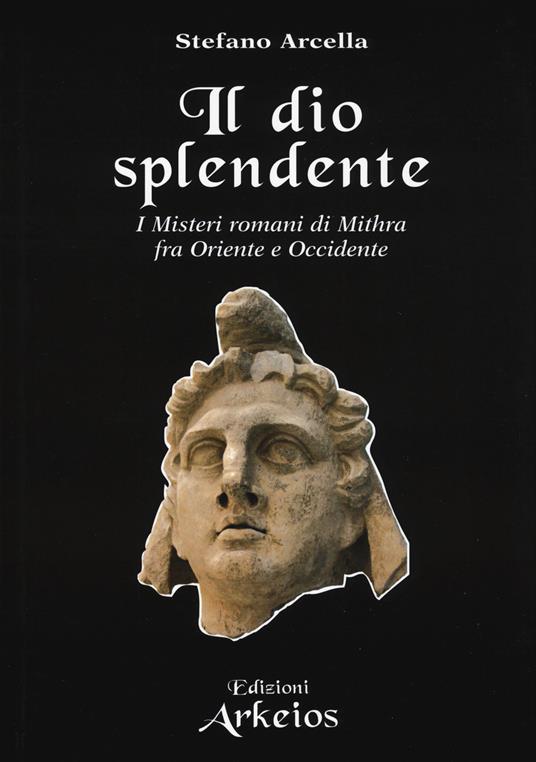
A study that re-examines Roman Mithraism through epigraphic evidence and comparative analysis, exploring its links with Orphism, Platonism, and Iranian traditions, and presenting the cult of Mithras as a solar path of individual spiritual awakening between East and West…
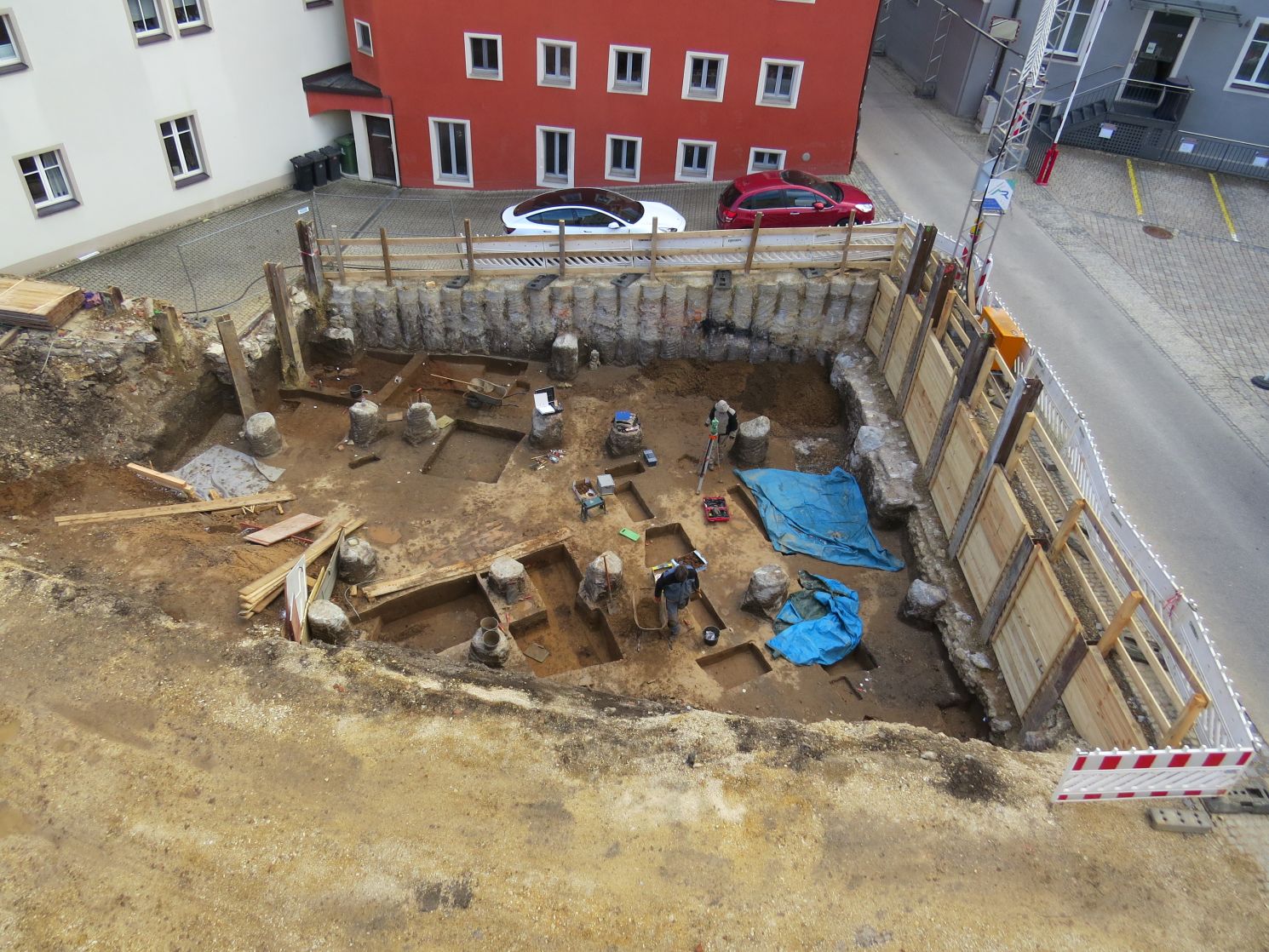
The Mithraeum of Regensburg represents the earliest of the nine Mithraic sanctuaries so far documented in Bavaria, Germany.
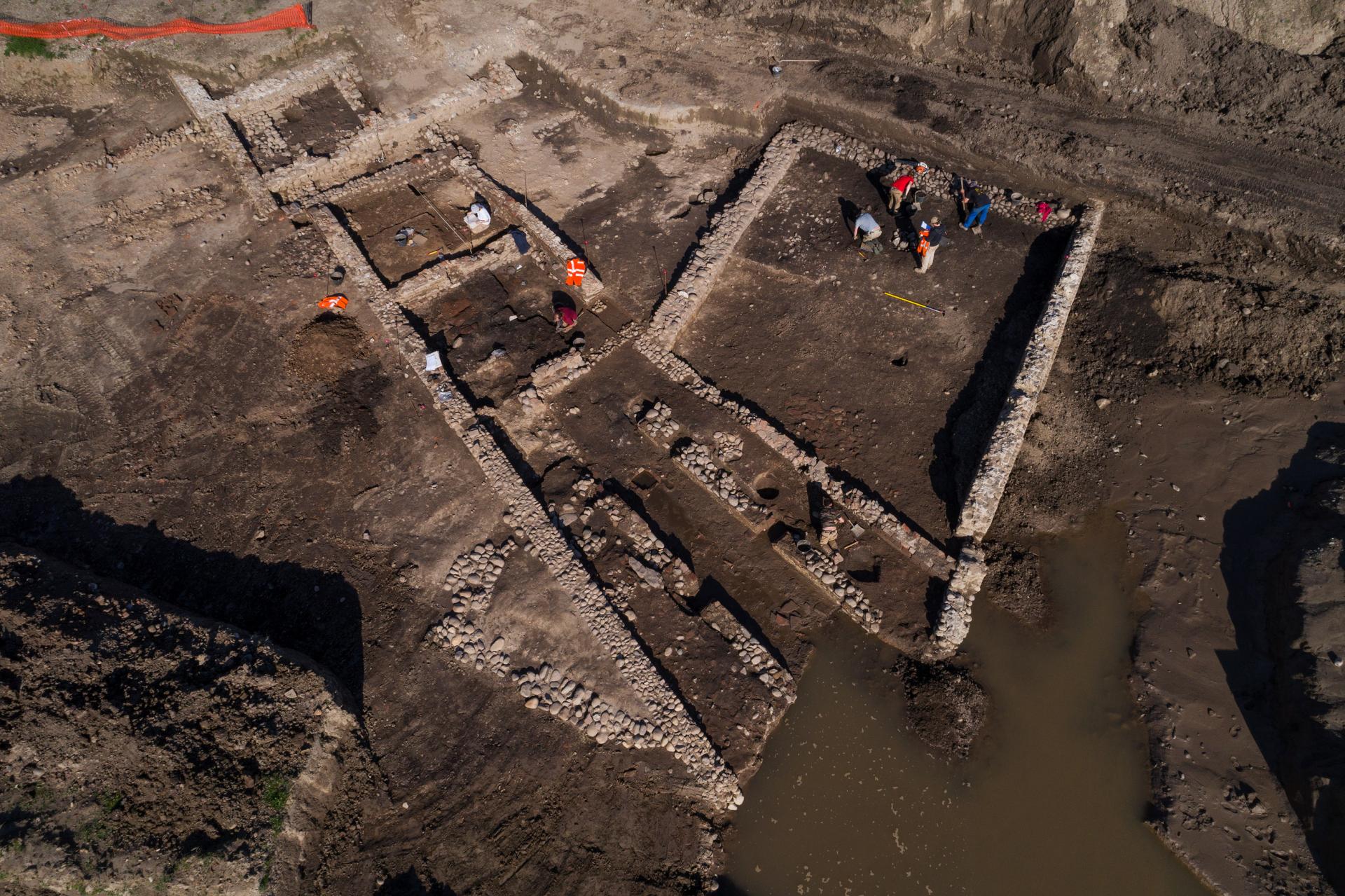
For the first time, a Mithraeum has been discovered in Corsica, at the site of Mariana, Lucciana (Haute-Corse).
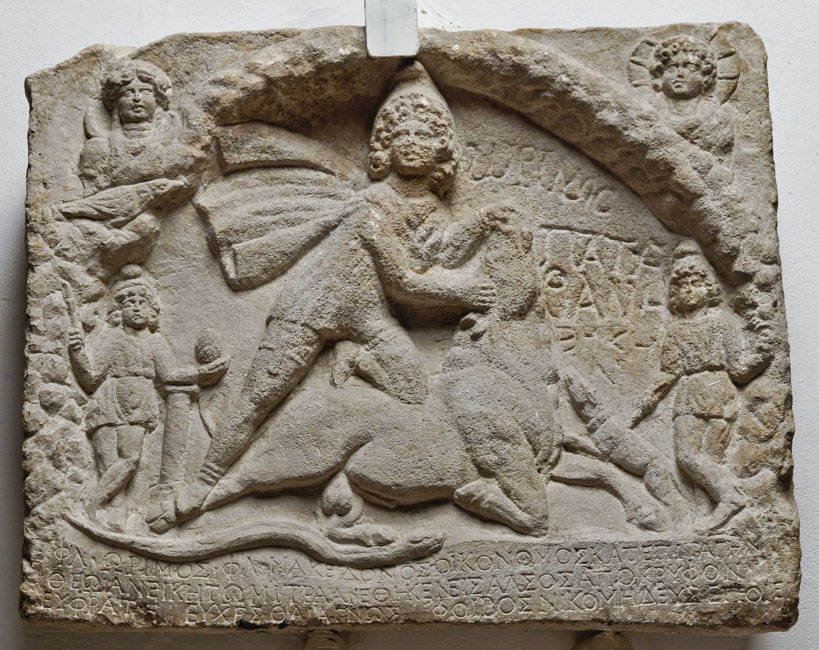
This limestone relief of Mithras killing the bull bears an inscription by a certain Flavius Horimos, consecrated in a ’secret forest’ in Moesia.
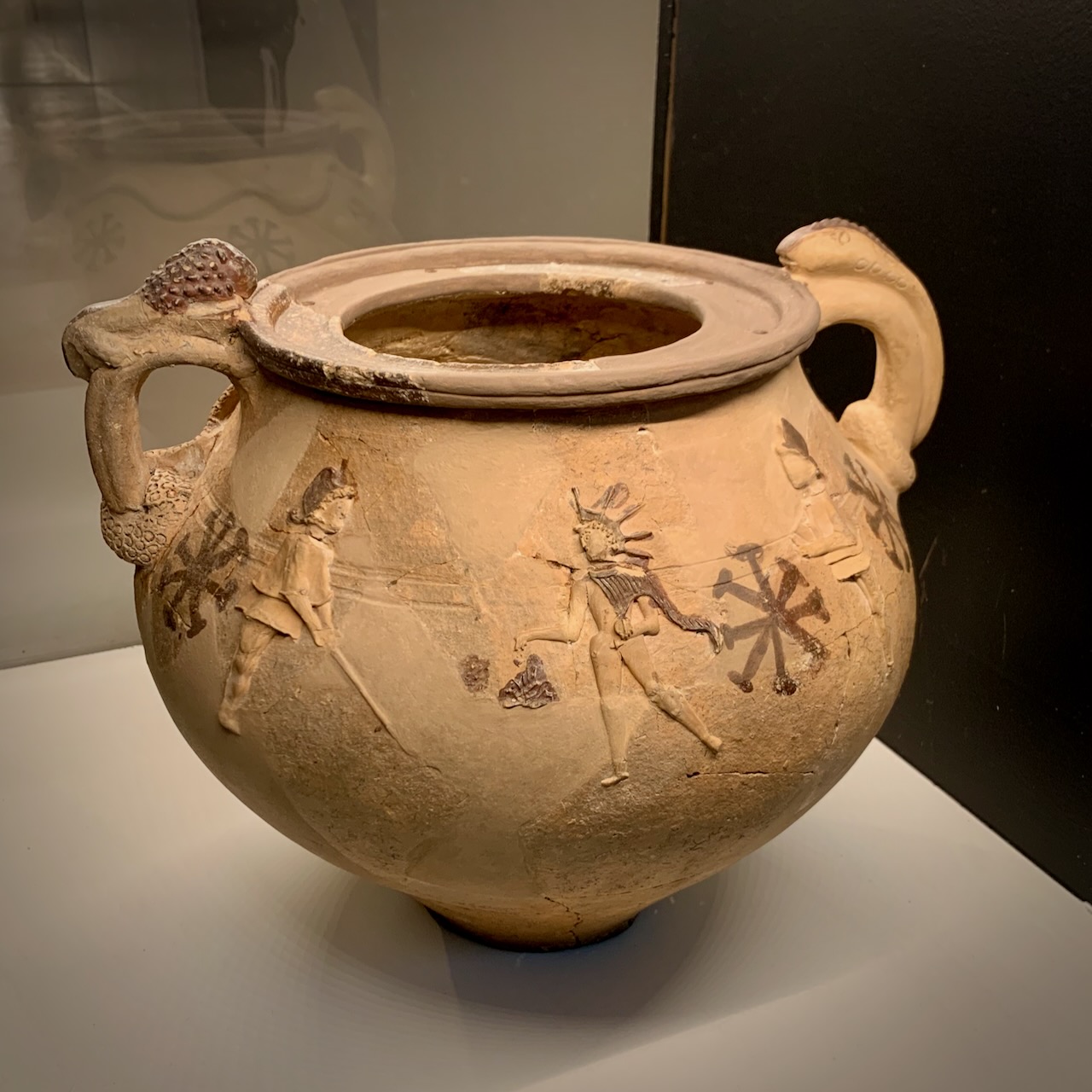
The Mithraic vase from Colonia Claudia Ara Agrippinensium in Germany includes Sol-Mithras between Cautes and Cautopates, as well as a serpent, a lion and seven stars.
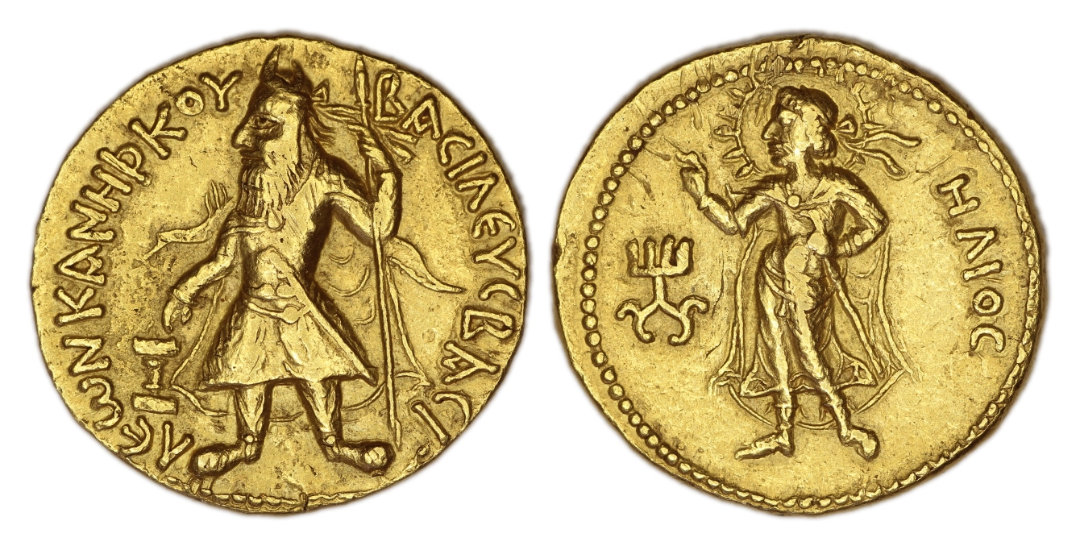
This gold coin depicts Kanishka I on one side and Mithras standing on the other side.
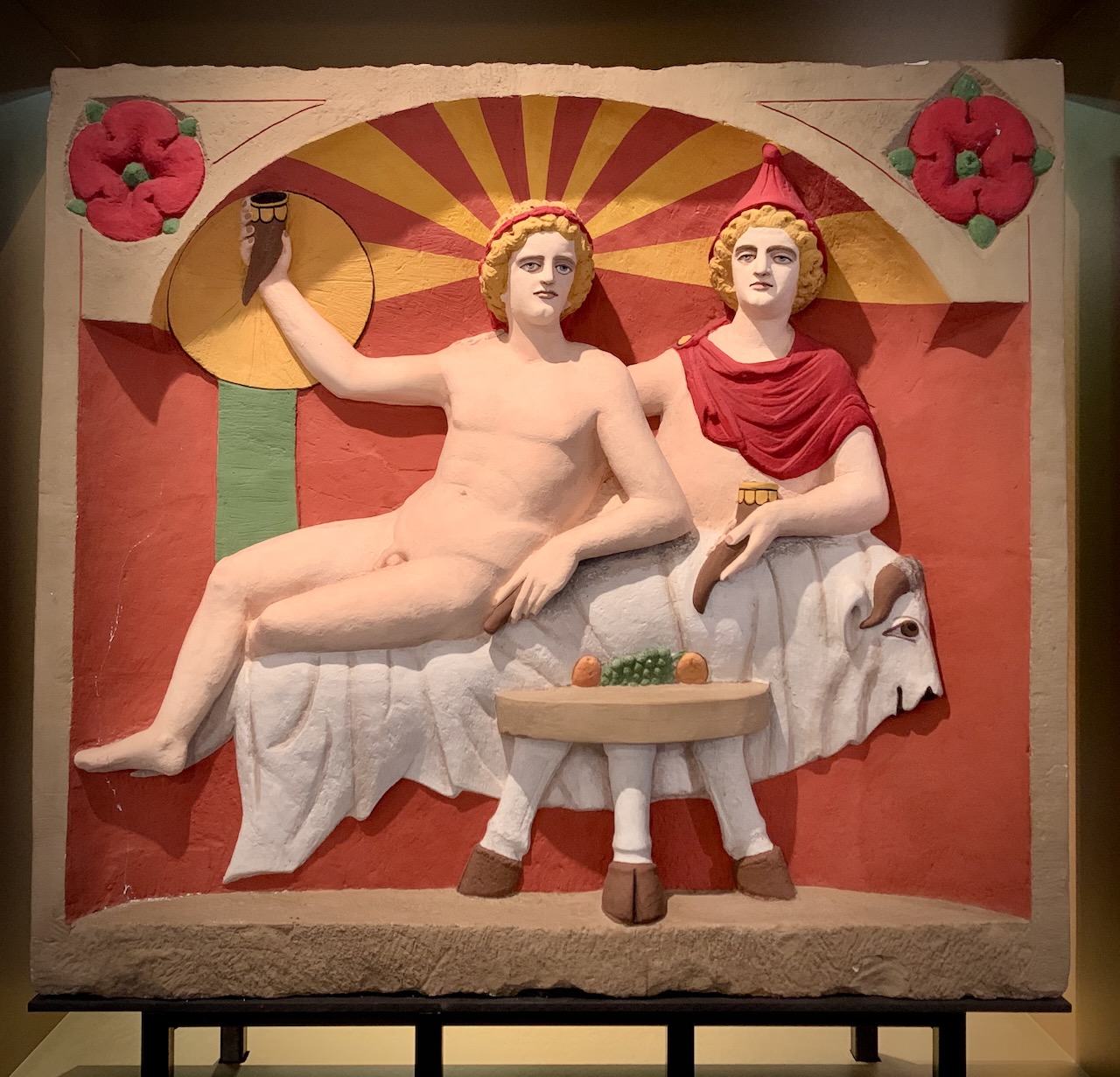
Bas-relief depicting a naked Sol leaning over his fellow Mithras while raising a drinking horn during the sacred feast.
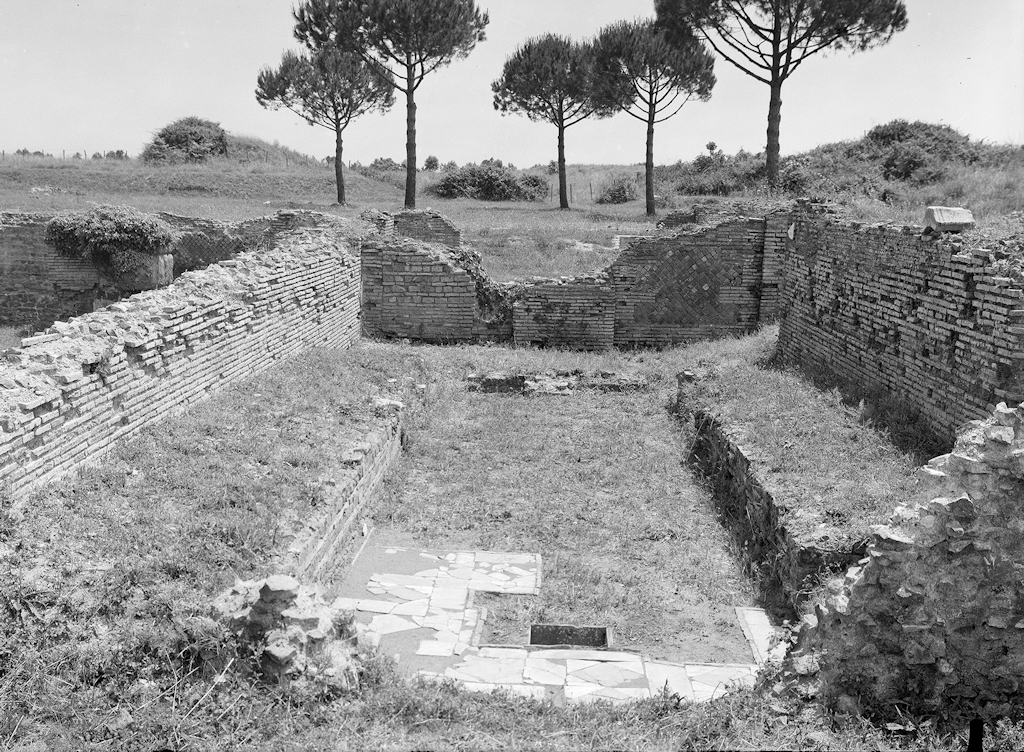
Excavated in 1919, the Mithraeum near the Roman Gate was installed in the 3rd century within a larger building complex.
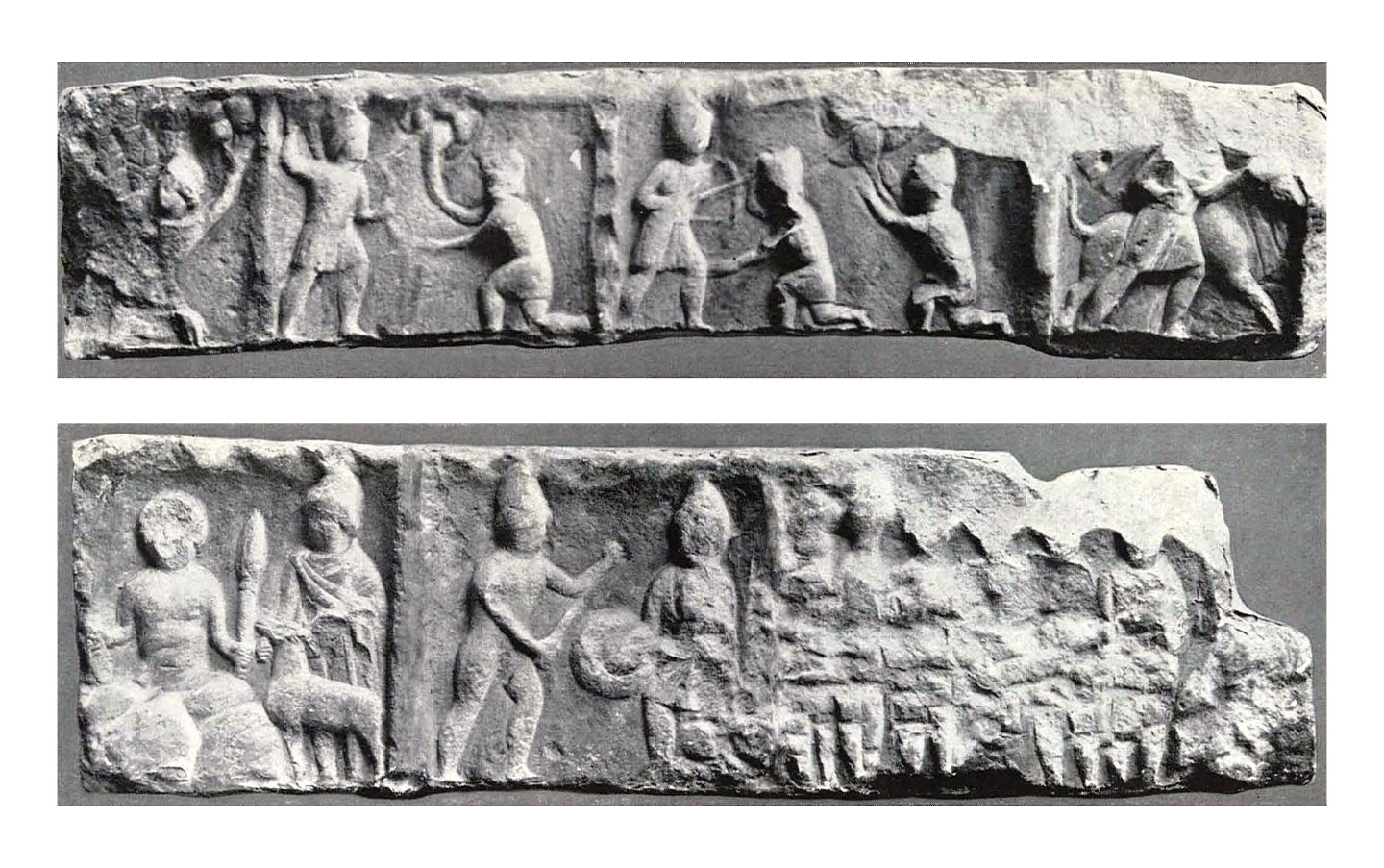
These two fragments of a sandstone relief were walled into a house on the market square in Besigheim.
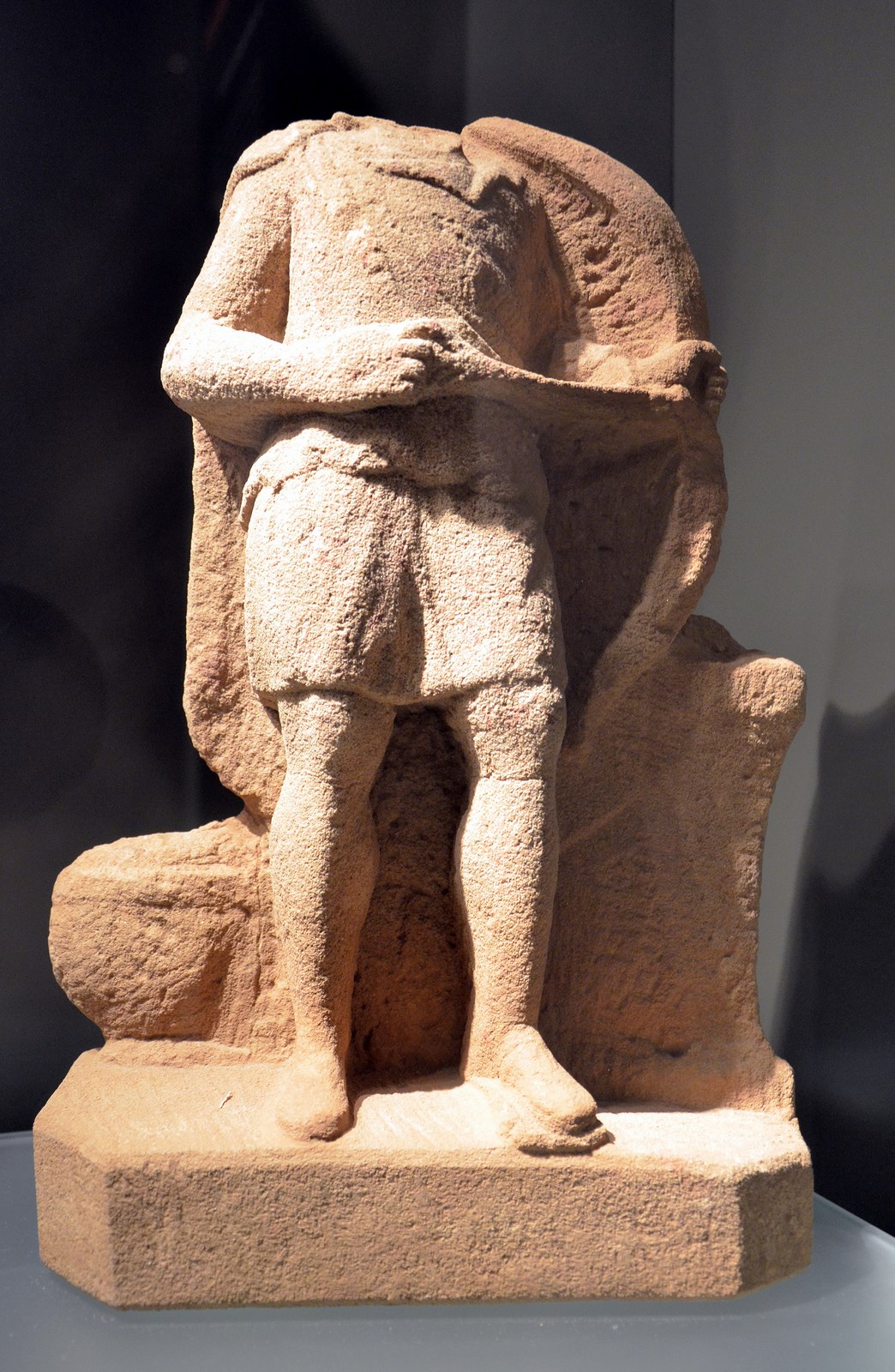
Statue in yellow sandstone found in the pit of the Mithraeum of Dieburg, showing Mithras standing beside an altar with bow and arrow, accompanied by a vase and associated with the water miracle.
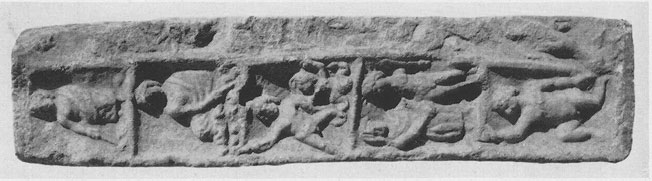
Fragment of a double-sided white marble Mithraic relief from San Zeno, found near the Castello di Tuenno, depicting elements of the tauroctony cycle and bearing a dedication to Deo Invicto Mithrae.
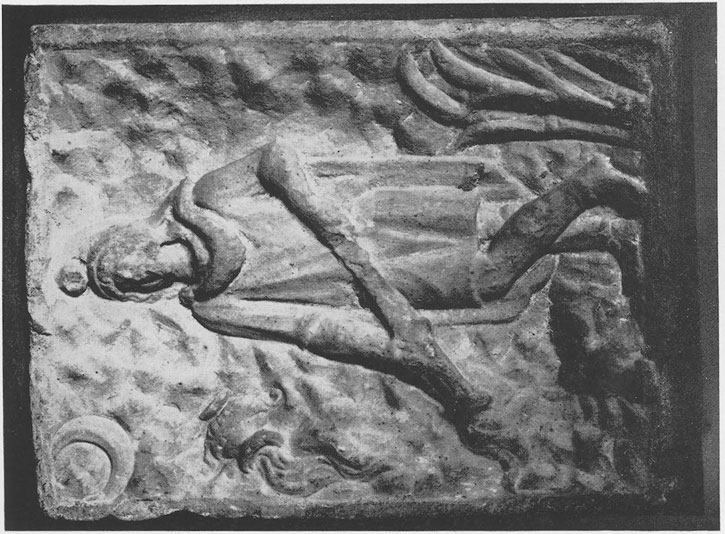
Limestone low-relief depicting Cautopates standing cross-legged in eastern dress, accompanied by a bull, flowing water from an overturned jar and a crescent from Bolognia.

The sculpture of the birth of Mithras in Florence included the head of Oceanus.
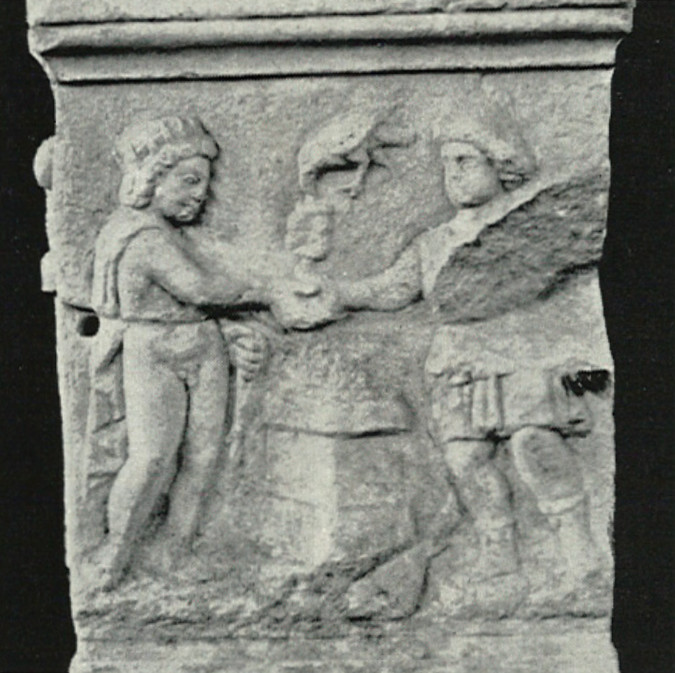
The altar of Ptuj depicts Mithras and Sol on the front and the water miracle on the right side.
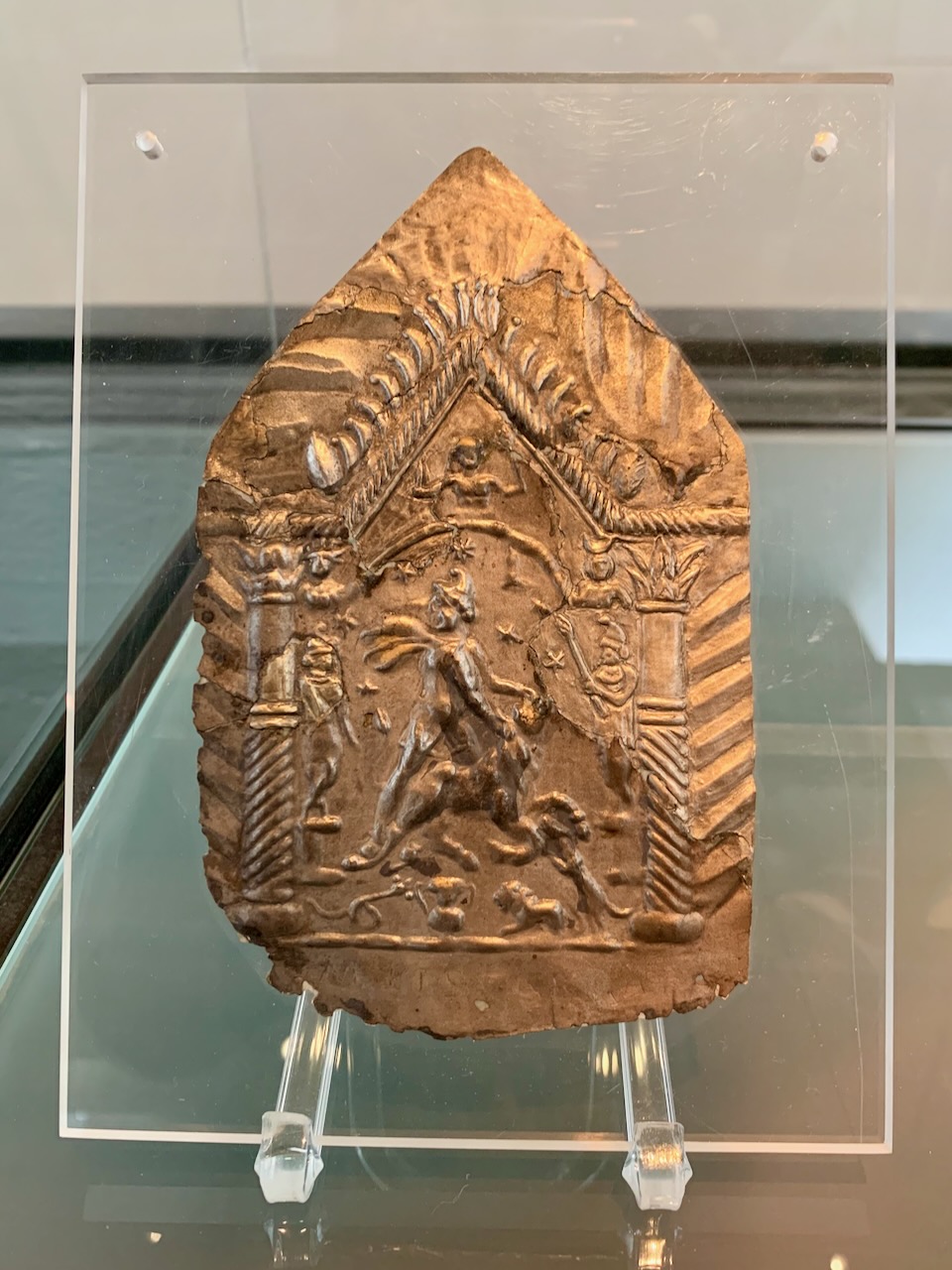
This plaque was found in Mithraeum I at Stockstadt broken into pieces inserted between the blocks of the socle of the cult relief, in the manner of a votive deposit.
