Filtering by Location: Ostia in persons gave 33 results.

Slave of a certain Macus Iulius Eunicus, Hermes dedicated a monument to Silvanus found in the Mitreo della Planta Pedis.

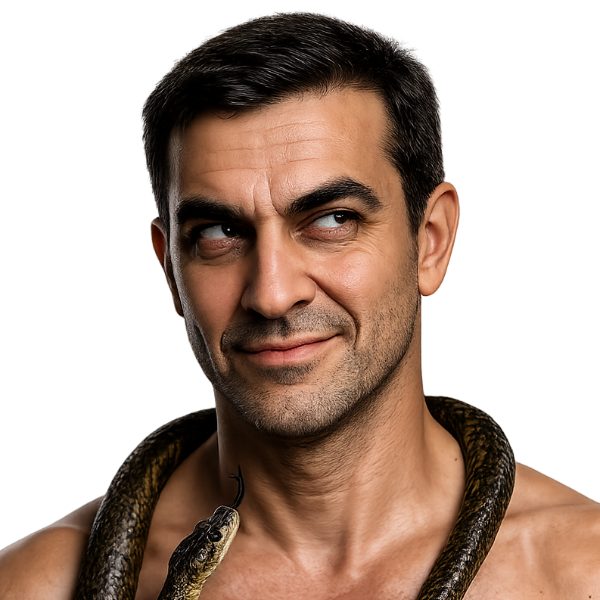
Syndexios in Ostia, his name Marsus suggests that he was a snake-charmer.

Patronus of the corpus lenunculariorum tabulariorum auxiliariorum Ostiensium.
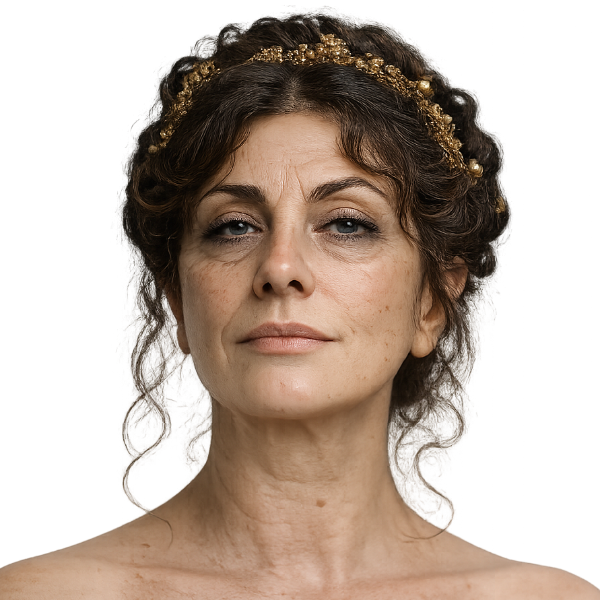
Junia Zosime is known from an inscription discovered at Ostia recording the donation of a silver statue of the Virtus of the dendrophori.

Ostian sacerdos remembered through his participation in the dedication of the monumental leontocephalic image erected under Commodus in 190 CE.
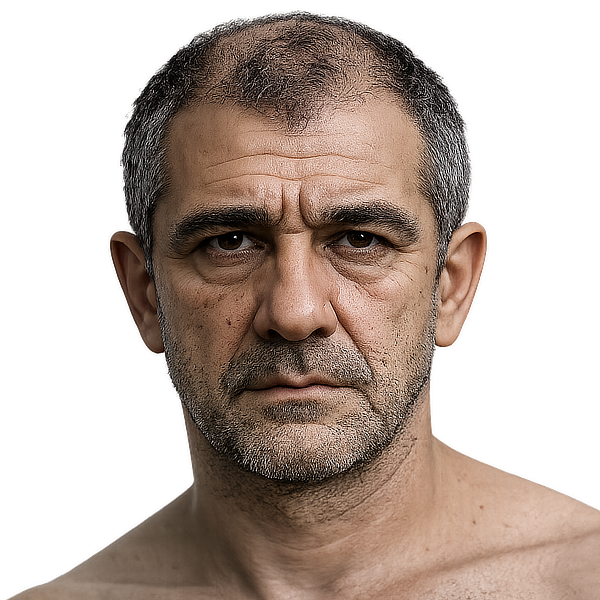
Sextus Pompeius Maximus was an Ostian pater, later honoured as pater patrum, whose benefactions transformed the Aldobrandini Mithraeum and linked him to the city’s ferry guilds.

His name was added to the main tauroctony sculpture of the Mitreo Fagan.

Patron of the corpus stuppatorum and benefactor who financed the construction of the Mithraeum of Fructosus at Ostia.


Antistes and patron of the Mithraea of the Painted Walls and the Imperial Palace at Ostia.

Benefactor of the Imperial Palace Mithraeum and possible member of Ostia’s African community.

Leading member of the Ostian Mithraic community, holder of the titles pater, sacerdos and antistes.

Pater of the Mithraeum of Lucretius Menander at Ostia, honoured by a dedication from Diocles in the late second or early third century CE.

Mithraic priest and dedicator of the leontocephalic deity from the Fagan Mithraeum at Ostia.

Honoratus of the dendrophori of Ostia who dedicated a statue of Terra Mater in AD 142.


Donor of a small altar from the Mithraeum of the Seven Gates, Sextus Fusinius Felix may belong to a family attested among Ostia’s augustales.


An imperial freedman who restored the Mithraeum of Sabazeus for the Mithraic brethren.
