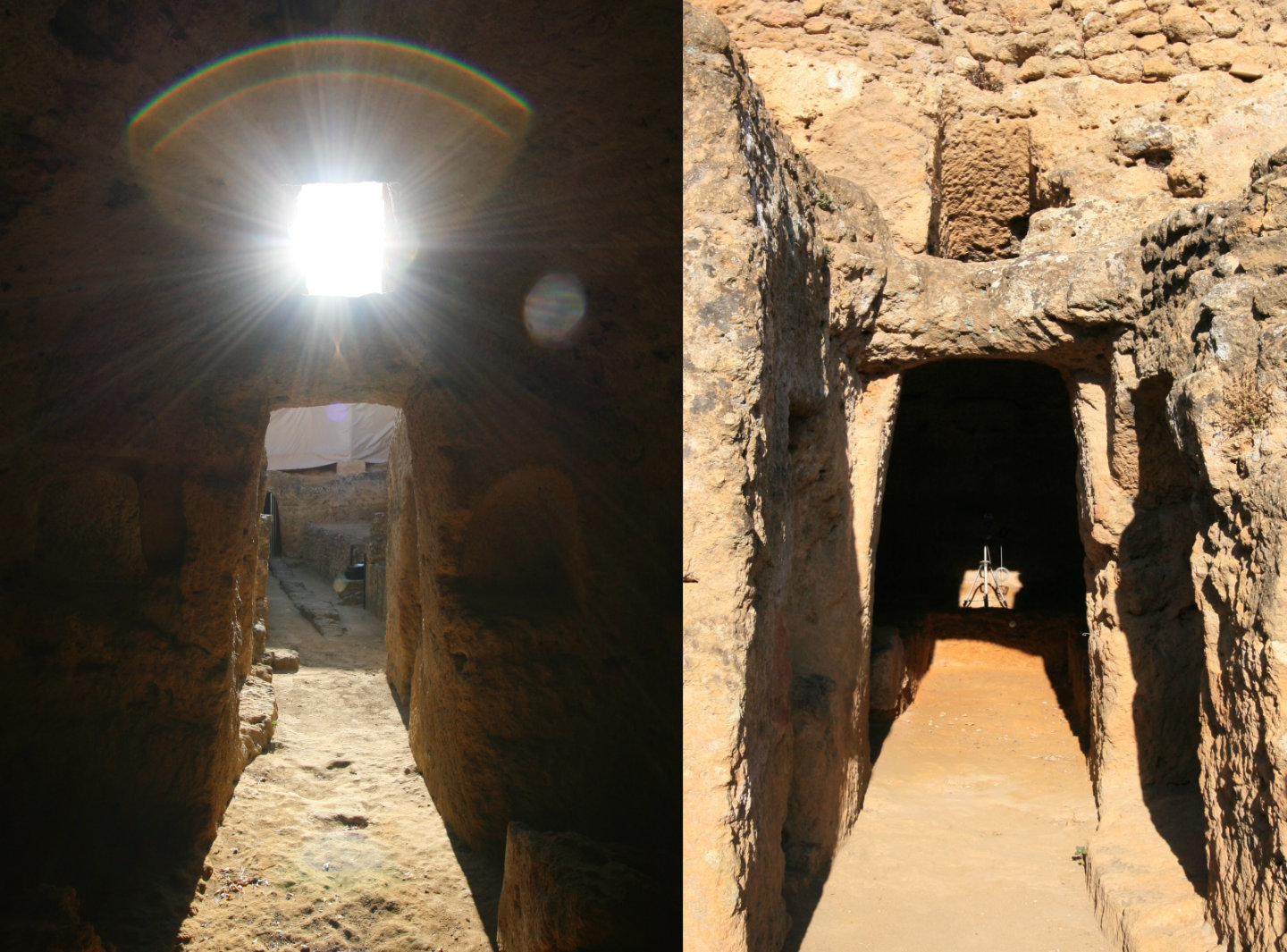
Arguments for interpreting the Tomb of the Elephant as a Mithraeum based on architectural archaeology, digital surveying and archaeoastronomy.
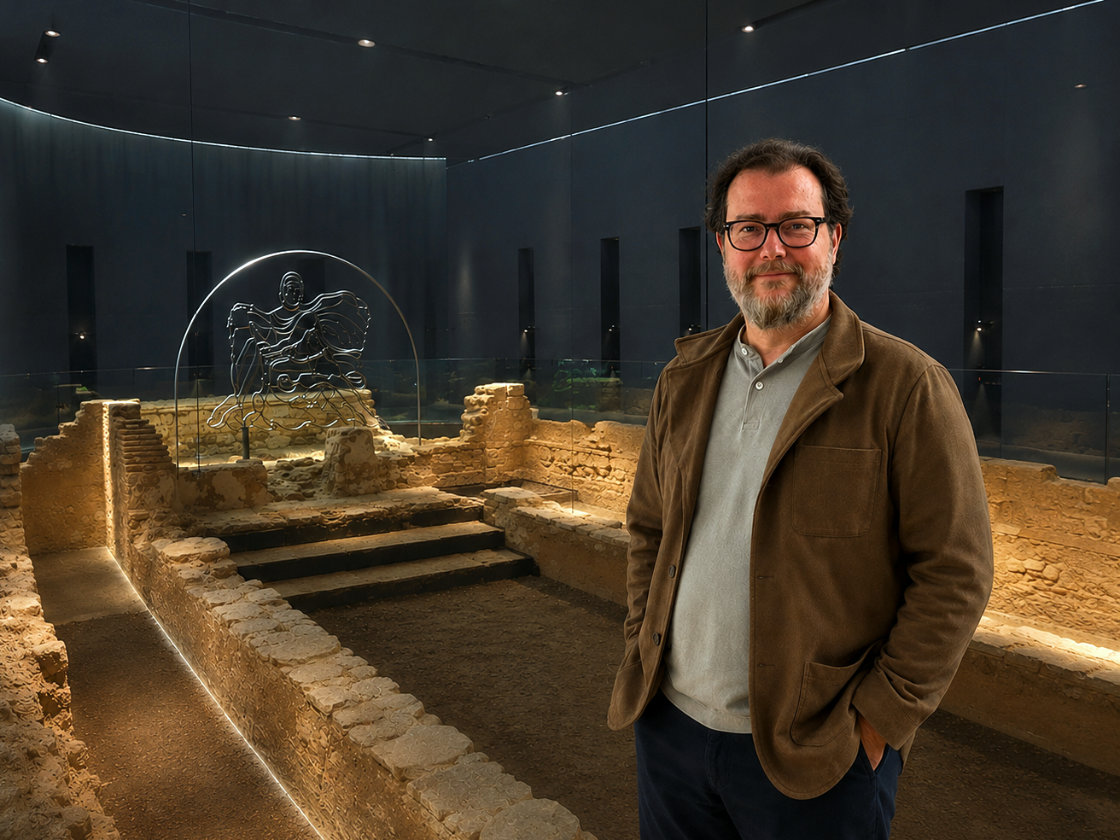
We speak with Israel Campos Méndez about questions that continue to divide scholars: what links the Indo-Iranian Mithra to the deity worshipped in the Roman Empire, and what do we really know about the origins of Roman Mithraism?
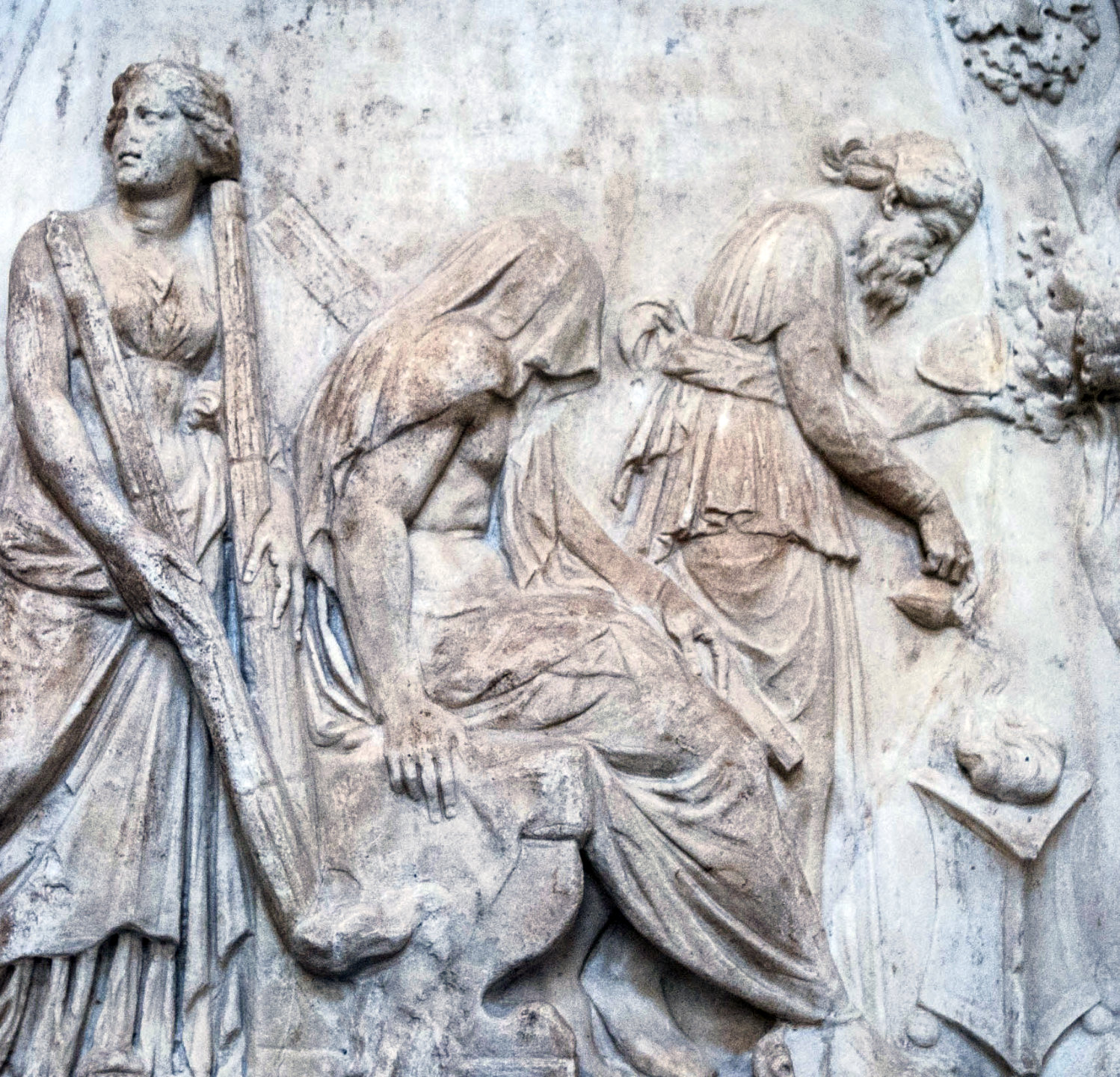
Labors of Hercules as planetary zodiacal initiations: model mystagogy. The alchemy of Herculean labors.
Lenni George on Hekate’s development across ancient traditions, from mystery cults to magical practice and philosophical thought.
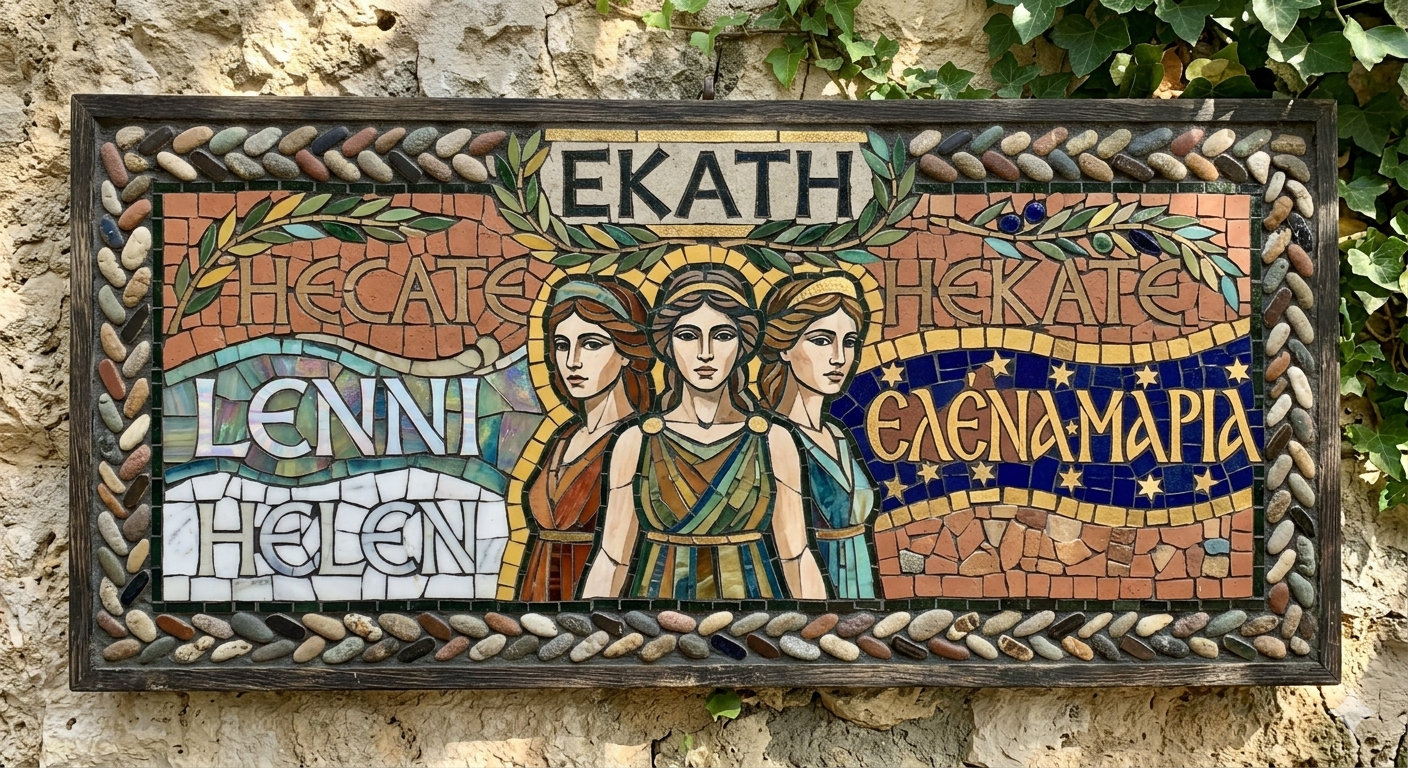
On what Hekate’s name may or may not tell us, and why the uncertainty matters.
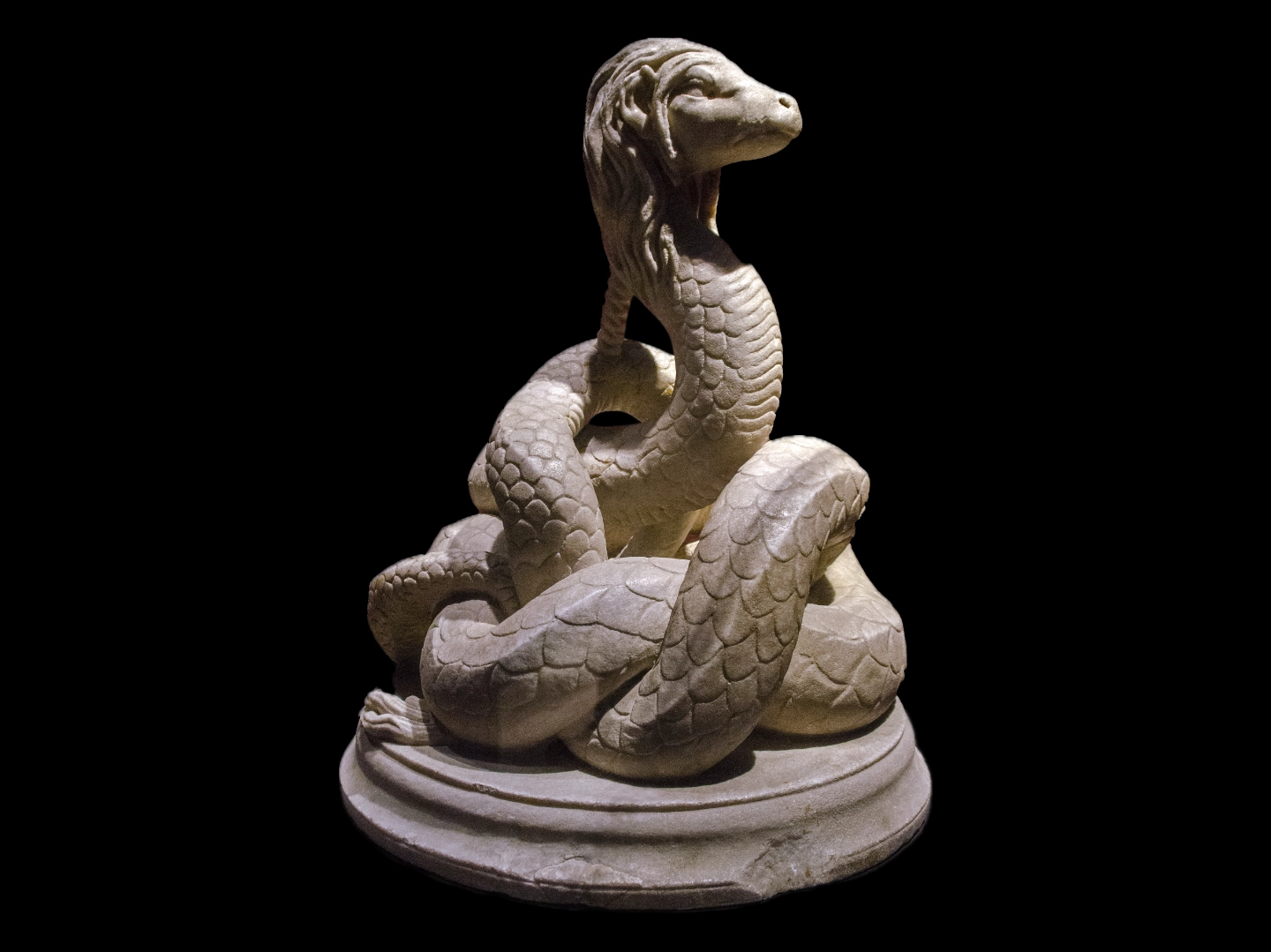
At Rome’s twilight, amid political upheaval and Christian ascendancy, Vettius Agorius Praetextatus embodied pagan intellect, virtue, and authority across senatorial, military, and mystical spheres.
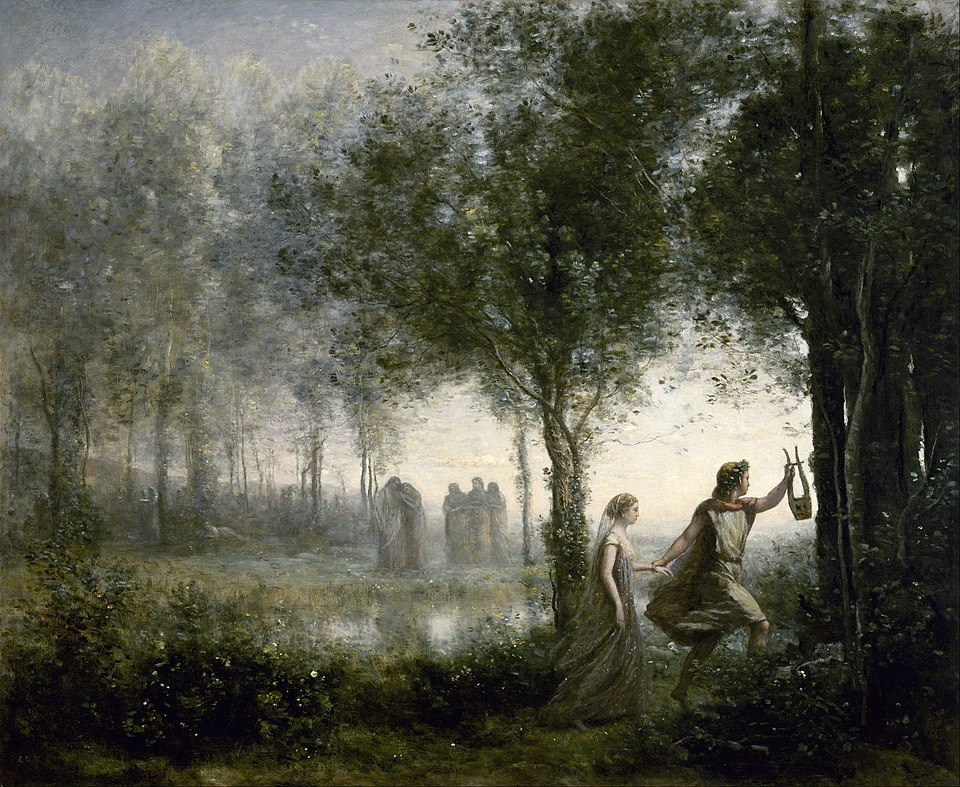
By reading Orphic theology together with Eleusinian ritual practice, the mysteries emerge as a structured mystagogy of transformation: a disciplined passage from forgetfulness (Lethe) to knowledge (aletheia), from mortality to participation in the divine.
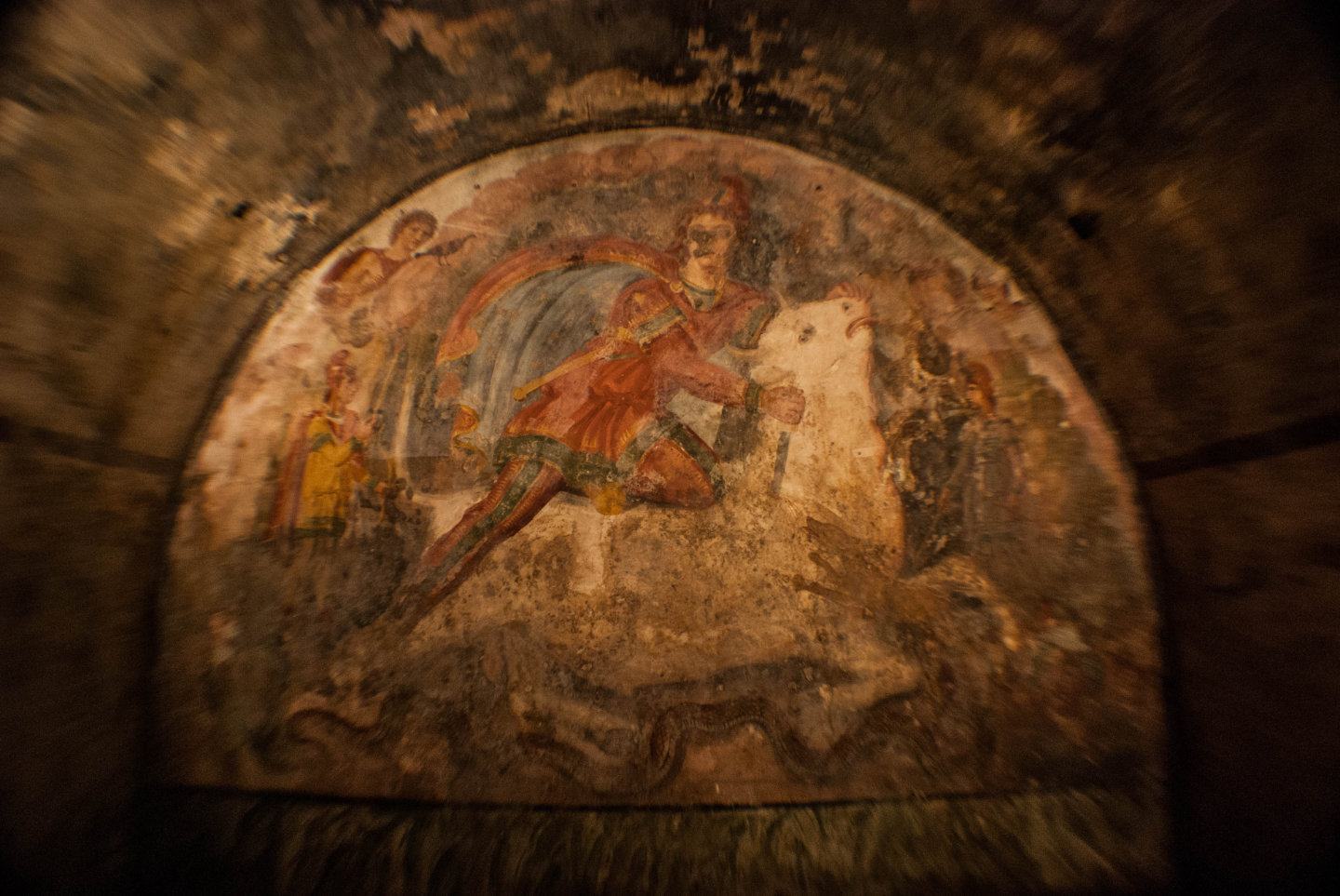
This article revisits the Mithraeum of S. Maria Capua Vetere, one of the most complete and artistically refined Mithraic sanctuaries in the Campanian region, situating it within its archaeological, iconographic, and ritual-historical contexts.
In his first book, Fahim Ennouhi sheds light on the cult of Mithras in Roman Africa. A marginal and elitist phenomenon, confined to restricted circles and largely absent from local religious dynamics, yet revealing.
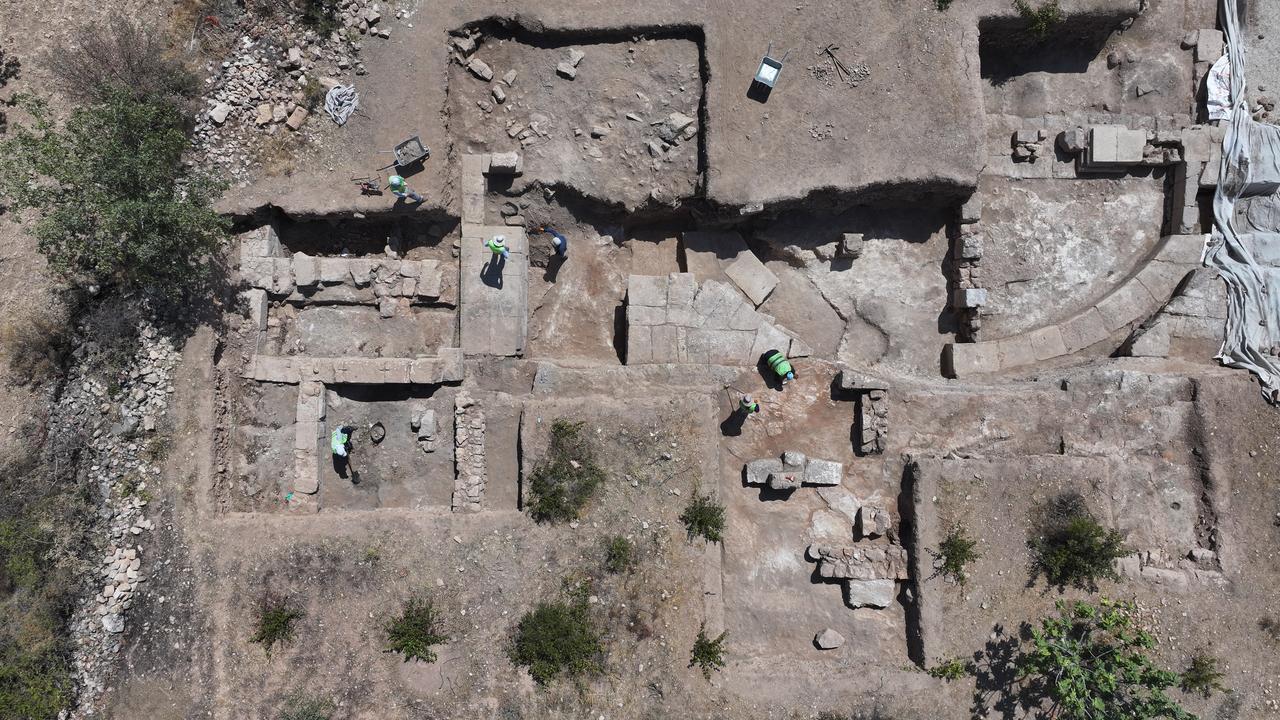
Archaeologists at Doliche are now excavating houses around the vast Mithras temple to learn how people lived beside the sanctuary.