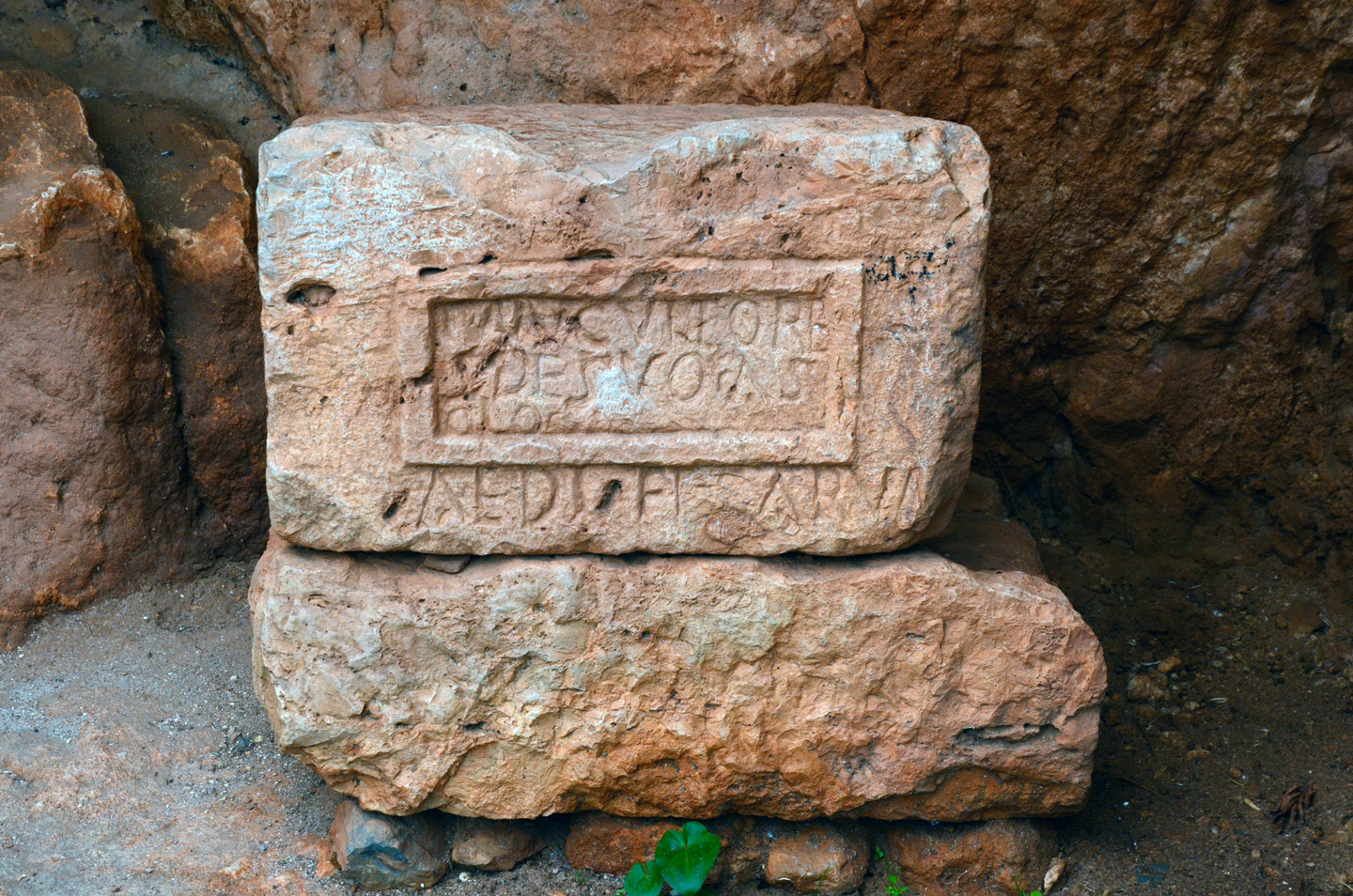
Inscription recording the dedication of a mithraeum at Tiddis by a group of cultores who built the sanctuary at their own expense.

An inscription mentioning a speleum decorated by Publilius Ceionius suggests the location of a mithraeum in Cirta, the capital of Numidia.
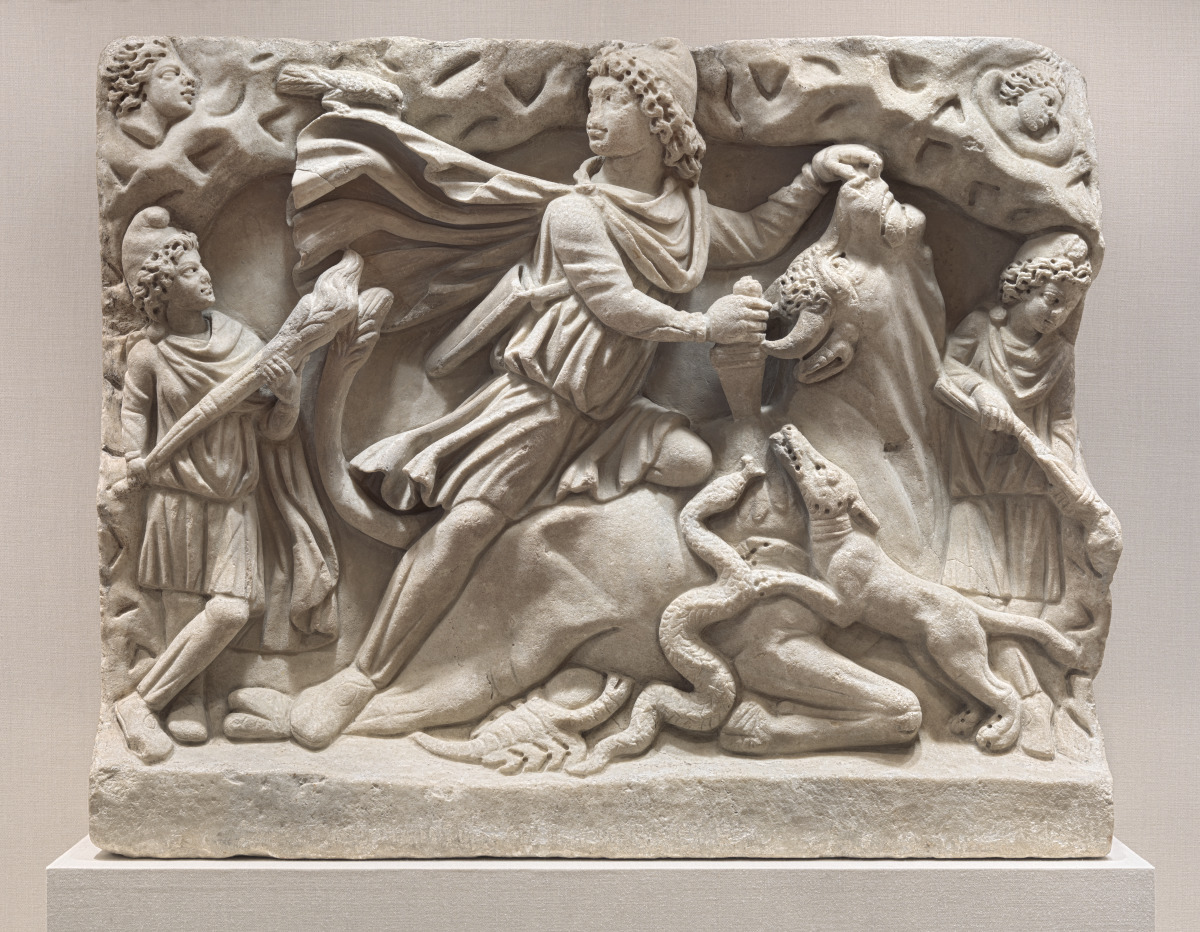
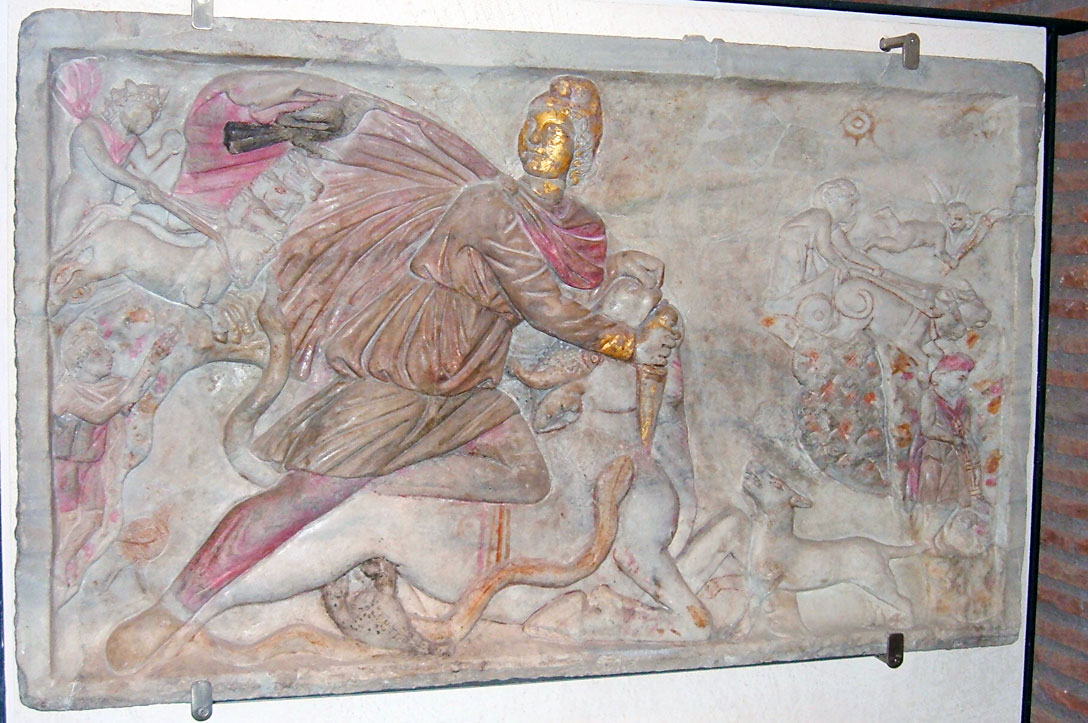
Rich relief on display at the Virginia Museum of Fine Art showing Mithras sacrificing the bull accompanied by Cautes and Cautopates.

Dedication from Simitthus mentioning the restoration of a monument and a vow fulfilled to Cautes and Cautopates during the reign of Caracalla and Julia Maesa.

Saul cutting the oxen to pieces poses as Mithras Tauroctonos in this painting, which adorns the mantelpiece of Henry II’s bedroom at the Château d’Écouen near Paris.
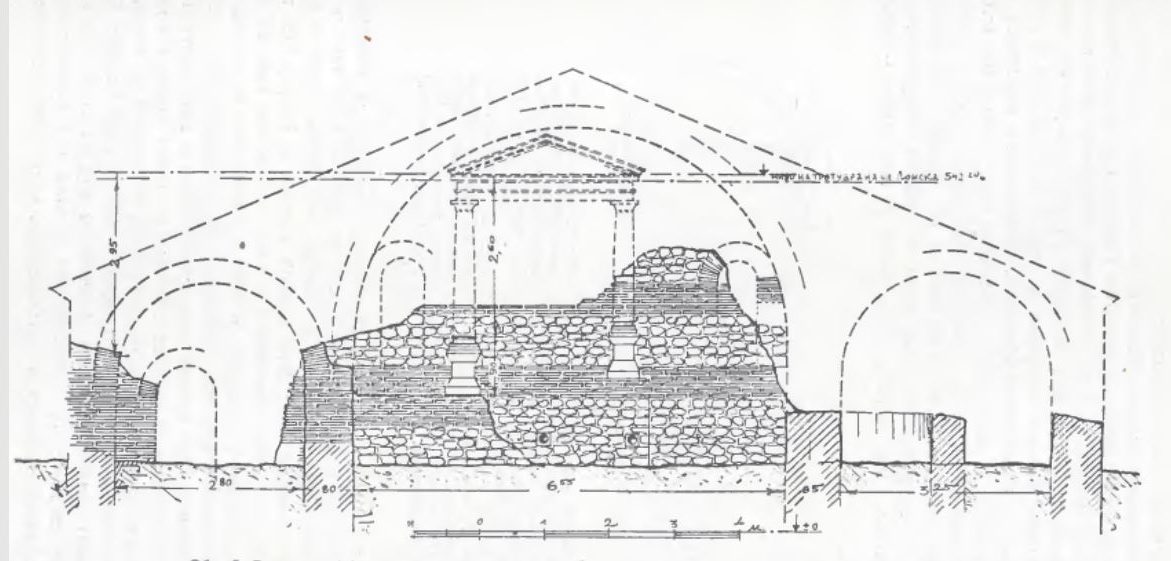
The Mithraeum of Serdica was found in the fortified area of the ancient city of Serdica, now Sofia, Bulgaria.
Callimorphus dedicated this image of the sun god to the invincible sun ’Mythra’.
This inscription, which doesn’t mention Mithras, was found near the church of Santa Balbina on the Aventine in Rome.
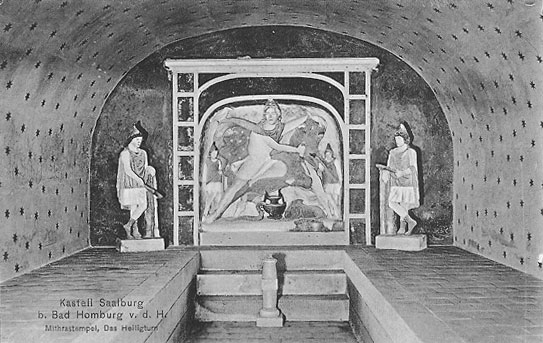
In the 1900s a model Mithraeum was built in Saalburg in the mistaken belief that there was an original temple of Mithras in an ancient Roman building.

New evidence for the cult of Mithras and the religious practices of Legio IV Scythica at the Roman frontier city of Zeugma on the Euphrates.

White marble statue of Lion-head god of time, formerly in the Villa Albani, nowadays in the Musei Vaticani.
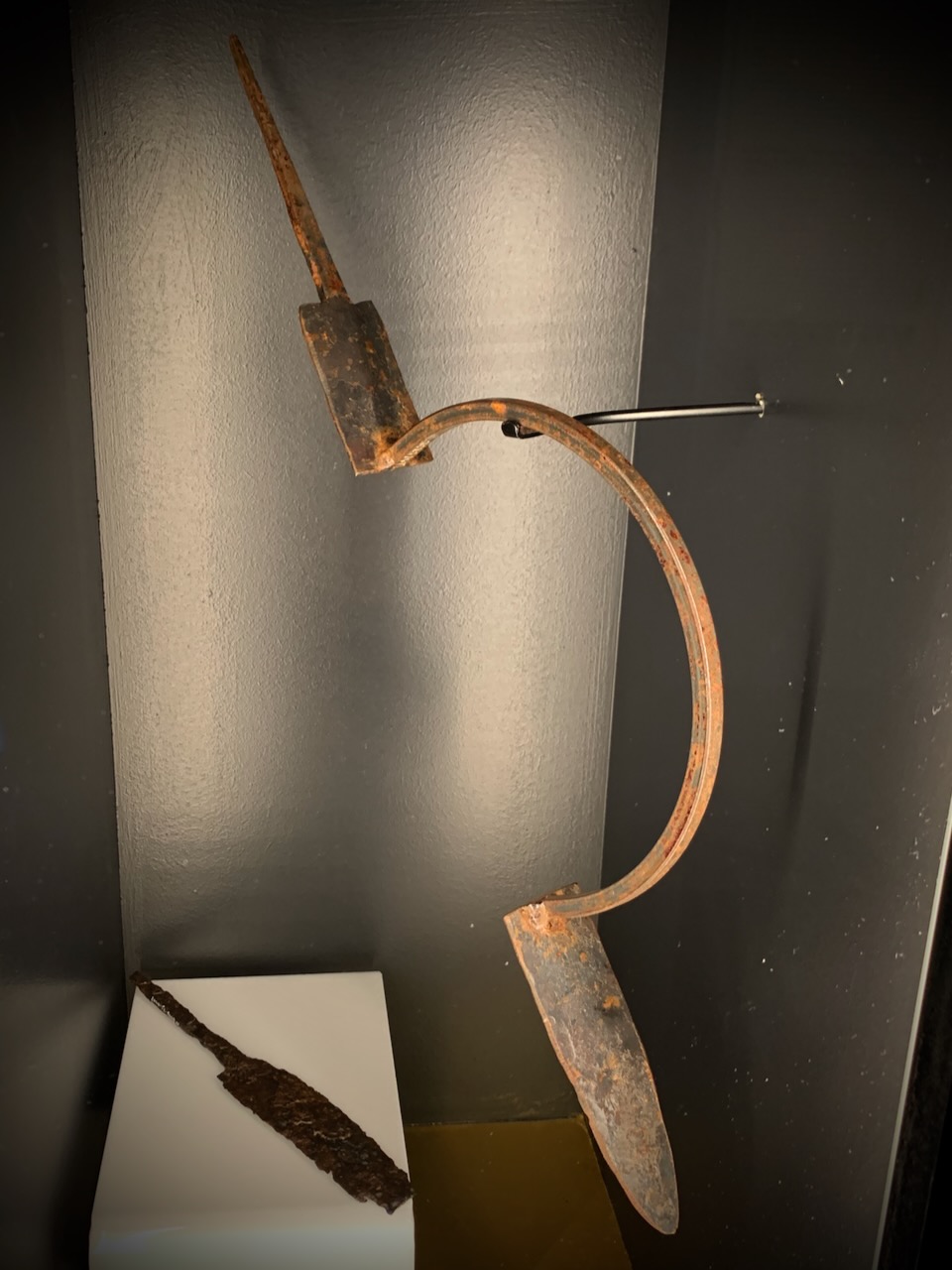
Several iron fragments found in the second mithraeum of Güglingen may have been used during mithraic ceremonies.
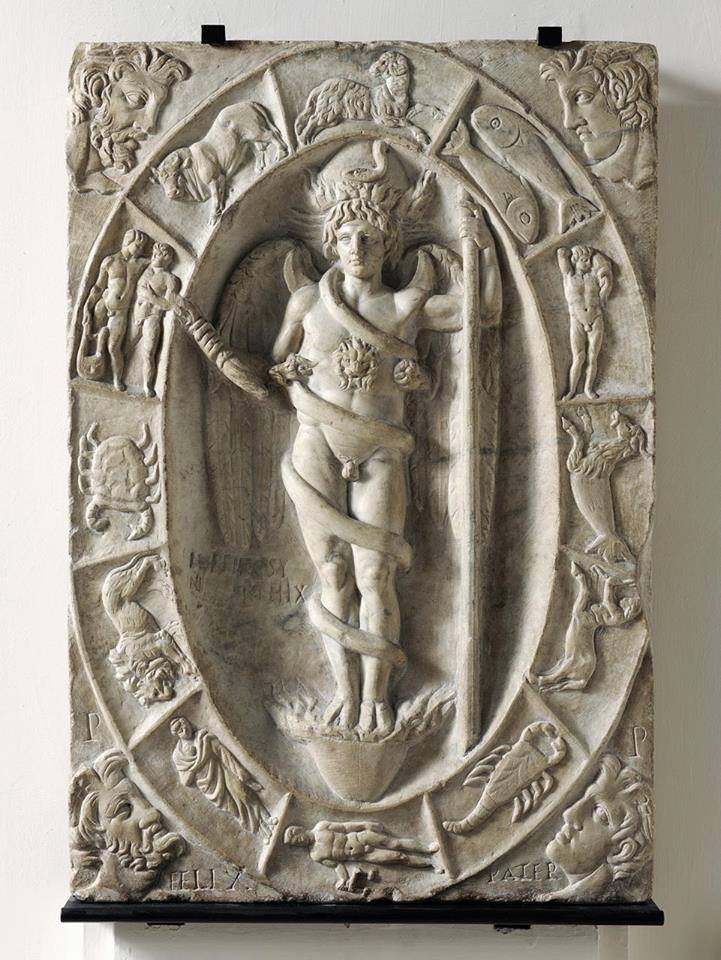
The Aion / Phanes relief, currently on display in the Gallerie Estensi, Moneda, is associated with two Eastern mysteric religions: Mithraism and Orphism.

The name of this domus comes from the fact that some authors once associated one of its mosaics with the cult of Mithras, a connection that has since been dismissed.
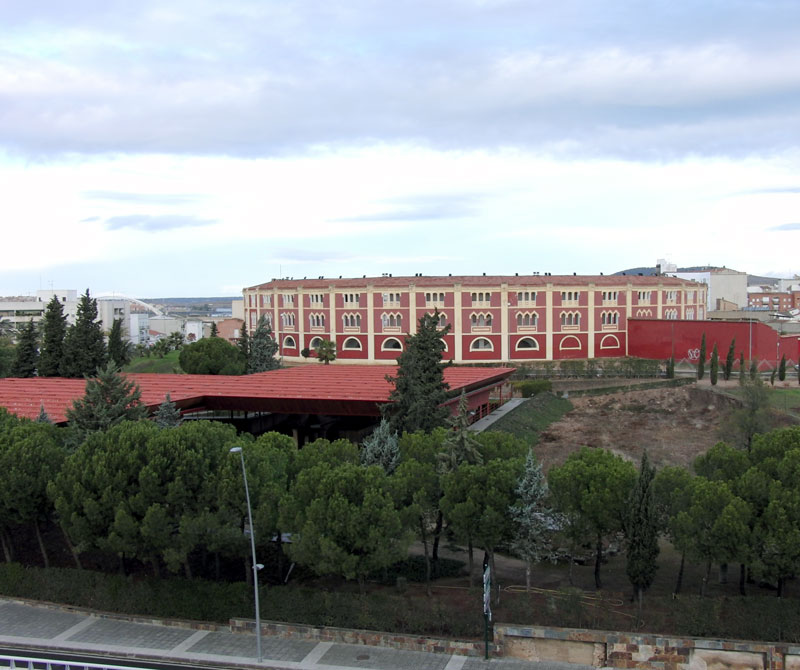
Although the site at Cerro de San Albín is not a Mithraeum, archaeologists have found several monuments related to the cult of Mithras.
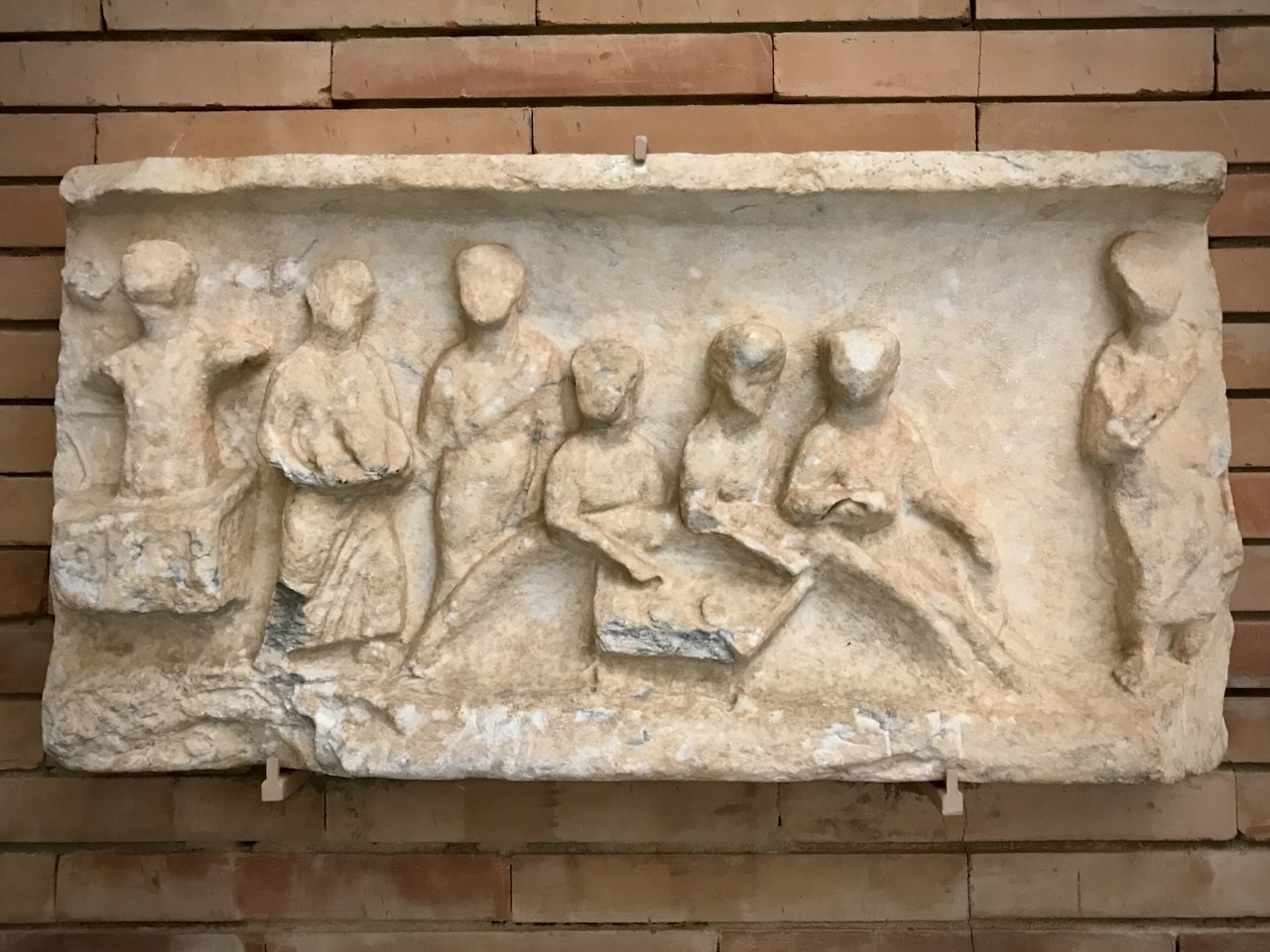
This scene of a feast from Mérida shows three persons at a table with other people standing beside them, one holding a bull’s head on a plate.
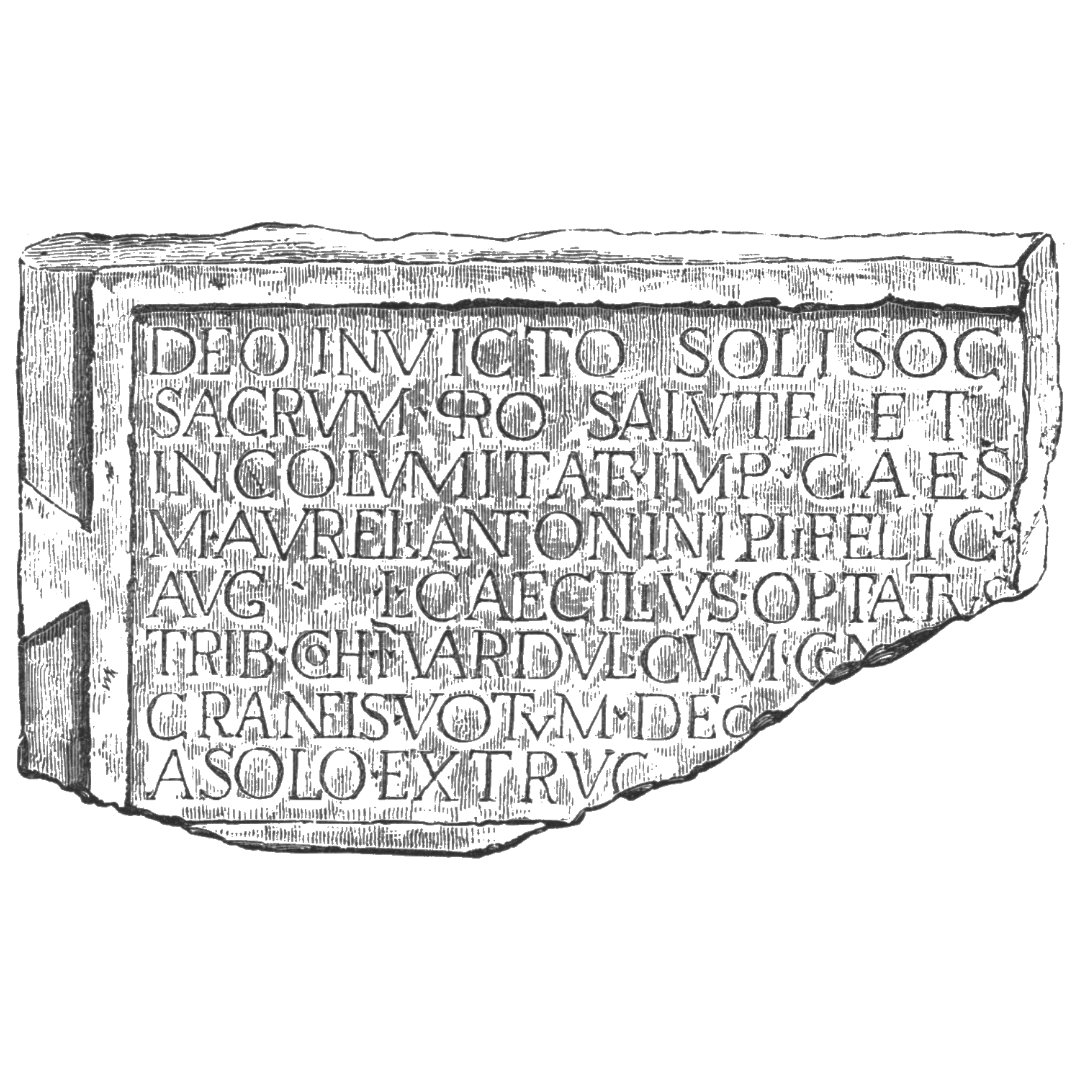
This inscription commemorates the building of a mithraeum in Bremenium with fellow worshippers of Mithras.
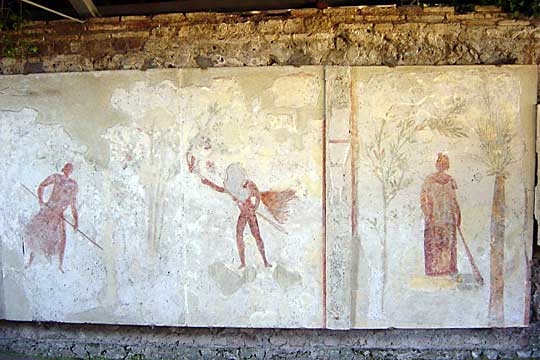
The frescoes depict several figures dressed in different garments associated with the Mithraic degrees.
