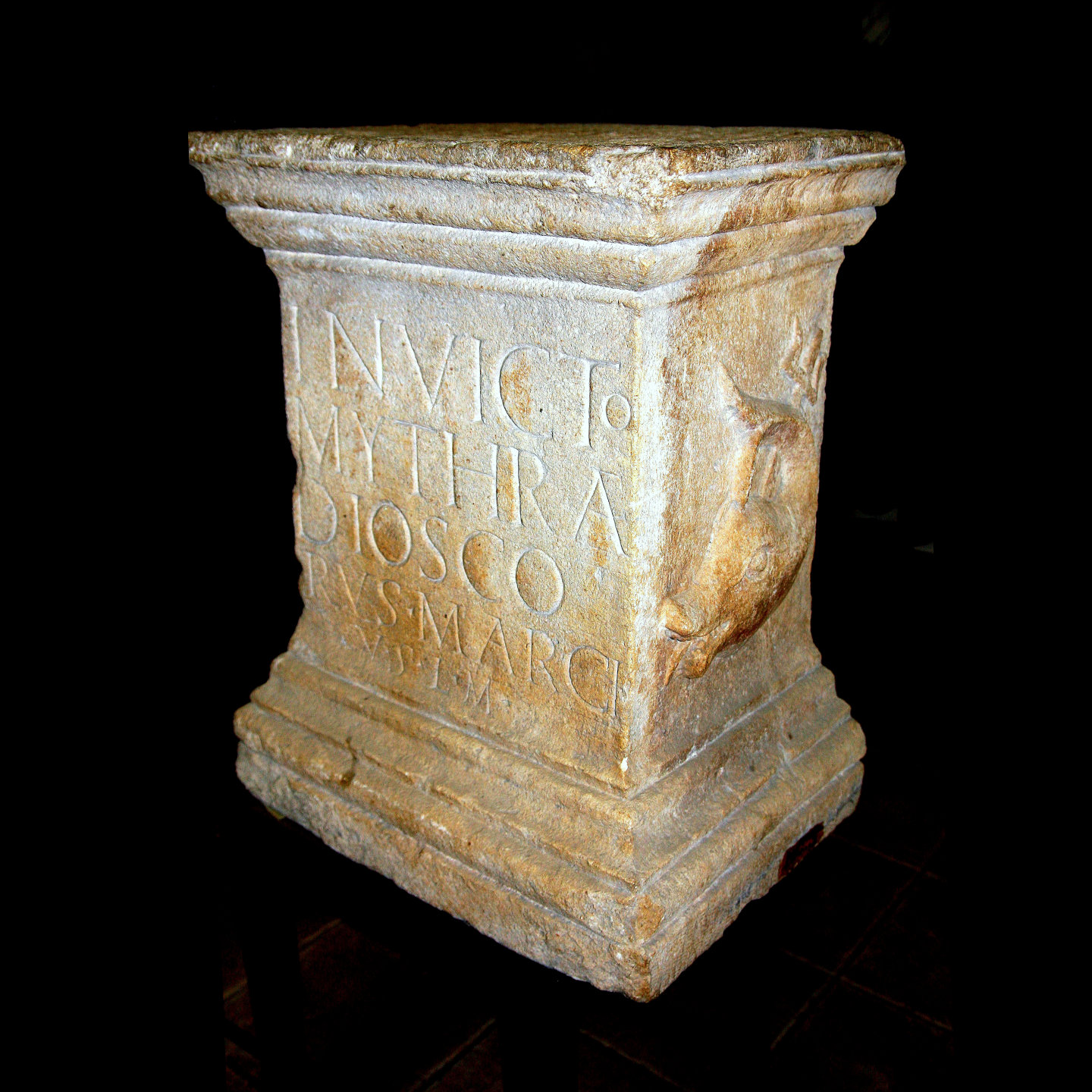
In 1852, Károly Pap, a naval captain, unearthed several Mithraic monuments in his garden at Marospartos, including this altar.
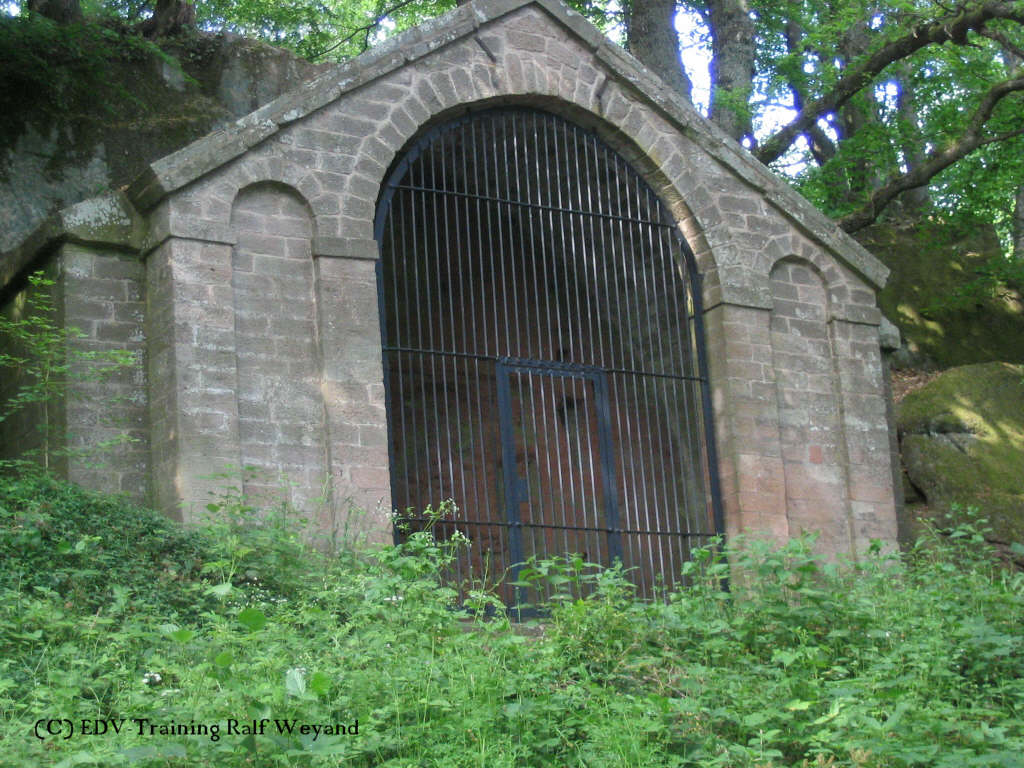
The Mithraeum of Schwarzerden, also know as Mithräum von Reichweiler, was carved on the rock.

Coin of Istrus, Moesia Inferior, showing Caracalla on one side and a god on horseback (Mithras ?) on the other.

This altar, dedicated to Sol Invictus Mithras by a certain Eutyches for the health of the Emperor Caracalla, was found in Sisak, Croatia, in 1899.
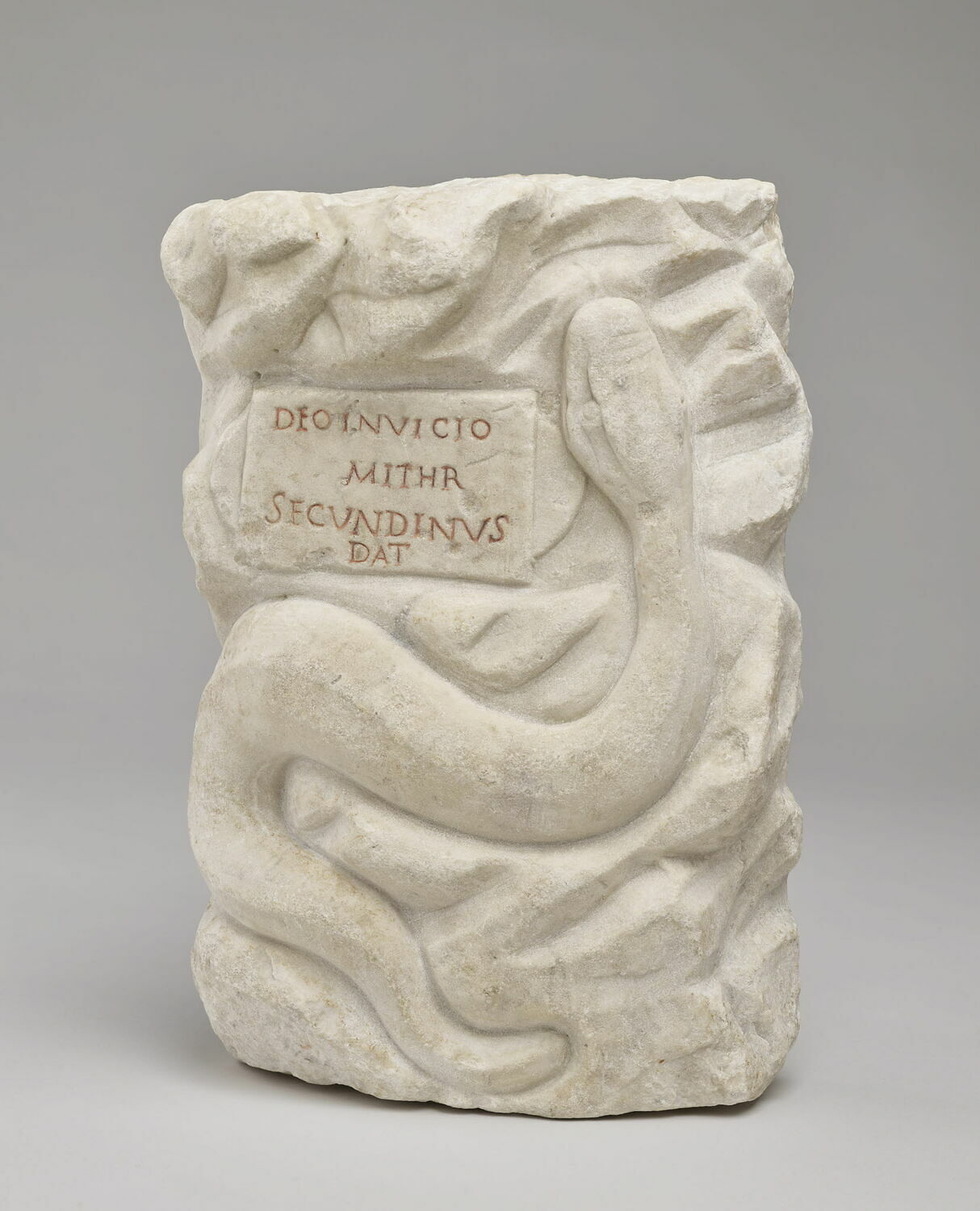
There is no consensus on the authenticity of this monument erected by a certain Secundinus in Lugdunum, Gallia.
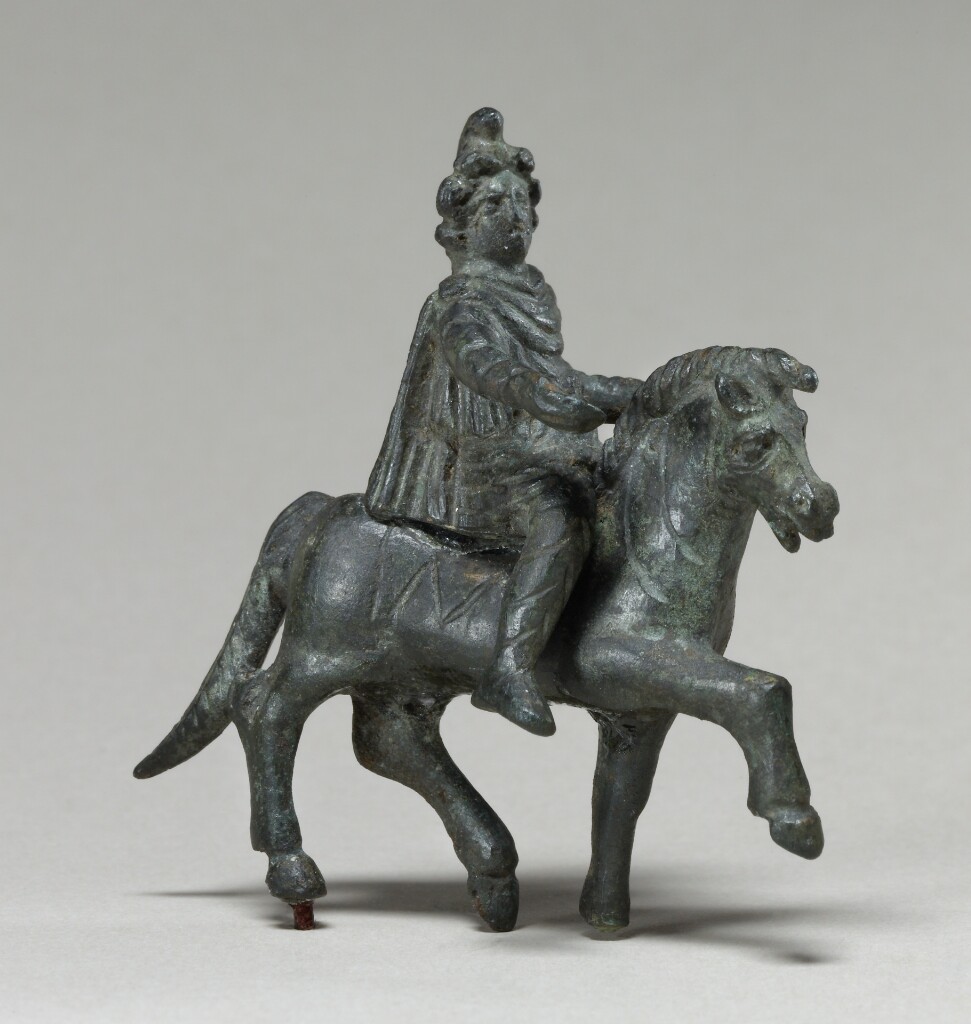
This small bronze statuette of Mithras riding a horse is composed of two pieces.
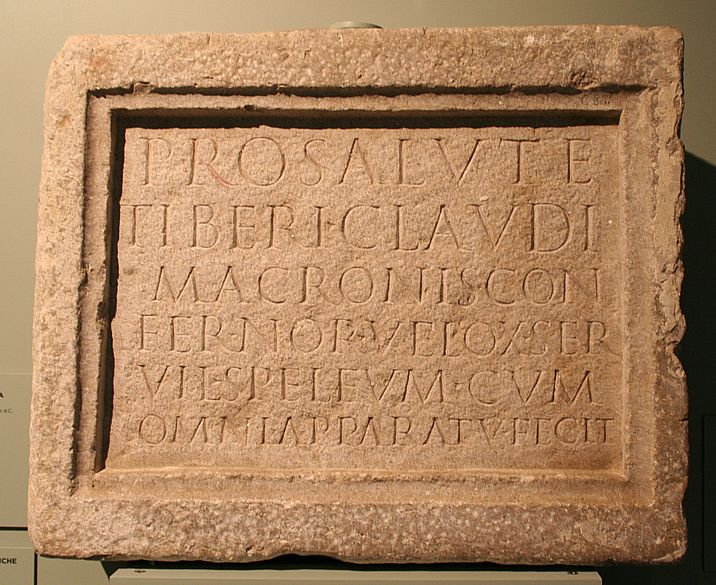
Marble slab with inscription by Velox for the salvation of the chief of the iron mines of Noricum.

The dedicator of this monument is also known for having made a tauroctonic relief in Nesce.
This monument bears an inscription to Mithras by a well-known general of the Roman Empire.
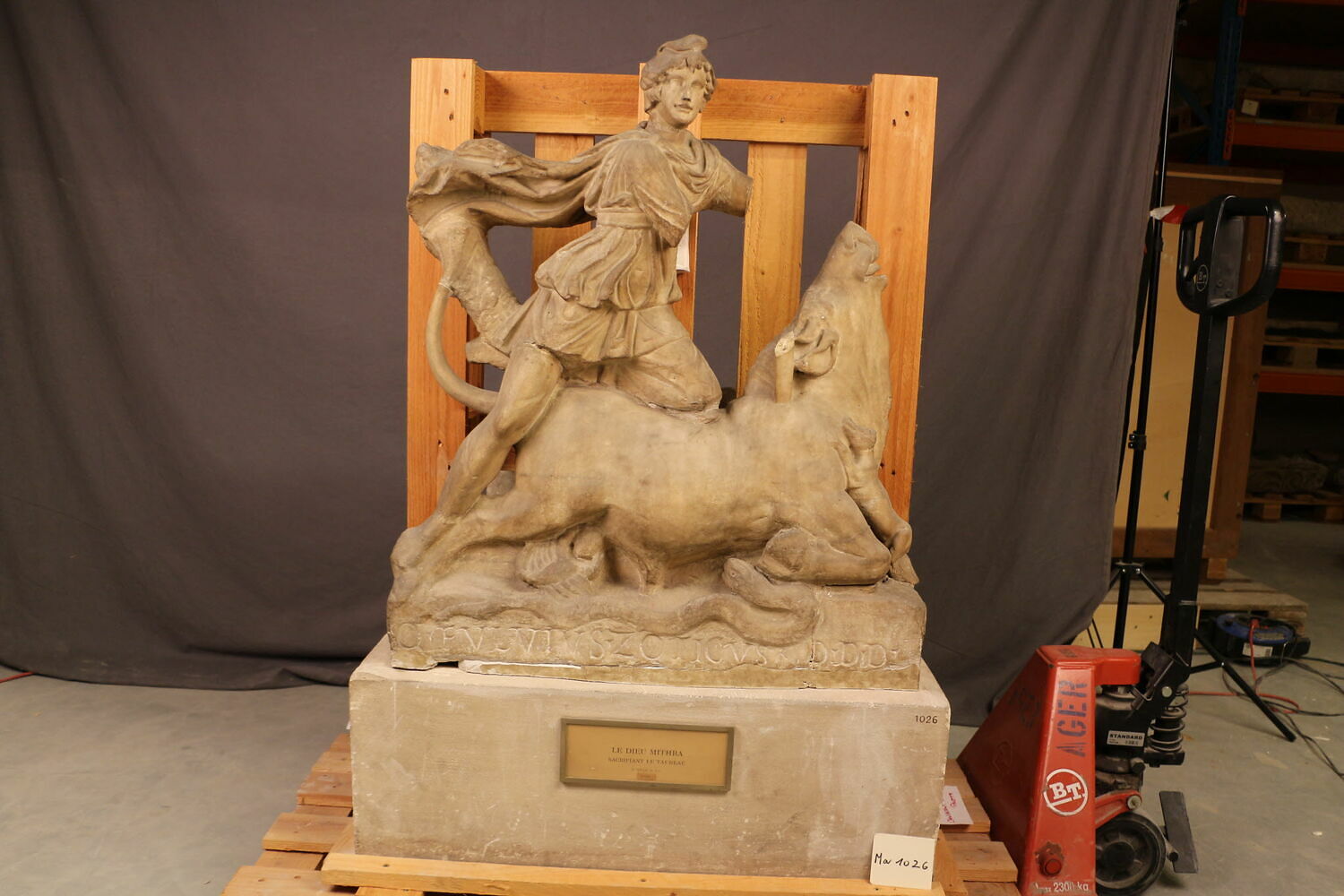
The Tauroctony found in Velletri, Rome, bears an inscription from its owner and donor.

This marble sculpture from Sicily, known as the Randazzo Vecchio or Rannazzu Vecchiu, contains some essential elements of the Mithraic Aion, the lion-headed god.

This fine Roman marble slab of the killing bull of Mithras belongs to a private owner, most recently from Los Angeles, USA.
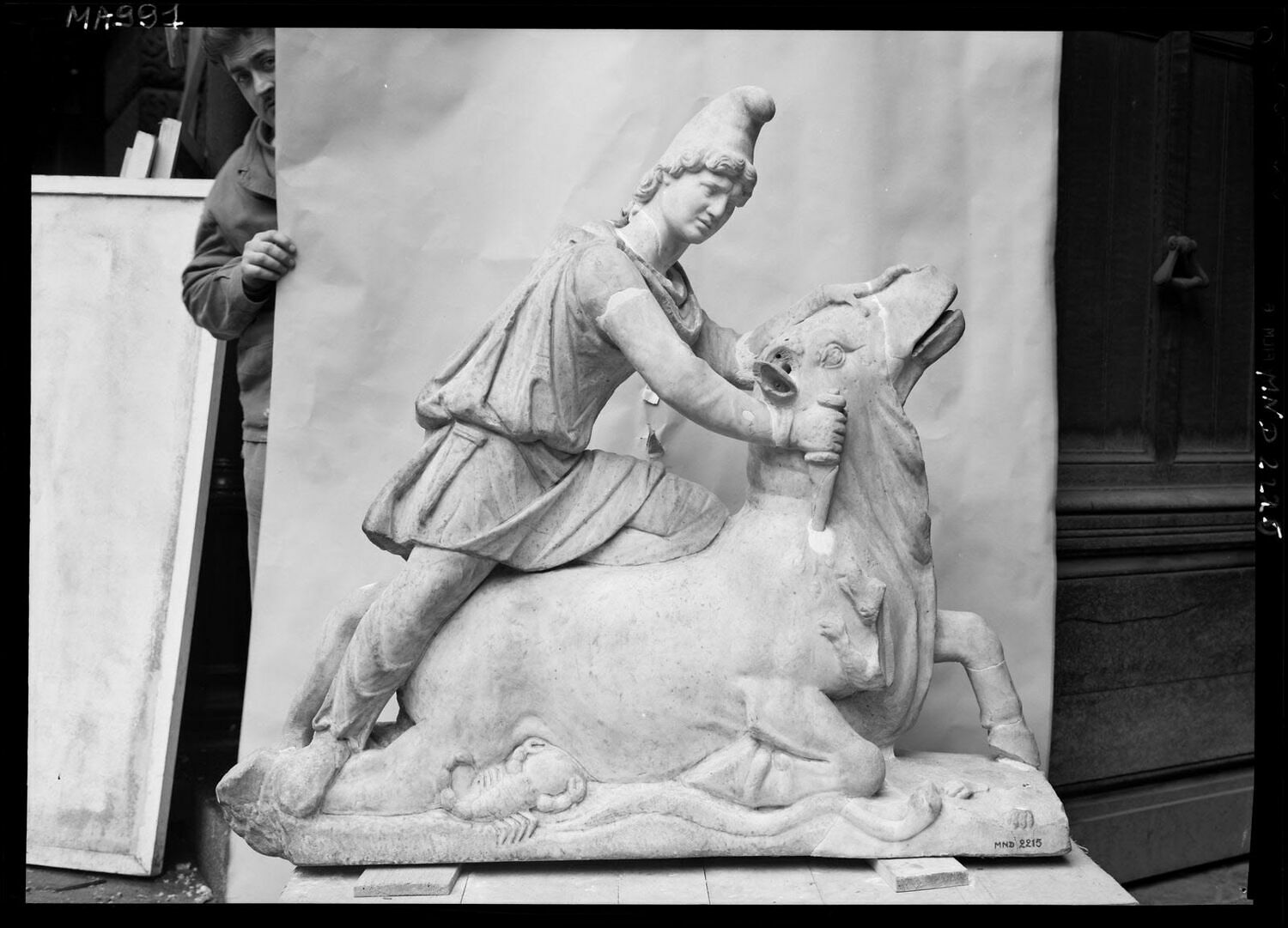
This sculpture of Mithras killing the bull, which belongs to the Louvre Museum, is currently on display in Varsovia.
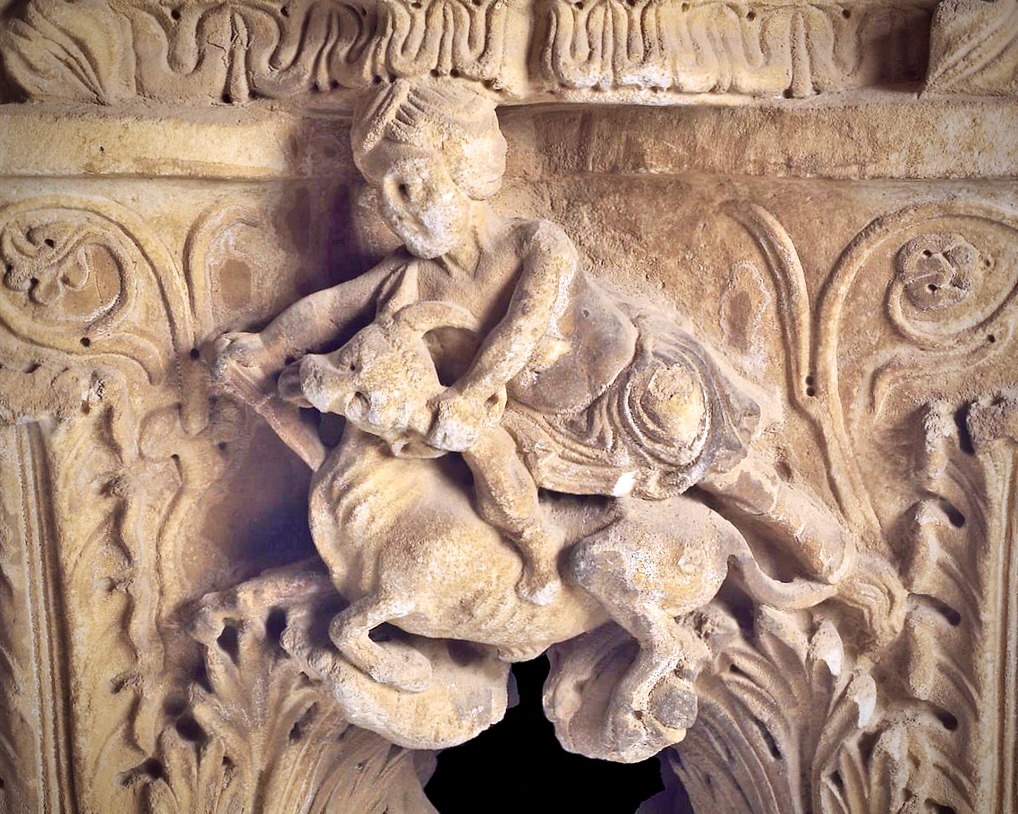
On one of the capitals of the cathedral of Santa Maria Nuova in Monreale, Sicily, an unusual turbaned bull-slaying Mithras has been recorded.
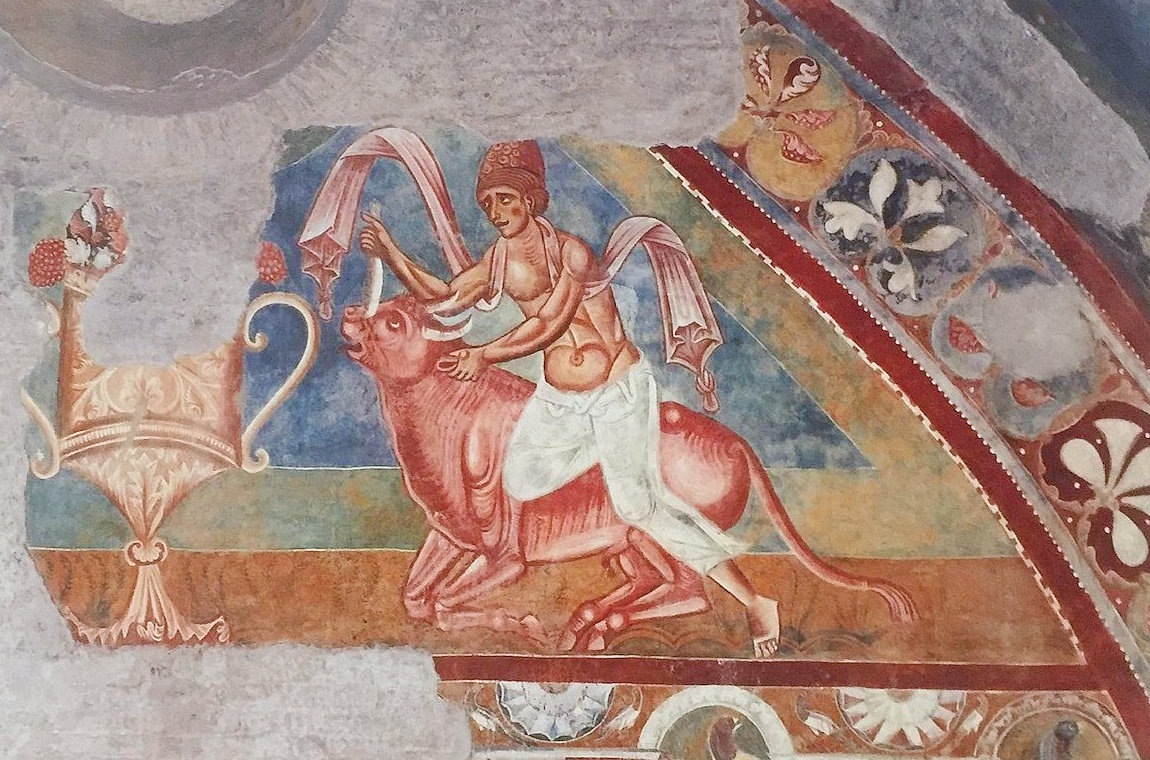
What appears to be a representation of Mithras killing the bull appears in the 12th century frescoes of the Basilica dei Santi Quattro Coronati in Rome.
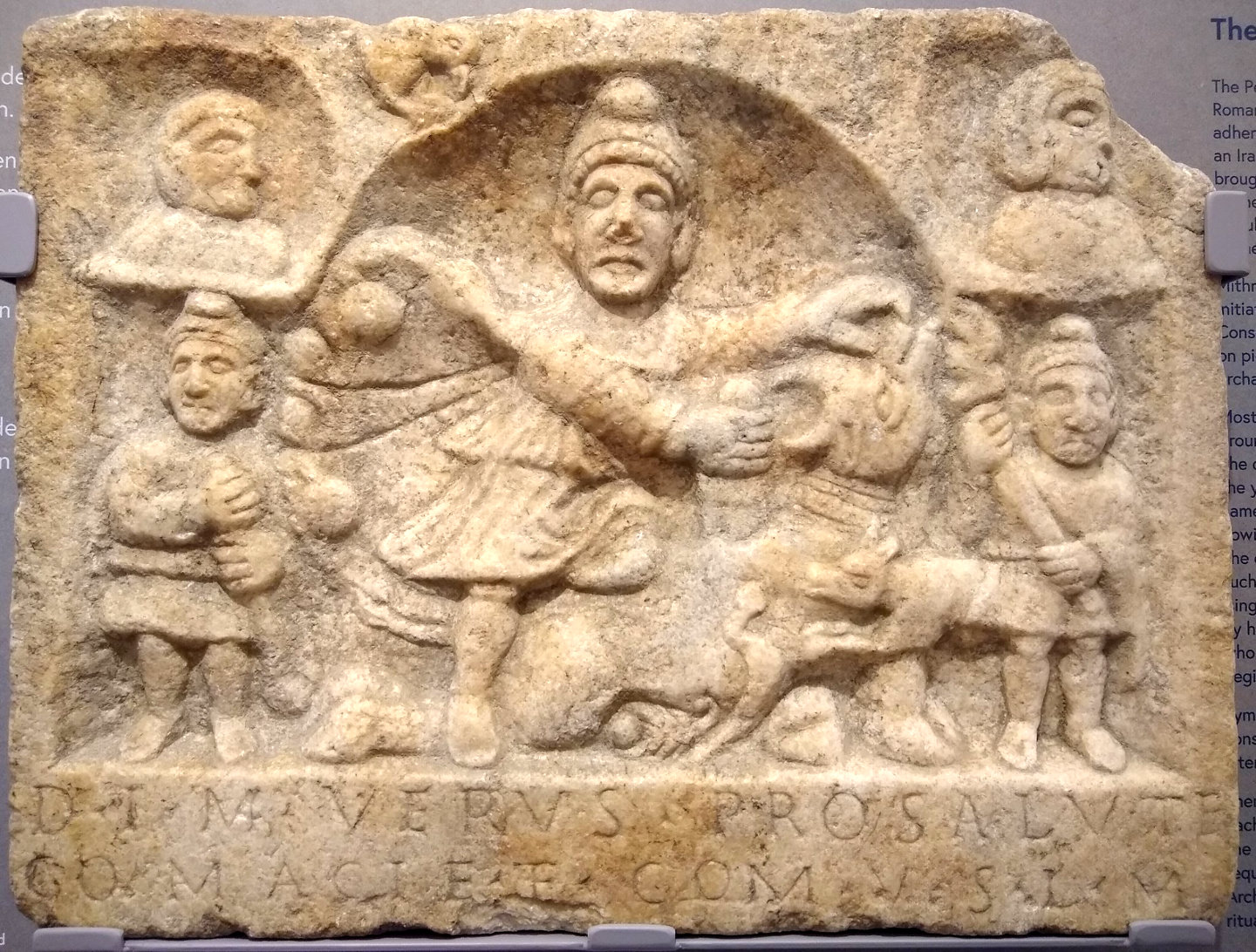
The votive image was donated by a certain Verus for a mithraeum which was probably located in the hinterland of the Limes.
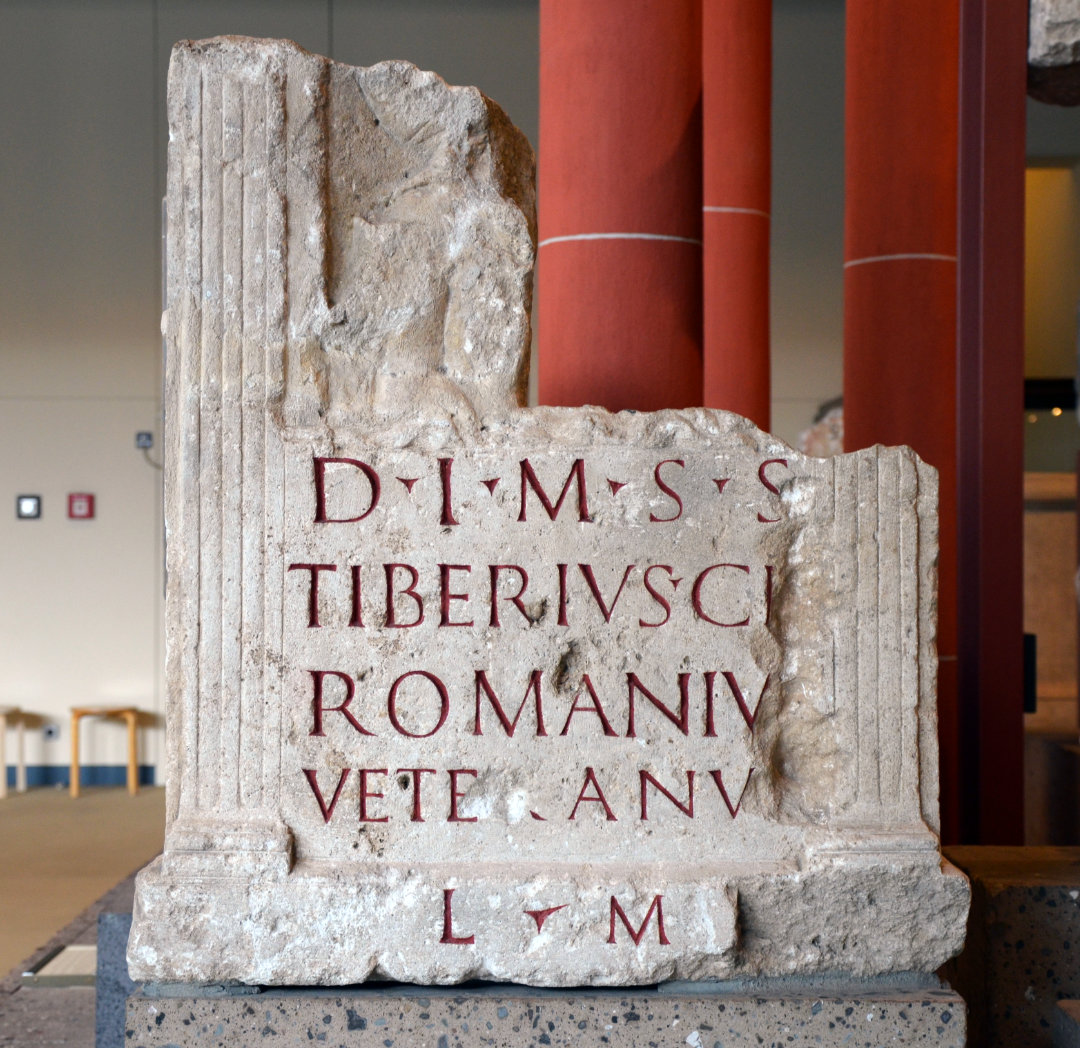
Votive inscription dedicated to Mithras by the veteran soldier Tiberius Claudius Romanius, from the Mithraeum II Köln, 3rd century.

A second Mithraeum was found in Cologne described by R. L. Grodon as of ’small importance’.
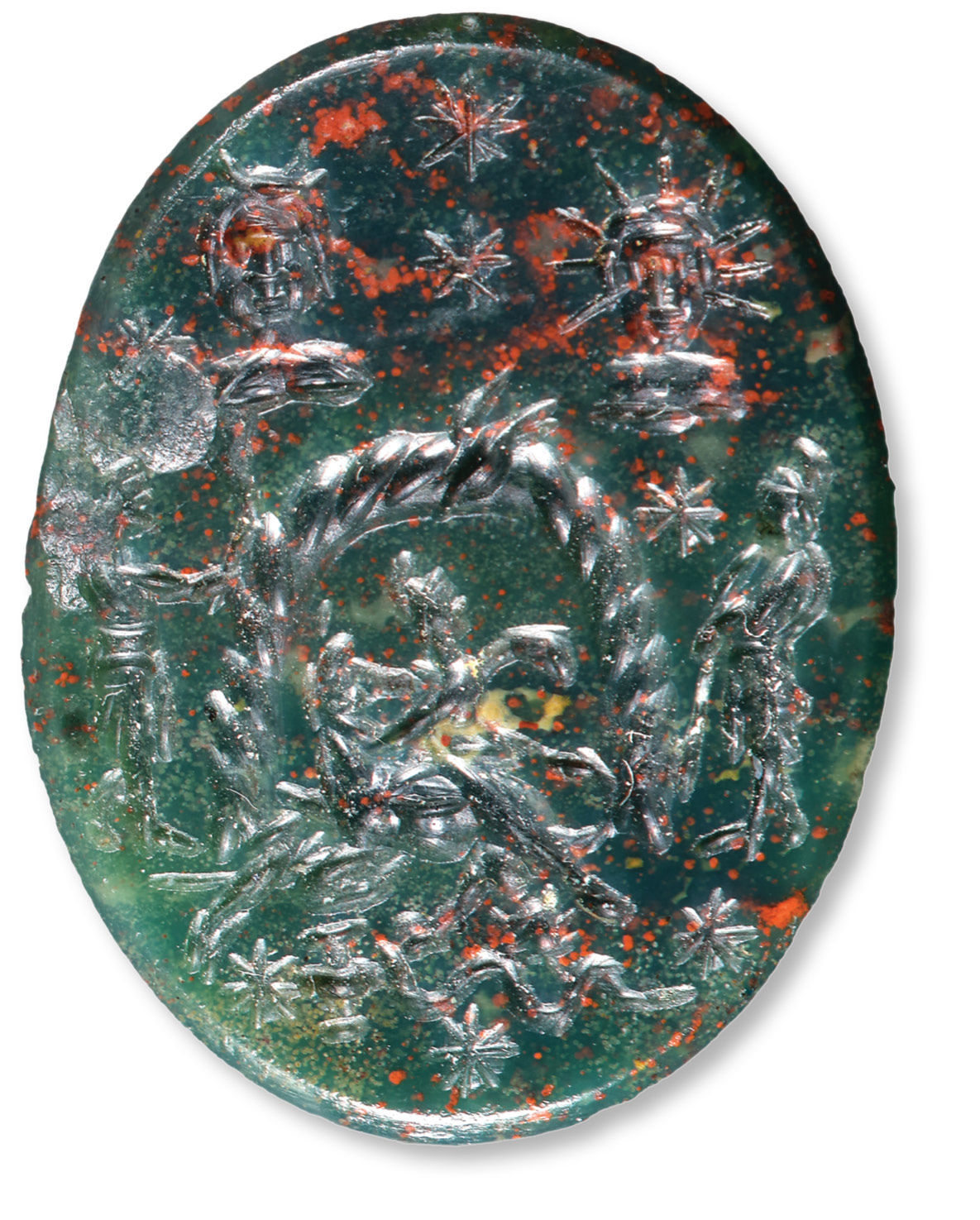
This heliotrope gem, depicting Mithras slaying the bull, dates from the 2nd-3rd century, but was reused as an amulet in the 13th century.
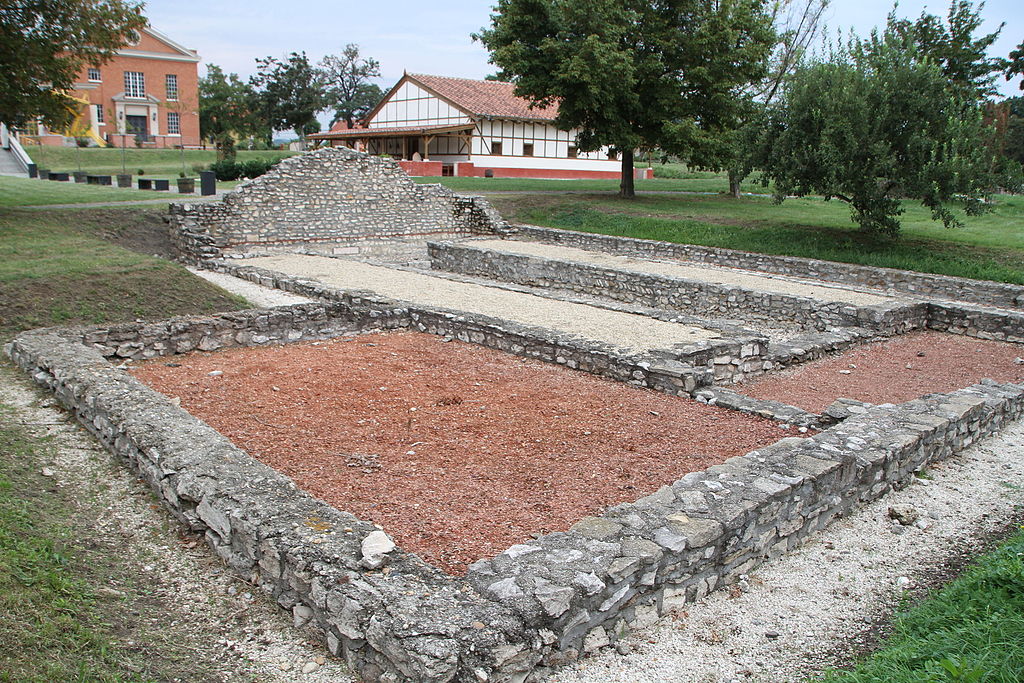
The Mithraeum of Symphorus and Marcus, in Óbuda, Budapest, has been restored to public view in 2004 and, while well presented, it has been heavily restored.
