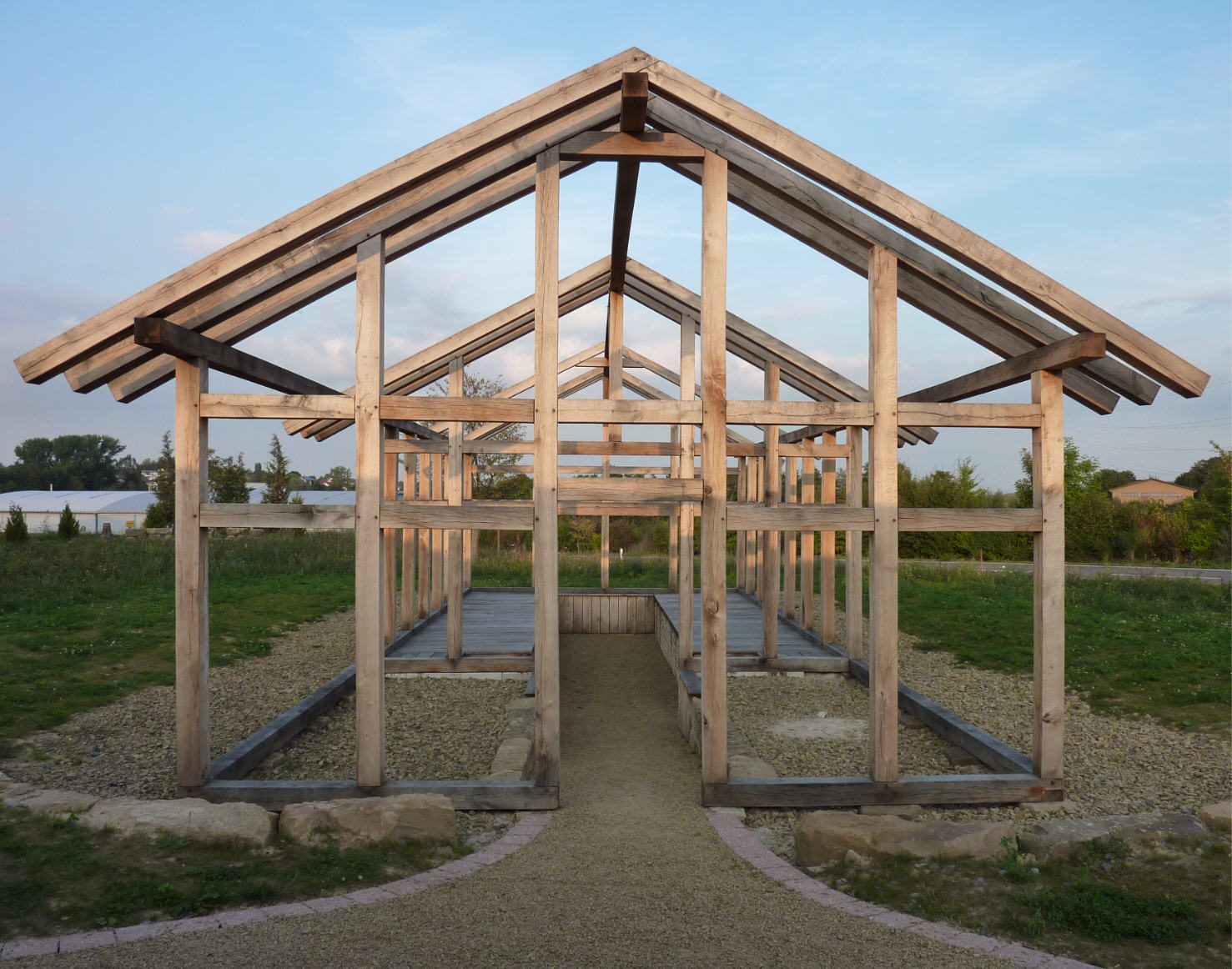
Two Mithras sanctuaries, which were located on the edge of the settlement, were excavated in Güglingen.
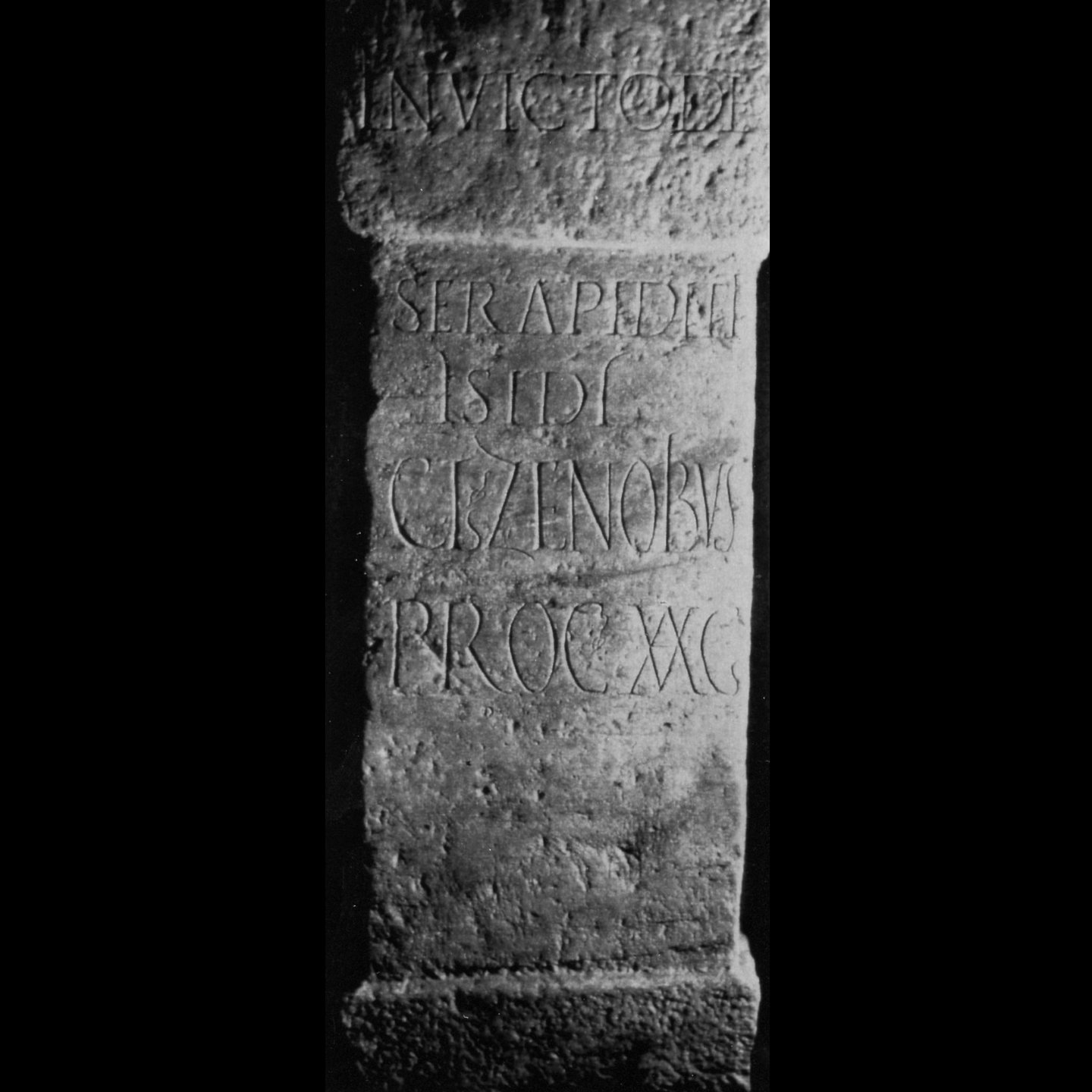
This slab dedicated to the invincible god, Serapis and Isis by Claudius Zenobius was found in 1967 in the walls of the city of Astorga, Spain.
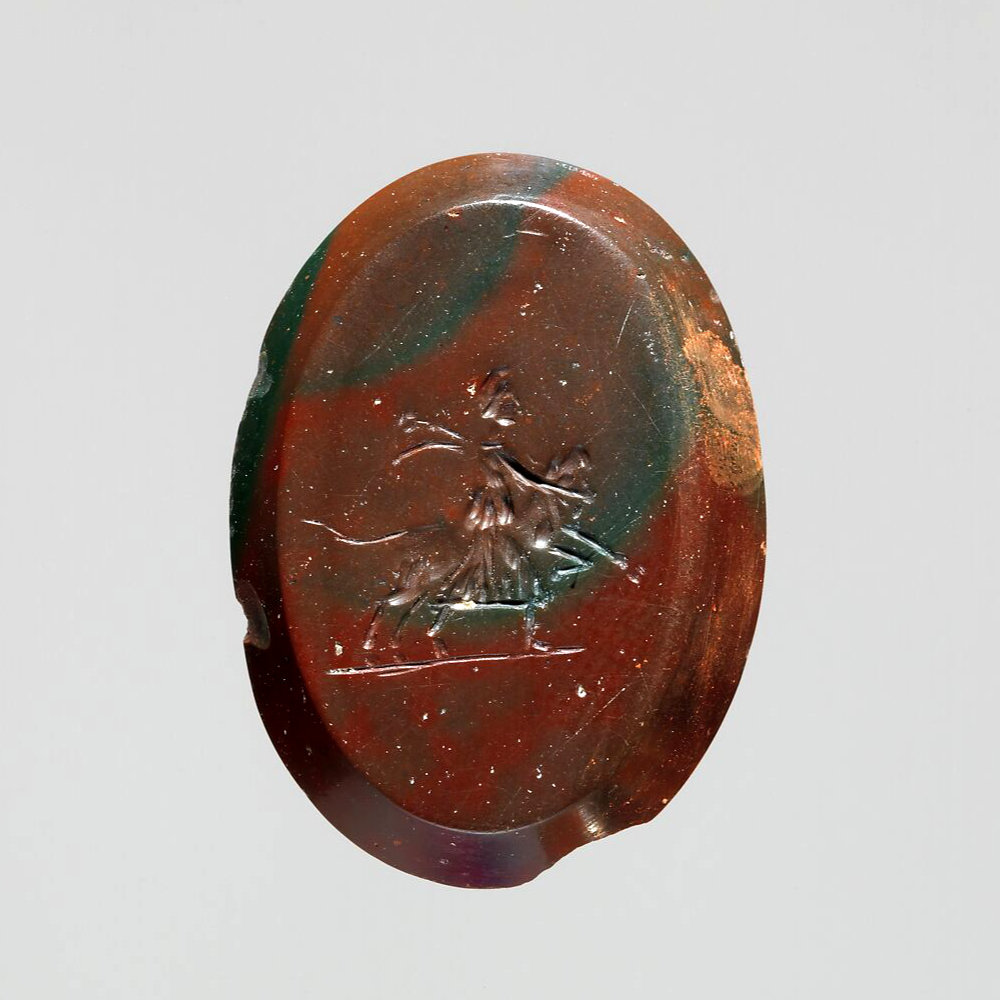
This small magical jasper gem shows Sol in a quadrigra on the recto and Mithras as a bull slayer on the verso.
The Mithraea in the territory of Arupium were first mentioned by Š. Ljubić in 1882.
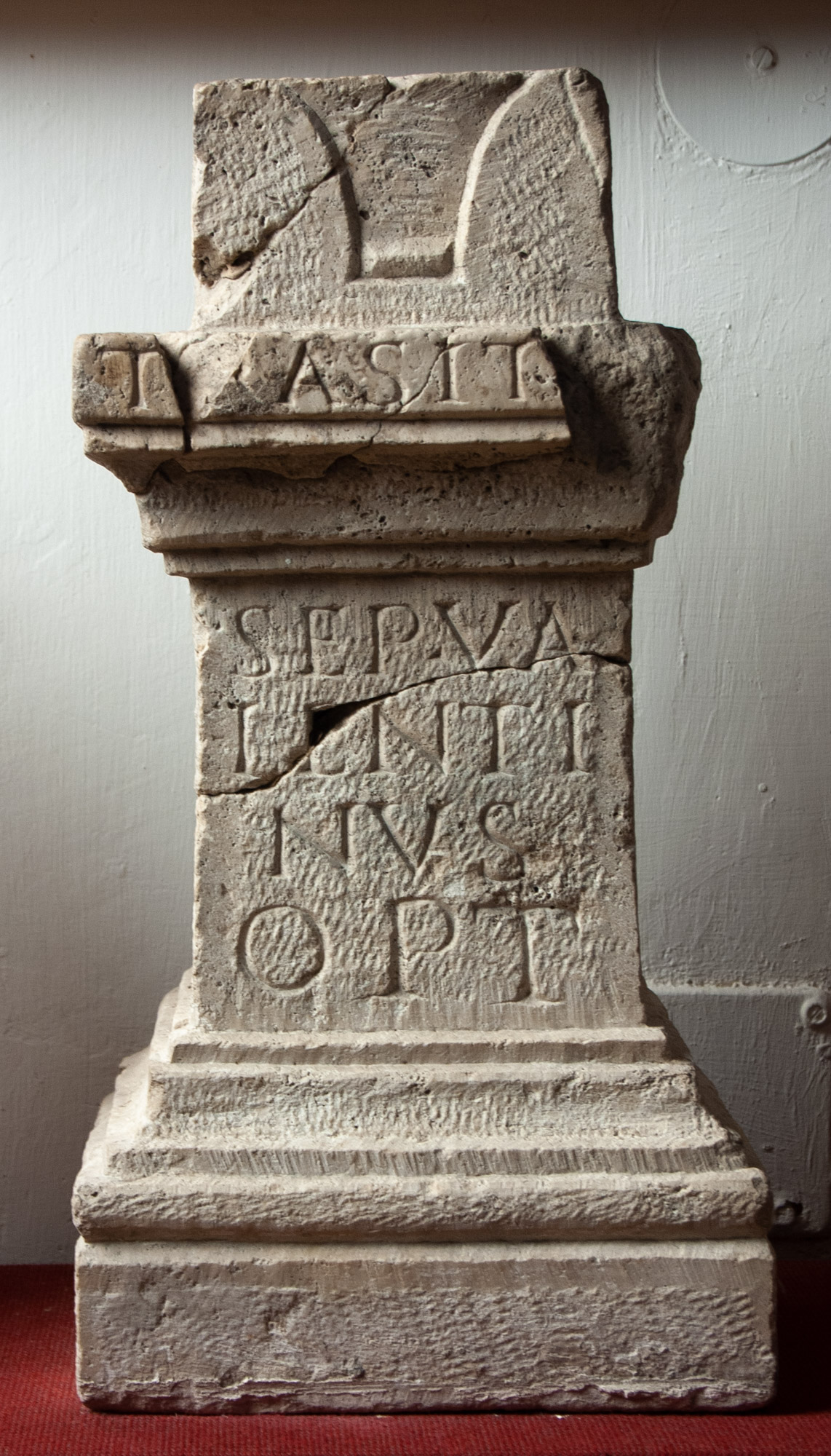
This is one of the altars erected by Septimius Valentinus, in this case, to the transitus of Mithras.
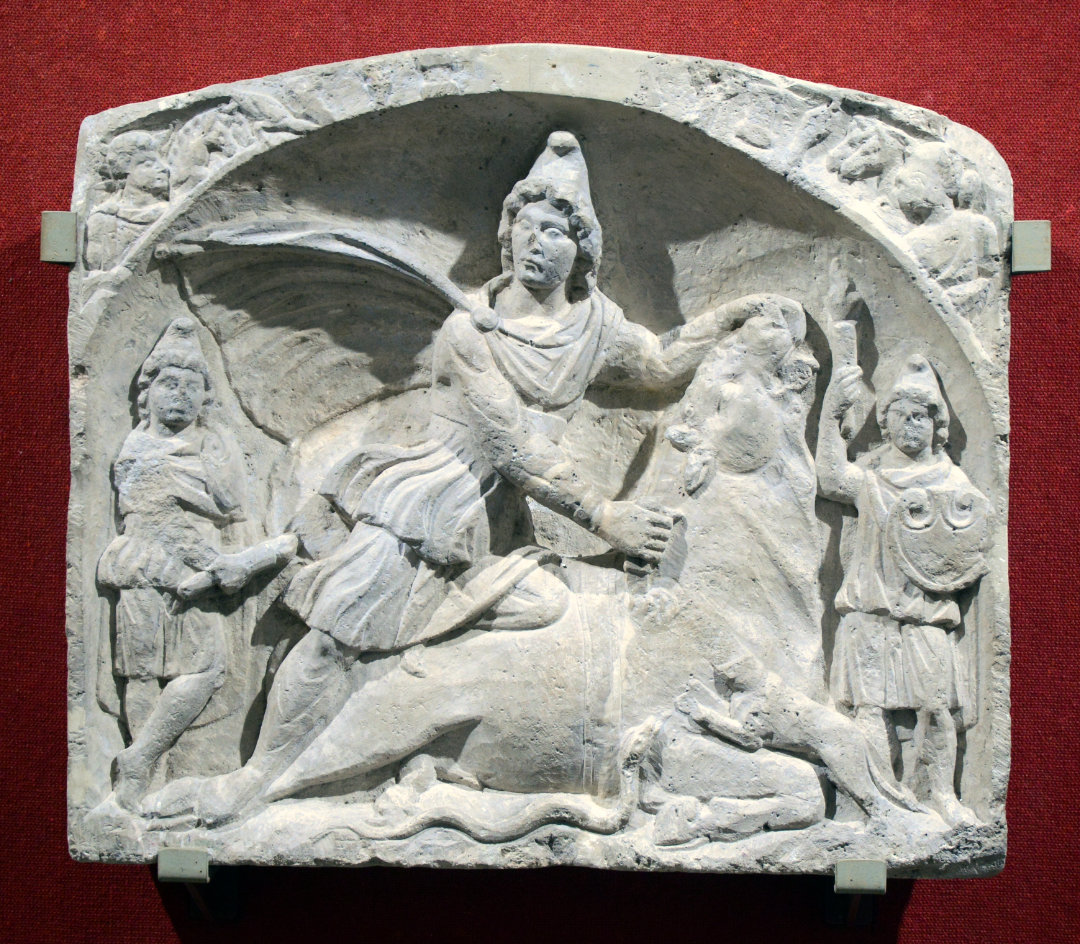
In this relief found in the Sárkeszi Mithraeum, Cautes and Cautopates hold an Amazon shield.
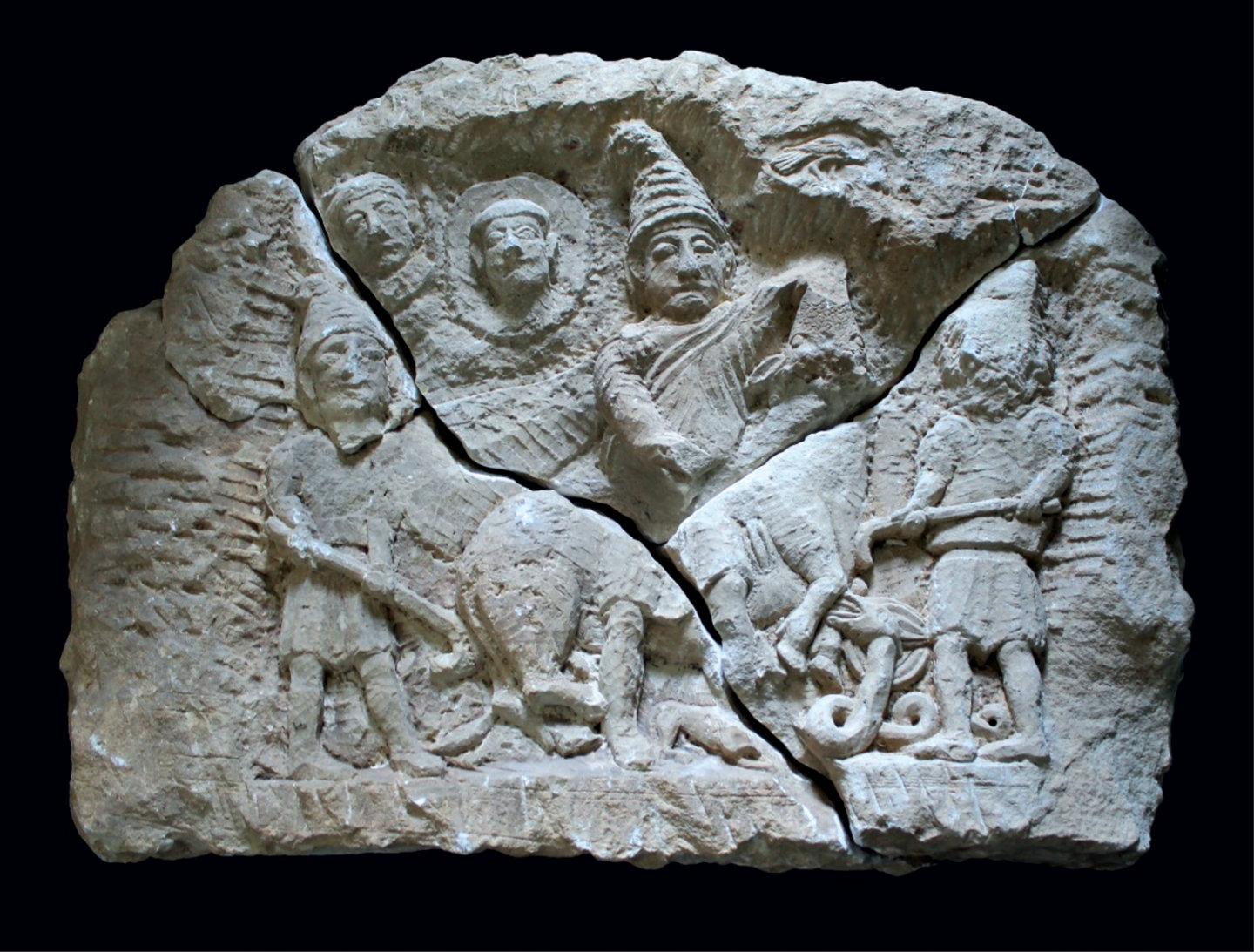
The relief of Mithras killing the bull, found near Zvornik in Bosnia and Herzegovina, features some variations on the usual scene.
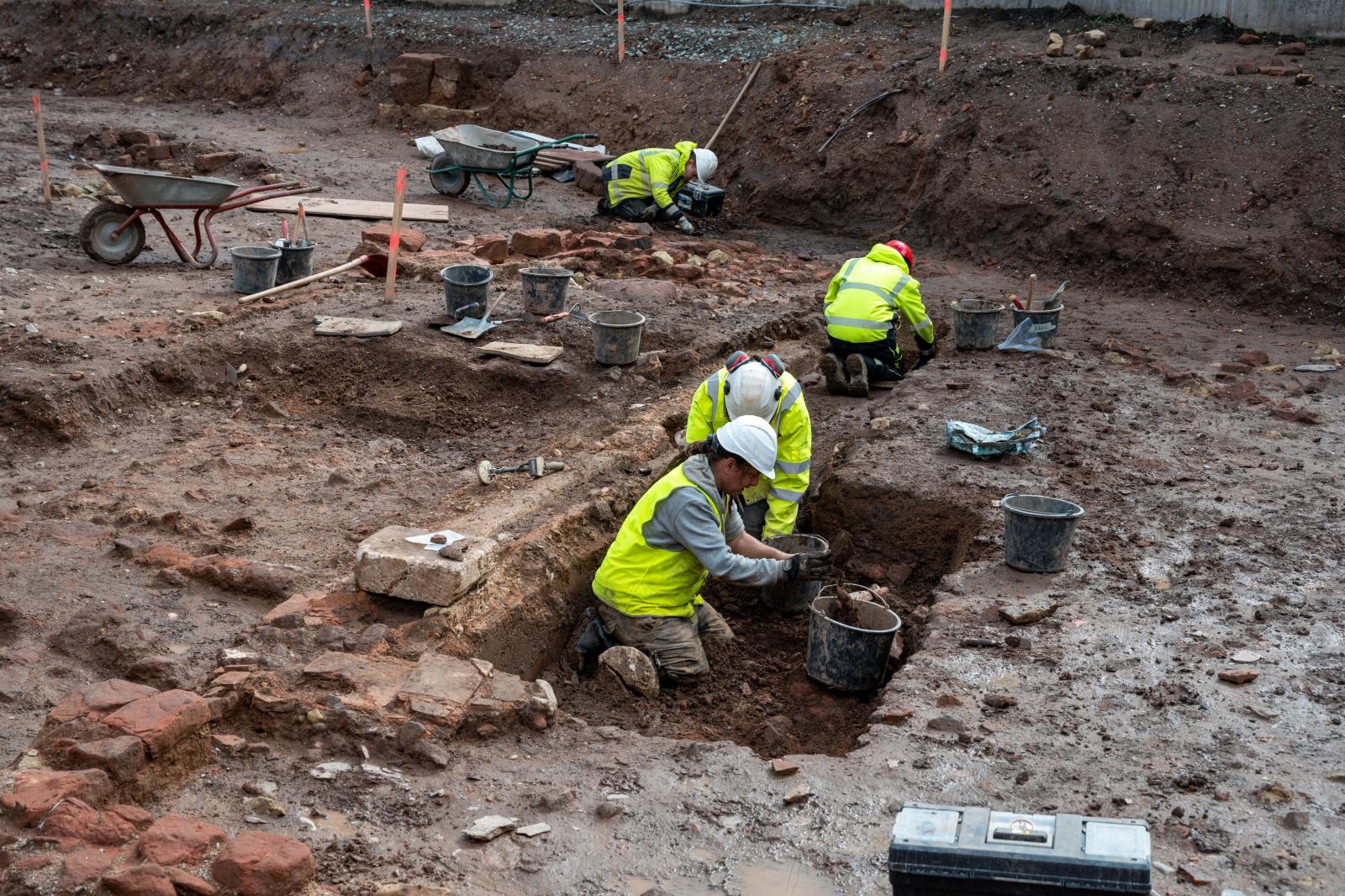
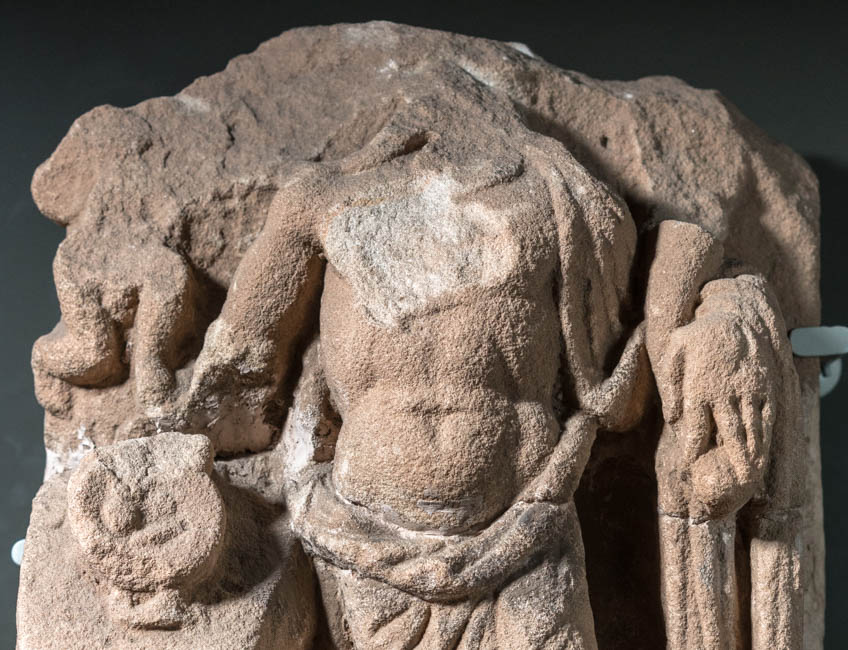
The Trier Mithräum was discovered during work on the city’s new fire station. The findings included a Cautes limestone relief.
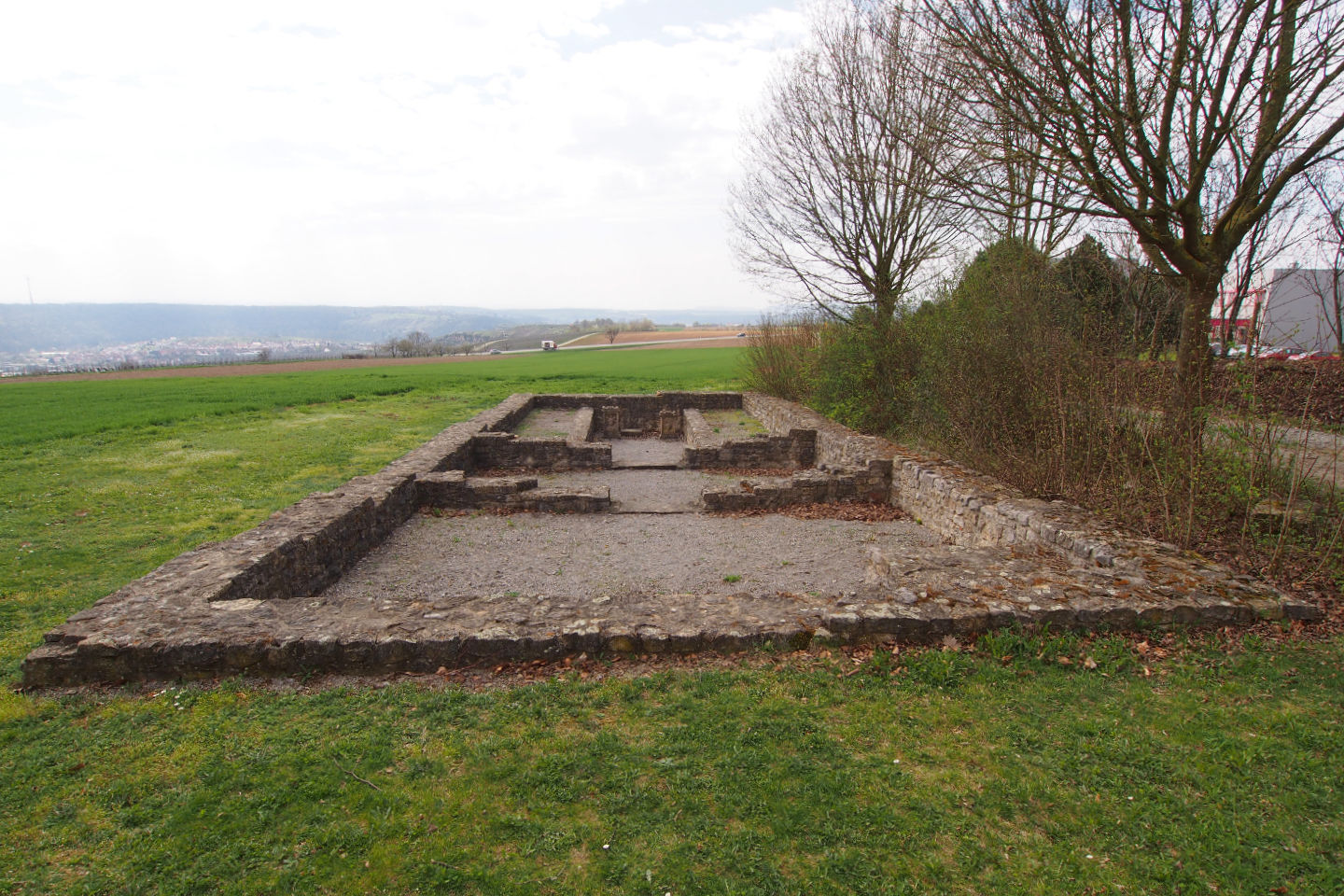
The two altars found in the Mithraeum of Mundelsheim one of Sol and the other of Luna, are exposed in situ.
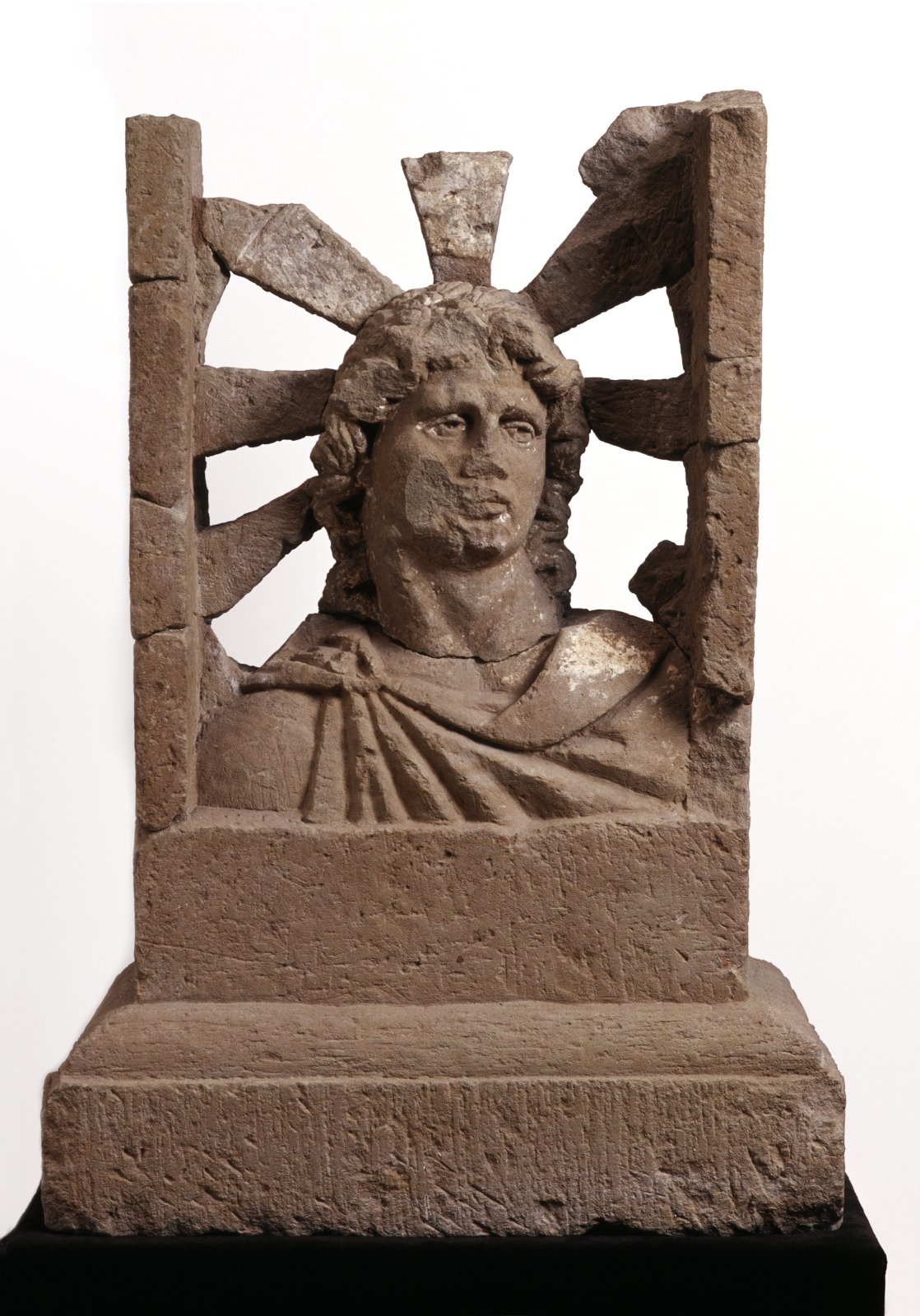
The altars of the gods of the Sun and Moon found in the Mithraeum of Mundelsheim wear openwork segments that could be lighten from behind.
The site of Orbe-Boscéaz, Switzerland, also known as Boscéay, is renowned for its mosaics and mithraic temple.
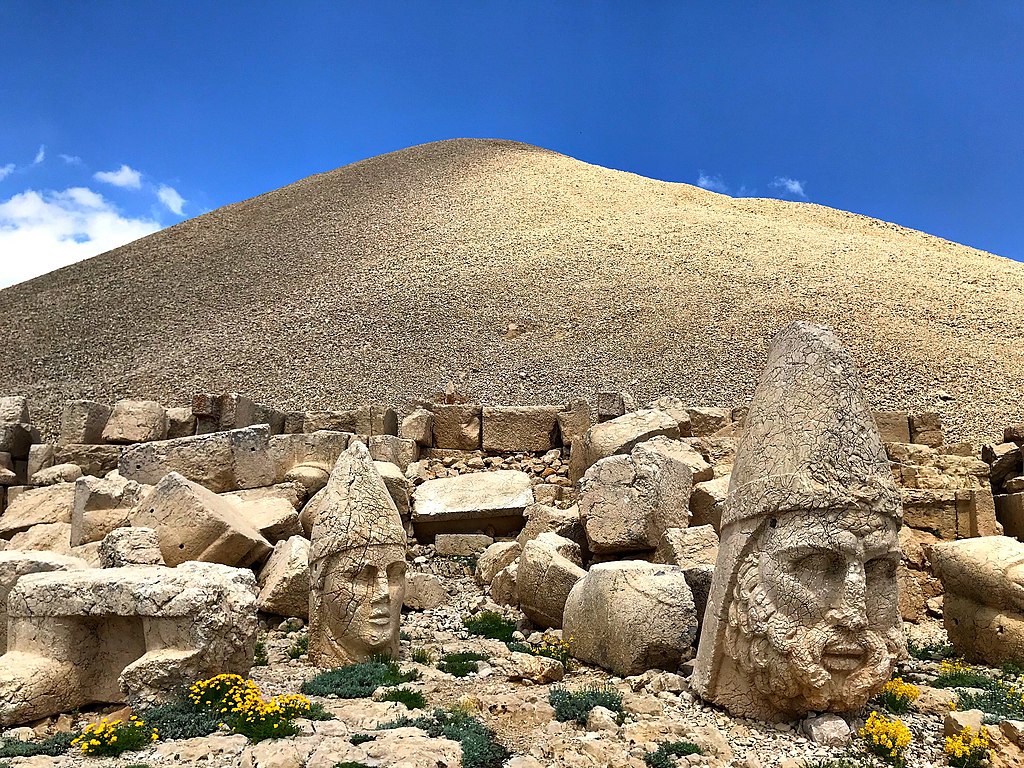
Mount Nemrut or Nemrud is one of the highest peaks in the eastern Taurus Mountains, southeastern Turkey. On its summit large statues stand around what is supposed to be a royal tomb from the 1st century BC.
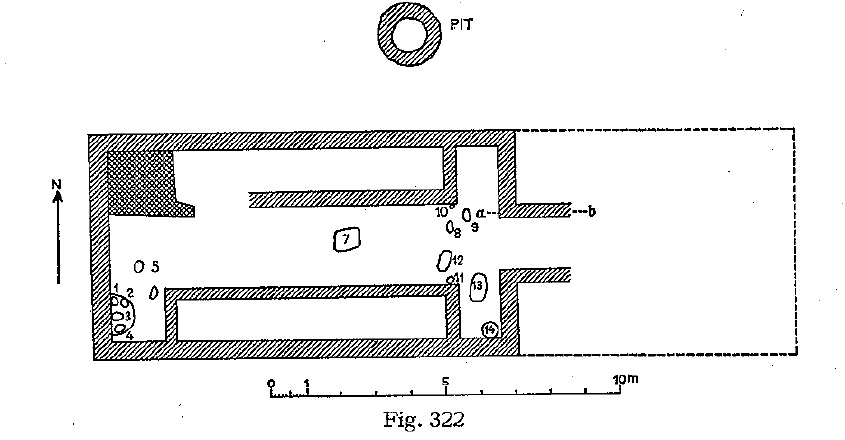
There are references to two places of worship from Dieburg, whereby the Mithraeum, discovered in 1926.
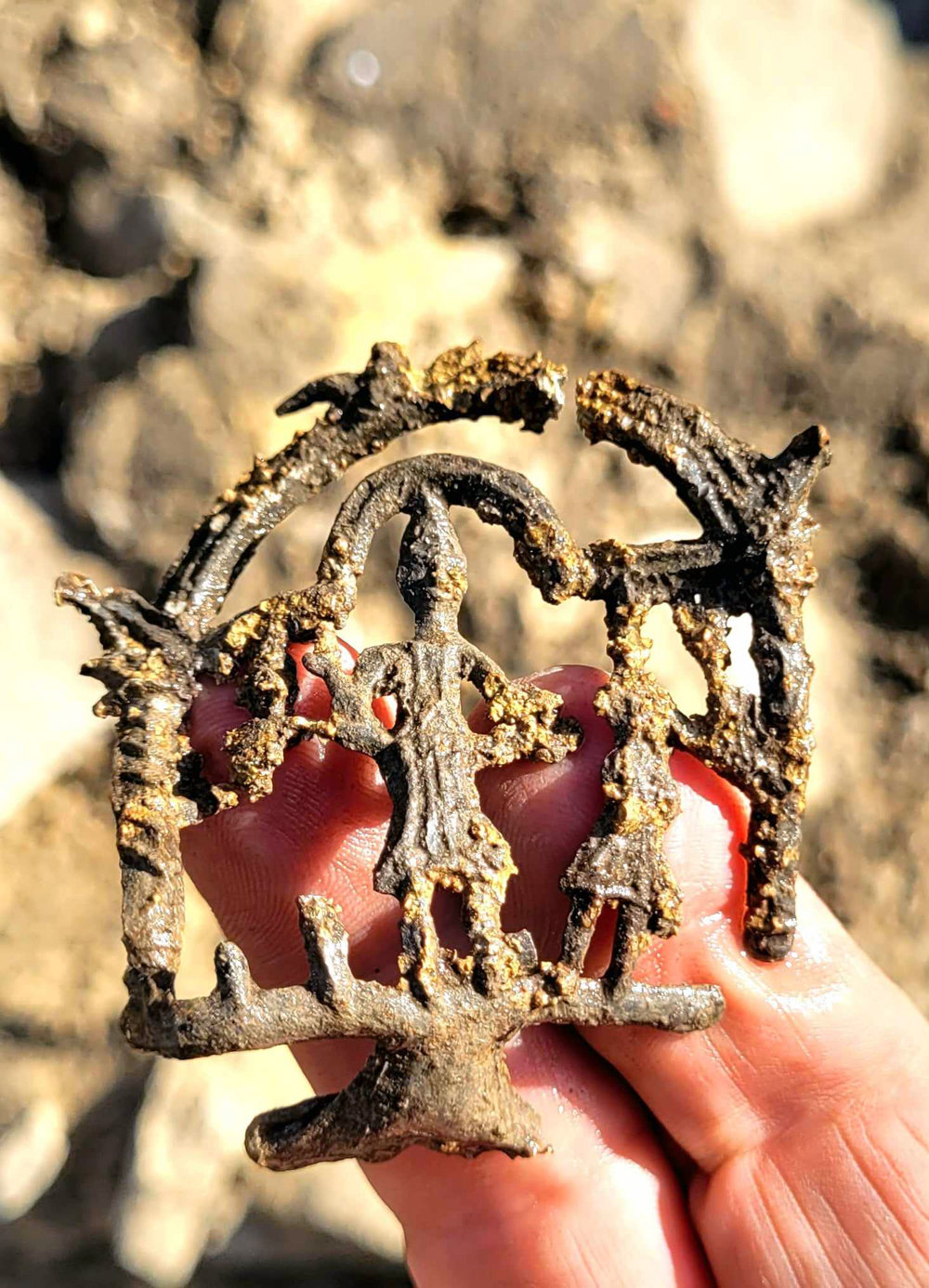
A sixth temple dedicated to Mithras has been identified for the first time in the military sector of the ancient Roman city of Aquincum.
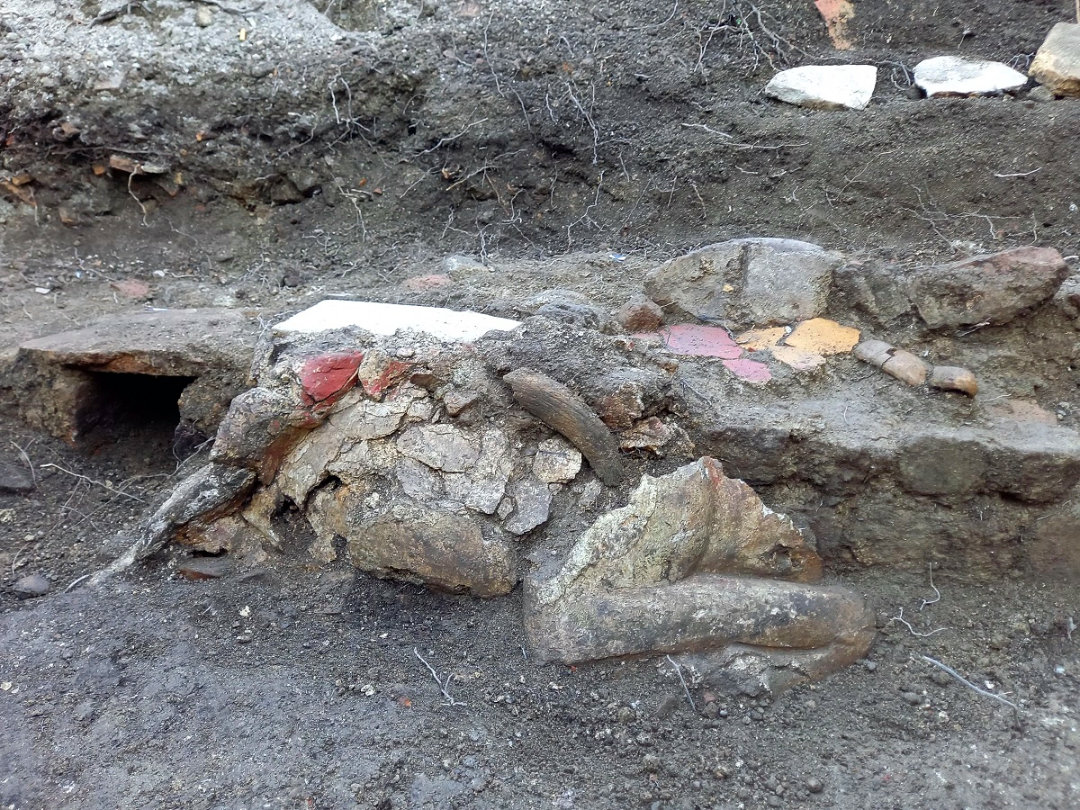
Archaeologists discovered the 20th temple dedicated to Mithras in Ostia during the restoration of the domus del capitello di stucco in 2022.
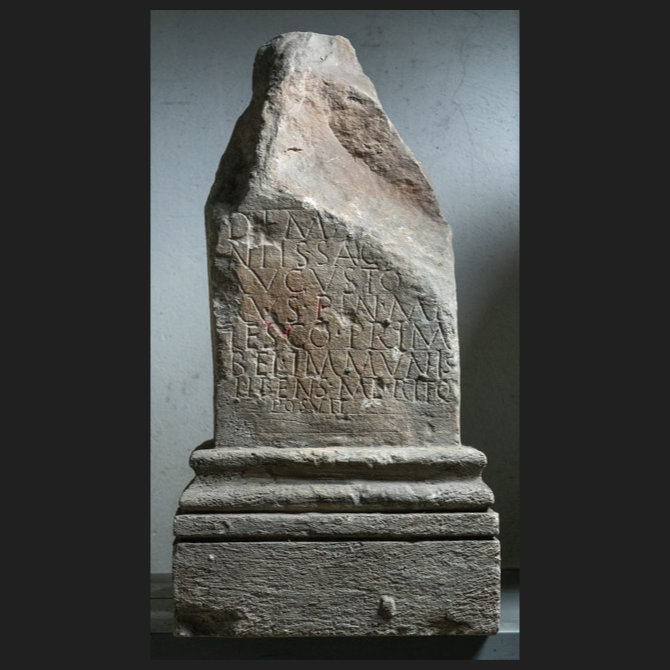
This altar, discovered in Grude, near Tihaljina, Bosnia and Herzegovina, bears an inscription by Pinnes, a soldier of the Cohors Prima Belgica.

Mithraeum I in Güglingen, Landkreis Heilbronn (Baden-Württemberg).
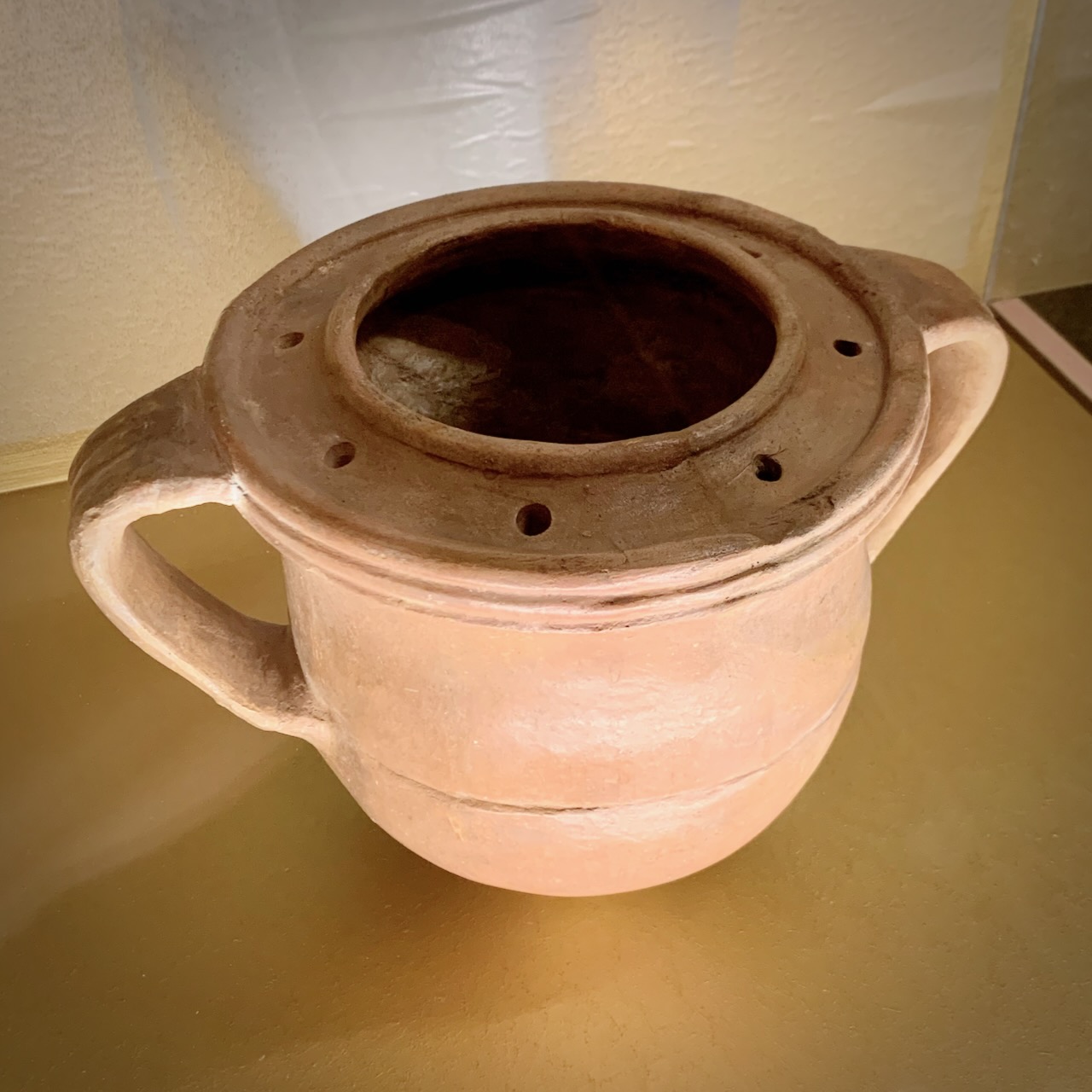
The vessel to burn incense from the Mithraeum of Dieburg is similar to those found in other Roman cities of Germany.
A standing half naked man makes offerings to an altar while holding a cornucopia in his other hand.

In this 4th-century Roman altar, the senator Rufius Caeionius Sabinus defines himself as Pater of the sacred rites of the unconquered Mithras, having undergone the taurobolium.
