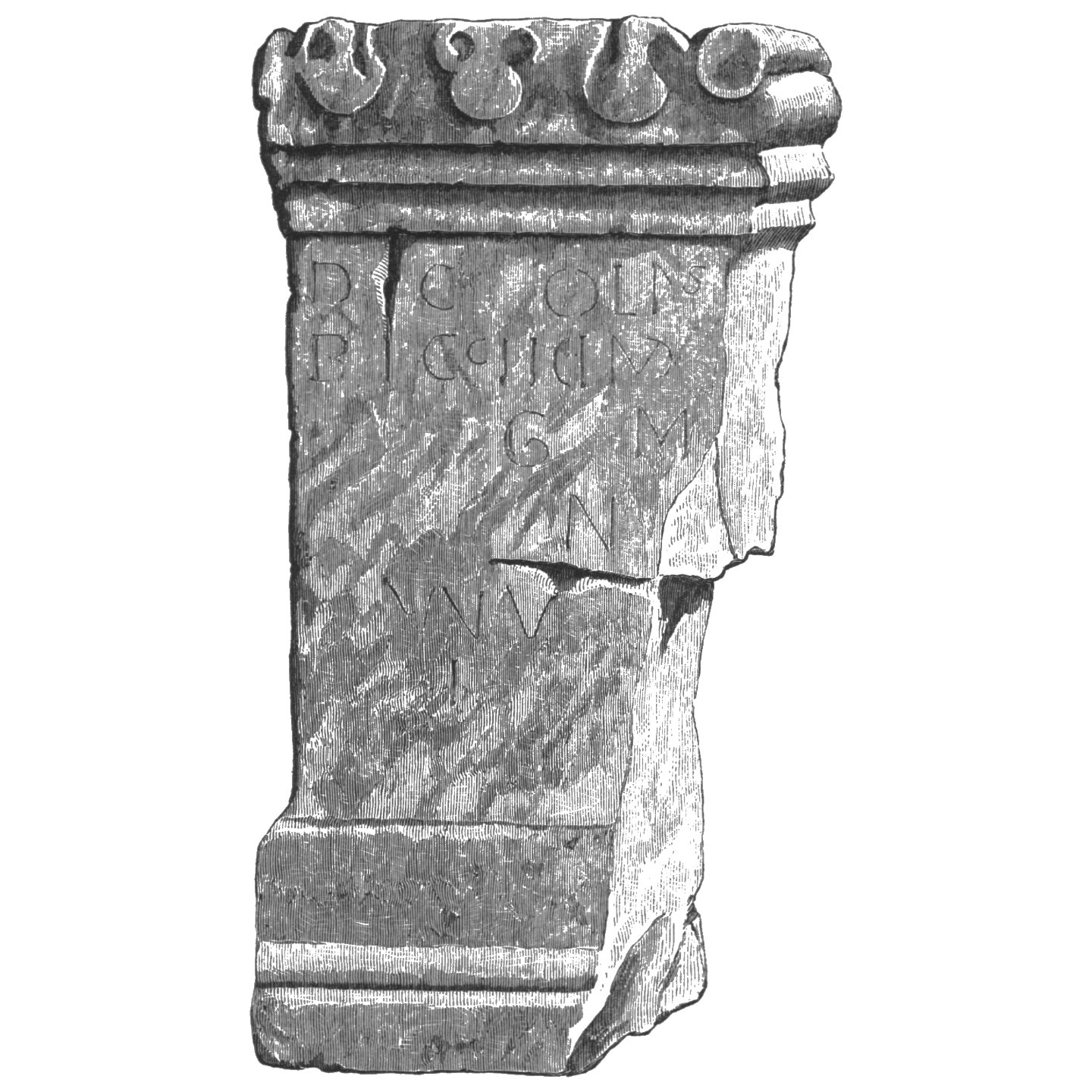
Horsley thought that, like some other inscriptions in the Naworth Collection, this altar also had come from Birdoswald.
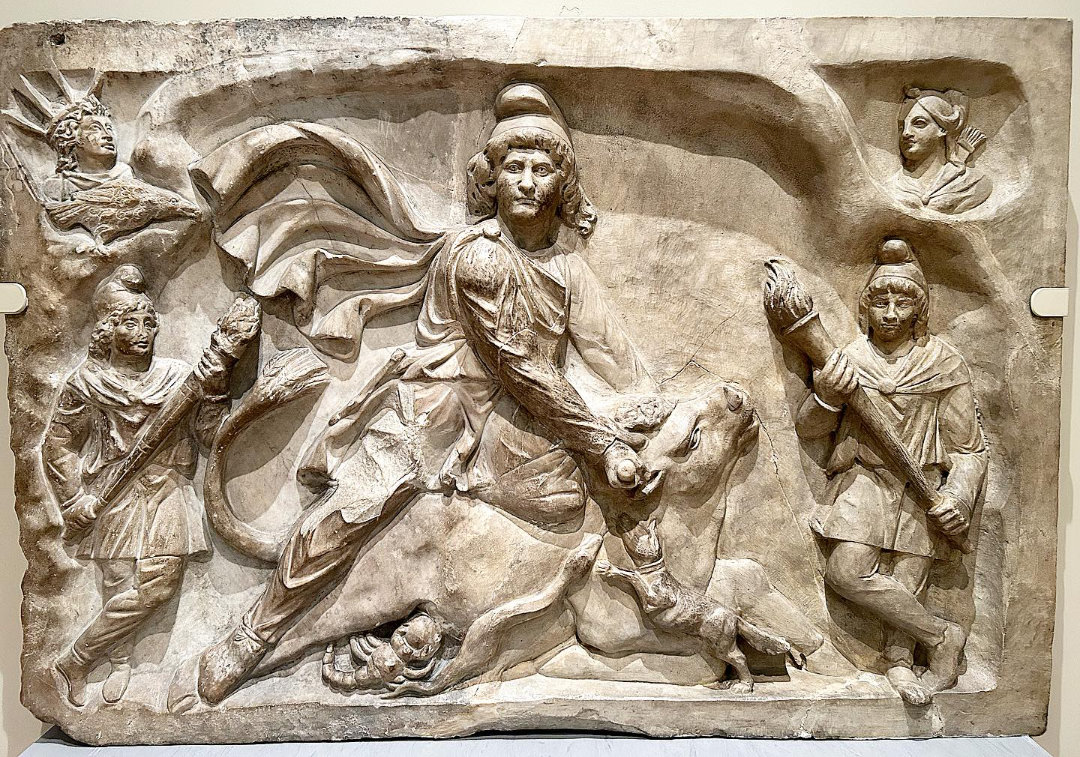
This relief of Mithras killing the bull is on display at the Royal Ontario Museum.
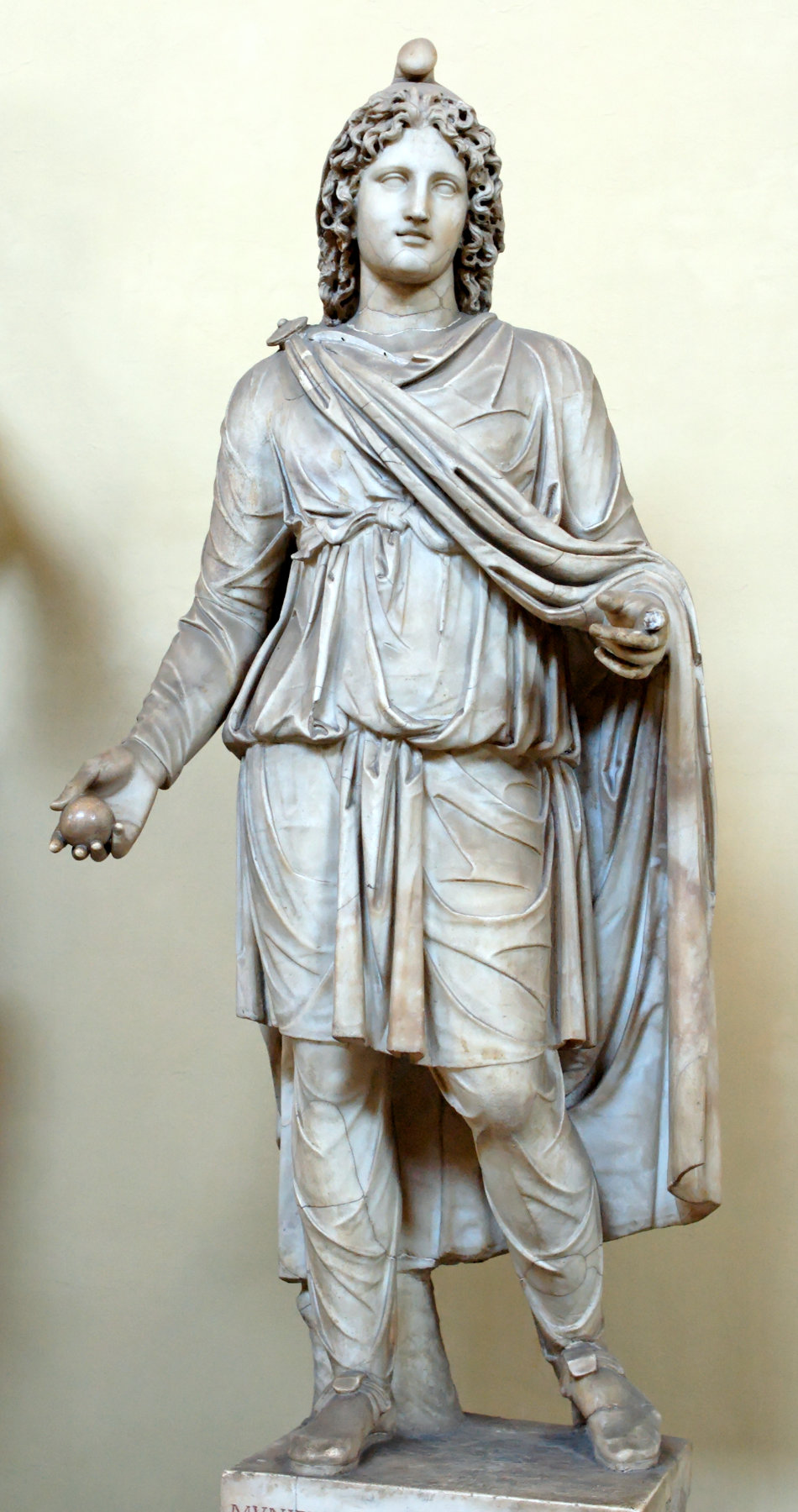
This sculpture, probably of Cautopates, now in the Musei Vaticani, was transformed into Paris.
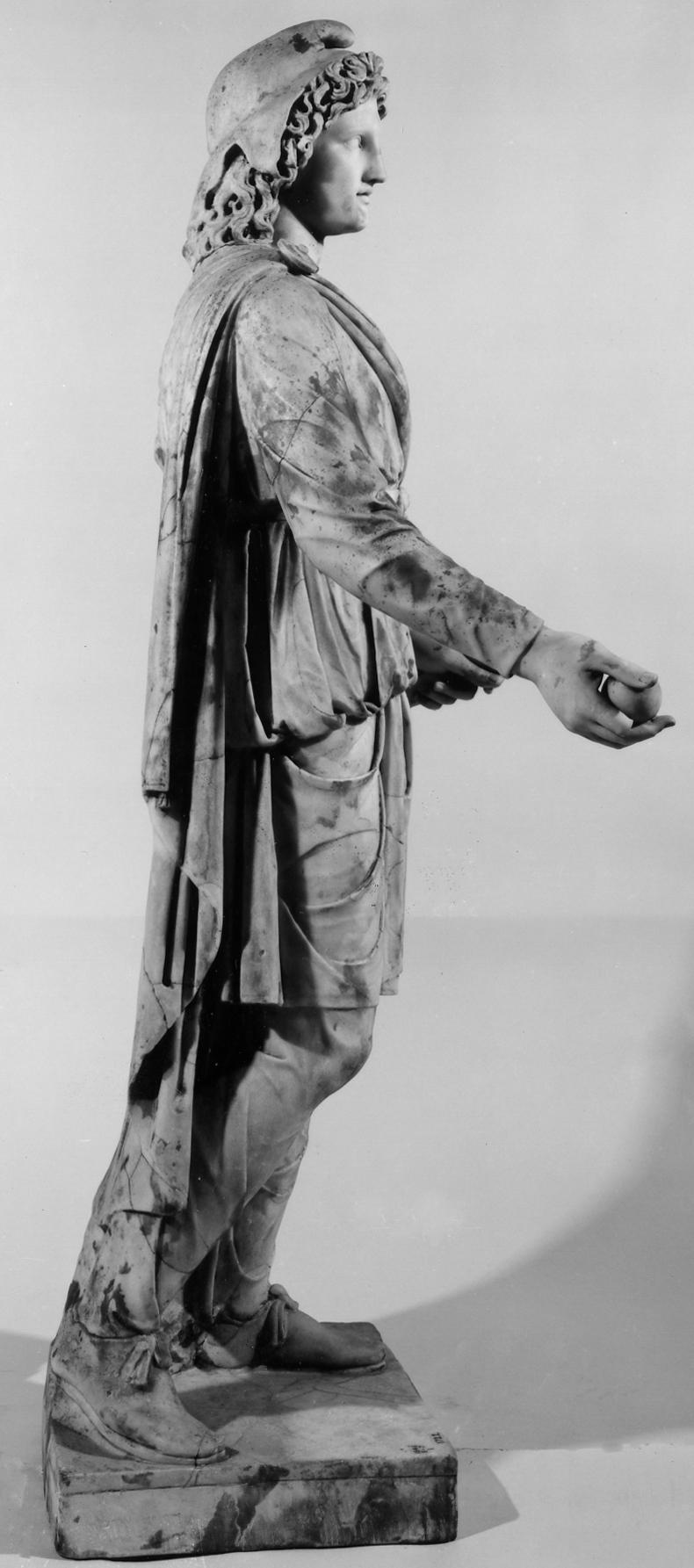
This is one of the two torchbearers, probably Cautes, transformed into Paris, now in the British Museum.

This inscription was dedicated to God Cautes by a certain Flavius Antistianus, Pater Patrorum in Rome.
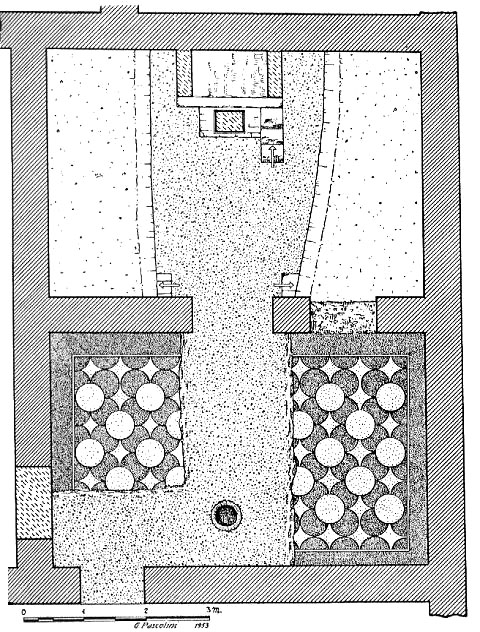
The Mithraeum of the House of Diana was installed in two Antonine halls, northeast corner of the House of Diana, in the late 2nd or early 3rd century.
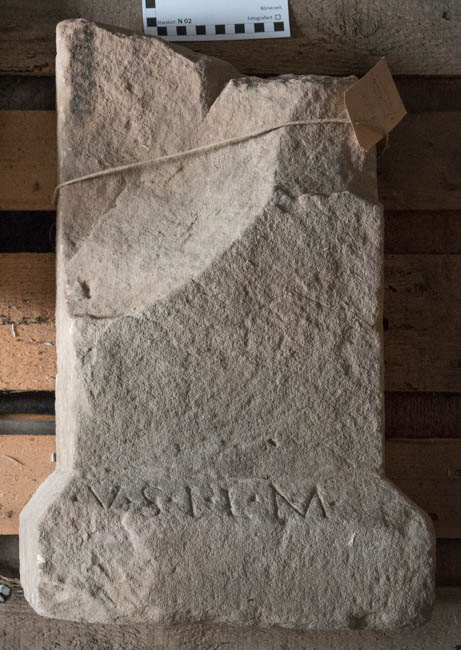
These fragmentary monuments, one with an inscription, were found in the Gimmeldingen mithraeum.
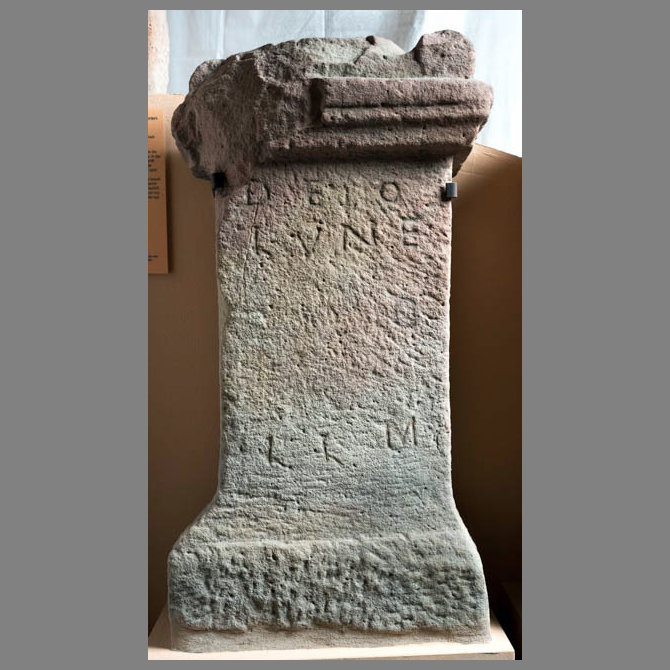
This sandstone altar was dedicated to Luna, who is mentioned as a male deity.
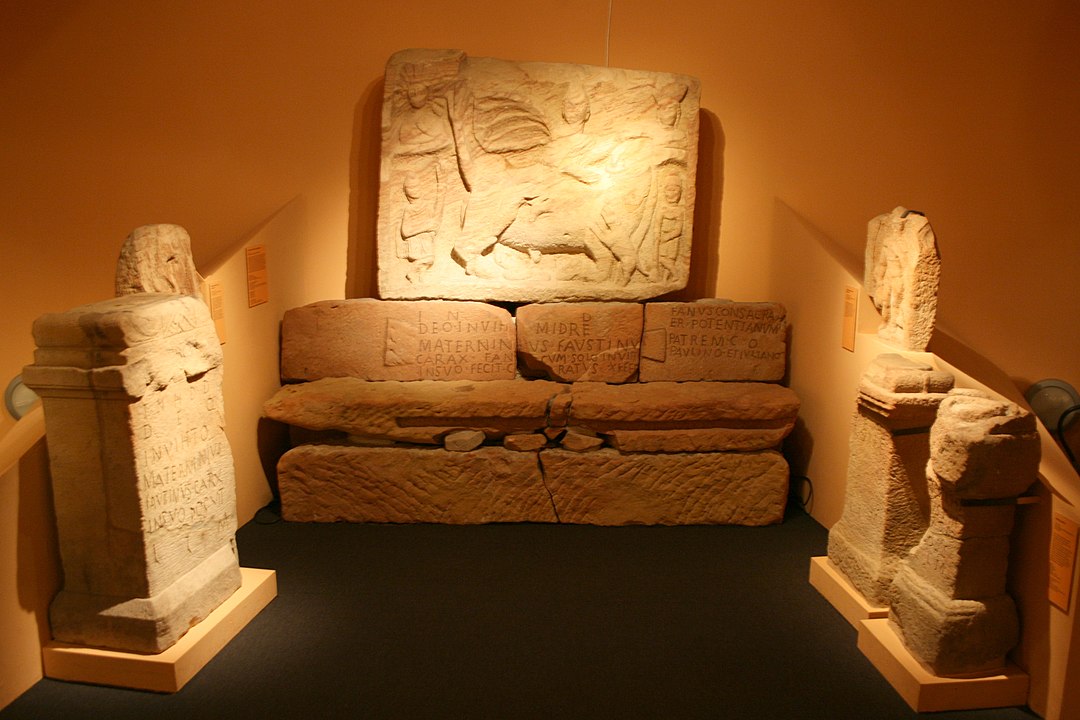
The few remains of the Mithraeum of Gimmeldingen are preserved at the Historical Museum of the Palatinate, in Speyer, Germany.
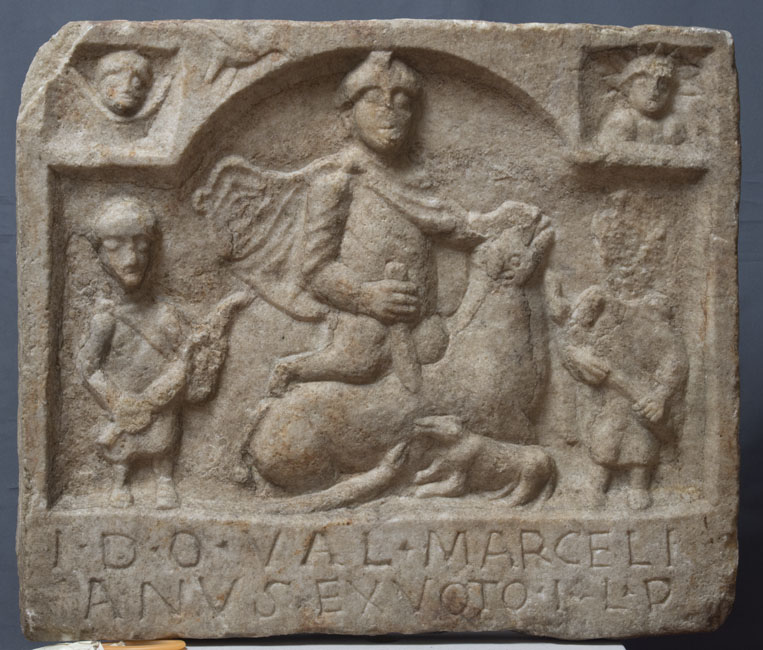
This primitive relief of Mithras as a bullkiller is signed by a certain Valerius Marcelianus.
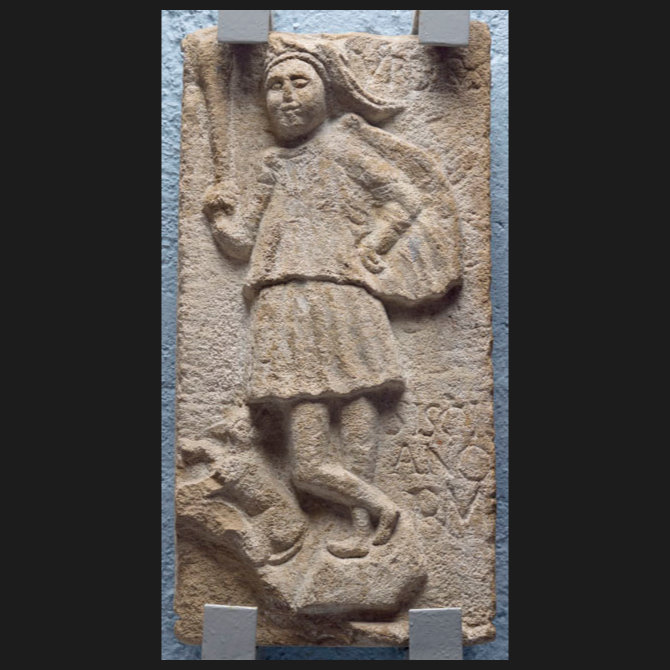
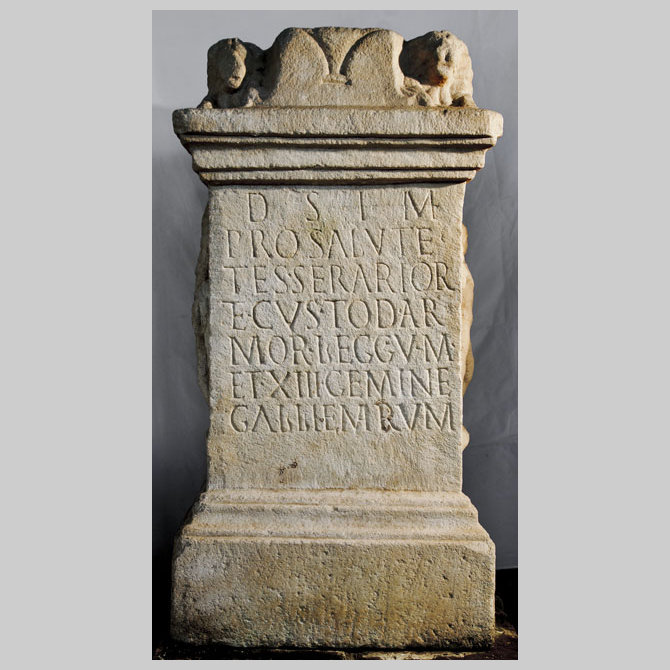
This altar, found in the 3rd mithraeum of Ptuj, bears an inscription and a relief of Sol and a person with a cornucopia.
This base was found in the 18th century and bears an inscription to the god Arimanius.
There are no further details about this Mithraic statue from Transylvania, the historical region of central Romania.
The provenance of this fragment of a white marble relief depicting Mithras as a bullkiller is unknown.
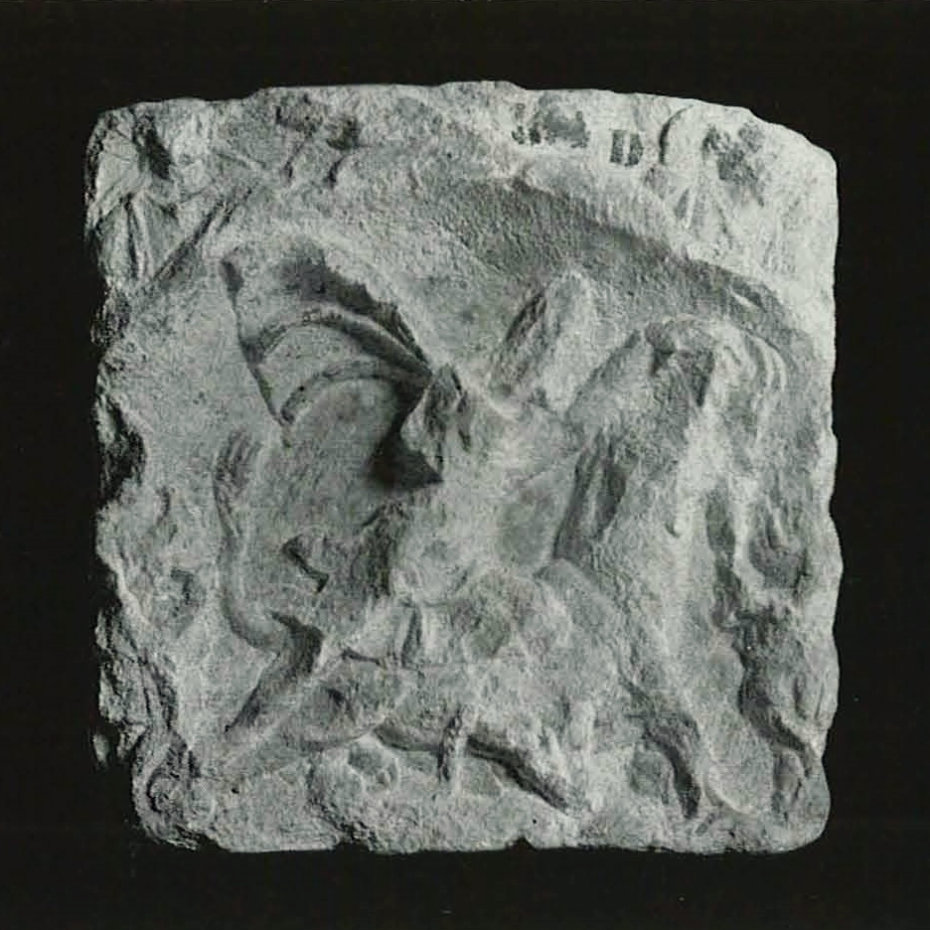
This damage relief of Mithras killing the bull was found walled into a house near Split, Croatia.
Three small limestone altars were found in the Jajce Mithraeum, one of which bears the inscription ’Invicto’.
Three larger altars and other finds from the Mithraeum of Jajce, Bosnia and Herzegovina.
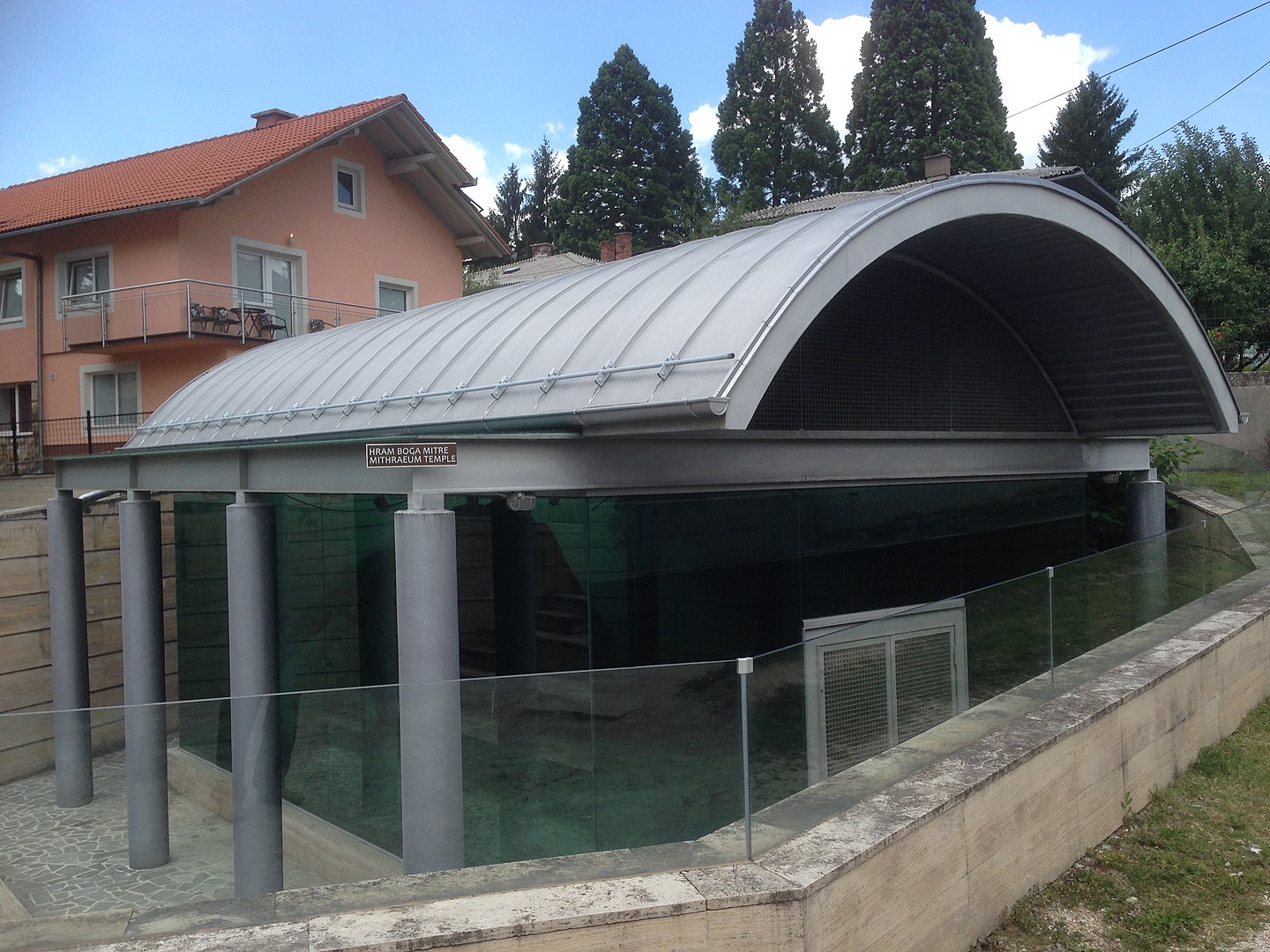
The remains of the Jajački Mithraeum were discovered accidentally during excavation for the construction of a private house in 1931.
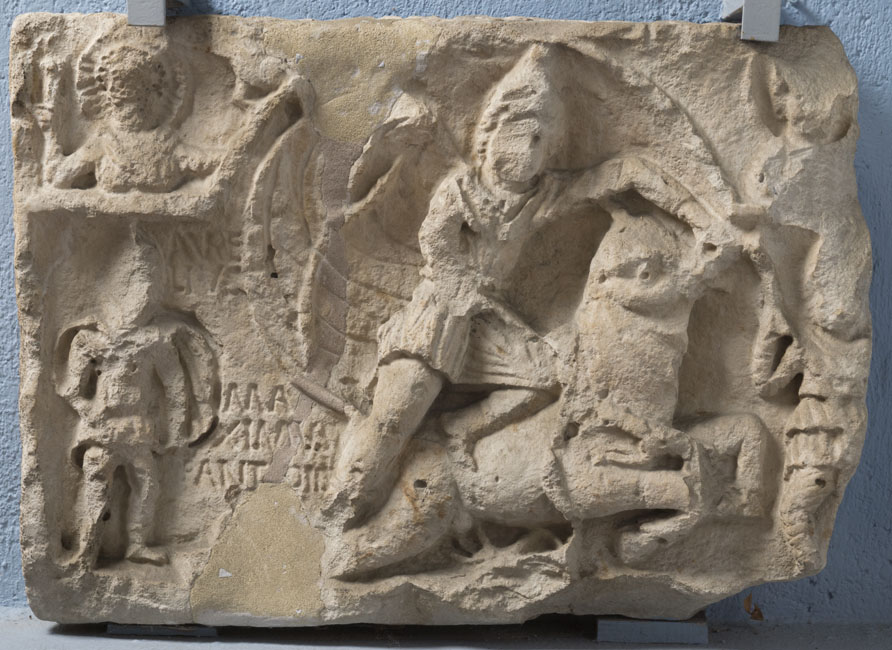
This relief of Mithras as a bullkiller was found in Golubić, Bosnia and Herzegovina, near a cementery.
