Your selection in monuments gave 278 results.
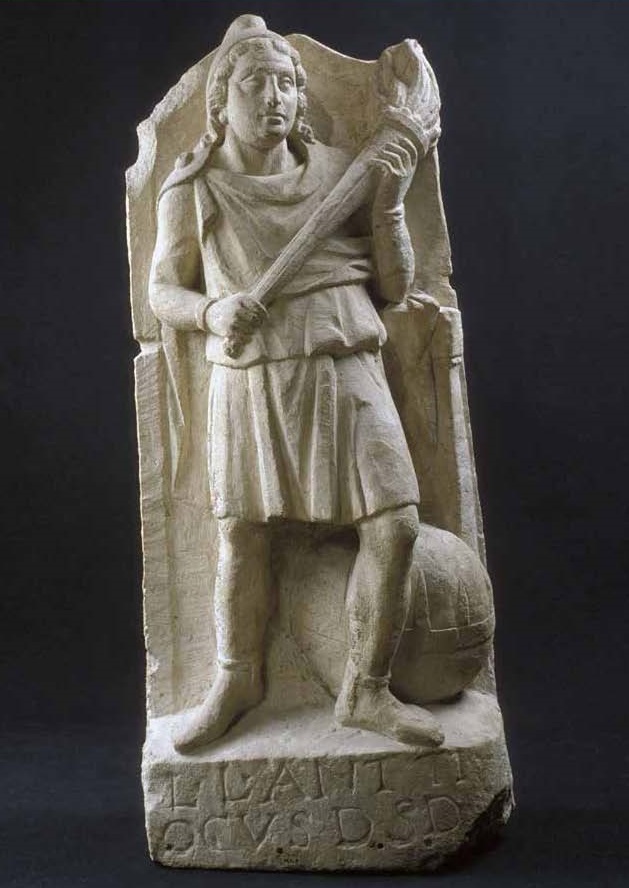
This monument representing Cautes with uncrossed legs was consecrated by a certain Anttiocus.
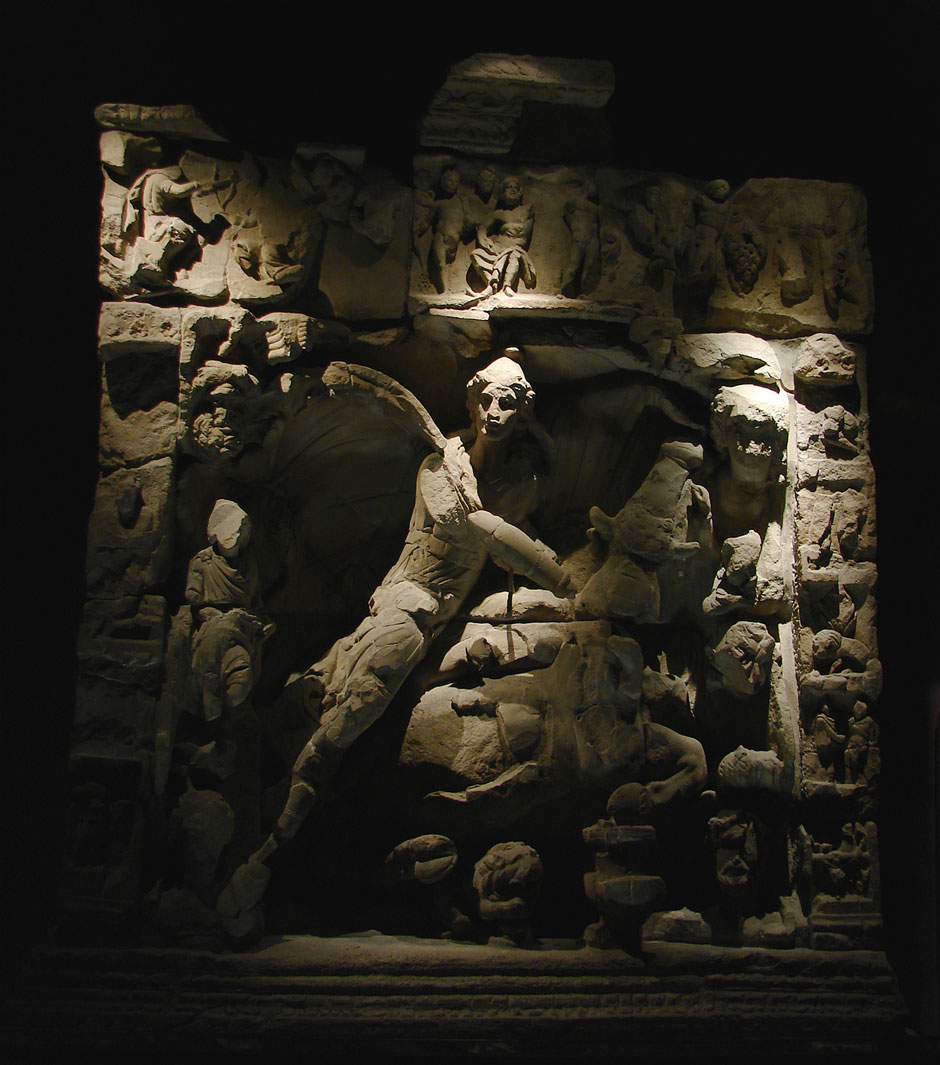
The Tauroctony of Saarbourg (Sarrebourg, ancient Pons Sarravi), France, contains most of Mithras deeds known in a single relief.
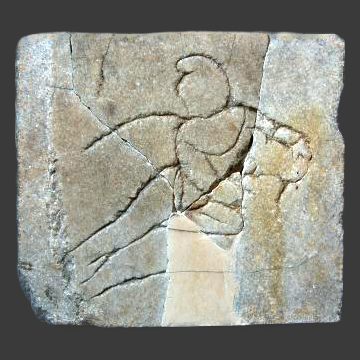
This unfinished Mithras tauroctonos without the usual surrounding animals was found in 1923 in Italica, near Seville, Spain.
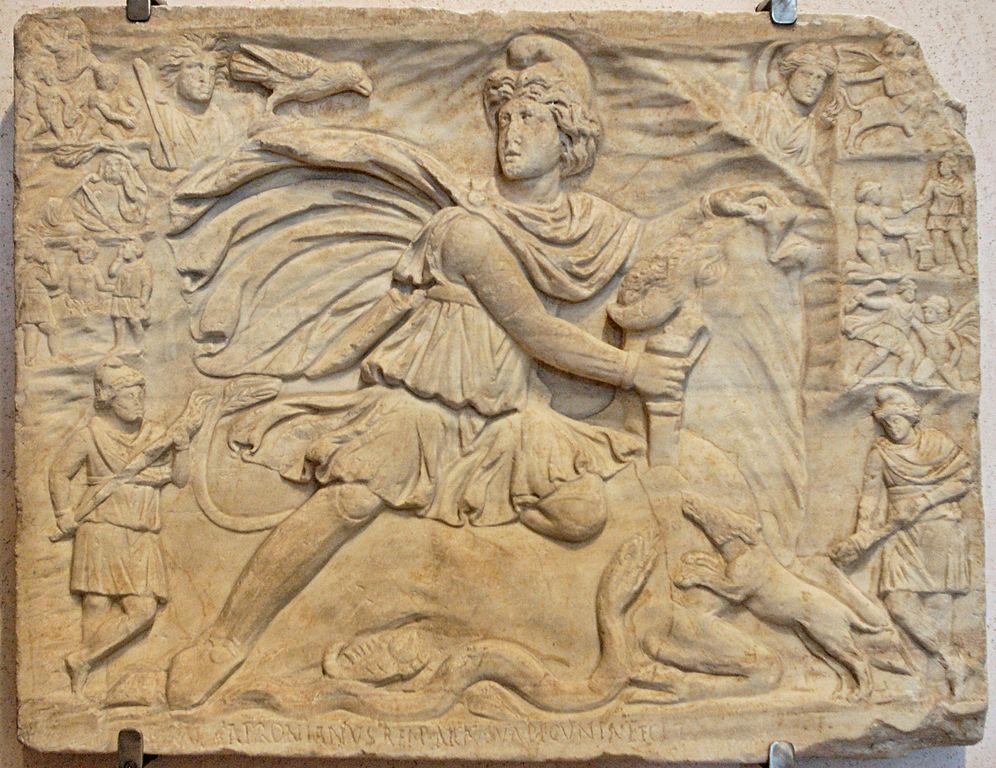
The relief of Mithras slaying the bull of Nersae includes several episodes from the exploits of the solar god.
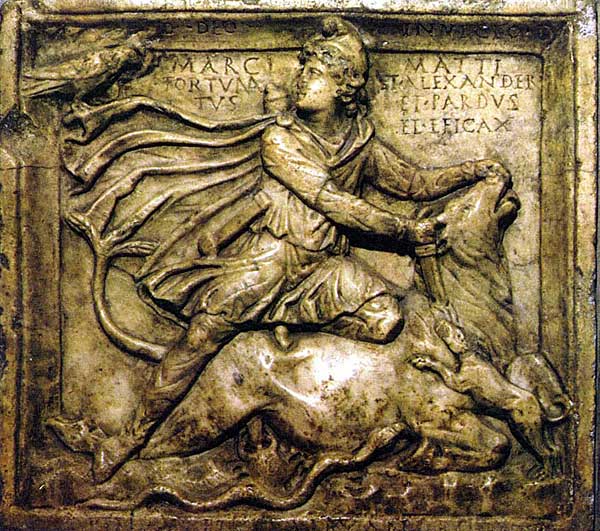
The relief marble of Mithras sacrifying the bull, exposed on the Hermitage Museum comes from Rome.

Mithraic relief from Rome reproduced in figure 169 of the corpus.

Roman Mithraic relief illustrated in figure 171 of Vermaseren’s catalogue.
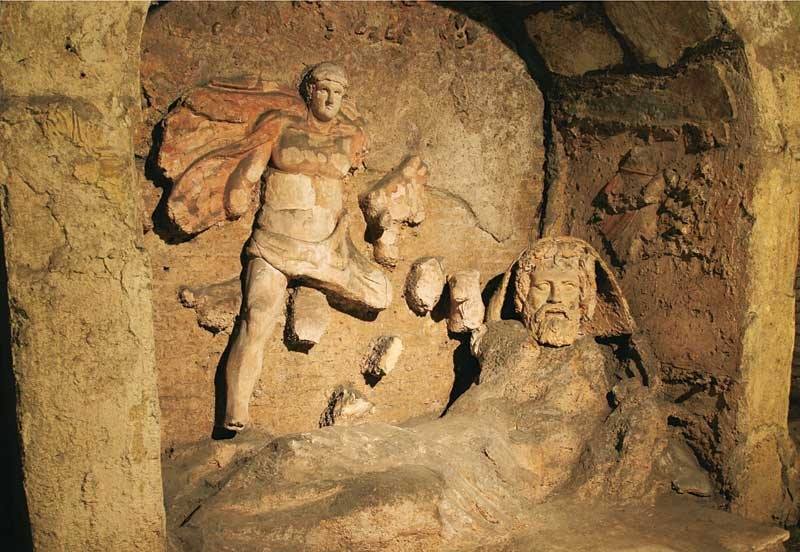
Even if only a few fragments remain, it is very likely that the main niche of the Mitreo di Santa Prisca contained the usual representation of Mithras killing the bull.
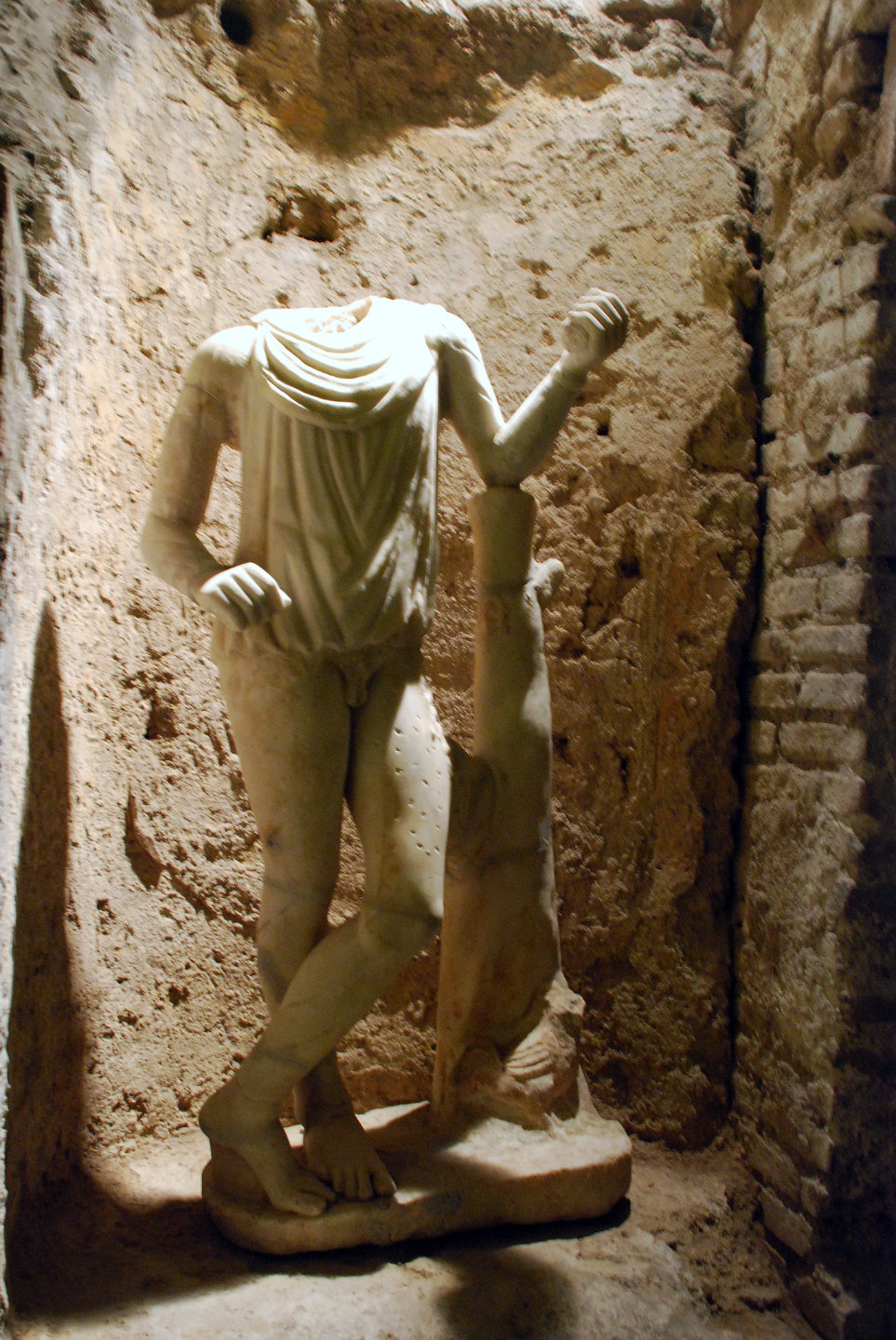
The marble statue of Cautes, found in the Mithraeum of Santa Prisca, was originally a Mercury.

This remarkable Greek marble relief of Mithras killing the bull was discovered in 1705 and remained in private collections until it was bought by the Louvre.
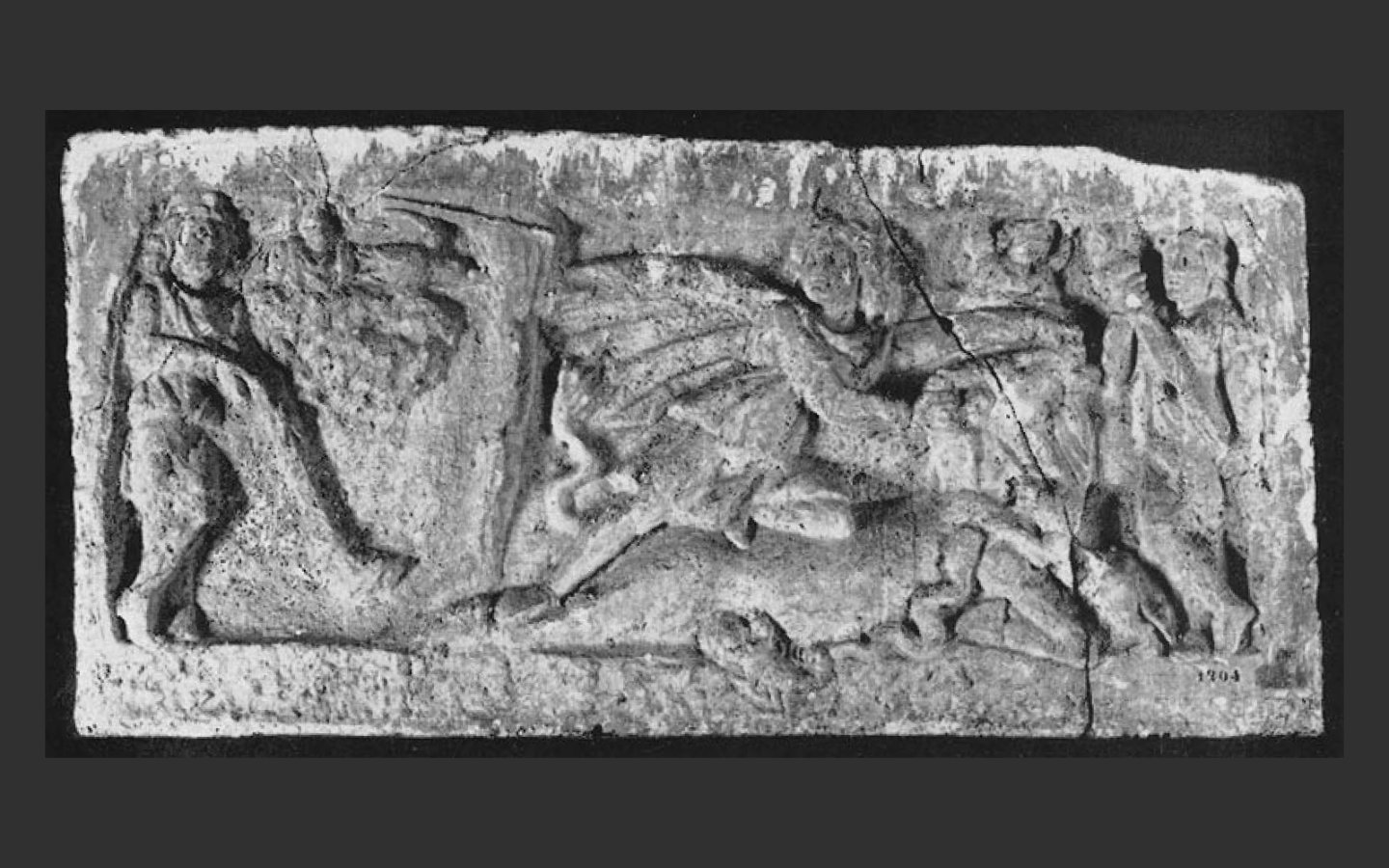
This relief of Mithras Tauroctonos from Rome bears the inscription of three brothers, two of them lions.
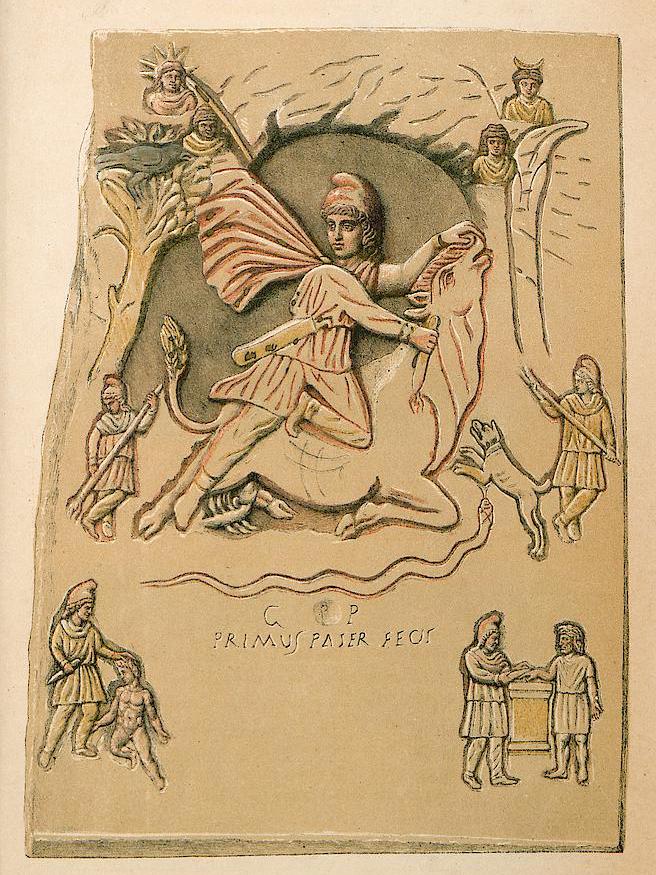
The relief of Mithras slaying the bull found on the Esquiline Hill includes two additional scenes with Mithras and two other figures.

This unusual mural depicting Mithras killing the bull was found near the Colosseum in 1668.
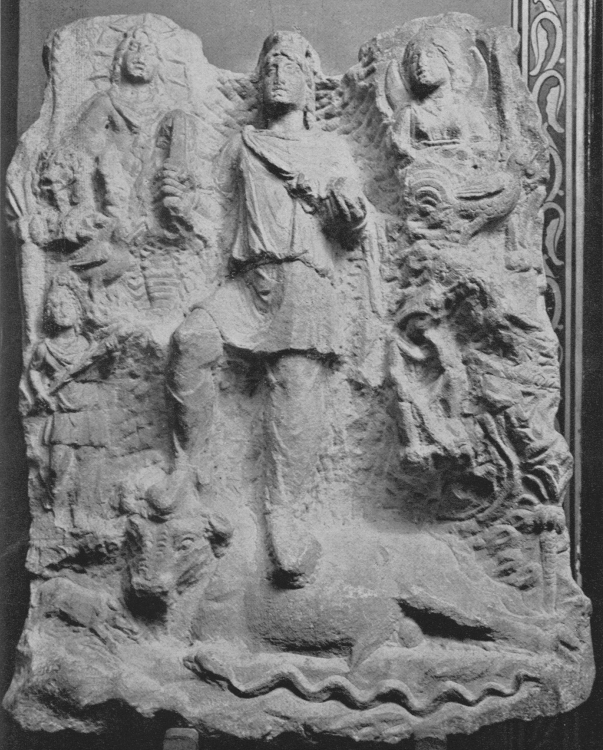
This unusual representation of Mithras standing on a bull was kept in the Casino di Villa Altieri sul Monte Esquilino until the 19th century.
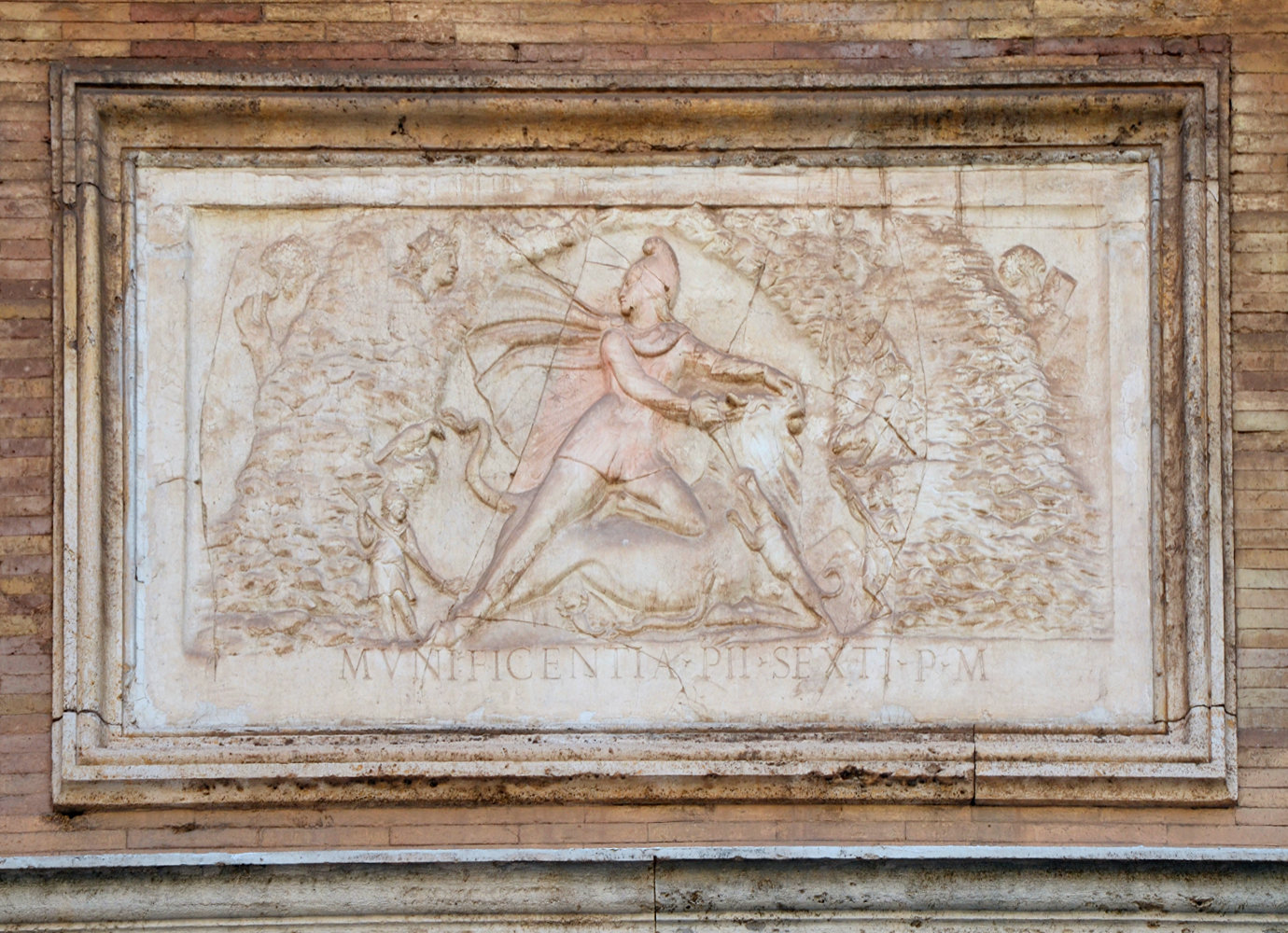
The Tauroctony relief of Mithras killing the bull walled in the Cortile of the Belvedered, Vatican City, was found by Fagan near Ostia.
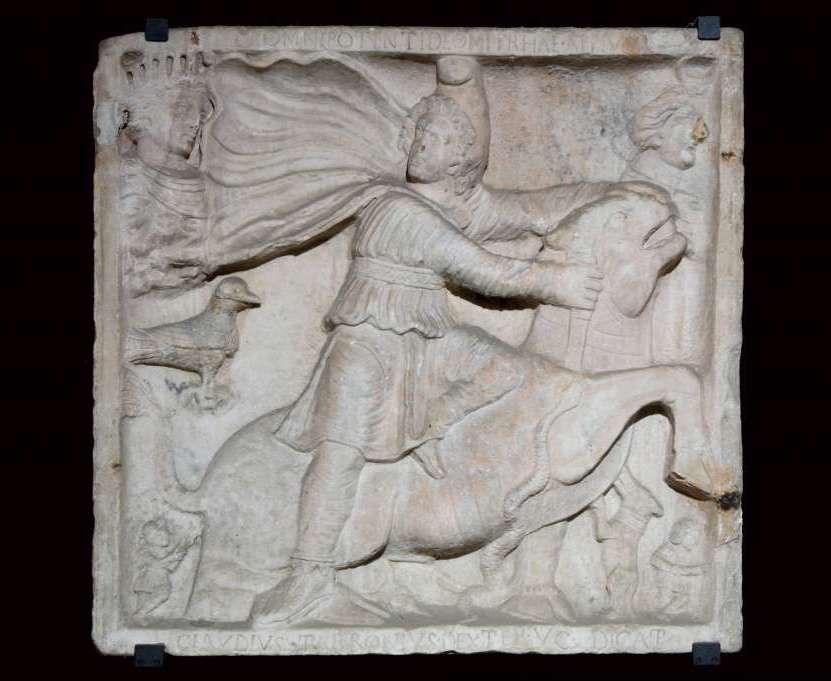
The marble relief of Mithras killing the bull in Naples bears an inscription that calls the solar god omnipotentis.
.jpg)
This limestone statue of Cautes is now exposed at Great North Museum of Newcastle.

Epigraphic monument from Tripolitania preserving a corrected reading discussed in later scholarship.

The tauroctonic relief from Dragus includes a naked flying figure that Vermaseren has identified as Phosporus or Lucifer.
