Your selection in monuments gave 156 results.
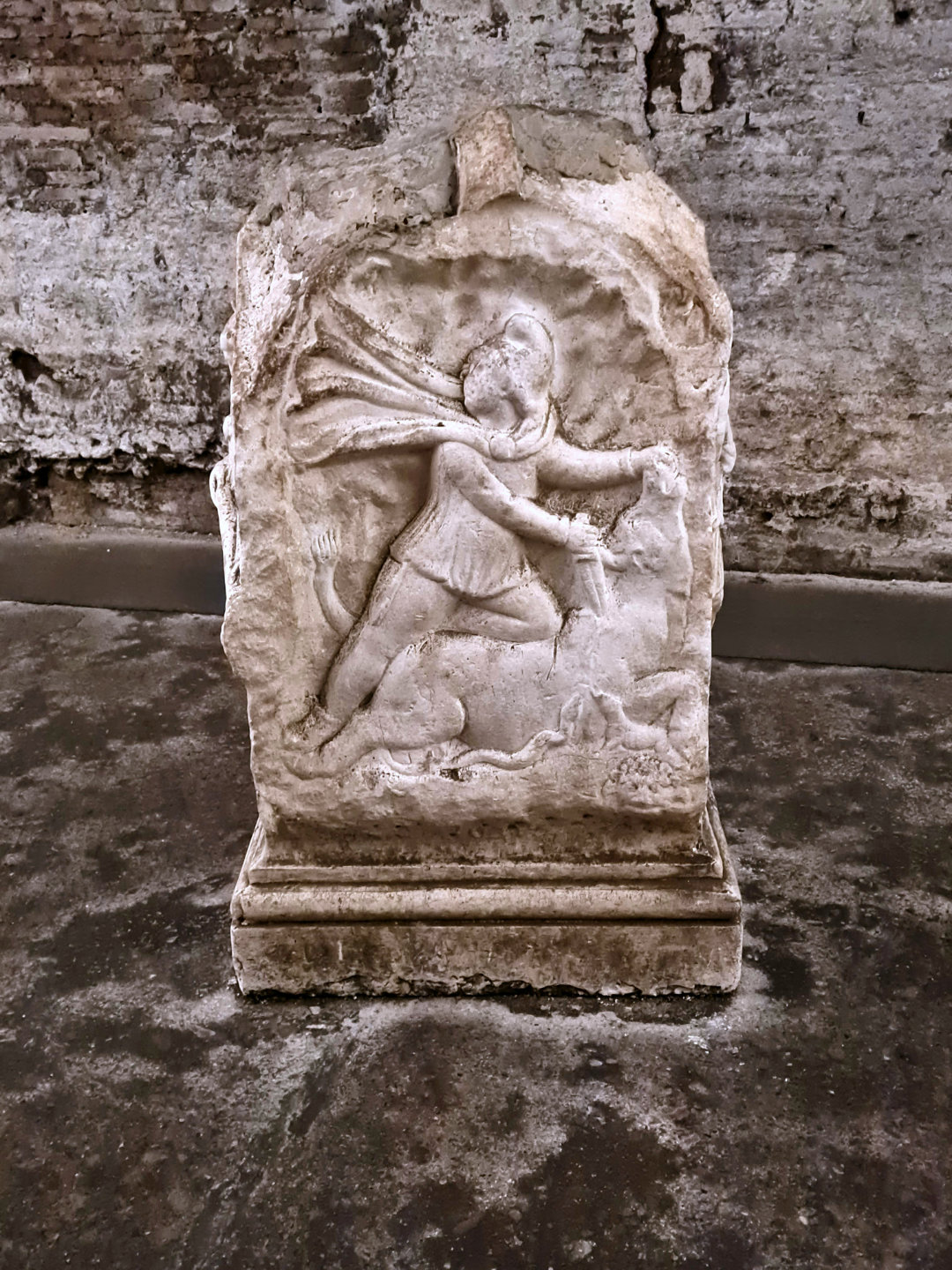
The altar of the Mithraeum of San Clemente bears the Tauroctony on the front, Cautes and Cautopates on the right and left sides and a serpent on the back.
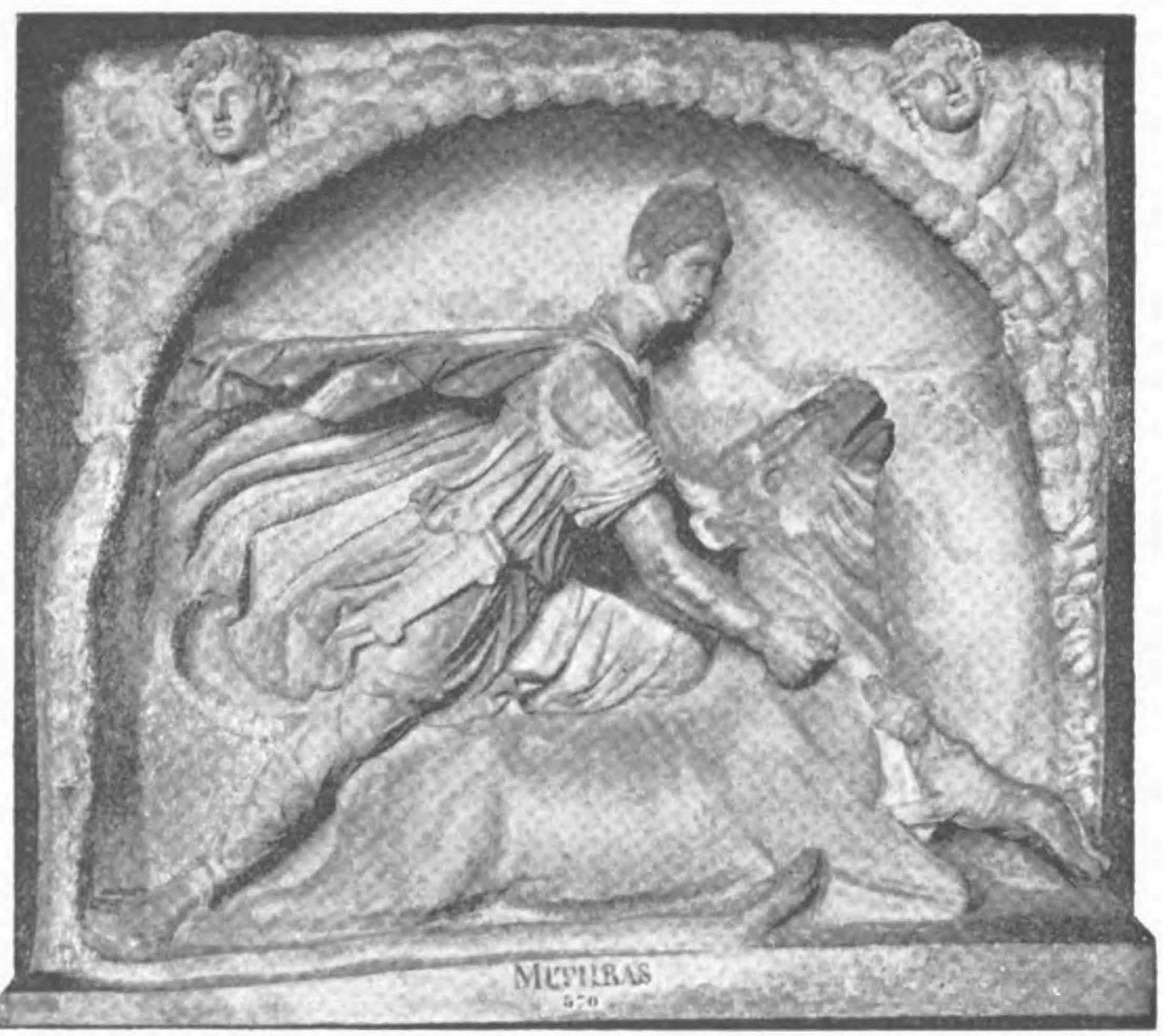
This is one of the three reliefs depicting Mithras killing the bull that the Louvre Museum acquired from the Roman Villa Borghese collection.
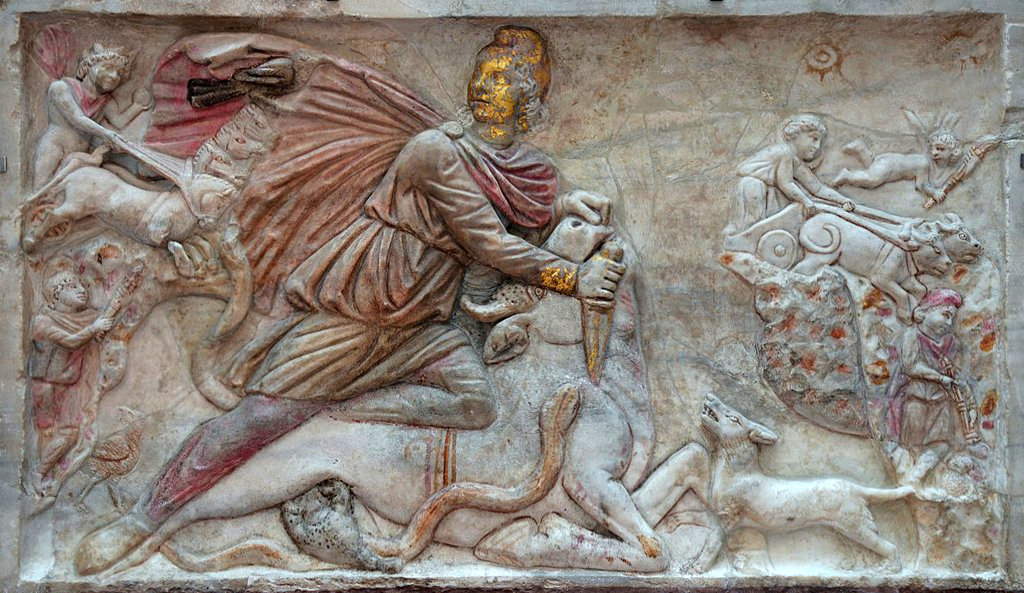
The relief of Mithras killing the bull of Stefano Rotodon preserves part of his polycromy and depicts two unusual figures: Hesperus and an owl.
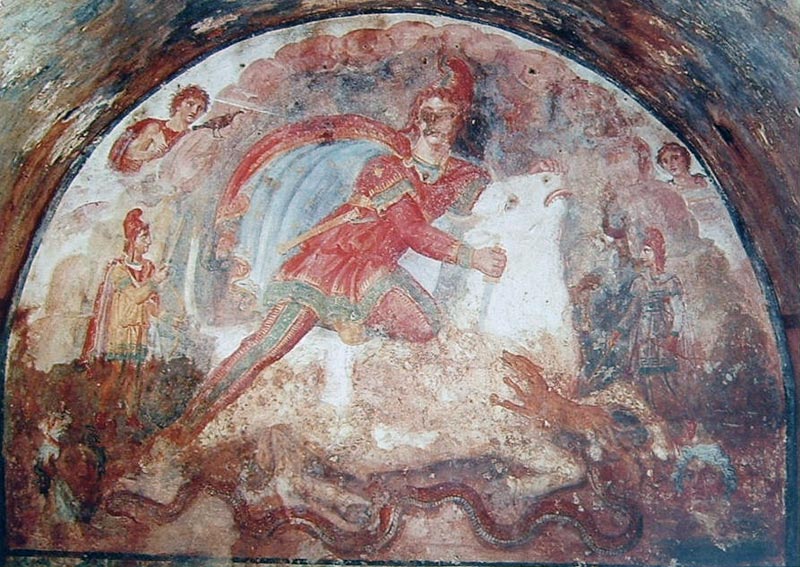
The main fresco of the Mithraeum of Santa Maria Capua Vetere portrays Mithras slaughtering a white bull.
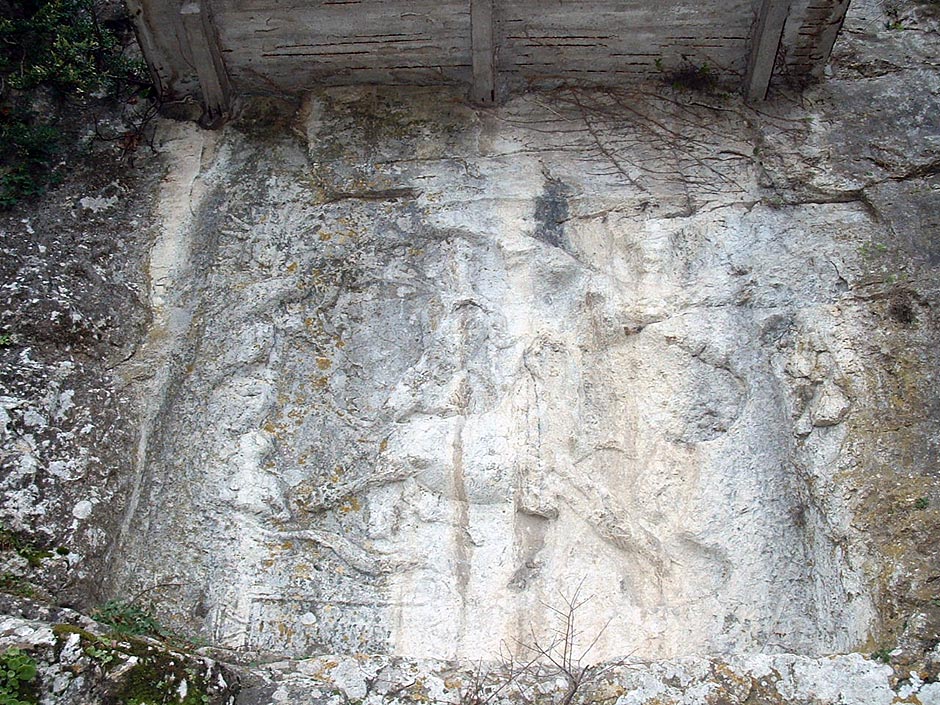
The low relief of Bourg-Saint-Andéol depicting Mithras killing the bull has been chiseled on the rock.
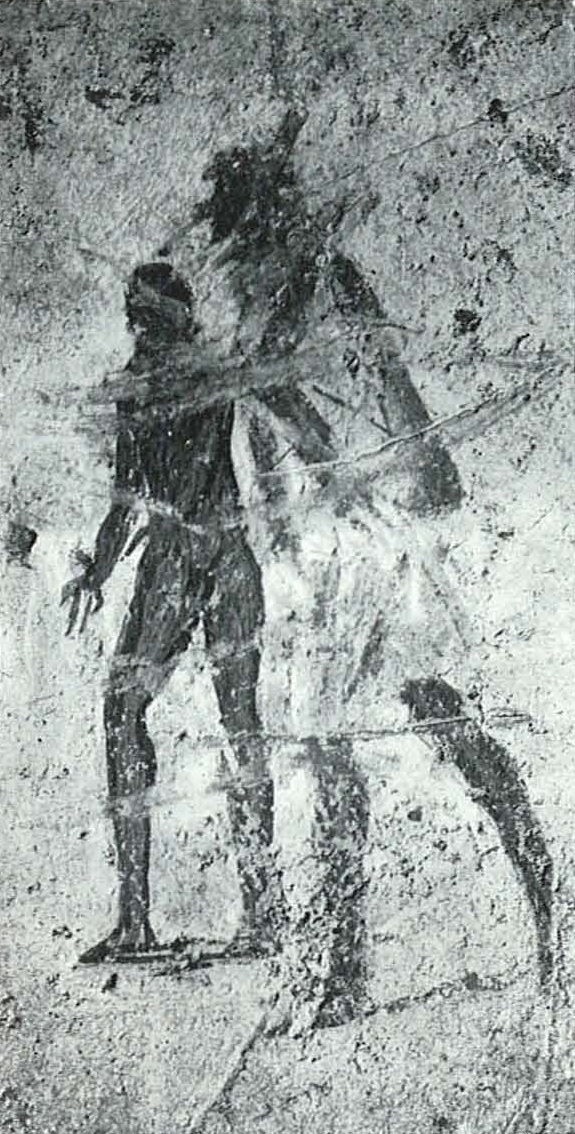
This is the first of several fresco scenes depicting the initiation of a new member in a mithraic community, in Capua Vetere.

This remarkable marble relief from the end of the 3rd century was discovered in the most remote room of the Mithraeum in the Circo Massimo.

Around the relief with Mithras as a bullkiller, a number of scenes from the Mithras Iegend have been painted in the Mithraeum of Dura Europos.

Continuation of the frescoes depicting an initiation into the Mithras cult, where two attendants present a repast to Mithras and Sol.
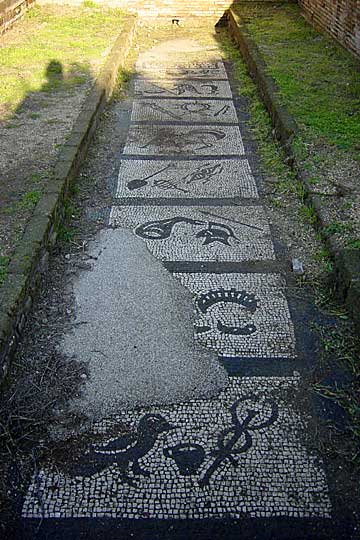
The Felicissimo Mithraeum has a floor mosaic depicting the seven mithraic grades.
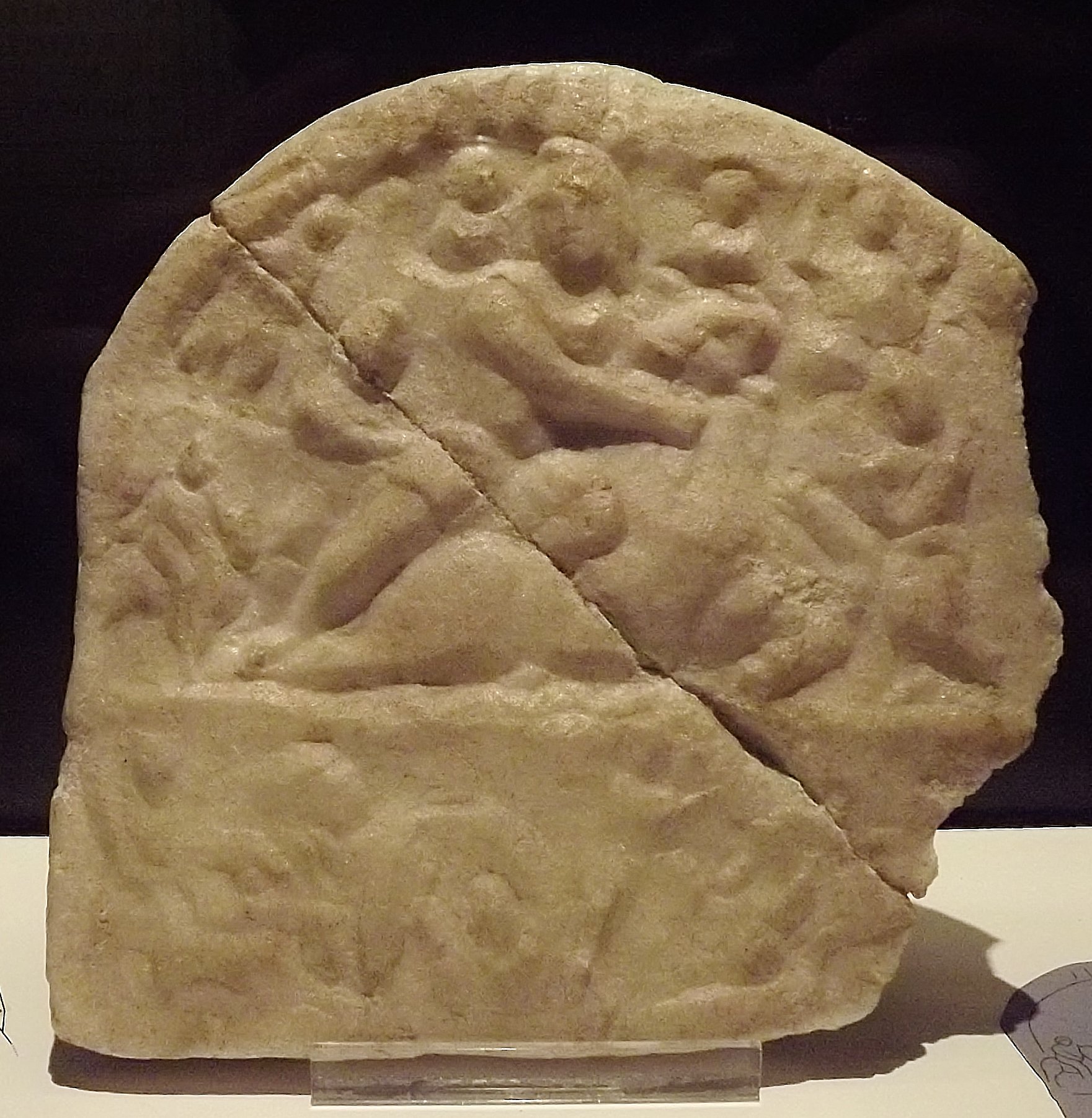
This small white marble relief of Mithras as a bullkiller was found in the Botanical Gardens of Vienna in 1950.

This marble relief, found in Sisak, Croatia, shows Mithras killing the bull in a circle of corn ears, gods and some scenes from the Mithras myth.
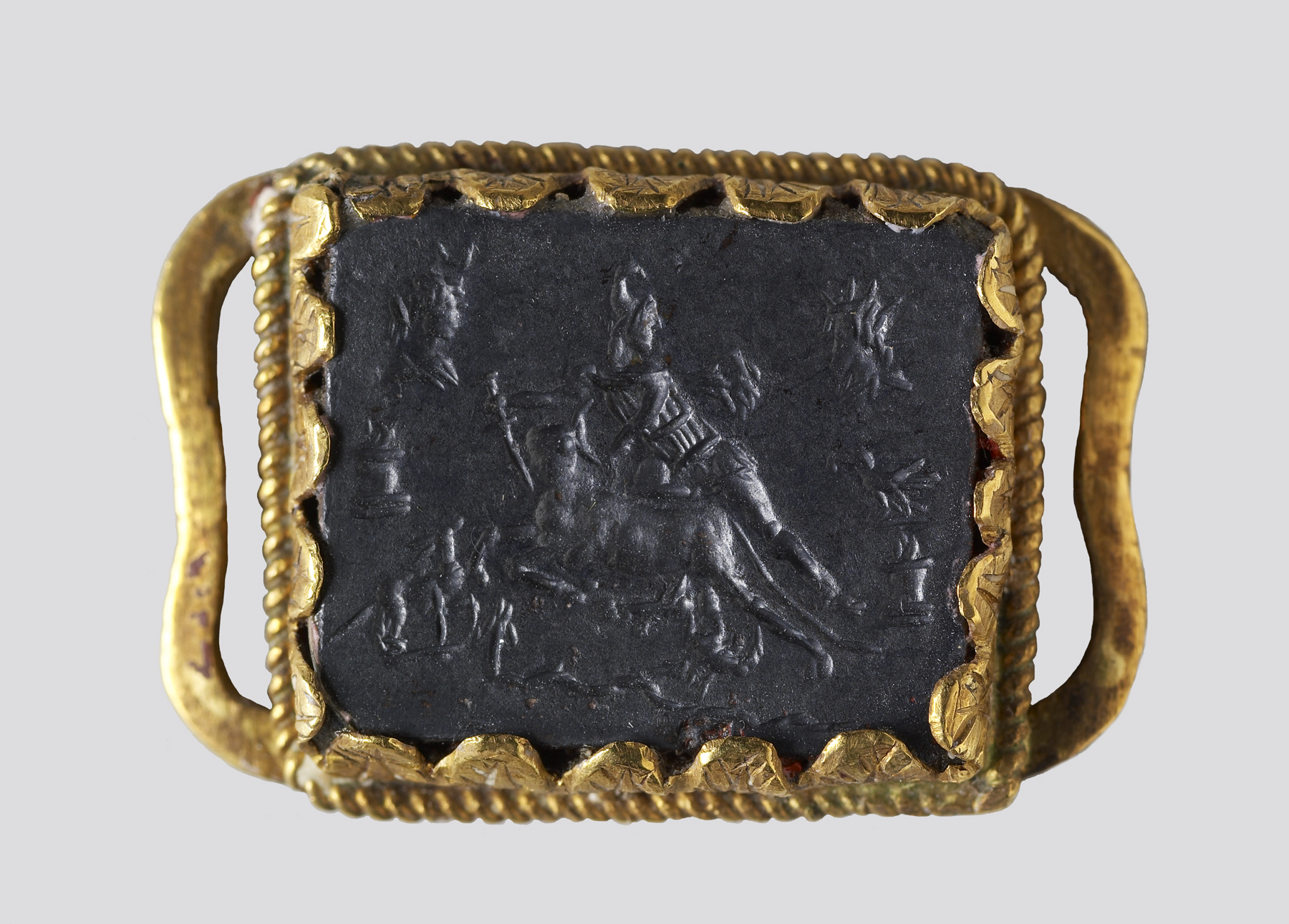
This unusual piece depicts Mithras slaying the bull on one side and the Gnostic god Abraxas on the other.
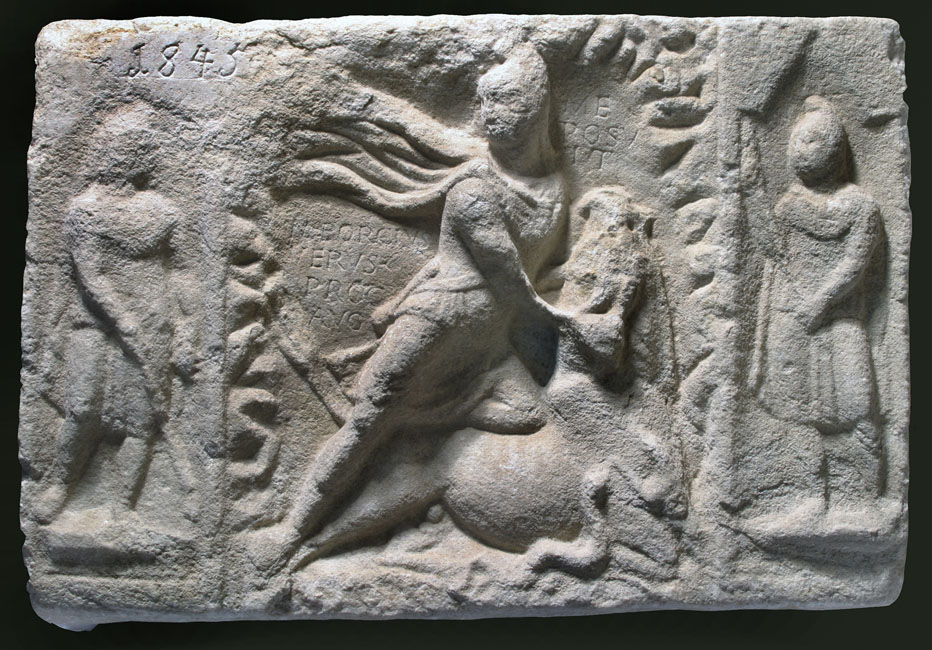
This relief of Mithras tauroctonus and other finds were discovered in 1845 in Ruše, where a Mithraeum probably existed.
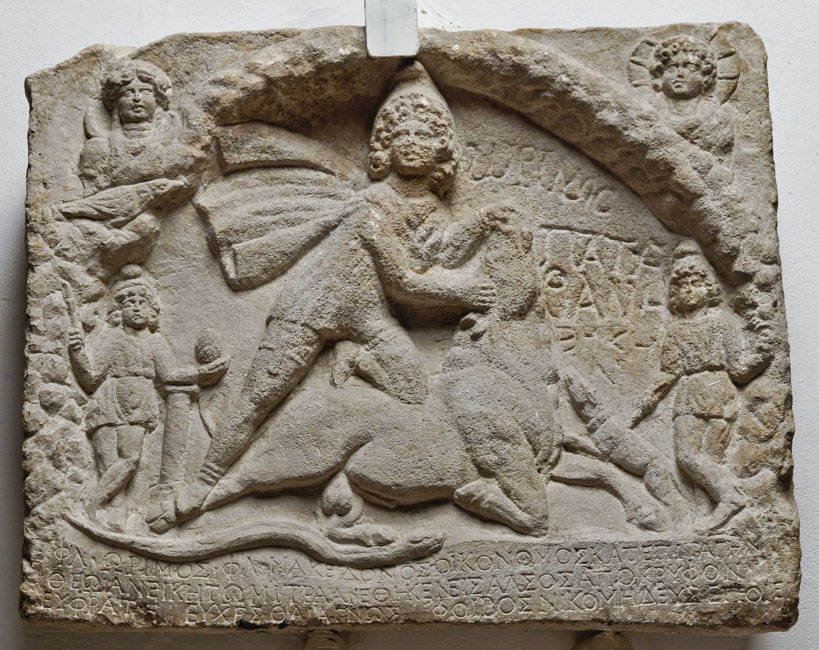
This limestone relief of Mithras killing the bull bears an inscription by a certain Flavius Horimos, consecrated in a ’secret forest’ in Moesia.
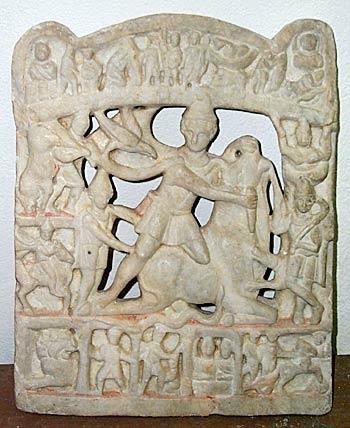
This Mithraic relief of the Danubian type was found in 1940 in the old town of Plovdiv.
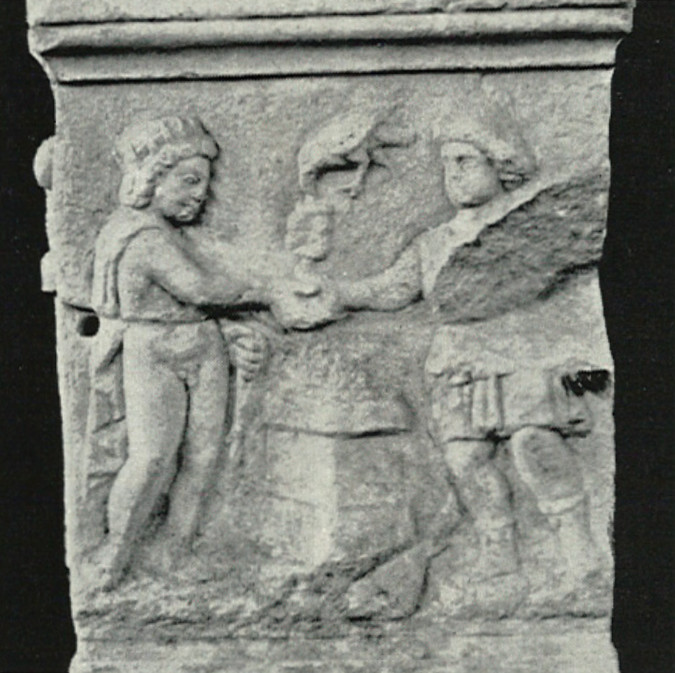
The altar of Ptuj depicts Mithras and Sol on the front and the water miracle on the right side.
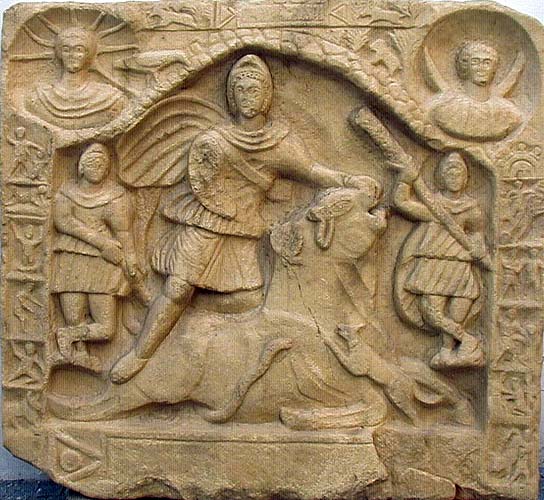
The relief of Mithras slaying the bull at Mauls in Gallia cisalpina is a paradigmatic example of the so-called Rhine-type Tauroctony.
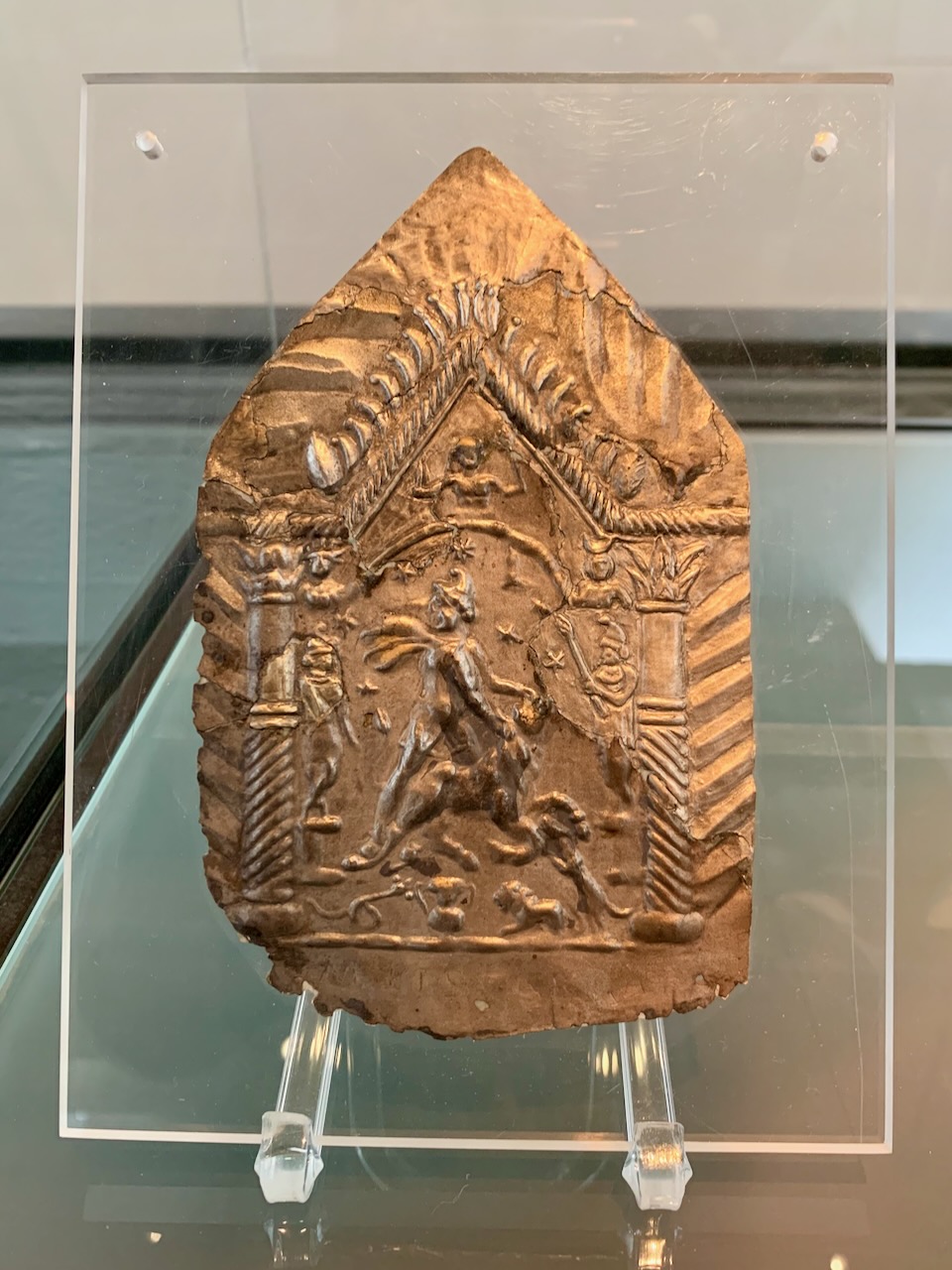
This plaque was found in Mithraeum I at Stockstadt broken into pieces inserted between the blocks of the socle of the cult relief, in the manner of a votive deposit.
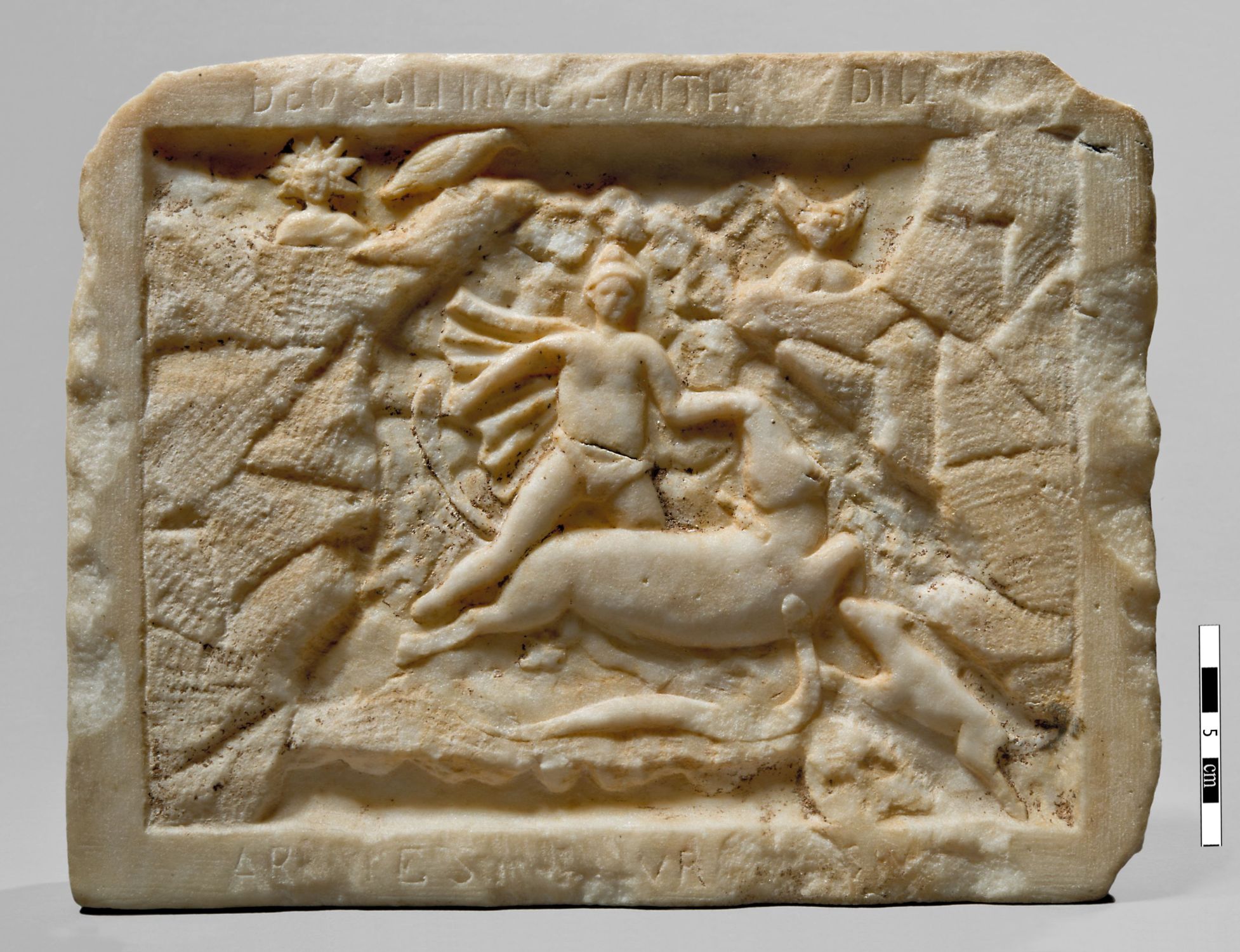
White marble relief depicting Mithras as bull-slayer in a grotto from the Froehner collection, now in the Cabinet des Médailles, Paris.
