Your selection in monuments gave 300 results.
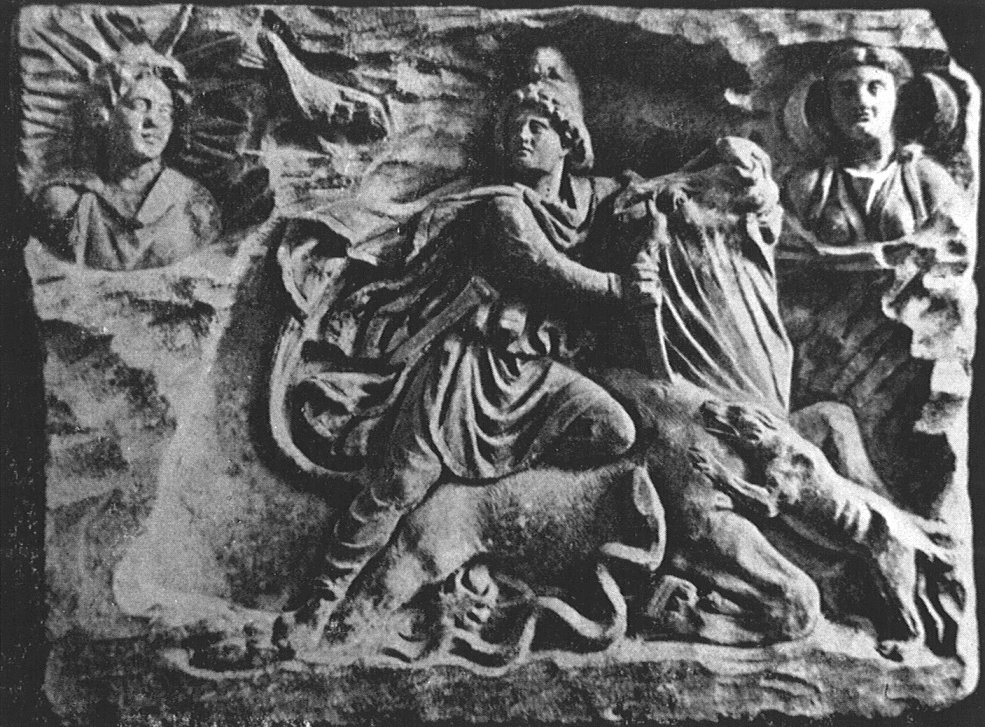
This marble relief depicting Mithras as a bull slayer was found in the back room of the Mithraeum of the Circus Maximus.

This marble relief depicting Mithras killing the bull, found at Porto d’Anzio in 1699 and now lost, is known from a engraving by del Torre.

This relief of Mithras slaying the bull, framed by acanthus leaves, was sold at auction in 2011 by Bonhams.
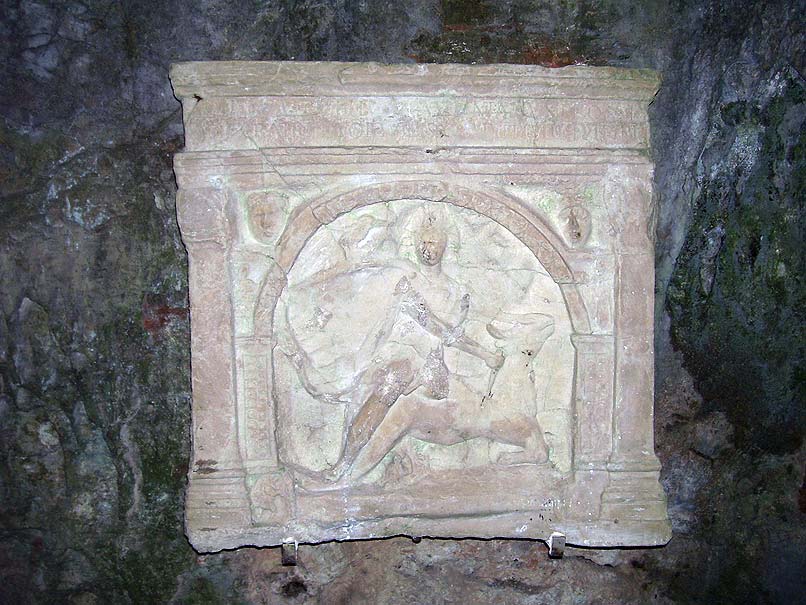
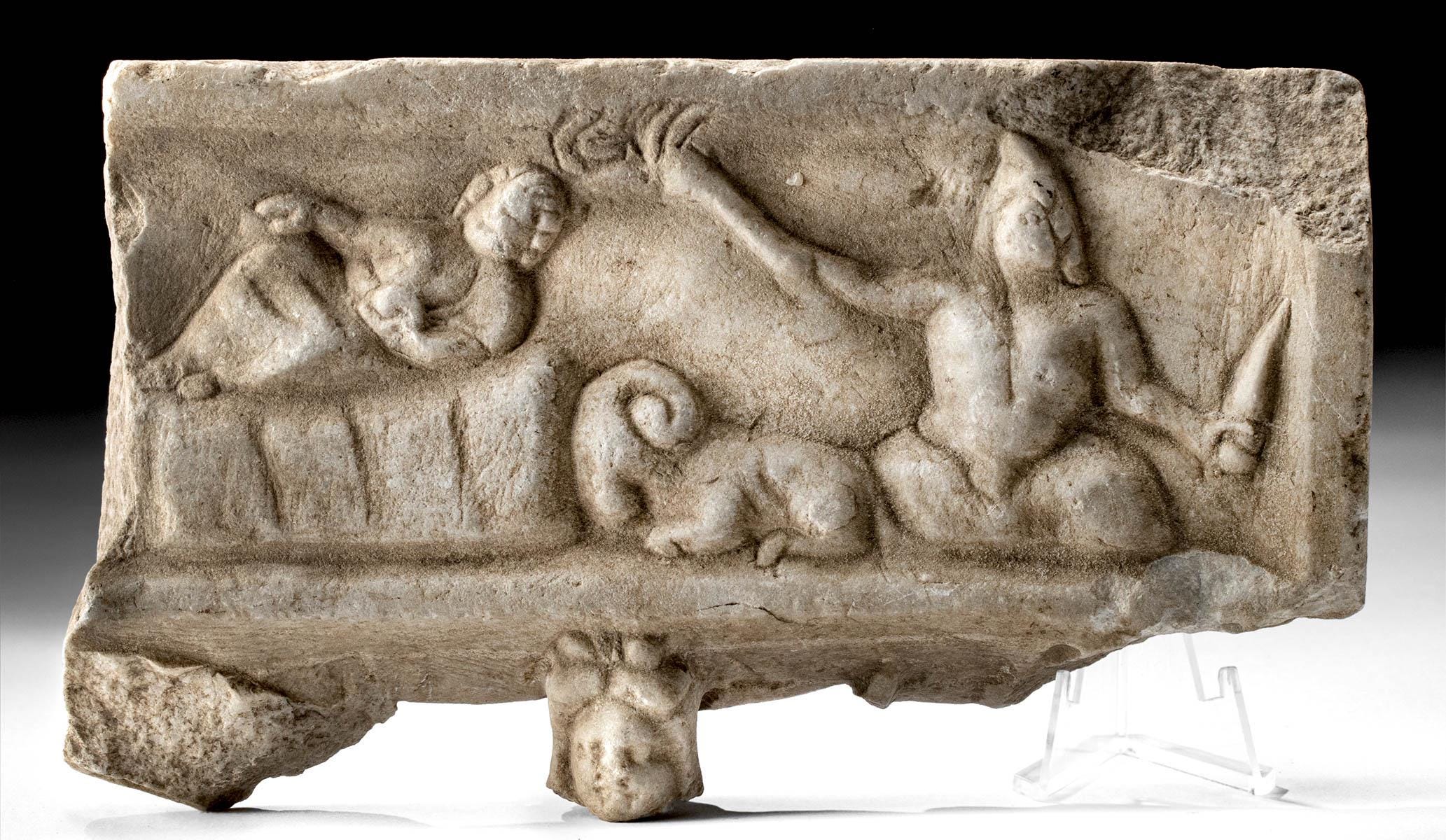
Mithras emerging from the rock with torch and dagger beside a reclining Oceanus or Saturn.
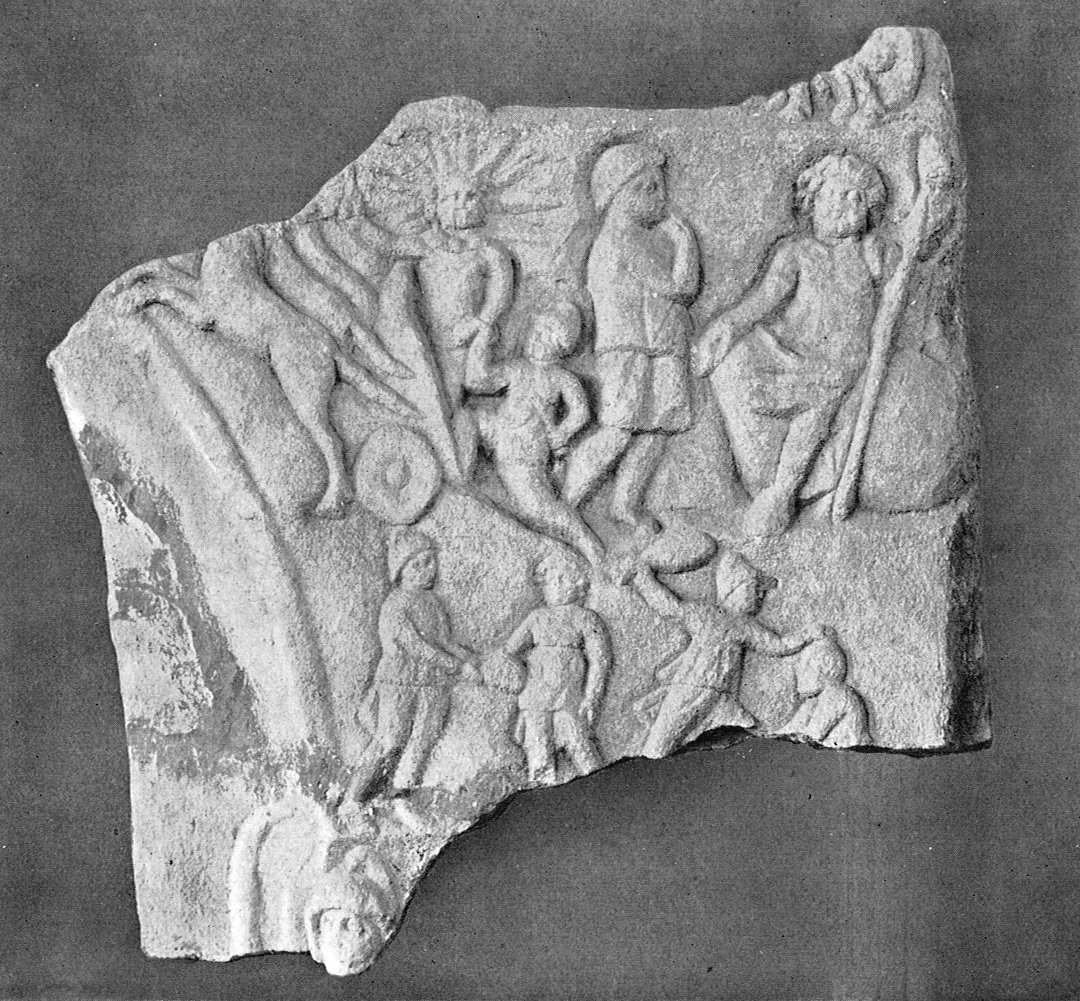
Several Mithraic scenes, including Mithras with Saturn, Mithras with Sol and Mithras' Ascension, are depicted on this fragment of a relief from Ptuj.
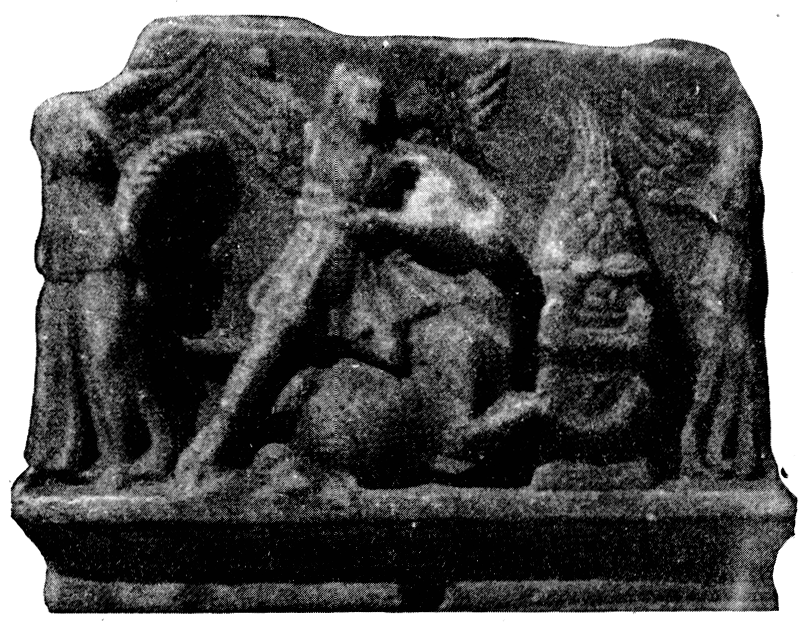
The Mithraic relief from Baris, in present-day Turkey, shows what appears to be a proto-version of the Tauroctony, with a winged Mithras surrounded by two Victories.
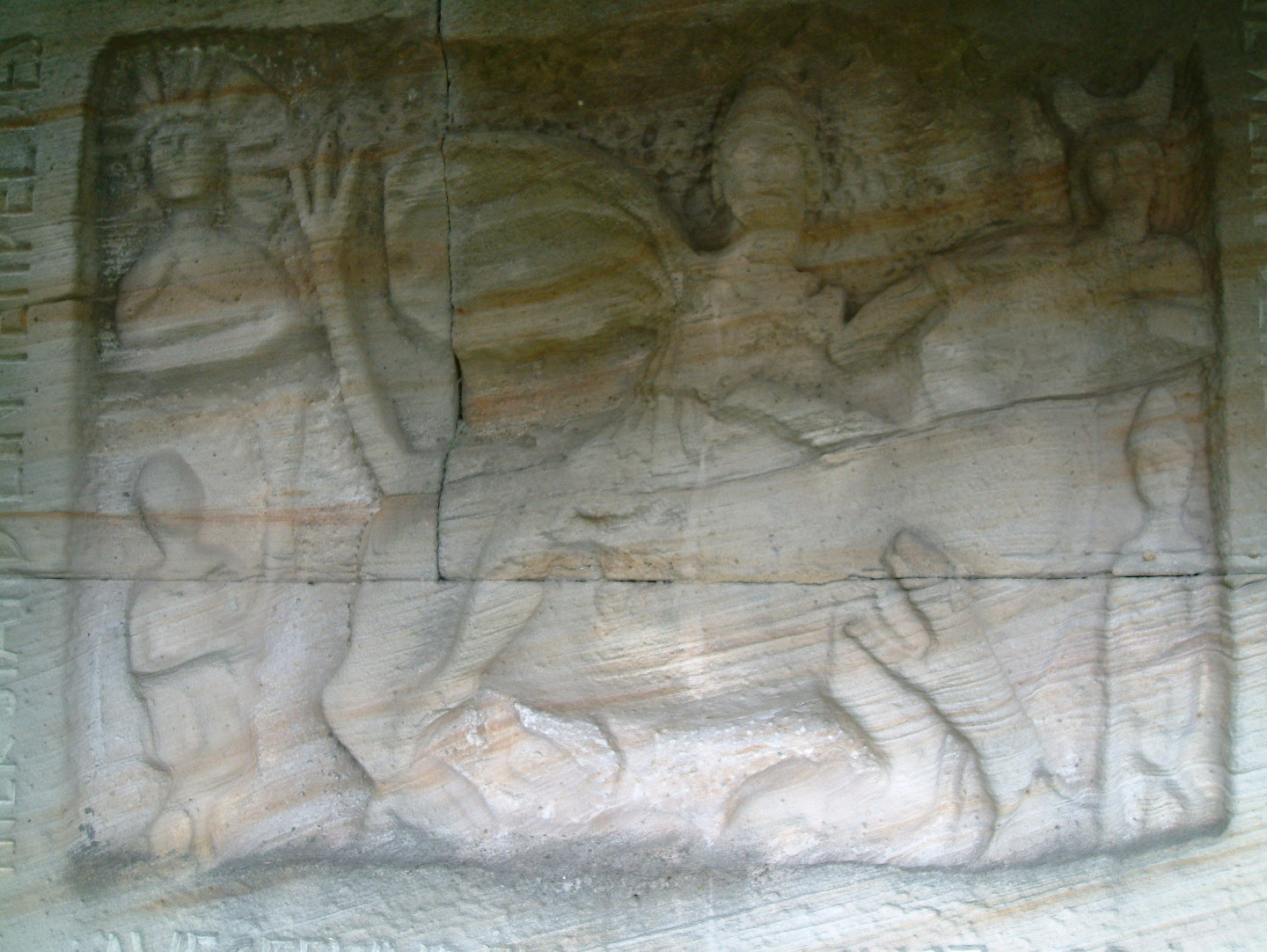
This relief of Mithras killing the bull found in Gimmeldingen, Germany, lacks the usual raven.

Two marble statues of Cautes and Cautopates discovered in the Mithraeum of Rusicade, accompanied by symbolic animals including a lion, scorpion, dolphin and bird.

These fragments of a monumental tauroctony found in the Cerro de San Albín must have decorated the Gran Mitreo de Mérida, which has not yet been found.
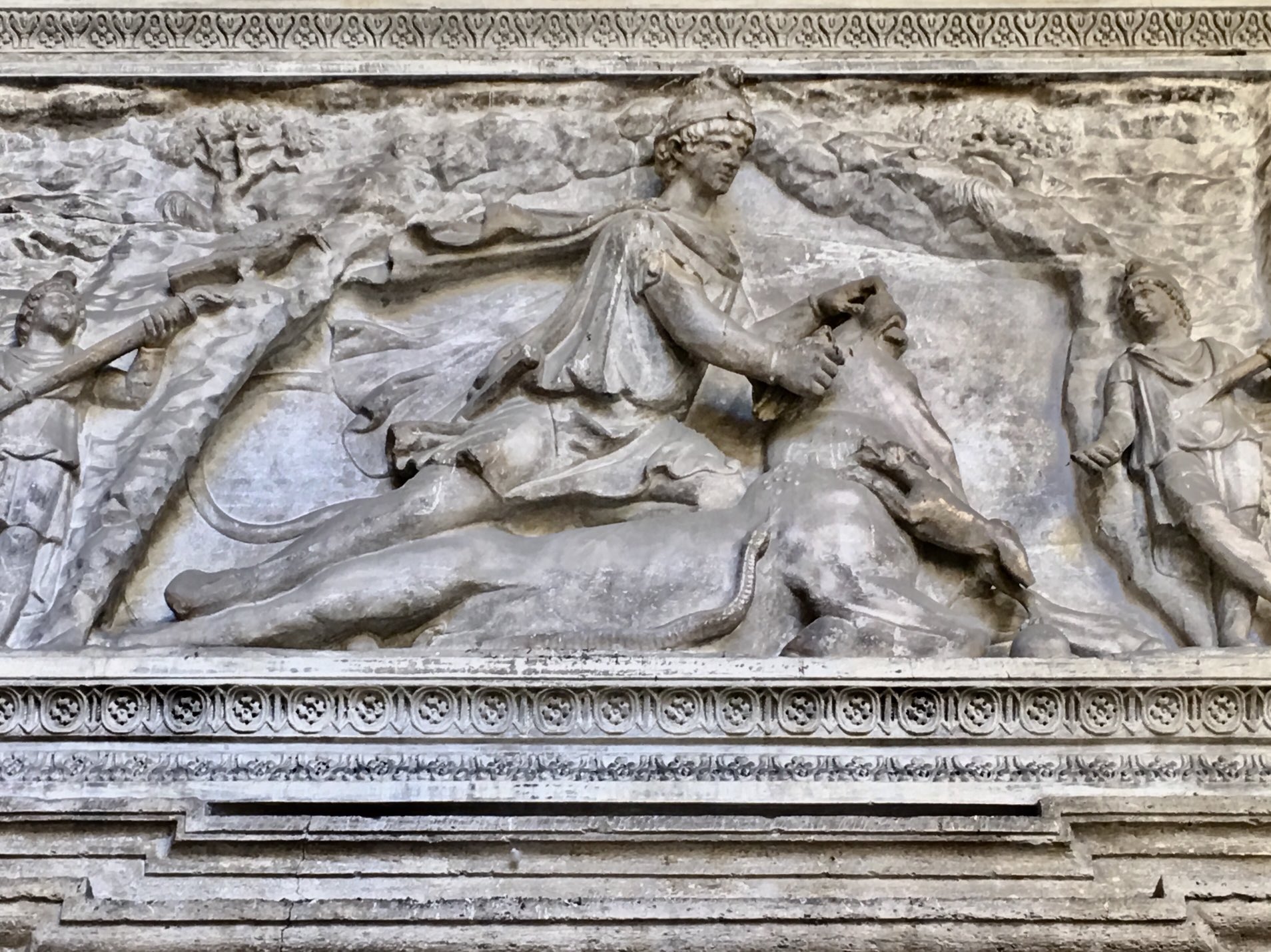
This relief of Mithras as a bullkiller, probably found in Rome, has been part of the Palazzo Mattei collection since at least the end of the 18th century.
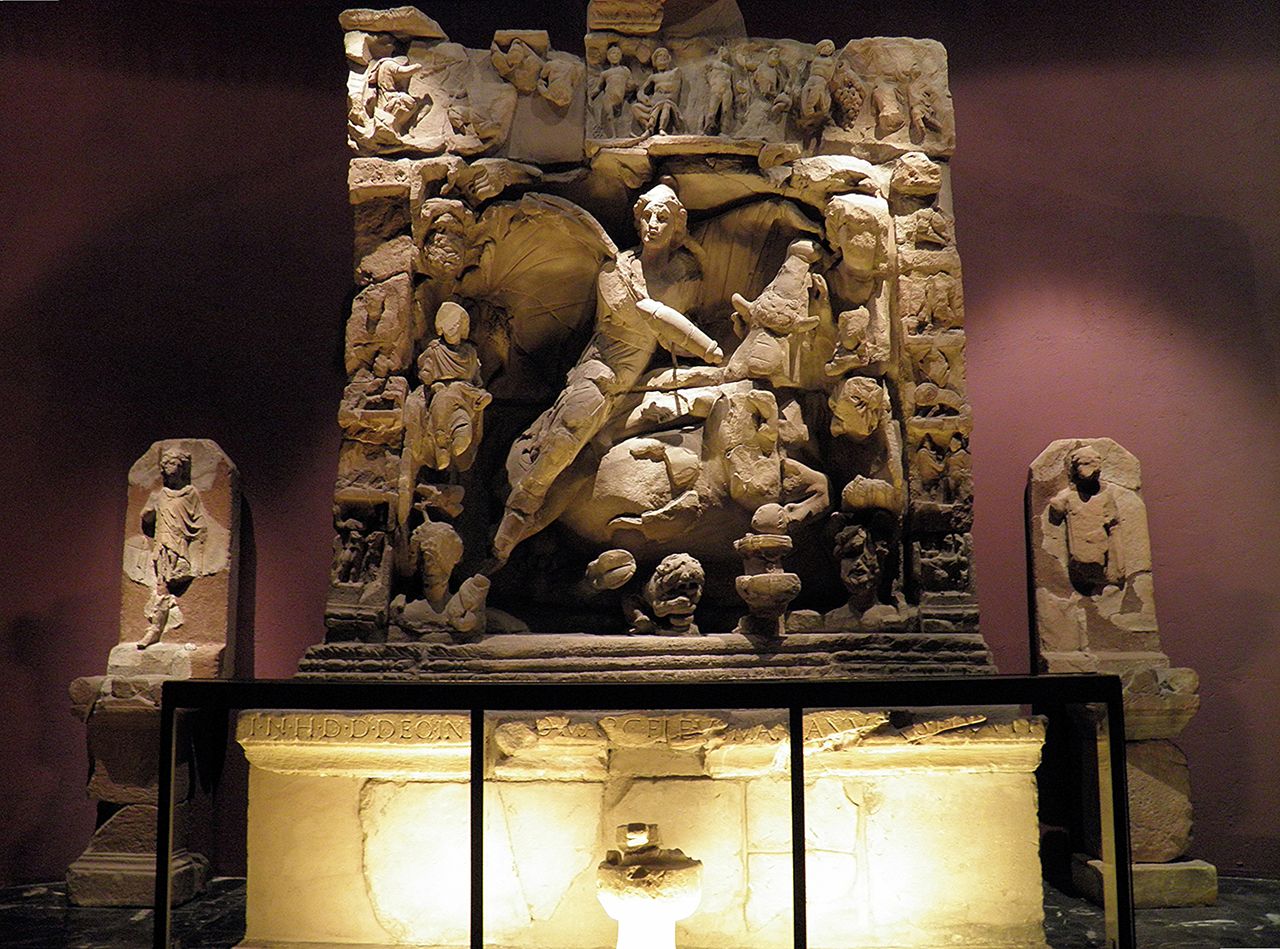
The base of these sandstone reliefs bears an inscription referring to a certain Marcellius Marianus.
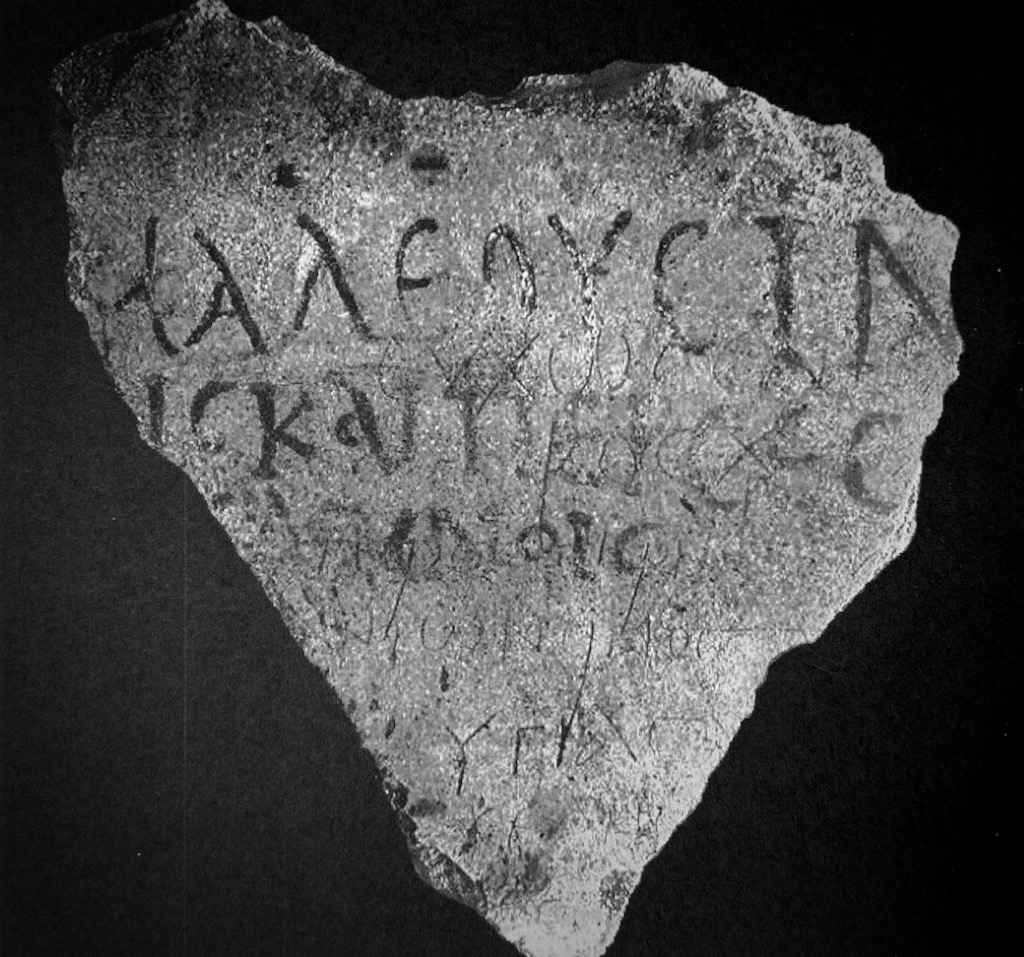
This short dipinto pays homage to the Lions and the Persians, the 4th and 5th Mithraic degrees.
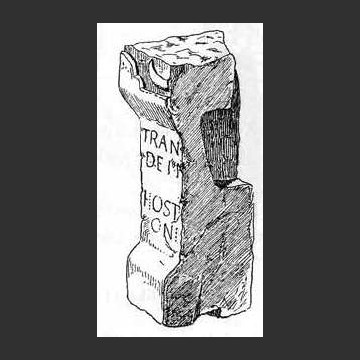
This damaged monument of a certain Hostilius from Malvesiatium, now Skelani, bears an inscription apparently to Mithras transitus.
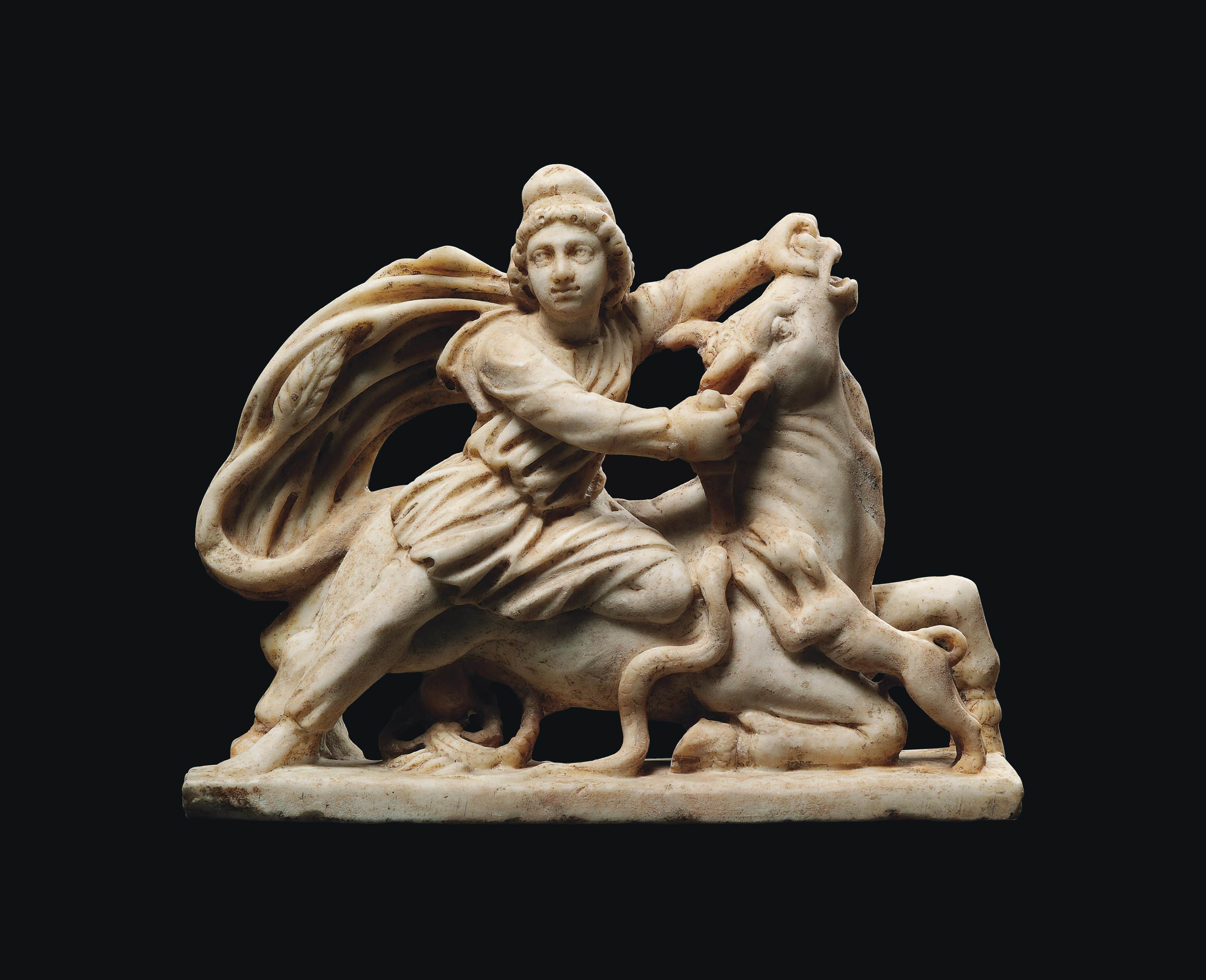
Marble group of Mithras slaying the bull, formerly sold by Antiquarium Ltd., New York.
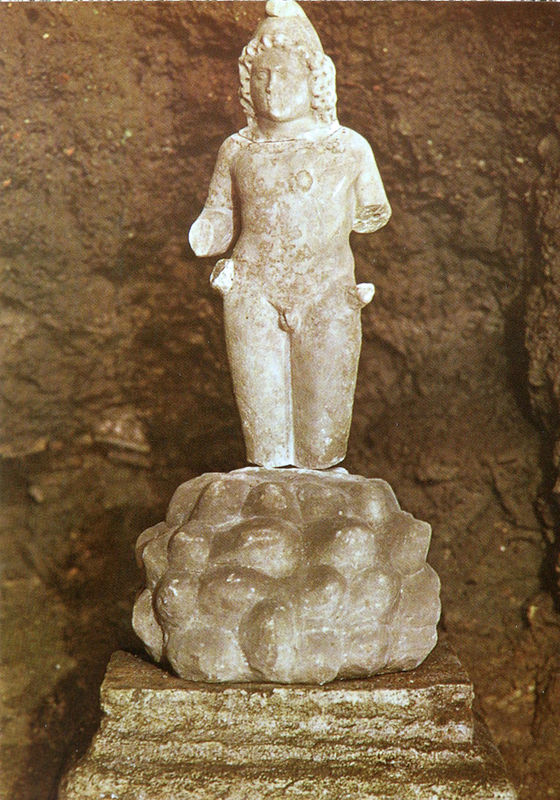
Mithras birth from the knees upwards emerging from a rock and wearing as usual a Phrygian cap.
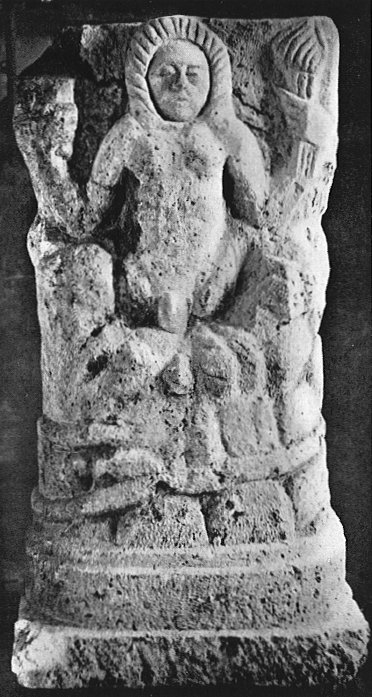
Another sculpture of Mithras rock-birth from the Mithraeum of Victorinus, in Aquincum.
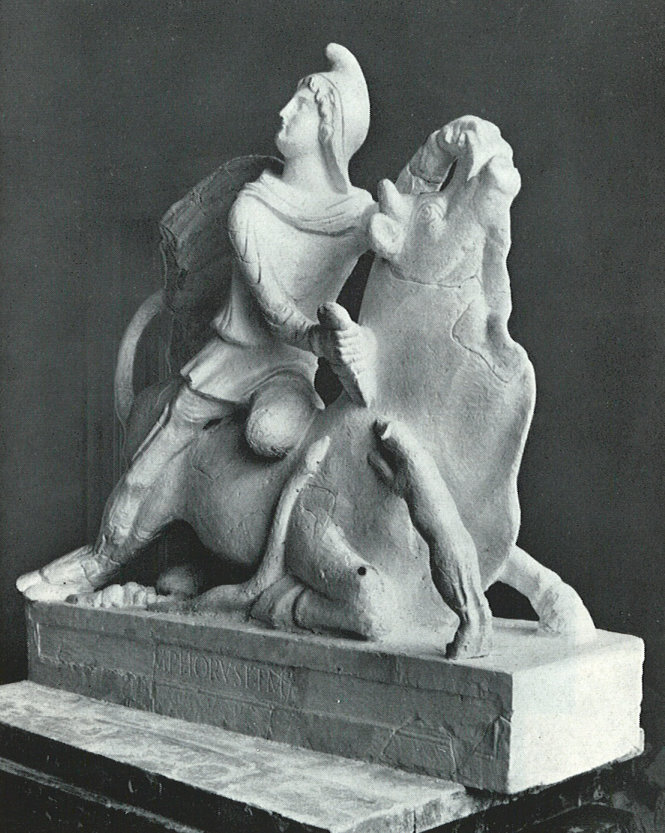
This sculpture of Mithras killing the sacred bull bears an inscription that mentions the donors.

Beheaded Cautopates in limestone found on the podium of the Jajce Mithraeum, Bosnia and Herzegovina.
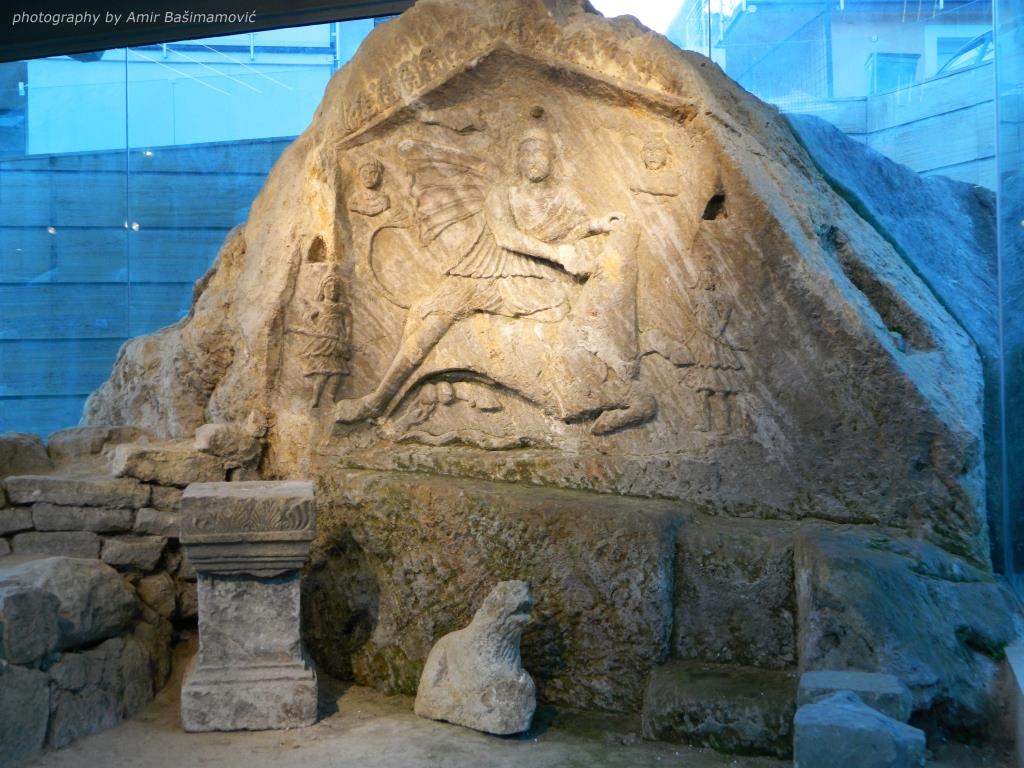
The relief of Mithras killing the bull from the Jajce Mithraeum is walled into the cult niche and surmounted by a roof.
