Your selection in monuments gave 190 results.
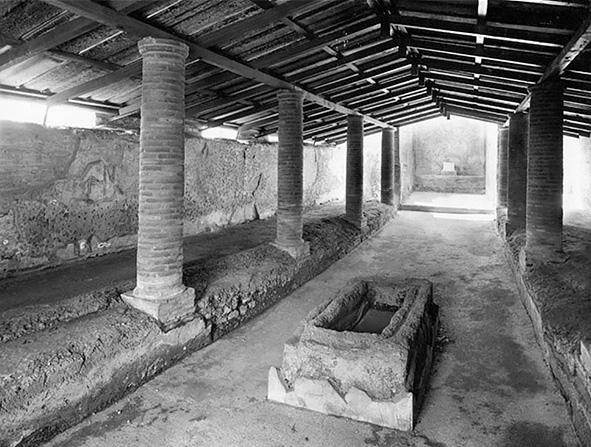
The Mithraeum in the Chapel of the Three Naves was not linked to the cult of Mithras until recently because of a mosaic showing a pig, in the belief that it was an animal unfit for consumption in a temple of Eastern origin.

A bronze plaque records the existence of a mithraeum at Virunum that collapsed and was rebuilt by members of the community.
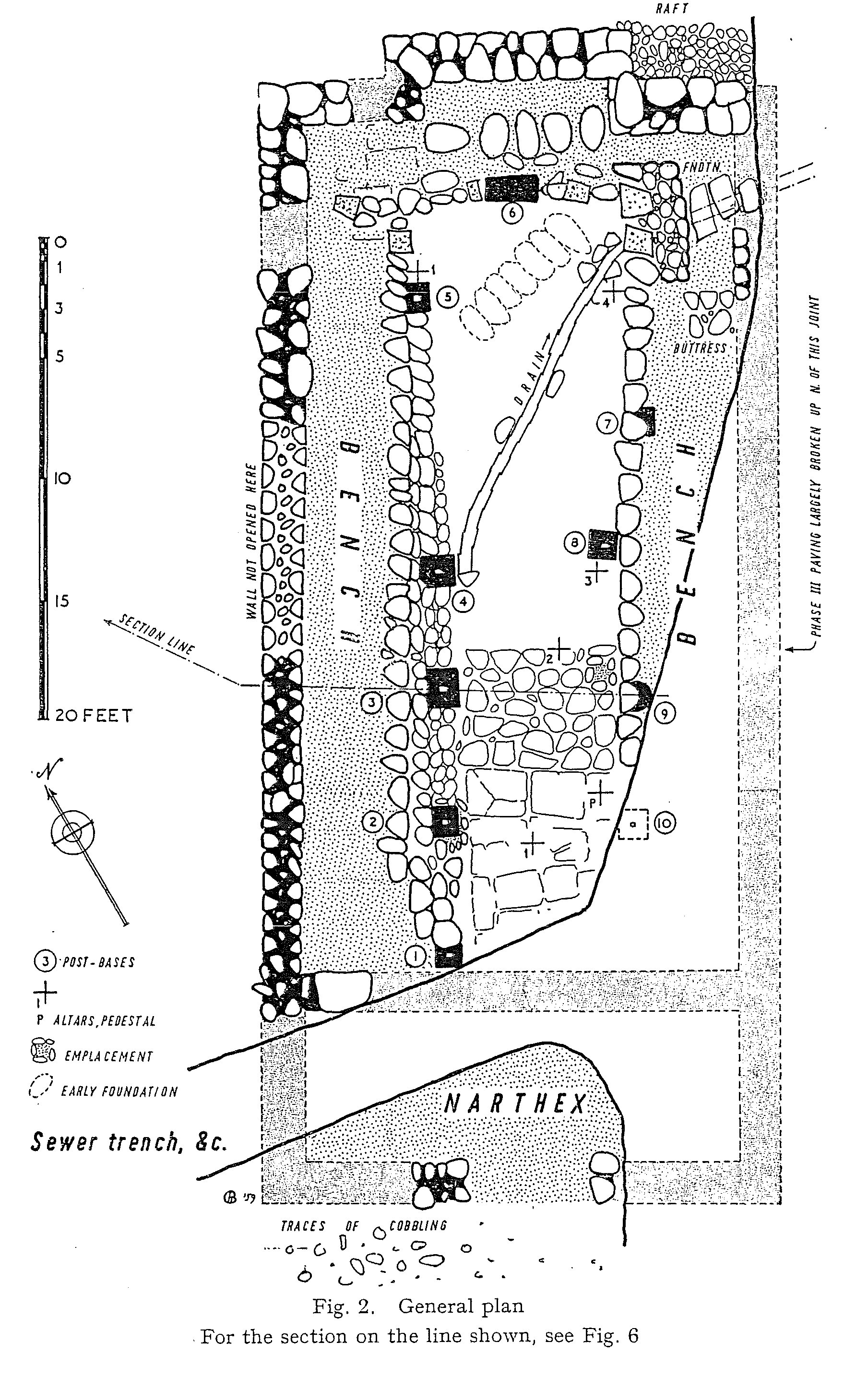
The Mithraeum of Caernarfon, in Walles, was built in three phases during the 3rd century, and destroyed at the end of the 4th.
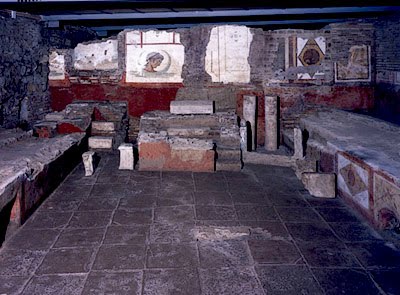
The Mitreo dei Castra Peregrinorum was discovered under the church of Santo Stefano Rotondo in Rome.
The Mithraeum of Aquincum I existed in the potter's quarter of the ancient city of Budapest.
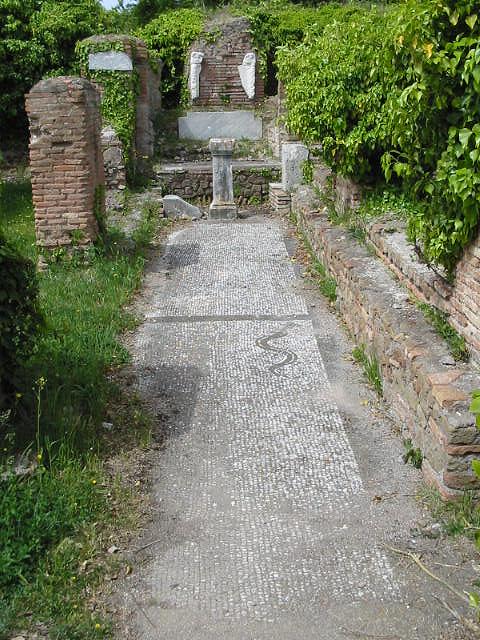
The floor of the central aisle of the Mithraeum of the Footprint in Ostia has a mosaic depicting a snake and a footprint.
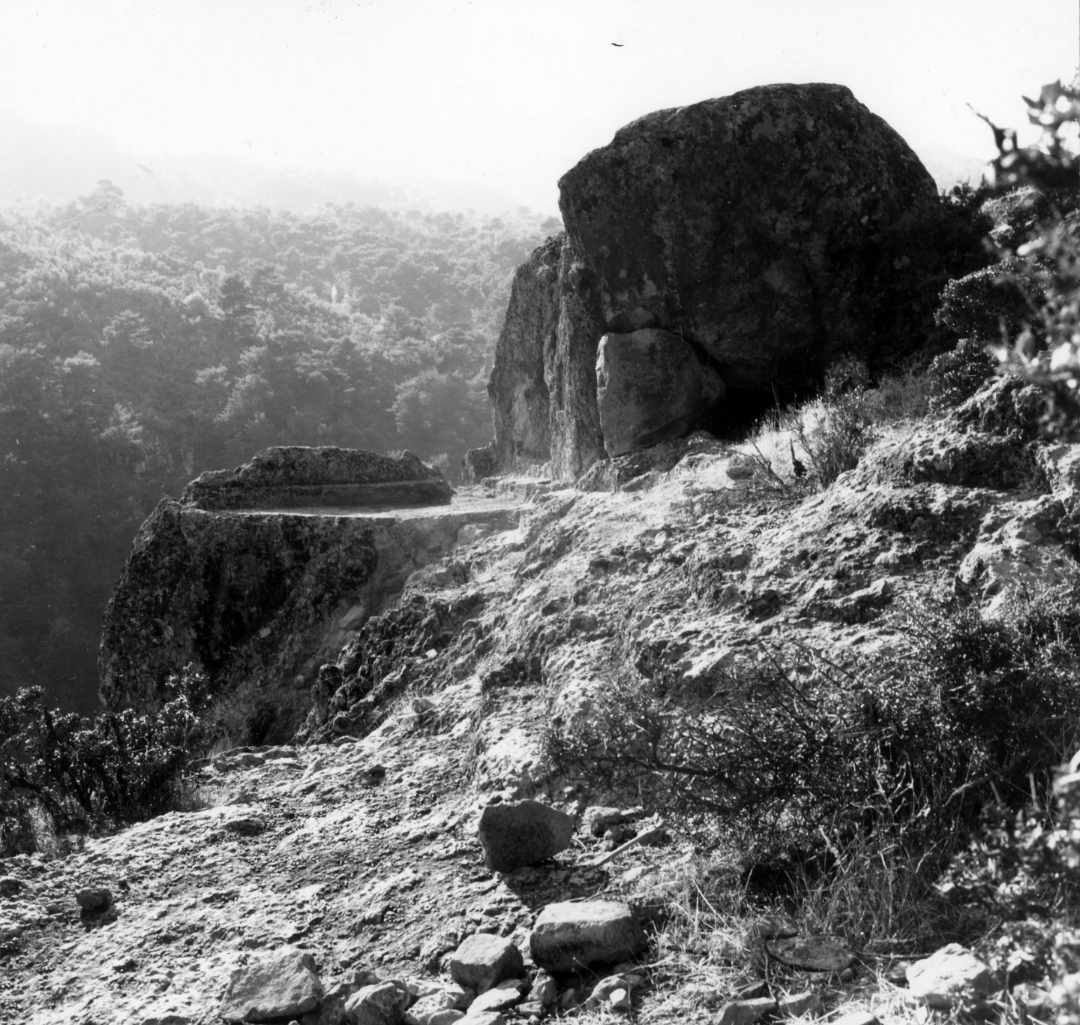
Mithras became the main deity worshipped in the sanctuary of Meter in Kapikaya, Turkey, in Roman times, at least until the fourth century.
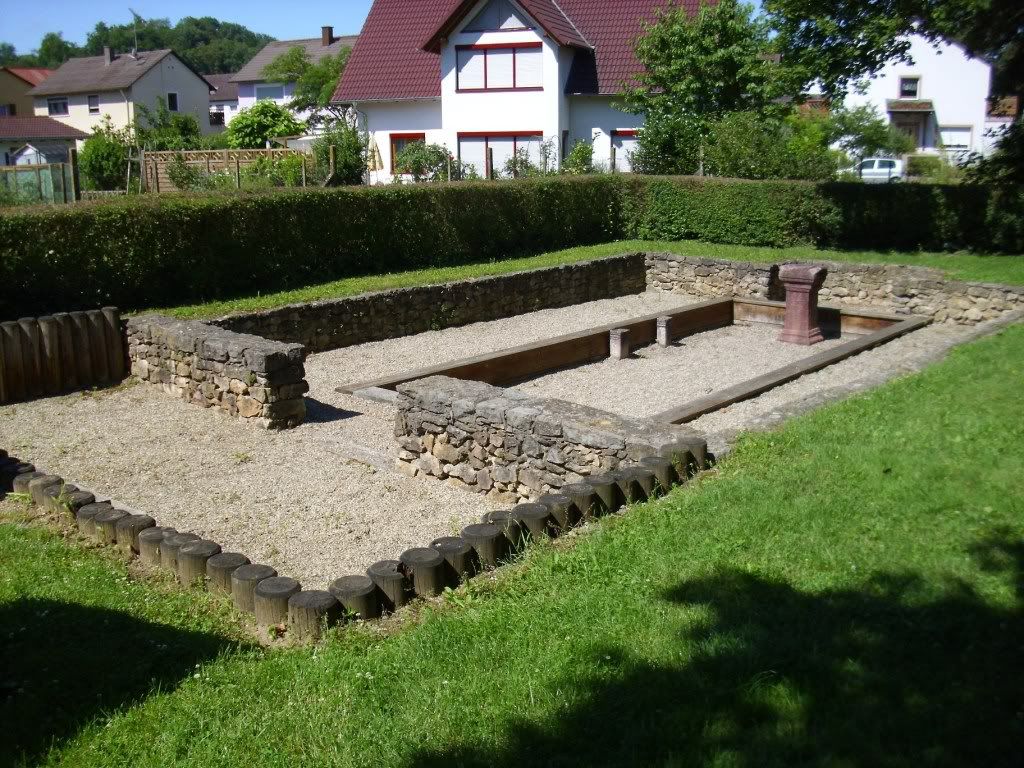
A votive altar referring to the cult of Mithras was found more than forty years before the site was excavated and the Mithraeum discovered.
The Mithraeum of Pamphylia was cut back into the rock to form a cave, with a separate relief of Mithras killing the bull.
The Mithraeum of Mainz, was discovered outside the Roman legionary fortress. Unfortunately the site was destroyed without being recorded.
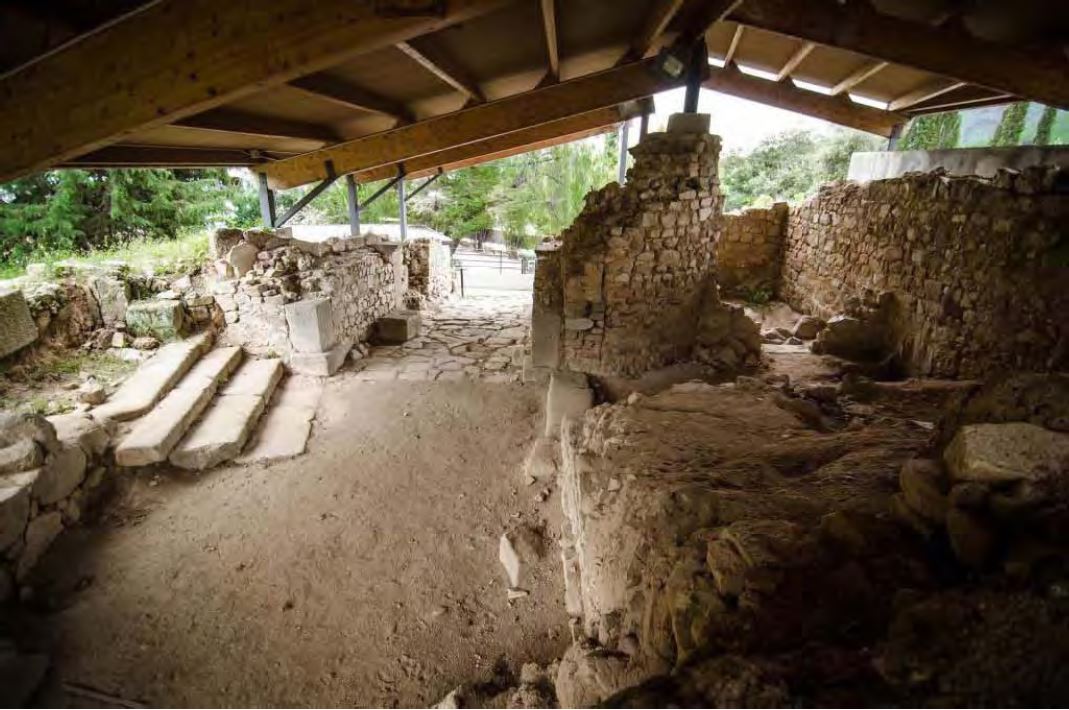
The Roman villa of Can Molodell had a sanctuary that has been related to the cult of Mithras.
The fifth mithraeum from Aquincum has been found in the house of a military tribune.
The Kempraten Mithraeum was unexpectedly discovered during the 2015 excavations near the vicus.
Three mithraic monuments were found in 1931, suggesting that a mithraeum probably existed in the area.
The Mitreo Fagan revealed remarkable sculptures of leon-headed figures now exposed at the Vatican Museum.
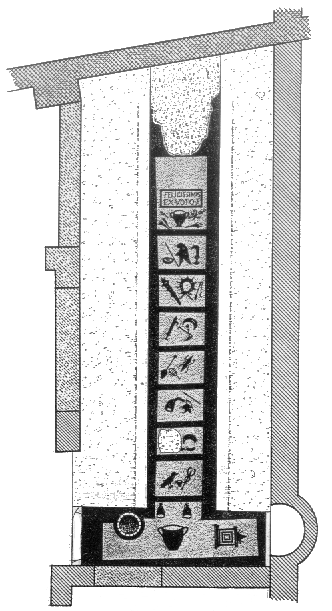
The Mithraeum Felicissimus has a floor mosaic depicting the seven mithraic grades.
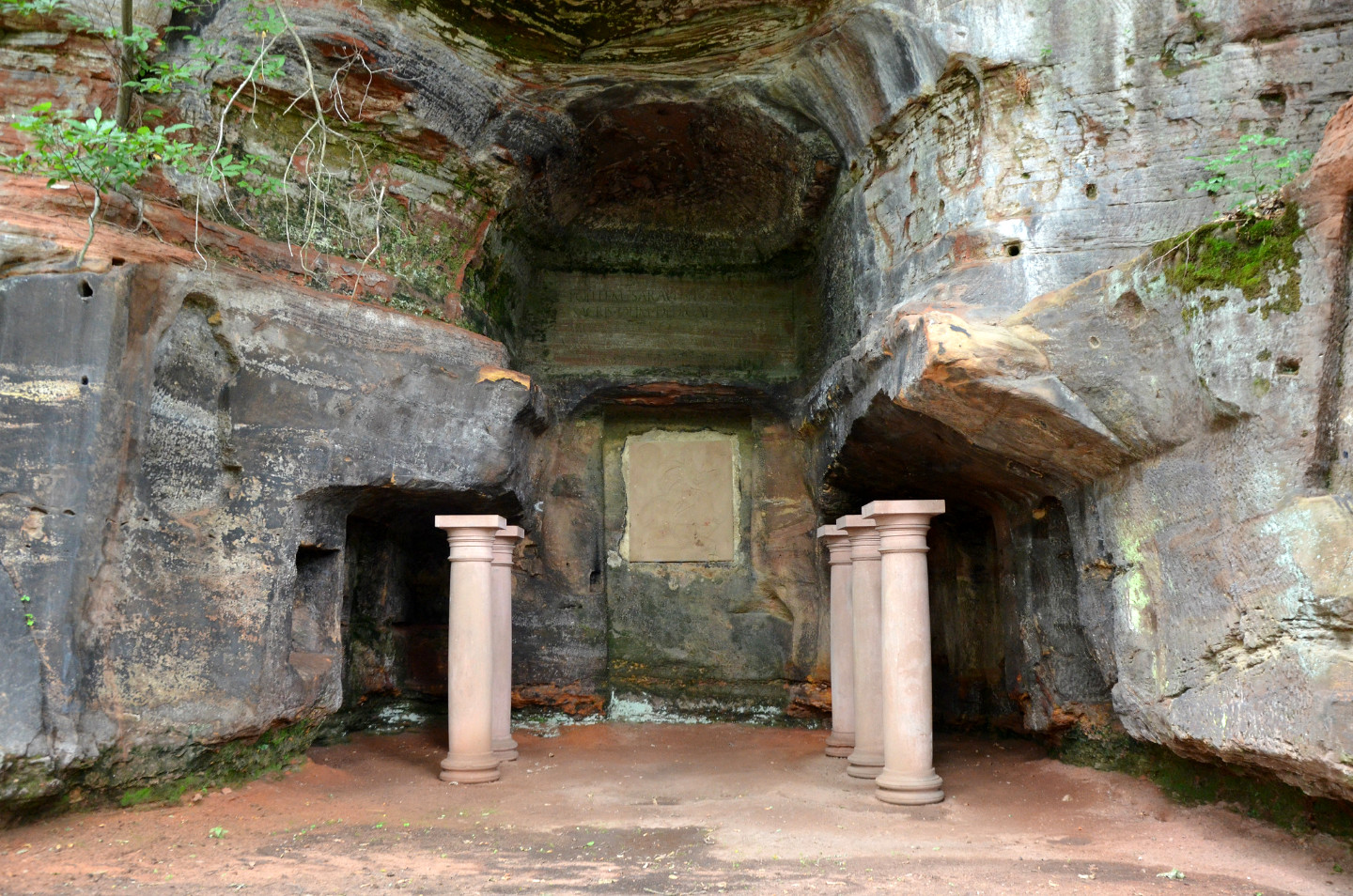
The Mithraeum in Halberg hill, near Saarbrücken, is one of the oldest historical places in the area.
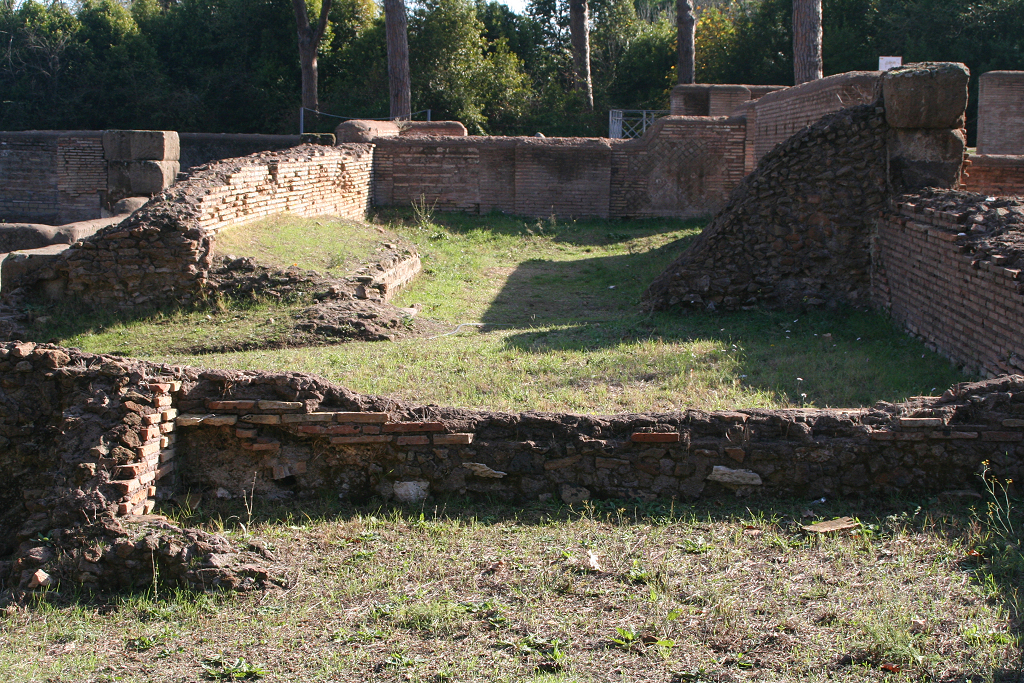
The Mithraeum near Porta Romana was connected to a Sacello, but the door was blocked.
