Your selection in monuments gave 431 results.
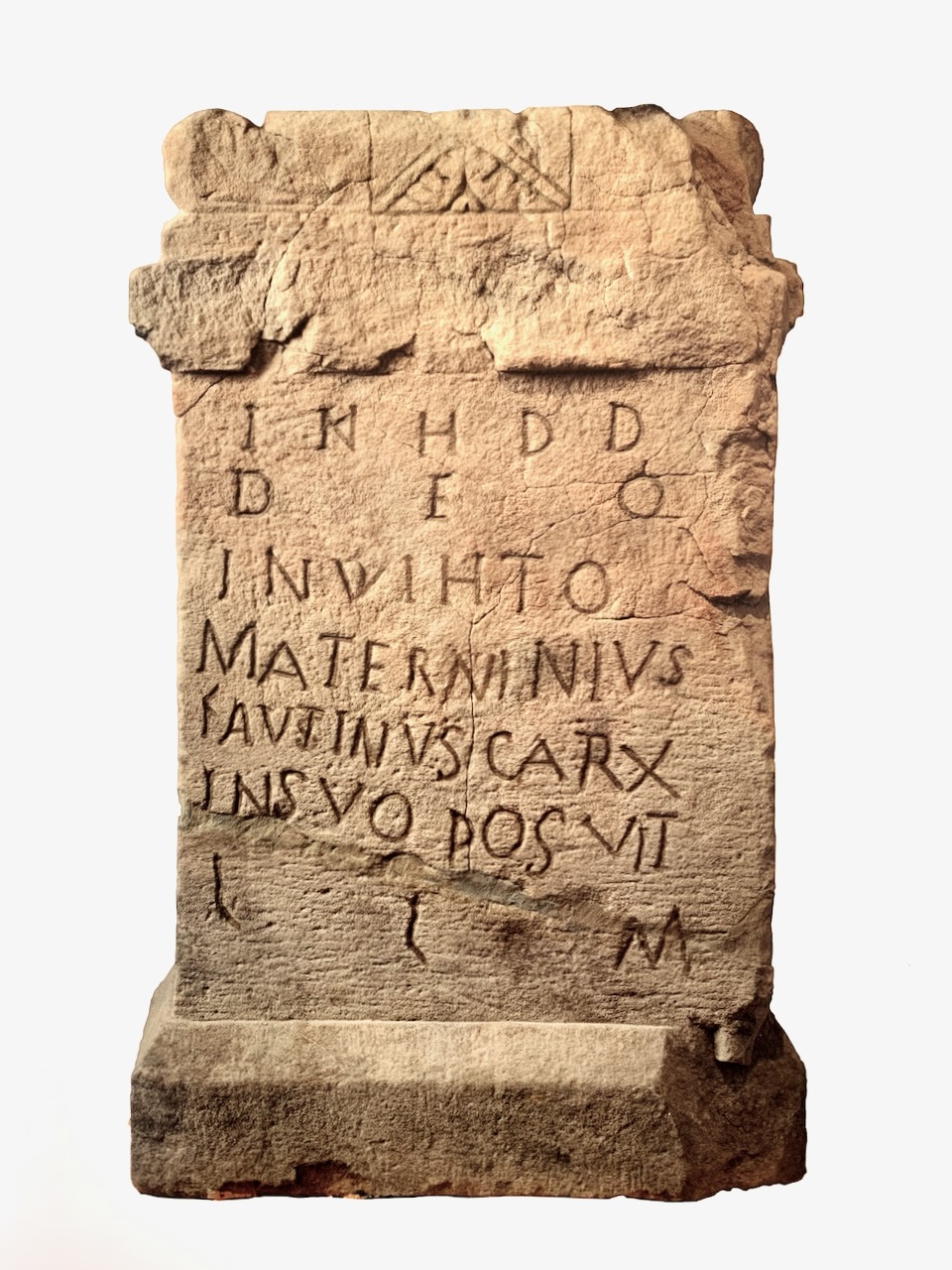
Corax Materninius Faustinus dedicated other monuments found in the same Mithraeum in Gimmeldingen.
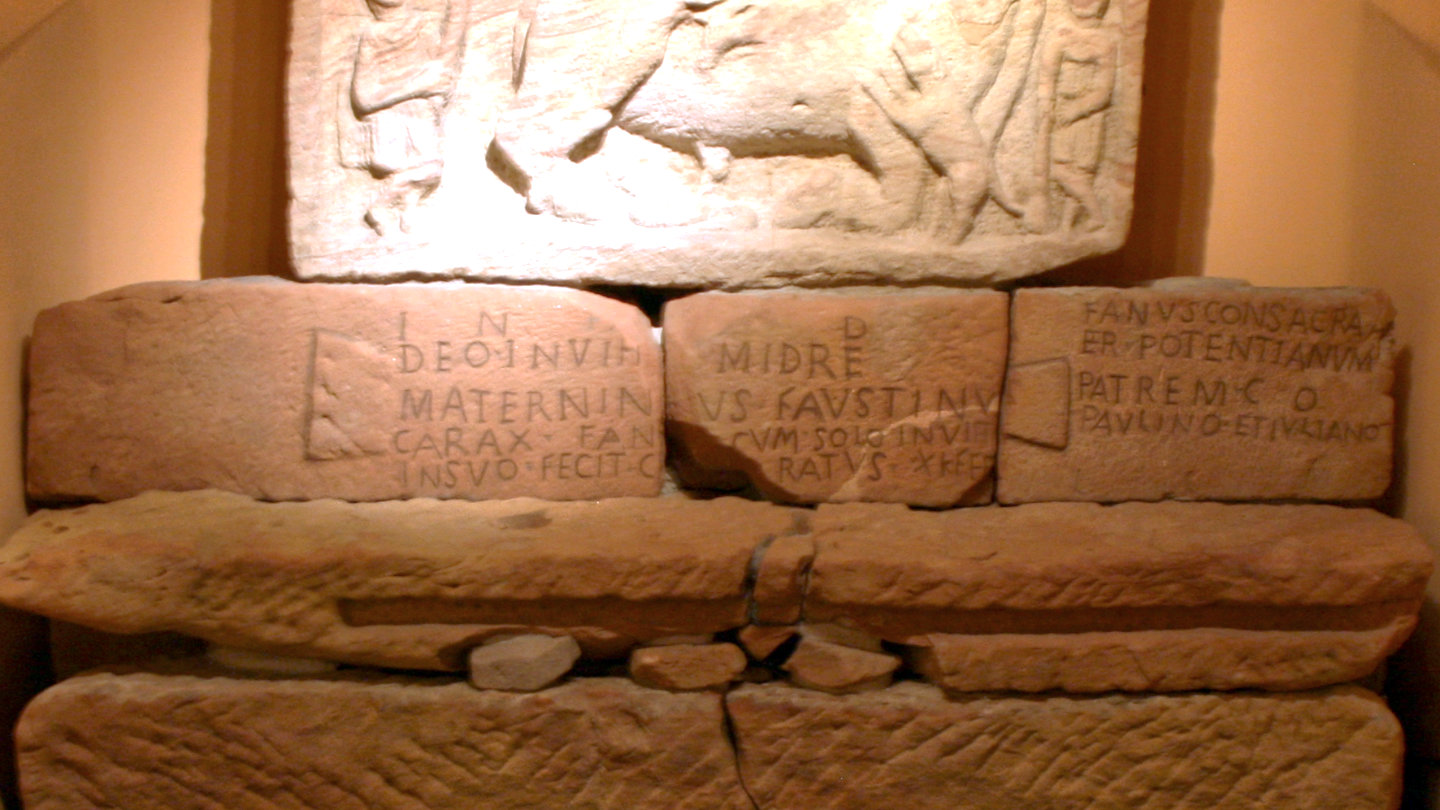
The inscription was located at the base of the main Tauroctony of the Gimmeldingen Mithraeum.
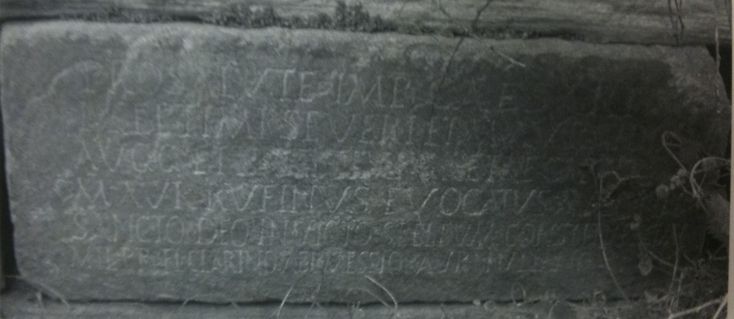
This inscription reveals the existence of a Mithraeum on the island of Andros, Greece, which has not yet been found.
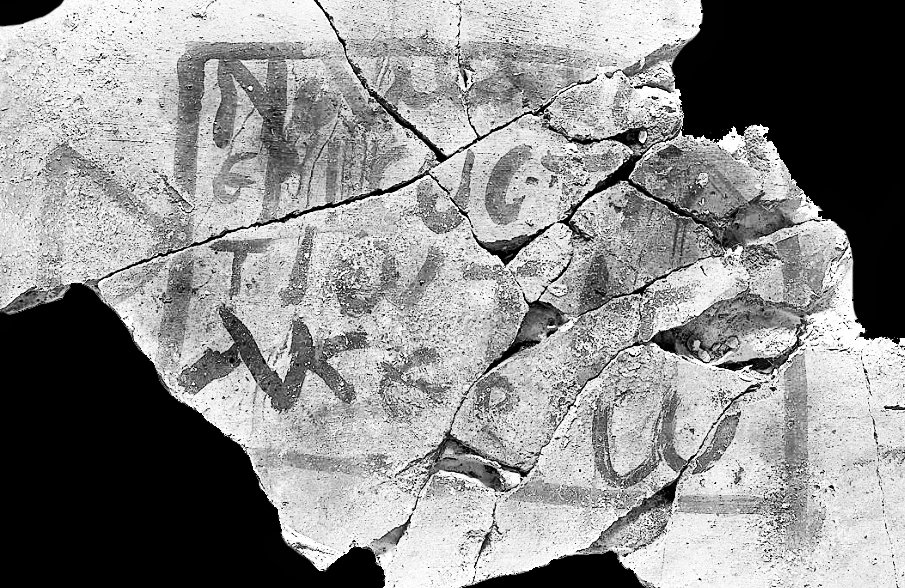
The text mentions a certain Kamerios, described as immaculate miles.
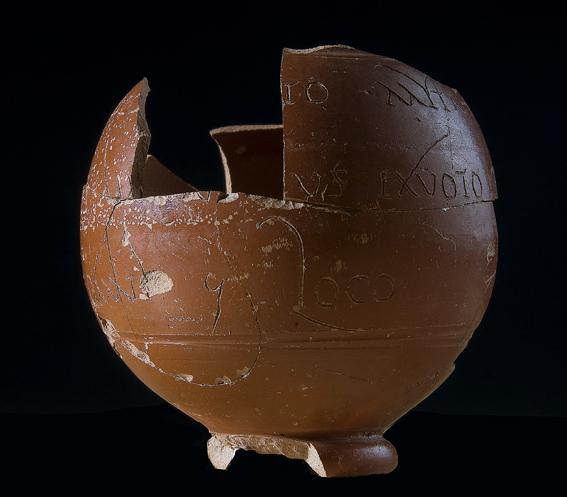
The spherical ceramic cup found at the Mithraeum in Angers bears an inscription to the unconquered god Mithras.
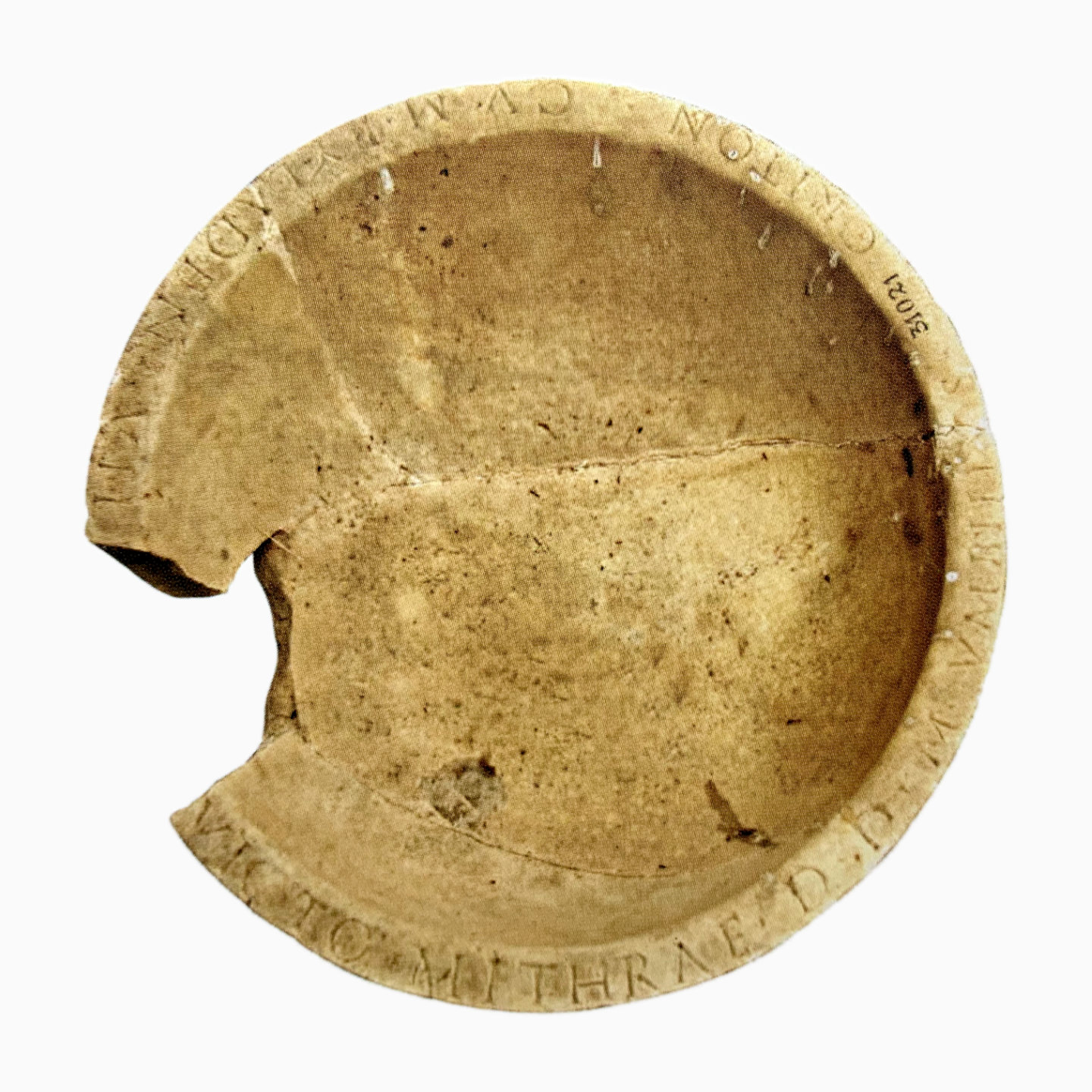
This marble basin found in the Mithraeum of the Footprint bears an inscription of a certain Umbilius Criton, associated with a monumental tauroctonic sculpture also found in Ostia.
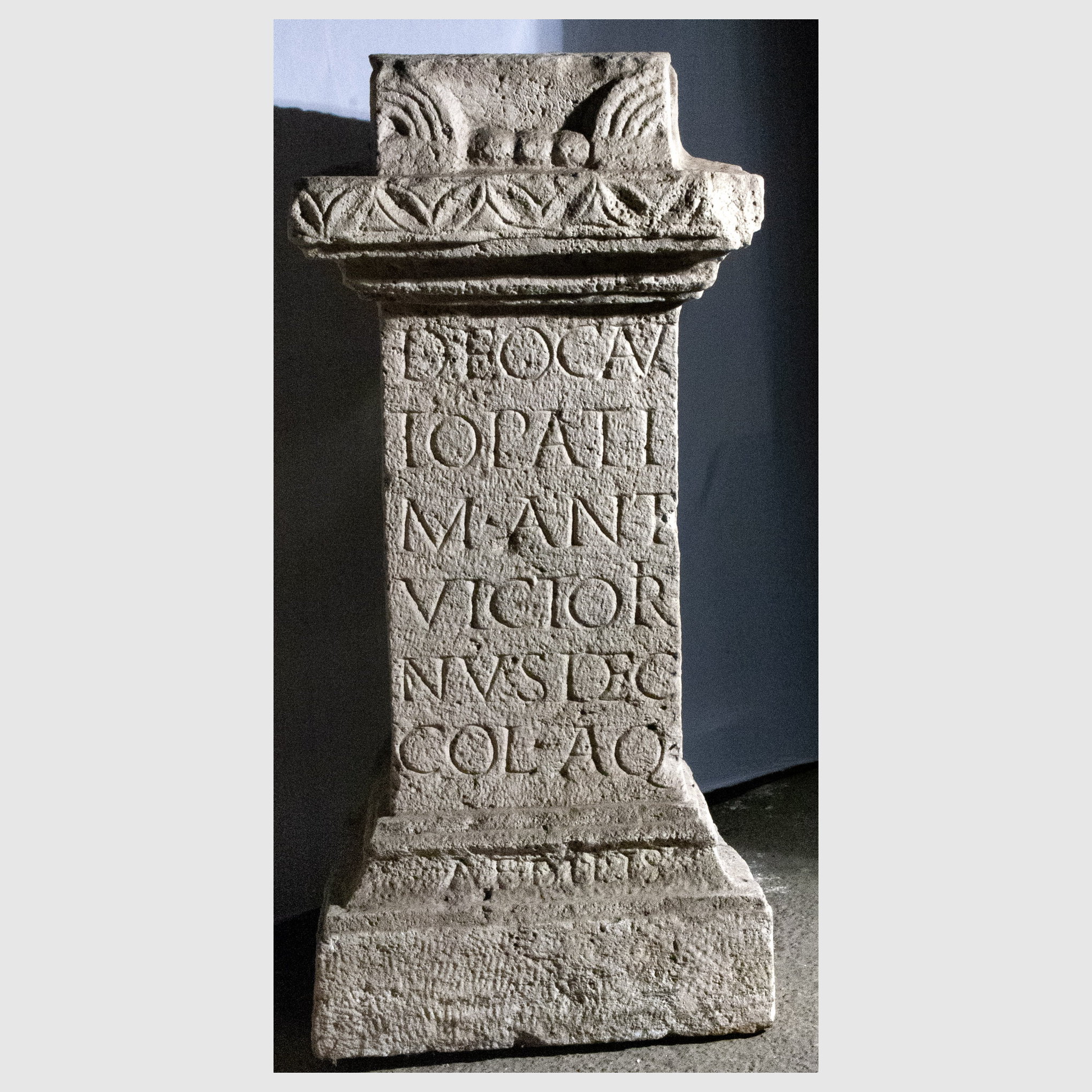
These two altars, erected by a certain Victorinus in the mithraeum he built in his house, bear inscriptions to Cautes and Cautopates.

This plaque, located on the western staircase of the Palace of Darius, mentions the god Mithra together with Ahura Mazda as protectors of King Artaxerxes III Ochus.
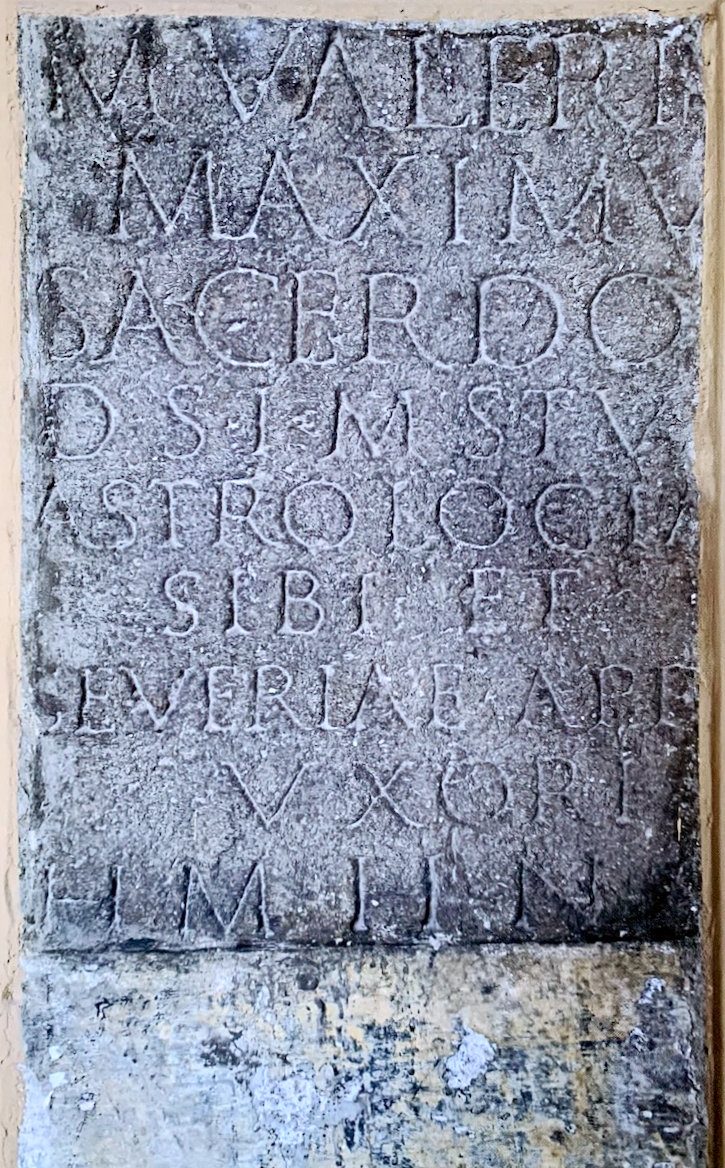
Marcus Valerius Maximus records in this inscription his knowledge of astrology as well as the name of his wife.
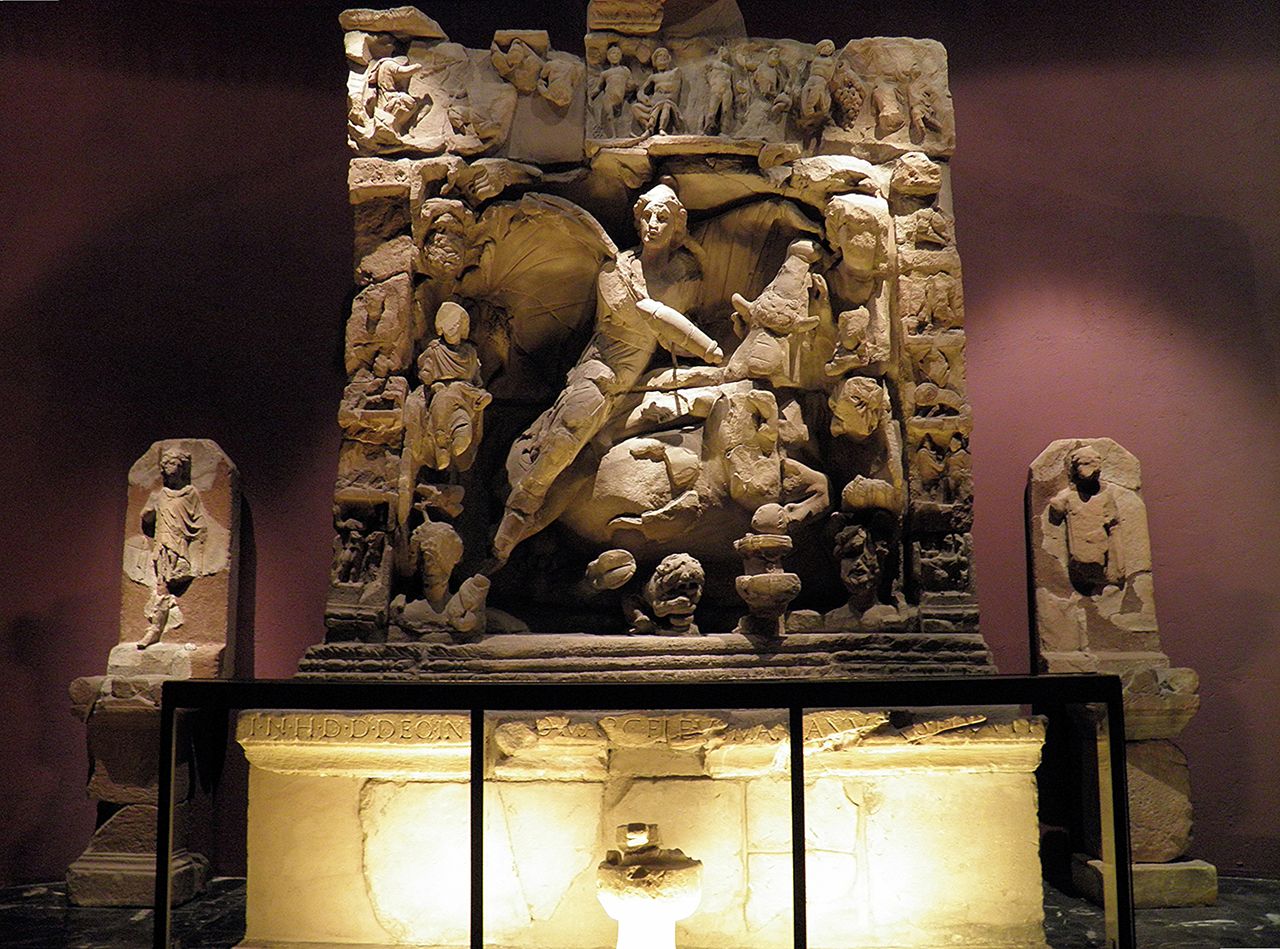
The base of these sandstone reliefs bears an inscription referring to a certain Marcellius Marianus.
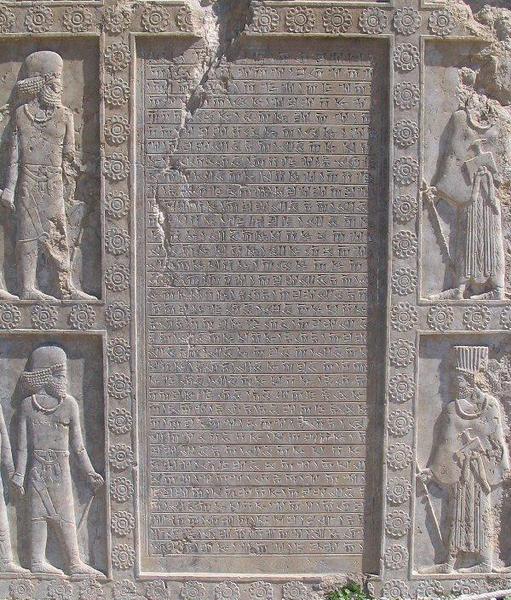
Located at the western entrance to the Palace of Darius in Persepolis, this tablet bears an inscription mentioning Ahuramazda and Mithra.
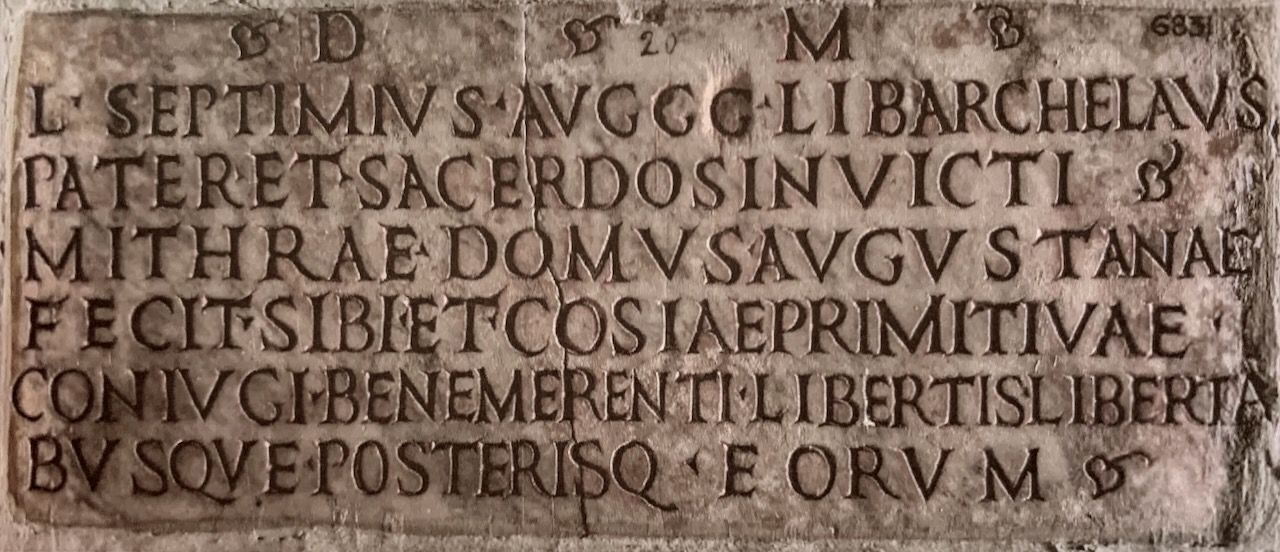
Marble funerary plaque erected by Lucius Septimius Archelaus, a Pater and priest of Mithras, for himself, his wife, and their freedmen and descendants.
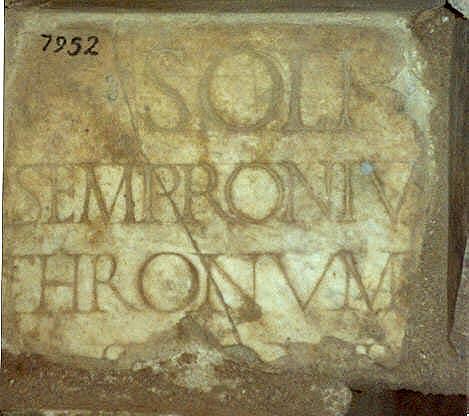
Slab marble indicates that Lucius Sempronius has donated a throne to the Mitreo delle Pareti Dipinte.
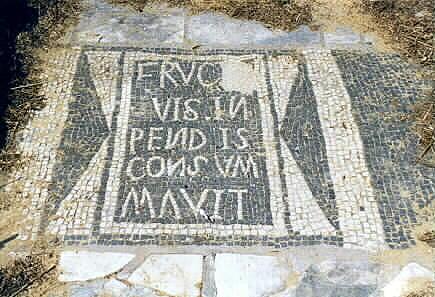
The mosaic bears an inscription indicating the name of the owner.
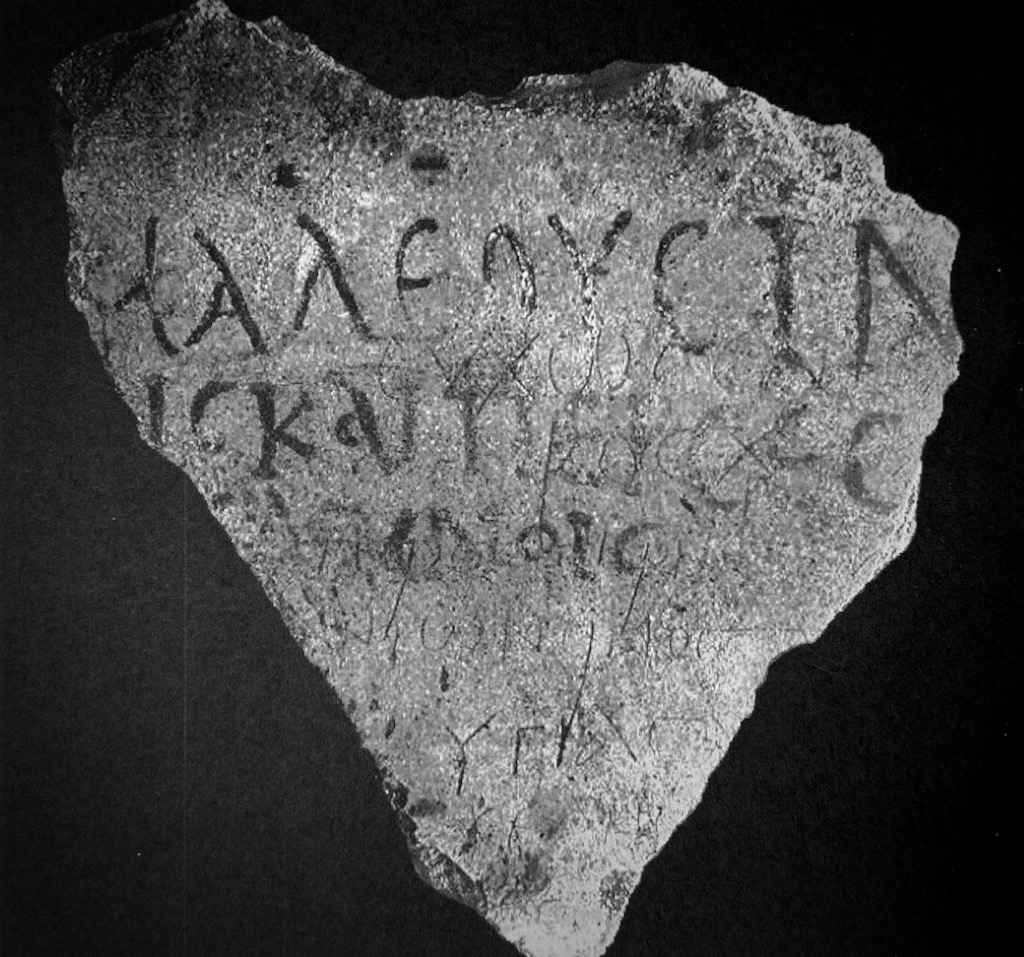
This short dipinto pays homage to the Lions and the Persians, the 4th and 5th Mithraic degrees.
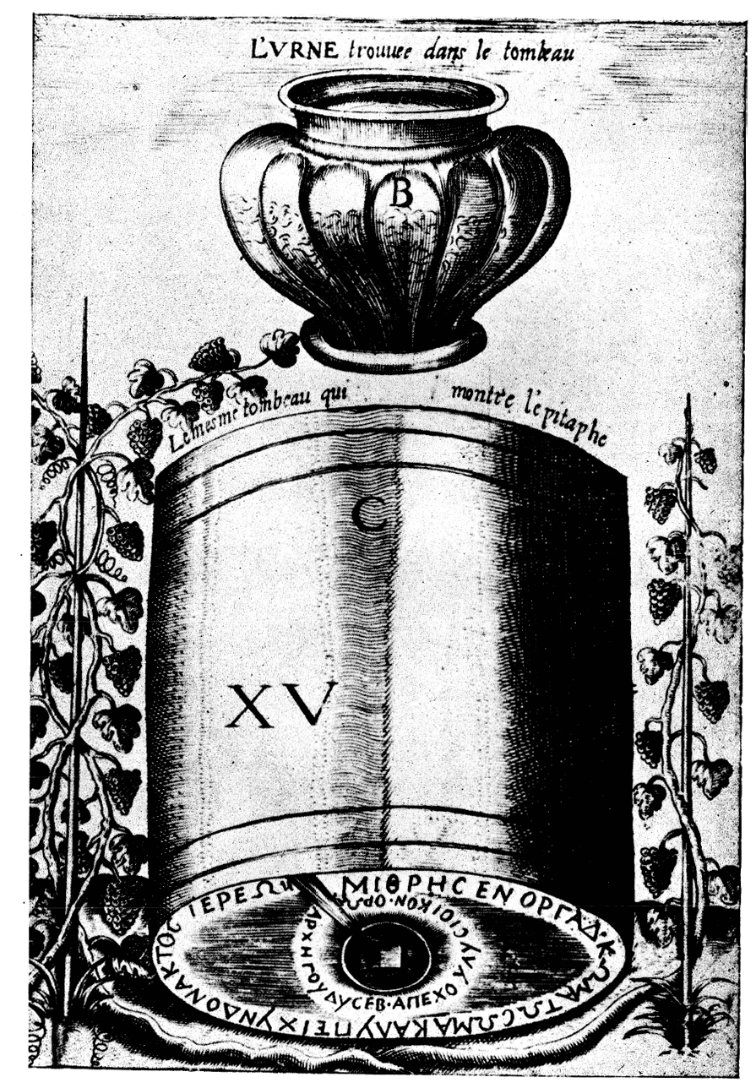
This funerary inscription, engraved on a stone urn discovered near Roman Dijon, mentions a certain Chyndonax, described as a priestly leader of Mithras.

This inscription by a certain Ioulianos, found at the entrance to the Dolichenum at Dura Europos, bears an inscription to Zeus Helios Mithras et Tourmasgade.
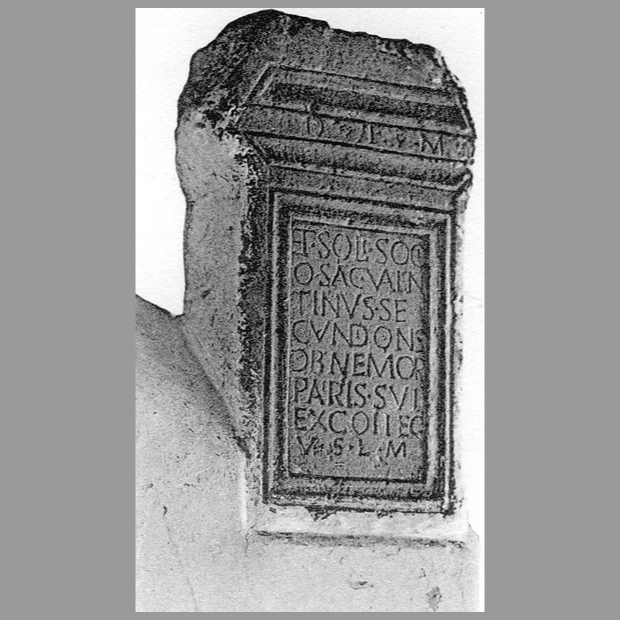
This monument, now lost, was discovered in the 16th century, probably on the site of Sublavio statio.
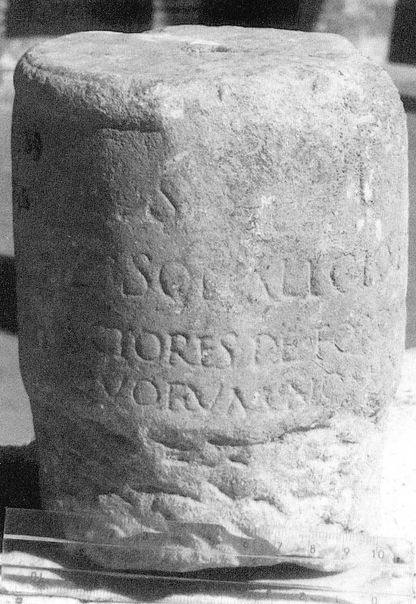
The inscription included the names of the brotherhood, which are now lost.
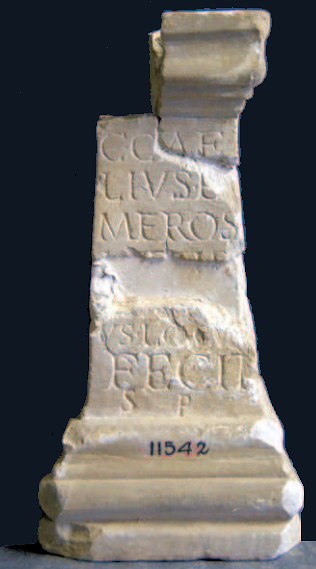
This small monument bears the inscriptions of a certain Caelius Ermeros, antistes at the Mithraeum of the Painted Walls.
