Your selection in monuments gave 226 results.
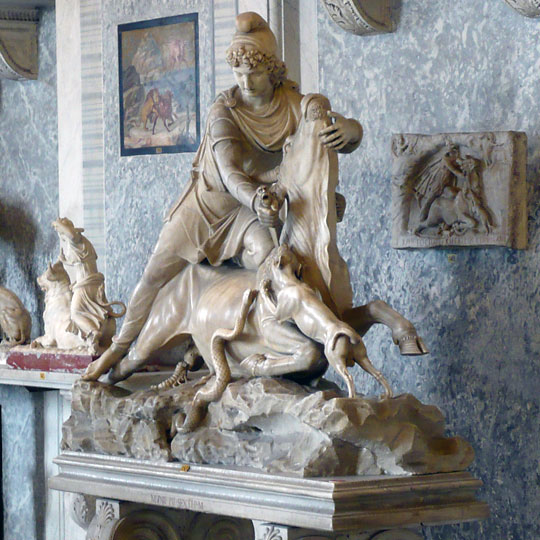
This Mithras killing the bull belonged to the sculptor V. Pancetti before being exhibited in the Vatican Museums under Pius VI.
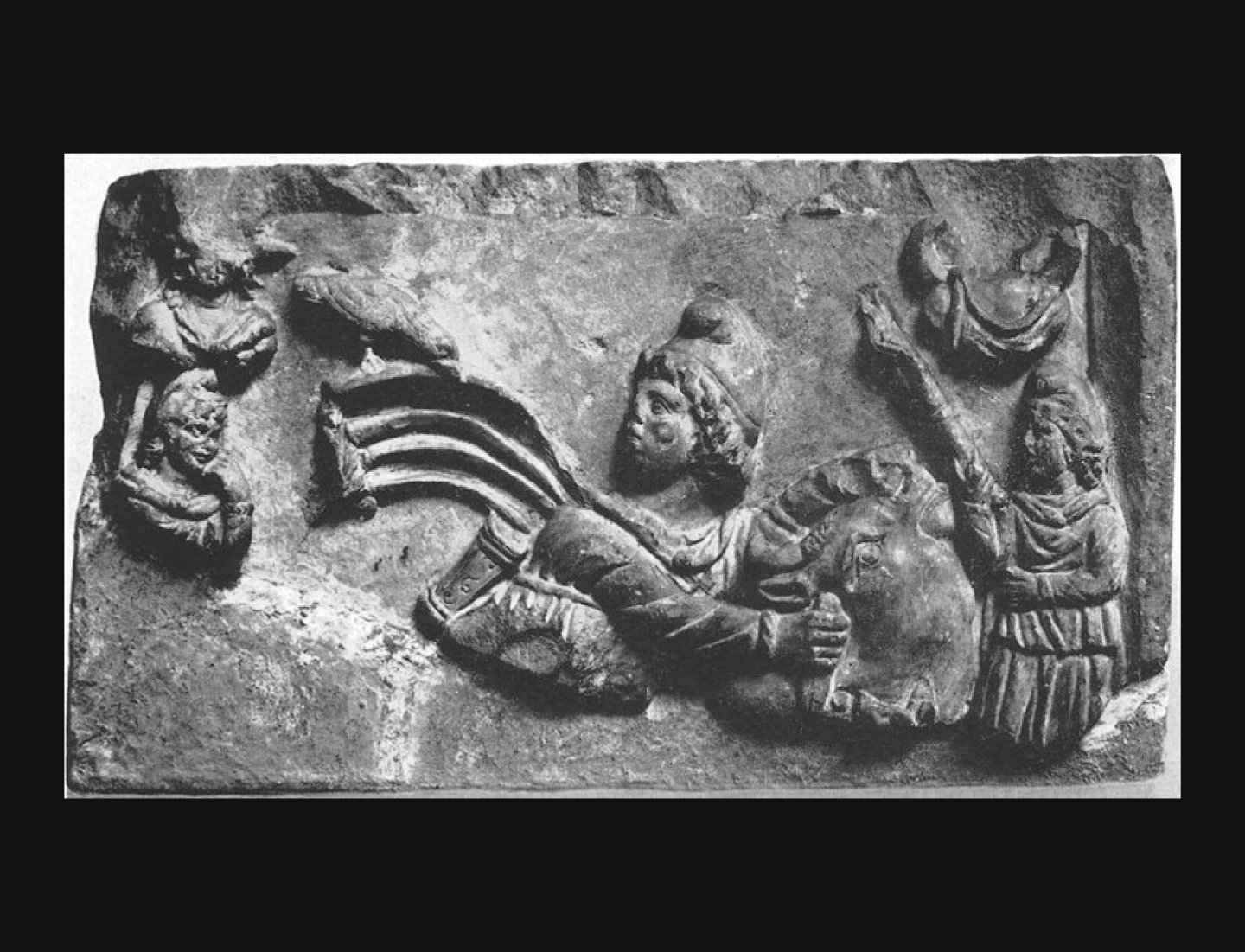
Franz Cumont bought this relief of Mithras as a bullkiller from a dealer who claimed to have found it in a vineyard near the church of Saint Pancrace, in Rome.
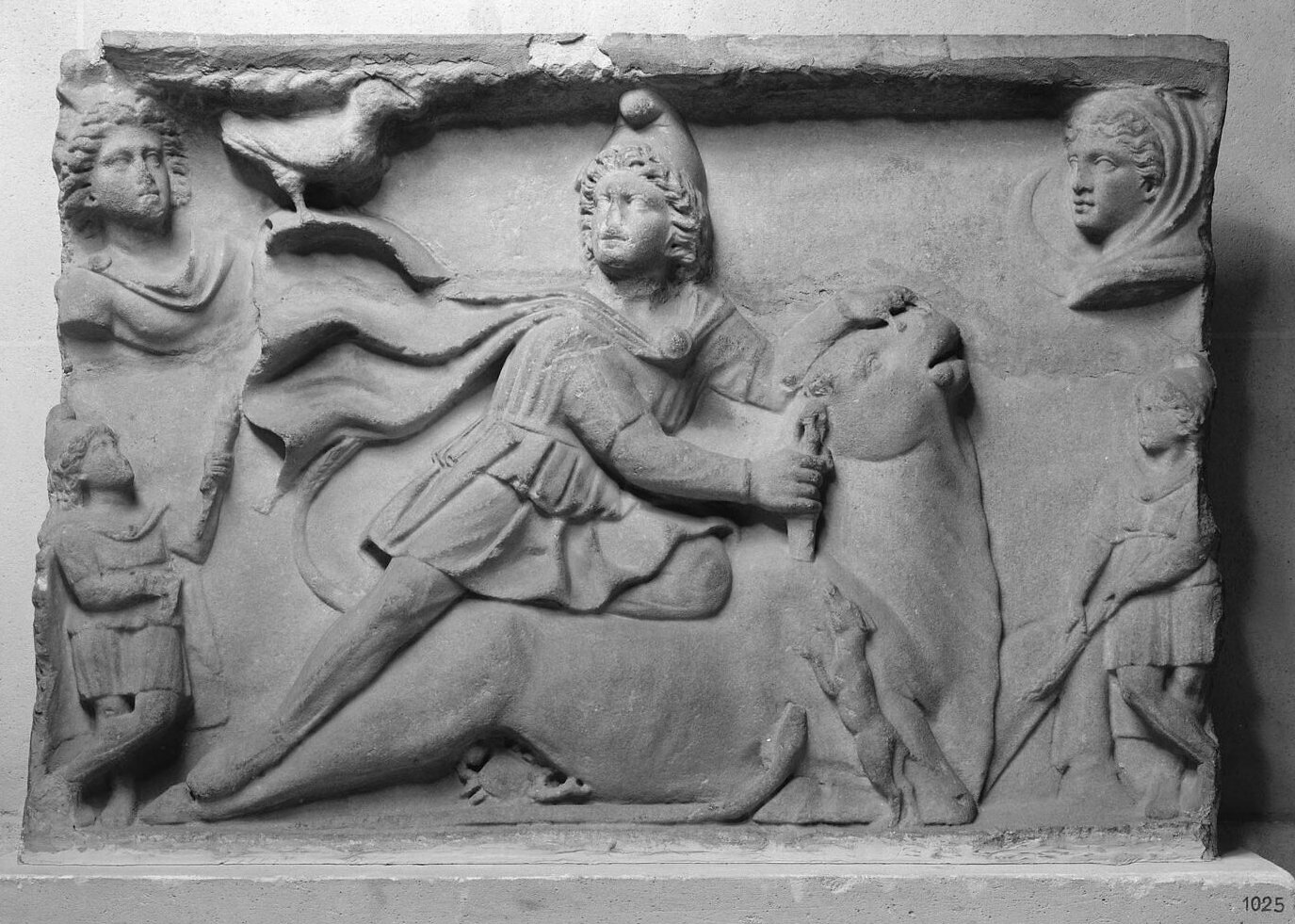
This is one of the three reliefs of Mithras as a bullkiller from the Villa Borghese collection that belong to the Louvre museum, now in the Louvre Abu Dhabi.
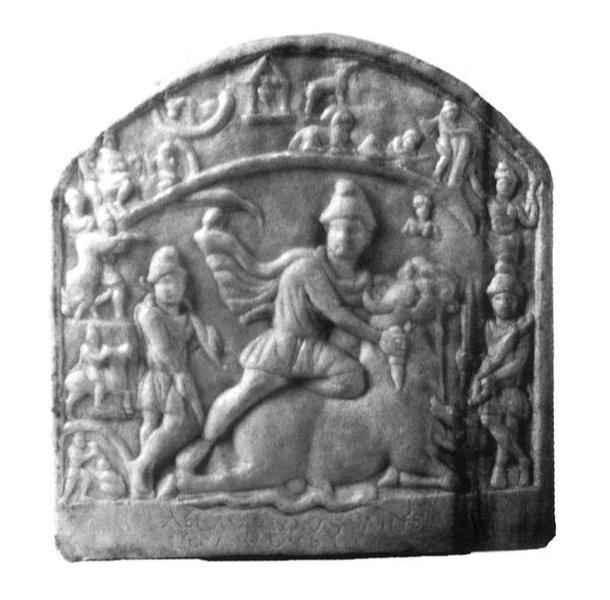
This small relief of Mithras killing the bull was found in 1859 in Turda, in the Cluj region of Romania.
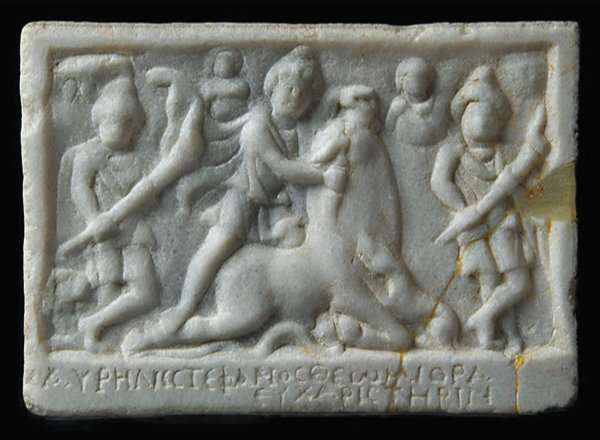
This relief of Mithras killing the bull is unique in the Apulum Mithraic repertoire because of its inscription in Greek.
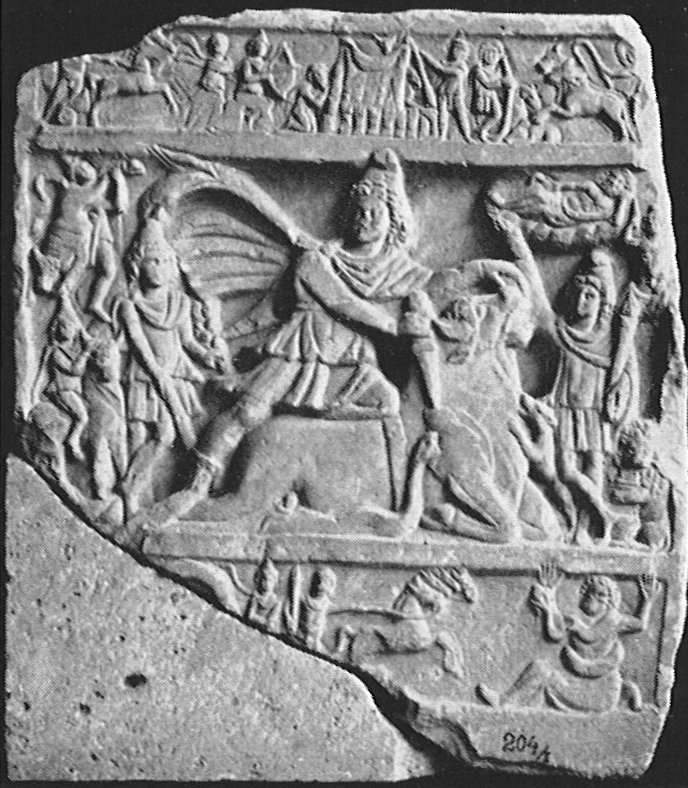
This relief of Mithras killing the bull from Apulum, now Alba Iulia, Romania, contains several scenes from the Mithras legend.
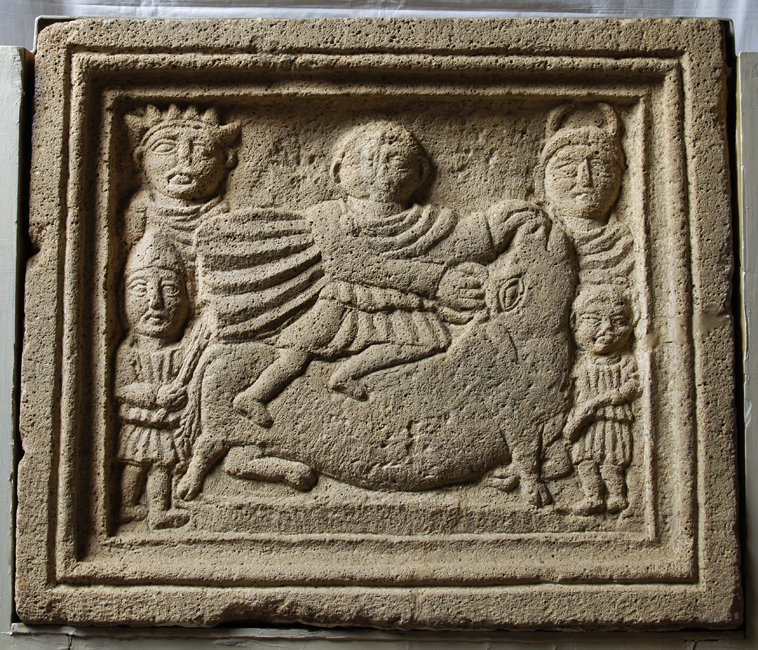
Several elements, such as the snake, scorpion or dog, are missing from this tauroctony relief of Cluj.
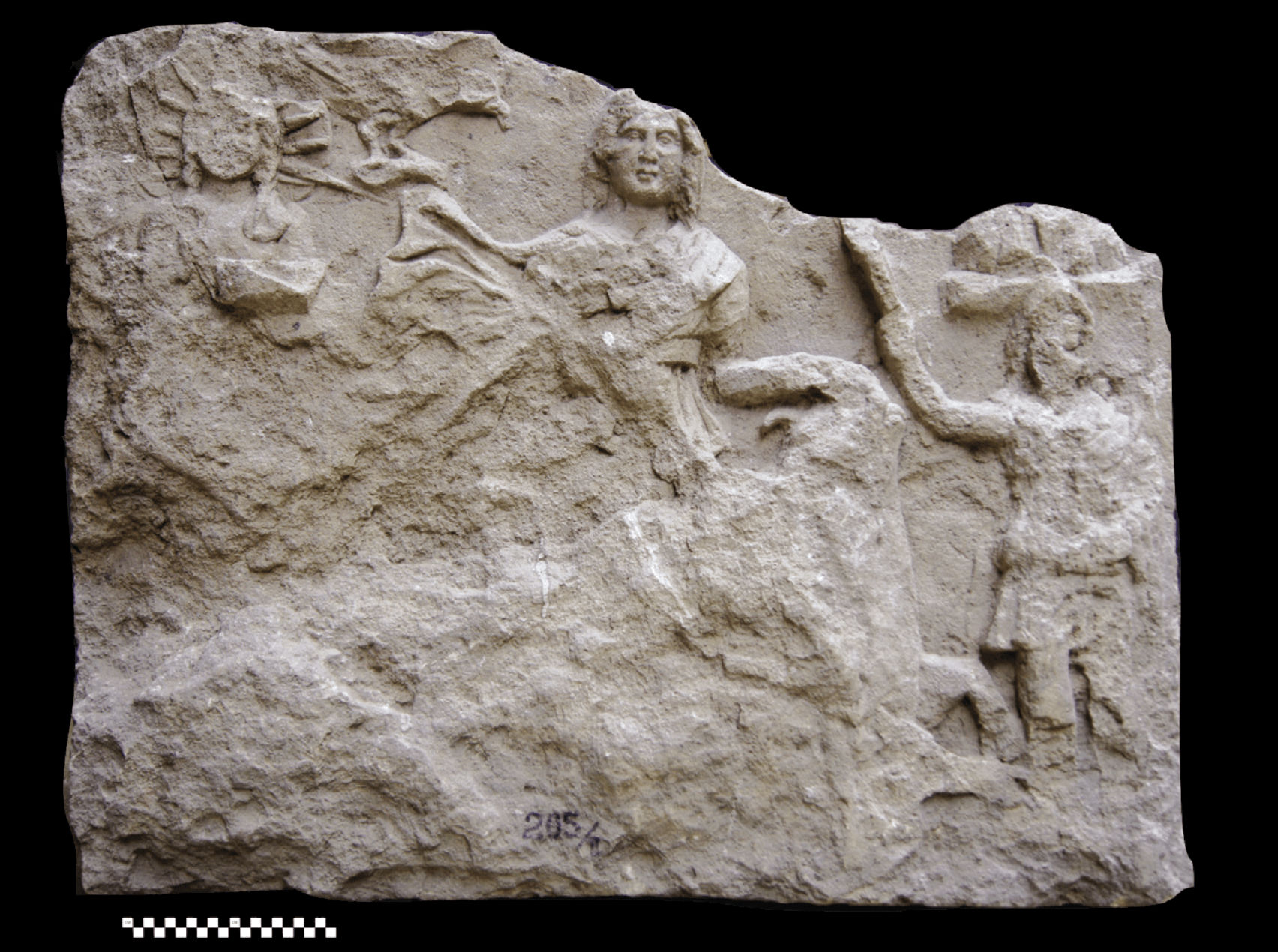
The relief of Mithra slaying the bull from Apulum, Romania, has been missing until the scholar Csaba Szabó identified it in the diposit of the Arad Museum.
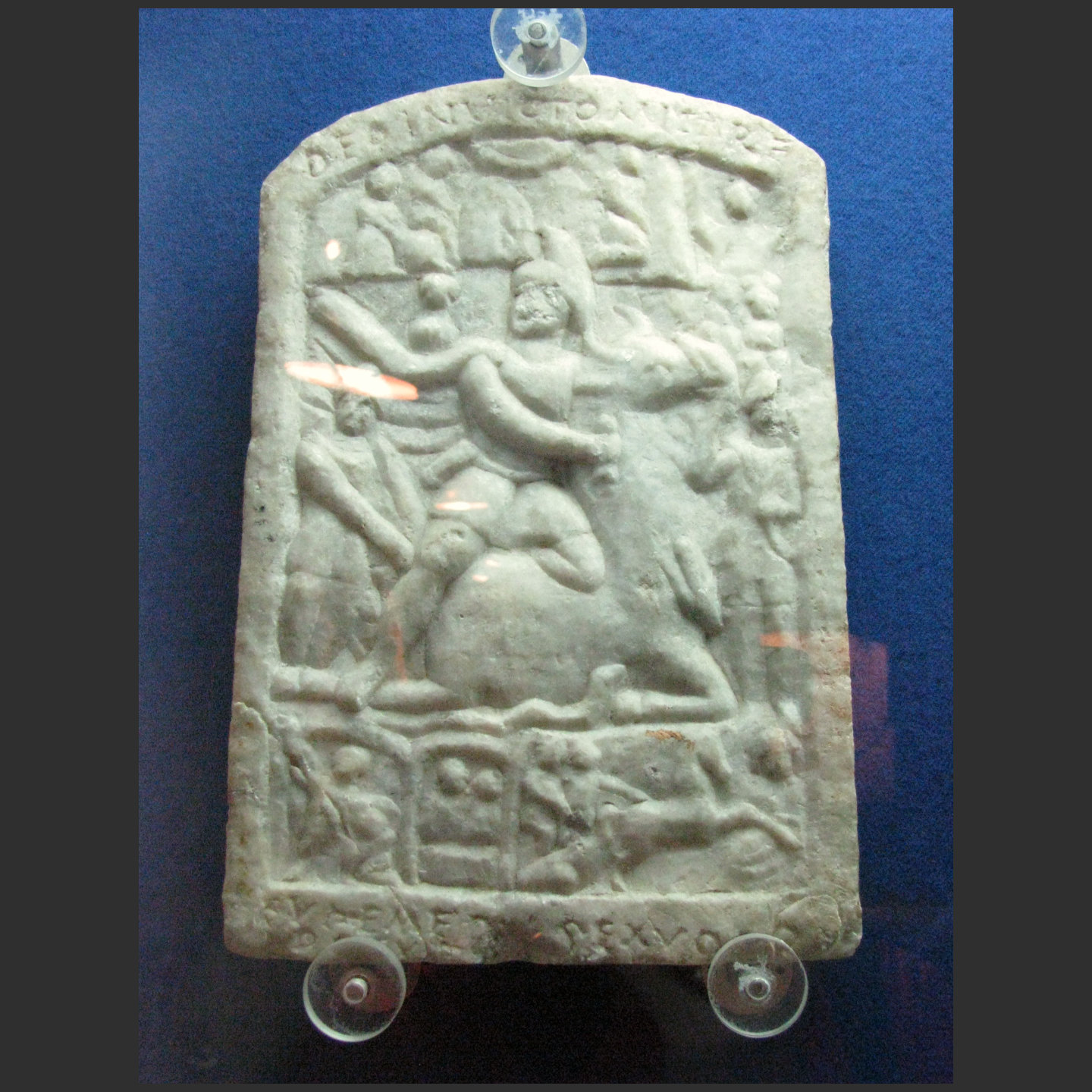
Several authors read the name Suaemedus instead of Euhemerus as the author of this mithraic relief from Alba Iulia, Romania.
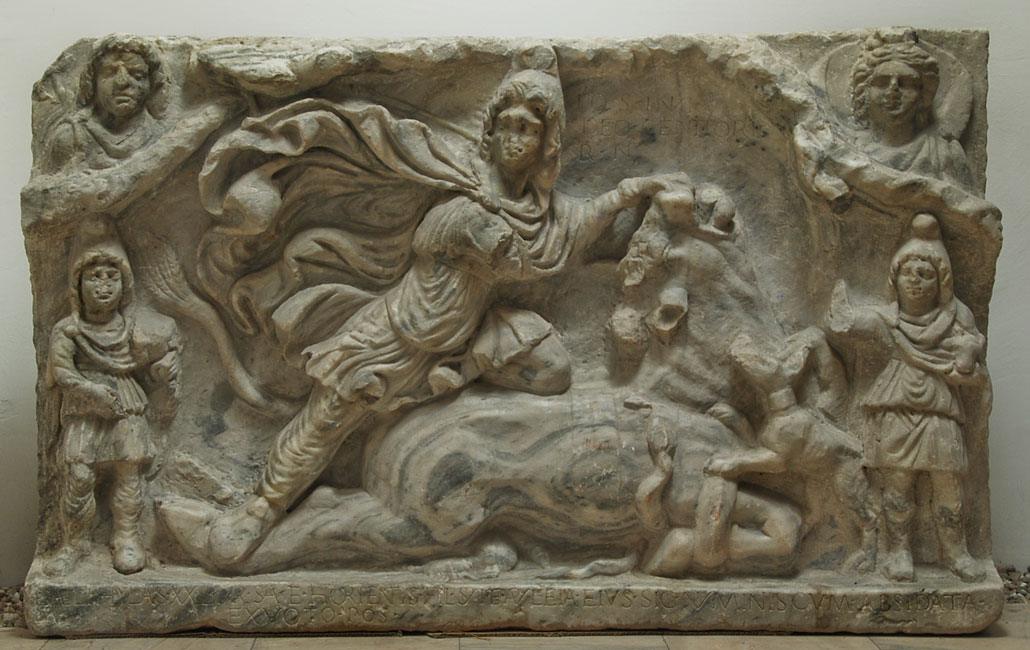
This monument bears an inscription by a certain Lucius Aelius Hylas, in which he associates Sol Invictus with Jupiter.
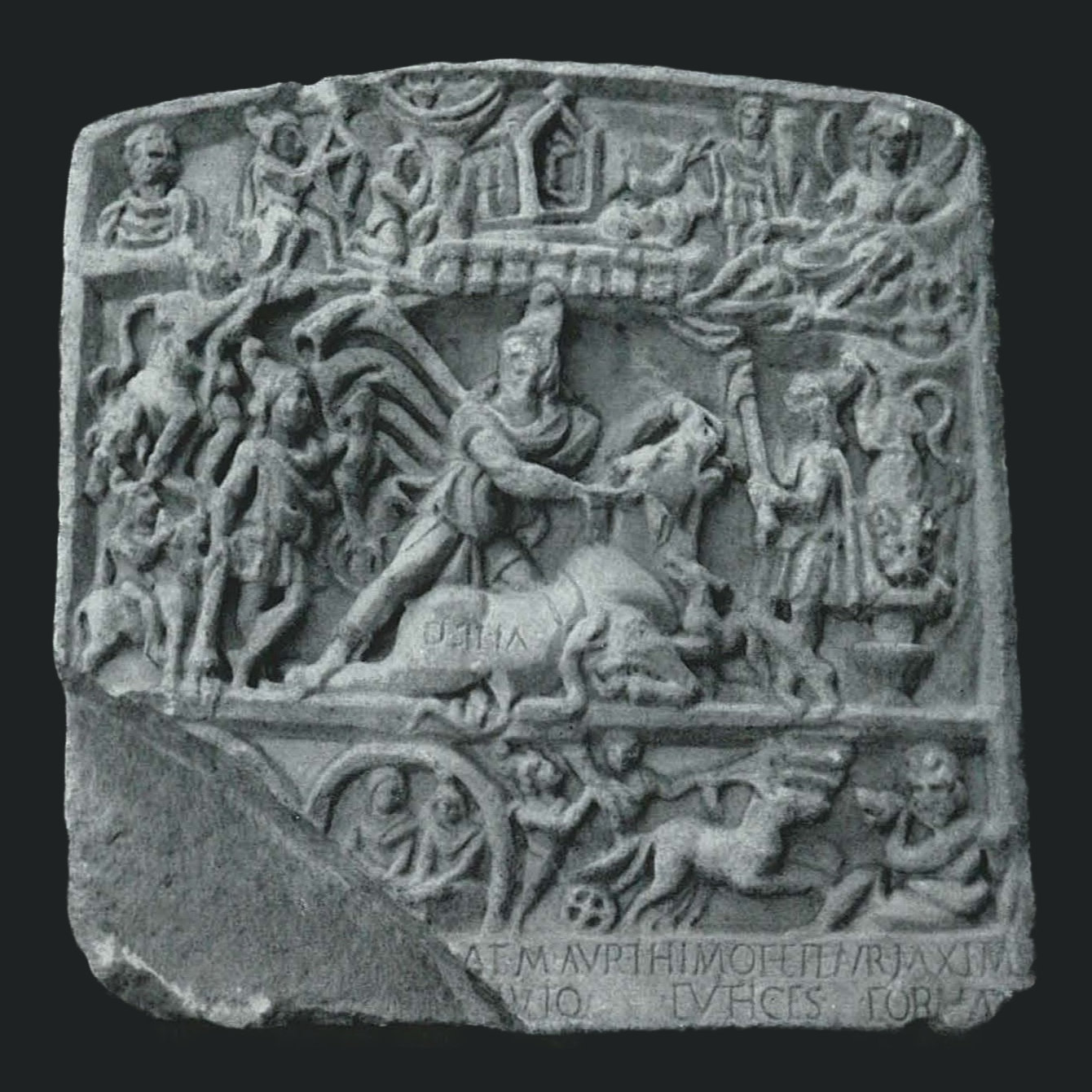
This marble relief of Mithras killing the bull was made by a freedman who dedicated it to his old masters.
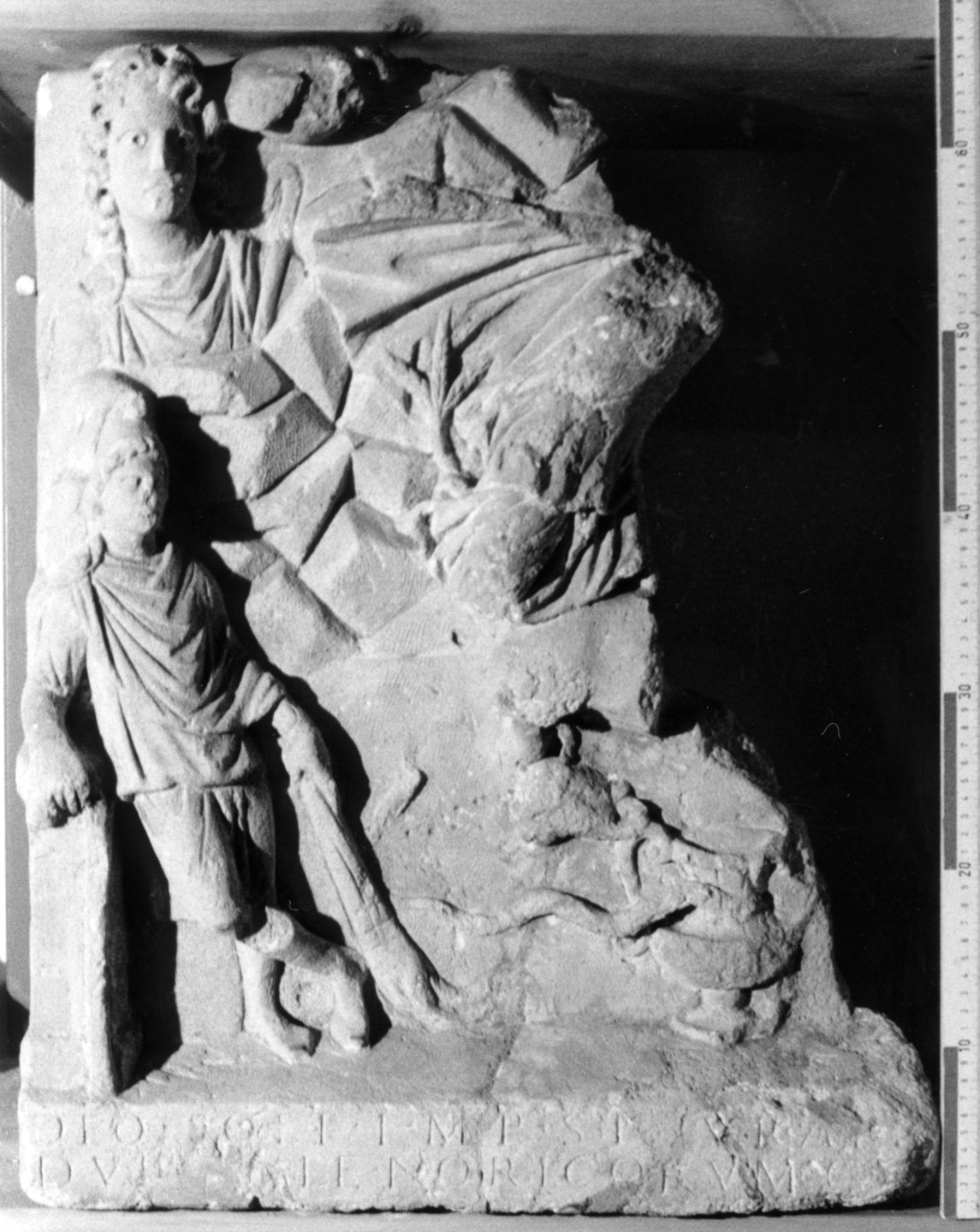
This second tauroctony, found in the Mithraeum of Dormagen, was consecrated by a man of Thracian origin.
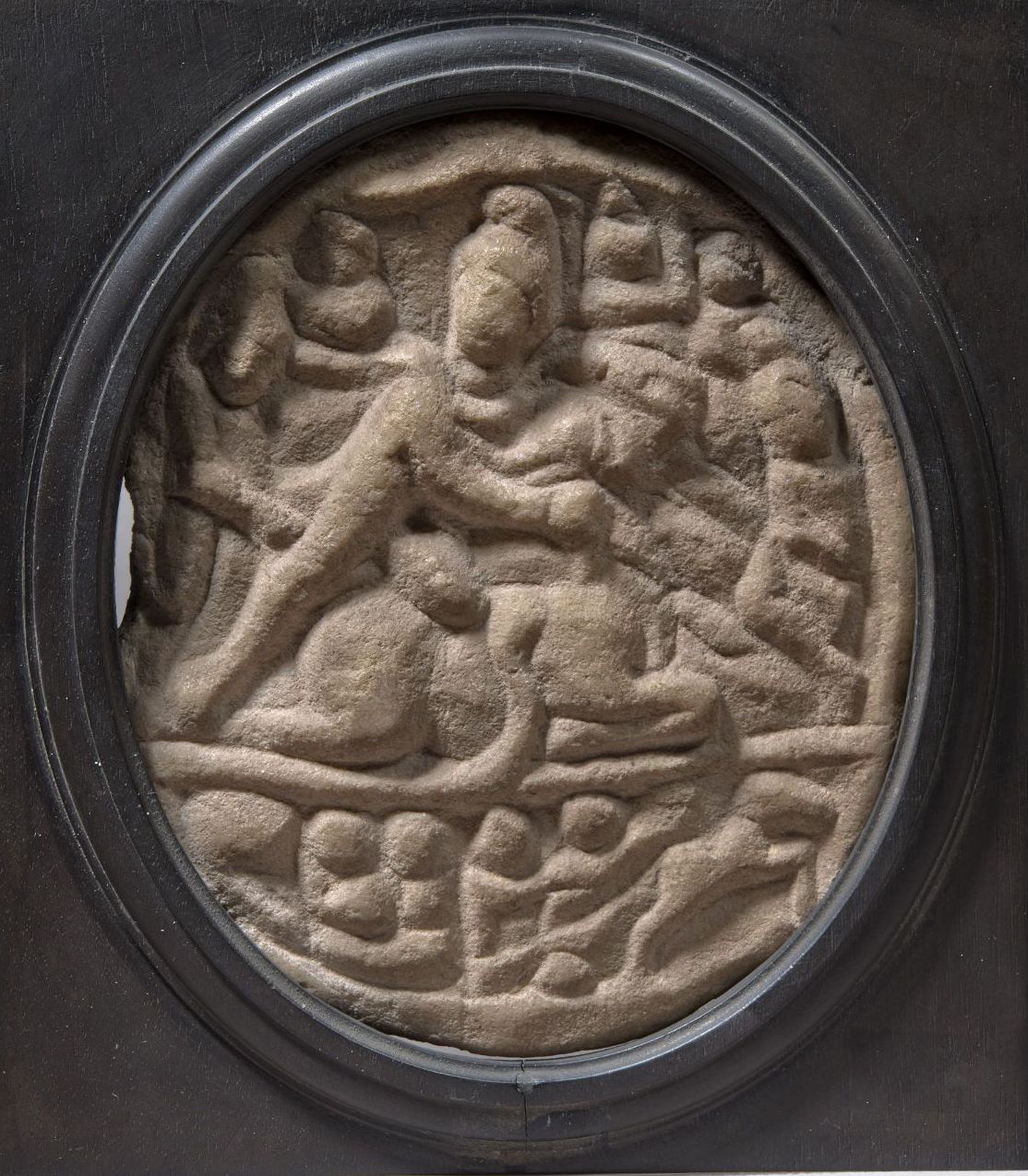
This medallion belongs to a specific category of rounded pieces found in other provinces of the Roman world.
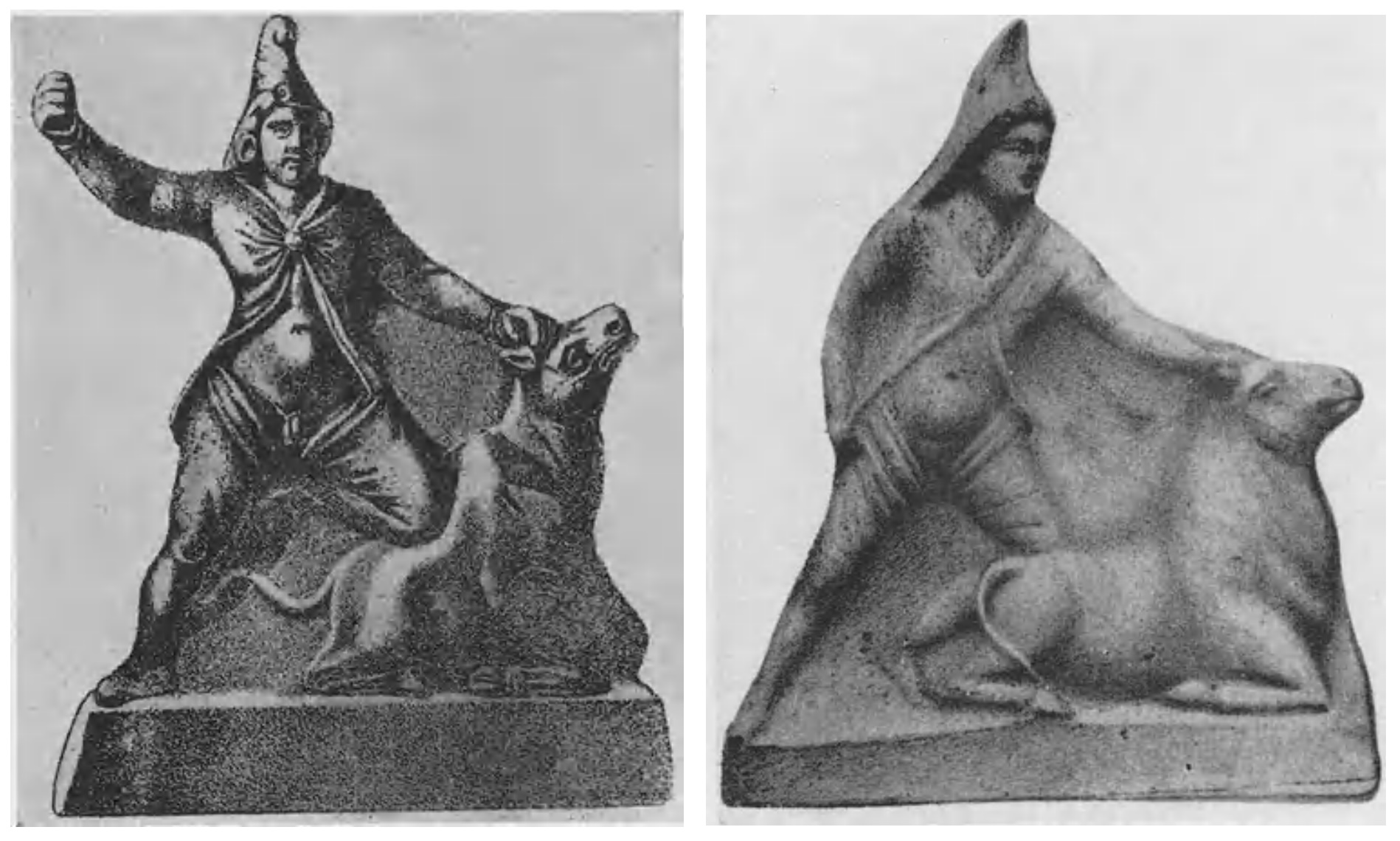
Terracotta tablets depicting a Taurombolium by Attis which might be at the origins of the mithraic Tauroctony iconography.
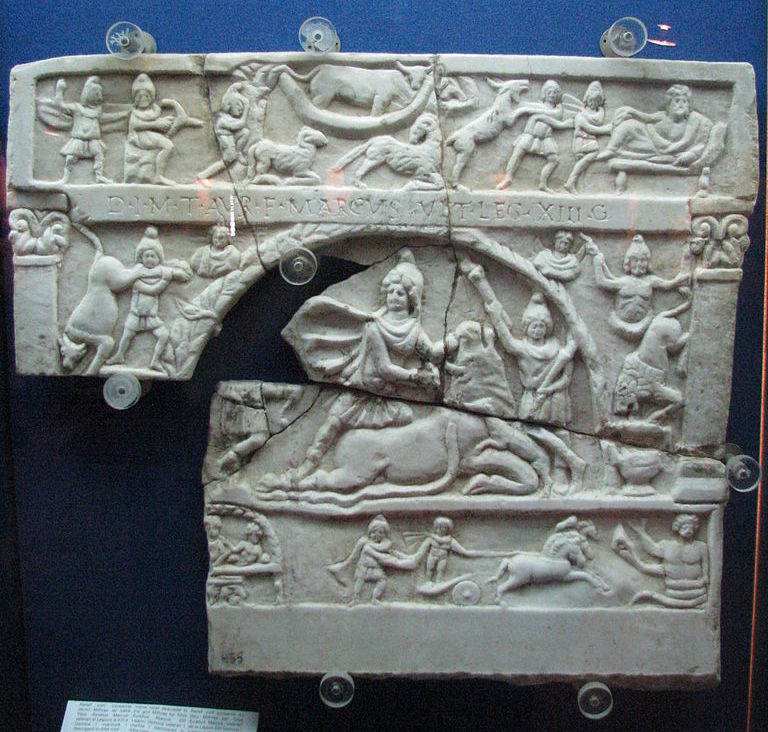
This marble relief from Alba Iulia contains numerous scenes from the myth of Mithras.
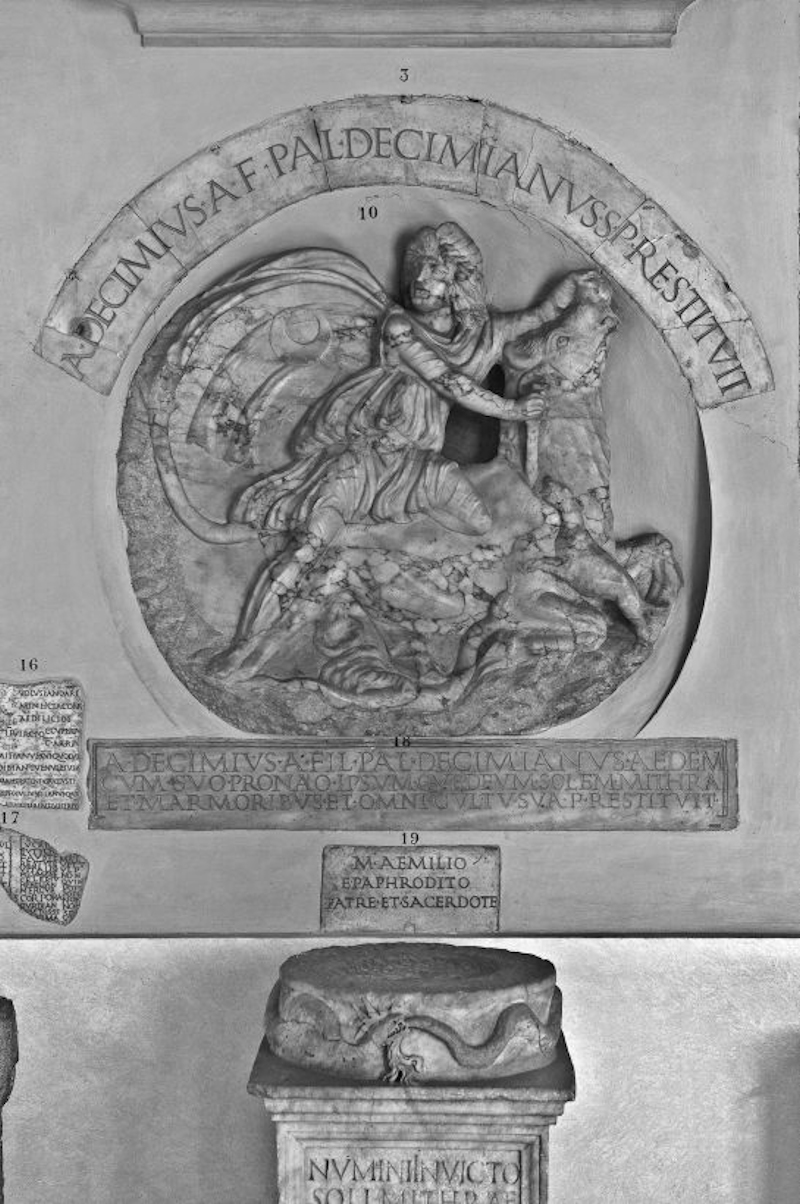
The relief of Mithras slaying the bull from the Mithraeum of the Seven Spheres was discovered in 1802 by Petirini by order of Pope Pius VII.
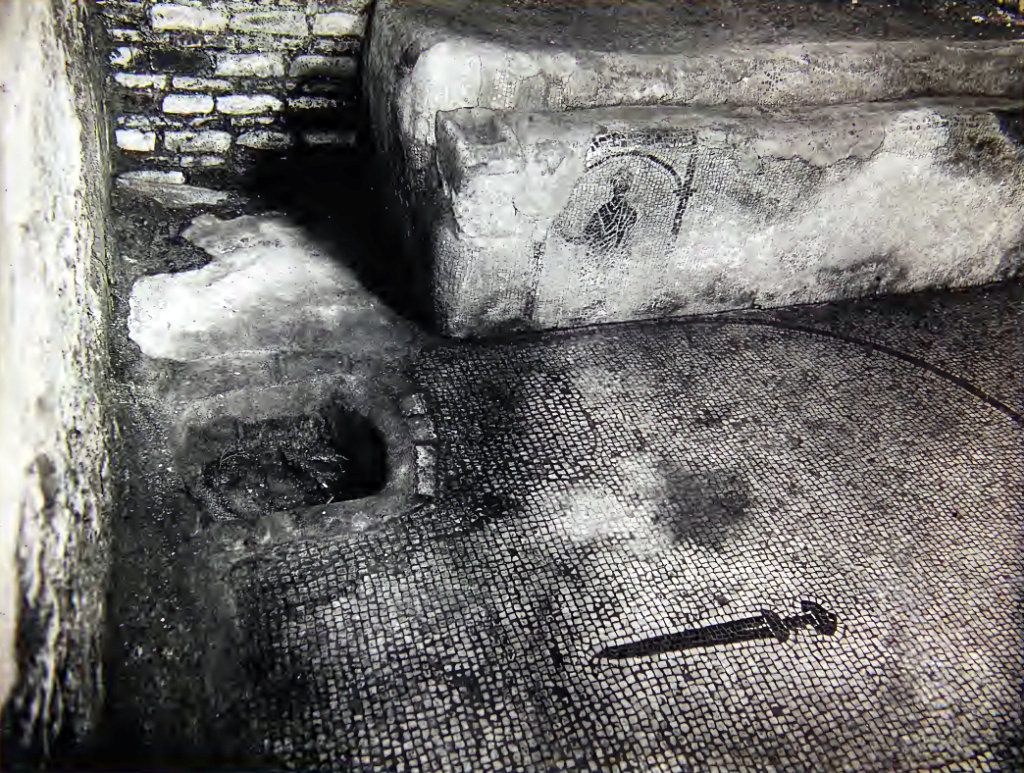
The floor mosaic of the Mithraeum of the Seven Spheres, which gives its name to the temple, depicts a dagger.

Only a fragment of this marble group of Mithras killing the bull remains.
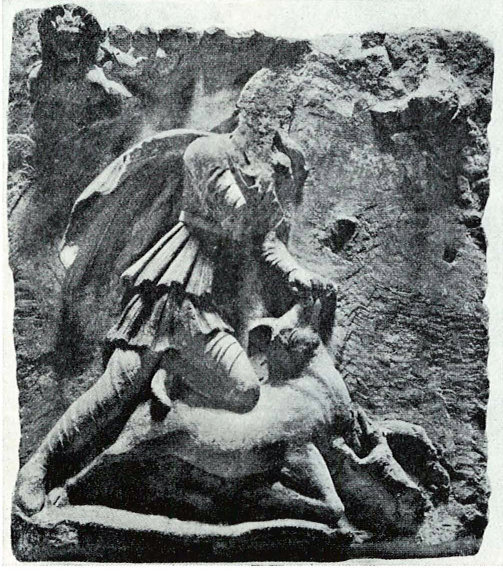
Discovered in Memphis, Egypt, a second relief depicting Mithras killing the bull.
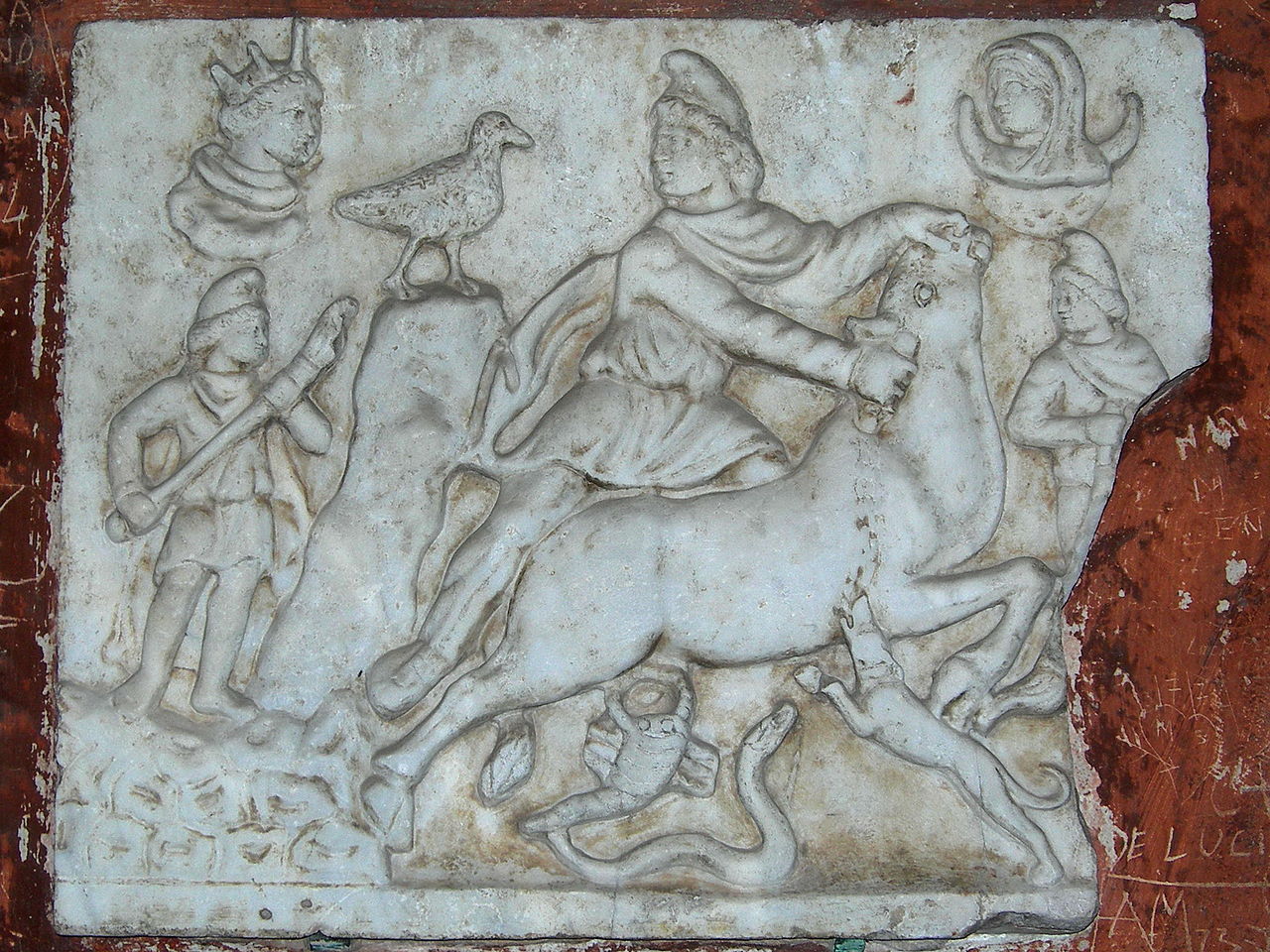
This white marble relief of Mithas killing the sacred bull was found embedded in the building of a noble family in Pisa.
