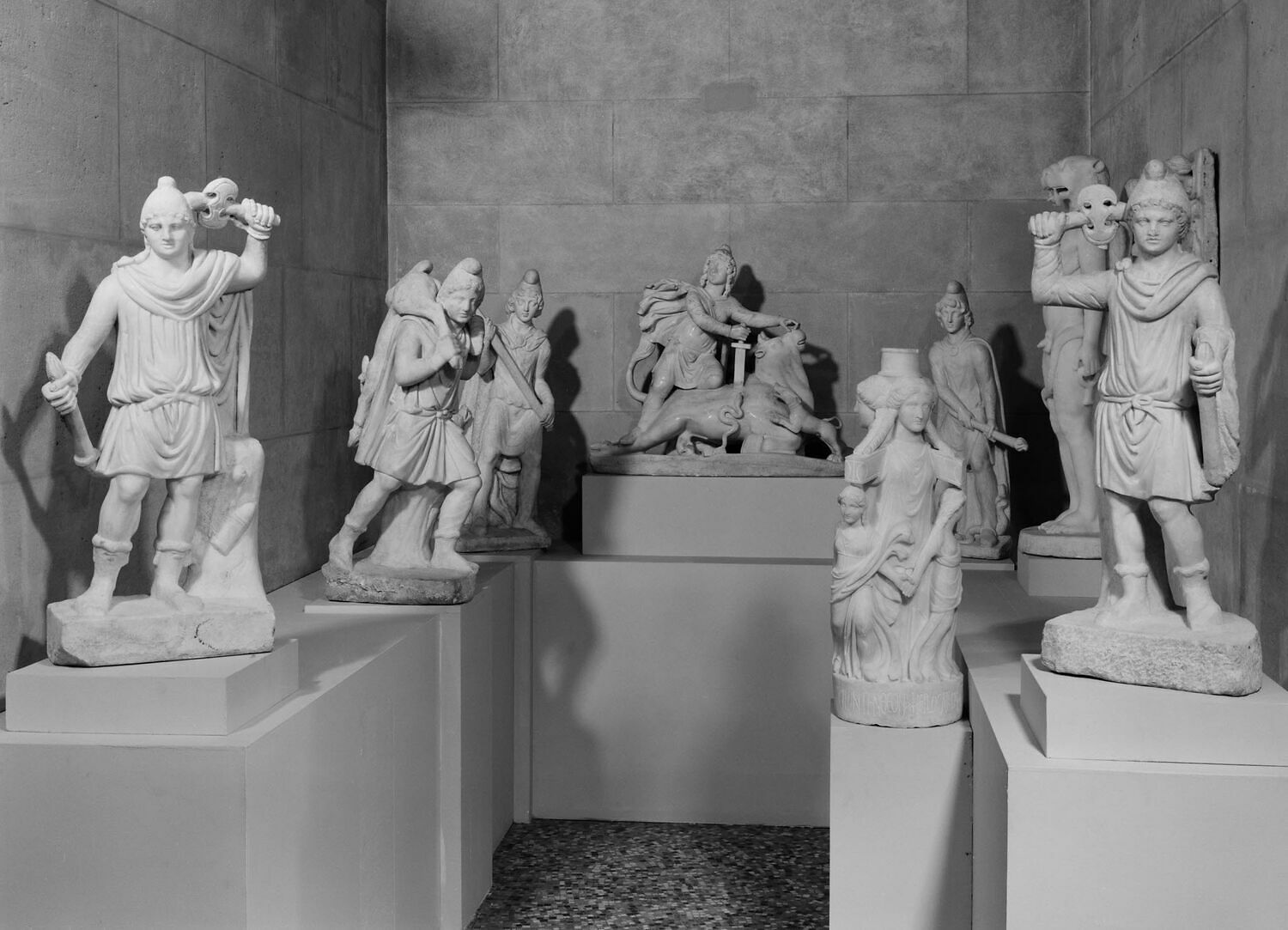
Thank you for this article. It expands the discussion of the origins of the religion. Catholic literature puts the start to the mid first century CE. Here is pushes it back to around 200 to 300 BC. Will be interested to read more research.
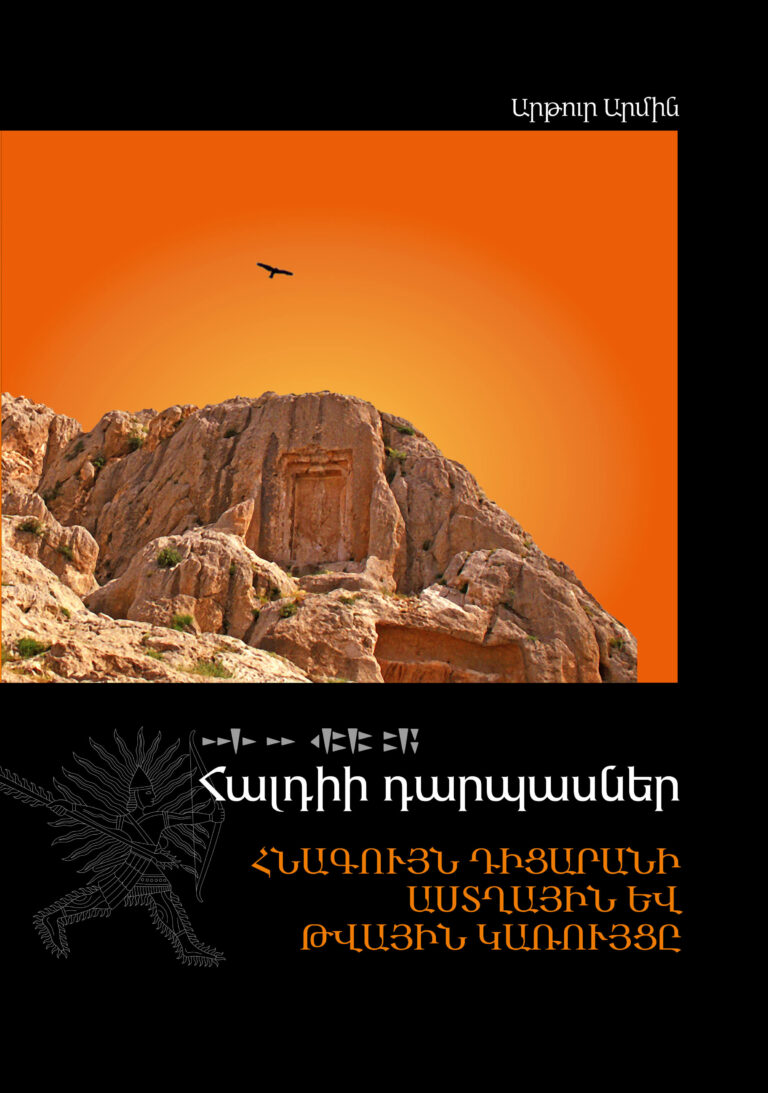
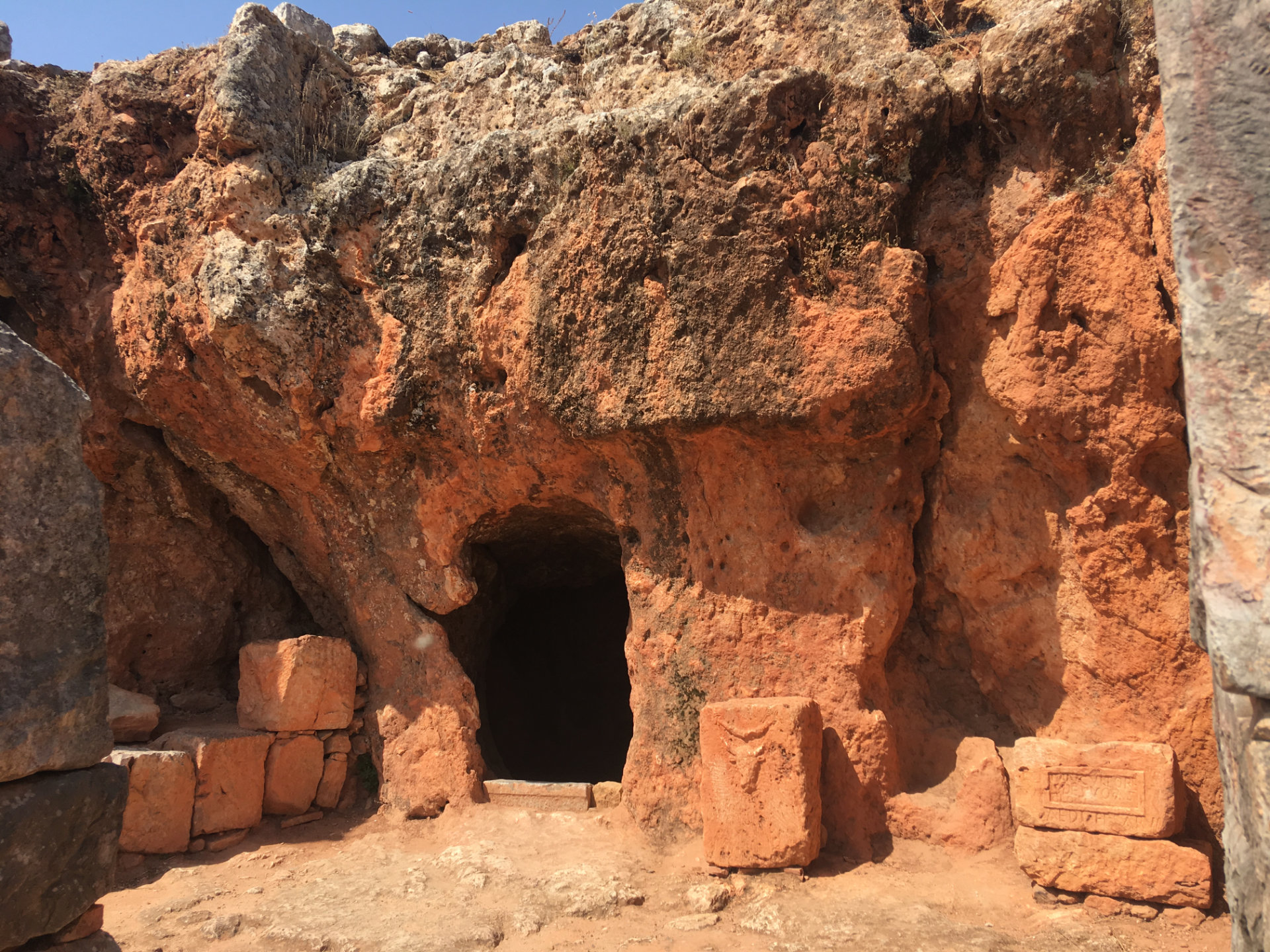
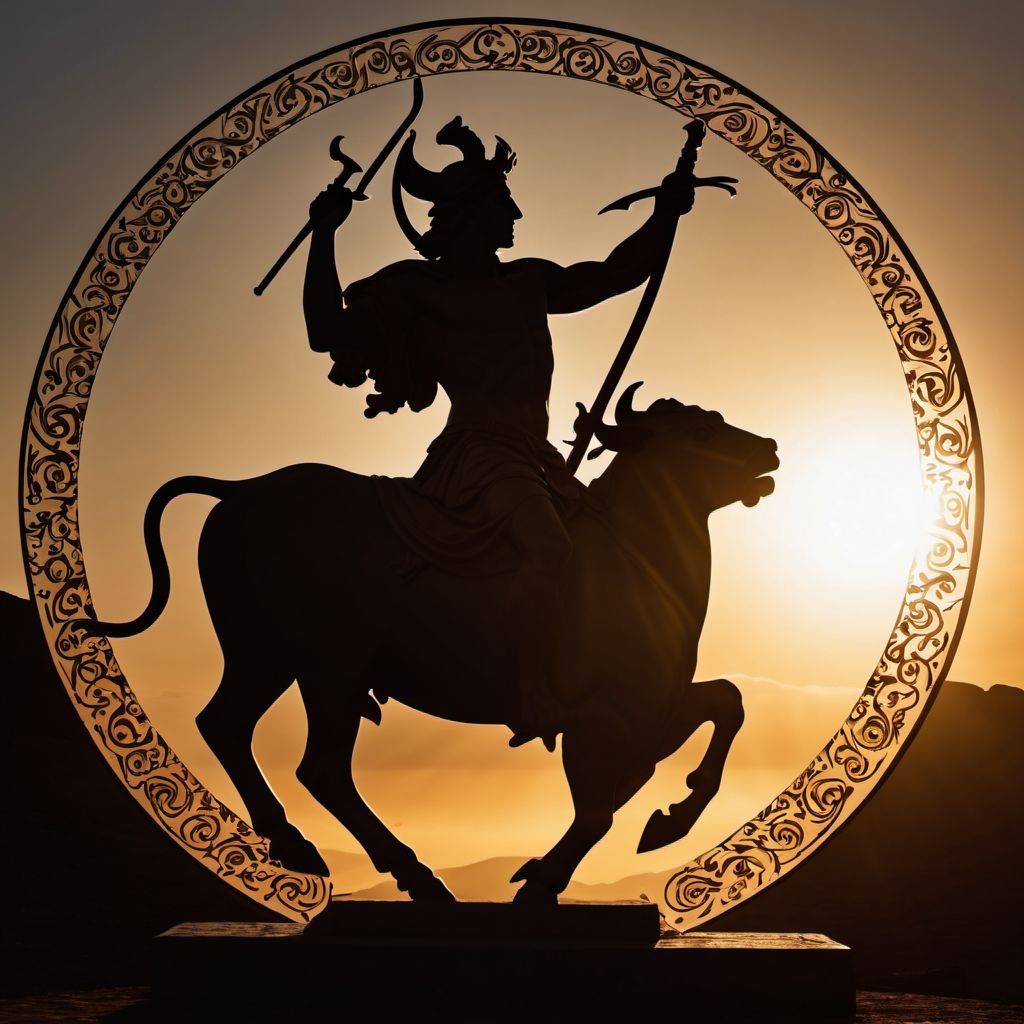
Building on Diakonoff’s idea of the Urartian-Armenian roots of Mithraism, the article traces how the Urartian god Haldi came to be identified with Mithra/Mher. The Armenians called the “gate of Haldi” the Door of Mher, and the article treats it as a symbol of rebirth. Mher and Haldi share with Mithras the motifs of resurrection and caves, and these find parallels in Caucasian folklore and Urartian beliefs.
Continuing the 2008 book Mher’s Door: The Ancient Numerical System as the Structure of the Universe, this study examines the pantheon of the Kingdom of Van through the “Mher’s Door” inscription, uncovering the mathematical, geometric, and astronomical patterns behind its deities, their constellations, and their prescribed sacrifices. It also explores the origins of Mithraism and pre-precessional knowledge, the link between the Urartian pantheon and MUL.APIN, the Urartian “draconic calendar” (Octon, Saros), and reads the epic Sasna Tsrer in the light of the Urartian pantheon and Mithraism.
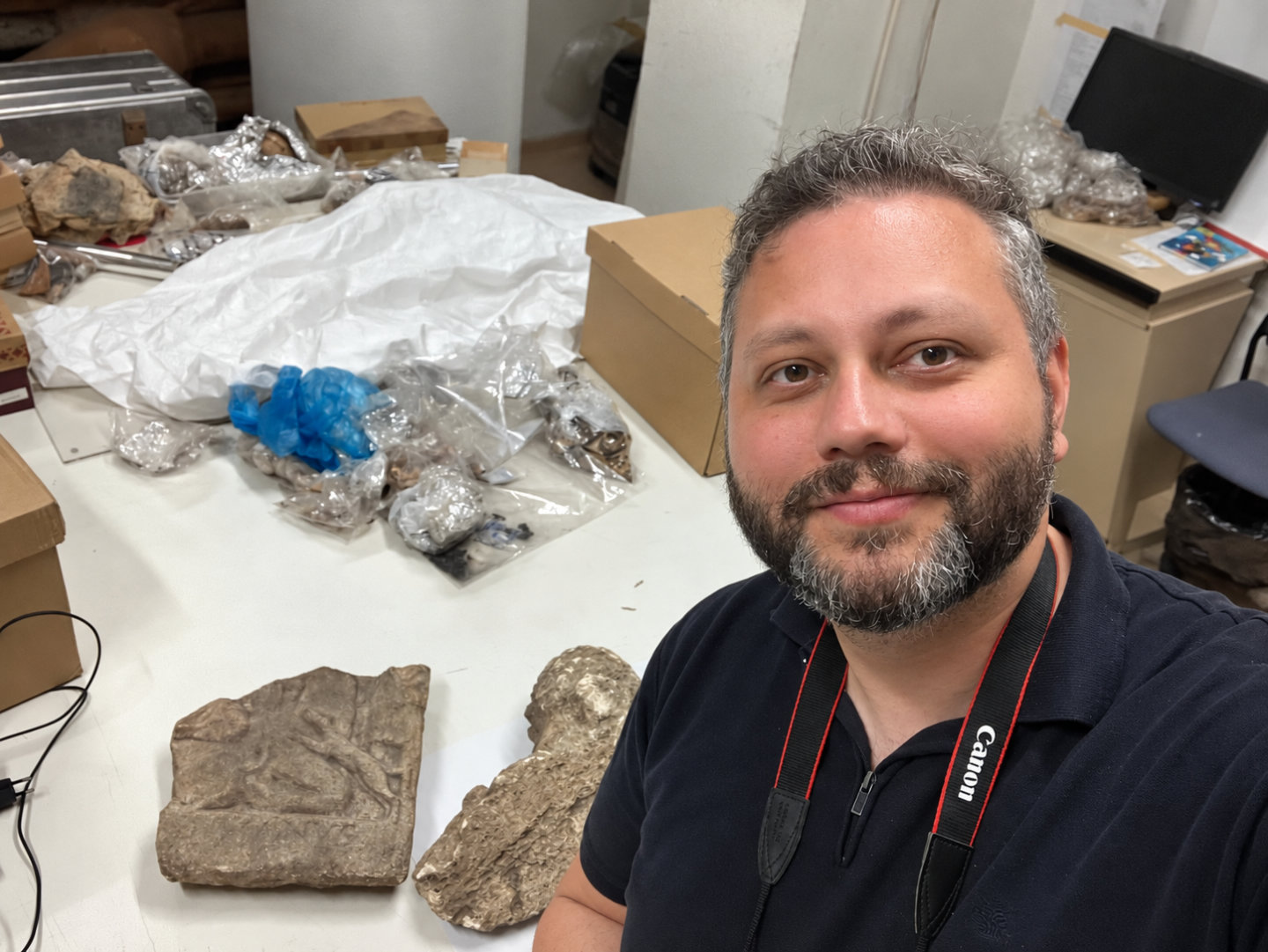
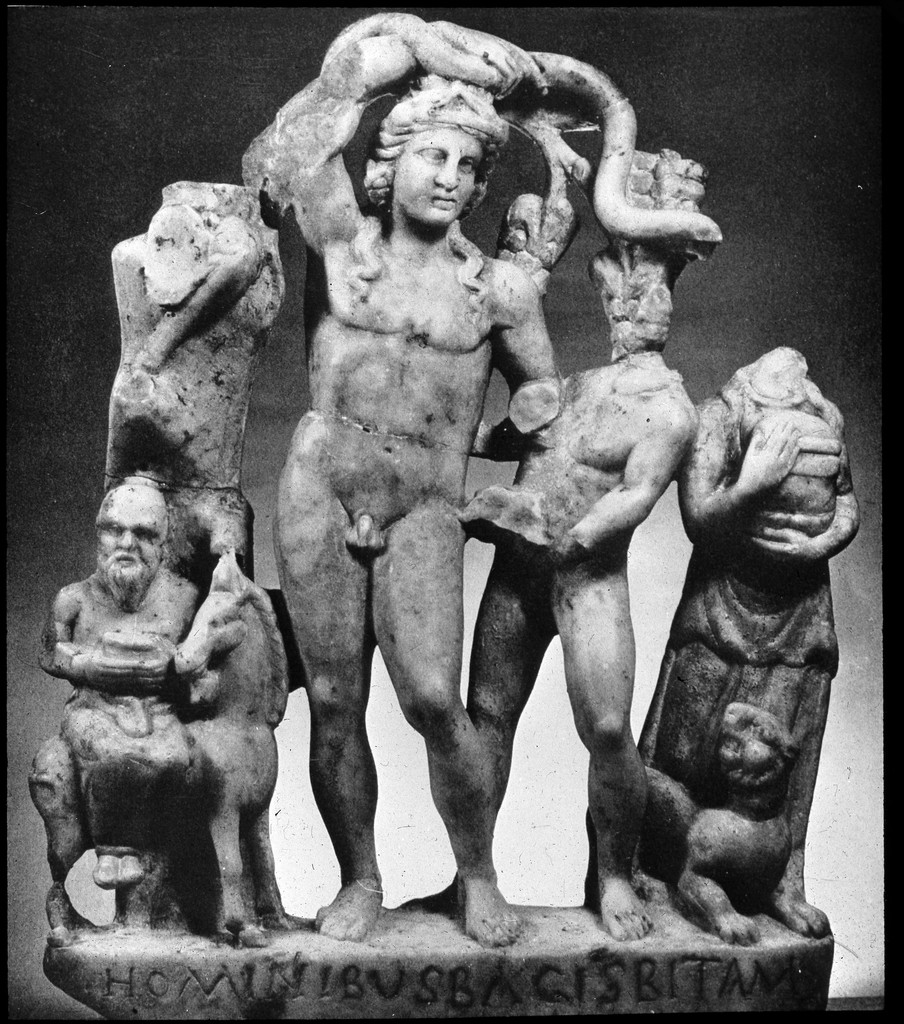
I found a Mithras statue head that looks exactly like me, exact same broken nose and I’ve dug into and there are some parables between us I would really like to know more or join a community in this religion, can anyone help?
I found a Mithras statue head that looks exactly like me, exact same broken nose and I’ve dug into and there are some parables between us I would really like to know more or join a community in this religion, can anyone help?
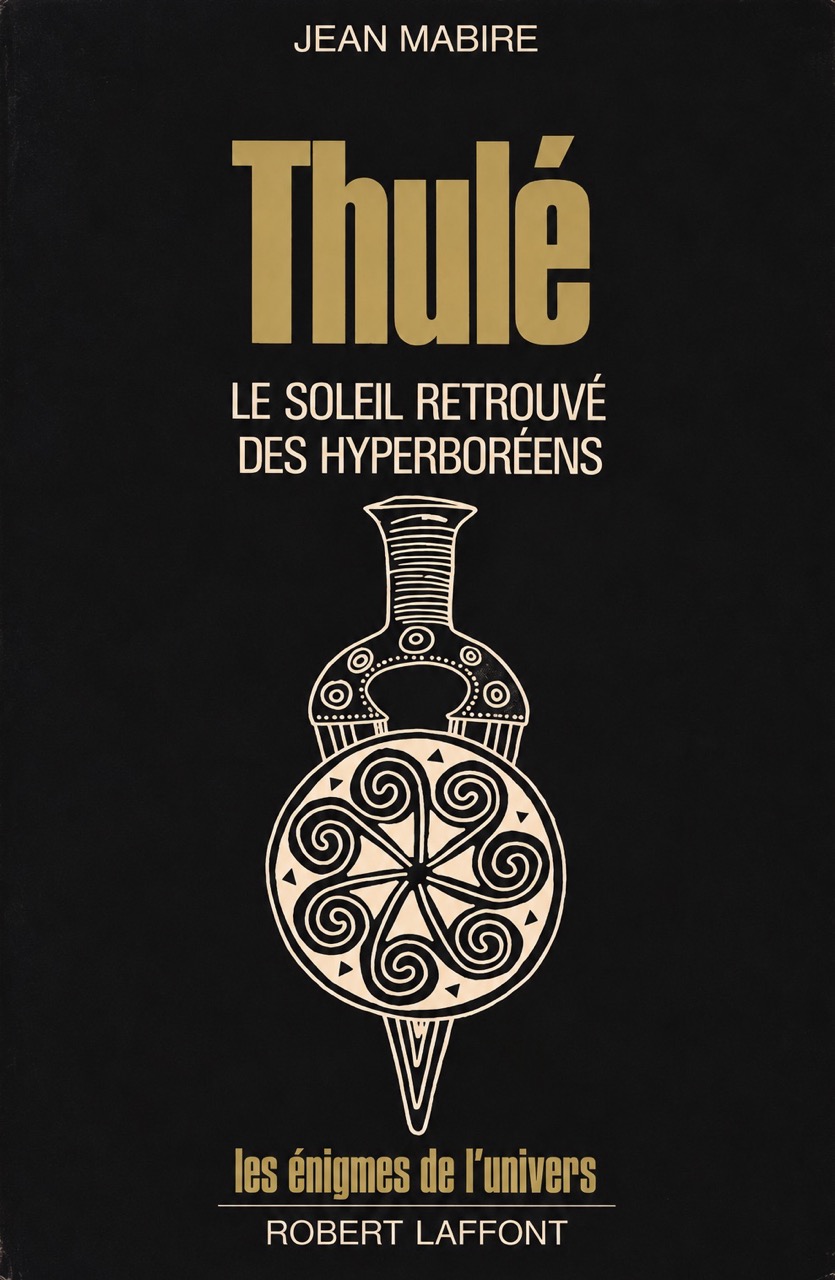
Jean Mabire’s exploration of the mythical land of Thule, tracing Hyperborean traditions, solar symbolism and their reinterpretation in modern European paganism.
Found this rather revealing interview with a certain “Corax” in Antaios. Quite an odd mix of Mithras, Neoplatonism and European identity stuff. Not sure what to make of it all, but well, Mithras does seem to attract some interesting characters. Corax, if you read this, show yourself!
Originally published in Antaios, this interview explores a contemporary form of Mithraism combining solar worship, Neoplatonism and European identitarian thought.