Your selection in monuments gave 428 results.

"The remaining figure on this monument, Herakles, was previously misidentified as Apollo on this remarkable black basalt tablet from Samsat, known in Roman times as Samosata.
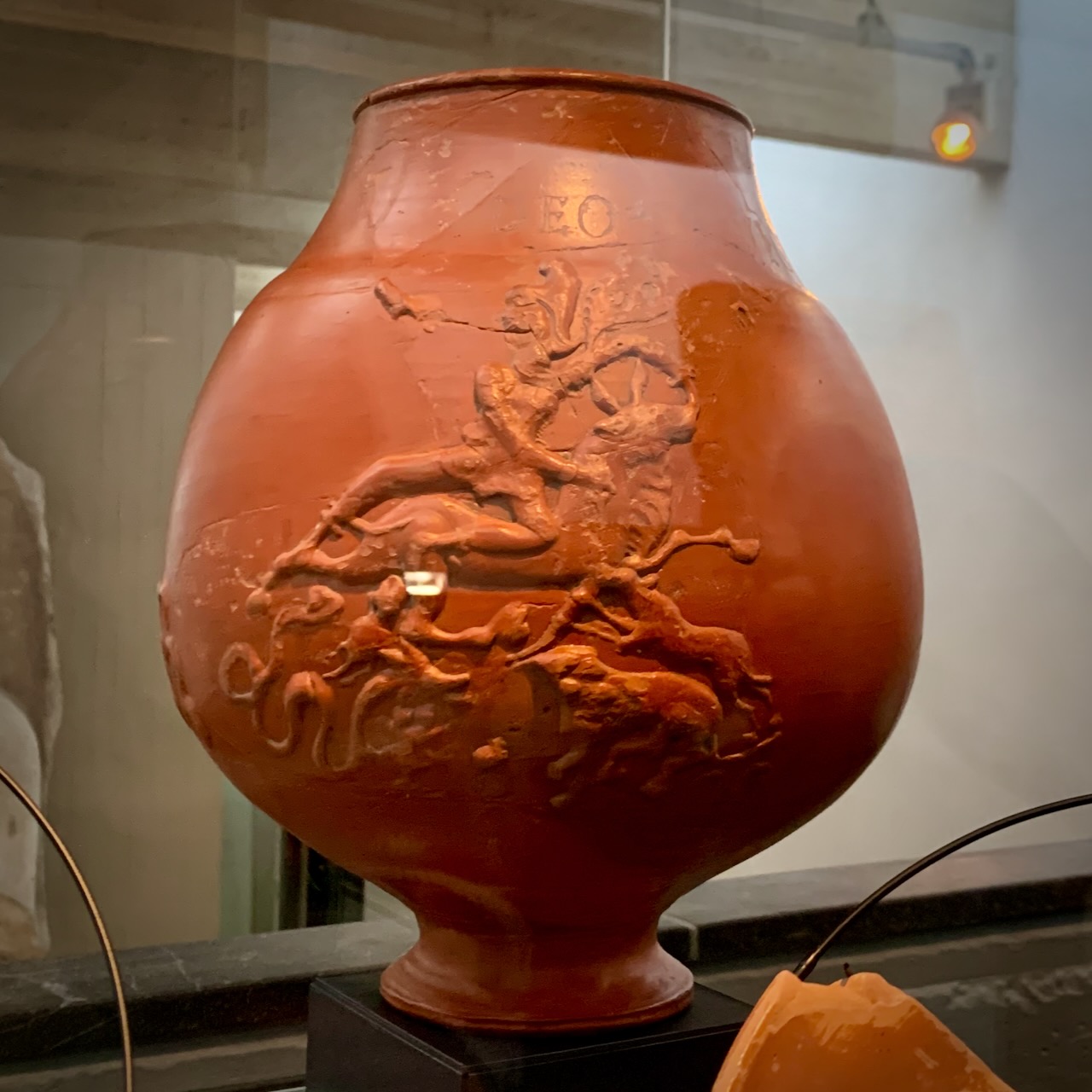
The Mühltal Mithraic crater was discovered among the artefacts of a mithraeum found in Pfaffenhoffen am Inn, Bavaria.
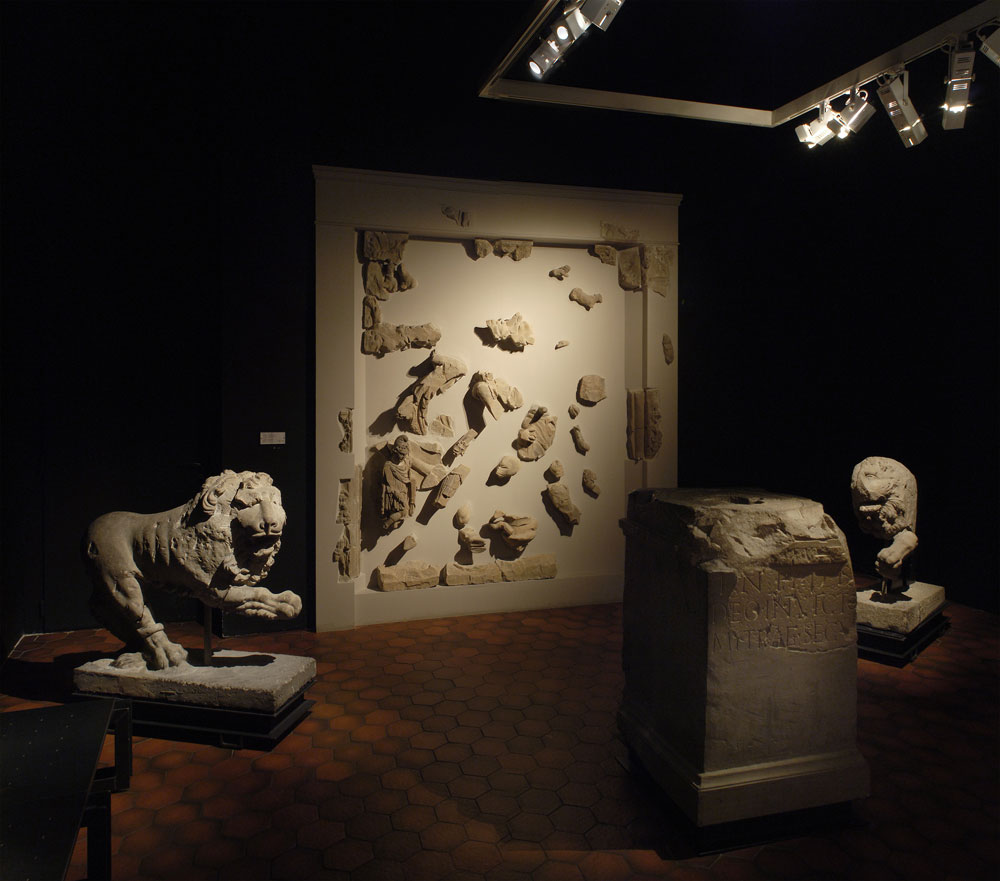
These fragments of a monumental relief of Mithras killing the bull from Koenigshoffen were reassembled and are now on display at the Musée Archéologique de Strasbourg.
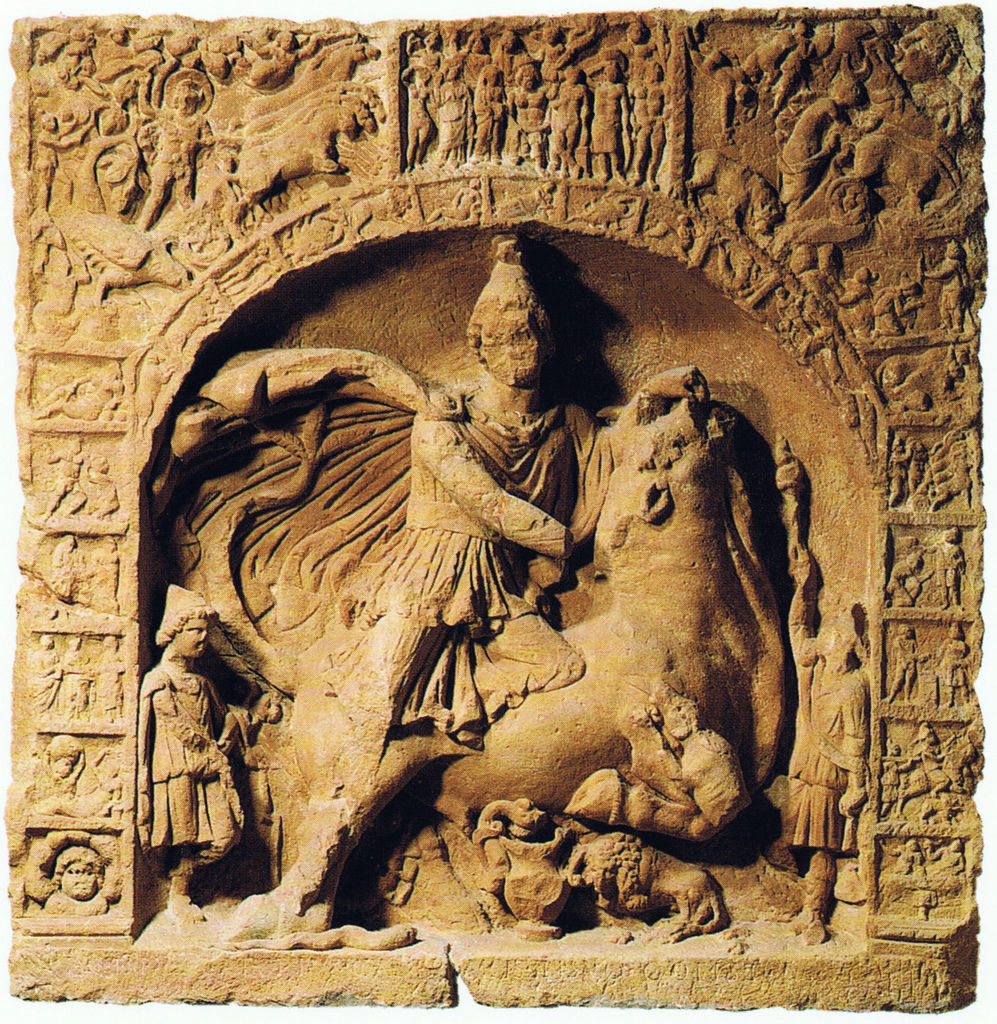
Franz Cumont considers the bas relief of Osterburken ’the most remarkable of all the monuments of the cult of Mithras found up to now’.

This remarkable marble statue of Mithras killing the bull from Apulum includes a unique dedication by its donor, featuring the rare term signum, seldom found in Mithraic contexts.

This is the first known inscription that includes Phanes alongside Mithras found in a Mithraic context.
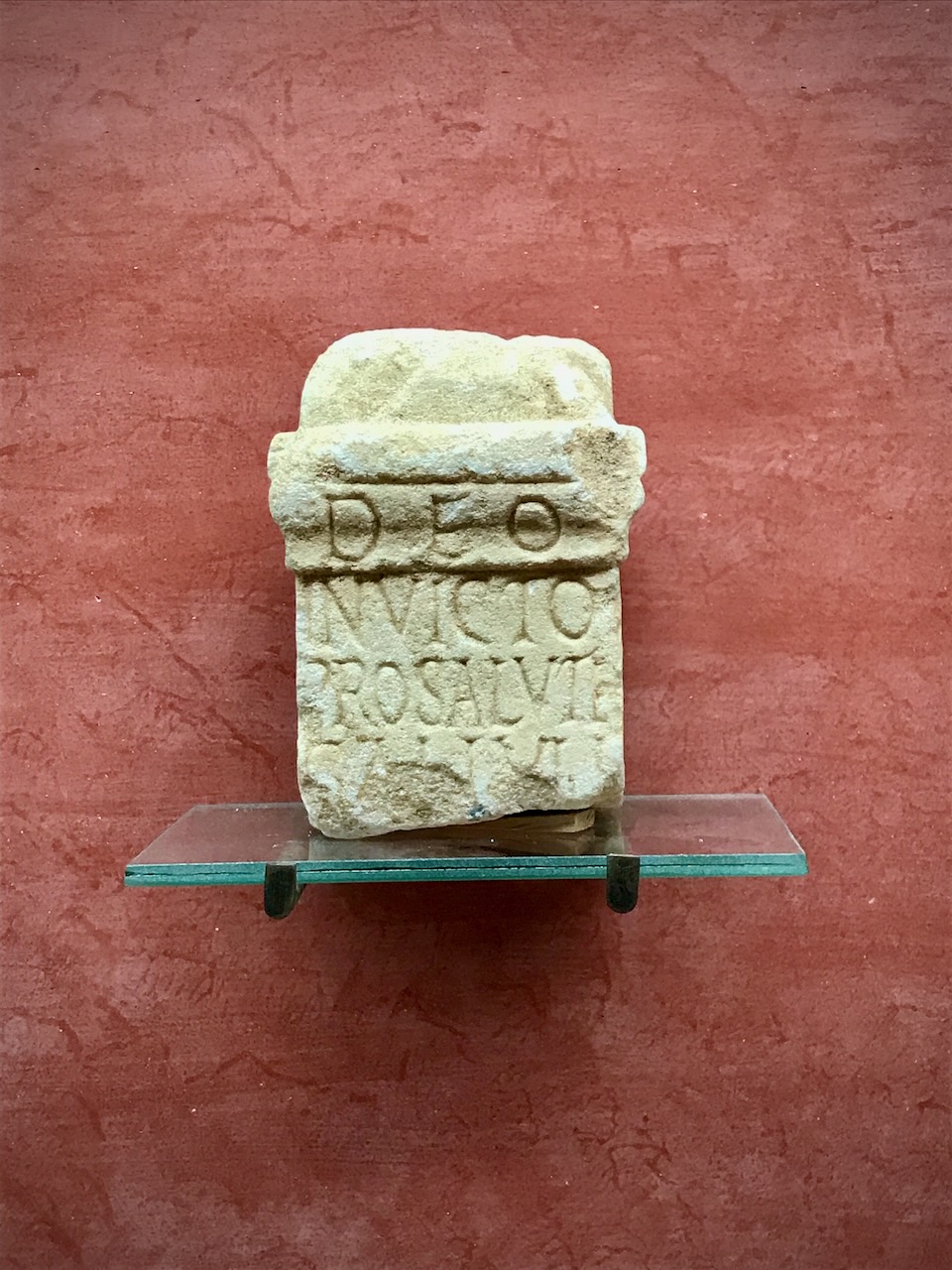
The small Mithraic altar found at Cerro de San Albin, Merida, bears an inscription to the health of a certain Caius Iulius.

Found in Illmitz, Austria, in 1959, this altar was dedicated to the unconquered god Mithras by a certain Aelius Valerianus.
This limestone altar to Sol Invictus Mithra was found at Turda in 1905.
This is the second altar found in Ceanu Mic to date, dedicated to an Invictus being.
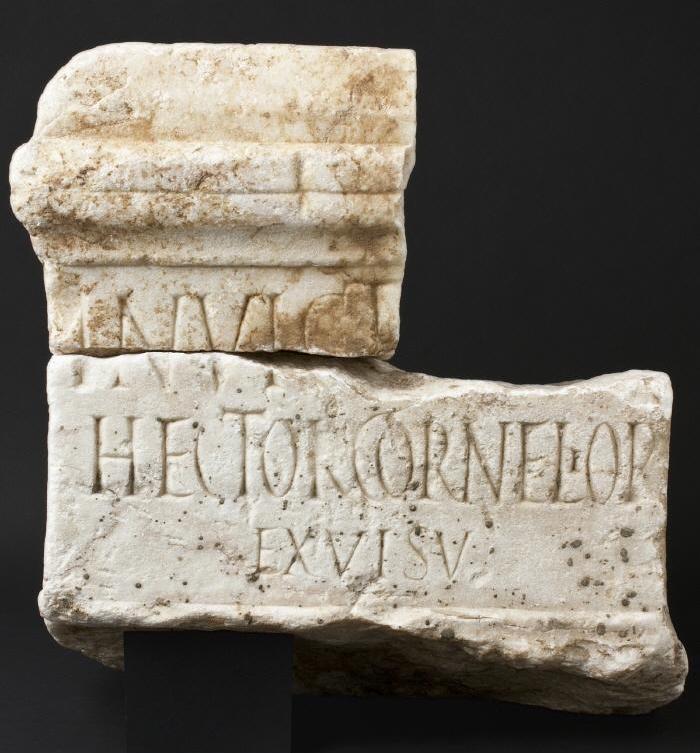
This fragmented altar was found in two pieces that Ana Osorio Calvo has recently brought together.
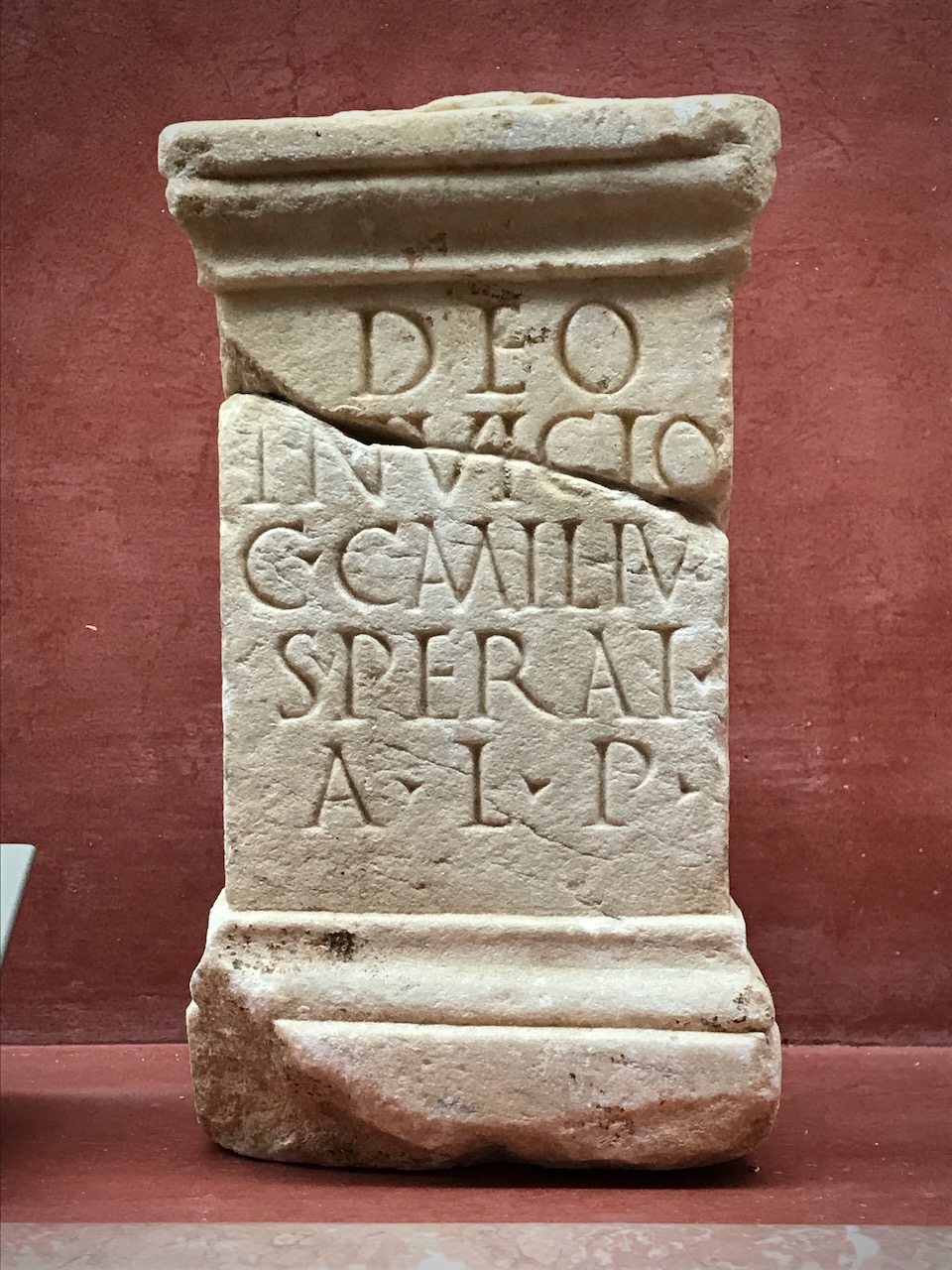
Small white marble altar made in honour of Mithras found at San Albín, Mérida.
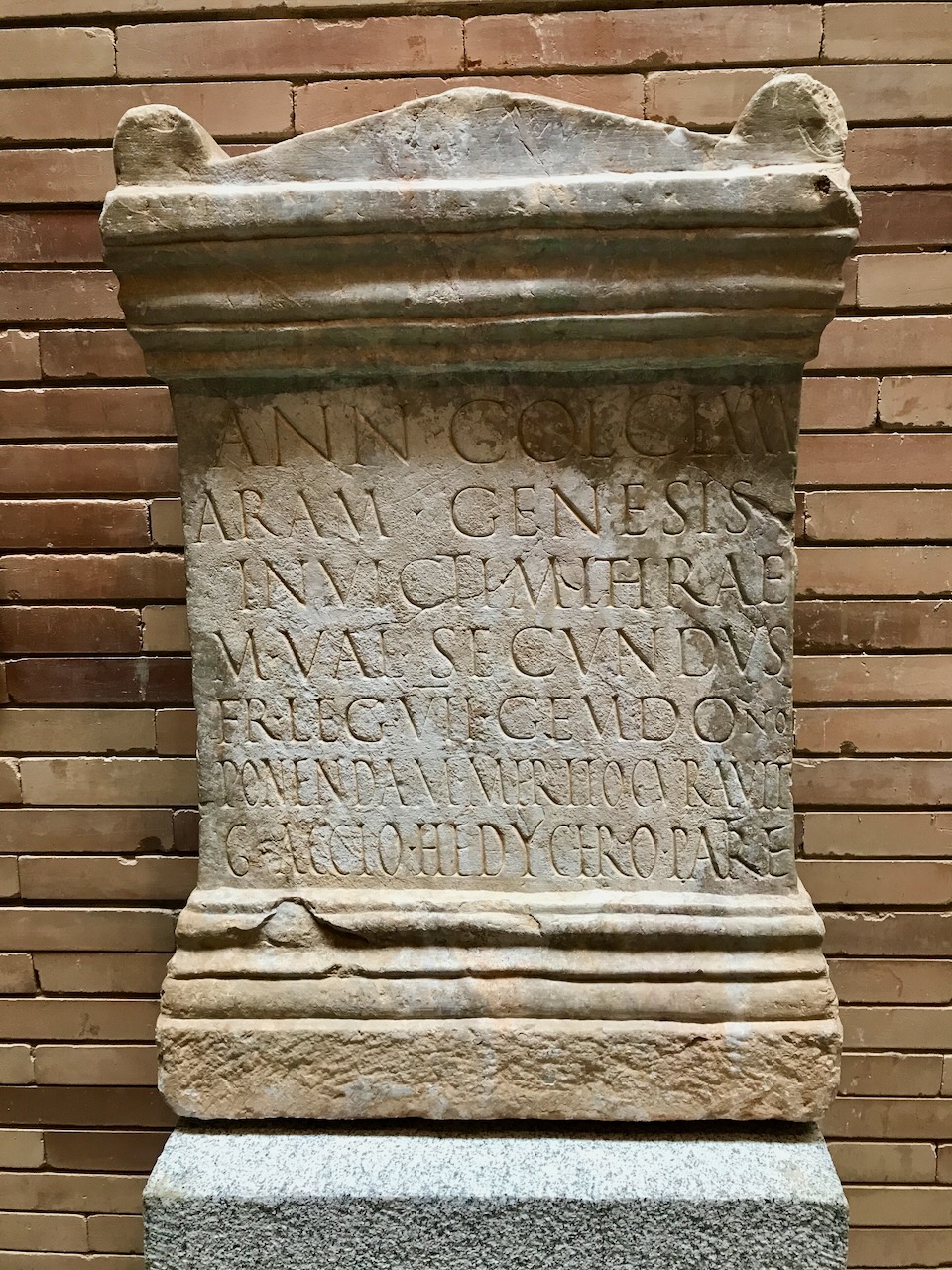
This altar is dedicated to the birth of Mithras by a frumentarius of the Legio VII Geminae.
This cylindrical marble altar was dedicated by the same Pater Proficentius as the slab, both monuments found in the Mithraeum beneath the Basilica of San Lorenzo.
This inscription found in the Mithraeum Aldobrandini informs us of certain restorations carried out in the temple during a second phase of development.
One of the three known inscriptions of Dioscorus, servant of Marci, found in Alba Iulia, Romania.
This marble monument was dedicated in Rome by the slave Fructus and his son Myro.
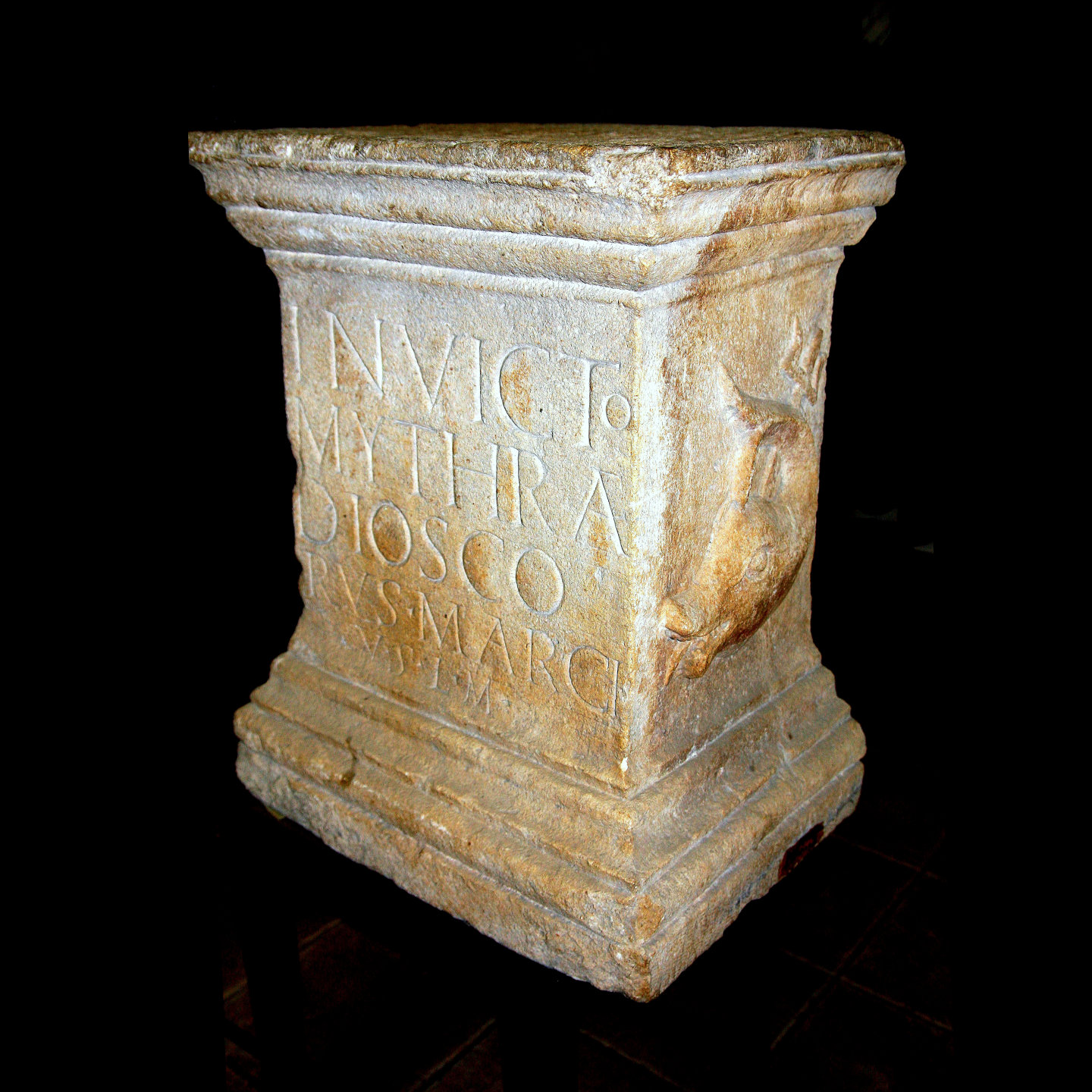
In 1852, Károly Pap, a naval captain, unearthed several Mithraic monuments in his garden at Marospartos, including this altar.

This altar, dedicated to Sol Invictus Mithras by a certain Eutyches for the health of the Emperor Caracalla, was found in Sisak, Croatia, in 1899.
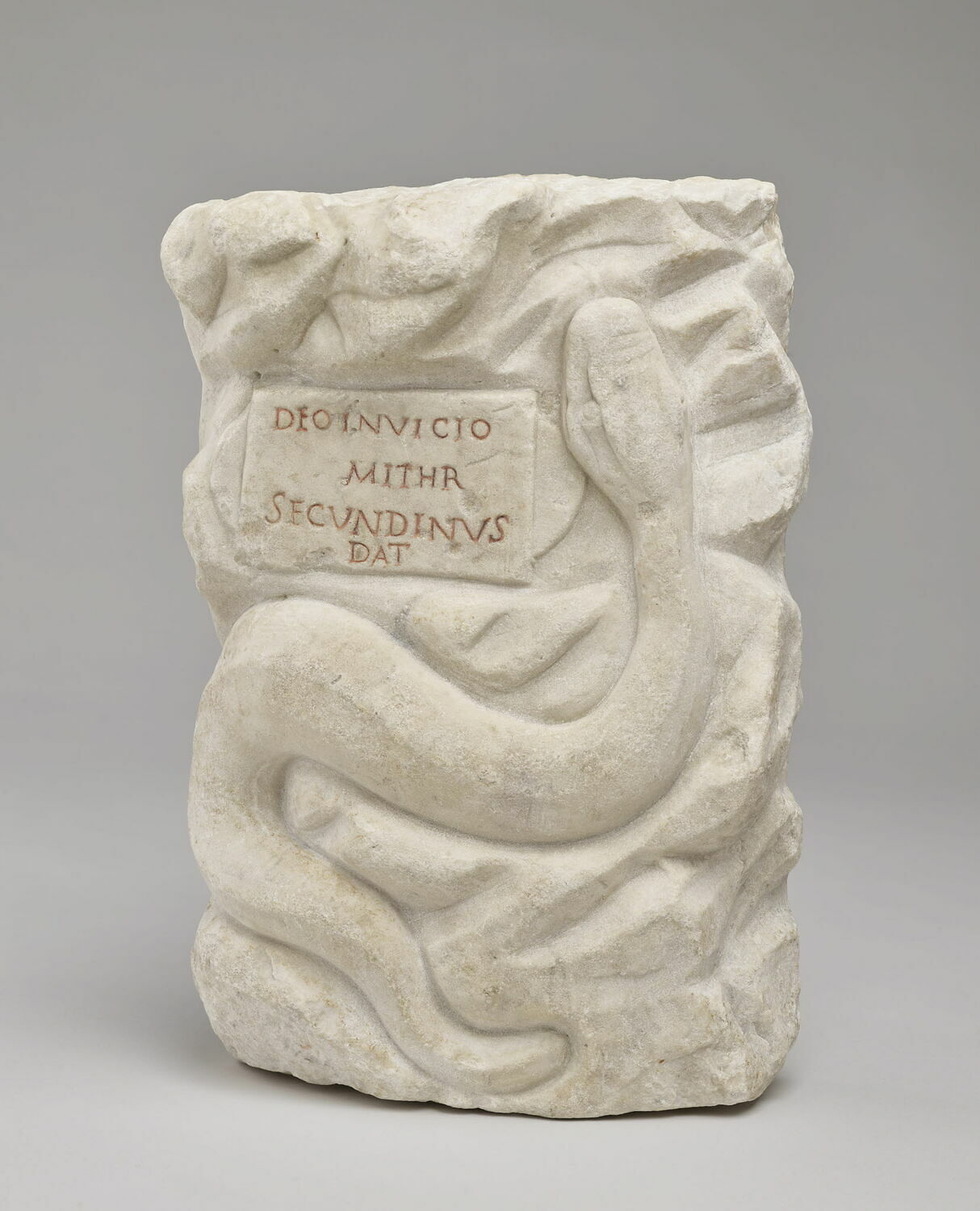
There is no consensus on the authenticity of this monument erected by a certain Secundinus in Lugdunum, Gallia.
